
Occupying two restored Ottoman mansions on Louis HaTshi'i Street in Acre's walled old city, The Efendi Hotel places guests inside one of the most historically layered urban environments in the Middle East. The property belongs to a small category of conversion hotels where the architecture is the primary experience, and Acre's UNESCO-designated medina provides a context few comparable addresses can match.
Pearl is the En Primeur Club membership app — saves, bookings, and concierge access live there. Same editors, same standards.
- Address
- Louis HaTshi'i St, Acre, Israel
- Phone
- +972 74 729 9799
- Website
- efendi-hotel.co.il
- Directions
- Get directions
 Saves & bookings on Pearl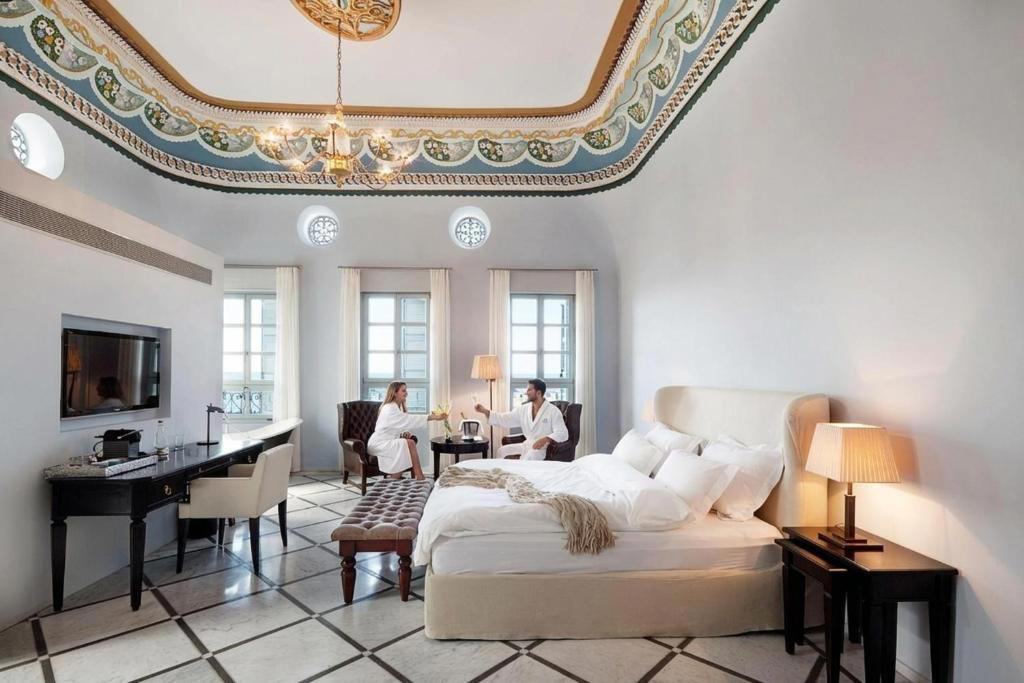
Stone, Centuries, and the Weight of Acre's Old City
Approaching The Efendi Hotel along the narrow lanes of Acre's old city, the sensation is one of compression and accumulation. The streets are Ottoman in their proportions, the stones worn by centuries of foot traffic, and the walls around you carry the layered histories of Crusader fortifications, Mamluk construction, and later Ottoman civic building. This is not a neighbourhood that provides a backdrop for a hotel — it is the experience, and The Efendi sits at the centre of it, occupying two adjoining Ottoman-era mansions that date to the nineteenth century.
Acre's old city received UNESCO World Heritage designation in 2001, placing it in a global register of irreplaceable urban fabric. That designation shapes the physical experience of staying here: the preservation requirements are strict, the architectural interventions are scrutinised, and any hotel operating within the walls is working within constraints that would be unthinkable for a conventional hospitality project. The Efendi's address on Louis HaTshi'i Street puts it within walking distance of the city's major historical sites, including the Knights' Halls, the Al-Jazzar Mosque, and the covered bazaars of the Ottoman market. For context on how Acre's dining and hospitality scene has developed alongside these physical conditions, see our full Acre restaurants guide.
The Architecture as the Argument
Conversion hotels — properties built from the transformation of historically significant buildings rather than purpose-built hospitality structures, occupy a distinct tier in the broader debate about what luxury accommodation should deliver. At the upper end of that tier, the physical fabric of the building makes a case that no amount of contemporary interior design can replicate: genuine age, genuine material, and genuine spatial logic that predates the hospitality industry by centuries.
The Efendi's two mansions follow the typology of late Ottoman domestic architecture in the Levant: high-ceilinged principal rooms, internal courtyards designed for shade and ventilation, arched stone doorways, and ornamental plasterwork that reflects the prosperity of Acre's merchant class during the city's commercial peak. The hammam on the property, a working bathhouse from the Ottoman period, is the kind of feature that places The Efendi in a very narrow category of hotels globally where the ancillary amenities are themselves objects of architectural study.
Israel's hotel market has developed several distinct formats in recent years. At one end, large urban business hotels in Tel Aviv and Jerusalem anchor the volume segment. At the other, a smaller set of design-conscious properties has emerged in historically significant locations, including the Beresheet Hotel in Beersheba, the Elma Arts Complex Luxury Hotel in Hadera, and the Beresheet in Mizpe Ramon, each of which uses its physical and geographic context as the primary differentiator. The Efendi belongs to this second group, though its urban-historic setting distinguishes it from the desert and coastal properties that make up much of the cohort.
Internationally, the conversion hotel model has produced some of the most architecturally serious luxury properties in operation, from Aman Venice, set inside a sixteenth-century palazzo, to HOTEL THE MITSUI KYOTO, which occupies the former residence of the Mitsui family. The common thread is that the building's historical depth performs a function that conventional luxury signals cannot: it grounds the experience in something irreplaceable.
Acre as Context: What the City Demands of Its Hotels
Acre is one of the oldest continuously inhabited cities in the world. Its strategic position on the Mediterranean coast made it a prize in successive imperial contests, Hellenistic, Roman, Arab, Crusader, Mamluk, Ottoman, and British administrations each left their mark on the urban fabric. The result is a city where history is not curated into a visitor district but runs through the whole of the old city's infrastructure.
For a hotel operating within these walls, this creates both an extraordinary opportunity and a real responsibility. The Efendi's decision to restore rather than reconstruct, to preserve the spatial logic and material character of its two mansions rather than gut and rebuild, is a positioning choice that aligns the property with a specific type of traveller: one for whom the patina of original stonework carries more weight than a rooftop infinity pool.
The comparison set here is not primarily Israeli. It is closer to the small hotels of the Moroccan medinas, the palazzi of Venice, or the havelis of Rajasthan, properties where the building itself is a reason to travel. Properties in the broader global luxury tier like Castello di Reschio in Umbria or Hotel Sacher Wien in Vienna operate from a similar premise: that historical authenticity, when handled with rigour, is itself a luxury product.
Planning a Stay: What to Know Before You Book
Acre sits roughly 23 kilometres north of Haifa and is accessible by train from Tel Aviv's HaHagana station, with the journey taking approximately two hours. The old city is compact and leading explored on foot, the hotel's location on Louis HaTshi'i Street places it within the historical core, which means both convenience and the ambient noise and activity of a living urban district rather than a resort enclave.
Travellers coming from Tel Aviv who want to compare the wider spectrum of Israeli boutique hospitality before or after an Acre stay might look at Brown TLV Urban Hotel, which represents the urban-design end of the market, or the David Citadel Hotel in Jerusalem for a large-format property with its own historically resonant setting. For those building a broader Middle East itinerary, Six Senses Shaharut in the Negev Highlands offers a counterpoint in a desert landscape.
Booking directly through the hotel is the standard approach for properties of this type, where room allocation and specific requests are better handled through direct contact than third-party platforms. Given the limited key count typical of conversion hotels operating within protected heritage buildings, advance planning matters more here than at larger properties, particularly during summer months and Jewish holidays, when domestic Israeli tourism drives significant demand across the northern coast.
A Quick Peer Check
| Venue | Cuisine |
|---|---|
| The Efendi HotelThis venue — the venue you are viewing | This venue |
Recognition history
Dated appearances from independent guides and award organizations, with the underlying list record or original source where available.
Michelin Selected
Michelin
Continue exploring
More in Acre
Restaurants in Acre
Browse all →

At a Glance
- Romantic
- Elegant
- Historic
- Intimate
- Sophisticated
- Romantic Getaway
- Honeymoon
- Anniversary
- Weekend Escape
- Historic Building
- Panoramic View
- Terrace
- Wi Fi
- Spa
- Room Service
- Concierge
- Laundry Service
- Waterfront
- Mountain
- Street Scene
- Wi Fi
- Spa
- Room Service
- Concierge
- Laundry Service
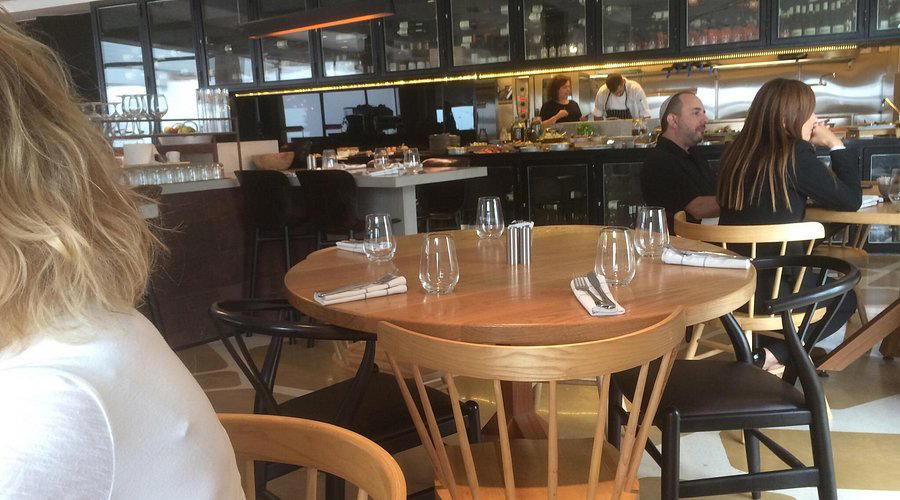
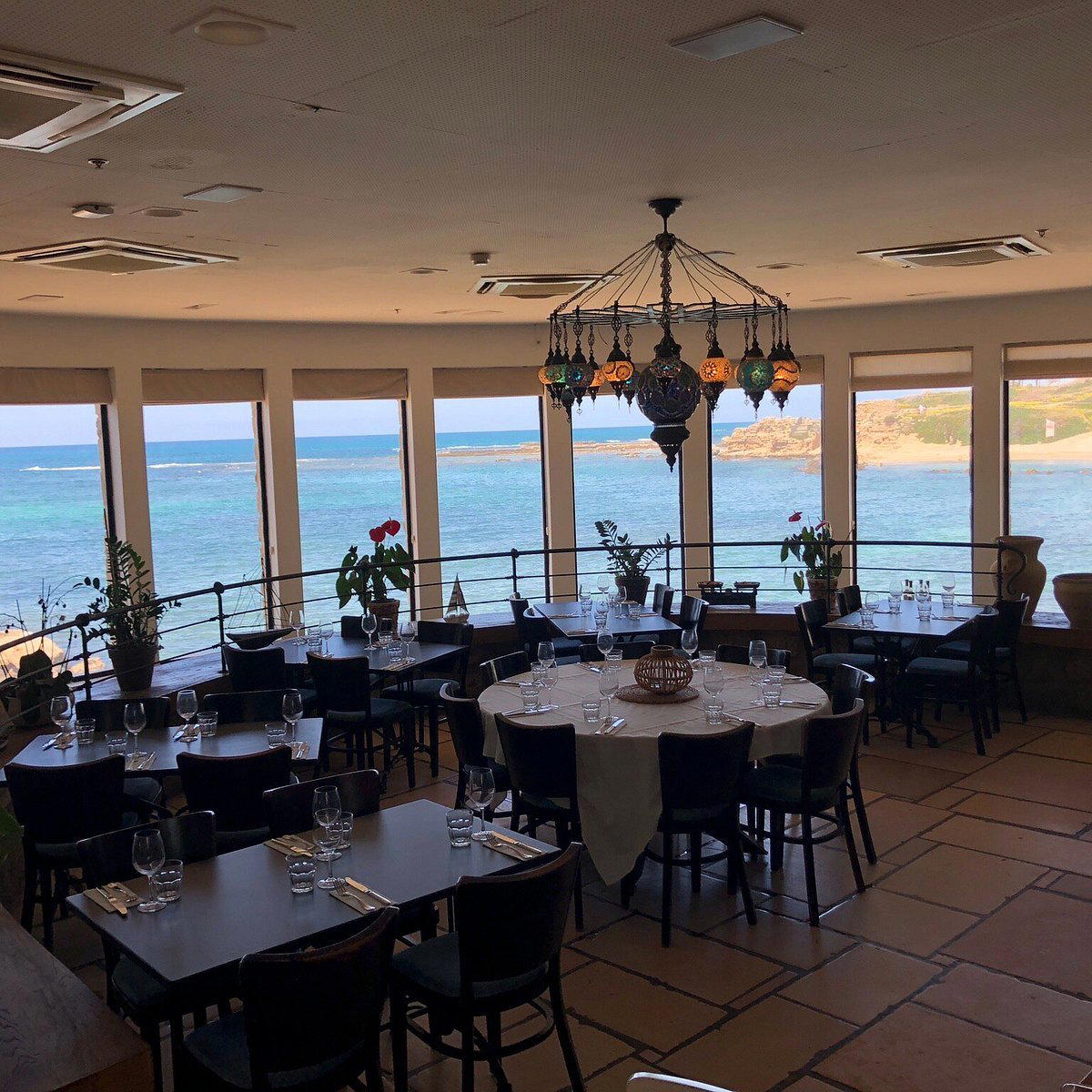
Charming blend of historical grandeur with colorful frescoes, vaulted arches, and modern comforts, creating an elegant and authentic atmosphere.
Know Before You Go
- Getting there
- Louis HaTshi'i St, Acre, Israel