Tamarind Village

1 Michelin Key
A 42-room boutique property on Rachadamnoen Road, Tamarind Village sits inside Chiang Mai's historic old city yet reads more like a countryside retreat than an urban hotel. Tribal-heritage interiors, a 200-year-old tamarind tree at its centre, and a restaurant anchored in northern Thai cooking make it a considered choice for travellers who want cultural immersion without distance from the walled city's main sights.

Pearl is the En Primeur Club membership app, where members save venues, book tables and use the concierge.
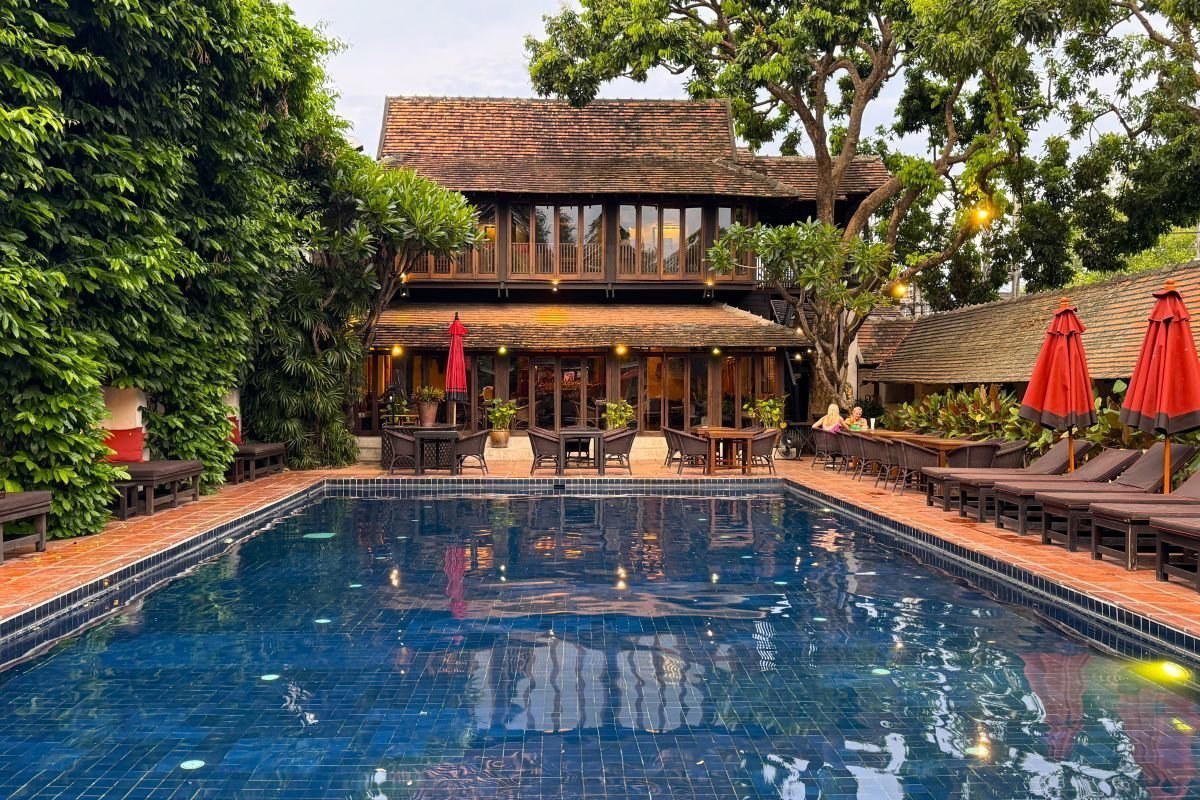
Inside the Old City Walls: What Tamarind Village Gets Right About Place
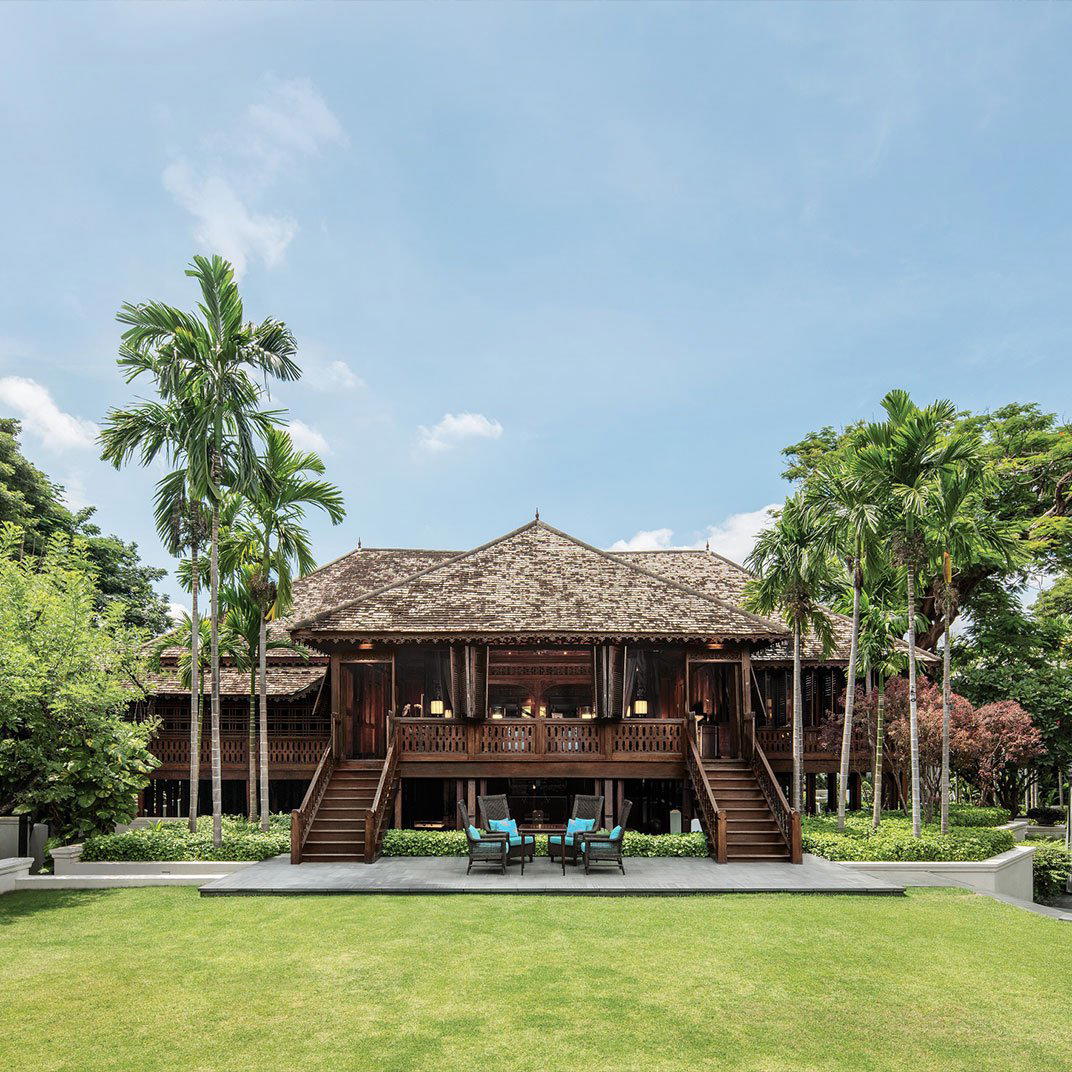
Chiang Mai's old city is a one-square-kilometre moat-bounded district where temple compounds, tuk-tuks, and walking-street vendors compete for the same narrow lanes. Most hotels in this zone manage the contradiction between heritage character and operational convenience by leaning heavily on renovation aesthetics: exposed brick, reclaimed timber, a spirit house by the entrance. Tamarind Village approaches the same problem differently. The 42-room property on Rachadamnoen Road Soi 1 is built around an actual 200-year-old tamarind tree, and the compound reads less like a renovated building than a transplanted garden, dropped into the urban grid and left to find its own pace.
That distinction matters more in Chiang Mai than it might elsewhere. The old city has no shortage of design-conscious small hotels, and properties like Rachamankha and 137 Pillars House have set a high standard for atmosphere-led boutique hospitality in this part of northern Thailand. Within that competitive set, the defining variable is what kind of remove a property can offer from the street outside. Tamarind Village's answer is spatial: a bamboo archway marks the threshold, and stepping through it shifts the acoustics and light enough that the moat road behind you recedes quickly.
Room Character and the Tribal Textile Tradition
Northern Thailand has a long tradition of textile craft tied to hill-tribe communities, and the Lanna kingdom's legacy shows up in weaving patterns, lacquerwork, and ceremonial objects that appear in markets, museums, and private collections across Chiang Mai. The rooms at Tamarind Village draw on this regional vocabulary without staging it as decor tourism. Lacquer boxes and boldly patterned fabrics appear in context rather than in glass cases, and the overall effect is spare rather than maximalist. The combination of throwback material culture with clean modern lines places the property in a specific design tradition that has become increasingly common across Southeast Asian boutique hotels: local craft as spatial grammar, not surface ornament.
Standard rooms come with Wi-Fi and satellite television, and bathrooms are stocked with proprietary amenities developed specifically for the property. At the higher end of the room hierarchy, the spa suite adds a spacious terrace, an outdoor shower, and private access, which represents a meaningful step up in both usable space and privacy for a 42-room property where the compound's communal gardens are the main outdoor offering.
Ruen Tamarind: Northern Thai Cooking Without the Museum Feeling
Northern Thai cuisine is materially different from what most international visitors associate with Thai food. The regional kitchen draws on Burmese and Yunnan influences, leans toward fermented and dried preparations, and produces dishes like khao soi, sai oua, and nam phrik ong that have no meaningful equivalent in central Thai cooking. Chiang Mai's restaurant scene has increasingly split between high-volume tourist operations that simplify these flavours and more considered kitchens that treat northern Thai food as a serious culinary tradition worth preserving in detail.
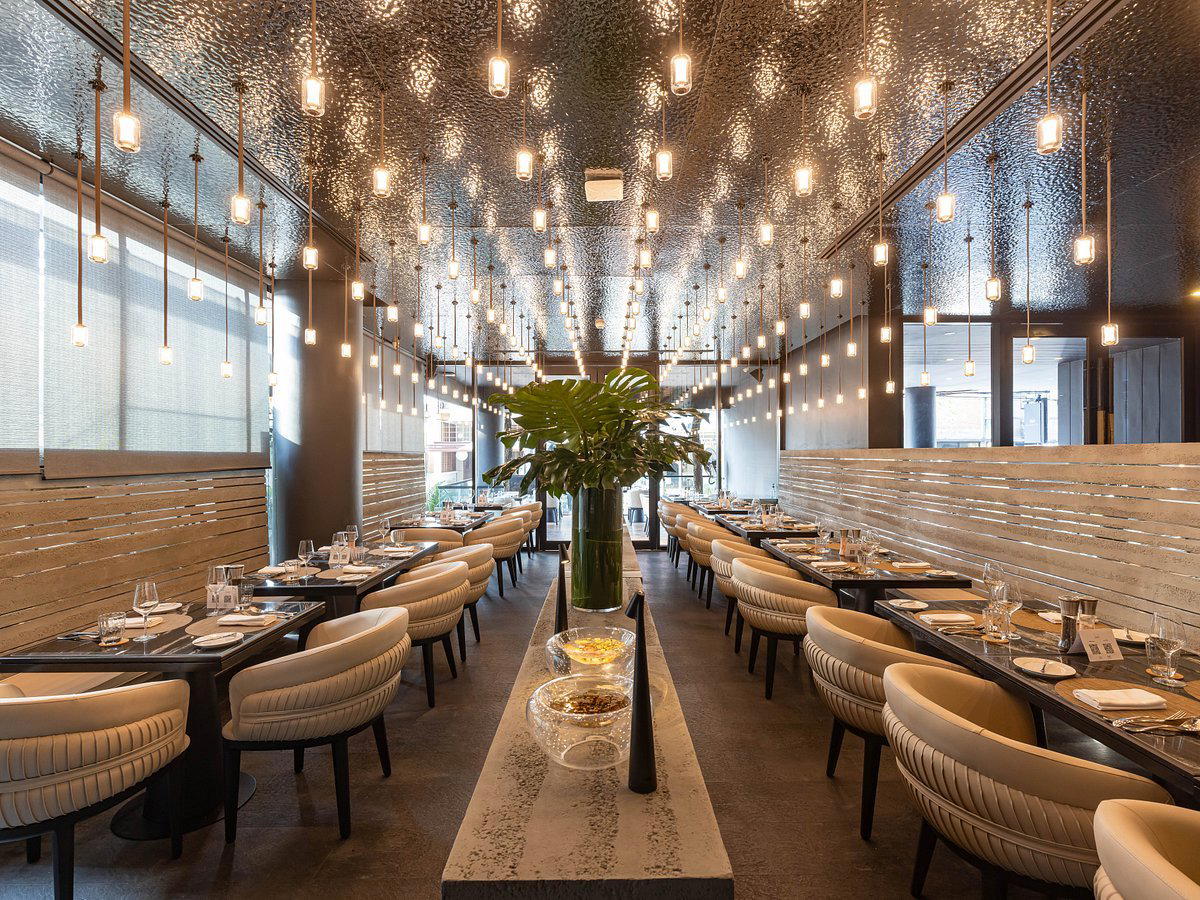
The property's Ruen Tamarind Restaurant positions itself in the latter category. The menu hews closely to traditional northern Thai preparations without what the property describes as a stodgy approach, which in practice means the cooking reads as studied rather than static. For guests who want to ground their eating in the specific food culture of the north, having a kitchen of this orientation on-site removes one variable from what can otherwise be an overwhelming restaurant landscape in a city with as many dining options as Chiang Mai. For a broader view of the city's dining options, see our full Chiang Mai restaurants guide.
The Spa and the Logic of Regional Wellness Practice
Thai spa culture has been exported so thoroughly that the original regional distinctions between northern and central practice have largely collapsed in the international imagination. In Chiang Mai, a handful of properties have made a point of anchoring their wellness offerings in specifically northern Thai traditions, including herbal compresses formulated from local plants, tok sen (a wooden-mallet therapy rooted in Lanna practice), and herbal steam treatments that differ from the southern Thai variants most international travellers have encountered. The Tamarind Village spa draws on these regional practices and supplements them with a broader selection of contemporary wellness techniques, which positions it as a middle-ground offering: rooted in local tradition but not so specialist that guests unfamiliar with northern Thai wellness protocols would feel underprepared.
Location Logic: Old City Access and the Night Bazaar Walk
Rachadamnoen Road is one of the old city's primary east-west arteries, running past Wat Phra Singh and connecting to the city's main temple circuit. A hotel on Soi 1 off this road is positioned within walking distance of the majority of the old city's significant sites, and the property is close enough to the Ping River that riverside dining is a short trip rather than an excursion. The city's night bazaar, which operates along Wualai Road on Saturday evenings and across Chang Khlan Road on weekday nights, is accessible without requiring a vehicle.
That concentration of access within a walkable radius is the practical argument for staying inside the old city rather than at a resort property in the surrounding hills. Properties like the Four Seasons Resort Chiang Mai or the Aleenta Retreat Chiang Mai offer a different proposition: seclusion and resort-scale facilities at the cost of proximity to the city's temple and market culture. Tamarind Village offers the reverse trade-off, and for visitors whose primary interest is the old city itself, that exchange is the more coherent one. Other city-centre options worth considering include the Anantara Chiang Mai Resort, the AMANOR Hotel Chiang Mai, the Chiang Mai Marriott Hotel, and Le Méridien Chiang Mai, each occupying a different position on the scale-versus-character spectrum.
Thailand in Broader Context
Tamarind Village occupies a specific niche within Thai hospitality: the design-led boutique property that derives its authority from place rather than from brand affiliation or resort scale. That model appears across Thailand in various forms. At the high end, properties like Amanpuri in Phuket and Six Senses Yao Noi in Phang Nga set the standard for site-specific luxury. Elsewhere, Phulay Bay, A Ritz-Carlton Reserve in Krabi, Samujana Villas in Koh Samui, Soneva Kiri in Trat, and Pimalai Resort & Spa in Koh Lanta represent the beach and island end of the same design-conscious spectrum. In the north, Anantara Golden Triangle Elephant Camp & Resort in Chiang Rai is the comparable proposition for visitors extending their itinerary beyond Chiang Mai. Bangkok anchors the other end of any Thailand itinerary, and properties like the Mandarin Oriental Bangkok and the Grand Hyatt Erawan Bangkok in Pathum Wan define the capital's upper tier. For those whose travel extends further, Aman New York, The Fifth Avenue Hotel in New York City, and Aman Venice in Venice represent the same design-rigour ethos applied to very different urban contexts.
Planning Your Stay
Chiang Mai's peak season runs from November through February, when temperatures are cooler and the old city is at its most manageable. The Yi Peng lantern festival, which falls in November, draws significant crowds and compresses availability at old-city hotels substantially, making advance booking during that window particularly important. The shoulder months of March and April bring heat but fewer visitors and somewhat more flexibility on availability. Tamarind Village's 42 rooms represent a small inventory relative to demand during peak periods, and the property's position on Rachadamnoen Soi 1 places it in the most sought-after zone of the old city for temple-circuit access. Guests with specific room-category preferences, particularly the spa suite, should plan accordingly. Room pricing was not available at time of publication; prospective guests should check directly for current rates and availability.
Similar Picks
Comparable venues nearby, for context on price, style, and recognition.
| Venue | Cuisine | Price | Awards | Notes |
|---|---|---|---|---|
| Tamarind VillageThis venue (the venue you are viewing) | Historic Lanna-style boutique hotel with traditional Thai architecture and contemporary comfort, positioned as a peaceful retreat within the urban old city. | $100–200 | 1 Michelin Key | Not listed |
| Aleenta Retreat Chiang Mai | Intimate boutique wellness retreat blending modern design with Lanna cultural heritage and sustainability. | Not listed | 1 Michelin Key · Travel + Leisure T+L 500 Hotels | Mueang Chiang Mai |
| Raya Heritage | Contemporary Lanna heritage luxury resort | $200–300 | 1 Michelin Key · Mr & Mrs Smith Seal of Approval | Mae Rim |
| RatiLanna Riverside Spa Resort | Contemporary Northern Thai luxury resort blending traditional Lanna architectural heritage with modern design and amenities. | $100–200 | Michelin Selected | Chang Khlan |
| Villa Mahabhirom | Restored heritage Thai village complex blending 100+ year old traditional architecture with contemporary luxury amenities and eclectic art curation. | Not listed | 1 Michelin Key | Su Thep |
| Le Méridien Chiang Mai | Contemporary urban tower blending European roots with Asian influences. | Not listed | Not listed | Mueang Chiang Mai |
Recognition history
Dated appearances from independent guides and award organizations, with the underlying list record or original source where available.
Michelin 1 Key
Michelin
Full recognition history (2 entries)
Michelin 1 Key
Michelin
Continue exploring
More in Chiang Mai
Hotels in Chiang Mai
All hotels in Chiang Mai →
Bars in Chiang Mai
All bars in Chiang Mai →

Details
- Romantic
- Quiet
- Classic
- Elegant
- Rustic
- Romantic Getaway
- Wellness Retreat
- Family Vacation
- Weekend Escape
- Garden
- Historic Building
- Destination Spa
- Terrace
- Wi Fi
- Pool
- Spa
- Restaurant
- Room Service
- Concierge
- Free Parking
- Laundry Service
- Garden
- Accessible Parking
Serene and peaceful with warm, ambient lighting throughout lush garden courtyards; guests consistently describe it as a tranquil oasis despite its central location in a busy city.