AMANOR Hotel Chiang Mai


Michelin Selected · Small Luxury Hotels of the World Member
On Lane 9 of Nimmana Haeminda Road, AMANOR Hotel Chiang Mai occupies a position that suits travellers who want Nimman's walkable creative energy without the noise of its main strip. The architecture draws from the city's historic walled-city tradition, and the interior shifts to a cooler, contemporary register. For Chiang Mai's boutique mid-tier, it represents a considered alternative to larger resort formats.

Pearl is the En Primeur Club membership app, where members save venues, book tables and use the concierge.
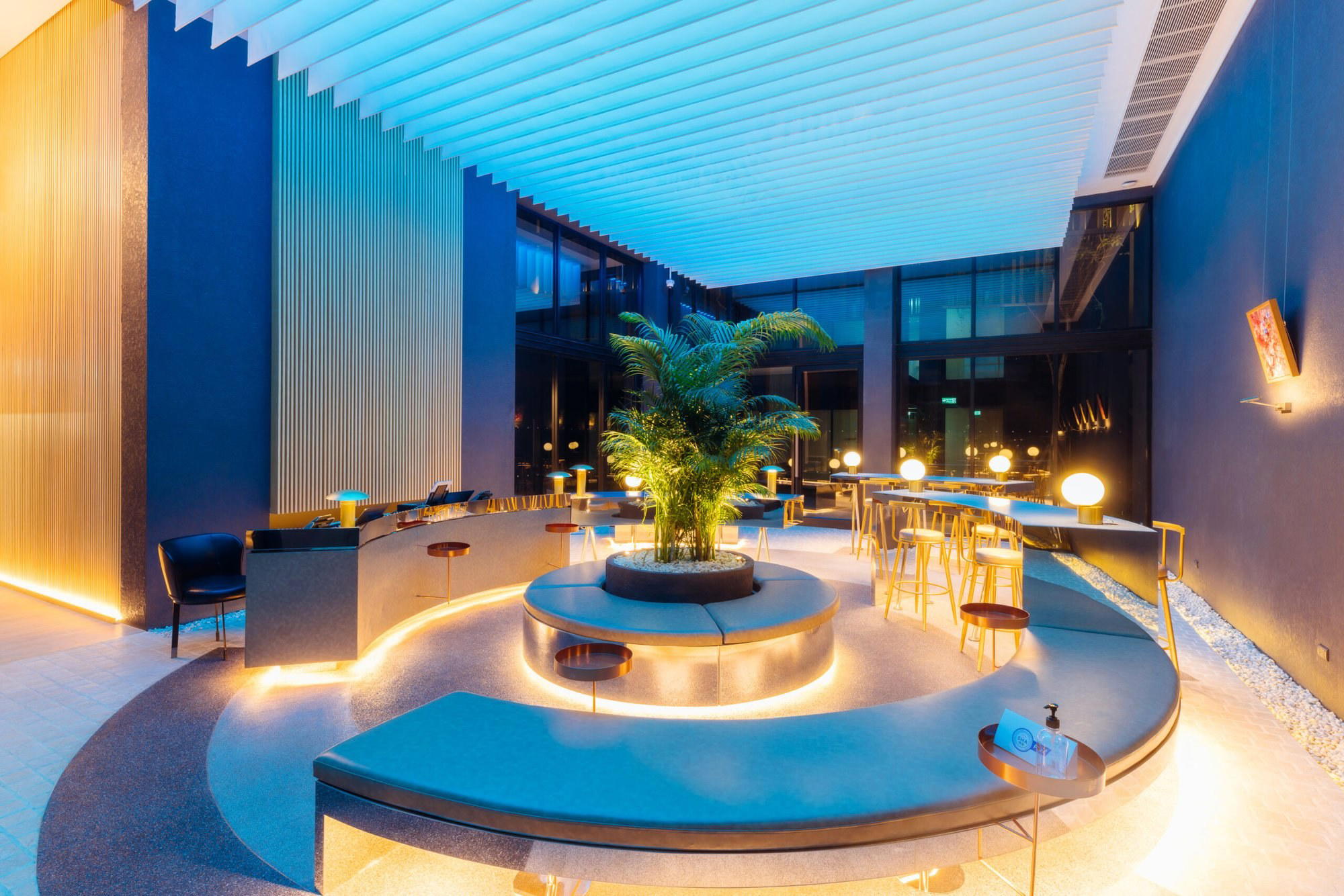
Nimman's Boutique Tier: Where Architecture Does the Talking
Chiang Mai's accommodation market has fractured clearly over the past decade. At one end sit the large resort properties: the Four Seasons Resort Chiang Mai with its rice-paddy grounds north of the city, and the Anantara Chiang Mai Resort anchored to the Ping River. At the other end, a cluster of smaller, design-conscious properties has emerged in and around the Nimman district, addressing travellers who prioritise neighbourhood access over landscaped seclusion. AMANOR Hotel Chiang Mai sits in this second cohort, on Lane 9 of Nimmana Haeminda Road, in a part of the city where independent coffee shops, galleries, and the Maya Mall hub form the day-to-day texture of a stay.
The building's architecture is the first point of orientation. The design references Chiang Mai's ancient walled city, the moat-bounded square that defines the historic core, translating its proportions and material logic into a structure that registers as contemporary rather than pastiche. That tension between historical reference and modern execution is a recurring strategy among Northern Thai design properties, and AMANOR deploys it at street level, where the facade makes an immediate impression before guests step into the cooler interior. For travellers arriving from Bangkok's high-gloss corridor, whether from the Mandarin Oriental Bangkok or the Grand Hyatt Erawan Bangkok, the shift in register is deliberate and worth noting before booking.
The Nimman Address and What It Means Practically
Lane 9 on Nimmana Haeminda Road is a functional address for a particular kind of Chiang Mai trip. The main Nimman strip runs parallel, close enough to walk to its concentration of restaurants, bars, and the Saturday Night Market cycle, but Lane 9 itself runs quieter. Travellers focused on Chiang Mai's Old City temples can reach the moat in roughly fifteen minutes by tuk-tuk or songthaew. Chiang Mai International Airport sits south of the city centre, and the Nimman area is typically a twenty-minute drive depending on time of day.
This address positions AMANOR differently from river-based properties like the 137 Pillars House or Raya Heritage, both of which draw much of their identity from the Ping River setting. It also differs from heritage-immersive stays like Rachamankha, which sits within the Old City walls and prioritises proximity to Wat Phra Singh. AMANOR's Nimman placement makes it a more urban proposition: better suited to travellers whose itinerary is weighted toward the city's contemporary food and arts scene rather than temple circuits alone.
Service Framing in a Boutique Format
Across Northern Thailand's boutique hotel tier, the service model tends to diverge from the scripted consistency of international chains. Properties at this scale, whether Aleenta Retreat Chiang Mai or smaller independents, typically operate with tighter teams and a correspondingly more direct relationship between staff and guest. The advantage is a kind of anticipatory familiarity: when a property has a limited number of rooms, staff can track preferences and patterns in ways that larger operations with higher occupancy rates find harder to sustain.
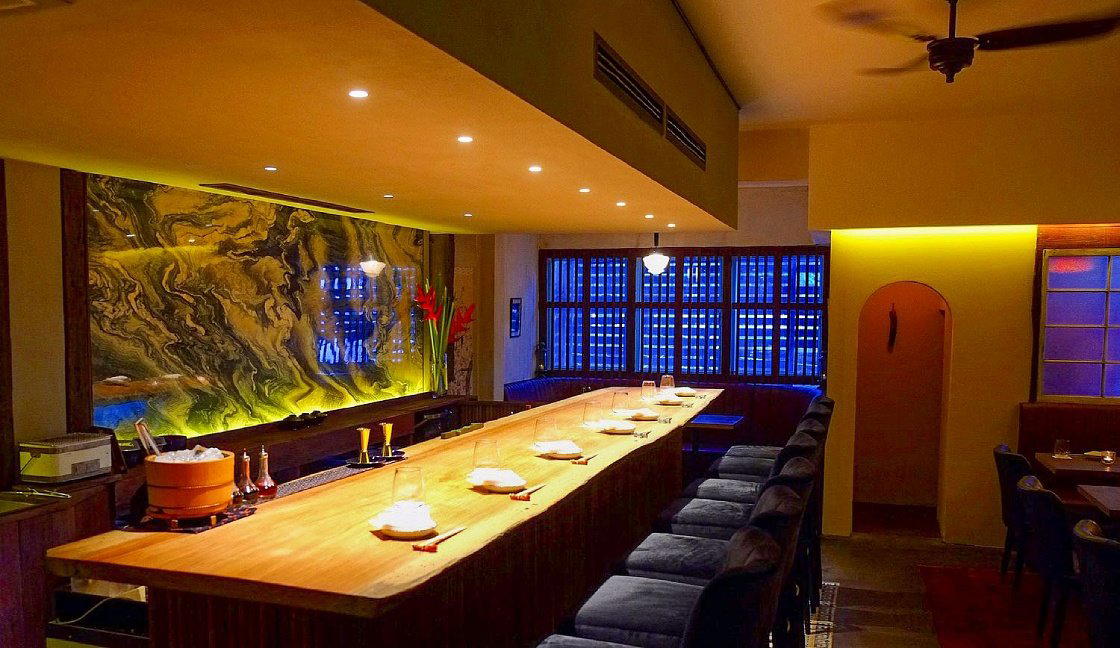
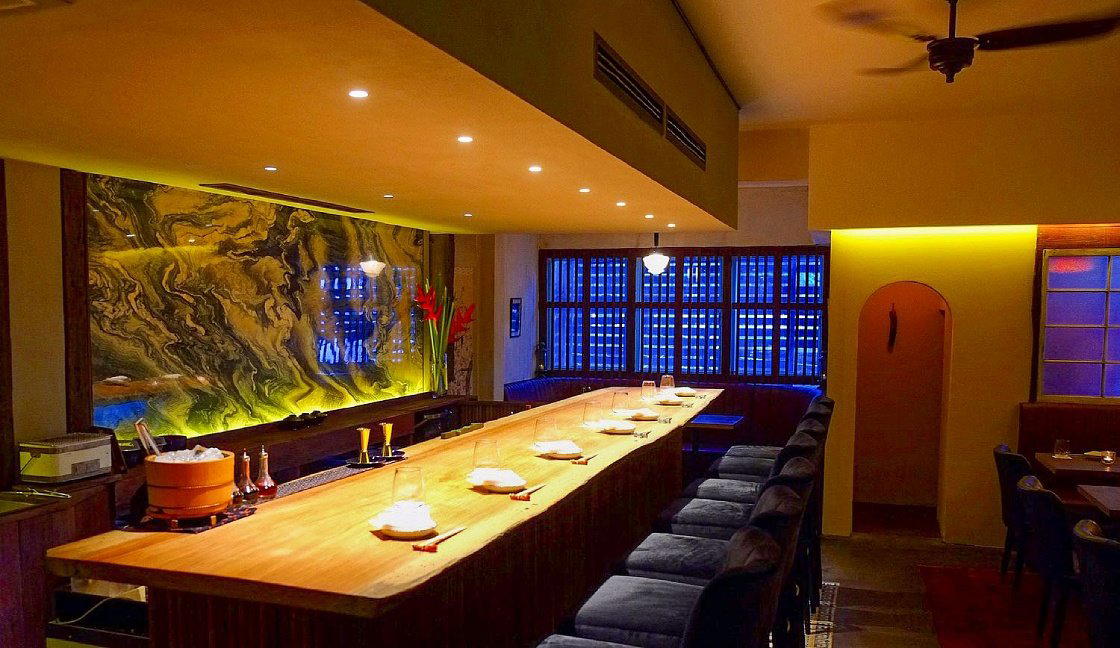
For AMANOR, that boutique scale sets the expectation. The contemporary interior, described as cool in contrast to the heat outside, functions partly as a practical buffer and partly as a tonal statement about what kind of stay is on offer. The architecture signals ambition; the interior signals that the ambition is calibrated toward comfort rather than spectacle. Travellers comparing this to larger-format options in the city, the Chiang Mai Marriott Hotel or Le Méridien Chiang Mai, should weight their decision around whether they want institutional consistency or the more variable but sometimes more personalised rhythm of a smaller operation.
Chiang Mai's Wider Accommodation Context
Northern Thailand's premium hotel market extends well beyond Chiang Mai city. Anantara Golden Triangle Elephant Camp and Resort in Chiang Rai offers a conservation-focused proposition at the Myanmar and Laos border. For those extending a Thailand trip to the coast, the choices span from Amanpuri in Phuket to the reef-adjacent Six Senses Yao Noi in Phang Nga and the quieter Pimalai Resort and Spa in Koh Lanta. Gulf Coast options include Soneva Kiri in Trat and Anantara Rasananda Koh Phangan Villas. Within Chiang Mai city specifically, the range is wide enough that the choice between boutique and resort format is the first decision to make, before brand or price becomes the filter.
For travellers whose Thailand itinerary includes a beach phase alongside a northern cultural segment, Chiang Mai boutique properties like AMANOR work efficiently as a first or last stop: compact, city-oriented, and close to the airport, without requiring the half-day transfers that river and mountain resort properties sometimes demand. See our full Chiang Mai restaurants and hotels guide for context on the broader scene.
Planning Your Stay
Chiang Mai's peak season runs from November through February, when temperatures drop to manageable levels and the city's festival calendar, including the Loy Krathong lantern festival in November, draws significant visitor numbers. March and April bring smoke season as agricultural burning affects air quality across Northern Thailand, a factor worth weighing for any outdoor itinerary. The wet season from June through October thins crowds and softens prices, though some trekking routes north of the city become harder to access.
For booking, AMANOR is located at 22/2 Nimmana Haeminda Rd Lane 9 in Chiang Mai's Su Thep sub-district. Specific rates, room availability, and current booking channels are best confirmed directly. Travellers considering the property against other design-led options in the city should also look at Aleenta Retreat Chiang Mai and Rachamankha as reference points in different sub-districts, each with a distinct neighbourhood logic. For those interested in how the Aman brand operates at a larger scale internationally, Aman New York and Aman Venice offer comparative reference on what the broader premium boutique tier looks like in other global cities.
Cuisine and Recognition
Comparable venues nearby, for context on price, style, and recognition.
| Venue | Cuisine | Price | Awards | Notes |
|---|---|---|---|---|
| AMANOR Hotel Chiang MaiThis venue (the venue you are viewing) | Modern luxury boutique hotel blending contemporary design with traditional Thai cultural elements and sixties-era glamour. | $100–200 | Michelin Selected · Small Luxury Hotels of the World Member | Not listed |
| The Chiang Mai Riverside Hotel | Luxury all-suite boutique hotel residence emphasizing personalized service and intimate atmosphere over mass amenities | $300–500 | Not listed | Mueang Chiang Mai |
| Meliá Chiang Mai | Contemporary tower blending northern Thai mystic splendour with Spanish ambience | $100–200 | Michelin Selected | Mueang Chiang Mai |
| Cross Chiang Mai Riverside | Contemporary Lanna-inspired luxury boutique resort | Not listed | Michelin Selected | Mueang Chiang Mai |
| Villa Mahabhirom | Restored heritage Thai village complex blending 100+ year old traditional architecture with contemporary luxury amenities and eclectic art curation. | Not listed | 1 Michelin Key | Su Thep |
| Siripanna Villa Resort & Spa, Chiang Mai | Lanna-inspired tropical resort | Not listed | Not listed | Mueang Chiang Mai |
Recognition history
Dated appearances from independent guides and award organizations, with the underlying list record or original source where available.
Michelin Selected
Michelin
Small Luxury Hotels of the World Member
Small Luxury Hotels of the World
Continue exploring
More in Chiang Mai
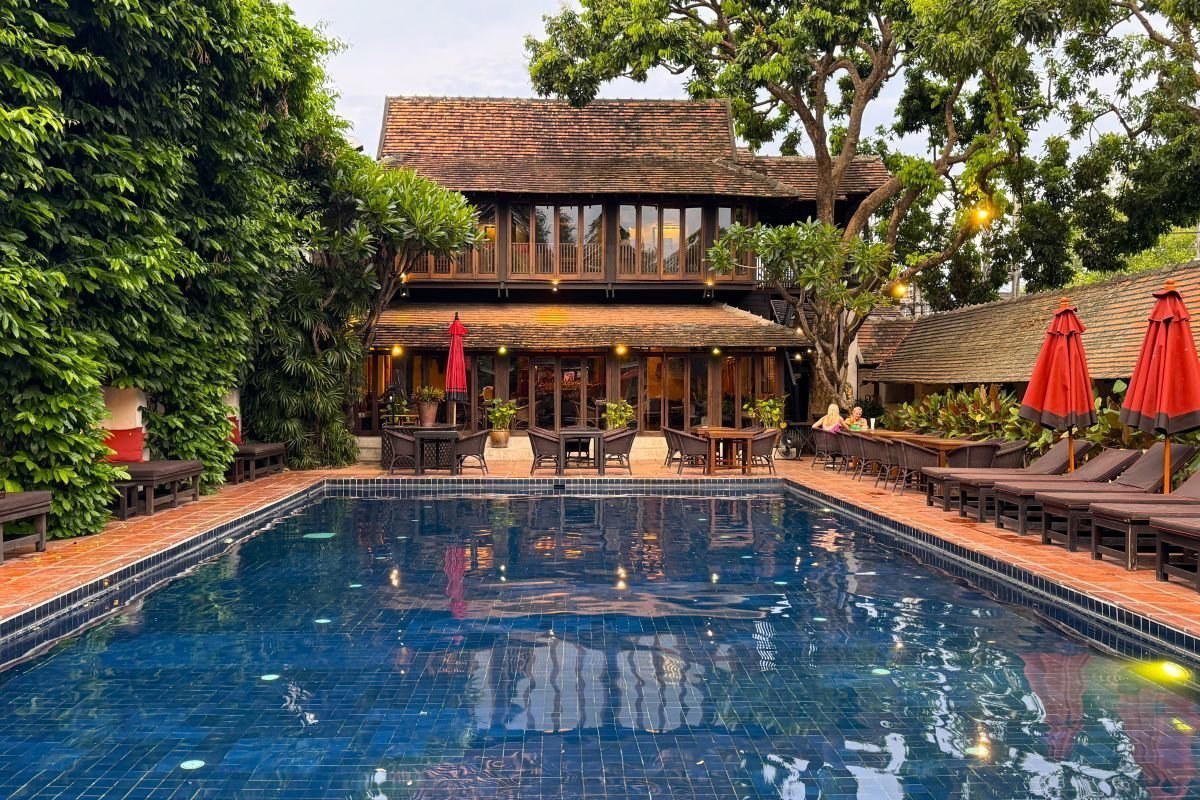
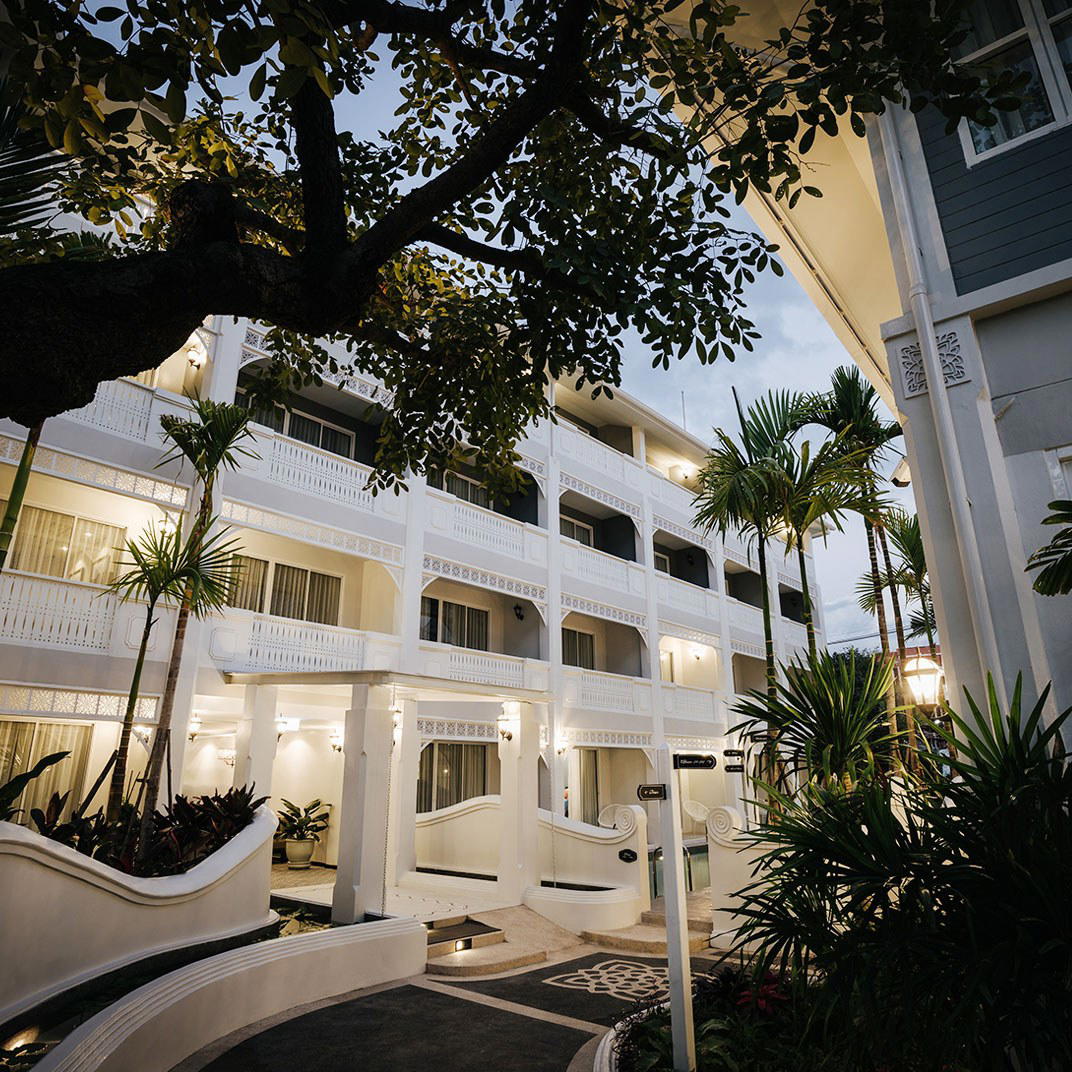
Hotels in Chiang Mai
All hotels in Chiang Mai →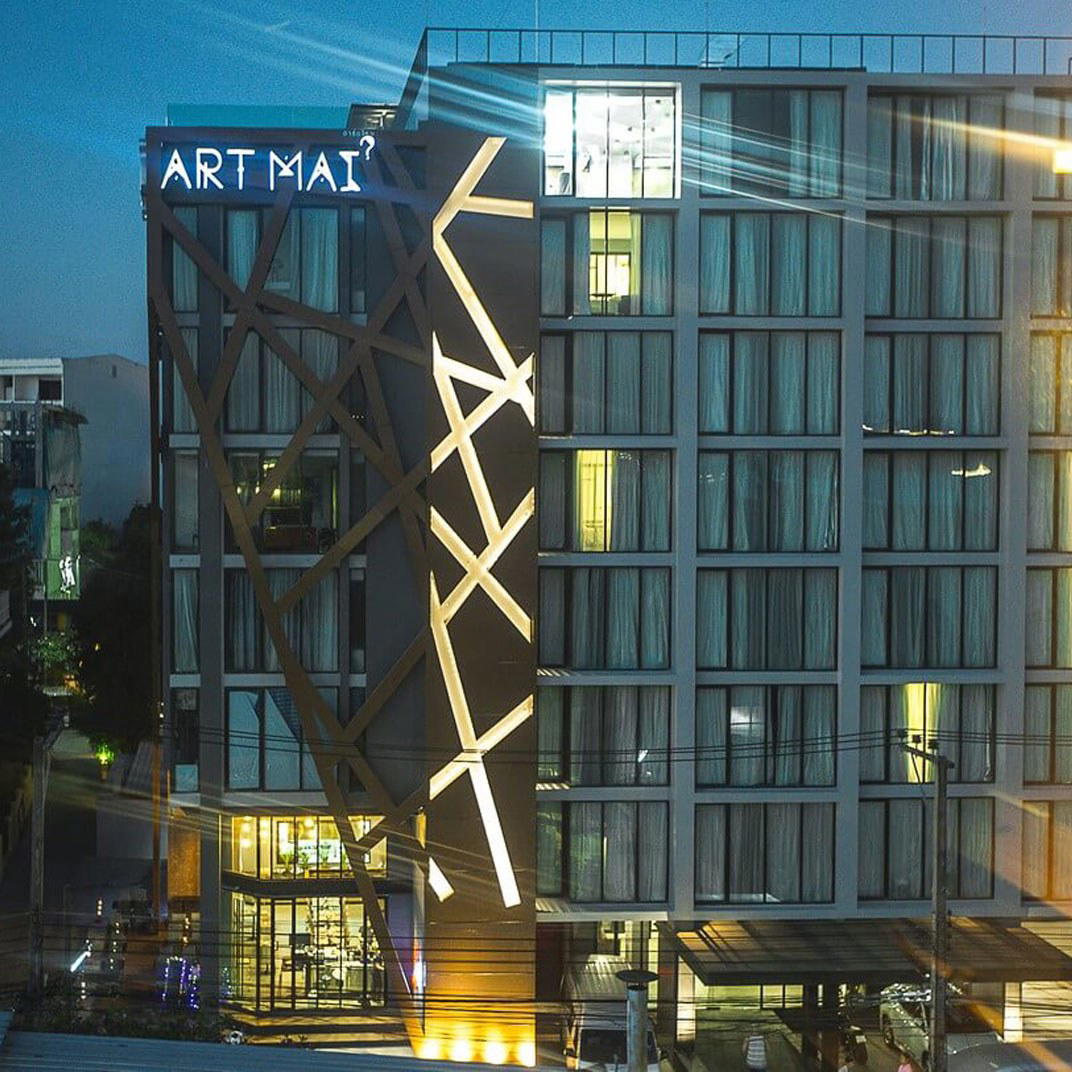
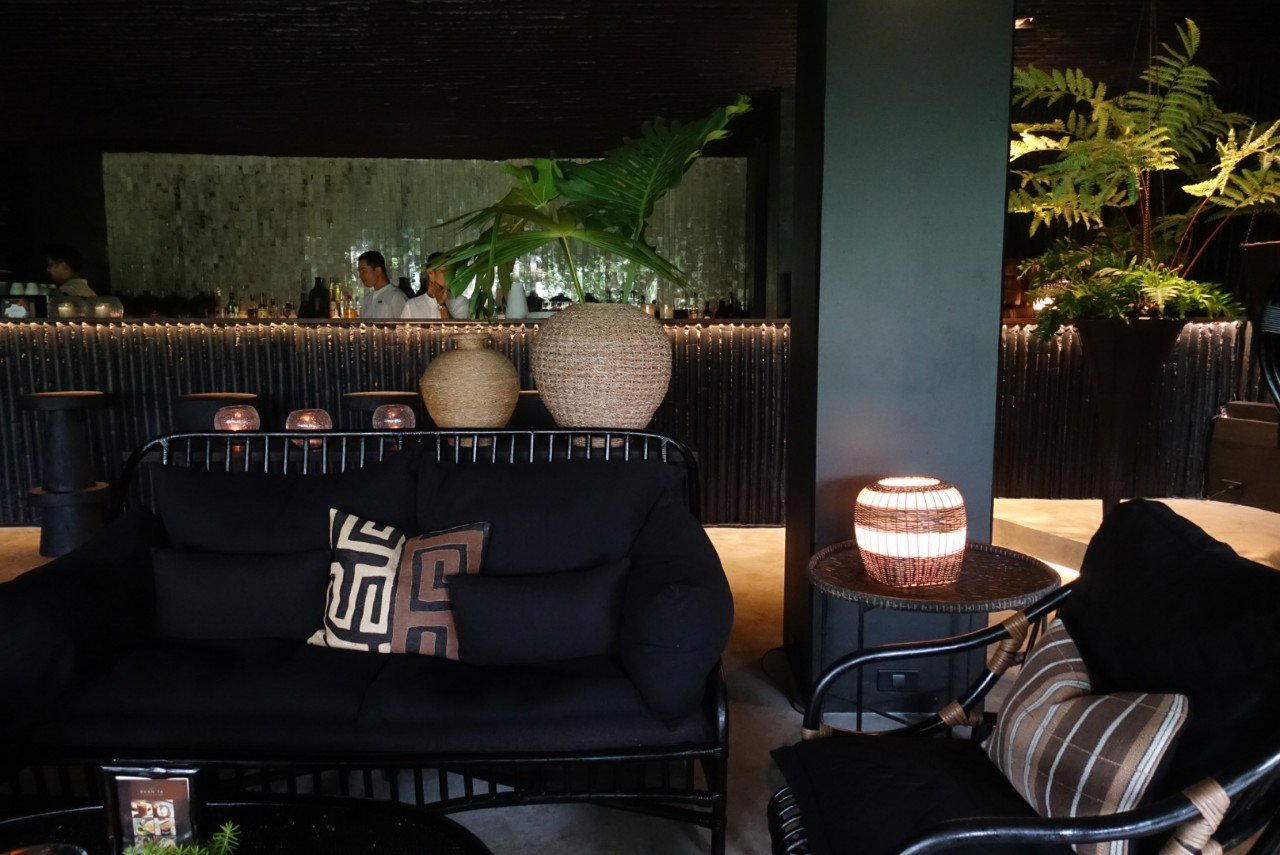
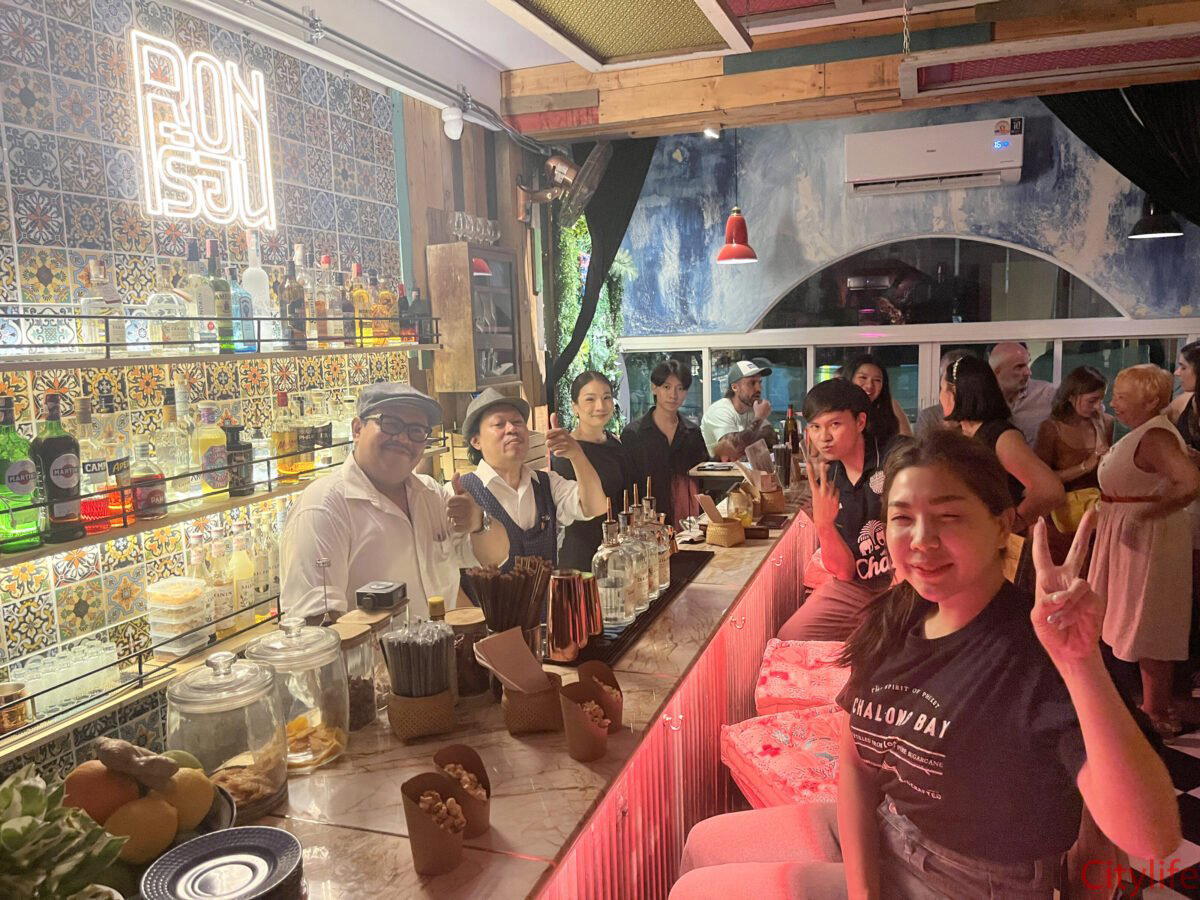
Bars in Chiang Mai
All bars in Chiang Mai →
Details
- Modern
- Elegant
- Romantic
- Trendy
- Honeymoon
- Romantic Getaway
- Weekend Escape
- Anniversary
- Rooftop Pool
- Design Destination
- Terrace
- Garden
- Wi Fi
- Pool
- Spa
- Fitness Center
- Room Service
- Concierge
- Business Center
- Valet Parking
- Restaurant
- Bar
- Street Scene
- Wheelchair Accessible
- Accessible Parking
- Elevator
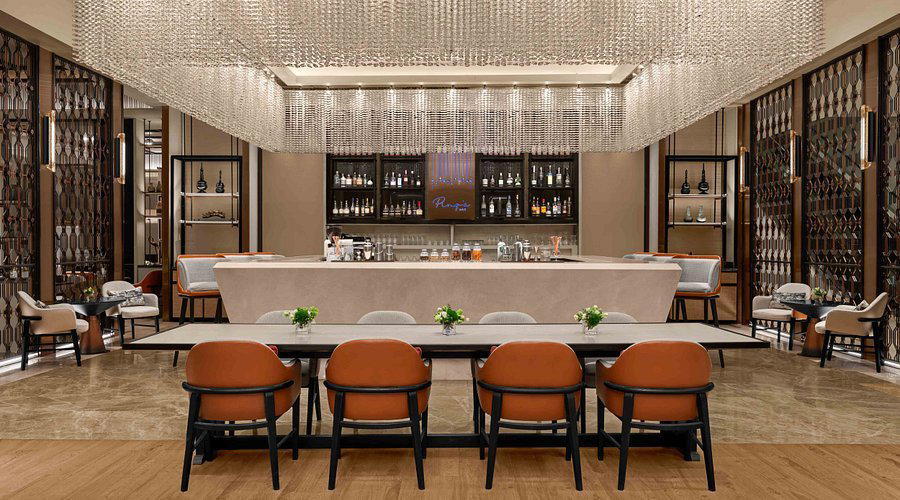
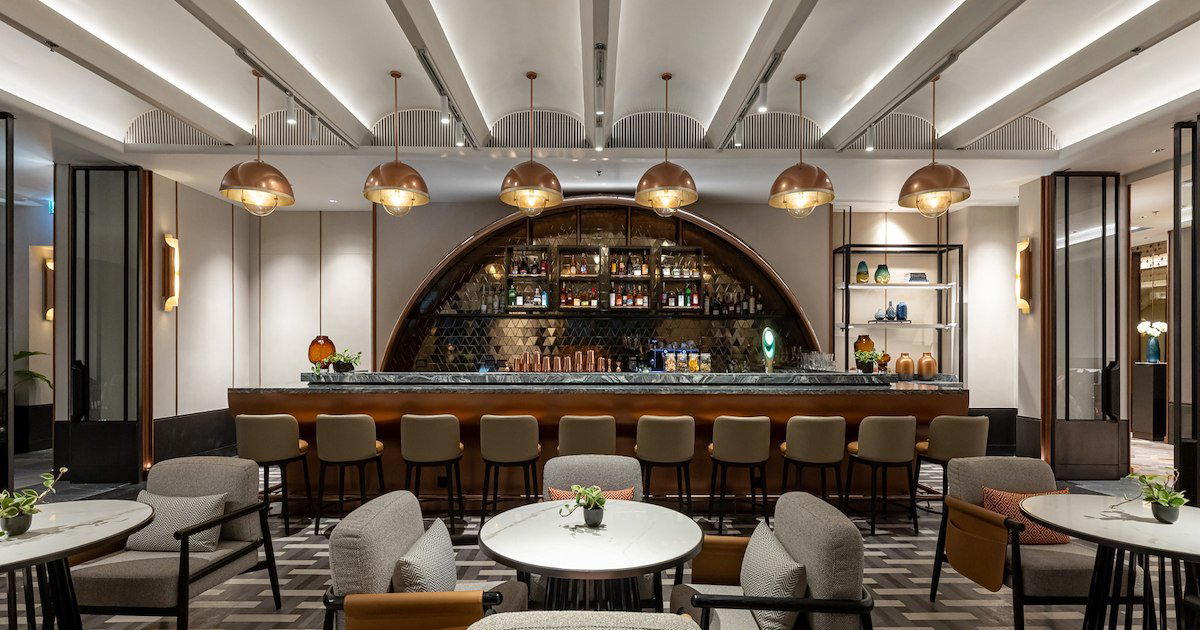
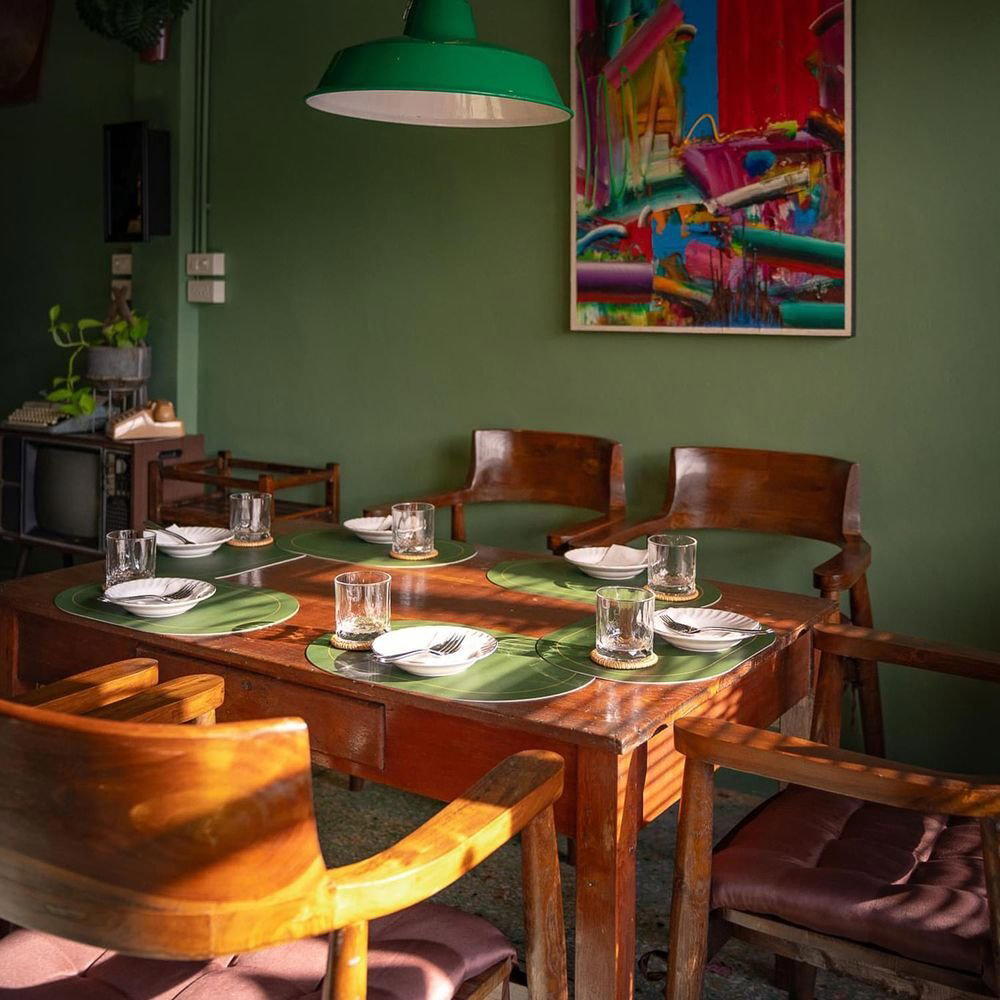
Modern, calm interiors with natural materials and sixties-era glamour; well-lit contemporary spaces with warm Thai hospitality creating a relaxing yet stylish atmosphere despite some mentions of dimmer room lighting.