Chiang Mai Marriott Hotel

On Changklan Road in the heart of Chiang Mai's hotel corridor, the Chiang Mai Marriott Hotel holds a Global Winner, Luxury City Hotel award that places it among a distinct tier of full-service city properties in northern Thailand. Its central address gives direct access to the Night Bazaar and Ping River without the trade-offs of a boutique retreat, making it a credible base for travellers who want urban convenience alongside the wellness infrastructure a full Marriott property provides.
 Discover on Pearl
Pearl is the En Primeur Club membership app — saves, bookings, and concierge access live there. Same editors, same standards.
- Address
- 108 Changklan Rd, Chang Khlan Sub-district, Amphur Muang, Chiang Mai 50100, Thailand
- Phone
- +66 53 253 666
- Website
- marriott.com
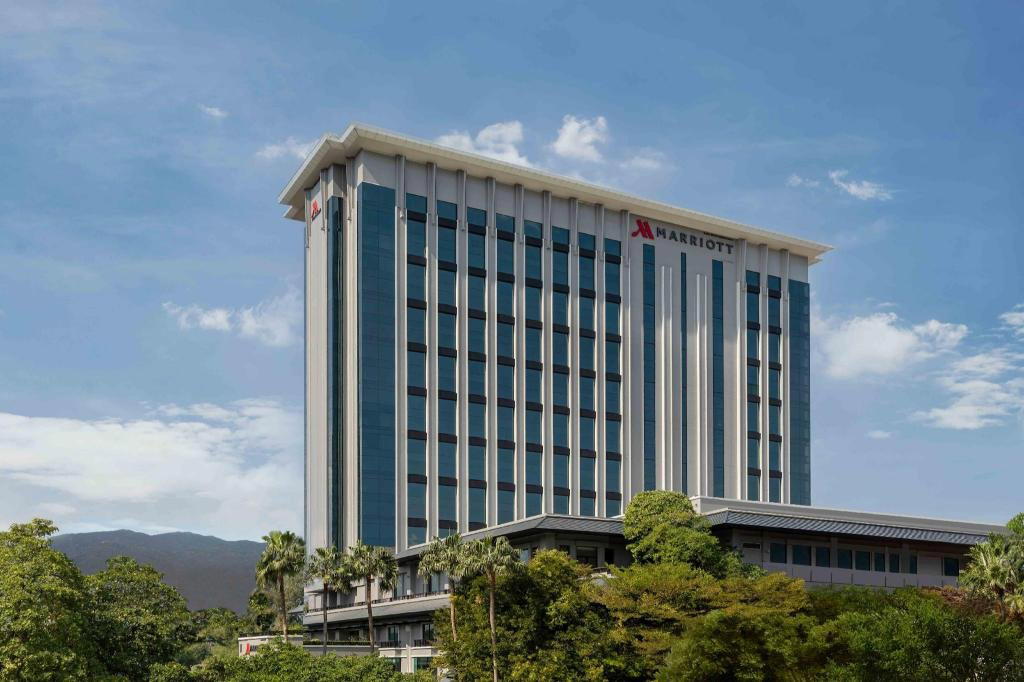
A City Hotel That Earns Its Luxury Classification
Chiang Mai's hotel market has fractured cleanly over the past decade into two competing philosophies: the intimate, design-led retreat positioned in the moat district or along the Ping River, and the full-service city hotel anchored to Changklan Road's commercial spine. The Chiang Mai Marriott Hotel sits firmly in the second category, at 108 Changklan Road in the Chang Khlan sub-district, a few minutes' walk from the Night Bazaar and within easy reach of the old city's walled perimeter. That location carries genuine strategic weight: guests arriving by road from Chiang Mai International Airport land in a neighbourhood with dense dining, transport links, and commercial infrastructure, rather than in the manicured isolation that defines properties like the Four Seasons Resort Chiang Mai or Raya Heritage.
The hotel carries a Global Winner designation in the Luxury City Hotel category. Properties like Rachamankha and 137 Pillars House occupy a different competitive tier: smaller key counts, heritage-inflected design, and a guest experience built around atmosphere over amenity breadth. The Marriott operates with a different logic, where the value proposition centres on programme depth, consistency of service delivery, and the operational infrastructure that independent boutiques cannot replicate at scale.
The Wellness Framing That Defines the Stay
Chiang Mai has become one of Southeast Asia's more credible wellness destinations, and not purely because of its spa tourism infrastructure. The city's proximity to forested mountain terrain, its concentration of traditional Thai medicine practitioners, and its cooler average temperatures relative to Bangkok or coastal resort towns create a physical context that full-service hotels can draw on in ways that beach resorts in Phuket or Koh Samui cannot. Properties like Aleenta Retreat Chiang Mai have built their entire positioning around this, while larger city hotels fold wellness programming into a broader amenity stack.
For a property operating at the Marriott's scale in this market, the spa and fitness infrastructure carries more weight than it might in a purely leisure beach context. Travellers choosing between the Marriott and a design-led alternative like AMANOR Hotel Chiang Mai or Anantara Chiang Mai Resort are often weighing consistency against character. A full-service Marriott property typically delivers fitness facilities with longer operating hours and greater equipment variety than a boutique alternative, alongside a spa programme structured around repeatable treatment protocols rather than singular artisanal offerings. That is not a lesser offer, it is a different one, suited to a guest whose itinerary combines business or cultural city days with structured recovery time in the evenings or mornings.
The retreat mindset in Chiang Mai does not require leaving the city. The old city's temple circuit, the Saturday and Sunday Walking Streets, and the cooking school clusters concentrated in the Nimman and old city neighbourhoods provide the kind of slow, absorptive tourism that recharges without demanding physical exertion. A city-centre hotel with spa access functions as a genuine recovery base for that kind of programme, in contrast to the operational friction of commuting from a remote riverside retreat into town for daily activities.
Placing the Property in the Northern Thailand Context
Thailand's luxury hotel inventory is broad and geographically dispersed, and Chiang Mai competes for the premium traveller against very different experiences elsewhere in the country. The beachfront isolation of Amanpuri in Phuket, the private island logic of Six Senses Yao Noi in Phang Nga, and the river-edge heritage of Mandarin Oriental Bangkok each represent a distinct travel thesis. Chiang Mai's thesis is cultural density: temples, markets, craft traditions, and mountain access within a compact, walkable city grid. A city hotel on Changklan Road places a guest inside that density rather than at its edge.
For travellers building a broader northern Thailand itinerary, the Marriott's location also functions as a staging point. Chiang Rai and the Golden Triangle region, anchored by properties like Anantara Golden Triangle Elephant Camp & Resort in Chiang Rai, sit within roughly two to three hours by road. A well-resourced city hotel handles the logistics of those day trips or overnight excursions more efficiently than a retreat-format property that has priced its offer around on-site immersion.
Comparable full-service luxury city hotels elsewhere in Thailand, such as Grand Hyatt Erawan Bangkok in Pathum Wan, demonstrate how the city hotel format competes not on singularity of experience but on the breadth of what they absorb. Multiple dining outlets, meeting infrastructure, pool decks, fitness centres, and spa treatment menus aggregate into a programme that can hold a guest's attention across a longer stay without requiring them to leave the property at all, should they choose not to.
Planning Your Stay
The hotel sits on Changklan Road in the Chang Khlan sub-district, the commercial hotel corridor that runs parallel to the Ping River's western bank. The Night Bazaar is walking distance, and the moated old city is accessible by red songthaew (shared taxi) in under ten minutes. Chiang Mai International Airport sits approximately five kilometres southwest, a journey of fifteen to twenty minutes by road depending on traffic, which is notably more manageable than airport transfers in Bangkok.
Chiang Mai's high season runs from November through February, when temperatures drop into the comfortable range of the low twenties Celsius and the air quality is at its clearest before the March-April burning season. Travellers planning around wellness programming or outdoor city exploration should prioritise this window. The shoulder months of September and October bring lower occupancy and softer rates, with the added benefit that festival activity around Loi Krathong (typically November) and Yi Peng lantern festival concentrates extraordinary visual spectacle in the city centre, directly accessible from a Changklan Road address.
Travellers comparing the city hotel format against retreat alternatives in the region should also consider Pimalai Resort & Spa in Koh Lanta, Phulay Bay, A Ritz-Carlton Reserve in Krabi, and Samujana Villas in Koh Samui for how the luxury city model compares to villa and resort alternatives elsewhere in Thailand.
Reputation First
Comparable venues nearby, for context on price, style, and recognition.
| Venue | Awards |
|---|---|
| Chiang Mai Marriott HotelThis venue — the venue you are viewing | |
| Four Seasons Resort Chiang Mai | Michelin 3 Key |
| Rachamankha | Michelin 2 Key |
| 137 Pillars House | |
| Aleenta Retreat Chiang Mai | |
| AMANOR Hotel Chiang Mai |

At a Glance
- Elegant
- Modern
- Sophisticated
- Family Vacation
- Business Trip
- Romantic Getaway
- Rooftop Pool
- Panoramic View
- Pool
- Fitness Center
- Spa
- Room Service
- Concierge
- Wifi
- Business Center
- Valet Parking
- Kids Club
- Mountain
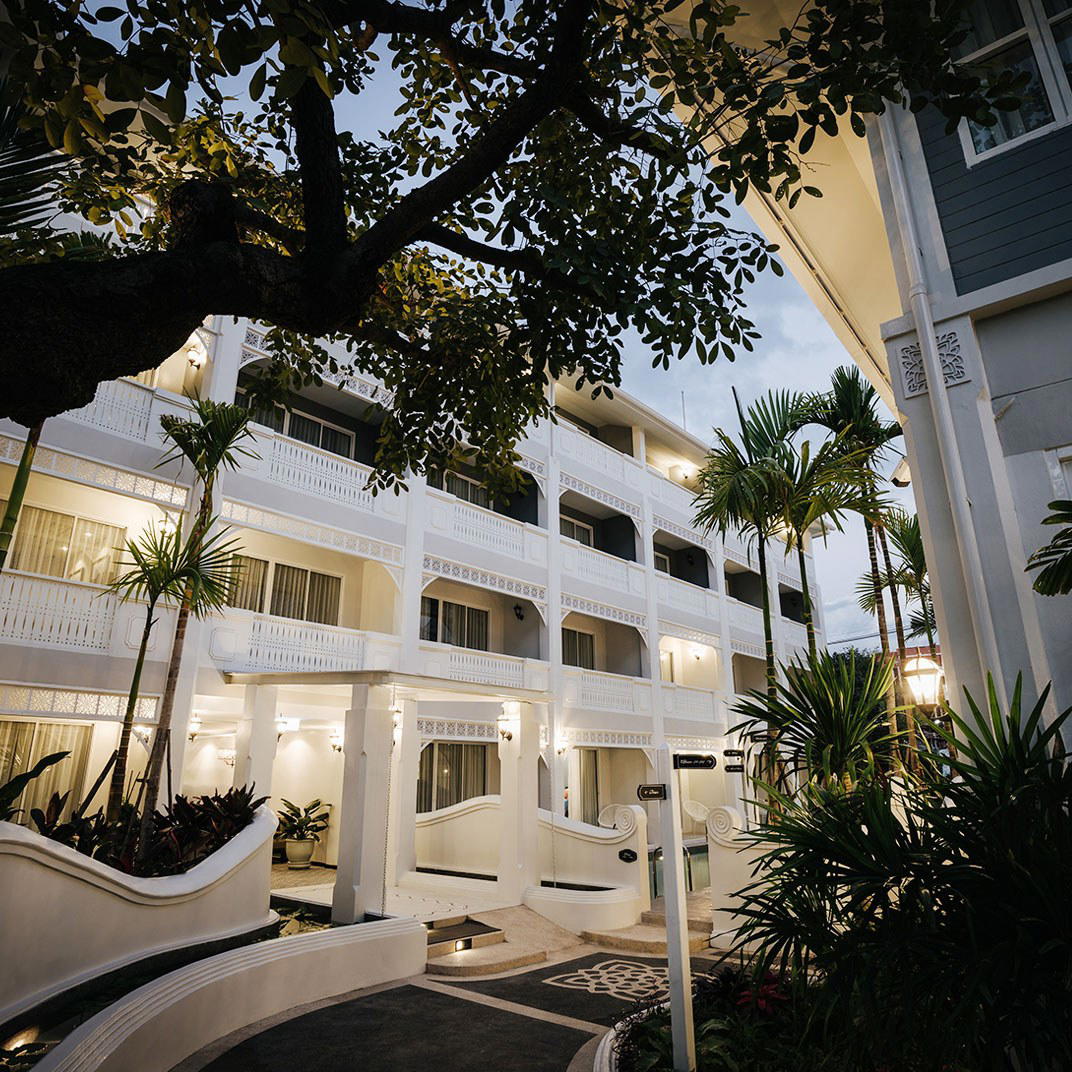
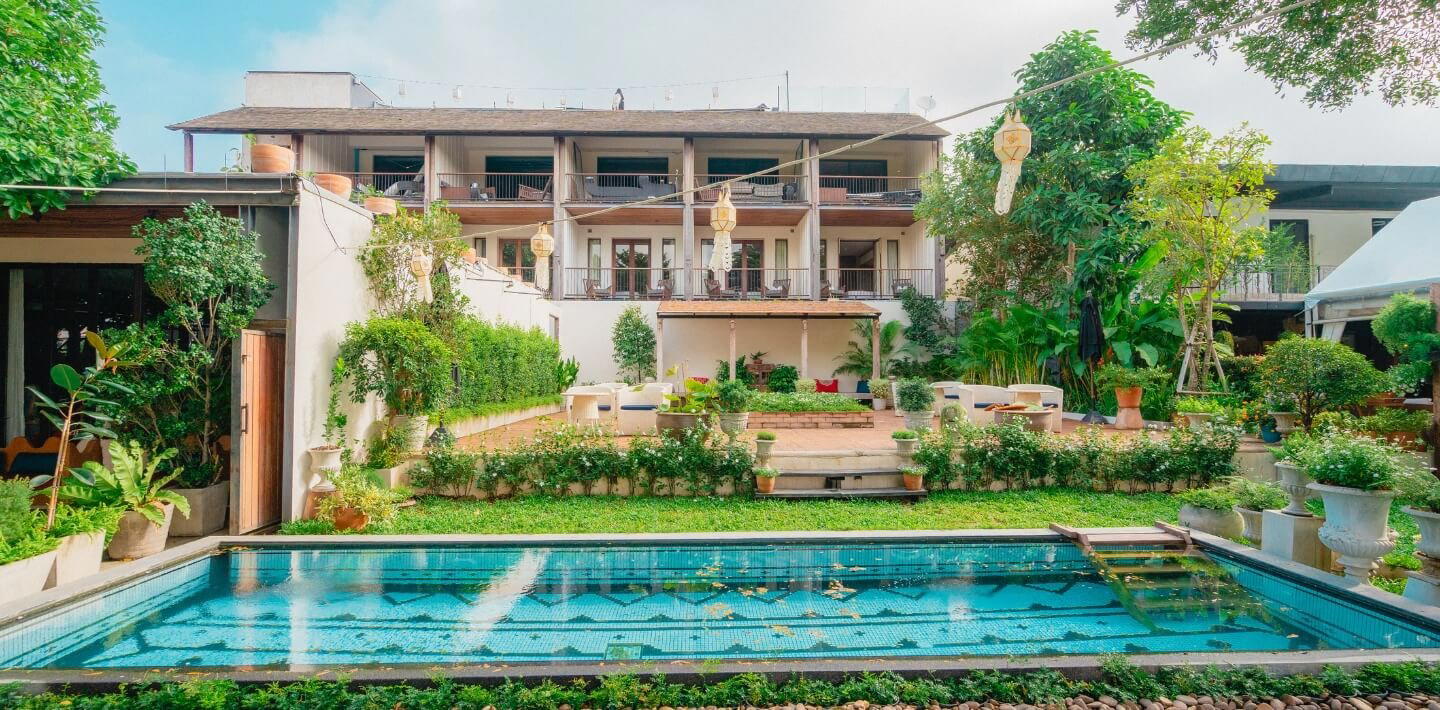
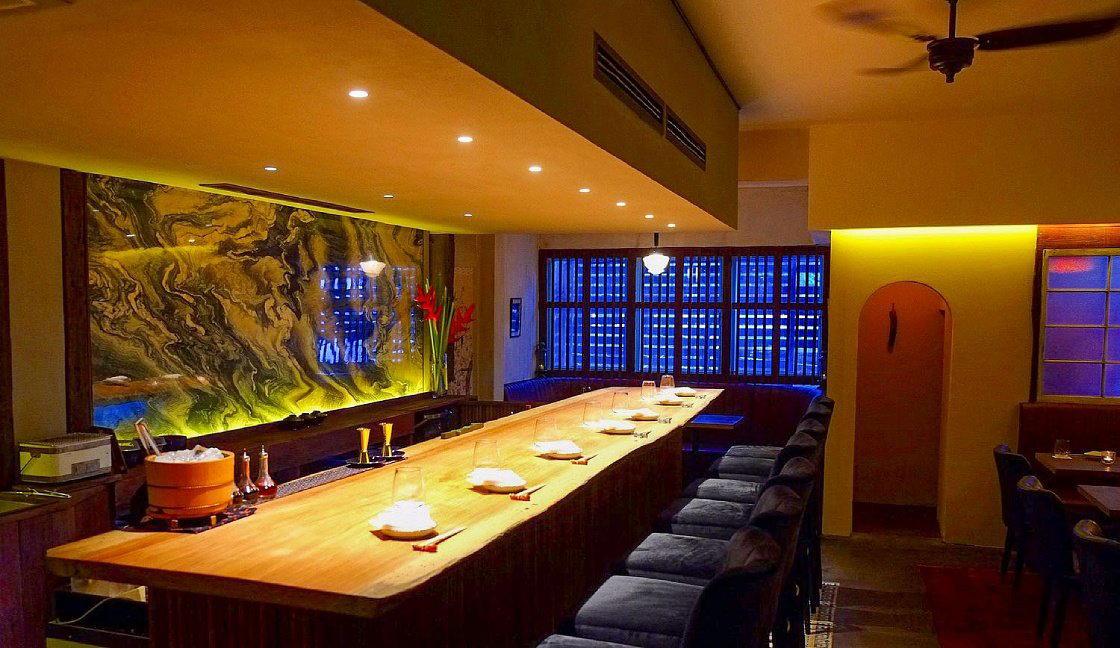
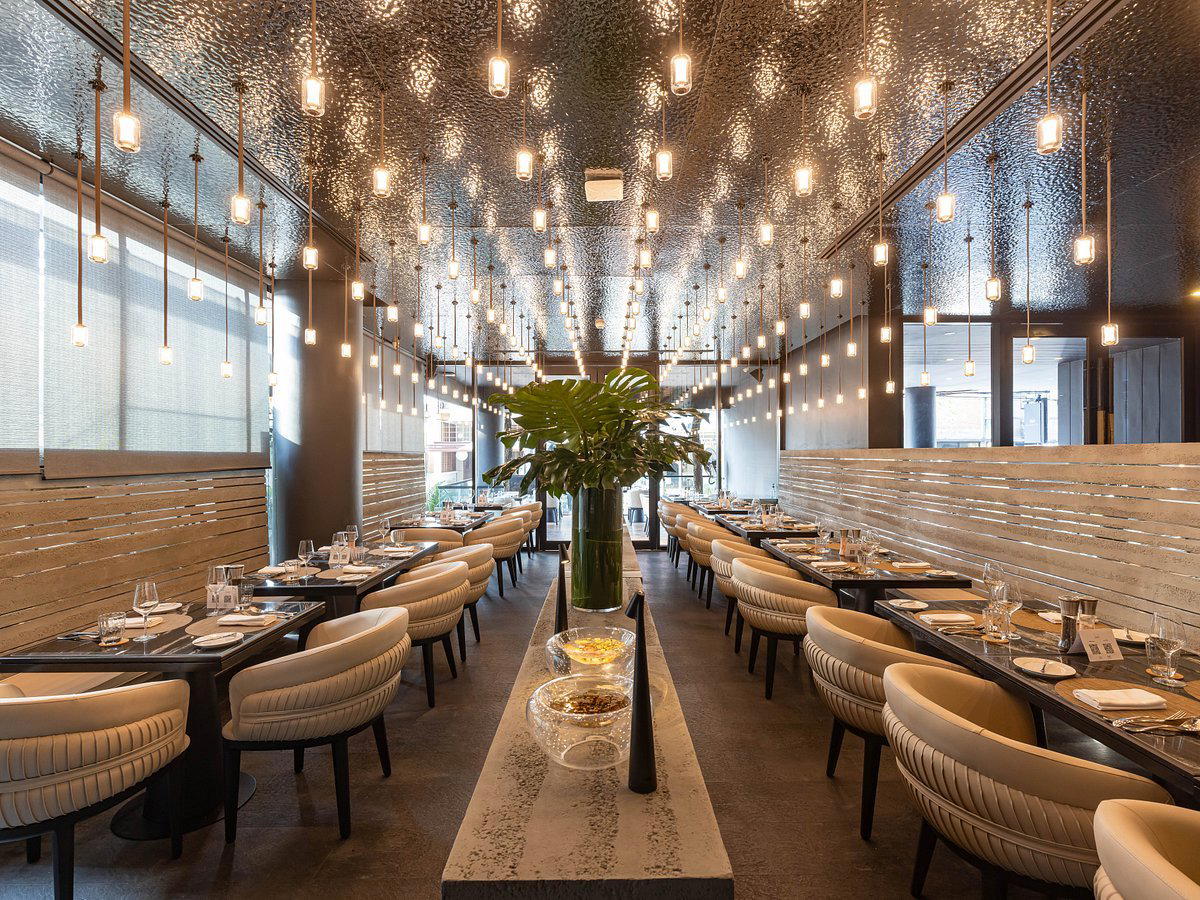
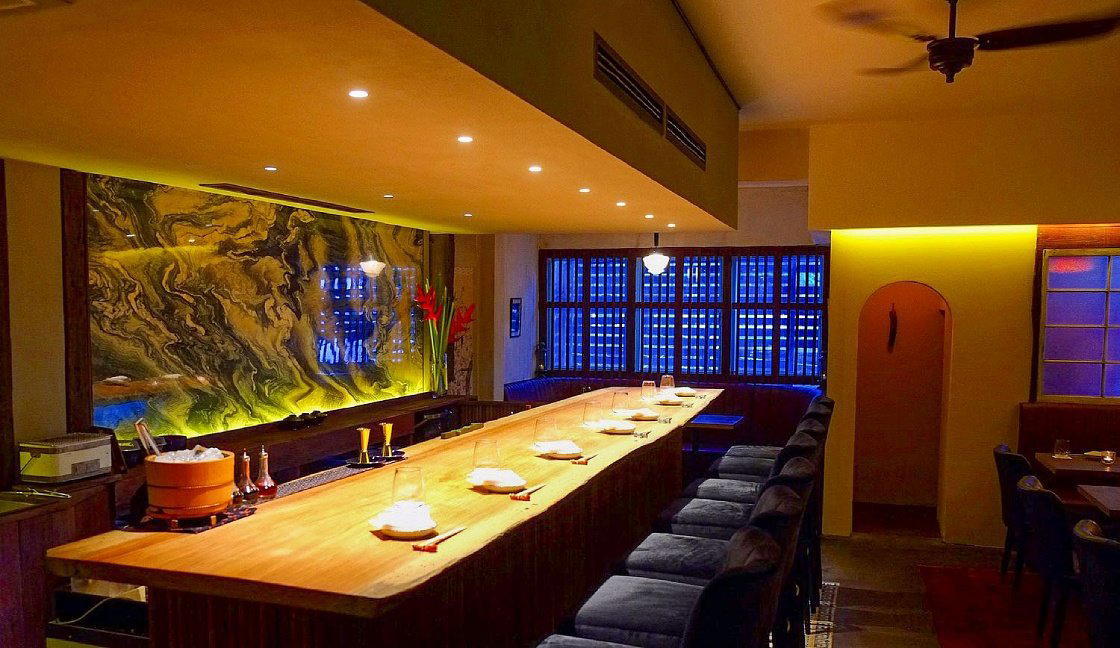
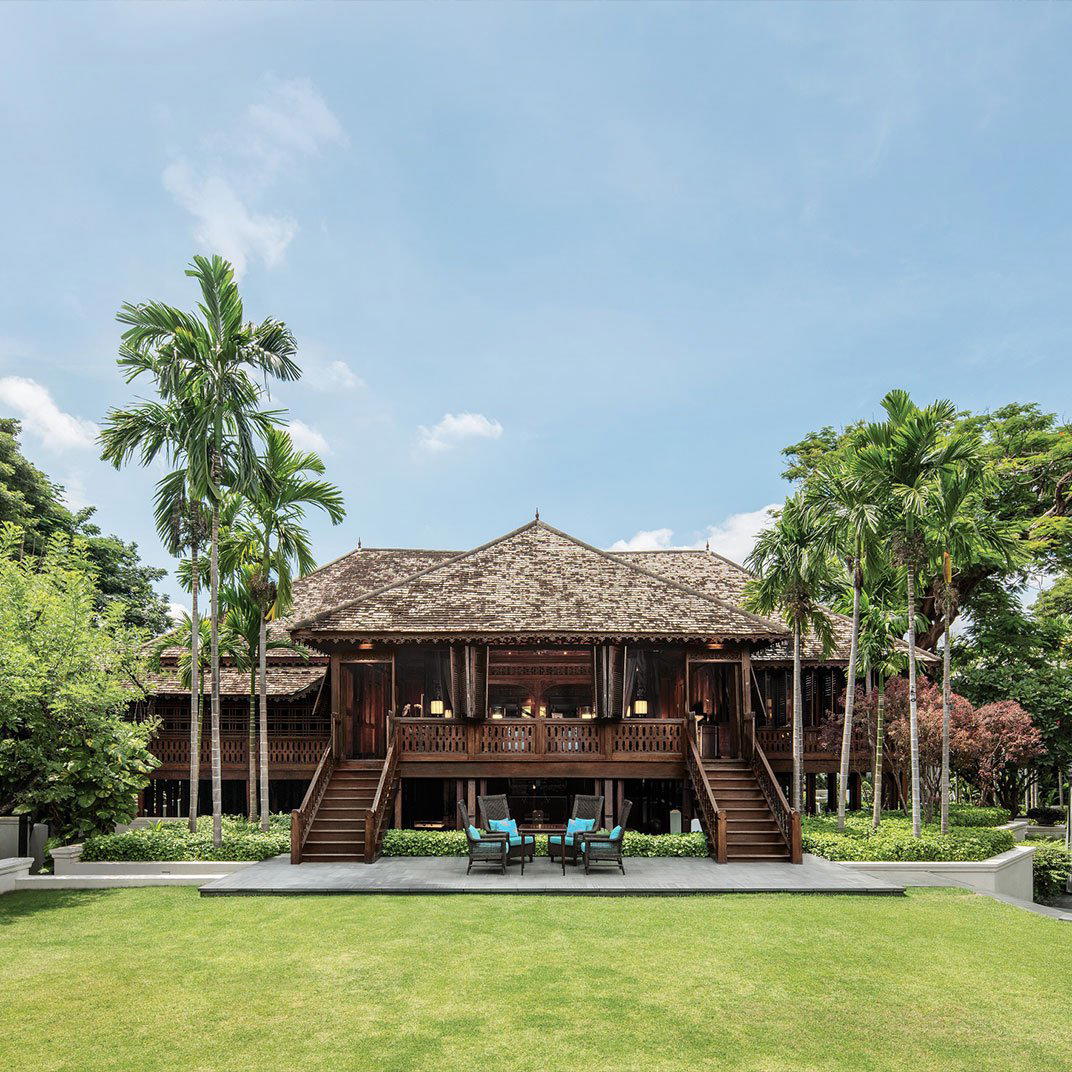
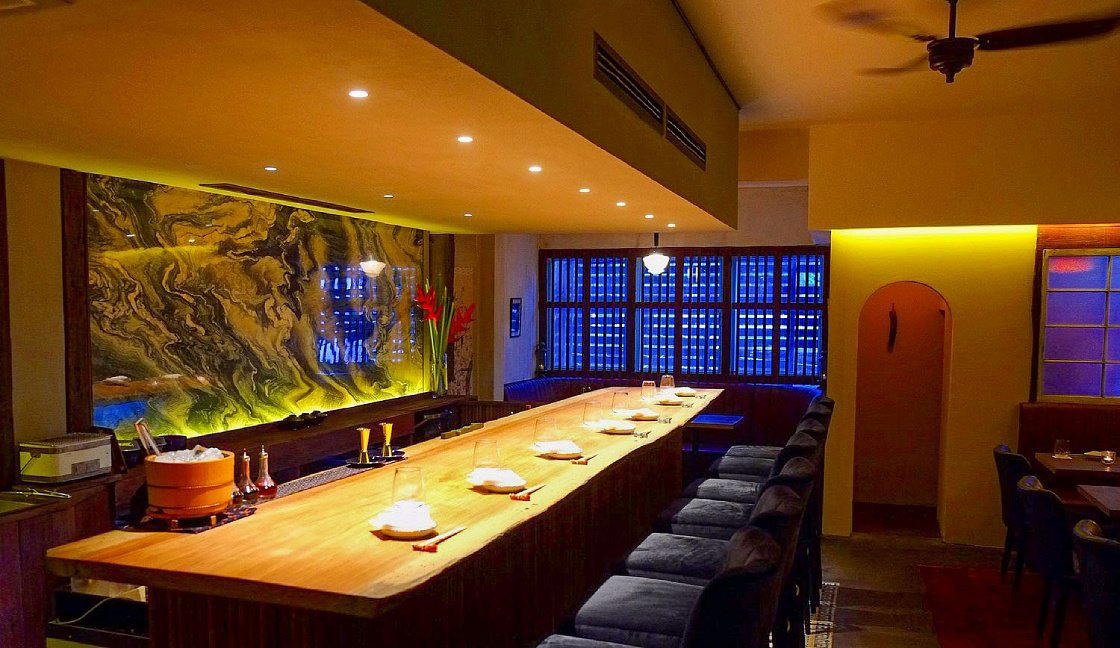
Sophisticated and relaxing with contemporary design, local accents, and floor-to-ceiling windows offering stunning mountain and city vistas.