Google: 4.3 · 378 reviews
Sala Lanna Chiang Mai Hotel
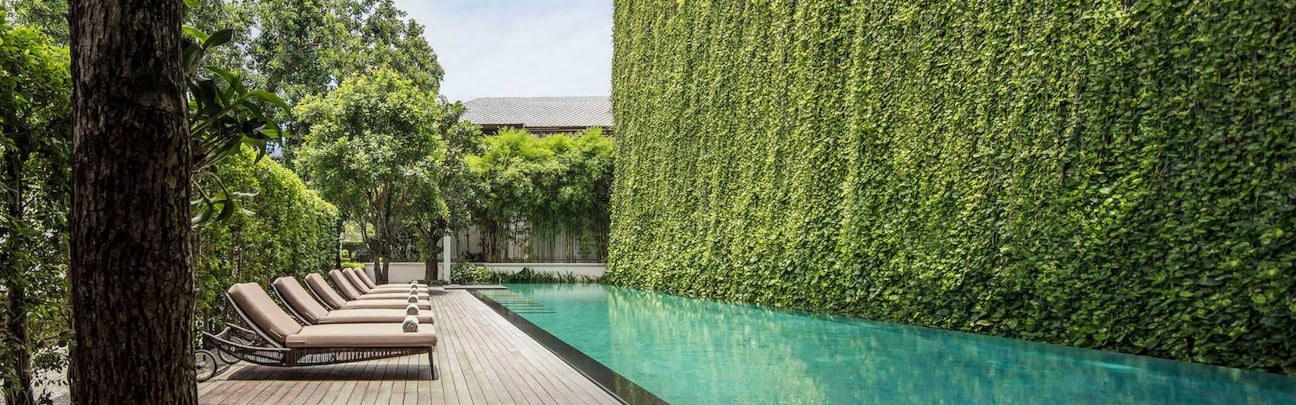
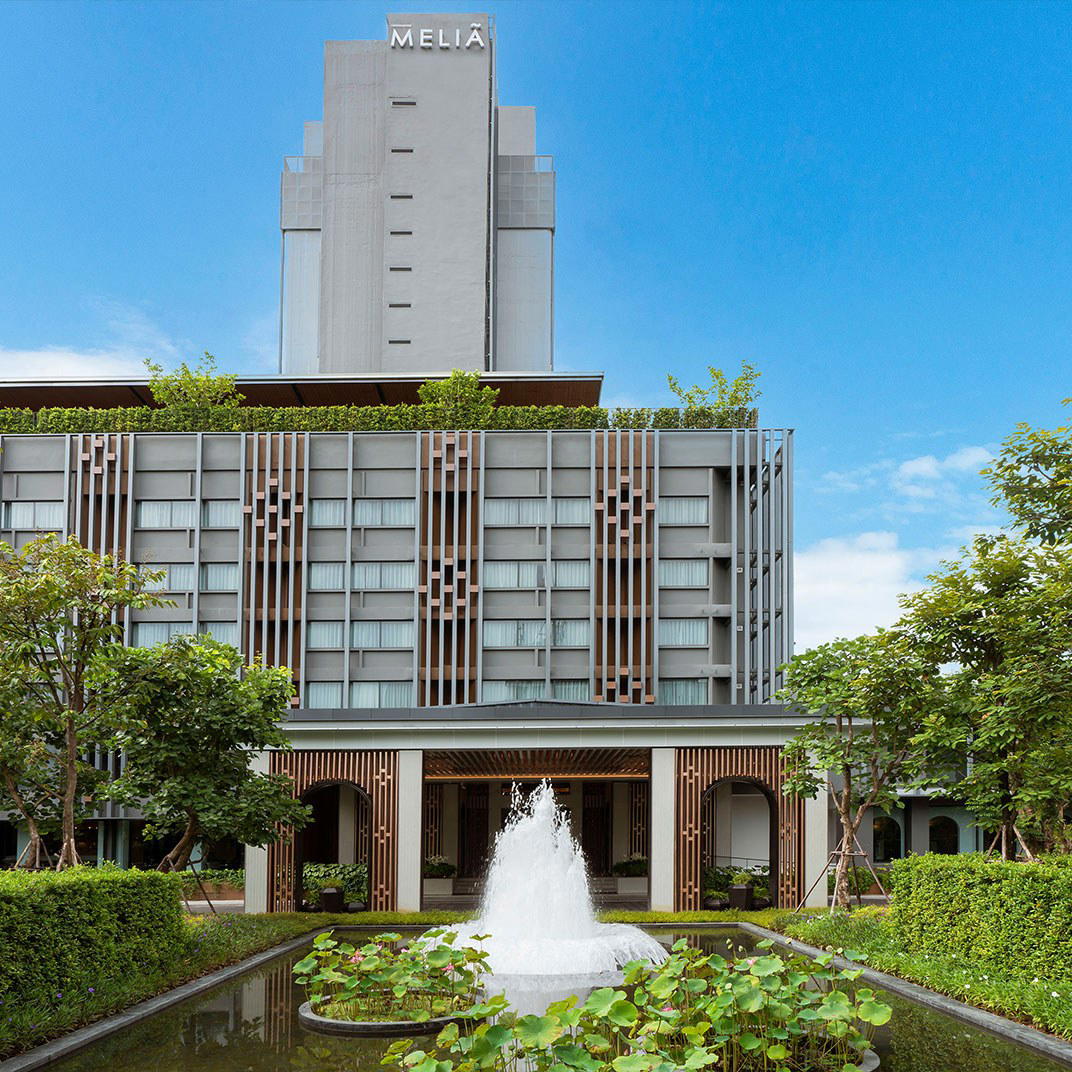
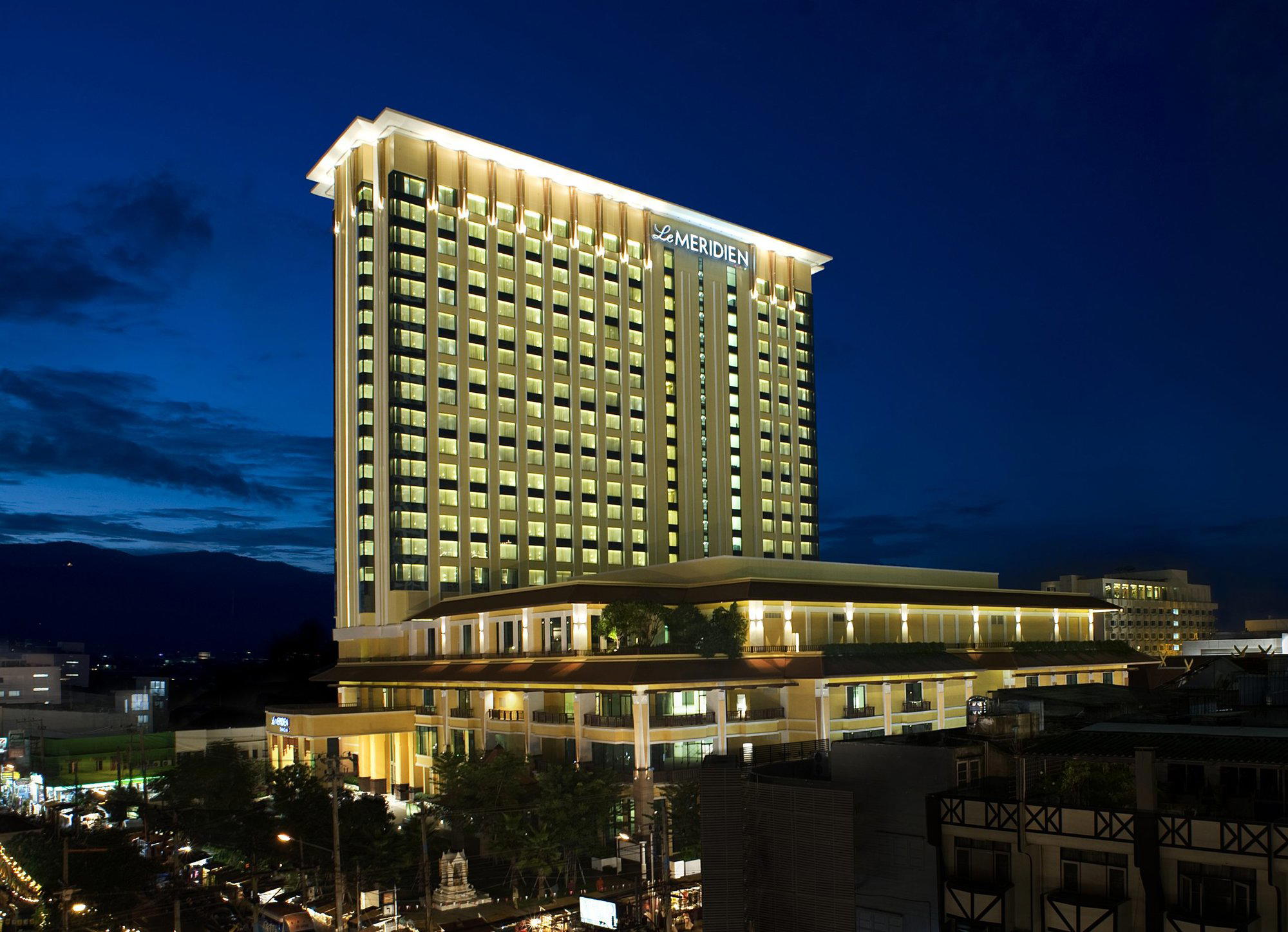
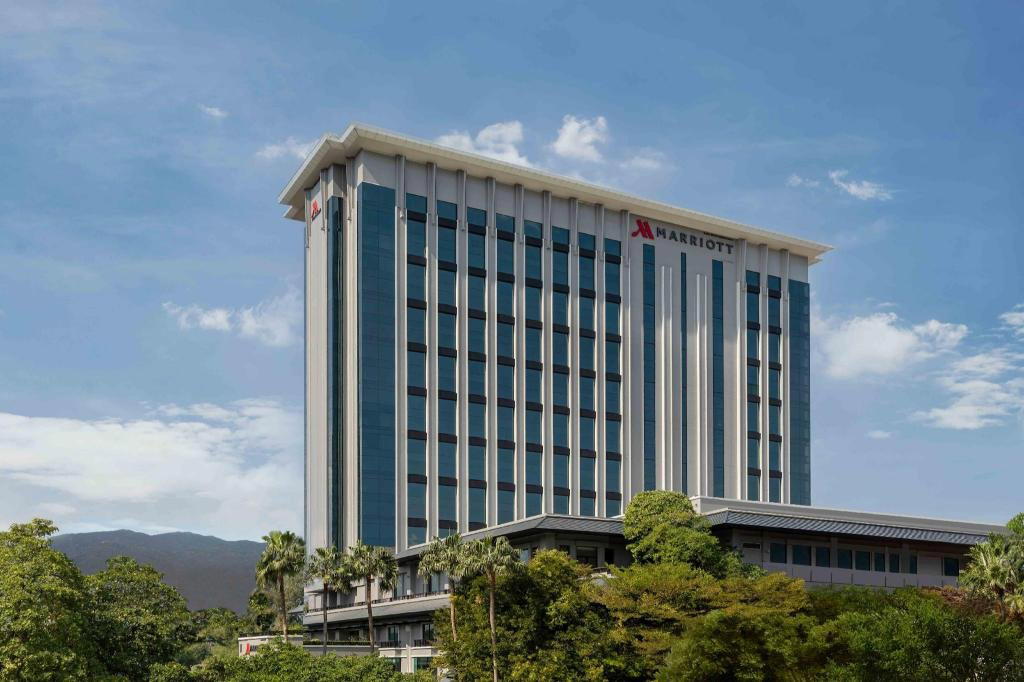
Set along the Ping River in Chiang Mai's Wat Gate quarter, Sala Lanna occupies a colonial-era riverfront position that places it among the city's more architecturally grounded small hotels. The property sits within walking distance of the Nimmanhaemin design corridor and the Old City's temple circuit, making it a practical base for the northern Thailand cultural itinerary. Booking direct is advisable given the limited room count.
 Discover on Pearl
Pearl is the En Primeur Club membership app — saves, bookings, and concierge access live there. Same editors, same standards.
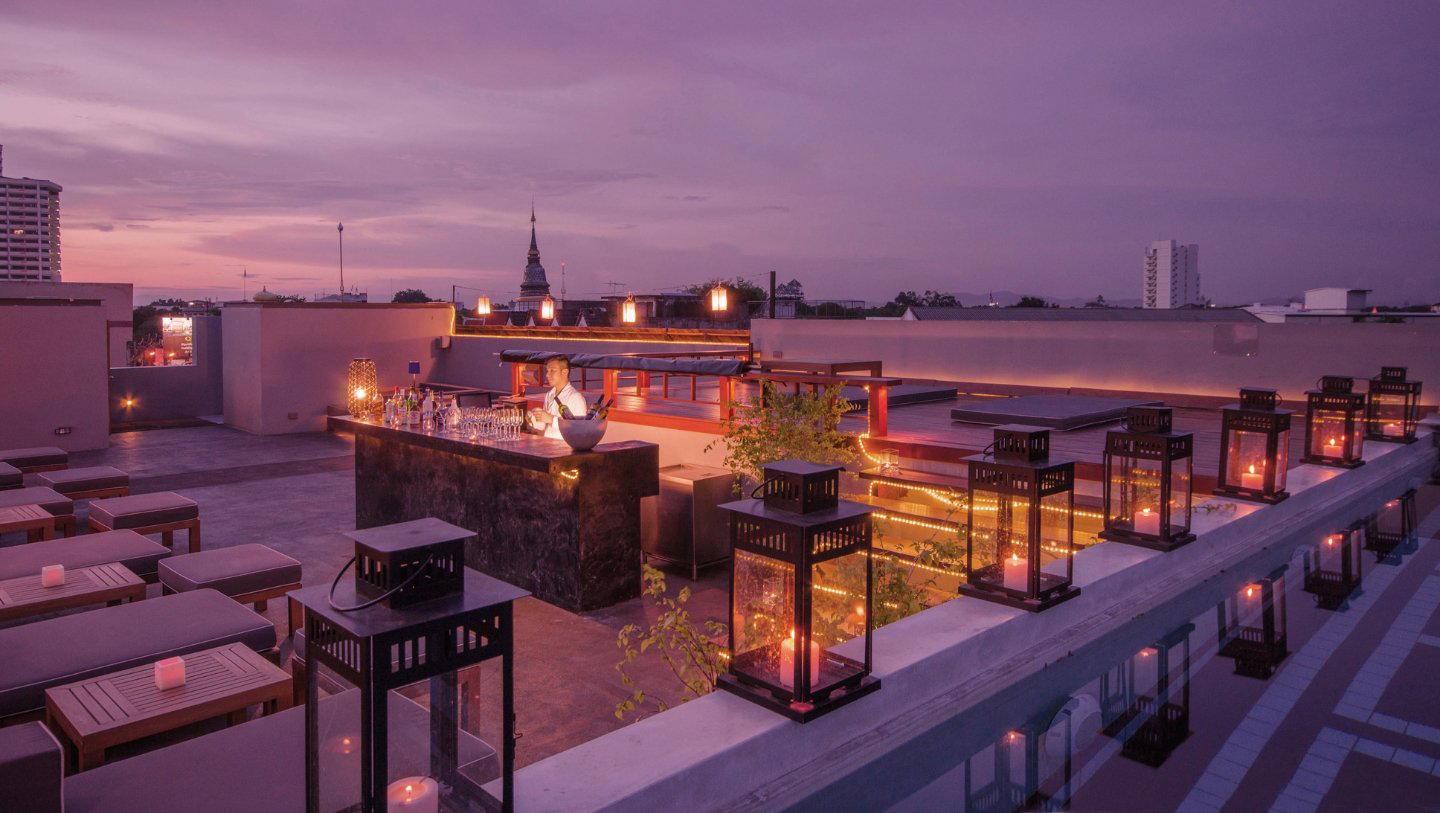
Riverfront Chiang Mai and the Hotels That Actually Earn Their Address
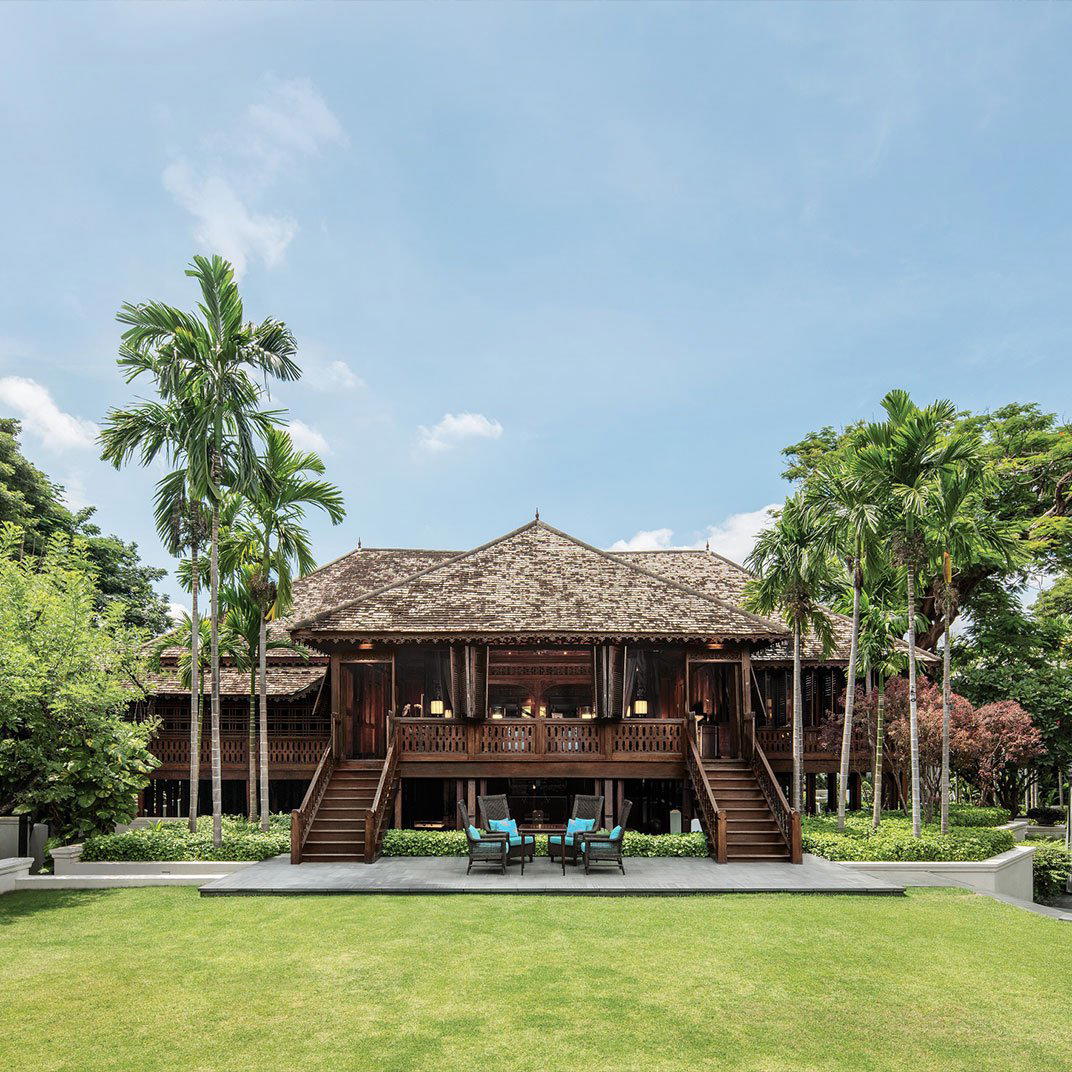
Chiang Mai's hospitality offer has matured considerably over the past decade, splitting into two recognisable tiers: large resort complexes positioned in the Mae Rim valley and on the city's outskirts, and a smaller cohort of intimate, architecturally considered properties that trade on neighbourhood specificity rather than acreage. Sala Lanna Chiang Mai Hotel belongs to that second category. Positioned on Thanon Charoenrajd in the Wat Gate district along the eastern bank of the Ping River, it occupies a colonial-era riverside strip that has historically attracted the city's more culturally engaged travellers rather than the package-resort crowd.
Wat Gate itself is one of Chiang Mai's least processed neighbourhoods. The area runs along the Ping's eastern bank between the Nawarat and Iron bridges, lined with teak-framed shophouses, century-old temples, and a rhythm of daily life that pre-dates the city's tourism infrastructure. A hotel that chooses this address over the Nimmanhaemin corridor or the Old City moat is making a legible statement about the kind of guest it expects, and the kind of experience it intends to frame.
The Back Bar Question in Northern Thailand
Chiang Mai's cocktail culture occupies a narrower but increasingly serious space than Bangkok's. The capital's bar scene, represented at the higher end by venues like Asia Today in Bangkok and Hansar Bangkok in Pathum Wan, has attracted international attention and awards recognition. Chiang Mai operates differently: the city's drinking culture leans toward relaxed riverside settings, Northern Thai spirit traditions, and a more local-facing clientele. The question for any hotel bar in this city is whether the spirits curation reflects that regional character or defaults to a generic international-hotel back bar.
In Southeast Asia's smaller hospitality markets, the depth of a property's spirits collection often signals its ambitions more clearly than its food offering. A hotel willing to stock regional craft spirits, Thai botanicals-forward gins, or aged rice whiskies alongside a standard international line-up is positioning itself as a place with opinions, not just a place with a licence. That distinction matters to the traveller arriving in Chiang Mai with a preference for drinking something that connects to where they actually are. For reference points further afield, programs like Bar Leather Apron in Honolulu and Kumiko in Chicago have demonstrated how spirits curation rooted in regional identity can define a bar's entire competitive positioning.
Chiang Mai's local bar circuit includes properties like Zoom Bar and entertainment-led venues such as the Chiang Mai Cabaret Show, which serve a different purpose in the city's nightlife mix. The hotel bar category, by contrast, carries the expectation of consistency, a seated pace, and a spirits list worth consulting rather than simply ordering from. Hotels along the Ping River have a natural advantage here: the water-facing position slows the evening down in a way that rewards a longer, more considered drink.
Wat Gate as a Drinking Context
Understanding where Sala Lanna sits geographically is inseparable from understanding what kind of drinking experience the neighbourhood enables. Wat Gate's teak-and-colonial architecture, the ambient sound of the Ping moving past, and the neighbourhood's relative quiet relative to the Sunday Walking Street or the Nimmanhaemin bar strip create conditions that favour a slower format. This is not the context for a high-volume cocktail bar with a DJ set. It is, however, well suited to a back bar with range, a terrace with a river view, and service paced to an evening that has nowhere to be.
The broader shift in how travellers approach hotel bars in Asia has moved toward this kind of deliberate, setting-conscious experience. Properties in Bangkok, as seen at Octave Rooftop Lounge and Bar in Khlong Toei, have leaned into the view-as-experience model. In Chiang Mai, the equivalent draw is the Ping River at dusk, when the light on the water changes and the city's temple bells carry from the far bank. That is the moment a well-placed hotel bar justifies its address.
Northern Thailand's Spirits Tradition and Why It Matters Here
Thailand's domestic spirits production has expanded meaningfully in the past decade. Beyond the ubiquitous rice whiskies and sugarcane-based spirits that dominate the mass market, a smaller tier of craft producers has emerged, working with local botanicals, regional grains, and in some cases native fruit ferments. Northern Thailand, with its cooler highland climate and proximity to the Golden Triangle's long history of agricultural production, has a particular relationship with this tradition. The Mae Hong Son and Chiang Rai provinces have both seen distillery activity in recent years, and Chiang Mai has become the natural distribution hub for spirits with a Northern Thai provenance.
For comparison: the American craft cocktail movement documented in programs like Jewel of the South in New Orleans, Julep in Houston, and Superbueno in New York City each found their identity by anchoring to a regional spirits tradition rather than chasing global trends. The same logic applies to a hotel bar in Chiang Mai with access to Northern Thai production. A back bar that reflects the local provenance of its bottles is doing something more interesting than one that simply mirrors the international duty-free selection.
Dining in the Wat Gate Neighbourhood
The area around Thanon Charoenrajd offers a food context that skews toward Northern Thai specialities rather than the tourist-facing pan-Asian menus of the Old City. Khao soi, the coconut-curry noodle soup that defines Chiang Mai's food identity, appears in several locally regarded forms within a short walk of the river strip. The neighbourhood's market activity, particularly along the inner lanes, provides an alternative to hotel dining for guests prepared to engage with the street-level food culture. For those preferring to eat within the property, the river-facing setting naturally organises the dining experience around time of day and light, with breakfast and early evening holding the strongest positional advantage.
For broader context on where Sala Lanna sits within the city's full dining and hospitality picture, the EP Club Chiang Mai guide provides a neighbourhood-by-neighbourhood account. Elsewhere in the region, EAT ME RESTAURANT in Bangkok's Bang Rak illustrates how a property can anchor itself to a specific district character and build an audience accordingly.
Planning a Stay: What to Know Before You Book
Sala Lanna Chiang Mai Hotel operates in the Wat Gate district at 49 Thanon Charoenrajd, a riverside address that sits east of the Old City moat and is walkable to the Nawarat Bridge crossing. The property's limited room count places it in the boutique tier of Chiang Mai accommodation, where advance booking during the cool-season peak, roughly November through February, is advisable. That period also aligns with the city's most active festival calendar, including the Loi Krathong and Yi Peng lantern festivals, which typically fall in November and draw significant visitor numbers. Arriving earlier in the week, or outside festival dates, generally improves availability and gives a more settled experience of the neighbourhood. Direct booking is the standard approach for small independent properties of this type; third-party platforms may not reflect real-time availability accurately.
Budget Reality Check
A fast peer set for context, pulled from similar venues in our database.
| Venue | Price | Awards | Notes |
|---|---|---|---|
| Sala Lanna Chiang Mai Hotel | This venue | ||
| Tropic City | World's 50 Best | ||
| Asia Today | World's 50 Best | ||
| Bar Us | World's 50 Best | ||
| BKK Social Club` | World's 50 Best | ||
| Dry Wave Cocktail Studio | World's 50 Best |
Continue exploring
More in Chiang Mai
Bars in Chiang Mai
Browse all →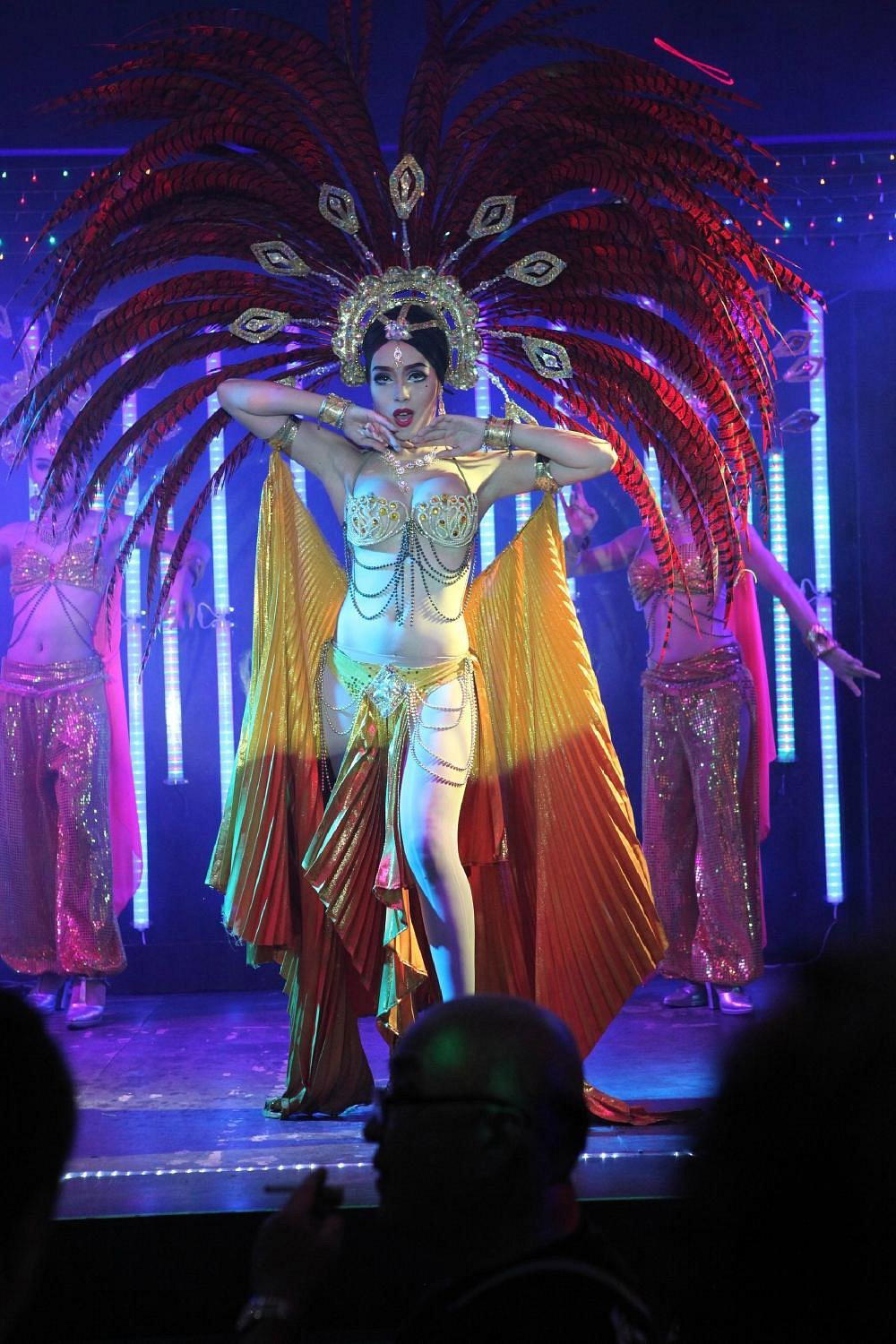
Restaurants in Chiang Mai
Browse all →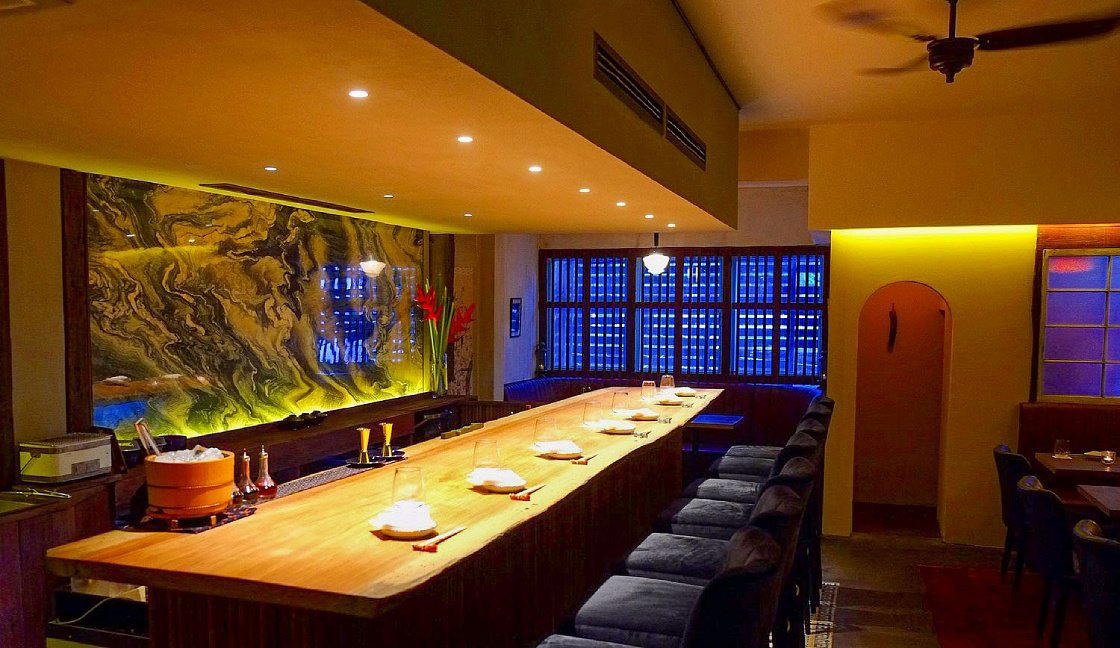
At a Glance
- Romantic
- Elegant
- Cozy
- Intimate
- Scenic
- Date Night
- Special Occasion
- Rooftop
- Live Music
- Lounge Seating
- Mountain
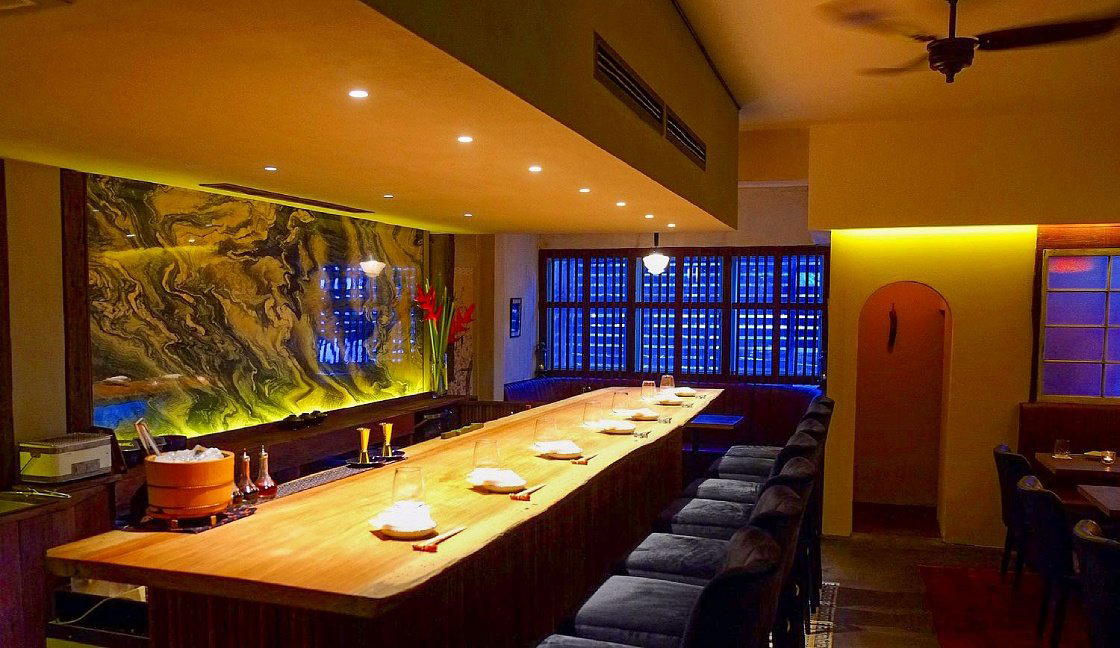
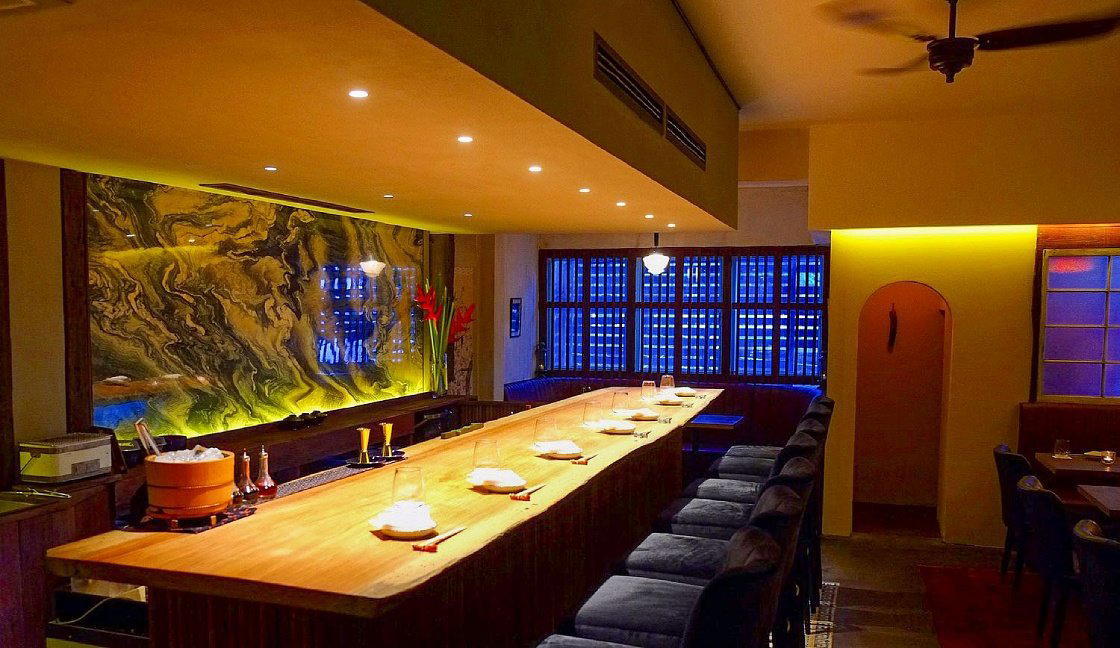
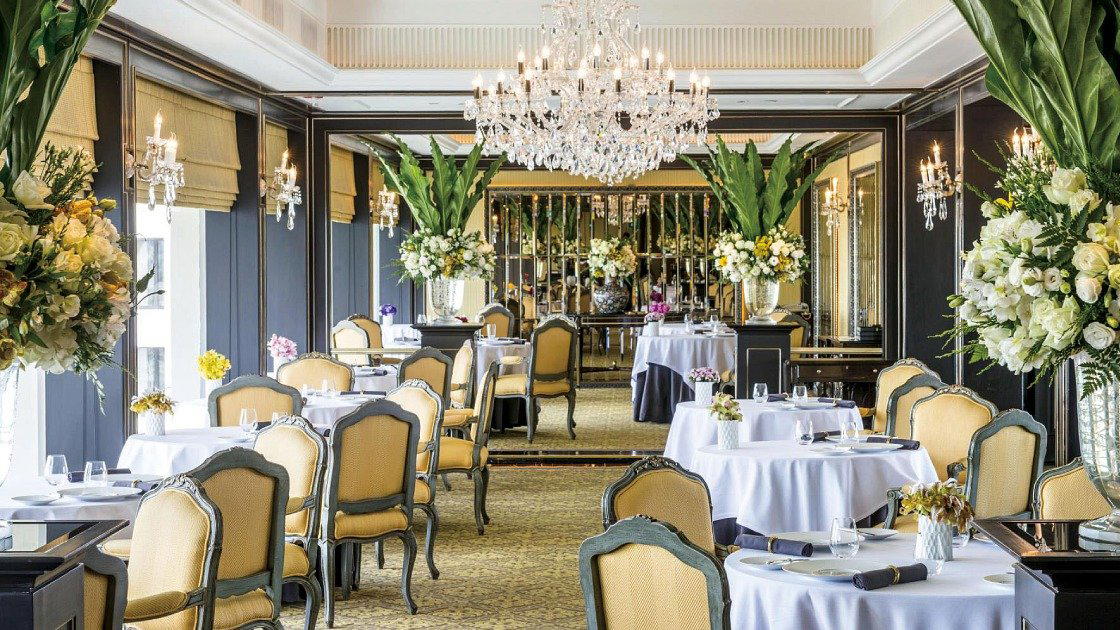
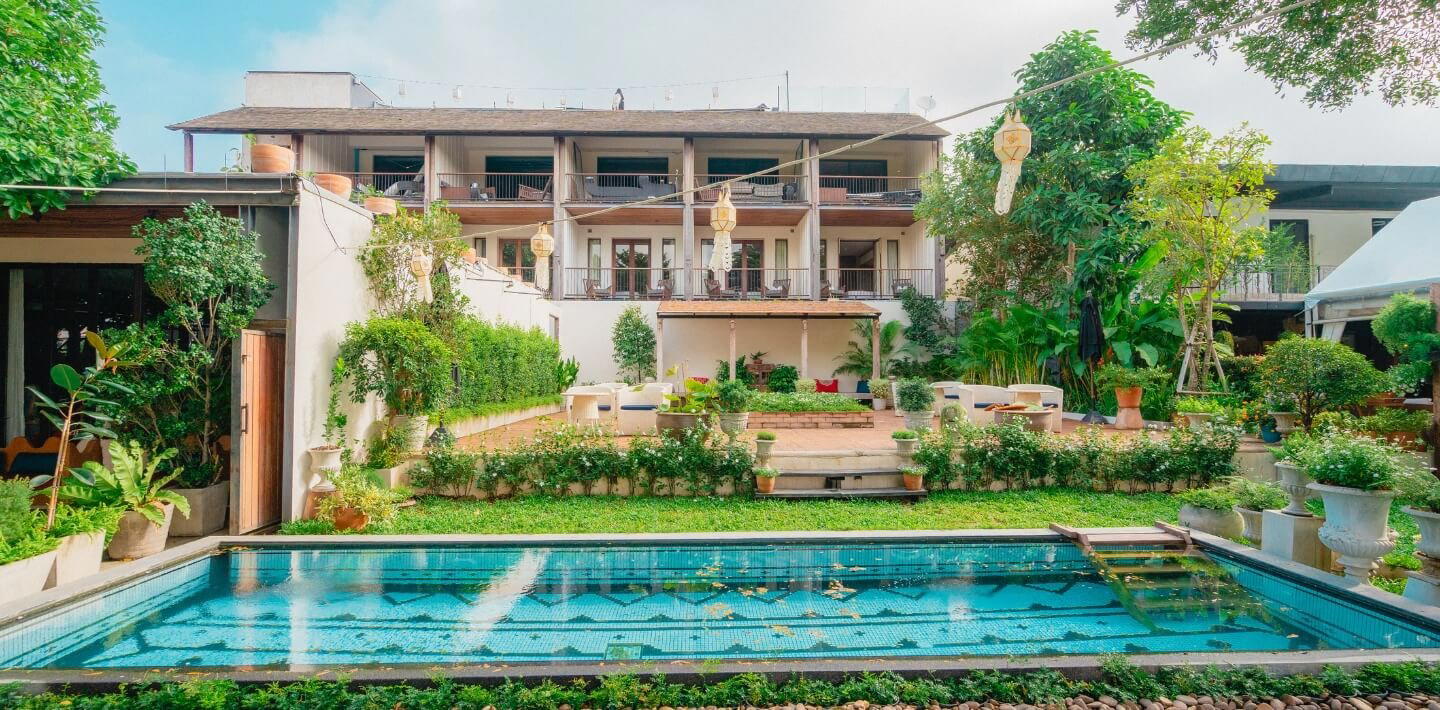
Romantic with candlelit tables, Thai lanterns, soft background music, and swaying lanterns creating an elegant riverside escape.