Sala Lanna Chiang Mai Hotel

Michelin Selected
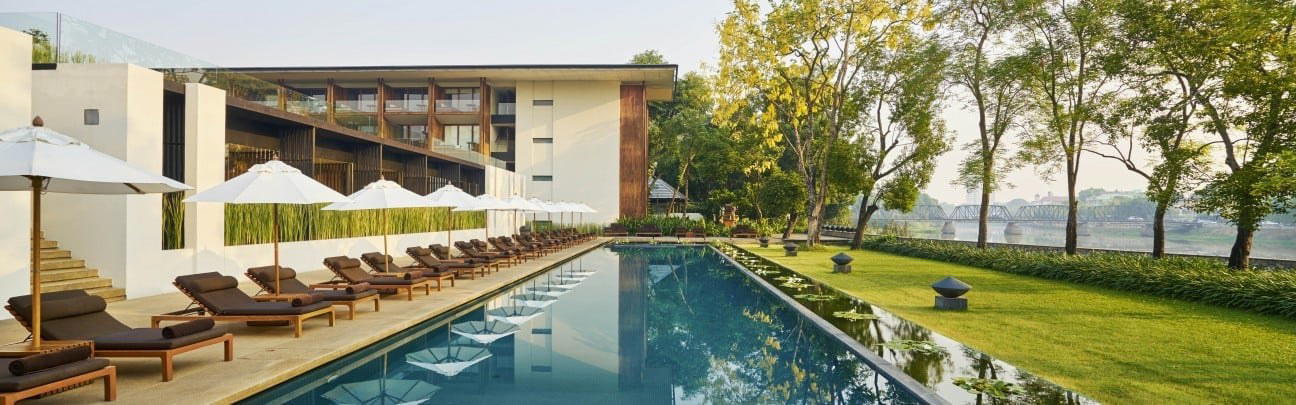
Sala Lanna Chiang Mai Hotel sits in the Wat Gate neighbourhood on the east bank of the Ping River, positioning it closer to Chiang Mai's old trading quarter than the temple-dense historic core. Among the city's riverside boutique options, it occupies a design-conscious tier that prizes neighbourhood character over resort-scale amenity, making it a reference point for travellers drawn to the city's slower, more textural side.

Pearl is the En Primeur Club membership app, where members save venues, book tables and use the concierge.
The Ping River Bank as a Starting Point
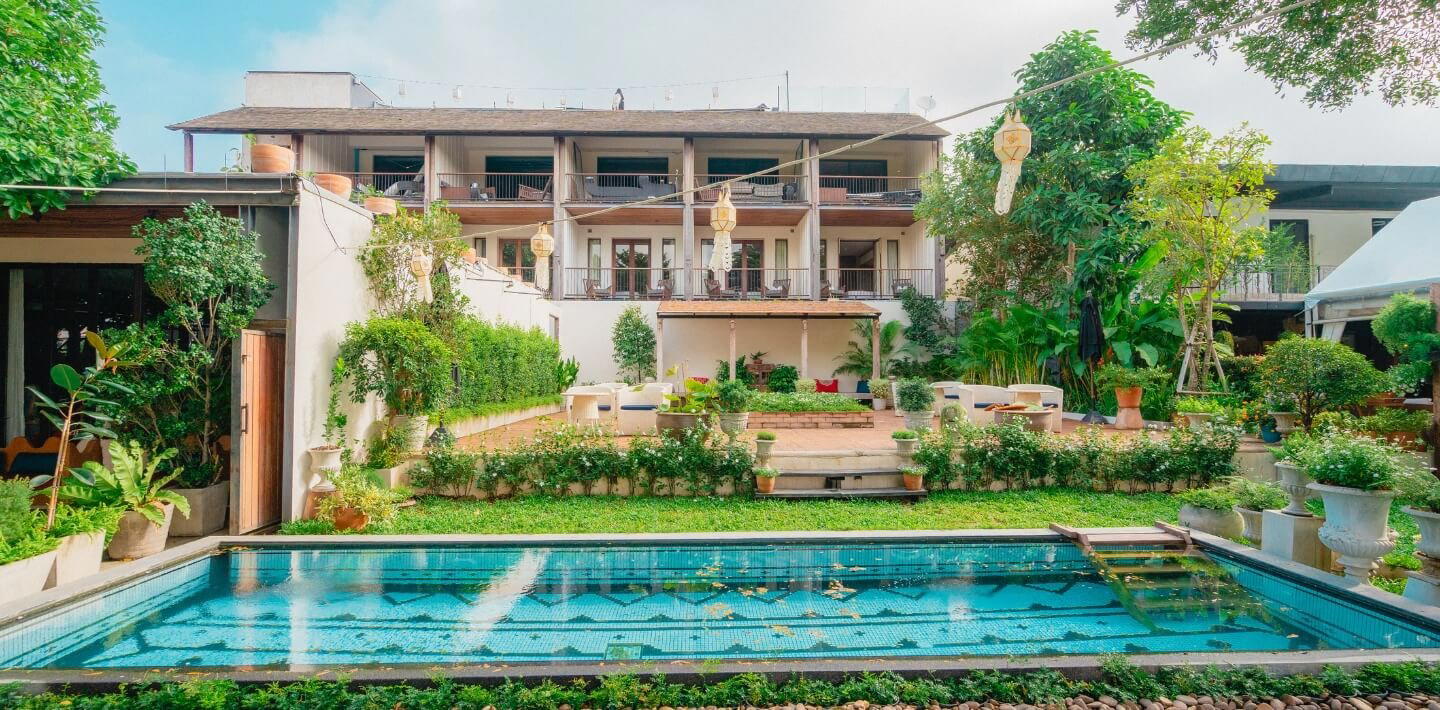
Chiang Mai's hotel geography divides along a clear axis. Properties west of the old city moat tend toward resort scale, with the Four Seasons Resort Chiang Mai and Anantara Chiang Mai Resort anchoring that end of the spectrum. The Ping River's east bank is a different proposition entirely. The Wat Gate quarter, where Sala Lanna Chiang Mai Hotel sits at 49 Thanon Charoenrajd, was historically Chiang Mai's commercial and artisan district, settled by merchants and craftspeople whose influence still registers in the neighbourhood's temple architecture and shophouse streetscapes. Staying here places you inside that layered urban fabric rather than at a remove from it.
This distinction matters when assessing the boutique tier in Chiang Mai. Properties like Rachamankha and 137 Pillars House have built strong reputations by anchoring design and experience to a specific neighbourhood identity rather than competing on room count or facilities breadth. Sala Lanna occupies a comparable position on the east bank, where the river view and the Wat Gate setting do the contextual heavy lifting that a more isolated resort must supply through programming and scale.
What the Wat Gate Quarter Means for a Stay
Northern Thailand's cultural identity is most legible at street level, and the Wat Gate neighbourhood offers a particularly dense cross-section of it. The area's temple complexes, including Wat Ket Karam with its distinctive Burmese-influenced chedi, reflect the multi-ethnic mercantile history of a city that once sat at the intersection of Burmese, Chinese, and Siamese trade routes. Walking south along Charoenrajd from the hotel brings you into a stretch of restored shophouses that now house some of Chiang Mai's better independent coffee spots and craft workshops, a pattern of adaptive reuse that has become characteristic of the neighbourhood over the past decade.
For travellers comparing this quarter to the old city's moated core, the difference is pacing. The historic centre concentrates temples, night markets, and tourist infrastructure into a compact zone that can feel saturated during peak season, broadly November through February when cooler temperatures draw the largest visitor numbers. The east bank moves at a slower rhythm, which either reads as an advantage or a drawback depending on how you weight proximity to the Night Bazaar and Nimman Road's restaurant and bar concentration against the value of returning to a quieter base at the end of the day.
Travellers planning itineraries around Chiang Mai's broader northern region should also factor in the city's function as a staging point. Day trips to Doi Inthanon National Park, the craft villages of San Kamphaeng, and the temples of Lampang all route through the city, and east-bank hotels tend to sit closer to the southern arterials that feed those routes than properties within or immediately west of the old city walls.
Design Register and Peer Positioning
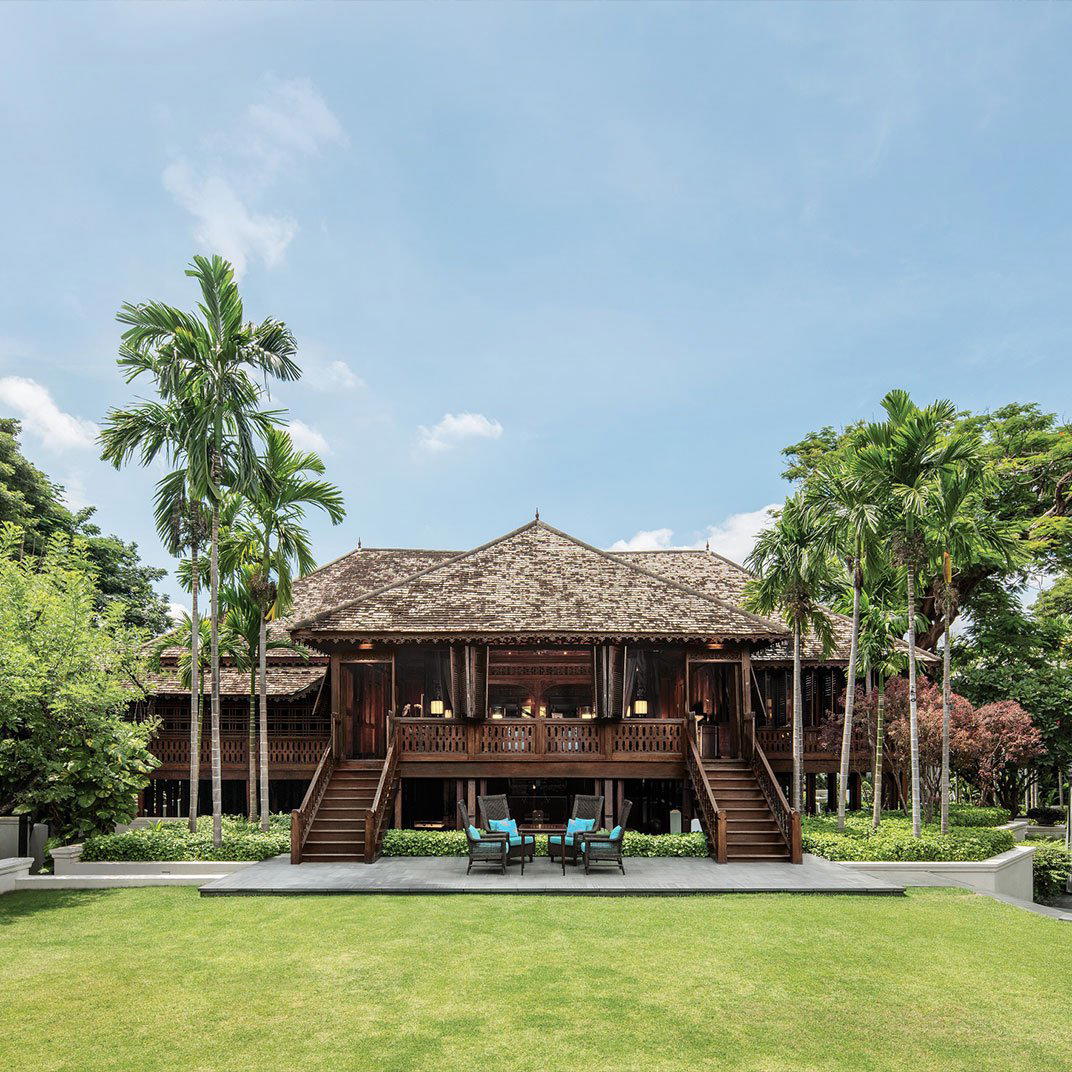
Chiang Mai's boutique hotel segment has developed a fairly consistent design language over the past fifteen years: Lanna-influenced architectural details, teak or reclaimed timber finishes, courtyard layouts that create interior calm despite urban adjacency, and river or garden orientations that supply the landscape element that resort-scale properties achieve through grounds. Aleenta Retreat Chiang Mai and AMANOR Hotel Chiang Mai represent newer entries in this segment, with design programs that reference similar vernacular sources.
Sala Lanna's position on the Ping River places it within the subset of this tier that treats the waterfront as a primary amenity. A river-facing terrace or room in Chiang Mai functions differently to comparable offerings in Bangkok or Chiang Rai: the Ping in the city is narrower and more intimate than Bangkok's Chao Phraya, with the opposite bank close enough to register the coconut palms and vegetation rather than disappearing into urban distance. This produces a particular quality of stillness, especially in the early morning before river traffic and road noise accumulate, that riverside properties in the boutique tier have consistently used as a differentiating element.
For context on how this compares to Thailand's broader premium hotel offer, the scale difference is significant. Properties like Amanpuri in Phuket, Six Senses Yao Noi in Phang Nga, or Phulay Bay, A Ritz-Carlton Reserve in Krabi operate at a facilities depth and price point well above Chiang Mai's boutique riverside tier.
Northern Thai Culinary Context
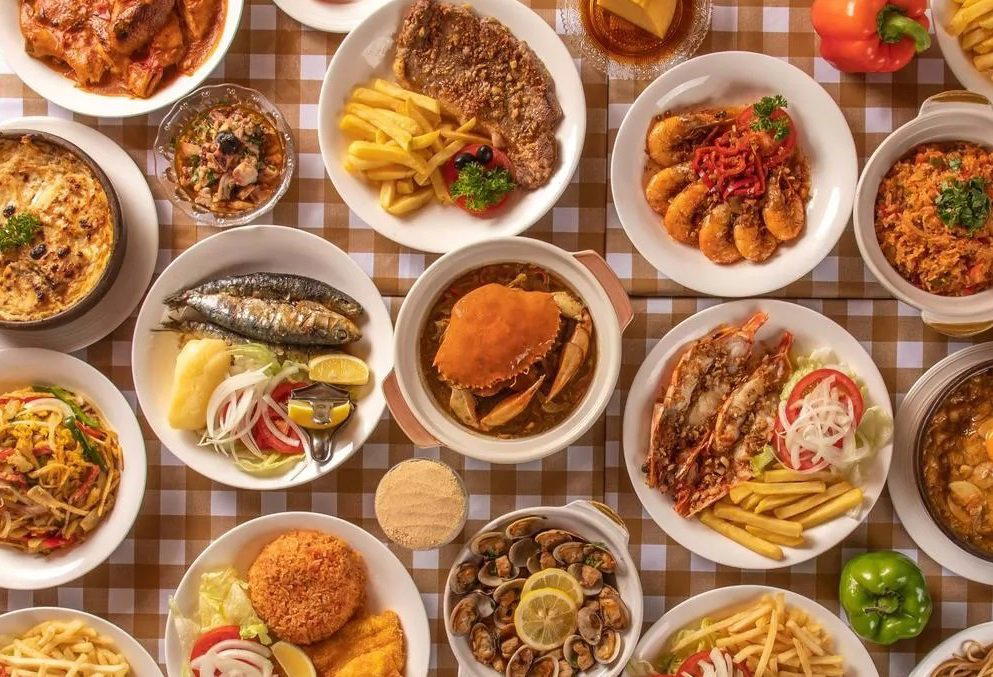
Chiang Mai's food culture is one of the more distinctive regional traditions in Thailand, and it registers most clearly in the gap between what gets served in tourist-facing restaurants and what defines the local culinary identity. Northern Thai cuisine, sometimes called Lanna cooking, differs from the central Thai dishes that dominate international perception of the country's food: it is less sweet, uses fermented ingredients more prominently, incorporates local herbs and dried spices that don't feature widely in Bangkok cooking, and relies on glutinous rice rather than jasmine rice as the everyday staple.
Key dishes that anchor the northern repertoire include khao soi, the rich coconut-curry noodle soup with Burmese and Yunnan Chinese roots that has become the region's most recognisable export; sai ua, the herbed pork sausage spiced with lemongrass, galangal, and kaffir lime leaf; nam prik noom, the roasted green chilli dip served with raw and blanched vegetables; and gaeng hang lay, a slow-braised pork curry with a dry, concentrate flavour profile derived from Burmese origins. Any hotel in Chiang Mai worth its positioning in the boutique tier should be able to orient guests toward the neighbourhood-level spots where these dishes appear in their least compromised form, and the Wat Gate quarter's proximity to local markets and traditional eateries makes that orientation easier from an east-bank address than from more tourist-dense zones. For a broader orientation to the city's dining and hospitality scene, the EP Club Chiang Mai guide maps the key options across neighbourhoods and categories.
Planning a Stay
Chiang Mai's peak season runs from November through early February, when temperatures drop to comfortable levels and air quality is at its clearest. The shoulder months of October and March can work well for travellers with flexibility, offering reduced visitor numbers and rates before and after the cool-season peak. The smoke season from February through April, when agricultural burning affects air quality across the region, is a material consideration that any honest planning conversation about Chiang Mai must include: some travellers adjust timing around it, while others factor in masks and indoor programming.
For those extending a northern Thailand itinerary, Anantara Golden Triangle Elephant Camp and Resort in Chiang Rai represents the most logistically convenient next stop, roughly three hours north by road. Across Thailand more broadly, the contrast between a riverine boutique stay in Chiang Mai and a coastal property such as Samujana Villas in Koh Samui or Pimalai Resort and Spa in Koh Lanta gives an itinerary a meaningful range of environments rather than doubling up on beach-resort formats. Chiang Mai also connects usefully into multi-country itineraries given its flight links to Bangkok's Suvarnabhumi and Don Mueang airports, from which onward connections reach the Mandarin Oriental Bangkok and the full range of the capital's hotel options.
The Short List
A quick peer list to put this venue’s basics in context.
| Venue | Price | Awards |
|---|---|---|
| Sala Lanna Chiang Mai HotelThis venue (the venue you are viewing) | $1–100 | Michelin Selected |
| Four Seasons Resort Chiang Mai | Not listed | 3 Michelin Keys · La Liste Top Hotels |
| Rachamankha | Not listed | 2 Michelin Keys · Mr & Mrs Smith Seal of Approval |
| 137 Pillars House | $300–500 | 2 Michelin Keys · La Liste Top Hotels |
| Aleenta Retreat Chiang Mai | Not listed | 1 Michelin Key · Travel + Leisure T+L 500 Hotels |
| AMANOR Hotel Chiang Mai | $100–200 | Michelin Selected · Small Luxury Hotels of the World Member |
Recognition history
Dated appearances from independent guides and award organizations, with the underlying list record or original source where available.
Michelin Selected
Michelin
Continue exploring
More in Chiang Mai
Hotels in Chiang Mai
All hotels in Chiang Mai →
Bars in Chiang Mai
All bars in Chiang Mai →
Details
- Romantic
- Scenic
- Elegant
- Cozy
- Sophisticated
- Romantic Getaway
- Wellness Retreat
- Weekend Escape
- Waterfront
- Rooftop Pool
- Destination Spa
- Terrace
- Garden
- Panoramic View
- Wi Fi
- Pool
- Spa
- Room Service
- Concierge
- Restaurant
- Bar
- Laundry Service
- Parking
- Garden
- Waterfront
- Elevator
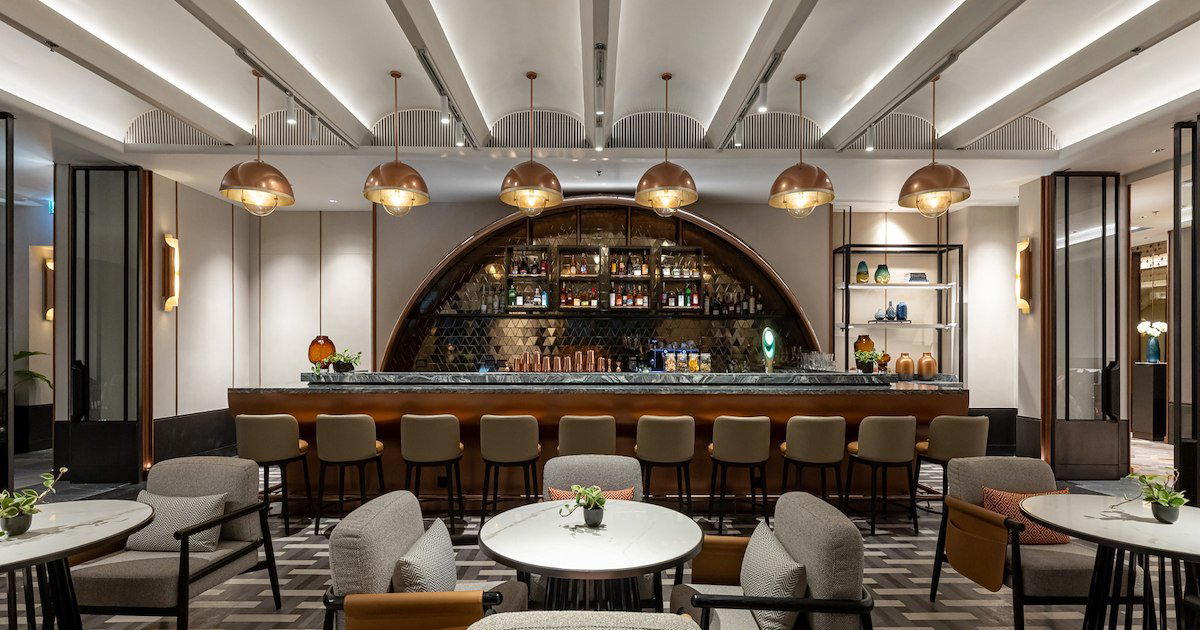
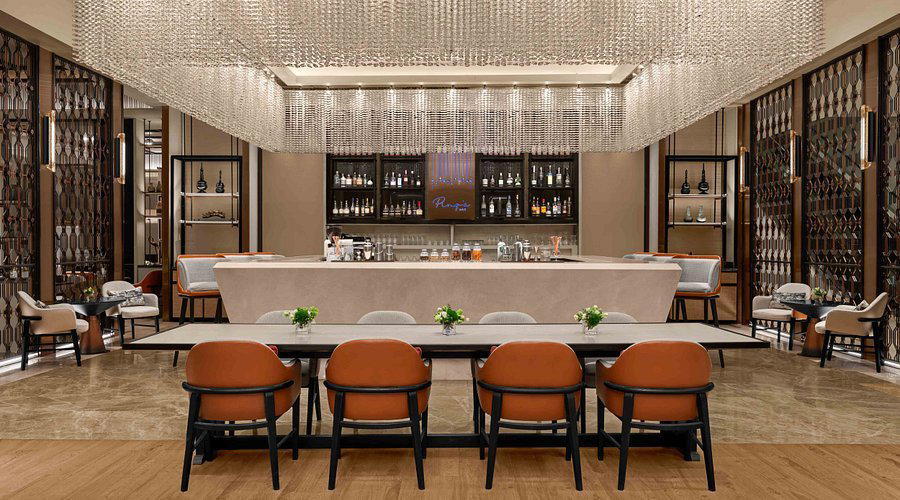
Simple and elegant with muted hues, spacious bright rooms, and sophisticated contemporary design creating a peaceful riverside retreat with charming views of the Ping River.