




2 Michelin Keys · World's 50 Best #91 · La Liste Top Hotels
Set in the granite wilderness of Rajasthan's Jawai Dam district, Suján Jawai places ten tents and two suites inside one of India's most productive leopard habitats. Rates start from US$1,251 per night (or approximately 109,000 INR), and the camp ranks #43 on the World's 50 Best Hotels 2024 list and #91 in 2025. Reservations are confirmed through the Suján reservations team only.

Pearl is the En Primeur Club membership app — saves, bookings, and concierge access live there. Same editors, same standards.
- Address
- JAWAI DAM DISTRICT, Pali Marwar, RAJASTHAN, Rajasthan 306126
- Phone
- +91 11 4617 2700
- Website
- thesujanlife.com
- Directions
- Get directions
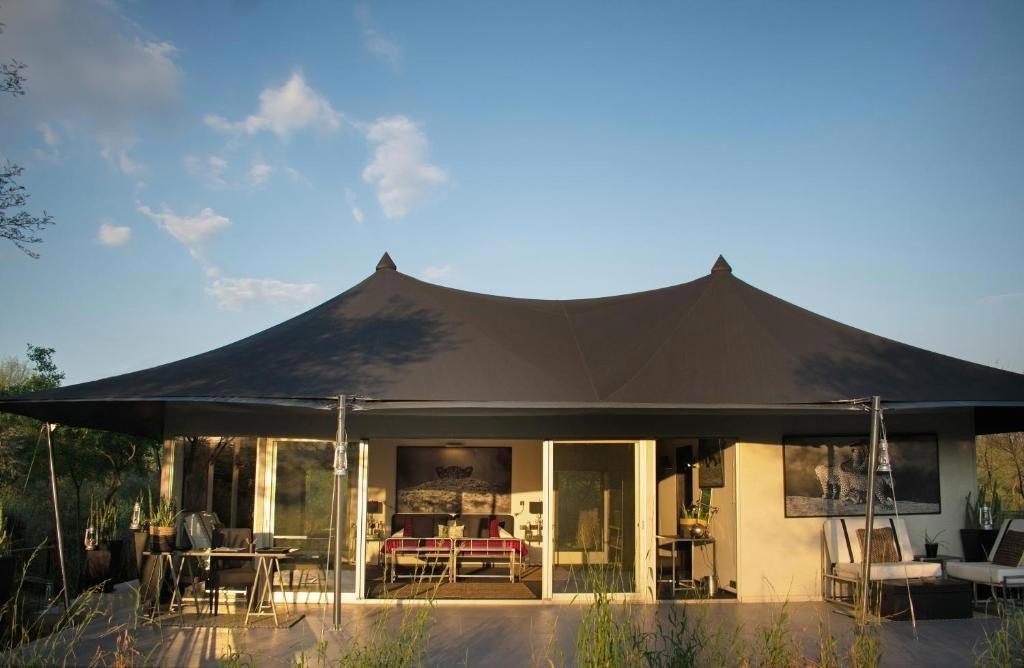
Where Granite and Leopard Territory Define the Experience
Rajasthan's luxury-camp circuit has bifurcated sharply over the past decade. On one side sit the converted havelis and palace hotels that trade on architectural heritage — properties like Amanbagh in Ajabgarh or The Leela Palace Jaipur, which anchor their identity in Mughal or Rajput stonework. On the other side sits a smaller, more demanding category: tented camps where the surrounding wilderness is the primary draw, and where the quality of a wildlife encounter matters as much as thread count. Suján Jawai operates firmly in the latter tier, and it does so in terrain that most of its peers cannot replicate. The Jawai Dam district in Pali, Rajasthan, is ancient granite country — low, rounded rock formations that rise from semi-arid scrub and provide both habitat and hunting ground for one of India's densest populations of wild leopard. That geography is not incidental to the camp's proposition; it is the proposition.
Open-leading jeep drives depart across those granite outcrops at dawn and dusk, and the leopard sightings here are among the most reliable in the subcontinent. Unlike the forest reserves further east, where dense vegetation limits sightlines, Jawai's open rocky terrain means encounters tend to be extended and close. Rewilding efforts in the district have reinforced a balance between the local Rabari pastoral communities and the big cats, a coexistence that has persisted for generations and that the camp formalises through cultural programming, including guided introductions to Rabari herdsmen and their traditions.
The Camp Format and What It Delivers
The tent-camp format at the high end of Indian safari hospitality has matured considerably. Early iterations leaned on colonial nostalgia, canvas, campaign furniture, gin served in silver cups. Suján Jawai takes a different read on the genre. The ten tents and two suites (the Felidae and Panthera) opt for contemporary design over heritage pastiche, with interiors that are intentionally uncluttered. The Panthera suite adds a private heated swimming pool to its footprint; the Felidae offers a comparable level of separation from the main camp. A central pool serves the rest of the property and functions as the natural gathering point during the mid-day heat, when safari activity pauses.
The World's 50 Best Hotels placed Suján Jawai at #43 in 2024, moving to #91 in 2025 as competition in the global luxury-camp category intensified. La Liste's 2026 Leading Hotels assessment awarded 93 points.
For other notable Indian luxury properties set against natural or architectural backdrops, the EP Club covers a range of options, from Ananda in the Himalayas to Alila Fort Bishangarh in Manoharpur, each operating in its own ecological and cultural register.
The Food Programme: Farm Sourcing and Campfire Ritual
Safari camps at this price point face a consistent editorial challenge: food is rarely the reason anyone books, yet a poor dining experience can undercut an otherwise excellent stay. Suján Jawai approaches the question through restraint and sourcing discipline rather than through imported culinary ambition. Ingredients come from local farms and the camp's own kitchen gardens, a supply chain that keeps the food grounded in its Rajasthani context without leaning on the kind of elaborate tasting-menu architecture that would feel incongruous at a ten-tent wilderness camp.
The camp's version of a signature dining moment is the campfire G&T;, where guests recount the day's leopard sightings as the temperature drops and the granite rocks cool around the camp perimeter. The low rumble of a leopard calling from the darkness, carried across those rocks, is the kind of sensory detail that no restaurant theatre can manufacture, and the camp's food programming is calibrated to support that experience rather than compete with it. Hearty, farm-sourced meals serve the physical demands of early-morning jeep drives and long walks; they don't attempt to replicate what you might find at The Taj Mahal Palace in Mumbai or The Leela Palace New Delhi.
This approach is common to the better end of the Indian safari camp category. Properties like Brij Lakshman Sagar, also in Pali district, follow a similar logic, local sourcing, wellness-adjacent menus, and a dining rhythm tied to the movement of guests through the landscape rather than to a fixed restaurant schedule. The food at Suján Jawai is, by available accounts, hearty and health-conscious, with wellness programming that extends to a full spa offering.
The Wildlife and Cultural Programme
The Jawai leopard population is what separates this corner of Rajasthan from better-known safari destinations. The Ranthambore reserve draws large volumes of visitors chasing tiger sightings in a forested reserve setting. Jawai's leopards operate in open, rocky terrain with minimal undergrowth, which produces a fundamentally different encounter: the animal is visible from distance, the jeep can position without obscuring vegetation, and the duration of sightings tends to be longer. The Rabari pastoral communities, who have shared this territory with the cats for generations, regard the leopard not as a threat but as a presence to be respected, a relationship that informs the camp's overall framing of its wildlife offering.
Beyond leopard tracking, the camp programmes biking, hiking, and horseback rides across the granite landscape, as well as formal introductions to Rabari herdsmen. The cultural access is not superficial: the Rabari are a semi-nomadic pastoral caste with a distinctive tradition of embroidery, animal husbandry, and a relationship to land that offers genuine context for understanding how this particular ecosystem has remained intact. For guests arriving from The Oberoi Amarvilas in Agra or Haveli Dharampura in Delhi, it provides a sharp counterpoint to monument-and-heritage itineraries.
For those exploring the wider Rajasthan circuit, EP Club covers additional options including Natraj Hotel and Restaurant in Udaipur and properties further afield such as Garner Kutch Gujarat and Anantya By The Lake. Our full Pali restaurants and hotels guide covers the broader district.
Planning Your Stay
Rates at Suján Jawai begin at US$1,251 per night (approximately 109,000 INR), with pricing confirmed on request through the Suján reservations team rather than through an online booking engine. The camp requires additional pre-arrival information from guests to optimise programming, so direct contact with the reservations desk is part of the booking process rather than an optional step.
Access by air runs through two airports: Udaipur (UDR) at approximately 140 km from the camp, and Jodhpur (JDH) at approximately 160 km. The Jawai Bandh railway station sits 25 km from the property. By car, the camp's reservations team provides directions on request; the GPS coordinates are 25.0169, 73.1643. The October-to-March window covers the cooler months and aligns with peak leopard activity on the rocks; summer heat pushes daytime temperatures high enough to narrow safari windows to early morning and evening hours. The camp's pool becomes meaningfully useful during those months rather than incidental.
For international travellers building wider India itineraries, the camp connects logically with Udaipur, Jodhpur, or Jaipur as gateway cities. Properties like Vivanta Vrindavan, Chapslee in Shimla, or Baale Resort Goa each serve different legs of a multi-region Indian circuit, while city hotels such as Conrad Bengaluru or Hyatt House Bengaluru Devanahalli offer transit-friendly urban stays before or after a wilderness segment. For those combining with international departures, Aman New York, The Fifth Avenue Hotel, and Aman Venice represent the Aman group's comparable positioning in other markets. The Amaya in Solan, Gateway Dehradun, and Hotel Anand in Jabalpur round out EP Club's coverage of India's mid-Himalayan and central India properties for those extending beyond Rajasthan.
Price Lens
Comparable venues nearby, for context on price, style, and recognition.
| Venue | Cuisine | Price | Awards | Notes |
|---|---|---|---|---|
| Suján JawaiThis venue — the venue you are viewing | Hotel | $1,000–1,500 | 2 Michelin Keys · World's 50 Best #91 | Not listed |
| Brij Lakshman Sagar | Not listed | $200–300 | Michelin Selected · Tablet Hotels Best New Hotel Designs (Asia) | Raipur, Restored 19th-century hunting lodge with authentic Rajasthani architecture using locally sourced materials |
| Amanbagh | Not listed | Not listed | 2 Michelin Keys · World's 50 Best #100 | Ajabgarh, Mughal-inspired heritage resort reimagined in timeless minimalism within a former Maharaja's hunting lodge. |
| The Oberoi Udaivilas | Not listed | $300–500 | 2 Michelin Keys · World's 50 Best #98 | Mali Colony, Mewari palace replica with 30 acres of manicured gardens and courtyards |
| Taj Lake Palace | Not listed | Not listed | 3 Michelin Keys · La Liste Top Hotels | Lake Pichola, Restored 18th-century floating palace hotel |
| Raffles Udaipur | Not listed | Not listed | 2 Michelin Keys · La Liste Top Hotels | Udai Sagar Lake, Luxurious modern palace blending Rajasthani heritage with contemporary comfort |
Recognition history
Dated appearances from independent guides and award organizations, with the underlying list record or original source where available.
Michelin 2 Keys
Michelin
World's 50 Best Hotels 51-100 #91
World's 50 Best
La Liste Top Hotels
La Liste
Relais Chateaux Award
Relais Chateaux
Conde Nast Gold List
Conde Nast
Full recognition history (8 entries)
Michelin 2 Keys
Michelin
Relais Chateaux Award
Relais Chateaux
World's 50 Best Hotels #43
World's 50 Best
Continue exploring
More in Pali
Hotels in Pali
Browse all →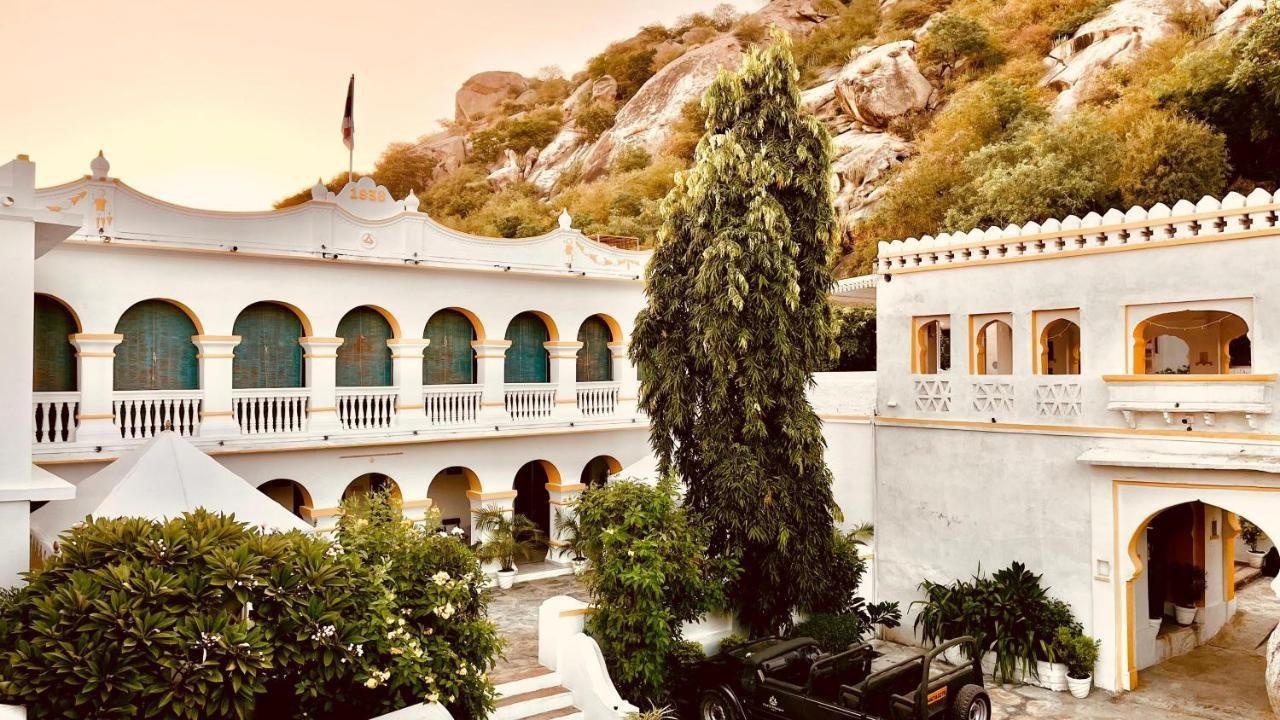
Bars in Pali
Browse all →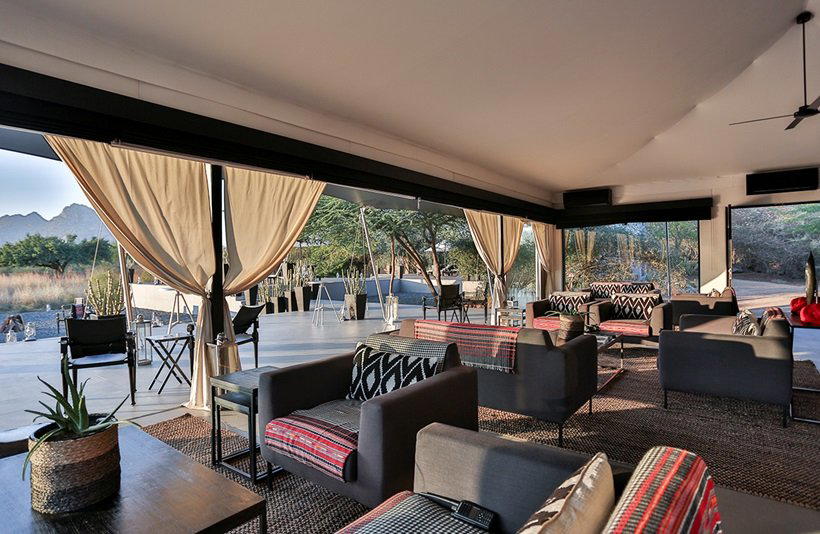
Restaurants in Pali
Browse all →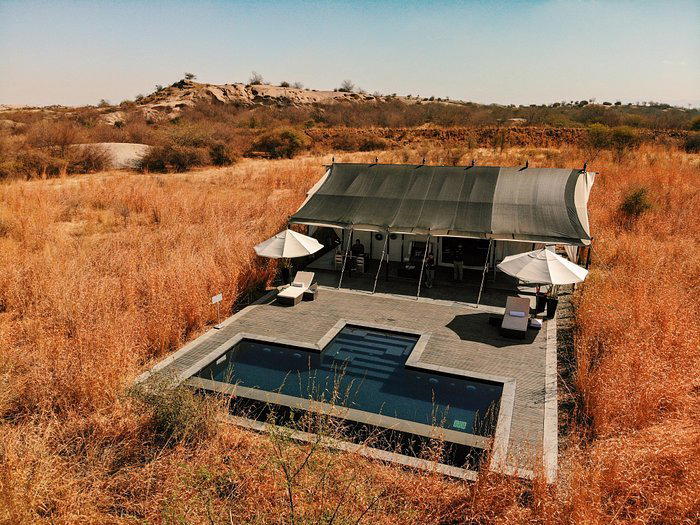
Details
- Scenic
- Intimate
- Sophisticated
- Quiet
- Rustic
- Honeymoon
- Family Vacation
- Romantic Getaway
- Group Retreat
- Wellness Retreat
- Private Dining
- Garden
- Terrace
- Panoramic View
- Pool
- Spa
- Restaurant
- Parking
- Wi Fi
- Air Conditioning
- Concierge
- Mountain
- Accessible Parking
A sophisticated, quietly luxurious safari-camp atmosphere with a modern-industrial aesthetic, muted tones, and a strong sense of privacy amid dramatic wilderness.