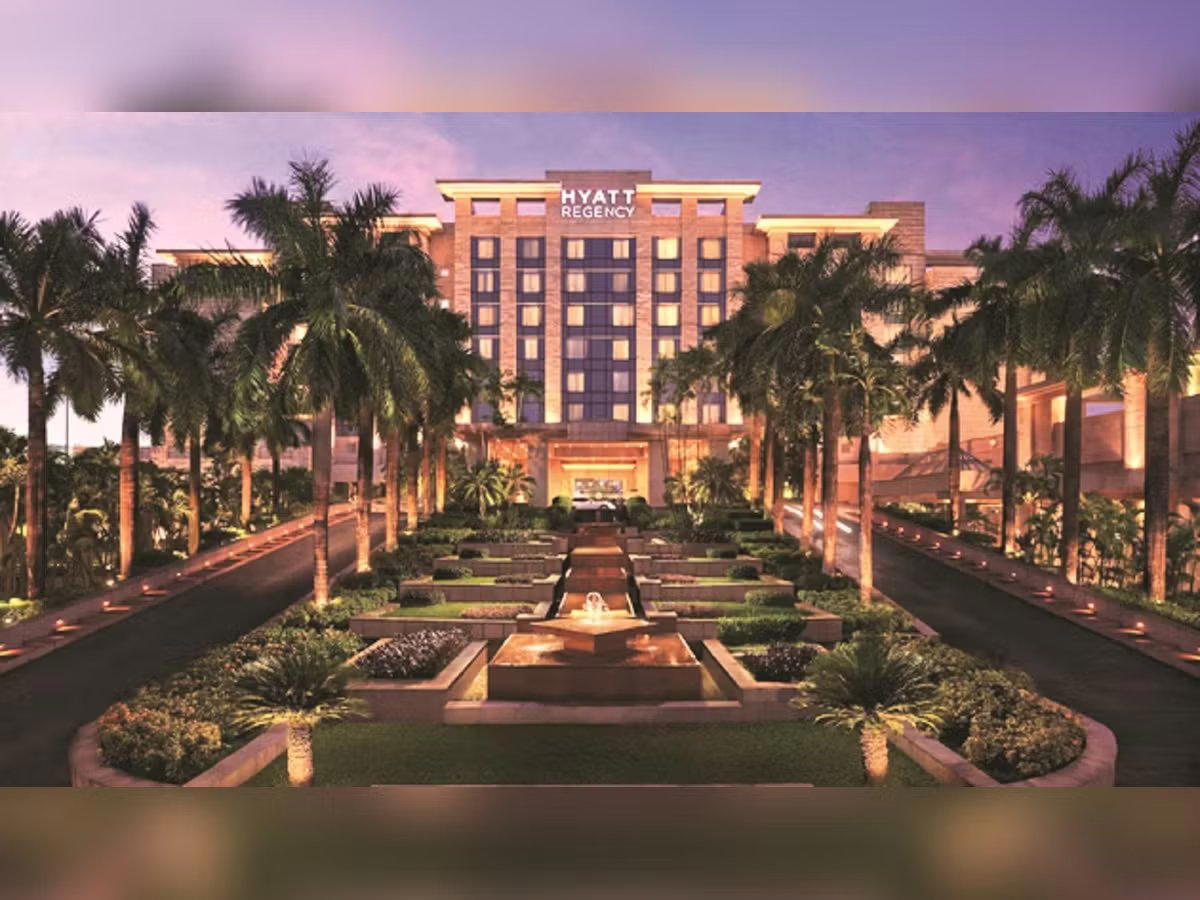
Positioned directly in Bengaluru's Devanahalli corridor, Hyatt House offers extended-stay infrastructure with the brand's characteristic apartment-style room formats. For travellers transiting through Kempegowda International Airport or working the North Bengaluru tech and logistics belt, the location removes the city commute entirely. It reads as a functional, brand-backed option in a zone where proximity to the airport is the primary editorial argument.

Pearl is the En Primeur Club membership app — saves, bookings, and concierge access live there. Same editors, same standards.
North Bengaluru's Airport Corridor: A Different Kind of Hotel Geography
Bengaluru's hotel market has long been read through its central and south-facing neighbourhoods: Indiranagar, UB City, Whitefield, and the MG Road axis. The Devanahalli zone, anchored by Kempegowda International Airport, operates on an entirely different logic. Hotels here serve a traveller who is not arriving to experience the city but arriving to work, transit, or stage a longer India itinerary. The calculus shifts from neighbourhood character to operational efficiency, and the property selection within that corridor reflects that shift. Hyatt House Bengaluru Devanahalli is a 135-room hotel in north Bengaluru, close to Kempegowda International Airport, with a smart casual dress code and recommended reservations.
That distinction matters when comparing the Devanahalli cluster against the broader Bengaluru hotel portfolio. Properties like The Leela Palace Bengaluru or THE Park Bangalore are city-experience properties where the surrounding neighbourhood, dining scene, and cultural access are part of the offer. The airport corridor strips that away and replaces it with something simpler: reliable infrastructure, minimal transit friction, and a room format designed for the traveller who needs a desk and a kitchen as much as a lobby bar.
The Hyatt House Format and What It Signals
Hyatt House as a brand occupies a specific position within the Hyatt portfolio: it sits between the full-service Hyatt Regency tier and the budget-category properties, with a design language built around extended stays. The format typically features kitchen-equipped suites or studio configurations, communal spaces styled to function as informal work environments, and F&B; programming weighted toward breakfast and casual all-day dining rather than destination restaurant formats. That model travels well to airport-adjacent markets, where the guest profile skews toward consultants, airline crew, and regional business travellers spending multiple nights rather than one-night transits.
In the broader Bengaluru context, this positions Hyatt House Devanahalli differently from properties like The Zuri Whitefield Bengaluru, which serves the tech-corridor corporate market in the east of the city with a full-service approach, or The Leela Bhartiya City Bengaluru, which brings the Leela scale and amenity set to the north of the city but with a resort-hotel register. Hyatt House is not competing in those registers. Its comparable set is the select-service international brand properties within a five-kilometre radius of the airport terminals.
Design at the Airport Tier: Functional Legibility Over Statement Architecture
The editorial angle on airport-corridor hotel design is worth addressing directly, because it often disappoints travellers who carry city-centre expectations into the Devanahalli zone. The architectural and design vocabulary in this corridor is shaped by constraints: fast construction timelines, corporate brand standards, and a guest base that prioritises functional legibility over spatial drama. The question is not whether an airport-zone hotel delivers the kind of design identity you find at, say, Aman Venice or Aman New York. The question is whether the design delivers on the operational brief: clear wayfinding, rooms that function as working environments, and public spaces that do not feel like afterthoughts.
Hyatt House's brand standards push toward residential-influenced interiors: softer material palettes, kitchen-counter integration, and communal areas designed to feel less like a lobby and more like a shared apartment common space. Whether the Devanahalli property executes that brand direction with particular distinction or simply meets the brief competently is information that requires a firsthand visit to assess. The brand framework includes configurations suited to longer stays.
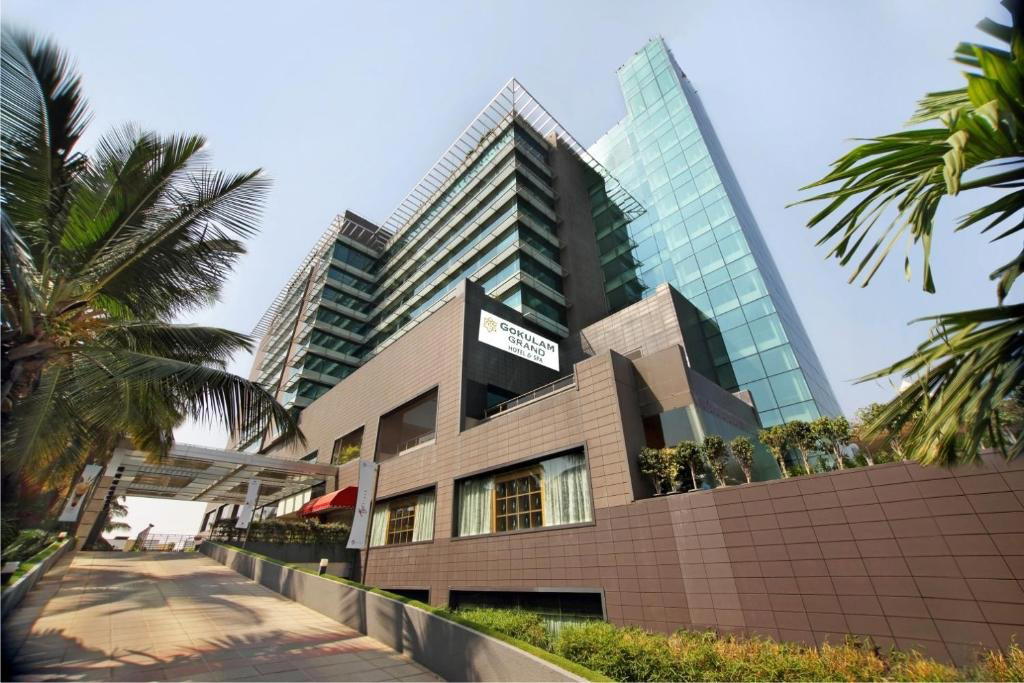
For travellers assessing the design-led end of the Bengaluru market, the contrast with properties like JW Marriott Bengaluru Prestige Golfshire Resort & Spa or Gokulam Grand Hotel & Spa is instructive: both bring a fuller amenity set and more pronounced design ambition. Hyatt House trades those registers for proximity and format practicality.
The Devanahalli Location: What It Gives and What It Takes Away
Devanahalli has changed considerably since the airport opened in 2008. What was a satellite town north of Bengaluru has become a corridor of tech parks, aerospace facilities, and logistics hubs, with a hotel supply that has grown to match the demand from that industrial base. The location gives travellers one significant operational advantage: it removes Bengaluru's traffic from the equation. The city centre sits 40 kilometres south, and peak-hour journey times can exceed ninety minutes in each direction. A traveller whose meetings are in the airport zone or whose itinerary requires an early international departure gains measurable time by staying in Devanahalli rather than a central property.
What the location takes away is equally clear: the dining and nightlife concentration of Indiranagar, the cultural access of the city centre, and the resort-scale grounds you find at properties like those along India's leisure corridors. Travellers whose India trip includes time in Rajasthan, for instance, may use Bengaluru as an entry point before continuing to properties like Alila Fort Bishangarh or Amanbagh. For that use case, a functional airport-zone stay in Devanahalli is structurally sensible: it compresses the first night into pure logistics and lets the journey begin properly at the next destination.
For broader India itinerary-building, the Bengaluru gateway connects naturally to a range of properties across the subcontinent. The Leela Palace New Delhi, The Taj Mahal Palace in Mumbai, and The Oberoi Amarvilas in Agra each represent a different register of Indian hospitality for travellers building a multi-city programme.
Planning Your Stay: Practical Framework
Hyatt House properties typically offer World of Hyatt loyalty integration, which means points accrual and status recognition apply for travellers already embedded in the Hyatt programme. Booking directly can simplify changes and room requests. For stays tied to specific flight times, communicating check-in and check-out windows directly with the property tends to produce more flexible outcomes than relying on standard policies.
The Devanahalli corridor operates at higher occupancy during weekdays when the corporate and airline-crew market is active; weekends tend to see softer demand, which can translate into better room availability for leisure travellers using Bengaluru as a gateway stop.
Where This Property Sits in the Bengaluru Tier
The Bengaluru market ranges from heritage-adjacent properties with strong design identities to select-service international brands filling demand gaps around the airport and tech corridors. Hyatt House Bengaluru Devanahalli belongs to the latter tier, where the brand covenant matters more than the individual property's distinctive character, and where the traveller's primary question is reliability rather than discovery. That is not a criticism; it is a description of the market function the property serves. For the traveller whose brief is operational, a clean room, working infrastructure, and minimal transit time to the airport, the Devanahalli Hyatt House addresses the requirement directly.
Fast Comparison
Comparable venues nearby, for context on price, style, and recognition.
| Venue | Cuisine | Price | Awards | Notes |
|---|---|---|---|---|
| Hyatt House Bengaluru DevanahalliThis venue — the venue you are viewing | modern serviced apartments for extended stays | $$$ | Not listed | Not listed |
| Gokulam Grand Hotel & Spa | Contemporary luxury business hotel with Art Deco architecture | $$$ | 5-Star | BEL Circle |
| THE Park Bangalore | Luxury boutique hotel with state-of-the-art technology and leisure facilities. | $$$$ | 5-Star | MG Road |
| The Zuri Whitefield Bengaluru | Contemporary luxury hotel optimized for business and leisure travelers | $$$$ | 5-Star | Whitefield |
| The Leela Bhartiya City Bengaluru | Modern luxury urban resort | $$$$ | 5-Star | Thanisandra |
| JW Marriott Bengaluru Prestige Golfshire Resort & Spa | Luxury resort with private villas and expansive golf course integration | $$$$ | 5-Star | near Nandi Hills |
Continue exploring
More in Bengaluru
Hotels in Bengaluru
Browse all →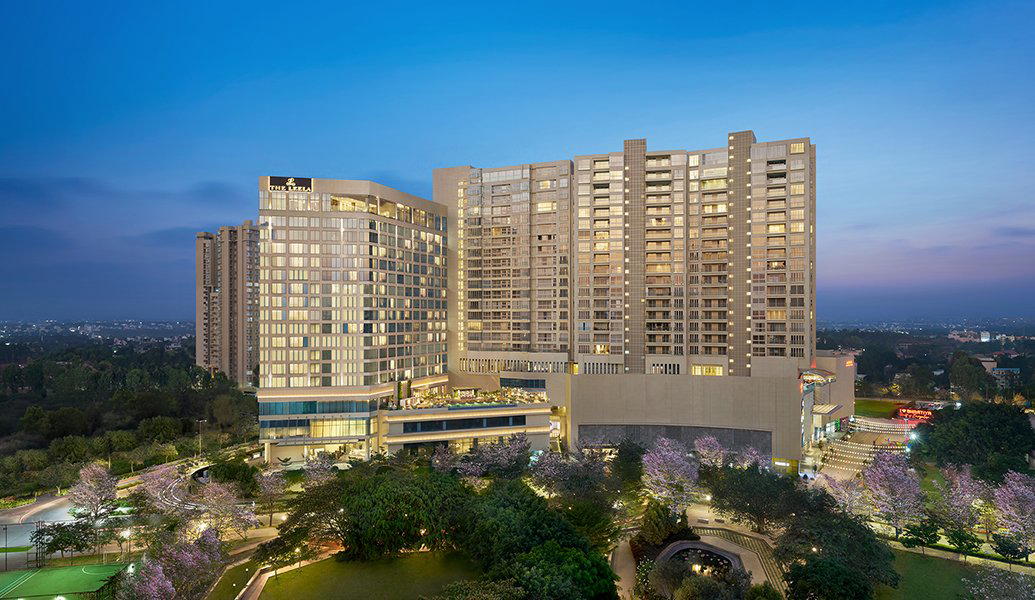
Bars in Bengaluru
Browse all →
Restaurants in Bengaluru
Browse all →
Wineries in Bengaluru
Browse all →
At a Glance
- Modern
- Quiet
- Business Trip
- Pool
- Fitness Center
- Restaurant
- Bar
- Pool
- Fitness Center
- Restaurant
- Bar