





3 Michelin Keys · La Liste Top Hotels · Virtuoso Luxury Hotel Partner
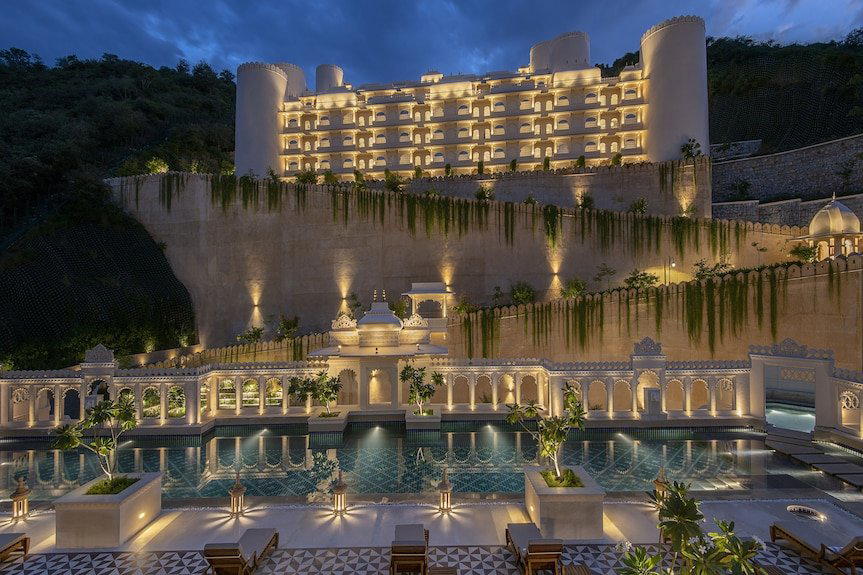
Built in 1740 as a summer retreat for Maharana Jagat Singh II, Taj Lake Palace sits entirely on Lake Pichola, accessible only by boat. Its 83 rooms and suites retain original mirror work, silk fabrics, and period architecture, while earning placement on Tatler's Best Hotels Asia-Pacific 2025 and the 2025 World Travel Awards for India's Leading Heritage Hotel. The Jiva Spa, four dining venues, and lake-facing terraces anchor its identity as a genuine retreat destination.

Pearl is the En Primeur Club membership app — saves, bookings, and concierge access live there. Same editors, same standards.
- Address
- Lake Pichola, Pichola, Udaipur, Rajasthan 313004
- Phone
- +91 294 242 8800
- Website
- tajhotels.com
- Directions
- Get directions
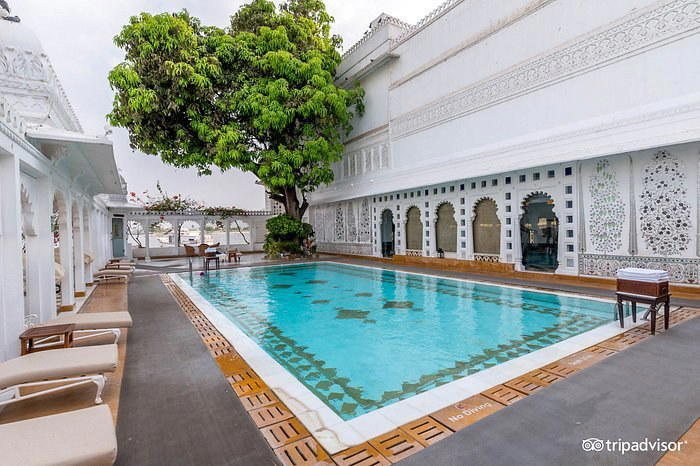
A Palace on Water: The Setting and What It Means for a Retreat
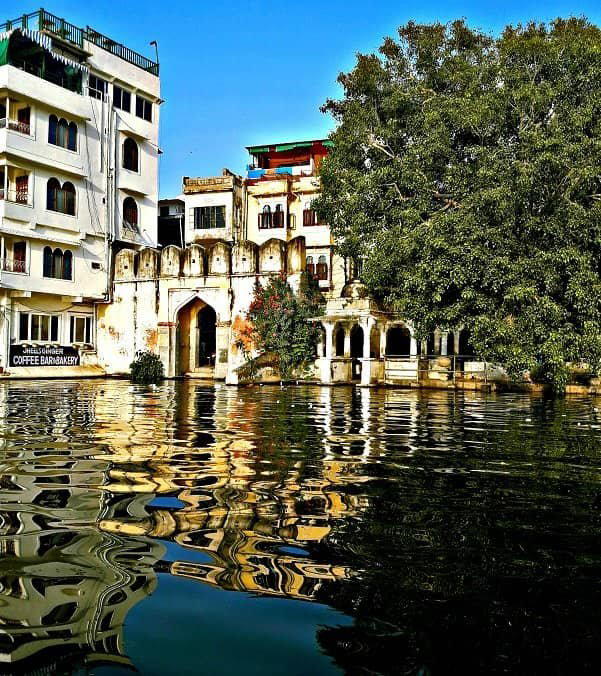
Arriving at Taj Lake Palace requires a boat. There is no road approach, no valet lane, no lobby visible from a taxi window. The transition from the congested ghats of Udaipur to the marble pavilions of a 273-year-old island palace is deliberate and structural, and it sets the psychological tone for everything that follows. By the time guests step onto the landing jetty, the city has already receded. That enforced separation is the most effective wellness amenity the property offers, and no spa treatment quite replicates it.
Lake Pichola sits at the heart of Udaipur's identity as Rajasthan's City of Lakes, ringed by the Aravalli Hills and overlooked by the City Palace on the eastern shore. The lake's calm surface acts as both physical boundary and acoustic buffer, reducing the ambient noise of an Indian city to a distant murmur. Hotels occupying lakeside plots, such as Raffles Udaipur and The Leela Palace Udaipur, borrow from this geography, but neither is on the lake itself. Taj Lake Palace occupies its own category: an island property where the water is not a view but a complete perimeter.
The Architecture of Stillness: Heritage Spaces and the Wellness Frame
The palace was built in 1740 as a summer retreat, designed to capture cooling lake breezes during the Rajasthani heat. That original function has not changed in purpose, only in execution. The Taj group's stewardship since the 1960s has layered modern infrastructure, including central air conditioning and satellite television, beneath an aesthetic that preserves original marble inlay, mirror work, and silk-upholstered interiors. The 83 rooms across 65 keys include 18 suites, several of which open onto private balconies with direct water views.
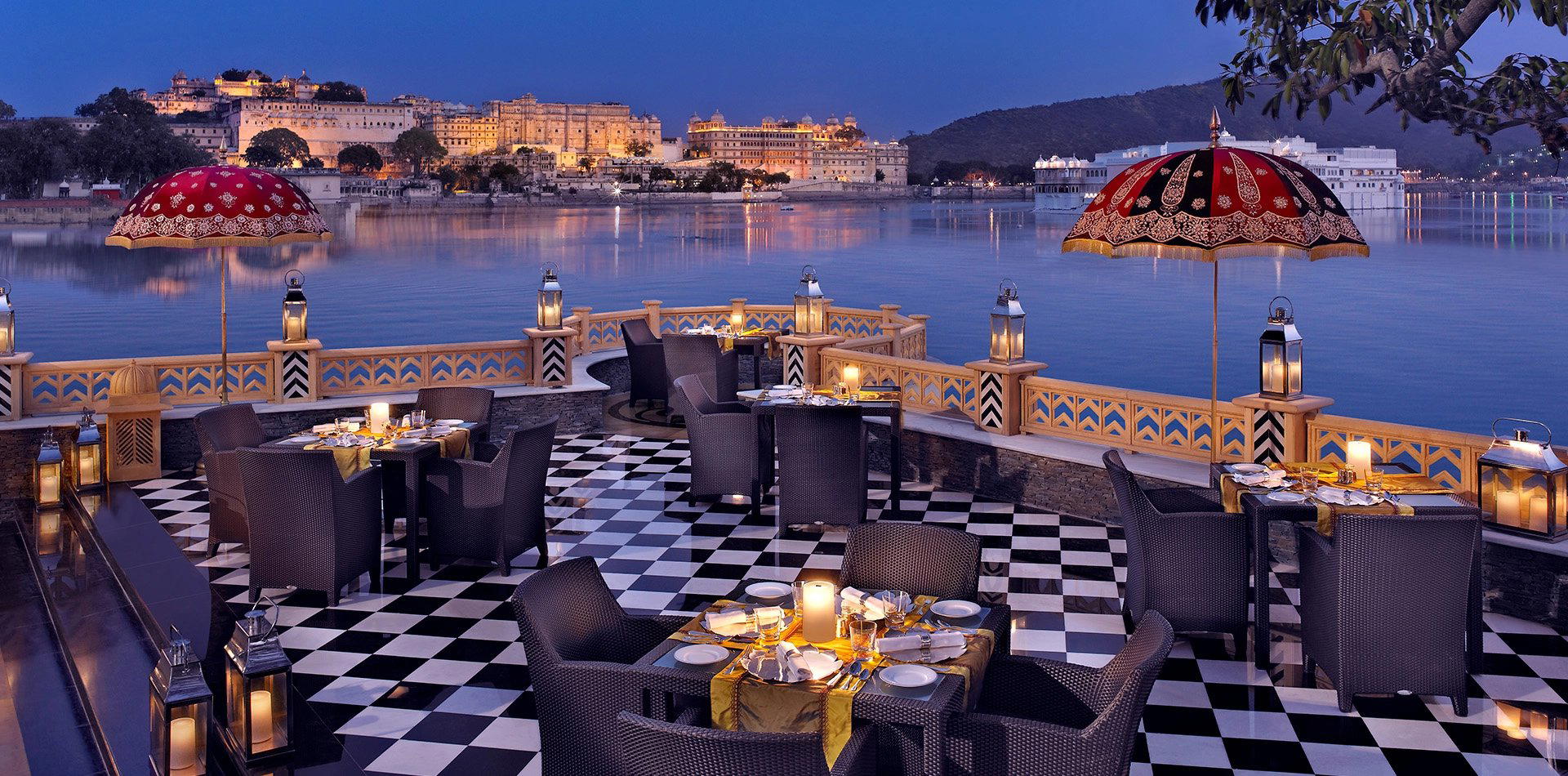
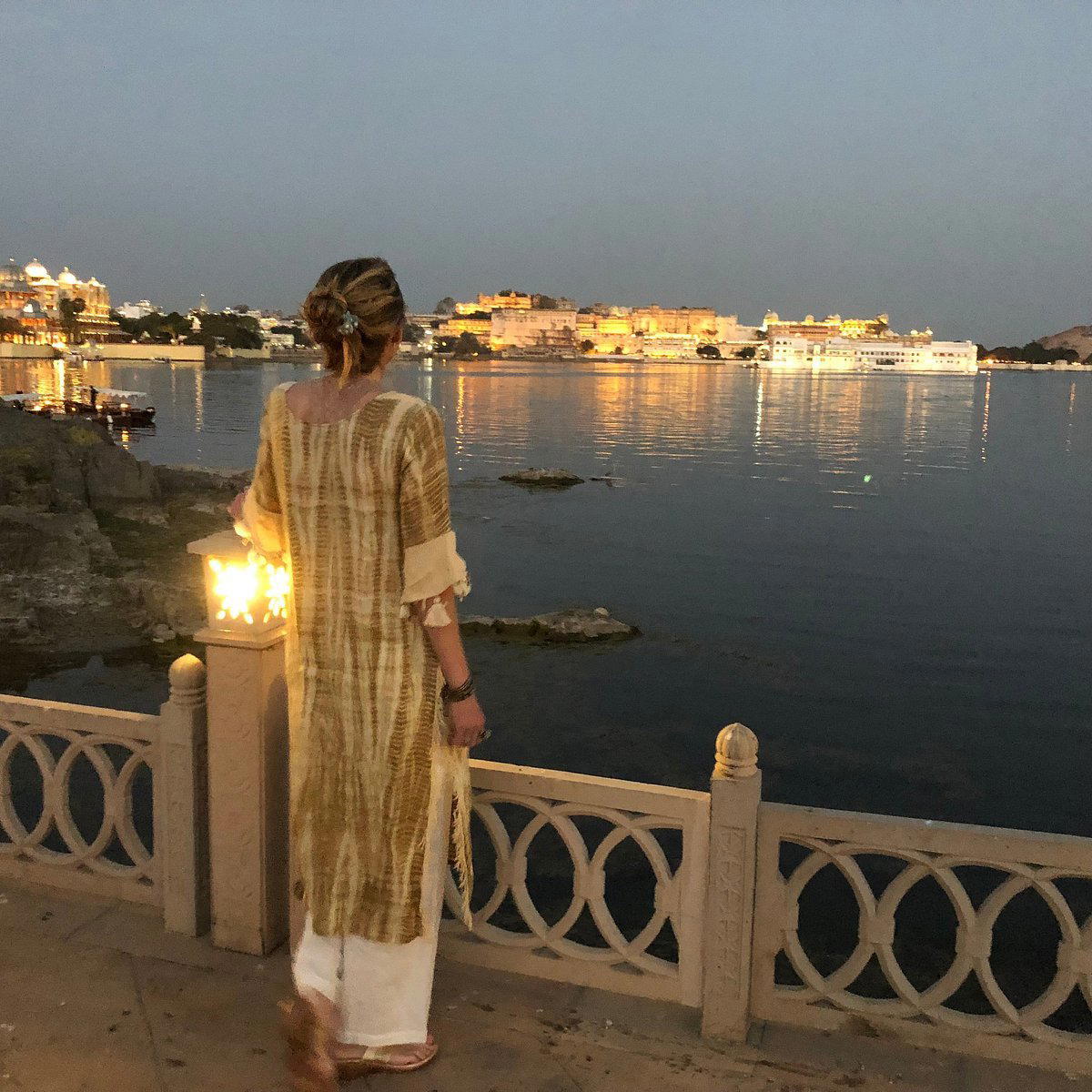
Room orientation matters here. Standard categories face the interior courtyard and its lily pond, a setting that has its own meditative quality. Outward-facing rooms and suites look directly over the lake toward the illuminated ramparts of the City Palace, a view that becomes particularly arresting after dusk. The suite tier, priced from approximately $1,301 per night, commands the most architecturally significant chambers, some with original palace detailing that no renovation has flattened into uniformity. For travellers prioritising the retreat dimension over cost efficiency, the outward-facing room categories represent the stronger booking decision.
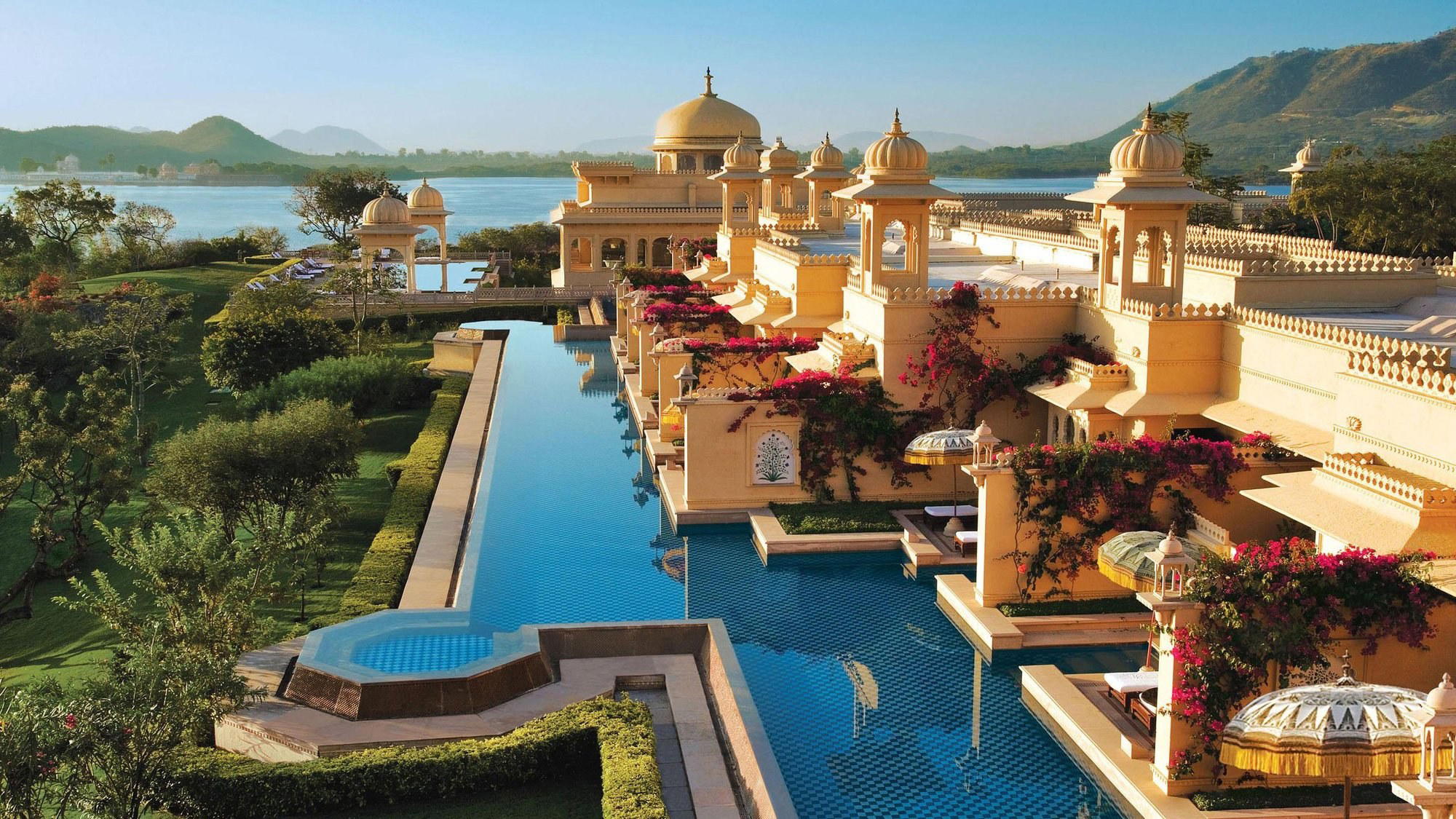
Among Udaipur's luxury tier, the closest structural comparison is The Oberoi Udaivilas, which holds its own considerable standing for architecture and service. The difference is access: Udaivilas is a lakeside estate, whereas Taj Lake Palace is an island. The psychological effect of complete water enclosure on a guest's sense of remove from daily life is not a marketing claim but a functional consequence of geography.
The Jiva Spa and Ayurvedic Practice in a Palace Context
Wellness programming at Taj Lake Palace centres on the Jiva Spa, which occupies restored palace chambers. Jiva is the Taj group's proprietary spa brand, grounded in Ayurvedic tradition, and its positioning within a 280-year-old structure gives the treatments a contextual weight that purpose-built resort spas rarely achieve. Ayurveda is not a decorative element in Rajasthan: the region has a documented tradition of herbal medicine and ritual care that predates modern wellness tourism by centuries.
The broader Taj Hotels portfolio deploys Jiva Spa across properties including The Taj Mahal Palace, Mumbai, but the Lake Palace setting, specifically the combination of lake views, palace architecture, and enforced quietude, produces conditions that are difficult to replicate in an urban flagship. Yoga and meditation are offered alongside Ayurvedic treatments, and the programming extends to astrology and heritage walks of the palace itself, which function as a form of contemplative engagement with the building's 273-year history.
For guests whose retreat priority is wellness infrastructure over architectural experience, properties such as Amanbagh in Ajabgarh or Suján Jawai in Pali offer more specialist programming. What Taj Lake Palace provides is a different weighting: the palace itself, its history, and its lake setting are the primary retreat mechanism, with the Jiva Spa as a secondary layer.
Dining on the Lake: Four Venues and the Rhythm of Palace Meals
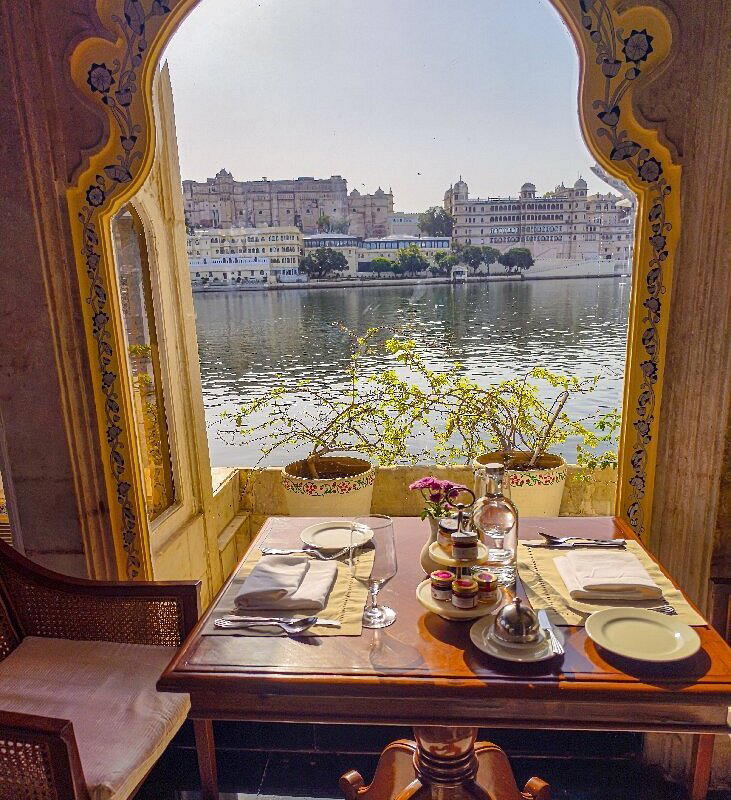
The four dining venues map to different times of day and different registers of formality. Jharokha handles all-day dining beneath scalloped arches with lake views, running a broad menu with Asian and Mediterranean alongside Indian options. Its signature breakfast items, including a Lake Palace Eggs Benedict and French press coffee service, anchor the morning rhythm for guests who are not leaving the island.
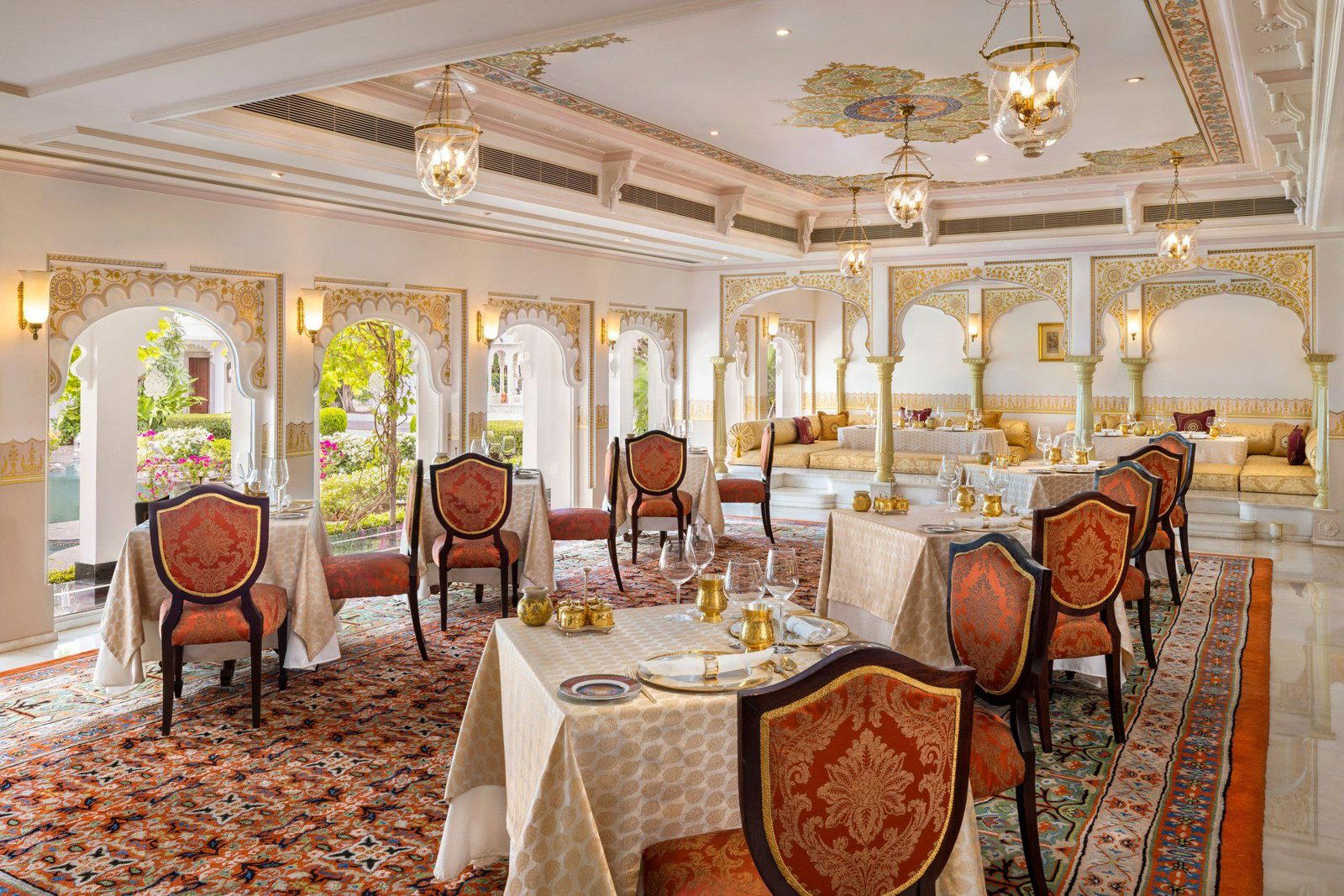
Neel Kamal, the Indian specialty restaurant, focuses on Rajasthani cuisine and classical Indian repertoire in a room whose décor references royal banquet halls. Wood-fired cooking and a show kitchen add visibility to the preparation, and classical instrumental music runs through service. For guests who have not spent time with Rajasthani cuisine, the local specialties here provide a more direct connection to regional food culture than the international options at Jharokha.
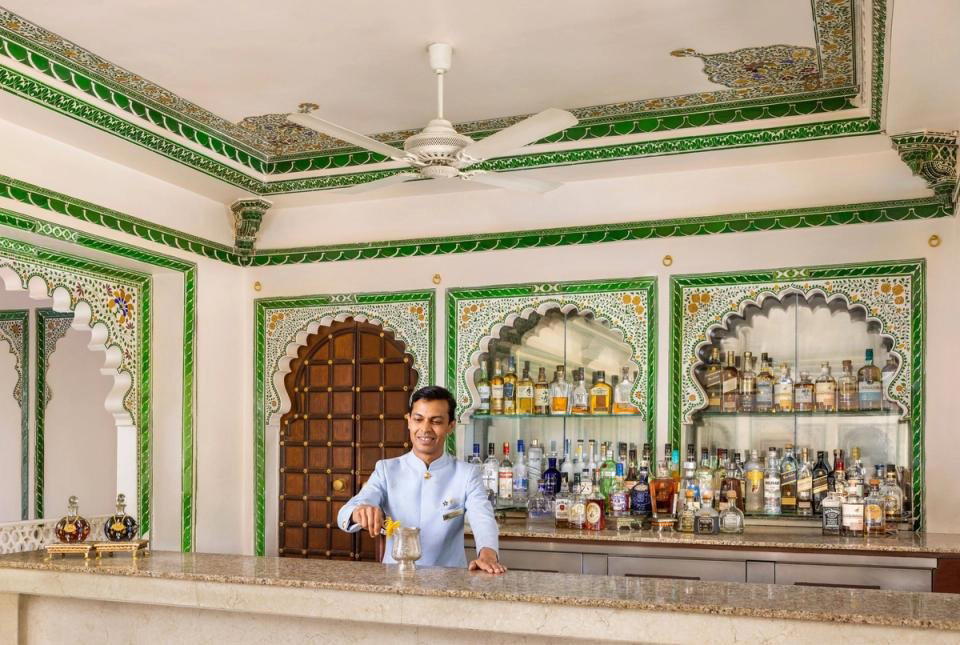
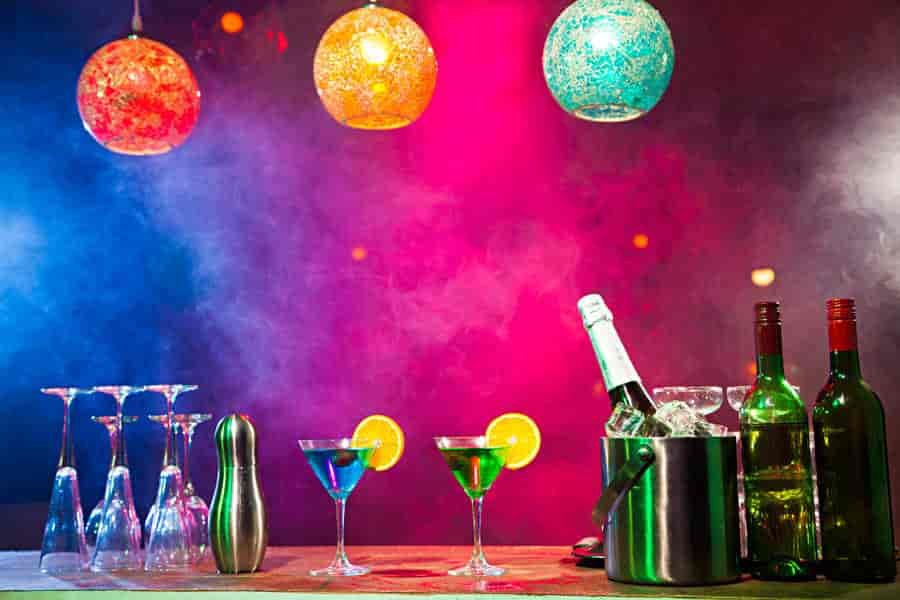
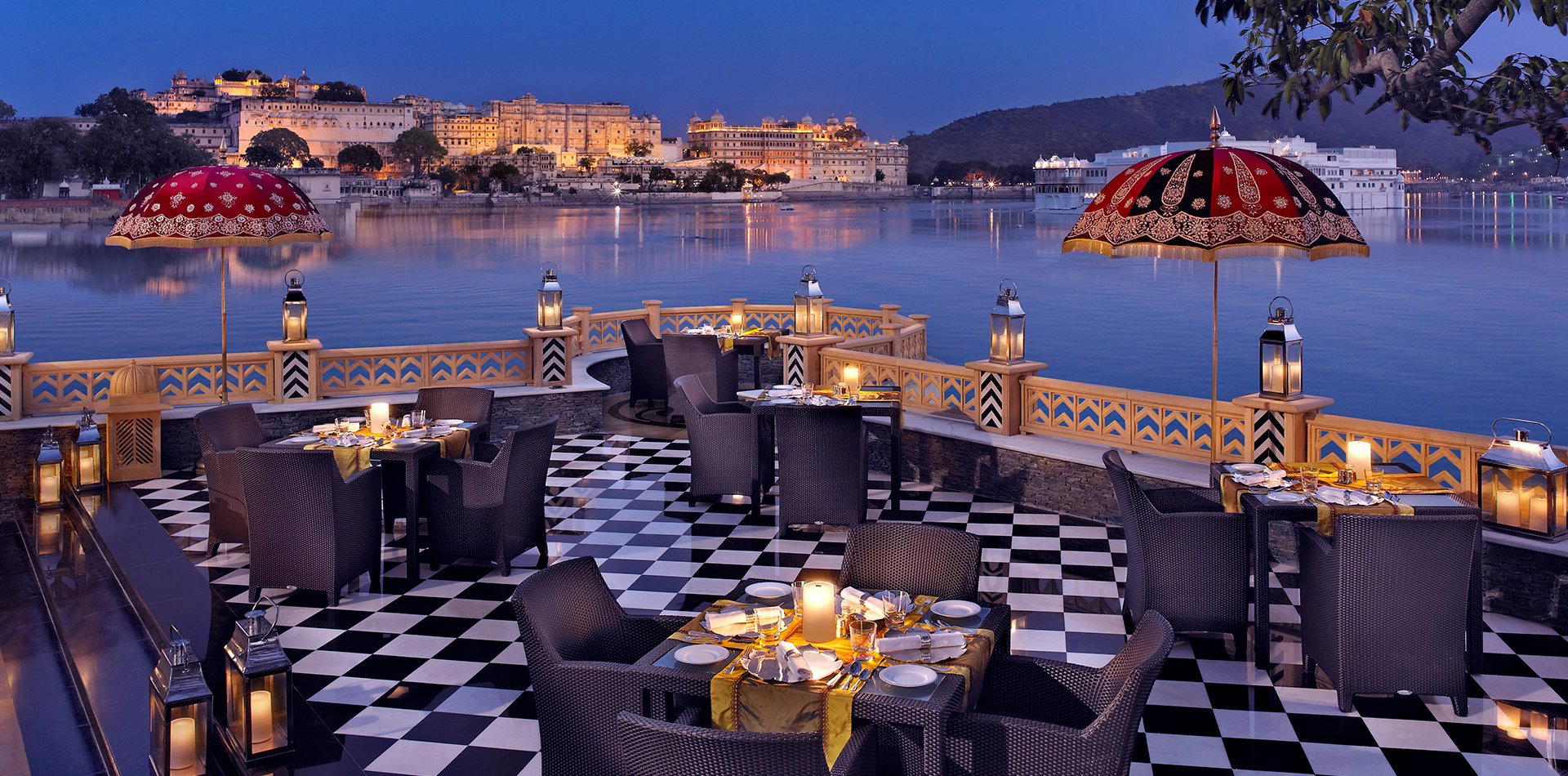
Bhairo operates from the rooftop as an open-air evening venue, positioning itself against the lit skyline of the Mewar royal palace and the lake's nocturnal surface. The cocktail list and contemporary western menu are secondary to the setting, which is the most dramatic within the property. Amrit Sagar, the bar, concentrates on a collection of vintage wines, single malts, cognacs, and cocktails that skews toward classic formats, including Martinis and Manhattans, in an indoor-outdoor space. Private boat rides and sunset cruises on Lake Pichola extend the dining and leisure experience off the island, giving guests access to nearby lakeside temples and Jagmandir Palace.
Rajasthan's wider hotel circuit includes compelling alternatives at each price point. RAAS Devigarh represents a design-led heritage conversion outside Udaipur itself. Alila Fort Bishangarh in Manoharpur occupies a 230-year-old fort with a different architectural register. Internationally, the water-palace typology has rare parallels: Aman Venice sits on the Grand Canal in a palazzo setting that shares the logic of historic buildings made accessible by water, though the cultural and climatic contexts are entirely different.
Recognition and Standing
The property's awards record positions it within the upper tier of South Asian heritage hospitality. La Liste placed it at 98 points in its 2026 Leading Hotels ranking. Tatler included it in Leading Hotels Asia-Pacific 2025. The World Travel Awards named it India's Leading Heritage Hotel for 2025. These recognitions, read together, reflect sustained performance across the criteria that matter to long-haul luxury travellers: architecture, service, and historical integrity. Among Udaipur properties, The Oberoi Udaivilas, Udaipur and The Leela Palace Udaipur hold strong positions in the same recognition tier, making the city one of India's most concentrated luxury hotel markets. For broader Udaipur planning, see our full Udaipur guide.
Planning a Stay
The airport is approximately 26 kilometres from the property, with the drive running around 40 minutes depending on traffic. From the city centre, the boat transfer takes roughly one kilometre across the lake. The island's self-contained nature means it functions well as a base for day excursions to the City Palace, Jagmandir Palace, and Udaipur's old city markets, with the hotel's travel desk and car rental service handling logistics. A doctor-on-call service, babysitting, currency exchange, and butler service are available. The 24-hour in-room dining and café provision means guest schedules are not constrained by restaurant service windows, a practical advantage for travellers crossing multiple time zones.
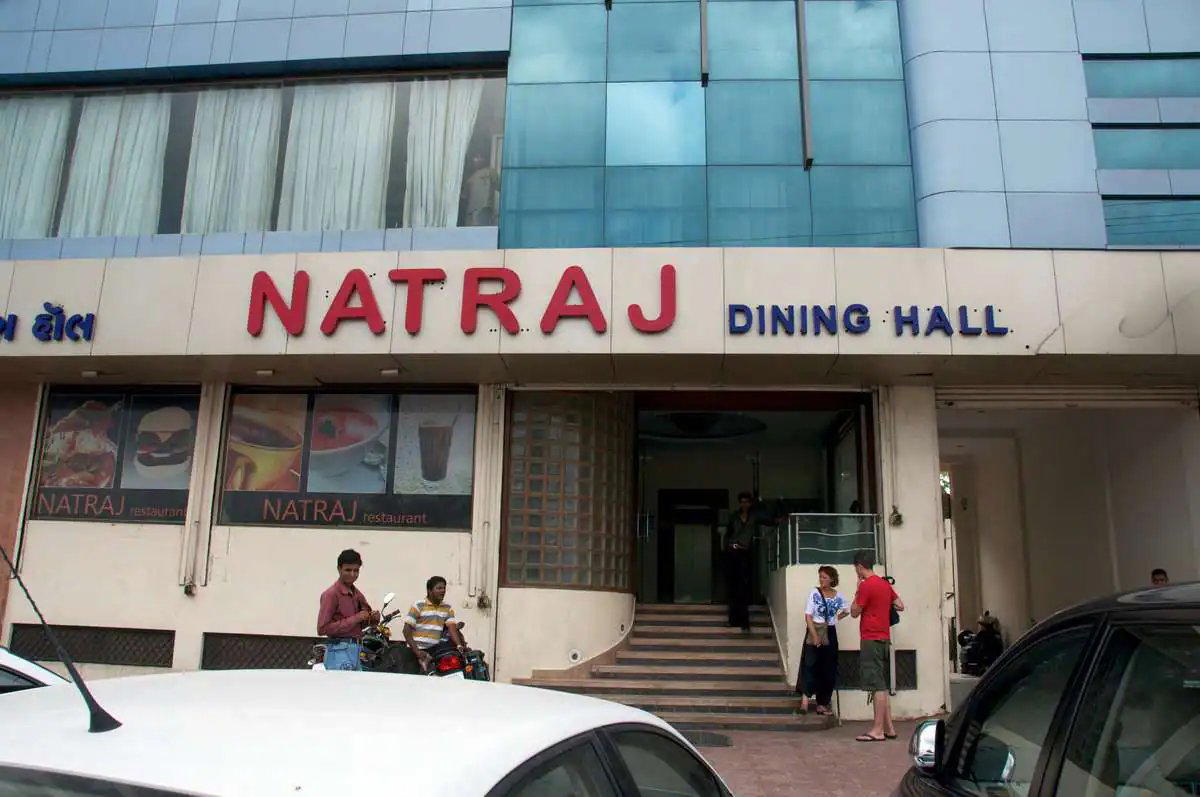
Guests earlier in their India itinerary might arrive via The Leela Palace New Delhi or connect through The Taj Mahal Palace, Mumbai before flying to Udaipur. Those building a Rajasthan circuit might also consider The Leela Palace Jaipur as a companion booking. More modest options in Udaipur include Aurika Udaipur and Natraj Hotel and Restaurant for travellers whose budget does not extend to the palace tier.
Where the Accolades Land
Comparable venues nearby, for context on price, style, and recognition.
| Venue | Cuisine | Price | Awards | Notes |
|---|---|---|---|---|
| Taj Lake PalaceThis venue — the venue you are viewing | Restored 18th-century floating palace hotel | Not listed | 3 Michelin Keys · La Liste Top Hotels | Not listed |
| Raffles Udaipur | Luxurious modern palace blending Rajasthani heritage with contemporary comfort | Not listed | 2 Michelin Keys · La Liste Top Hotels | Udai Sagar Lake |
| The Oberoi Udaivilas | Mewari palace replica with 30 acres of manicured gardens and courtyards | $300–500 | 2 Michelin Keys · World's 50 Best #98 | Mali Colony |
| RAAS Devigarh | Restored 18th-century palace blending old-world Rajputana charm with modern eco-conscious updates. | $200–300 | 1 Michelin Key | Delwara |
| The Leela Palace Udaipur | Palatial heritage luxury with contemporary Rajasthani interiors | Not listed | La Liste Top Hotels · Virtuoso Luxury Hotel Partner | Lake Pichola |
| The Oberoi Udaivilas, Udaipur | Rajasthani palace-inspired resort with interconnecting domes and expansive landscaped gardens | $300–500 | 2 Michelin Keys · World's 50 Best #98 | Mali Colony |
Recognition history
Dated appearances from independent guides and award organizations, with the underlying list record or original source where available.
Michelin 3 Keys
Michelin
La Liste Top Hotels
La Liste
Virtuoso Luxury Hotel Partner
Virtuoso
Robb Report The 50 Greatest Luxury Hotels on Earth #37
Robb Report
Tatler Listed in Best Hotels Asia-Pacific
Tatler
Full recognition history (7 entries)
Michelin 3 Keys
Michelin
World Travel Awards
World Travel Awards
Continue exploring
More in Udaipur
Hotels in Udaipur
Browse all →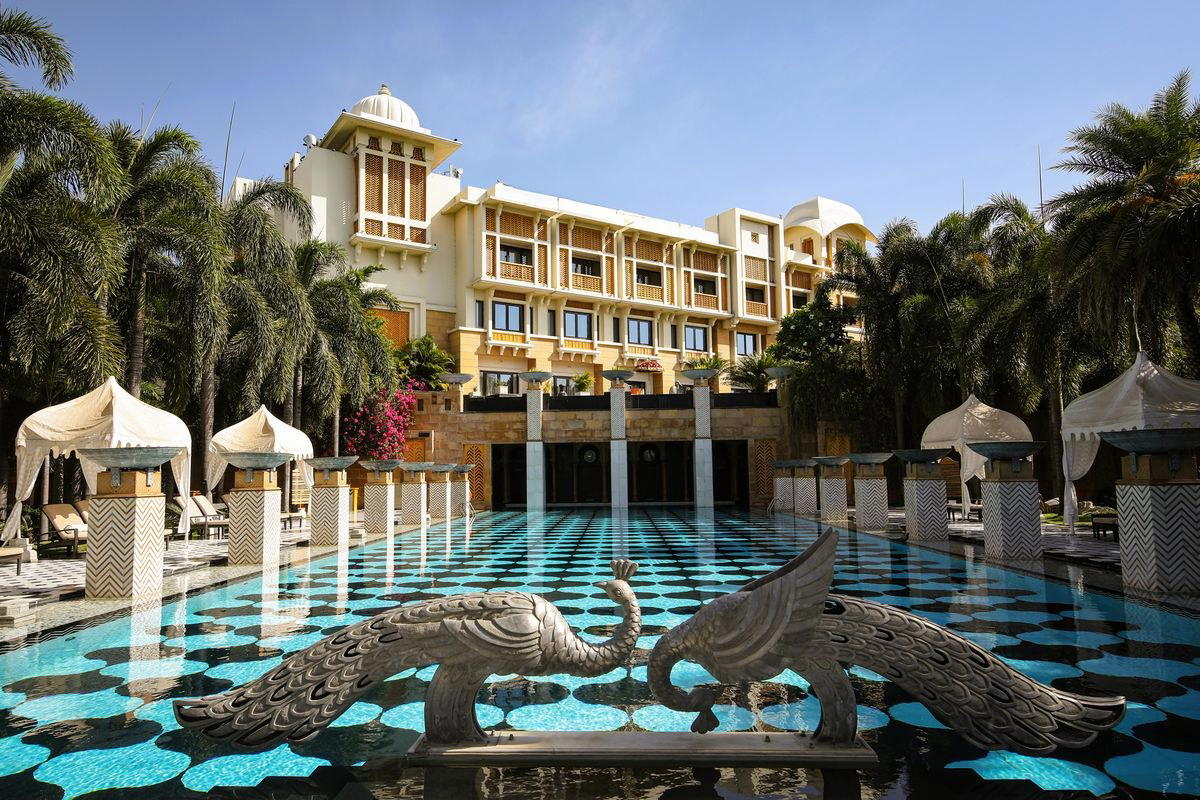
Details
- Romantic
- Elegant
- Ornate
- Well Known
- Sophisticated
- Honeymoon
- Romantic Getaway
- Anniversary
- Destination Wedding
- Historic Building
- Panoramic View
- Butler Service
- Pool
- Spa
- Fitness Center
- Room Service
- Concierge
- Wi Fi
- Business Center
- Valet Parking
- Waterfront
- Wheelchair Accessible
- Accessible Parking
- Step Free Entrance
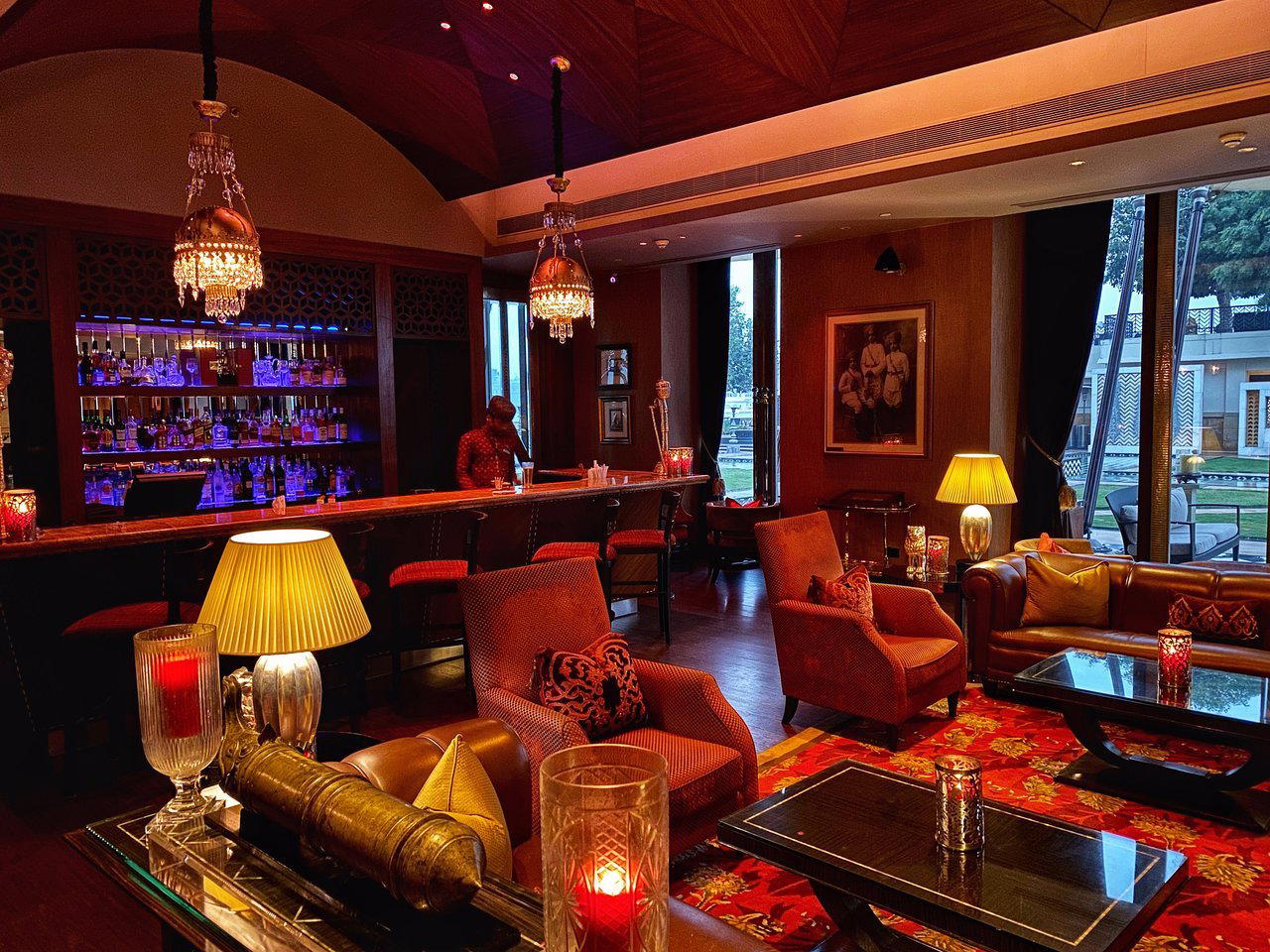
Ornate and regal with silk, velvet, priceless rugs, and objets d'art in restored chambers, creating a serene, historic palace atmosphere.