A colonial-era estate on Elysium Hill, Chapslee operates as one of Shimla's few surviving heritage properties where the architecture itself is the experience. The main house retains its original Raj-period bones, and the property's position above Lakkar Bazar keeps it separate from the town's busier circuits. For travellers oriented toward historic fabric over resort amenities, it occupies a distinct tier in the Himachal hill-station accommodation market.
Pearl is the En Primeur Club membership app — saves, bookings, and concierge access live there. Same editors, same standards.
- Address
- Elysium Hill, Longwood Rd, Near, Lakkar Bazar, Shimla, Himachal Pradesh 171001, India
- Phone
- +91 98166 44202
- Website
- chapslee.co.in
- Directions
- Get directions
 Saves & bookings on Pearl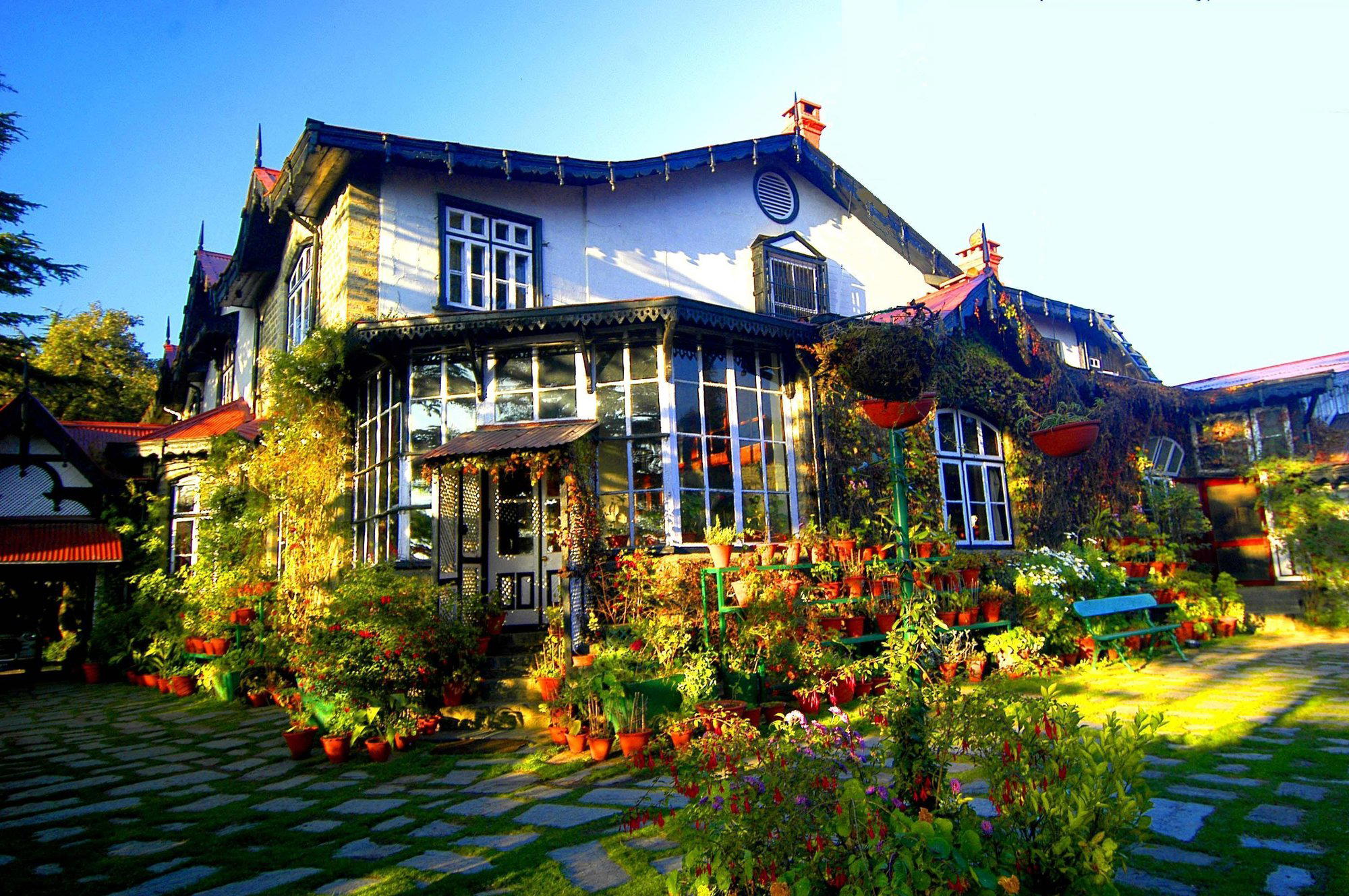
The Weight of Elysium Hill
Shimla's colonial hill-station identity was built on a particular kind of architecture: timber-framed, steeply gabled, veranda-wrapped buildings that tracked the contours of a ridge the British administration made into a summer capital. Most of that fabric is now institutional, government offices, courts, schools, or has been subdivided beyond recognition. Chapslee is a 2-star hotel on Elysium Hill above Lakkar Bazar in Shimla. The approach along Longwood Road already signals the separation from Shimla's more commercial circuits; the town's congestion and its familiar pedestrian mall feel like a different register entirely by the time the estate comes into view.
What makes the hill-station heritage property a specific and demanding category is that the architecture is also the product. Unlike a purpose-built luxury hotel, where the building is infrastructure for delivered amenities, a property like Chapslee asks visitors to engage with the structure itself: its proportions, its patina, the way light moves through rooms designed for a pre-electric era. The colonial Raj aesthetic that defines properties in this tier is not reproduced or restored in any theme-park sense; it accumulates through original detailing, period furniture, and the particular quality of lived-in age that no refurbishment entirely replicates. Travellers calibrated to that register tend to find it more compelling than the polished consistency of a large hotel group.
Architecture as the Defining Argument
Elysium Hill has a longer colonial history than the more visited zones around the Ridge and Mall Road. The estates that developed here in the nineteenth century were private residences for senior administrators and visiting officers rather than commercial establishments, which shaped their scale and their relationship to the landscape. Chapslee's main building carries that residential character: it is a house that has been opened to guests, not a hotel that has been given a heritage aesthetic. The difference is architectural and spatial. Rooms in properties of this type tend toward idiosyncrasy rather than standardisation, with ceilings, windows, and outlooks that vary considerably between spaces. The estate grounds, with Himalayan views across the valley, were designed for the kind of extended occupancy that a Raj-era summer posting involved, which means the outdoor space is proportioned for sitting and looking rather than for activity programming.
In the broader Indian heritage-property conversation, the hill-station category occupies a niche compared to the Rajasthan palace circuit that dominates premium heritage travel in the subcontinent. Properties like Alila Fort Bishangarh in Manoharpur, Amanbagh in Ajabgarh, and Suján Jawai in Pali draw from a Rajput architectural tradition with a different visual grammar entirely: sandstone, jali screens, courtyard logic. The Himachal hill-station idiom, by contrast, is Anglo-Indian in origin, translating Victorian residential forms into a mountain climate. Neither is more historically significant; they are simply different traditions, and Chapslee sits firmly in the latter. For travellers already familiar with the Rajasthan palace circuit, it offers a genuine architectural contrast.
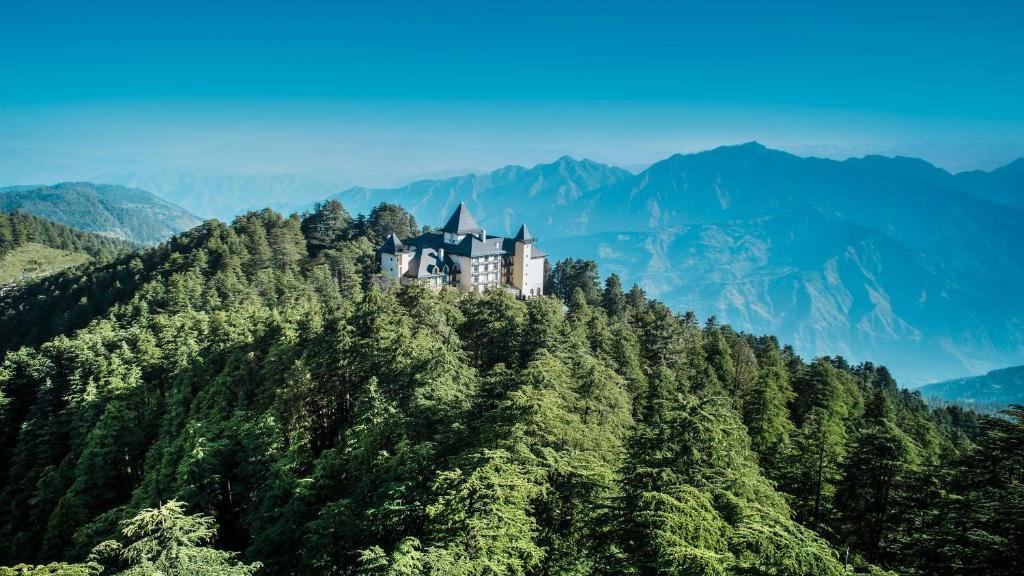
Wildflower Hall, managed by a major international group, operates at the other end of the Shimla spectrum: full-service spa infrastructure, consistent brand standards, and a scale that provides insulation from the variability inherent in historic structures. Chapslee is not competing for that guest. Its comparable set is the smaller category of privately held Indian heritage properties where the owner-operator relationship is direct and the accommodation count is low, which places a premium on advance planning.
Shimla Context and the Hill-Station Circuit
Shimla functions within a broader Himalayan foothills circuit that includes Dehradun, Mussoorie, and Kasauli, all of which carry different densities of colonial-era built fabric. The town's own heritage layer is substantial but uneven in condition. The Viceregal Lodge, now Rashtrapati Niwas, and the Gaiety Theatre are particularly documented examples of the civic architecture; the residential estates that ring the town at varying altitudes are less systematically catalogued. Chapslee's position on Elysium Hill places it in an area historically associated with private rather than public Raj-era construction, which affects both its character and its relative quiet compared to the more visited ridgeline.
For travellers building a northern India itinerary that extends beyond the Rajasthan and Delhi triangle, the Shimla detour via Chandigarh and the Kalka-Shimla railway adds a hill-station register that the plains-based properties cannot provide. Ananda in the Himalayas in the Uttarakhand foothills offers a comparable altitude and Himalayan orientation but with a wellness-resort operating model that differs substantially from the heritage-house format. Gateway Dehradun covers the Uttarakhand gateway market. Within Himachal itself, Amaya in Solan represents a different contemporary tier. Chapslee's heritage positioning gives it a distinct argument against all of them.
The Kalka-Shimla narrow-gauge railway, a UNESCO World Heritage route, remains especially contextually appropriate arrival for a property of this type. The journey takes approximately five hours from Kalka, which is itself reached from Chandigarh or Delhi by road or mainline rail, and it deposits passengers at Shimla station at a lower elevation than the estate; transport to Elysium Hill from the station requires a vehicle. Arriving by road via Chandigarh is faster but exchanges the mountain-railway experience for efficiency.
Planning Your Stay
Heritage properties in Shimla follow a predictable seasonal logic. The spring window, roughly March through June before the monsoon, and the post-monsoon autumn period from September through November draw the highest interest from both domestic and international travellers. The summer peak, which corresponds with Indian school holidays, compresses availability sharply at properties with limited room counts. Winter occupancy at Elysium Hill altitude brings snow probability from December through February, which changes the character of the stay considerably. Properties of this type benefit from direct contact well in advance of travel dates, particularly for peak-season and long-weekend periods. Confirm logistics, rates, and current operating status directly with the property before you travel. Guests familiar with similar small heritage-house formats across India, such as Haveli Dharampura in Delhi, will recognise the pattern: the experience trades standardised booking convenience for a more direct and personal operating relationship.
In Context: Similar Options
Comparable venues nearby, for context on price, style, and recognition.
| Venue | Cuisine | Price | Awards | Notes |
|---|---|---|---|---|
| ChapsleeThis venue — the venue you are viewing | Colonial heritage mansion with dhajji architecture | $$$$ | 2-Star | Not listed |
| Wildflower Hall, Shimla in the Himalayas | Colonial heritage luxury resort | $$$$ | 5-Star | Mashobra |
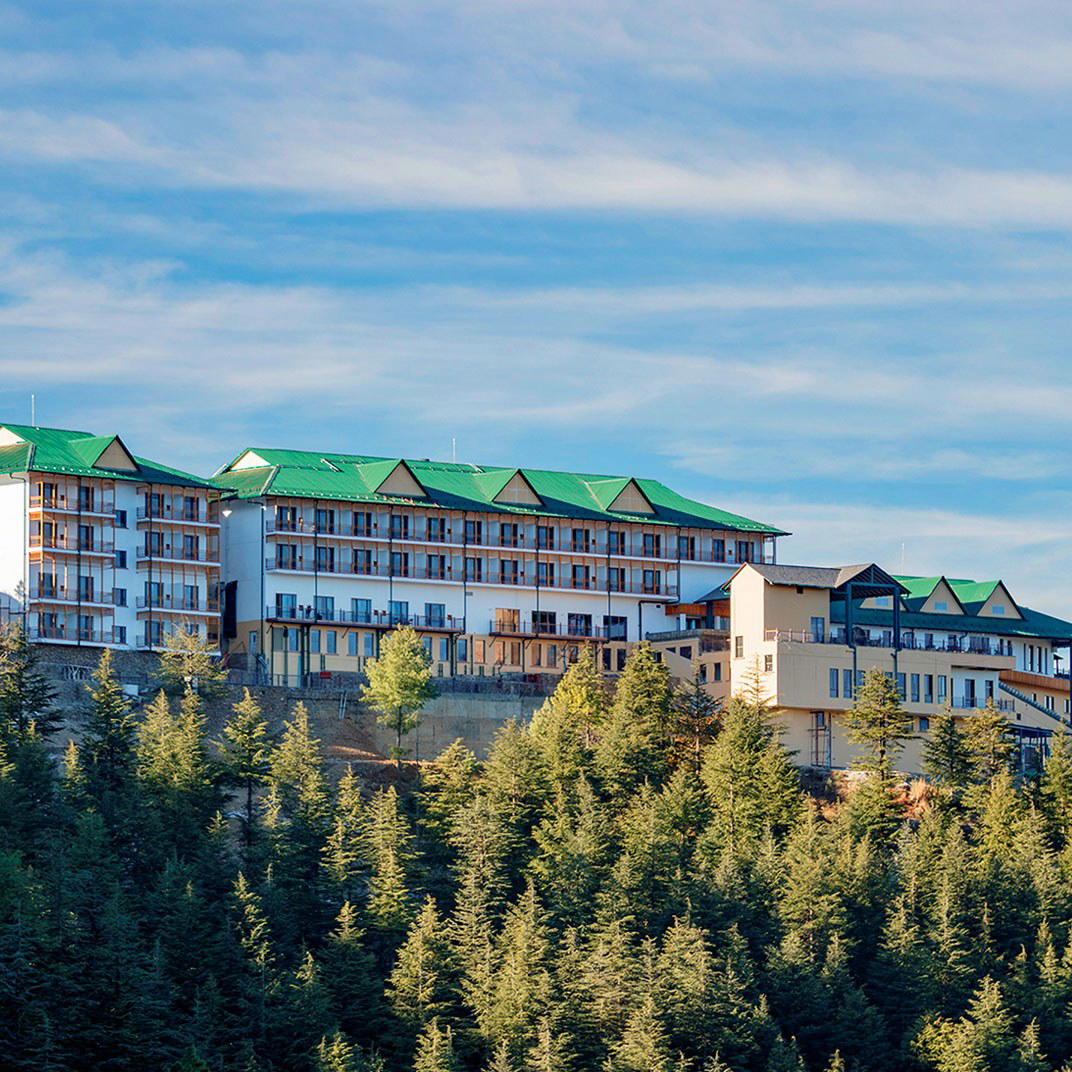
| Taj Theog Resort & Spa, Shimla | Lodge-style luxury resort blending contemporary architecture with mountain tranquility. | $$$$ | 5-Star | Theog |
| Tilar Siro, Andamans | Eco-conscious beachfront resort on stilts integrated with rainforest. | $$$ | 4-Star | Vijay Nagar Beach |
| Kaav Safari Lodge, Kabini | Intimate eco-friendly jungle villa with luxury tents. | $$$$ | 4-Star | Begur |
| Vivanta Vrindavan | Contemporary urban retreat blending modern comfort with spiritual heritage | $$$ | Not listed | Rukmani Vihar |
At a Glance
- Romantic
- Quiet
- Classic
- Elegant
- Scenic
- Cozy
- Sophisticated
- Intimate
- Honeymoon
- Romantic Getaway
- Anniversary
- Weekend Escape
- Historic Building
- Panoramic View
- Garden
- Terrace
- Wi Fi
- Room Service
- Concierge
- Tennis Court
- Garden
- Airport Transfer
- Mountain
- Garden
- Wi Fi
- Room Service
- Concierge
- Tennis Court
- Garden
- Airport Transfer
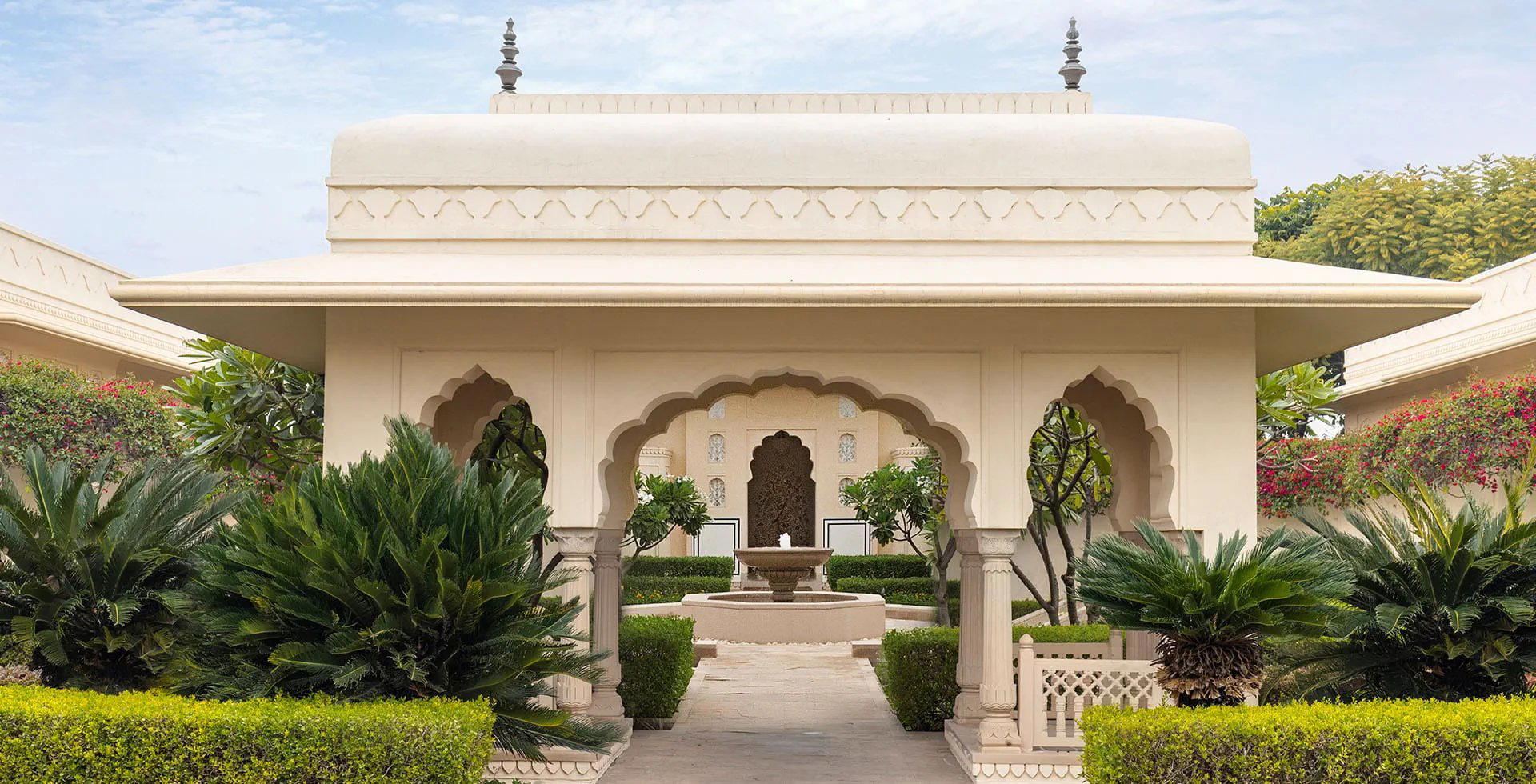
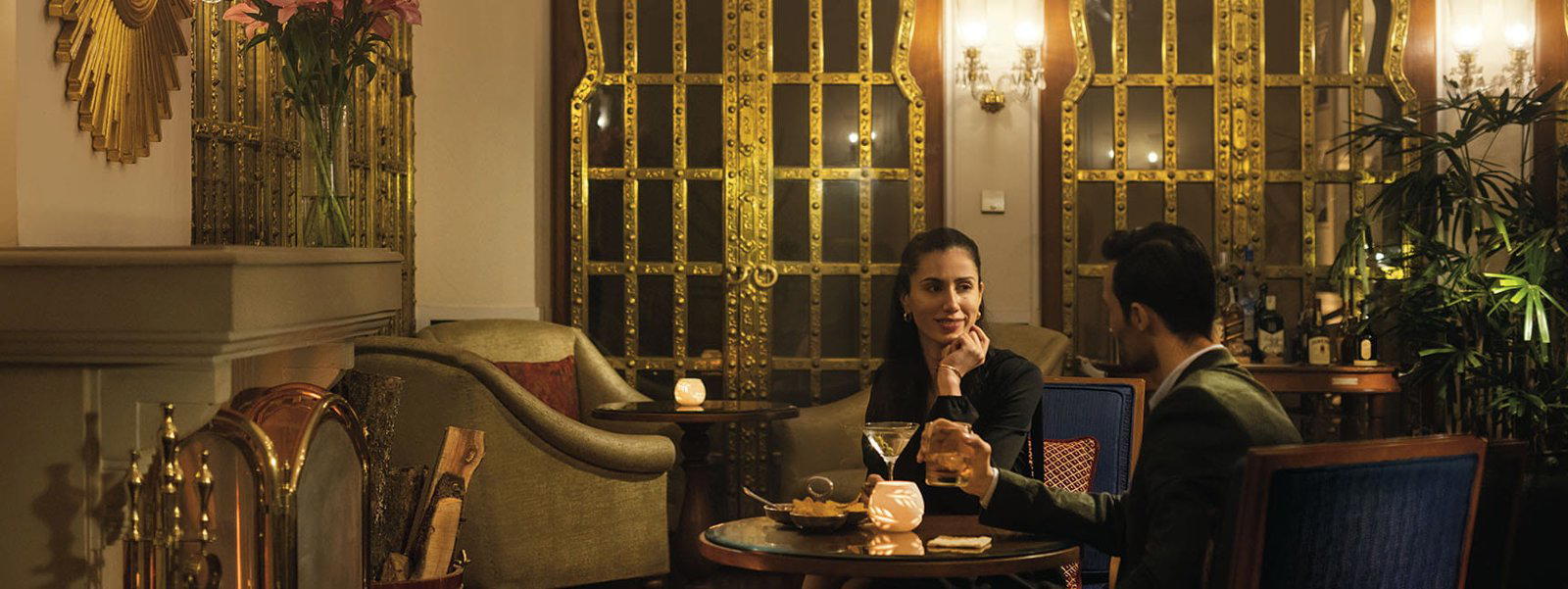
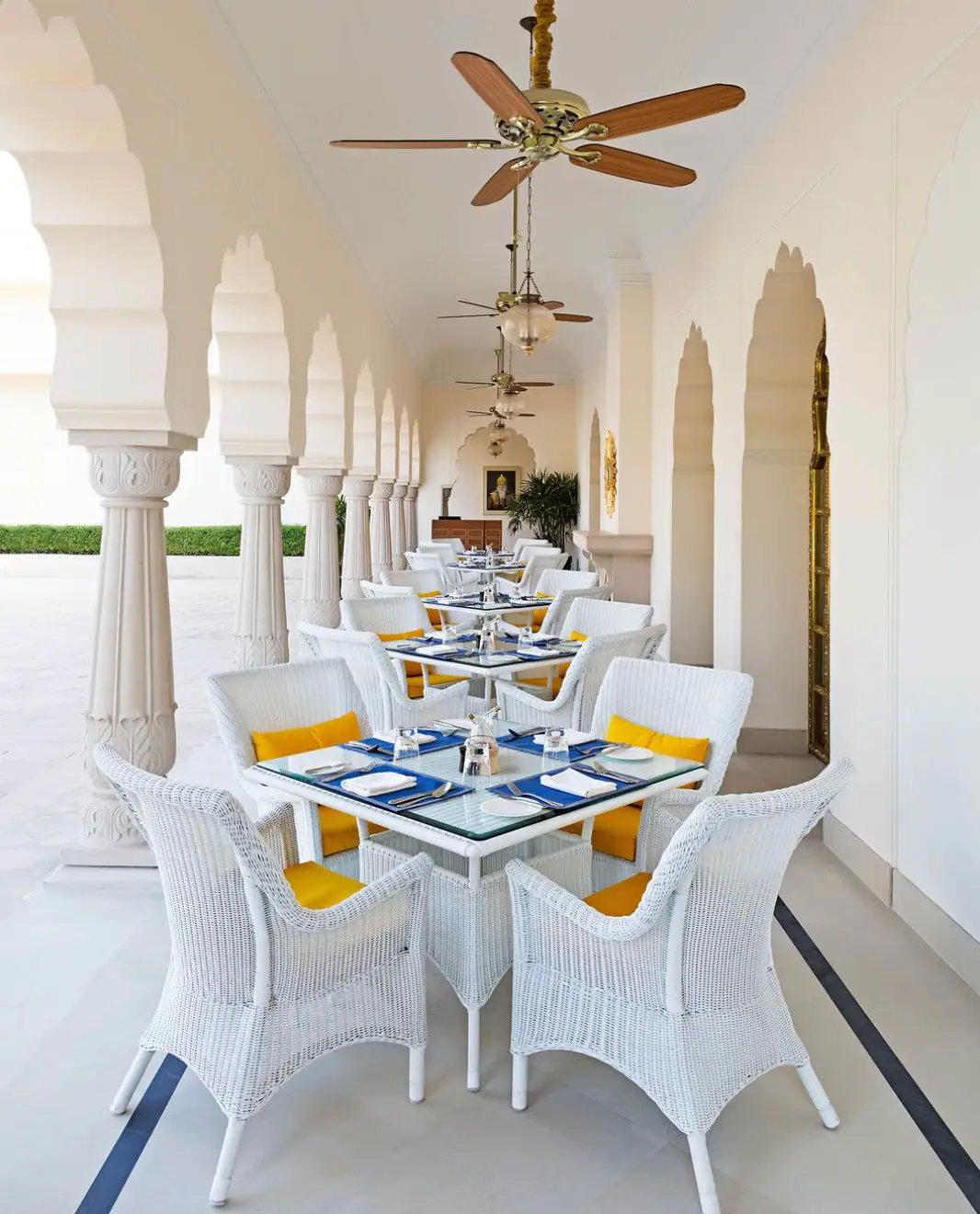
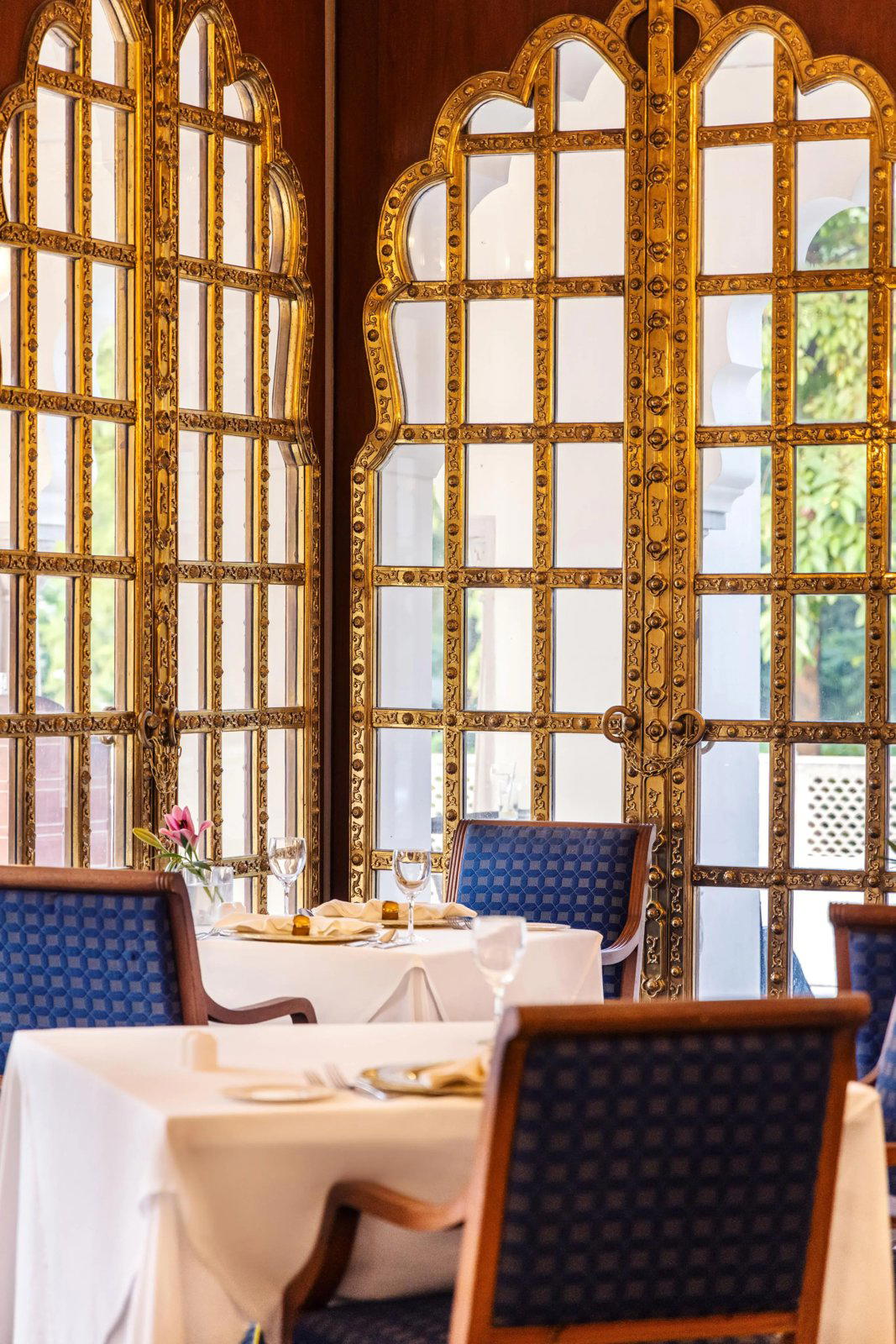
Charming historic decor with period furniture, fireplaces, and an evocative air of nostalgic luxury and regality.