
Set across 25 acres of terraced hillside in the Kasauli belt near Solan, Amaya occupies one of Himachal Pradesh's more considered positions in the hill-retreat category. Chalets, cottages, suites and private villas step down through forested slopes, trading the density of Shimla's heritage circuit for altitude, space and proximity to the Shivalik ridge.
Pearl is the En Primeur Club membership app — saves, bookings, and concierge access live there. Same editors, same standards.
- Address
- Amaya Homes, Tehsil, VPO Darwa, Kasauli, Sunani, Himachal Pradesh 173236
- Phone
- +91 97673 00002
- Website
- theamayalife.com
- Directions
- Get directions
 Saves & bookings on Pearl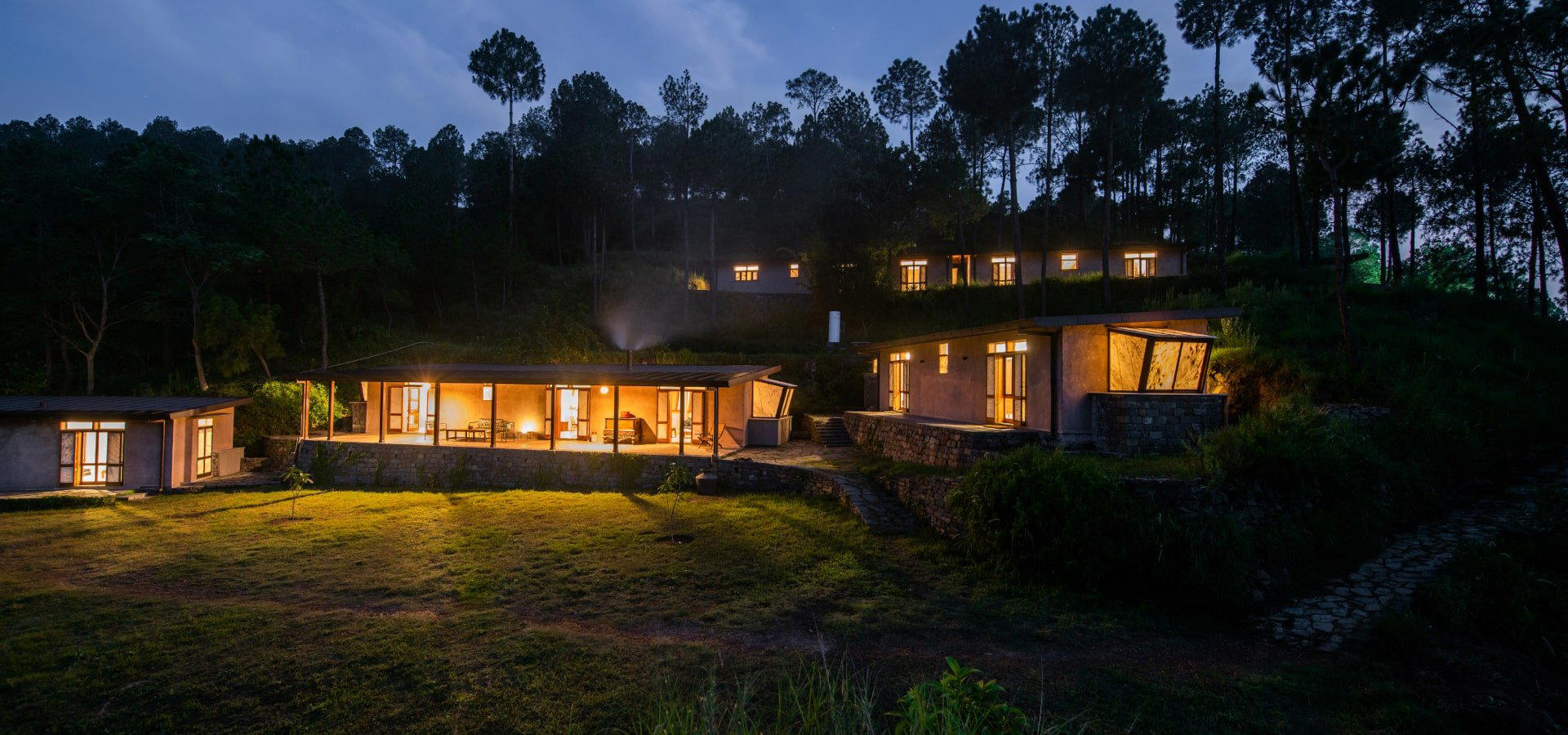
Where the Shivalik Hills Set the Terms
The road from Solan toward Kasauli rises in tightening curves through stands of pine and deodar cedar before the broader valley opens out below. This is the Shivalik foothills belt: lower and warmer than Shimla's ridge, quieter than Mussoorie, and in recent years the focus of a specific category of hill property that trades altitude drama for spread and seclusion. Amaya sits at VPO Darwa, Sunani, within the Kasauli tehsil, on 25 acres of terraced hillside that descend through the contour lines rather than crown a single peak. The scale matters architecturally. Where many Himachal properties compress accommodation onto whatever flat ground their site permits, a 25-acre terrace system allows the structures to breathe, to follow the land rather than fight it.
That relationship between built form and topography defines what Amaya is doing, physically and conceptually. The accommodation range, chalets, cottages, suites and private villas, maps onto those terraces at varying heights, which means sightlines and morning light shift meaningfully depending on where a guest is placed. This is not an incidental design detail. In hill properties across Uttarakhand and Himachal Pradesh, the difference between a room facing the ridge and one facing the access road is the difference between the whole point and missing it. At Amaya, the massing of different accommodation formats across a genuine vertical site suggests that positioning has been built into the brief from the outset.
The Architecture of Terraced Living
Terraced hillside architecture in the western Himalayas carries a long vernacular history. The practice of cutting horizontal platforms into steep slopes predates any tourism infrastructure by centuries, most visibly in the agricultural terracing that covers vast areas of Himachal Pradesh. When contemporary hill properties adopt this logic structurally rather than decoratively, the result tends toward something more coherent than the standard resort formula of a central lodge flanked by identical cottages on levelled ground. At Amaya, the dispersion of accommodation types across different terrace levels creates what amounts to a vertical village, where the path between any two points involves negotiating elevation.
That said, terraced dispersion also creates logistical realities that shape the guest experience in ways that flat or gently sloping sites do not. Movement between accommodation and common spaces requires more from guests physically and more from the property operationally. Properties in comparable Himachal hill positions, Chapslee in Shimla, for example, or Ananda in the Himalayas in Narendra Nagar, each resolve this in different ways, through heritage building footprints in Chapslee's case and through a centralised wellness campus in Ananda's. Amaya's resolution across its chalet and villa spread is part of what distinguishes its position in the regional comparable set.
The Kasauli Context
Kasauli occupies a particular place among Himachal Pradesh hill stations. British-era in its cantonment core, it operates under significant development restrictions, which has kept it substantially smaller and quieter than Shimla or Dharamshala. The surrounding tehsil, where Amaya is situated, extends that quieter register without the formal cantonment rules, making it viable for property development at the scale Amaya represents. For travellers calibrating between the busier Himachal circuits and genuine seclusion, the Kasauli belt offers a workable middle position: reachable from Chandigarh in under two hours under most conditions, connected to Delhi by road and rail to Kalka, but without the peak-season density that compresses the Shimla ridge or the Manali corridor.
This geographic positioning places Amaya in a different competitive frame from the larger luxury hill properties of Uttarakhand. Gateway Dehradun and the Narendra Nagar properties serve a different traveller catchment and a different access logic. Amaya's Kasauli address draws primarily from the Punjab-Haryana-Delhi corridor, particularly Chandigarh, whose proximity makes it viable as a long-weekend destination rather than requiring a full week's commitment.
Accommodation Formats and the Vertical Site
The range of accommodation at Amaya, chalets, cottages, suites and private villas, signals a deliberate spread across price points and group sizes, which is characteristic of hill properties that want to serve both couples and families without forcing either into a format that does not fit. Private villas in Himachal hill properties increasingly function as the anchor offering in this category: they justify higher nightly rates, create the seclusion premium that differentiates a property from a hotel in a hillside town, and allow the kind of extended-stay logic that shorter formats resist. Properties like Amanbagh in Ajabgarh or Aman-i-Khas in Ranthambore demonstrate how villa-anchored formats in landscape-driven settings can define an entirely separate tier from conventional hotel accommodation in the same region.
Amaya's chalets and cottages address the broader market that sits below the villa tier. In Himachal Pradesh, where the hill-retreat category ranges from basic guesthouses in Kasauli town to more considered design properties on surrounding hillsides, the chalet format typically signals timber construction, pitched roofs suited to snow loads, and some degree of private outdoor space.
Planning a Stay
The Kasauli belt is most accessible between March and June, when temperatures sit well below the plains without the cloud cover and rain that characterise July and August across most of Himachal Pradesh. October and November offer a secondary window: clear skies, lower visitor numbers than the summer peak, and the particular quality of late-afternoon light that comes with post-monsoon air. Winter from December through February brings cold and occasional snowfall at higher Kasauli elevations, which some guests specifically seek and others prefer to avoid.
The Kalka-Shimla railway, a UNESCO World Heritage route, terminates at Kalka roughly 35 kilometres from Kasauli, making it a viable approach for travellers who want to arrive by rail from Delhi or Chandigarh before covering the remaining distance by road. Most guests arriving directly by car from Chandigarh can expect a journey well under two hours in typical conditions. Those comparing hill property options across a wider northern India sweep might cross-reference Amaya against the Uttarakhand roster, Ananda in the Himalayas sits in a different wellness-first category, or consider how Himachal's landscape character differs from the drier, fort-and-desert circuit that defines Rajasthan properties such as Alila Fort Bishangarh in Manoharpur or Suján Jawai in Pali.
Booking details including rates, availability and reservation contact are best confirmed through direct inquiry to the property at its Darwa address.
A Quick Peer Check
Comparable venues nearby, for context on price, style, and recognition.
| Venue | Cuisine | Price | Awards | Notes |
|---|---|---|---|---|
| AmayaThis venue — the venue you are viewing | Sustainable mountain resort with chalets and villas | $$$ | 5-Star | Not listed |
| Roswyn, A Morgans Originals Hotel | Lifestyle, all‑suite design hotel positioned as a modern cultural address near Mumbai Airport. | $$$$ | 5-Star | Chhatrapati Shivaji Maharaj International Airport T2 |
| Taj Madikeri Resort and Spa, Coorg | Inspired by traditional Kodagu architecture with contemporary luxury cottages and villas set in rainforest. | $$$$ | 5-Star | Monnangeri |
| Evolve Back Kabini | Contemporary classic luxury resort with traditional tribal village-inspired architecture and organic design elements. | $$$$ | 5-Star | Begur |
| Taj Exotica Resort & Spa, Goa | Luxurious beachfront resort with colonial-inspired architecture sprawled across 56 acres of lush greenery | $$$$ | 5-Star | Benaulim |
| Hilton Hotels & Resorts GMR Aerocity, New Delhi | large upscale urban airport hotel integrated into a mixed-use business district. | $$$$ | 5-Star | Aerocity |
Recognition history
Dated appearances from independent guides and award organizations, with the underlying list record or original source where available.
Small Luxury Hotels of the World Member
Small Luxury Hotels of the World
At a Glance
- Quiet
- Minimalist
- Cozy
- Scenic
- Elegant
- Romantic Getaway
- Weekend Escape
- Wellness Retreat
- Panoramic View
- Garden
- Terrace
- Pool
- Sauna
- Wi Fi
- Room Service
- Mountain
- Garden
- Pool
- Sauna
- Wi Fi
- Room Service
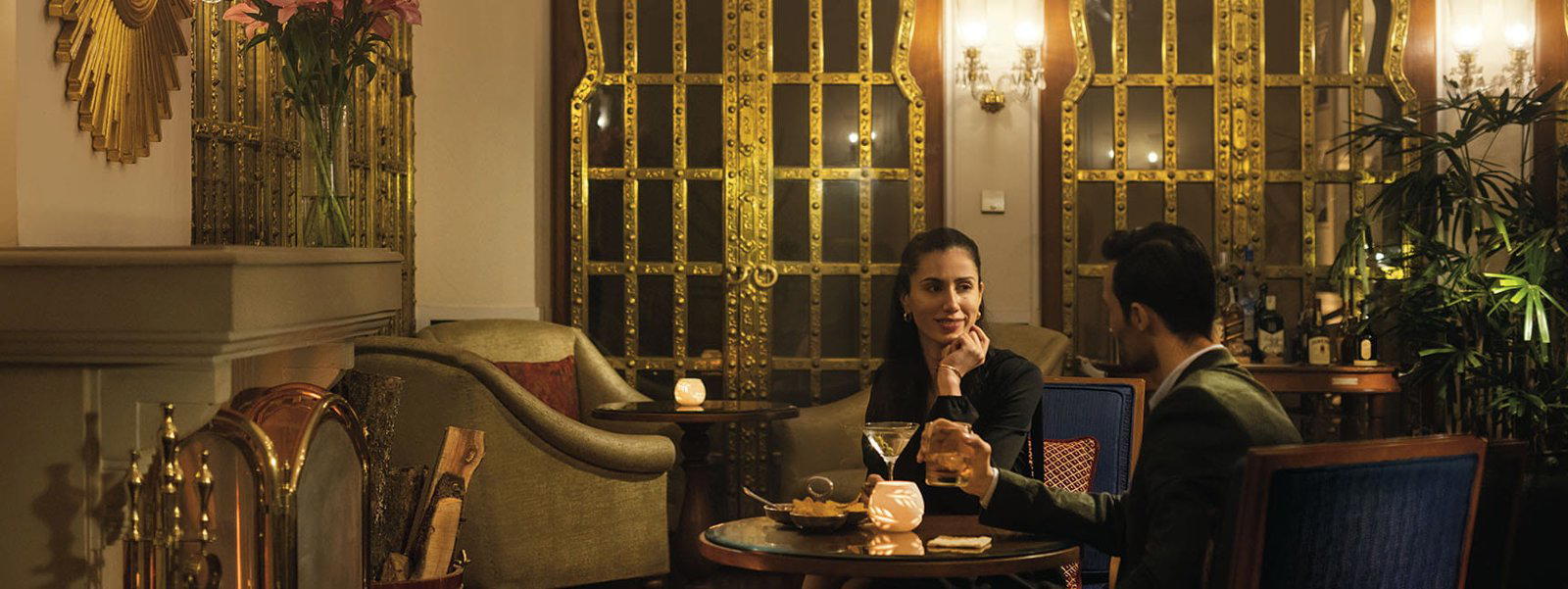
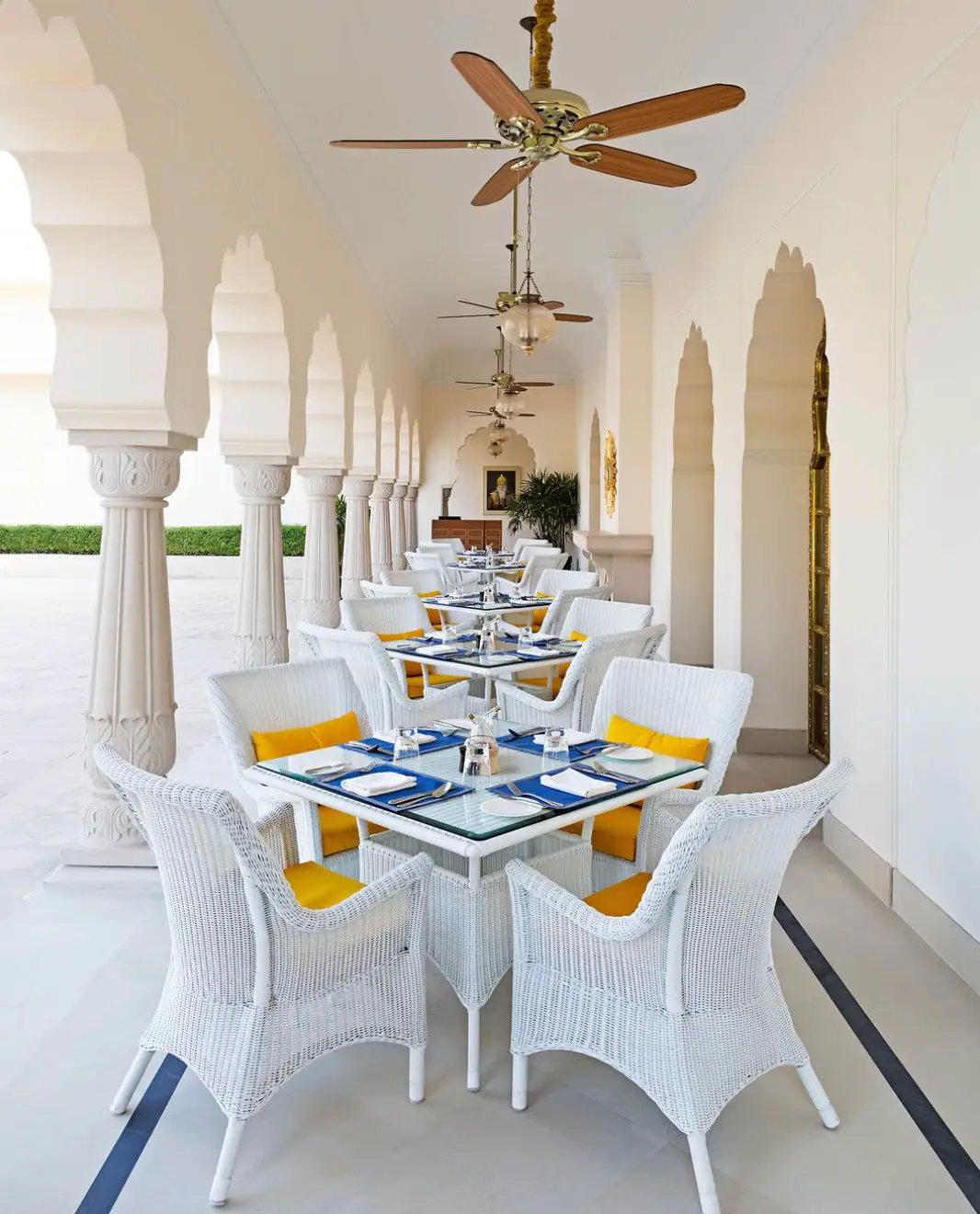
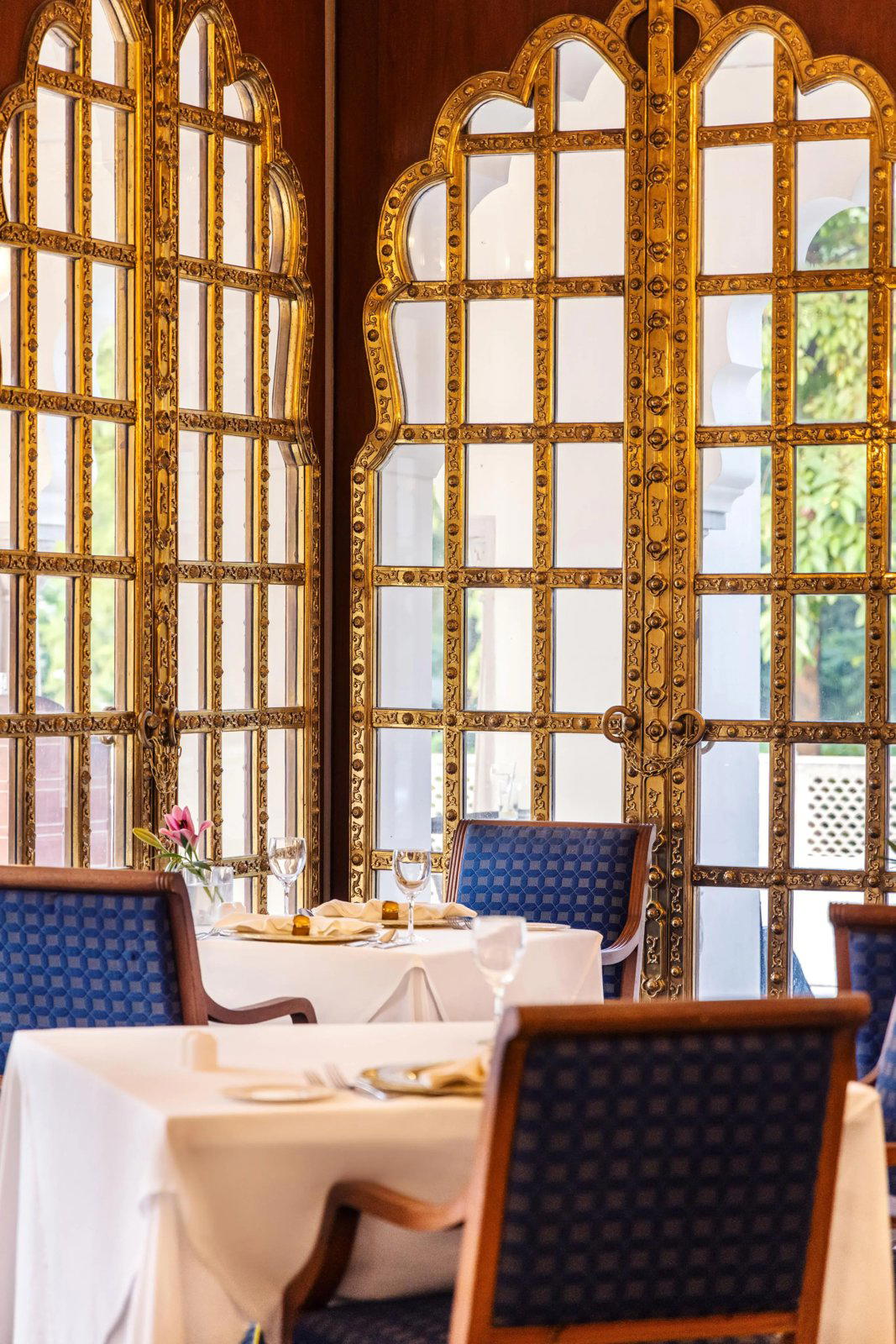
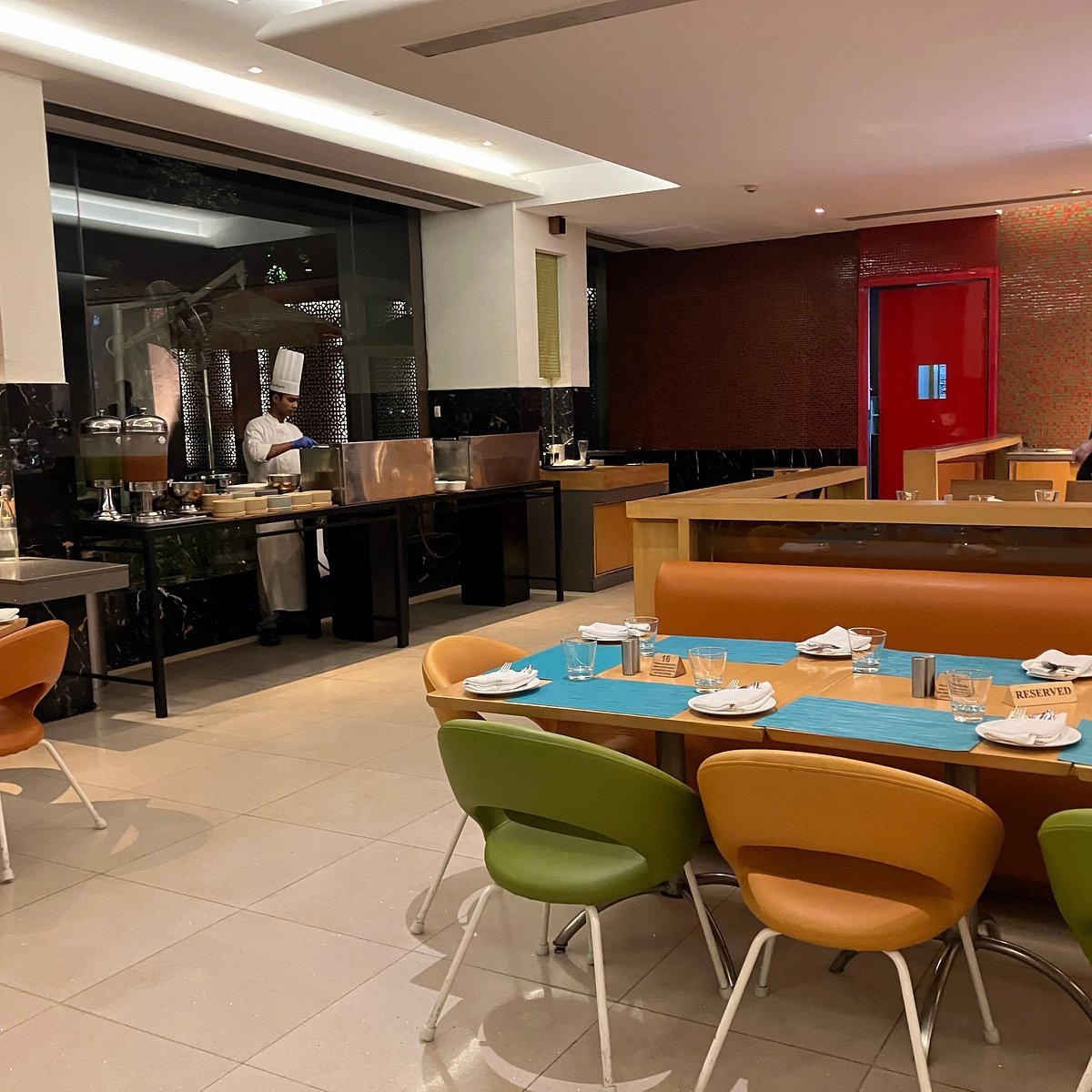
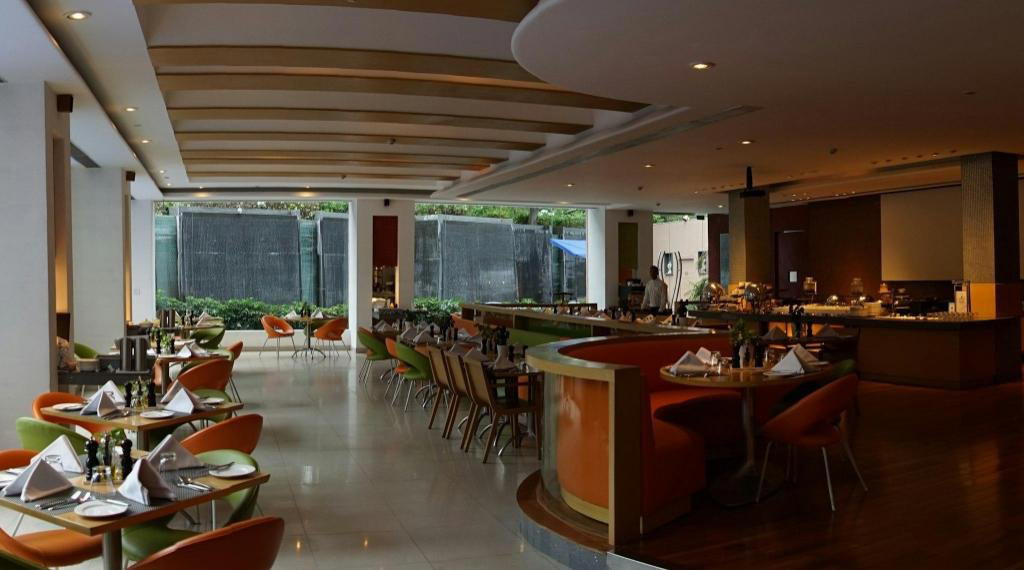
Serene and relaxing with earth tones, cozy fireplaces, and natural light through marble stone windows creating an inviting, peaceful atmosphere.