Ananda in the Himalayas




Mr & Mrs Smith Seal of Approval · Virtuoso Luxury Hotel Partner · Tatler Listed in Best Hotels Asia-Pacific
Set within a 100-acre Maharaja's palace estate in the Himalayan foothills of Uttarakhand, Ananda in the Himalayas is among Asia-Pacific's foremost wellness retreats, recognised by Tatler's Best Hotels 2025 as Best Wellness Retreat. The property combines Ayurveda, yoga, and Vedanta with a 25,000 sq ft spa, 70 rooms and suites, and views across the Ganges valley and forested ridgelines above Rishikesh.

Pearl is the En Primeur Club membership app — saves, bookings, and concierge access live there. Same editors, same standards.
- Address
- The Palace Estate, Narendra Nagar, Uttarakhand 249175
- Phone
- +91 80 6975 0000
- Website
- anandaspa.com
- Directions
- Get directions
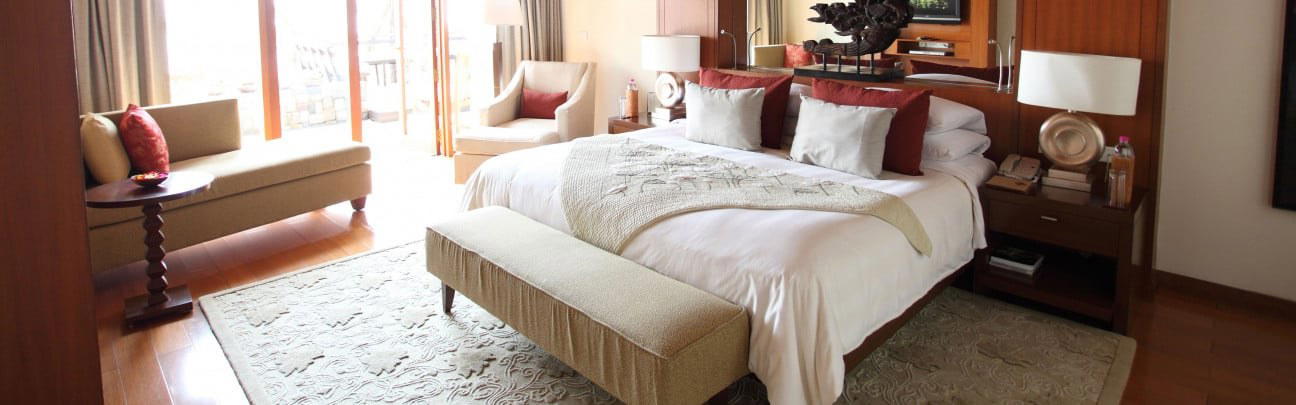
A Palace Estate Repurposed for Stillness
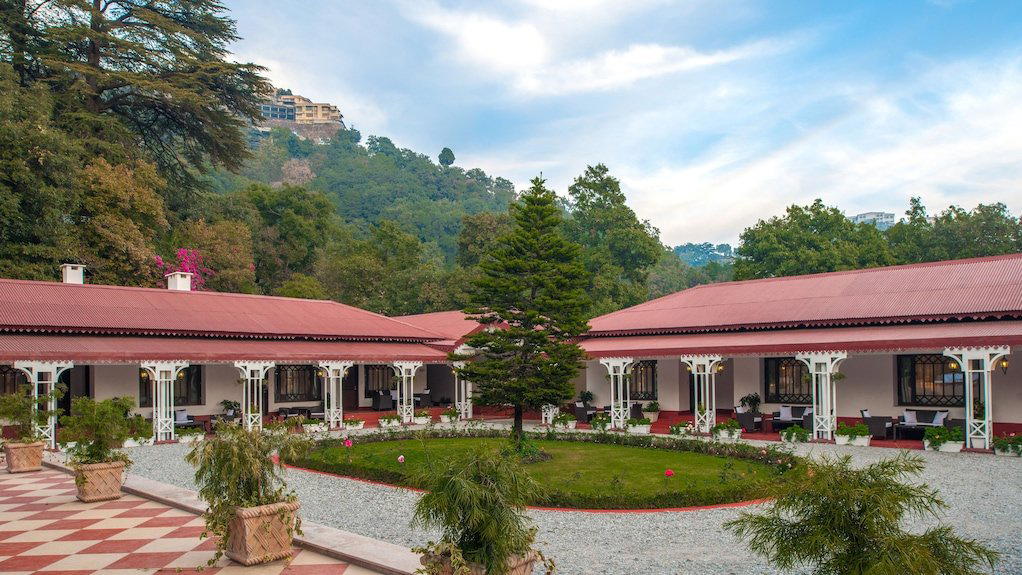
The approach to Ananda in the Himalayas tells you something about how the property has positioned itself within the broader Indian luxury market. The 50-minute drive from Dehradun Airport climbs steadily through sal forest before the estate opens up: a 100-acre spread across a Himalayan ridgeline, with a 19th-century Maharaja's palace at its centre and the Ganges visible far below in the valley town of Rishikesh. The physical setting is not incidental to the experience. It is the architectural argument the property makes before you have checked in.
India's luxury wellness sector has undergone a significant split over the past two decades. On one side sit hotel spa annexes, where wellness is an amenity bolted onto a conventional five-star experience. On the other sits a smaller group of destination retreats where the programme, the architecture, and the landscape are designed to function as an integrated whole.
What the Architecture Is Actually Doing
The design strategy at Ananda rests on a deliberate tension between the historical fabric of the Viceregal Palace and the contemporary spa infrastructure that surrounds it. The Viceregal Palace, originally built for the Maharaja of Tehri-Garhwal, has been preserved and integrated into the accommodation offering rather than hollowed out as a lobby set piece. The Viceregal Suite within the palace building is the property's most historically specific room, and guests who stay there occupy a genuinely old structure rather than a pastiche of one.
The spa pavilions and contemporary guest wings are a different proposition. At 25,000 square feet, the spa is one of the largest in the Himalayan region, with more than 20 treatment rooms, meditation pavilions, multiple pools, and fitness facilities. The architectural logic here follows the same principle as destination spas in Switzerland and Southeast Asia: scale and separation from the accommodation core, so that moving between your room and the wellness facilities involves a deliberate transition through landscape rather than a corridor walk. That transition, through forested paths and open terraces with mountain views, functions as part of the programme.
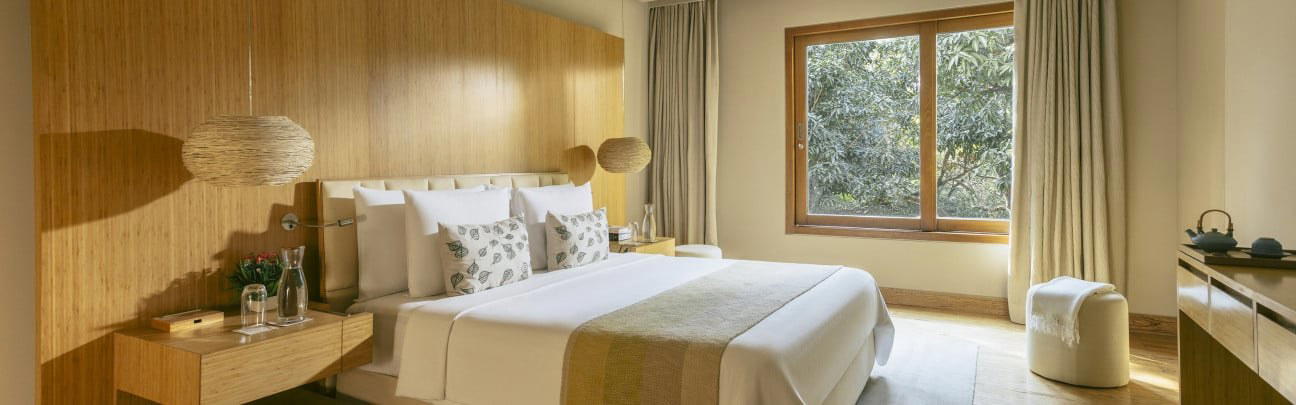
70 rooms, three villas, and five suites are divided between the palace building and the contemporary wings. Views orient either toward the Ganges valley and the town of Rishikesh below, or back toward the palace facade and the surrounding forested hills. The three villas each carry private pools and sit within the sal forest, a configuration that places them at a different scale of privacy from the palace rooms. For travellers comparing property types across northern India, the villa offering here occupies a different competitive tier from urban palace hotels like The Leela Palace New Delhi or monument-adjacent properties like The Oberoi Amarvilas in Agra. The comparison set is closer to destination retreats in Rajasthan such as Amanbagh in Ajabgarh or Aman-i-Khas in Ranthambore, where the estate configuration and programme depth matter more than proximity to a city.
The Wellness Programme in Context
Ananda's positioning as an Ayurveda and yoga destination is not simply marketing language. The property sits in Uttarakhand, the state most associated with the origins of both practices. Rishikesh, visible from the property's lower terraces, has been a centre for yoga instruction and spiritual practice since well before it became internationally known. Haridwar, one of Hinduism's most significant pilgrimage sites, is within reach. The location lends the programme a contextual legitimacy that retreat properties in other geographies struggle to replicate.
The wellness offering is structured around signature programmes covering Ayurvedic rejuvenation, weight management, and detox, each delivered through personalised consultations rather than a fixed menu of treatments. This approach mirrors the methodology of serious destination spas globally, where the intake assessment shapes the programme rather than guests selecting treatments a la carte. The integration of Vedanta, the philosophical tradition closely related to Ayurveda, adds a dimension that separates Ananda from properties where wellness means spa treatments and a gym.
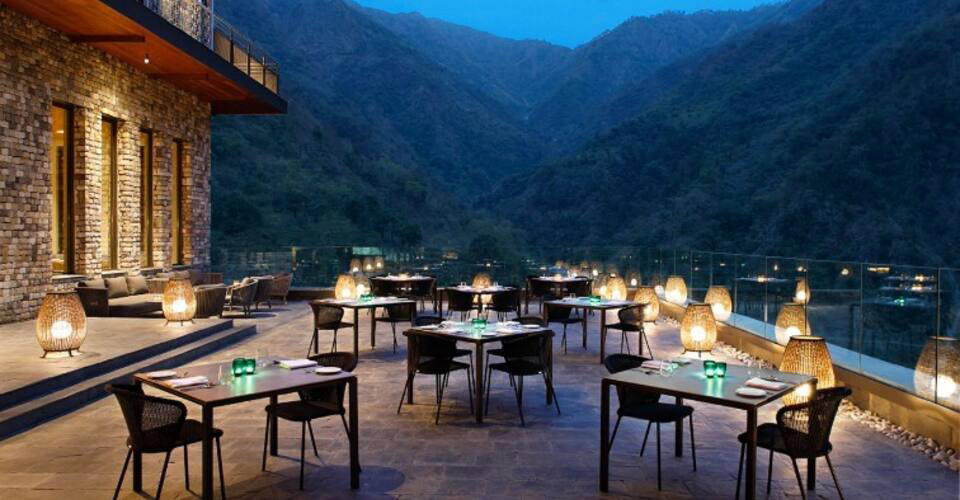
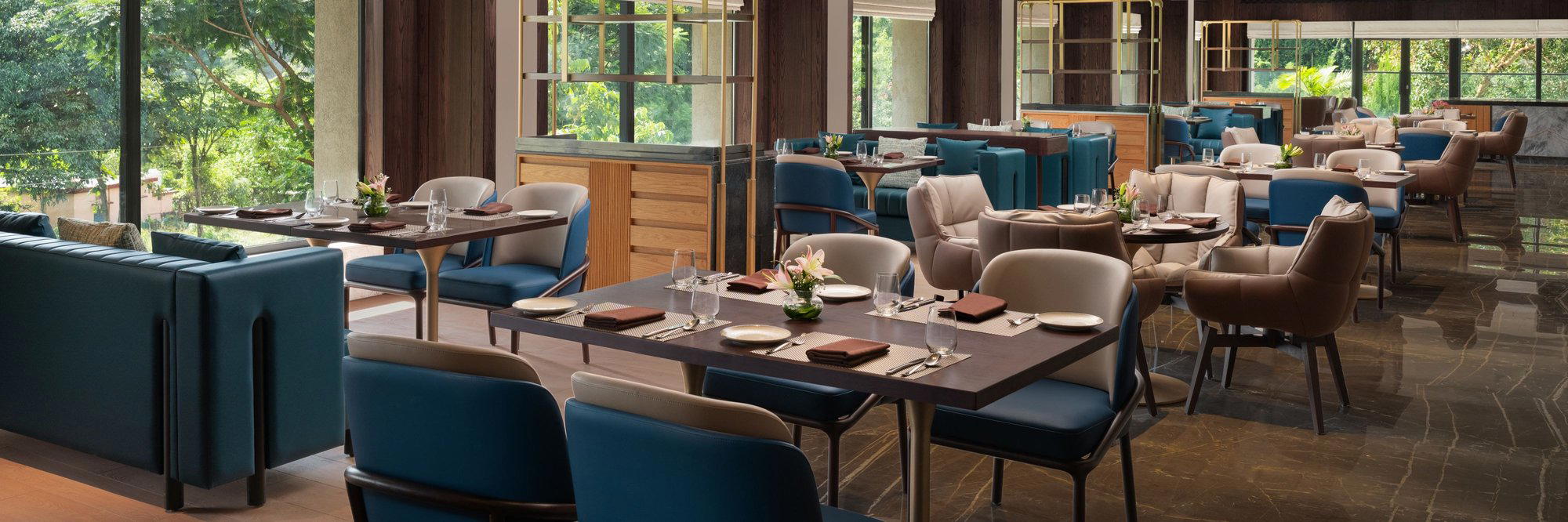
The culinary programme is calibrated to the same framework. The restaurant and its tree-leading deck serve cuisine built on Ayurvedic principles, using organic ingredients sourced from local farms and the property's own gardens. For guests on structured programmes, the kitchen supports detox and dietary protocols. For guests not on a formal programme, a broader international menu is available alongside the wellness-focused cooking. The tree-leading deck, positioned above the sal forest canopy, extends the same architectural logic as the rest of the property: the dining environment is part of the offer, not a separate hospitality function.
Activities Beyond the Spa
Outdoor activity programme at Ananda draws on what the Himalayan foothills actually offer rather than manufacturing experiences from scratch. Safaris through the Rajaji National Park, accessible from the estate, put the property in a different conversation from purely sedentary retreat formats. White water rafting on the Ganges and guided treks operate at a level of physical intensity that complements the restorative side of the wellness programme. The proximity to Rishikesh and Haridwar means that visits to significant spiritual sites are a realistic addition to any stay without requiring a full day of travel.
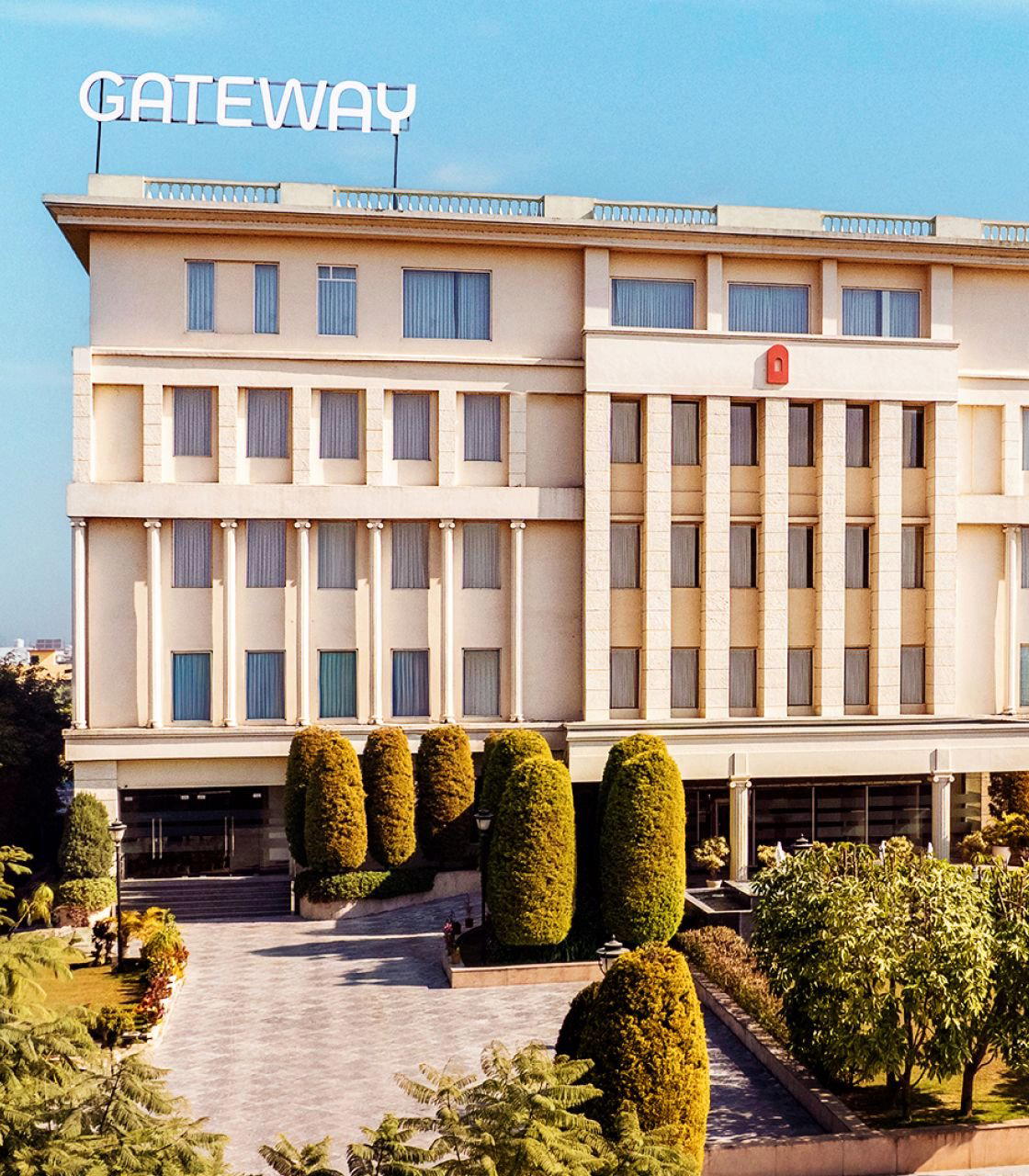
For travellers comparing northern India properties across a broader itinerary, Ananda works well as an anchor for a Himalayan segment. Gateway Dehradun covers the urban base near Dehradun Airport. Hill station properties like Chapslee in Shimla or Amaya in Solan provide a different character further into Himachal Pradesh. For Rajasthan extensions, Suján Jawai in Pali and Alila Fort Bishangarh represent the heritage-in-landscape format in a different terrain. See our full Narendra Nagar guide for broader regional context.
Planning Your Stay
Ananda sits 260 kilometres north of New Delhi. The standard routing is a flight from Indira Gandhi International Airport to Dehradun's Jolly Grant Airport, a 45-minute sector with seven to eight daily departures, followed by a 50-minute drive to the estate. The drive itself passes through Rishikesh, giving a first view of the Ganges before the property's ridge becomes visible above the treeline. The estate address is The Palace Estate, Narendra Nagar, Uttarakhand 249175, and the property can be reached by phone at +91 80 6975 0000, with full programme and booking information at anandaspa.com.
Peak booking periods align with the cooler months between October and March, when Himalayan foothills temperatures are moderate and trekking conditions are reliable. The monsoon season from June through September brings the landscape to its most saturated green but limits some outdoor activities. Guests booking structured wellness programmes of seven days or more should allow additional lead time, as these involve pre-arrival consultations and programme customisation that the property coordinates in advance. Compared to other properties in the Tatler Asia-Pacific 2025 list, Ananda's specialist wellness designation suggests a different type of traveller and a different booking logic than a conventional luxury hotel stay.
Comparison Snapshot
Comparable venues nearby, for context on price, style, and recognition.
| Venue | Cuisine | Price | Awards | Notes |
|---|---|---|---|---|
| Ananda in the HimalayasThis venue — the venue you are viewing | Historic palace estate turned wellness resort | Not listed | Mr & Mrs Smith Seal of Approval · Virtuoso Luxury Hotel Partner | Not listed |
| Taj Green Cove Resort & Spa, Kovalam | Luxury tropical resort combining contemporary Balinese design with traditional Kerala architecture on a hillside setting. | $300–500 | Michelin Selected | Kovalam |
| Samode Palace | Heritage palace hotel blending Rajput-Mughal architecture with contemporary luxury | Not listed | Michelin Selected · Conde Nast Gold List | Samode |
| Kinwani House by Aalia Collection | Restored royal art deco mansion blending heritage with modern luxury | $300–500 | Preferred Hotels Member | Narendra Nagar |
| Taj Bekal Resort and Spa, Kerala | Contemporary classic resort with Kettuvallam houseboat-inspired architecture blending local Kerala elements and modern luxury. | Not listed | Michelin Selected | Bekal |
| Taj Santacruz Mumbai | Art Deco-inspired luxury with spacious rooms | Not listed | Michelin Selected | Santacruz East |
Recognition history
Dated appearances from independent guides and award organizations, with the underlying list record or original source where available.
Mr & Mrs Smith Seal of Approval
Mr & Mrs Smith
Virtuoso Luxury Hotel Partner
Virtuoso
Robb Report The 50 Greatest Luxury Hotels on Earth #35
Robb Report
Tatler Listed in Best Hotels Asia-Pacific
Tatler
Full recognition history (5 entries)
Tatler Best Wellness Retreat
Tatler
Continue exploring
More in Narendra Nagar
Hotels in Narendra Nagar
Browse all →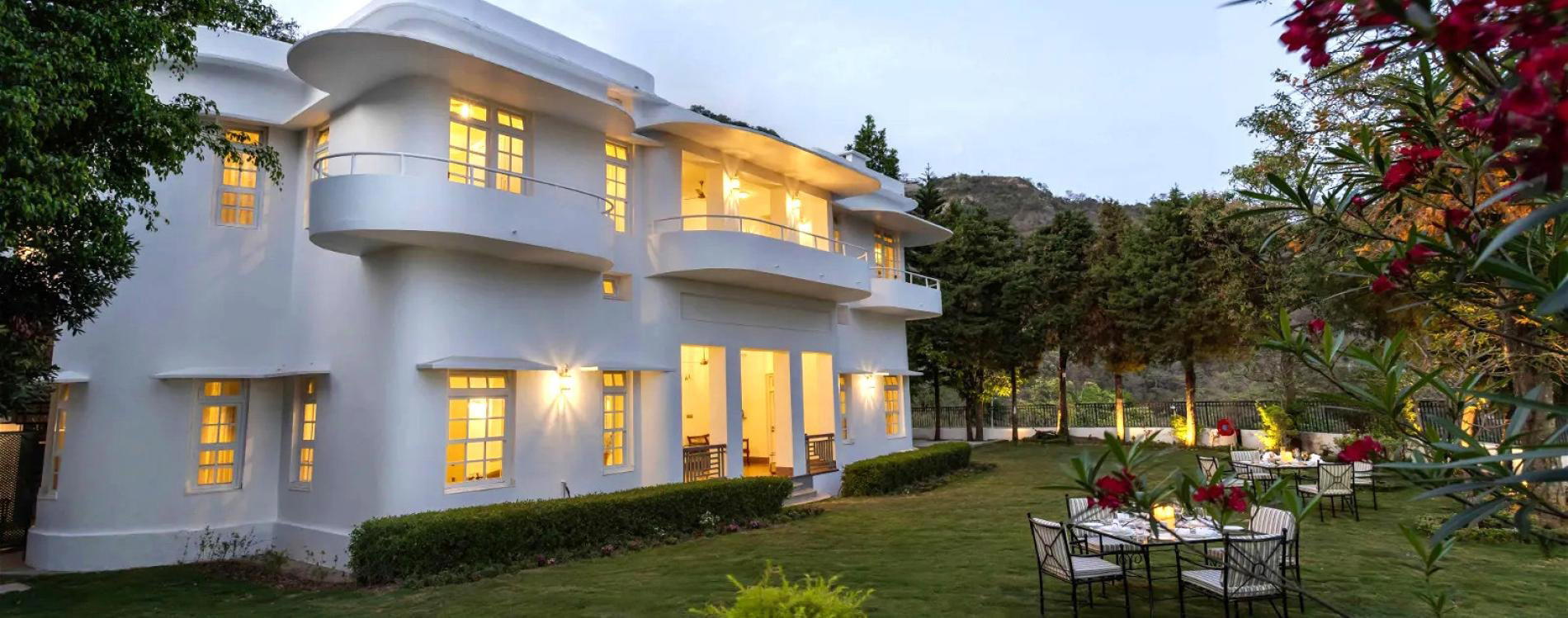
Bars in Narendra Nagar
Browse all →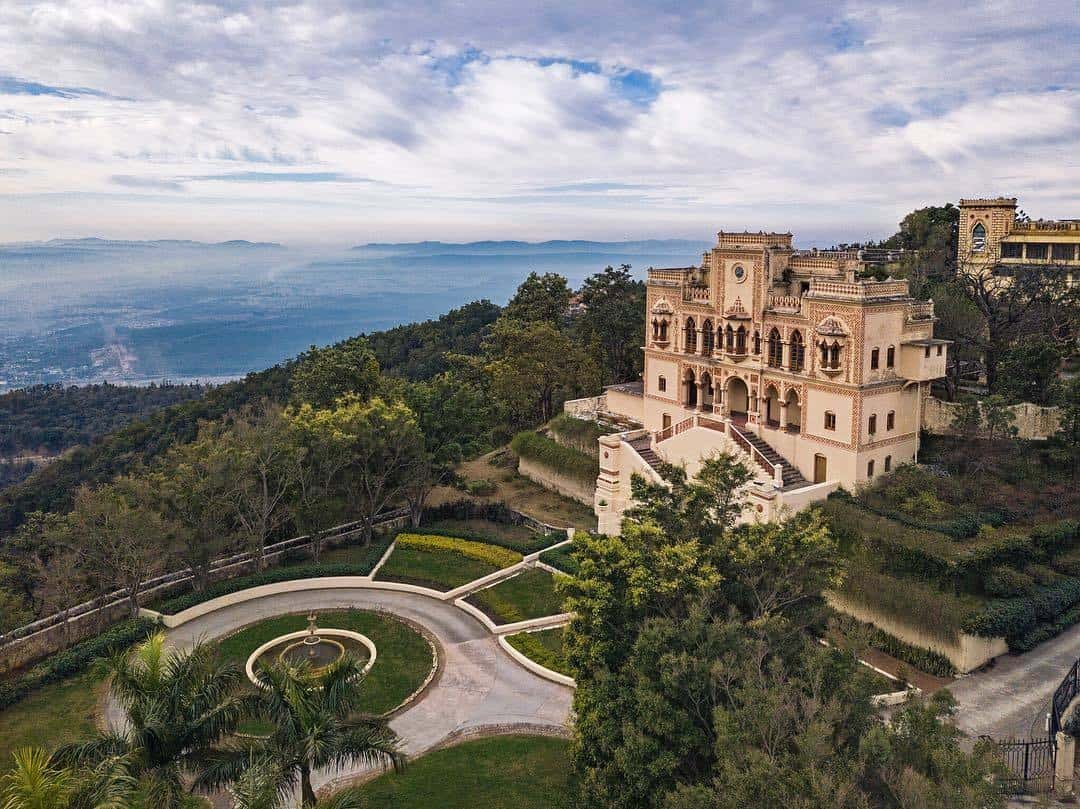
Restaurants in Narendra Nagar
Browse all →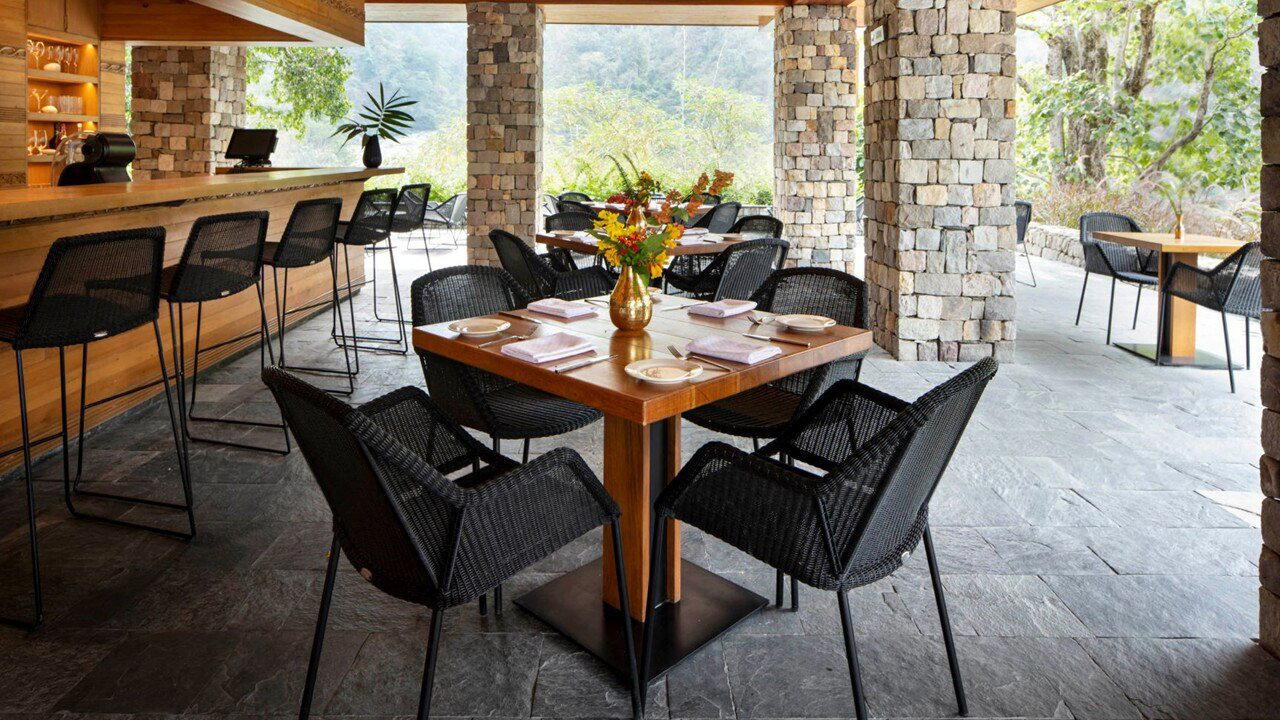
Details
- Quiet
- Elegant
- Scenic
- Sophisticated
- Ornate
- Wellness Retreat
- Honeymoon
- Romantic Getaway
- Anniversary
- Destination Spa
- Panoramic View
- Garden
- Historic Building
- Spa
- Pool
- Fitness Center
- Wi Fi
- Room Service
- Concierge
- Sauna
- Hot Tub
- Golf Course
- Restaurant
- Mountain
- Garden
- Wheelchair Accessible
- Elevator
Serene and peaceful with natural light, lush gardens, and valley/river views from rooms and grounds.