Sugata Hotel Osaka Shinsaibashi sits in one of Osaka's most commercially active neighbourhoods, placing guests within walking distance of the Dotonbori dining strip, Shinsaibashi-suji shopping arcade, and the dense network of izakayas and specialty restaurants that define Minami's after-dark character. The hotel represents the growing tier of design-conscious mid-to-upper properties that have taken root in this corridor as international visitor numbers to Osaka have climbed steadily through the 2020s.

Pearl is the En Primeur Club membership app — saves, bookings, and concierge access live there. Same editors, same standards.
- Address
- Osaka, Japan
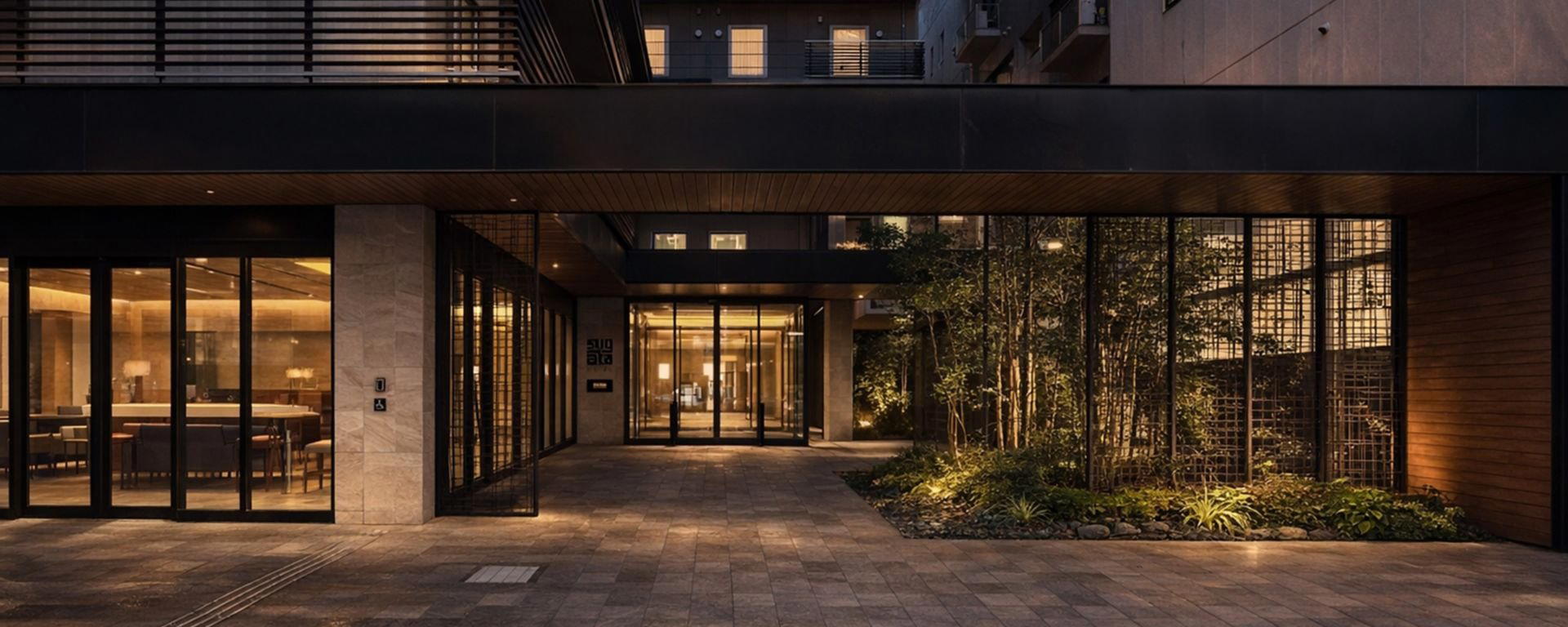
Shinsaibashi and the Hotel Tier It Represents
Osaka's Minami district has long operated on a different register from the city's northern Umeda axis. Where Umeda anchors its identity in transport scale and corporate towers, Shinsaibashi runs on density and street-level energy: the covered arcade connecting Namba to the south, the side streets feeding into Dotonbori's canal-front restaurant row, and the layered network of bars, coffee shops, and specialty food vendors that make this one of Japan's most visited urban neighbourhoods. Hotels positioned here are not selling quiet; they are selling access.
The broader hotel tier that Sugata Hotel Osaka Shinsaibashi occupies has expanded substantially since the mid-2010s, when Osaka's tourism figures began a sustained rise driven by inbound travel from across Asia and, increasingly, longer-haul markets. That growth pushed developers and operators toward the Minami corridor, filling gaps between the international flag carriers, such as InterContinental Osaka and The Ritz-Carlton, Osaka, and the budget business hotels that had historically dominated the area. Sugata sits in that middle-to-upper band, competing on location precision and atmosphere rather than on the amenity scale of full-service luxury properties.
What the Neighbourhood Sounds and Feels Like
Arriving in Shinsaibashi from Namba Station or the Shinsaibashi subway exit, the sensory shift is immediate. The arcade hums with foot traffic at almost any hour; the smell of takoyaki and grilled skewers drifts in from street-side vendors; the visual register alternates between neon-lit facades and the narrow lantern-hung alleys of Hozenji Yokocho a short walk south. This is not a neighbourhood that softens for the traveller. It is loud, layered, and particular to Osaka in a way that a stay in Umeda or the bay area cannot replicate.
For the guest whose reason for being in Osaka is the food culture, Shinsaibashi is the functional centre of that project. Dotonbori, a five-minute walk away, concentrates the city's famous kushikatsu counters, fugu specialists, and the kind of standing ramen bars that operate on throughput rather than theatre. The neighbourhood's smaller streets, particularly those running east of the arcade toward Nagahori, carry a quieter layer of kappo restaurants and sake bars where the average cover is higher and the atmosphere draws on older Osaka hospitality traditions. A hotel in this corridor functions as a base for working through that range systematically.
Design Register and Positioning Against Peers
Osaka's hotel market has split in recent years between properties that lead with international brand recognition and those that lean into location-specific design cues. At the upper end of the international tier, W Osaka and Four Seasons Hotel Osaka signal their positioning through architecture and brand programme. At the other end, the Centara Life Namba Hotel Osaka and properties in its category compete on value and proximity to transit. Sugata Hotel Osaka Shinsaibashi addresses a segment that sits between those poles: guests who want considered design and a specific address without the full-service overhead of a five-star flag.
This positioning is not unusual in Japan's current hotel development cycle. Across Kyoto, Tokyo, and Osaka, a category of hotels has emerged that draws on the aesthetic discipline of Japanese craft traditions, applying them to relatively compact properties with carefully edited room counts. The approach differs from what you find at large-scale properties like Hotel Granvia Osaka, where the offer is comprehensive and the architecture is tied to transit infrastructure. It also contrasts with the resort model that drives properties elsewhere in Japan, such as Amanemu in Mie or Gora Kadan in Hakone, where the property itself is the destination rather than the launchpad.
How Shinsaibashi Compares to Other Osaka Bases
Choosing a Shinsaibashi address over Umeda involves a conscious trade-off. Umeda provides better train connectivity, particularly for day trips to Kyoto or Kobe, and its hotel offer is anchored by larger properties with fuller amenity programmes, including Conrad Osaka, which occupies the upper floors of a mixed-use tower with direct access to the Hankyu and JR networks. Shinsaibashi, by contrast, is on the Midosuji Line and the Nagahori Tsurumi-ryokuchi Line, which cover most of Osaka's key stops but involve one or two transfers for Shinkansen access at Shin-Osaka.
For guests whose Osaka itinerary centres on eating rather than transport, that trade-off resolves clearly in Shinsaibashi's favour. The density of serious dining within a fifteen-minute walk is difficult to match from any other Osaka neighbourhood, and the ability to return to the hotel between a long lunch and a late dinner without a subway journey is a practical advantage that compounds over a multi-night stay. Those planning to range further into Japan's Kansai region, toward properties like HOTEL THE MITSUI KYOTO, would find Umeda marginally more convenient as a departure base.
Japan's broader hotel development has also seen interesting properties emerge well outside the major cities. Nishimuraya Honkan in Kinosaki-cho, Asaba in Izu, and Benesse House in Naoshima each represent a model where the property is inseparable from its natural or cultural setting. A Shinsaibashi hotel operates on opposite logic: the city is the attraction, and the hotel's job is to place you inside it efficiently.
Planning Your Stay
Shinsaibashi's peak periods align with Japan's broader travel calendar: cherry blossom season in late March and early April, and the autumn foliage window from late October into November. Osaka also draws significant domestic travel during Golden Week in early May and the Obon period in mid-August, when the city's food and festival culture reaches particular intensity. Booking for those windows requires more lead time than quieter months, and the neighbourhood's energy is noticeably higher during festival periods, which affects the atmosphere at street level around the clock.
For those combining an Osaka stay with other Japanese destinations, the Shinkansen network from Shin-Osaka connects to Tokyo in roughly two and a half hours, to Kyoto in fifteen minutes, and to Hiroshima in around ninety. Osaka's Itami Airport serves domestic routes; Kansai International, about forty-five minutes from central Osaka by express train, handles international arrivals. Both airports connect to the city via rail, with limited express services running directly to Namba, one stop from Shinsaibashi on the Midosuji Line.
For a broader view of where Sugata Hotel Osaka Shinsaibashi fits within Osaka's hotel and dining landscape, see our full Osaka restaurants guide. Travellers also comparing options in other international cities may find it useful to look at how the Shinsaibashi design tier compares to urban-positioned properties elsewhere, such as The Fifth Avenue Hotel in New York City or Aman New York, both of which operate on a similar principle of address as the primary offer.
Booking and Cost Snapshot
| Venue | Price | Awards |
|---|---|---|
| Sugata Hotel Osaka ShinsaibashiThis venue — the venue you are viewing | $1–100 | Not listed |
| Conrad Osaka | Not listed | 1 Michelin Key · La Liste Top Hotels |
| InterContinental Osaka | $300–500 | 1 Michelin Key · Forbes Recommended |
| The Ritz-Carlton, Osaka | Not listed | 1 Michelin Key · La Liste Top Hotels |
| The St. Regis Osaka | $300–500 | Michelin Selected · La Liste Top Hotels |
| W Osaka | $300–500 | 1 Michelin Key · Forbes Recommended |




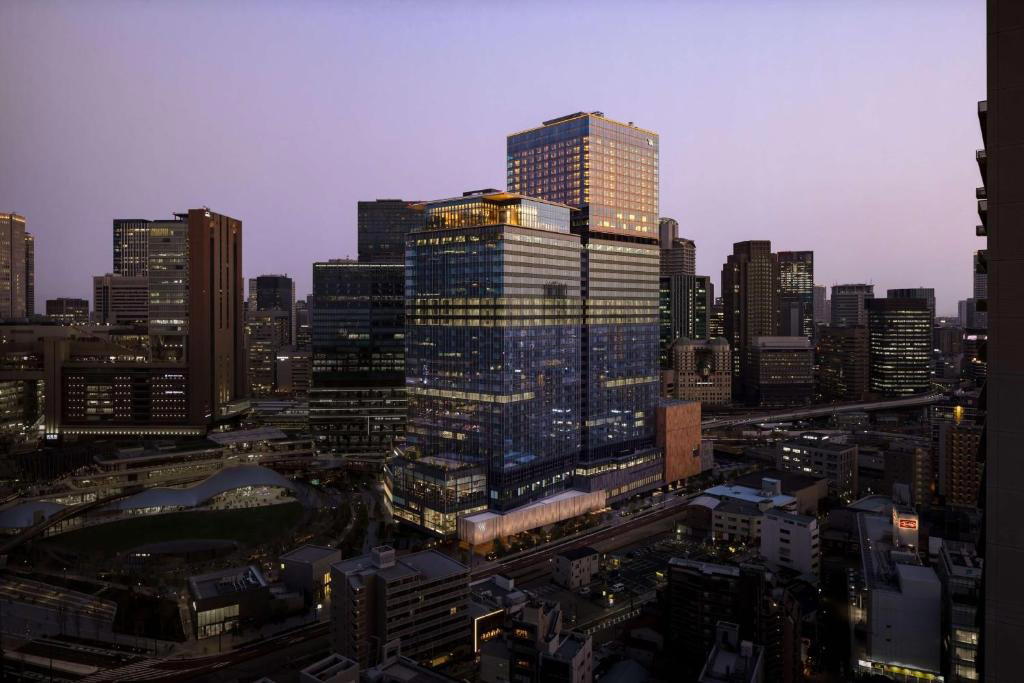
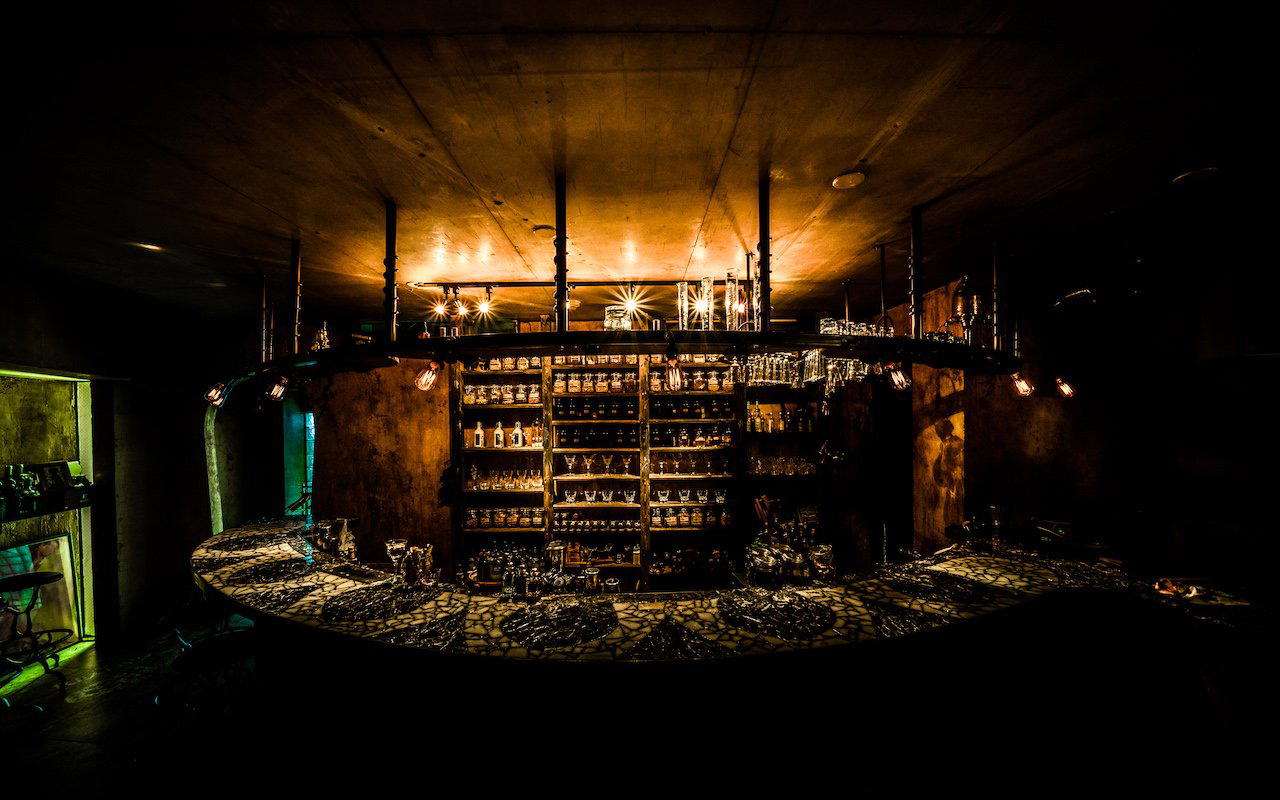


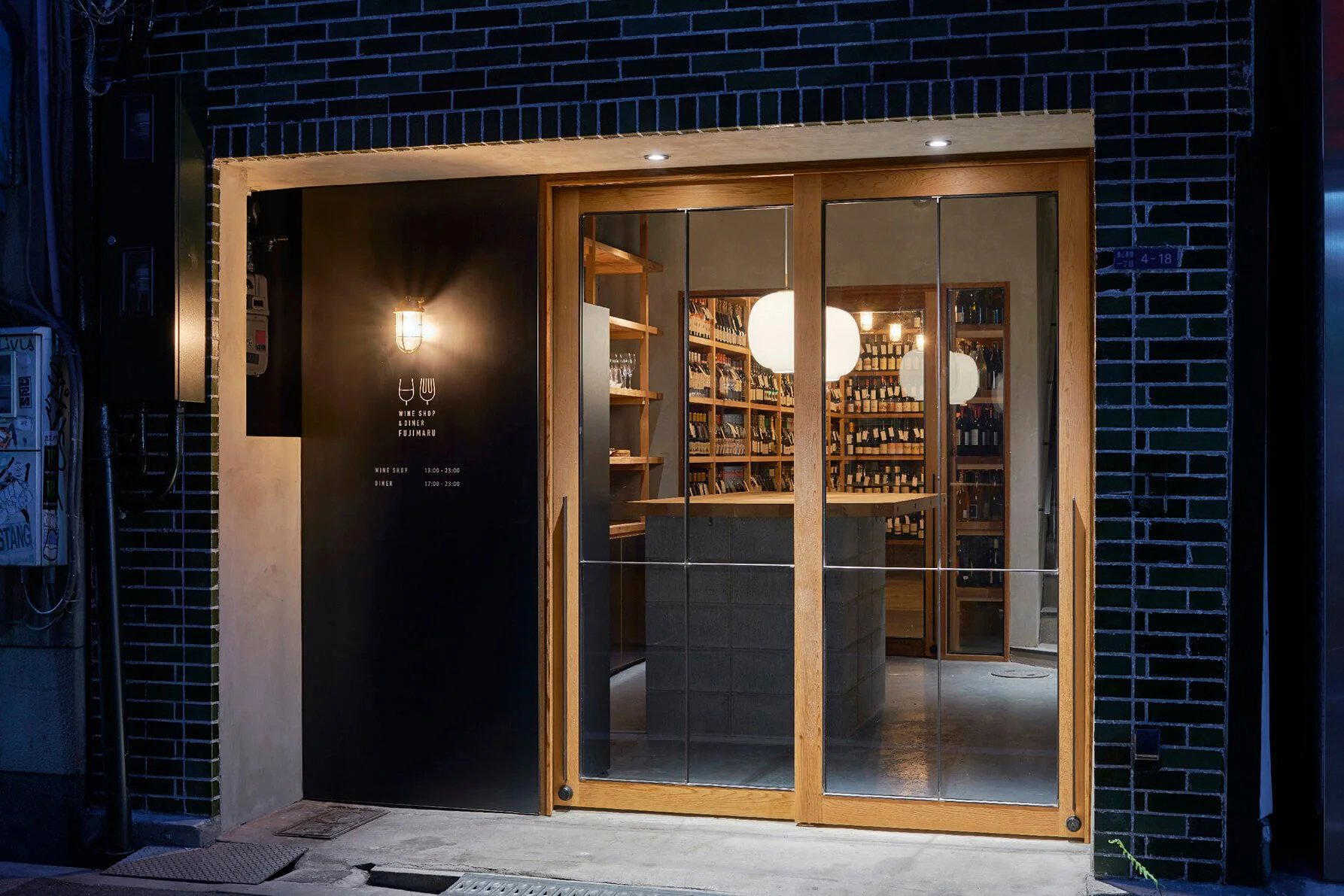





Details
- Modern
- Minimalist
- Cozy
- Quiet
- Business Trip
- Weekend Escape
- Design Destination
- Wi Fi
- Restaurant
- Housekeeping
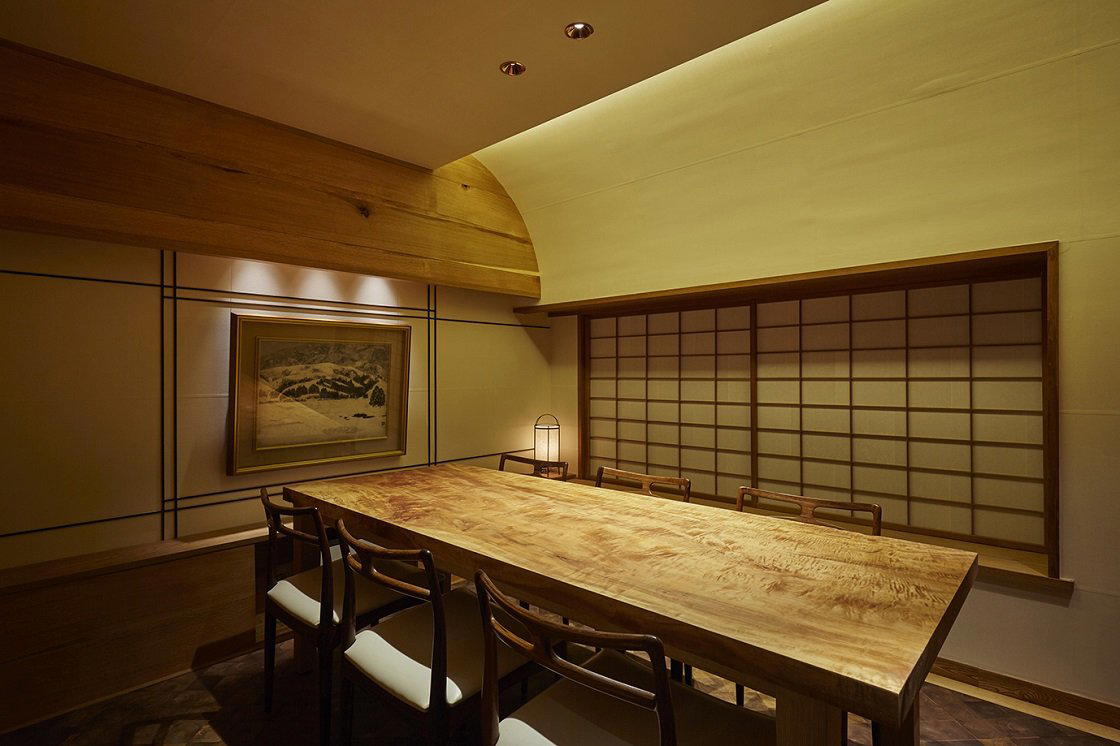
Natural materials, soft lighting, muted tones, and refined textures create a calm, warm, and community-driven sanctuary contrasting Osaka's lively energy.