Spa & Resort Bachmair Weissach


1 Michelin Key · La Liste Top Hotels · World Luxury Hotel Awards WLHA Regional Winner
A 19th-century Alpine retreat on the shores of Lake Tegernsee, Bachmair Weissach earned 93 points at the 2026 La Liste Top Hotels rankings and the Regional Winner designation for Luxury Family Resort. Its 146 rooms span contemporary Bavarian interiors by Korbinian Kohler, two distinct spa facilities including a Japanese onsen, and dining that moves between regional Gasthof tradition and a sushi lounge with live jazz.

Pearl is the En Primeur Club membership app, where members save venues, book tables and use the concierge.
Where the Alpine Calendar Slows Down
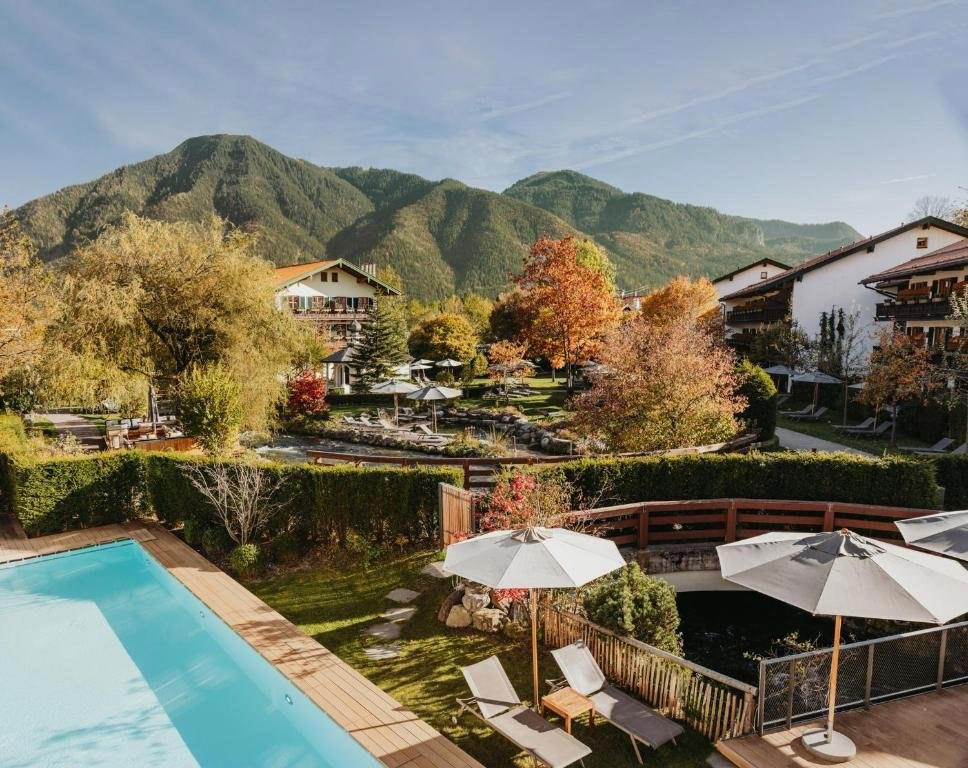
The road into Rottach-Egern arrives through a succession of meadows, church spires, and the kind of light that photographers chase in Bavaria from late spring through early autumn. By the time the ornately muraled facade of Bachmair Weissach comes into view at Wiesseer Strasse 1, the shift in register is already underway. The building's 19th-century origins read clearly in its sloping rooflines and stout timber framing, but the overall impression is less museum piece than living institution, a property that has absorbed renovation without surrendering the regional grammar that made it worth preserving. This part of the Tegernsee basin has long drawn Munich's professional class for weekend escapes, and the property operates accordingly, at the intersection of genuine Alpine character and the practical expectations of guests accustomed to a certain standard of care.
Service as a Spatial Experience
Across Germany's premium Alpine corridor, the hotel category has increasingly split between large international chain footprints and properties that pursue a more rooted, place-specific hospitality model. Bachmair Weissach sits in the second group. With 146 rooms spread across a campus-style layout, it is large enough to carry full resort infrastructure but small enough to maintain something closer to boutique attentiveness. The public spaces carry what might be described as a Habsburg undertone: elaborate wainscoting, carefully chosen millwork, and lodge furnishings executed in local natural wood. These are not accidental signals. They frame a service environment in which the setting itself does preliminary work, communicating that guests are somewhere particular rather than somewhere generic.
That spatial intentionality extends into the rooms, which were designed by Korbinian Kohler with an eye toward bespoke furnishings and locally sourced materials. The palette reads as considered restraint, a decision that holds up well given that the casement windows let in enough Alpine light to make saturated color redundant. Balcony rooms, where that light arrives unmediated, are worth requesting at booking. In-room yoga mats signal that the property is thinking about the whole-day arc of a guest's stay, not merely the bed-and-breakfast transaction. Compared to peers such as Althoff Seehotel Überfahrt and Parkhotel Egerner Höfe in the same town, the property's campus format allows for more programmatic depth while remaining tethered to its Tegernsee address.
Two Spas, Two Traditions
The wellness offer at Bachmair Weissach is one of the more considered in the German Alpine category. Most properties at this tier carry a single spa facility covering the standard Central European repertoire of steam, sauna, and hydrotherapy. Bachmair Weissach operates two. The Family Spa follows the established regional model and serves the broader guest mix. The Mizu Onsen Spa is the more distinctive proposition: a carefully constructed interpretation of the Japanese hot-spring bathing tradition, executed in a country where that format remains genuinely rare. Rather than a surface-level aesthetic borrowing, the Mizu approach appears to track the spatial and ritualistic logic of onsen culture, placing it in a different conversation from the wellness annexes that decorate many Alpine luxury properties. For guests who have spent time in Japanese spa culture and want that experience in a Bavarian context, this is a meaningful differentiator. Properties such as Das Kranzbach Hotel & Wellness Retreat in Kranzbach and Schloss Elmau Luxury Spa Retreat & Cultural Hideaway in Elmau sit in the same premium wellness tier but with different emphases; none currently operate a dedicated onsen facility of comparable specificity.
The Dining Logic
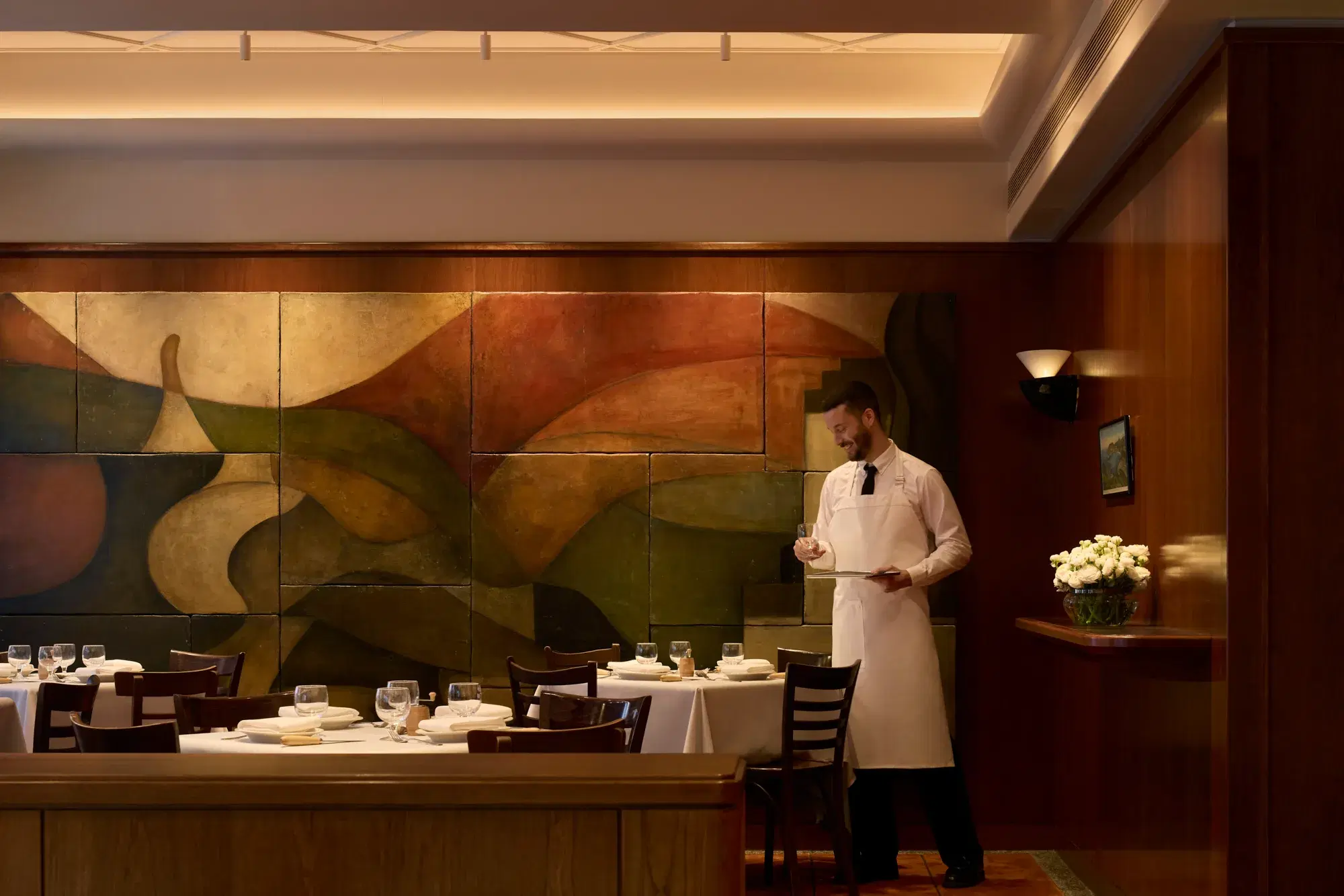
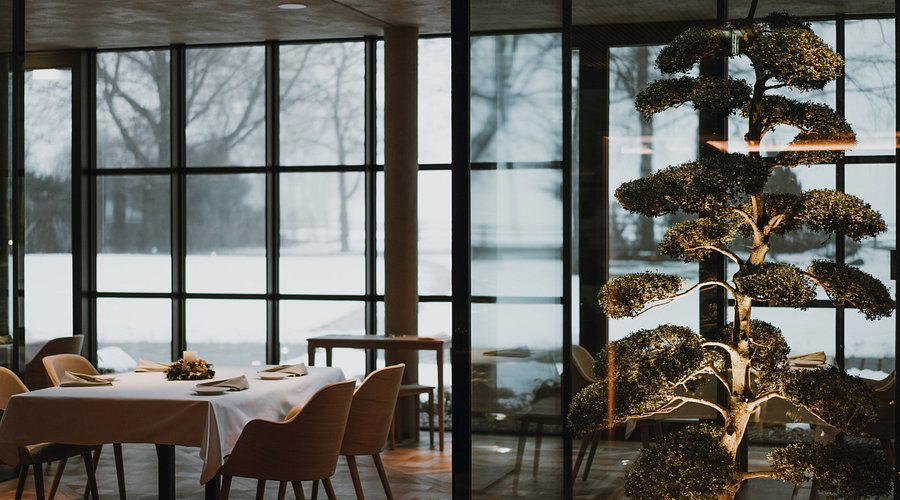
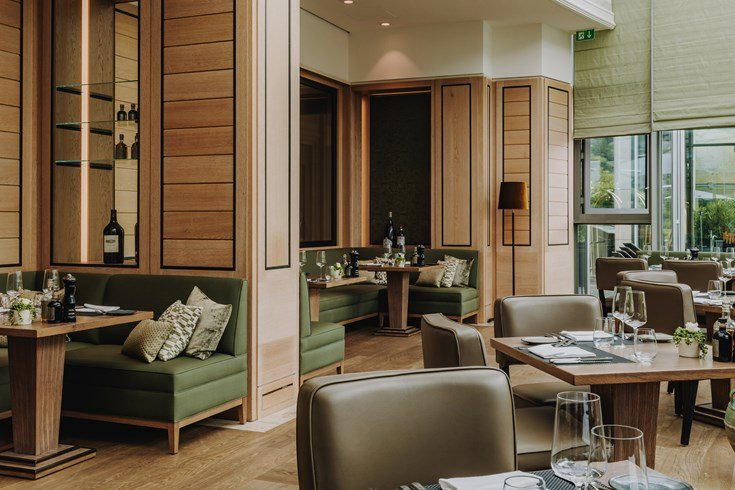
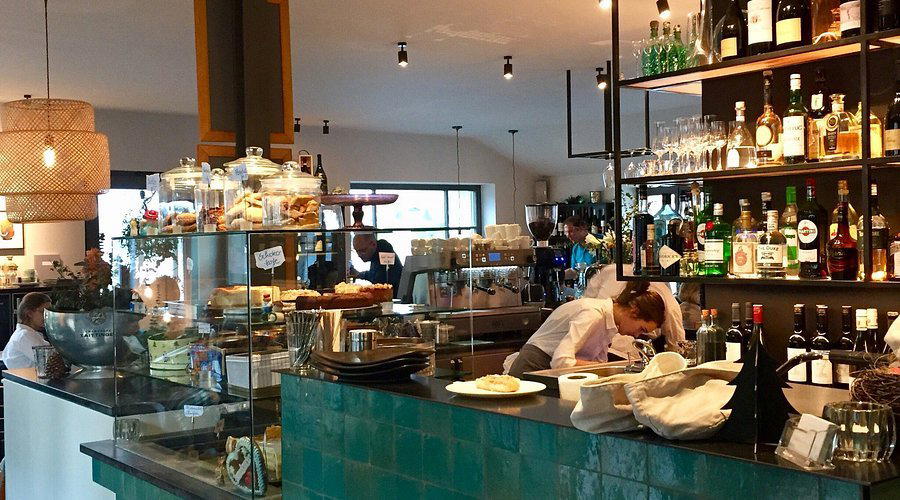
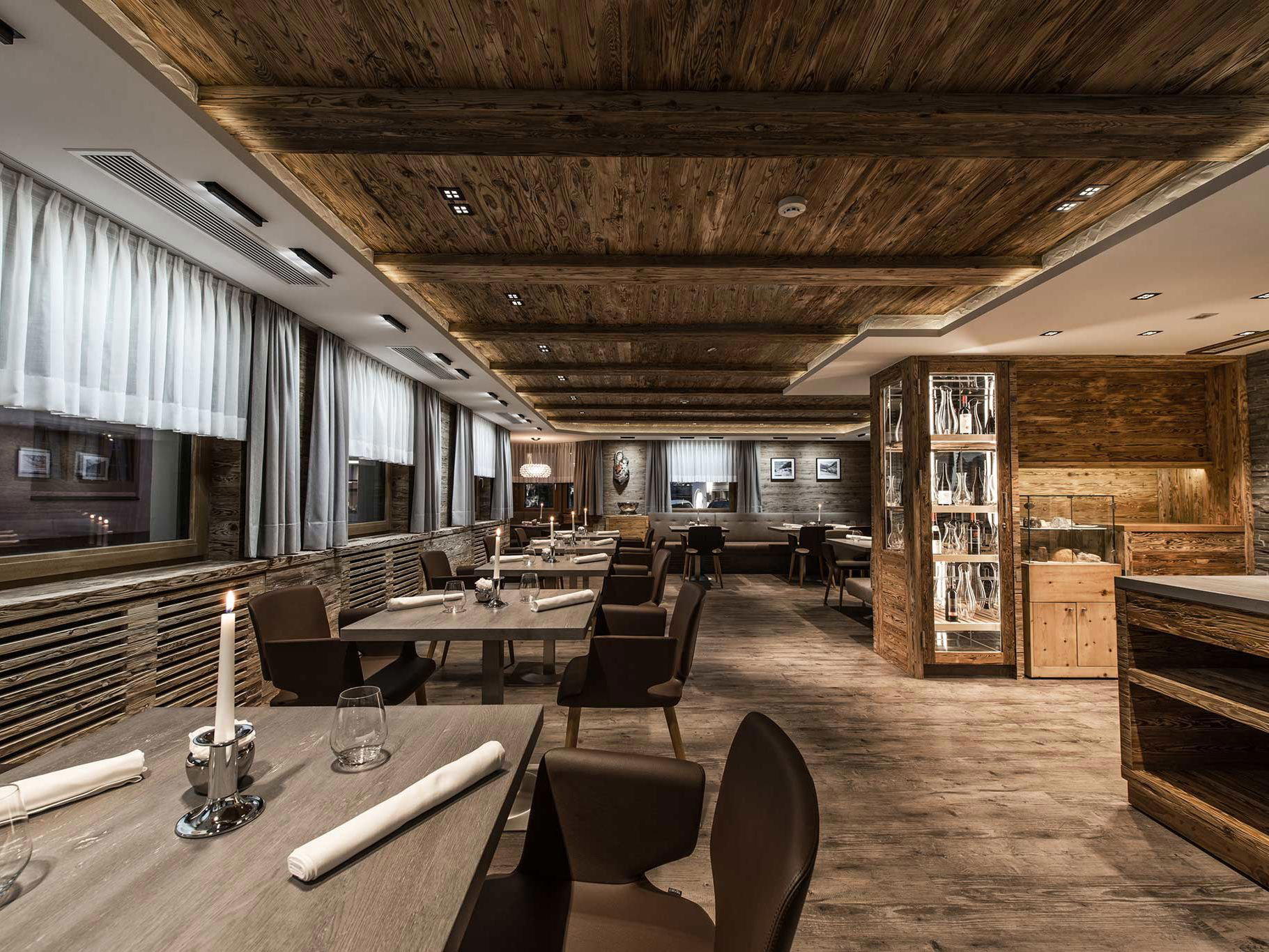
The property's food and beverage program reflects a clear editorial decision: let the main restaurant anchor Bavarian tradition while the secondary space takes the risk. Gasthof zur Weissach operates inside the main building's 1862 parlor and plates Bavarian fine-dining specialties in a room that earns its setting. The format is formal enough to serve as the property's culinary anchor without tipping into the kind of grand-hotel self-seriousness that reads as dated. A day bar provides a transitional option between breakfast and the main evening service, covering the mid-afternoon gap with sweets and coffee rather than leaving guests to fend for themselves during off-peak hours. That kind of gap-filling is a small but telling service instinct.
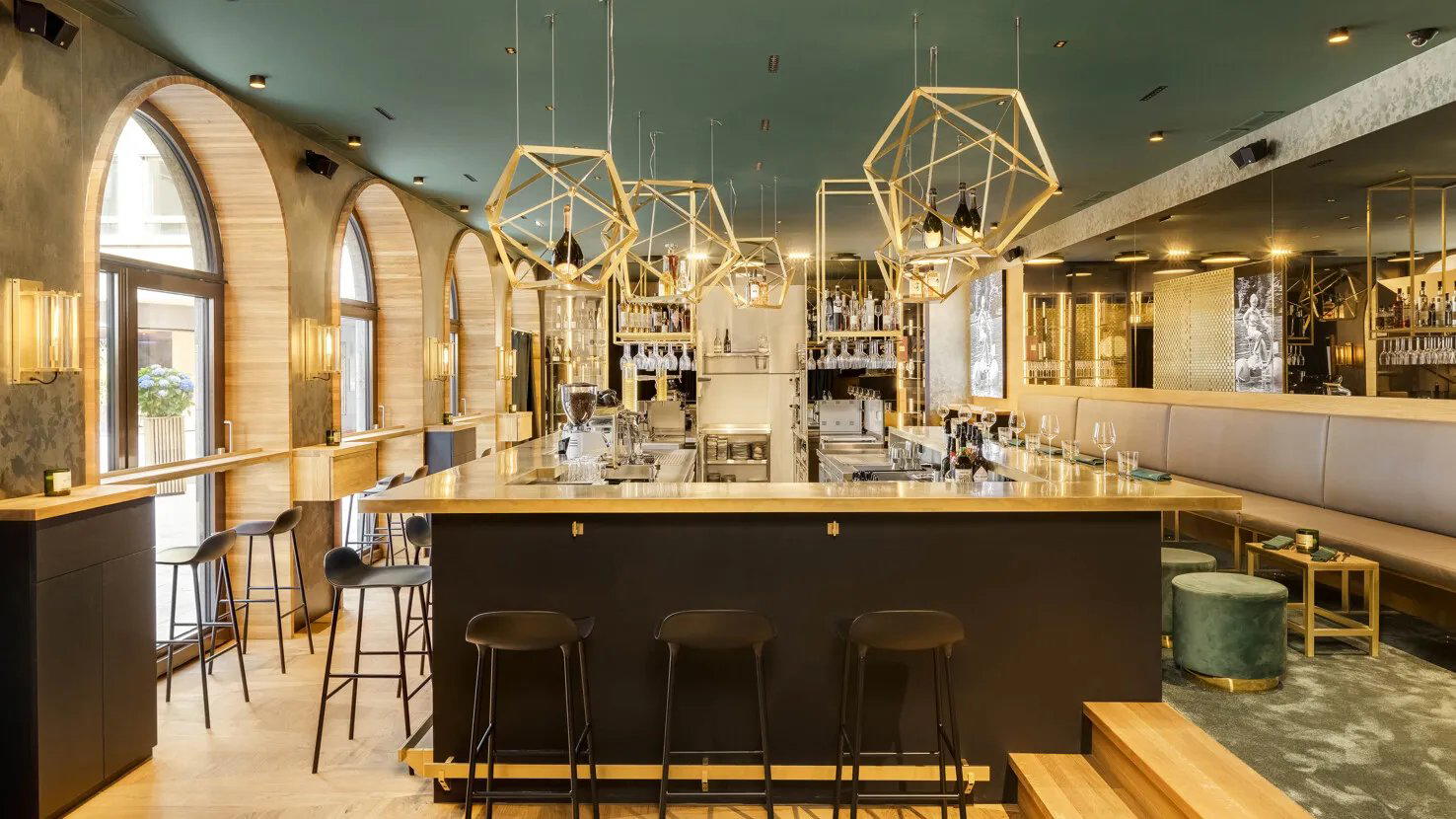
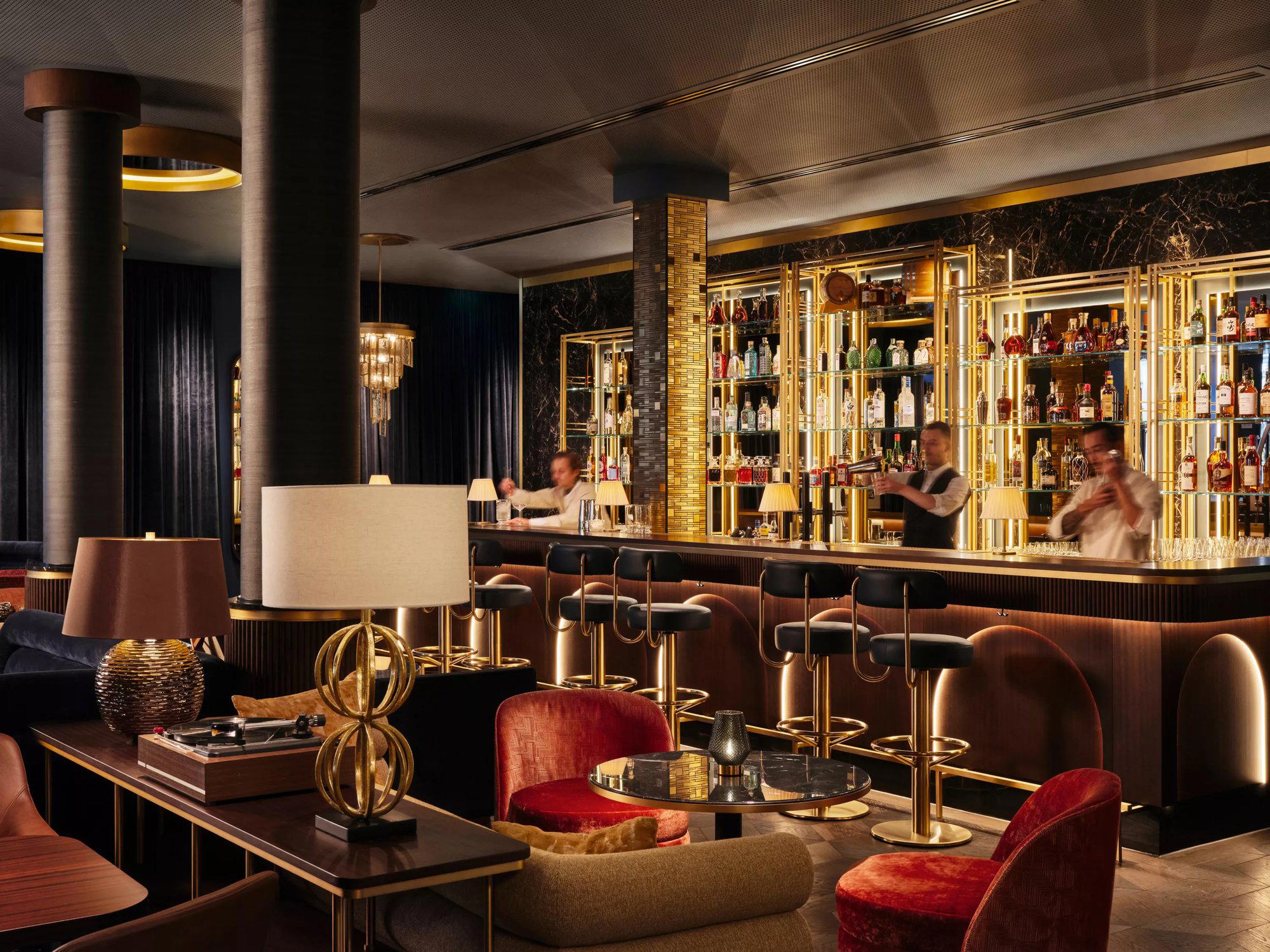
Second restaurant, MIZU, carries the same name as the onsen spa and extends the Japanese cultural thread into the dining program with a sushi bar and lounge format. Occasional live jazz and DJ sets place it in the evening entertainment tier, giving guests a reason to stay on property after dinner rather than search for nightlife in Rottach-Egern, which in any case is not the purpose of the village. The dual-restaurant model, one tradition-bound and one deliberately divergent, is increasingly common at resort properties that need to hold guests for multi-night stays without repetition fatigue.
Outside the Property
Tegernsee terrain justifies the visit independently of whatever happens indoors. The lake offers sailing and swimming through the warmer months, while the surrounding Alpine foothills run from accessible hiking to genuinely demanding ascents. Paragliding is available for guests with the inclination. In winter, the après-ski format the region has practiced for generations translates naturally to the property's fireside fondue program, a dish that, when preceded by several hours in altitude, occupies a different category of satisfaction than it does at sea level. Guests reaching Rottach-Egern from Munich can expect roughly an hour's drive south; the town also connects via the Bayerische Oberlandbahn rail line to Munich's Holzkirchen, with a connecting bus service completing the final stretch.
For those building a wider German tour, Bachmair Weissach serves well as a southern Alpine counterpoint to city properties such as Mandarin Oriental Munich or Fairmont Hotel Vier Jahreszeiten in Hamburg. Other notable German properties in EP Club's coverage include Hotel Bareiss in Baiersbronn, Der Öschberghof in Donaueschingen, Luisenhöhe in Horben, Breidenbacher Hof Düsseldorf, Excelsior Hotel Ernst in Cologne, BUDERSAND Hotel in Hörnum, Bülow Palais in Dresden, Esplanade Saarbrücken, Hotel Ketschauer Hof in Deidesheim, LA MAISON in Saarlouis, Landhaus Stricker in Sylt, Villa Contessa in Bad Saarow, and Hotel de Rome in Berlin. For those extending travel internationally, Aman Venice, The Fifth Avenue Hotel in New York City, and Aman New York represent the same tier of considered, place-specific hospitality in different contexts. See our full Rottach-Egern restaurants guide for further coverage of the town's dining and hospitality scene.
Planning Your Stay
Room rates at Bachmair Weissach begin at approximately $311 per night, a price that positions the property in the accessible tier of the German luxury resort category, below the headline nightly rates at some comparable Alpine spa properties. The 146-room count means availability tends to hold better than at smaller boutique operations, but summer weekends and the December-February ski season draw strong regional demand. Booking several weeks in advance for those windows is advisable. The property's La Liste Leading Hotels 2026 score of 93 points and its Regional Winner designation for Luxury Family Resort place it in a formally recognized peer bracket rather than relying solely on marketing positioning.
Style and Standing
Comparable venues nearby, for context on price, style, and recognition.
| Venue | Cuisine | Price | Awards | Notes |
|---|---|---|---|---|
| Spa & Resort Bachmair WeissachThis venue (the venue you are viewing) | Hotel | $500–750 | 1 Michelin Key · La Liste Top Hotels | Not listed |
| Parkhotel Egerner Höfe | Traditional elegance blended with modern luxury in the Bavarian Alps | $300–500 | 2 Michelin Keys | Rottach-Egern |
| Althoff Seehotel Überfahrt | Luxury lakeside resort blending Bavarian heritage with contemporary wellness-focused hospitality; low-rise architecture across multiple buildings with direct lake access. | $300–500 | 3 Michelin Keys · La Liste Top Hotels | Rottach-Egern |
| Scandic Stuttgart Europaviertel | Contemporary Nordic-inspired city hotel focused on business, events, and leisure stays in a central urban location. | $1–100 | Not listed | Europaviertel |
| Platzl Hotel - Superior | Traditional Bavarian elegance with modern comforts | Not listed | Michelin Selected | Altstadt-Lehel |
| Hotel Goldene Rose Dinkelsbühl | Historic design boutique hotel blending medieval facade with contemporary luxury interiors | $1–100 | Michelin Selected | Altstadt |
Recognition history
Dated appearances from independent guides and award organizations, with the underlying list record or original source where available.
Michelin 1 Key
Michelin
La Liste Top Hotels
La Liste
World Luxury Hotel Awards WLHA Regional Winner
World Luxury Hotel Awards
Continue exploring
More in Rottach-Egern
Hotels in Rottach-Egern
All hotels in Rottach-Egern →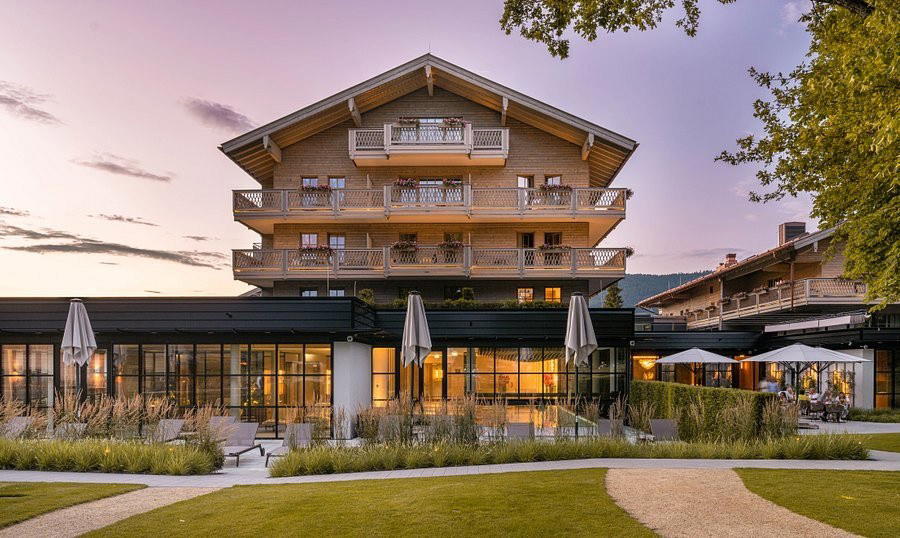
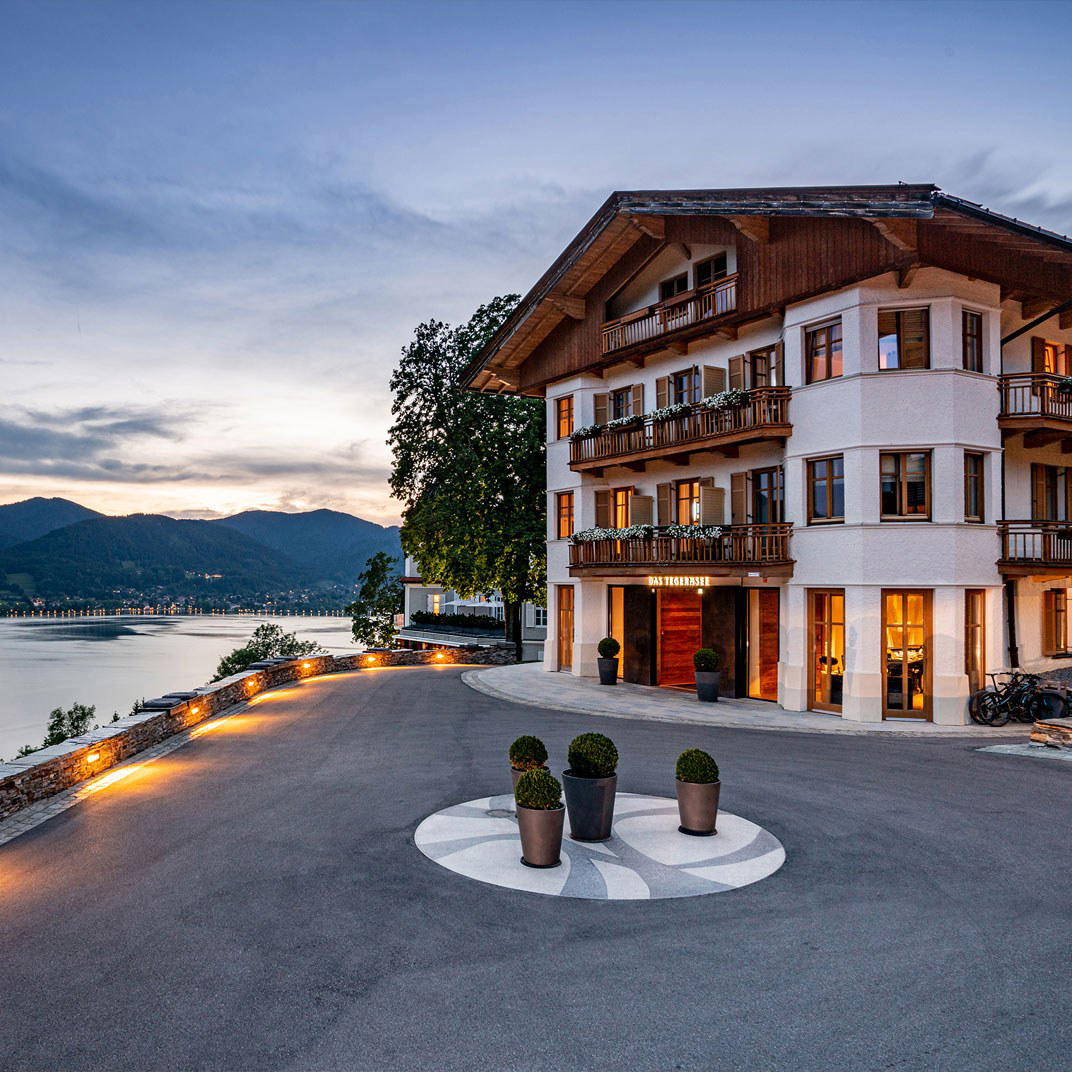
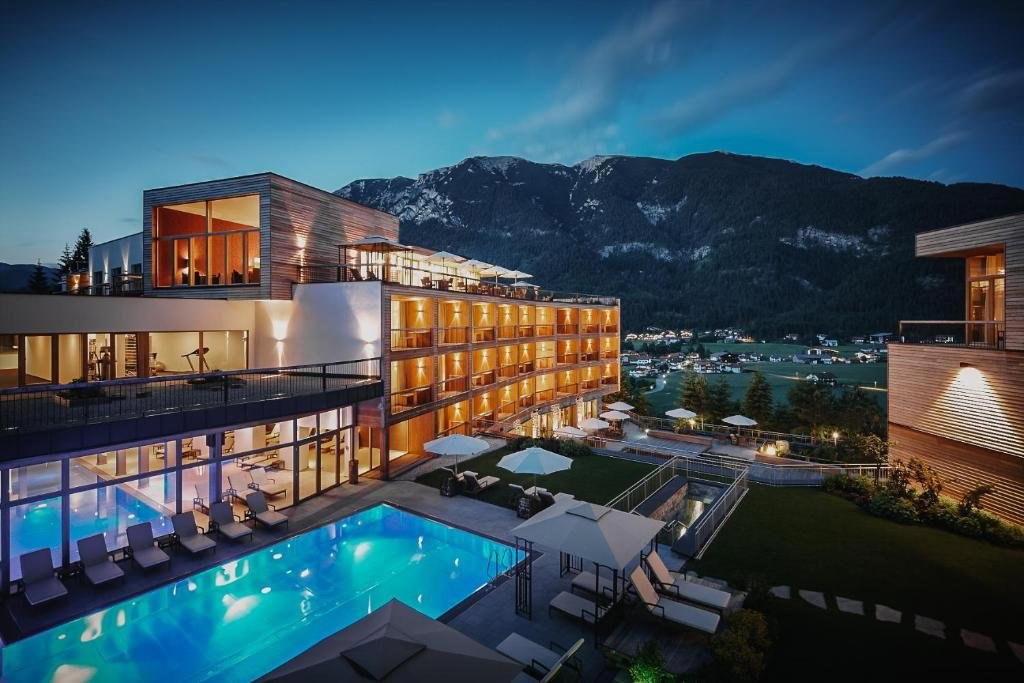
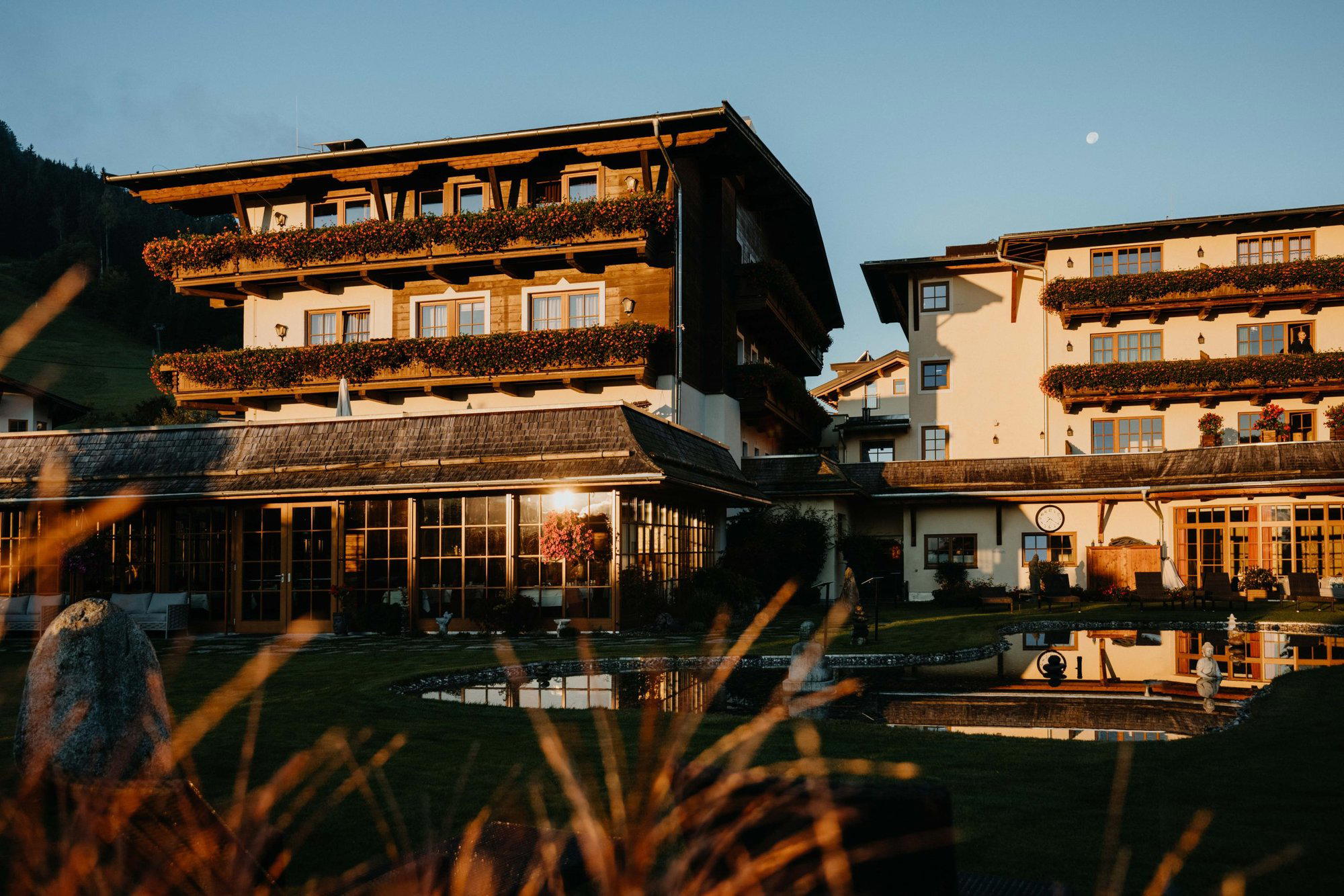
Bars in Rottach-Egern
Browse all →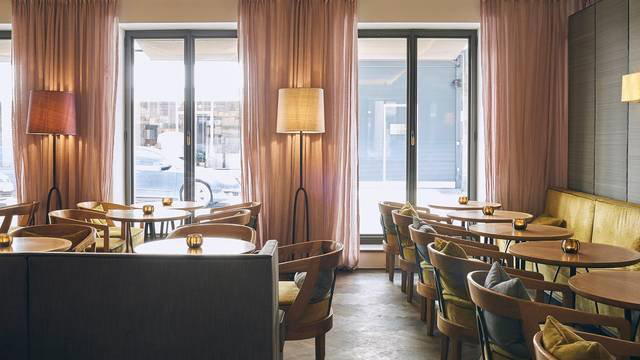

Details
- Scenic
- Elegant
- Sophisticated
- Modern
- Quiet
- Family Vacation
- Wellness Retreat
- Weekend Escape
- Anniversary
- Romantic Getaway
- Destination Spa
- Waterfront
- Garden
- Panoramic View
- Spa
- Pool
- Indoor Pool
- Outdoor Pool
- Fitness Center
- Restaurant
- Bar
- Kids Club
- Concierge
- Parking
- Wi Fi
- Room Service
- Valet Parking
- EV Charging
- Mountain
- Garden
- Wheelchair Accessible
- Elevator
- Accessible Parking
A luxurious alpine resort atmosphere that blends Japanese-inspired spa serenity with contemporary, family-oriented energy; the property emphasizes calm wellness spaces, scenic park and lake surroundings, and refined design touches.