Ruby Hotel Shanghai sits inside a city where hotel design is often read against two powerful references: the Bund’s treaty-port architecture and the glass-and-steel verticality of Pudong. With, it is a hotel to assess through confirmed essentials first, then through how it fits Shanghai’s broader design-led lodging conversation.

Pearl is the En Primeur Club membership app, where members save venues, book tables and use the concierge.
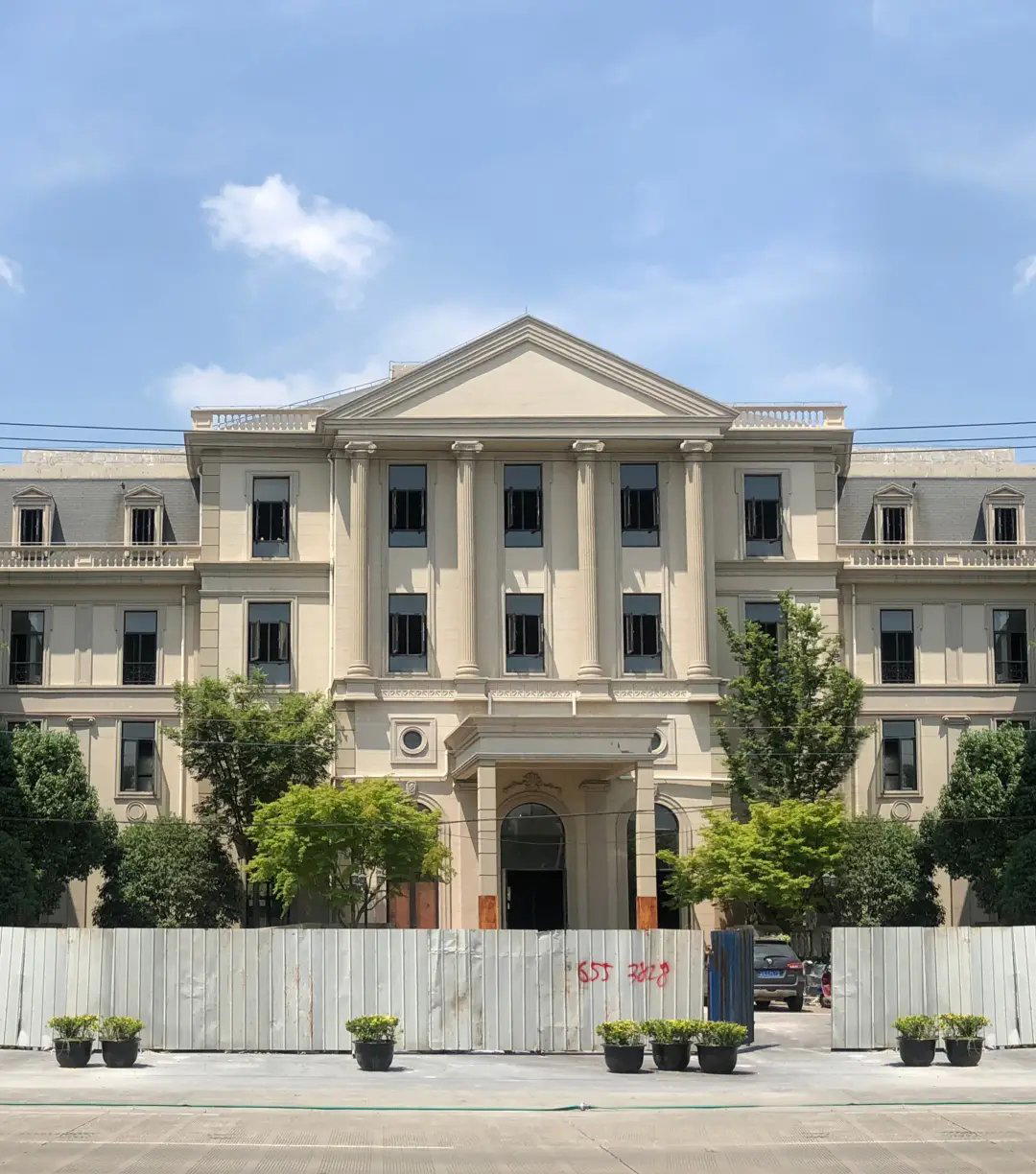
First impression: Shanghai design before hotel theatre
Shanghai announces its hotels through surfaces before service scripts: stone lobbies in Jing’an, Art Deco traces near the Bund, mall-linked towers in Pudong, and smaller lifestyle properties that borrow more from retail, galleries, and members’ clubs than from grand-hotel formality. Ruby Hotel Shanghai That absence matters. In a city where hotel choice is often decided by district, transport rhythm, and architectural identity, the first editorial point is not romance; it is verification.
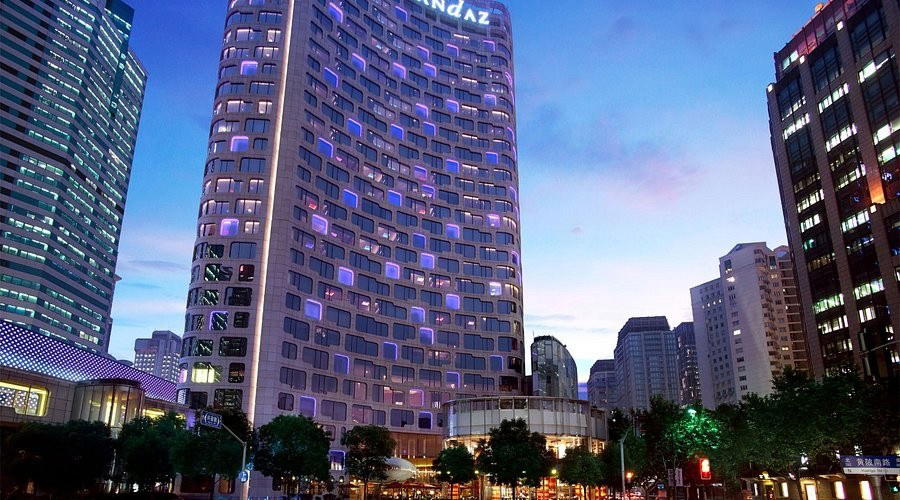
Shanghai rewards precision. A hotel in Jing’an behaves differently from one on the Bund, in Xintiandi, Hongqiao, or the New Bund corridor. The lobby may be polished and the room may photograph well, but the guest experience is shaped by where the building sits in relation to metro lines, office towers, dining streets, river crossings, and airport approach times. With Ruby Hotel Shanghai, the sensible reading is to place it in the city’s design-hotel category while withholding claims the record does not support. That makes it different from better-documented Shanghai properties such as Alila Shanghai, Bvlgari Hotel Shanghai, and Andaz Xintiandi, Shanghai, where location, brand architecture, and lifestyle positioning are easier to compare.
The design question in Shanghai hotels
Shanghai’s hotel architecture is rarely neutral. The city has spent more than a century turning buildings into arguments about money, modernity, and international taste. The Bund tells one story, with banks, clubs, and municipal grandeur facing the Huangpu. Pudong tells another, with height, corporate power, and infrastructure doing much of the talking. Xintiandi and Jing’an sit between those poles, trading in walkability, adaptive reuse, luxury retail, and restaurant density. A hotel’s design language in Shanghai therefore carries more weight than its lobby furniture. It tells the guest which version of the city they are buying into.
Ruby Hotel Shanghai should be approached through that lens. What can be said is that Shanghai’s hotel scene has split into several clear design types: international luxury towers, restored compound hotels, lifestyle addresses attached to retail districts, and smaller independent properties that use atmosphere as their competitive weapon. Amanyangyun belongs to the restored-estate conversation outside the central grid. Artyzen NEW BUND 31 Shanghai reflects the cultural-district push east of the old centre. Bellagio Shanghai reads against riverfront spectacle and branded luxury. Ruby Hotel Shanghai, until more data is confirmed, sits as an open question inside that design map rather than a settled answer.
Why district matters more than star language
Star ratings can help, but in Shanghai they are a blunt instrument. A five-star tower above a mall, a restored lane-house hotel, and a compact design property may serve entirely different trips. The city’s scale pushes guests to think in circuits: morning meetings in Lujiazui, galleries around the West Bund, dinner in the former French Concession, late drinks near Jing’an, high-speed rail from Hongqiao. A hotel that saves twenty minutes twice a day can feel more refined than a grander property on the wrong side of the river for a given itinerary.
That is the practical issue with Ruby Hotel Shanghai. It is not possible to state its proximity to the Bund, People’s Square, Hongqiao, Pudong airport, or any metro station. For a city this large, that missing location data is not a footnote; it is central to the booking decision. Travellers comparing Shanghai stays should first decide whether the trip is Bund-facing, business-district driven, nightlife-led, airport-sensitive, or food-focused. The broader city research can start with Our full Shanghai hotels guide, then branch into restaurant and bar planning through Our full Shanghai restaurants guide and Our full Shanghai bars guide.
The architecture-led stay in Shanghai is not one category. It includes hotels that use skyline views as their main asset, properties that convert historical material into status, and contemporary addresses that treat the lobby as a social room rather than a ceremonial hall. The serious comparison is not only price; it is the relationship between building, neighbourhood, and purpose. A hotel designed for business travellers may have generous rooms and muted service, while a nightlife-adjacent property may trade room scale for energy and access.
That is why Ruby Hotel Shanghai should not be compared casually with every luxury name in the city. The more useful method is to ask what evidence exists. Awards are not listed. Star rating is not listed. Price range is not listed. Hotel group is not listed. Cuisine, chef, and restaurant details are not listed. Those gaps put it outside the evidence-rich set occupied by major international properties and known design hotels.
What the available record does say
The confirmed record is simple: name, city, and country. Ruby Hotel Shanghai is listed in Shanghai, China. That level of sparsity changes how a premium traveller should read the property. It does not mean the hotel lacks merit; it means the decision should not be made from atmosphere alone.
In Shanghai, missing basics can create avoidable friction. A hotel without a clearly confirmed address in hand is difficult to place against airport transfer times, river crossings, and dining plans. A hotel without a confirmed website or phone number in the record requires extra care around booking source and cancellation terms. The practical conclusion is plain: confirm the operational facts before treating the design promise as enough.
How to think about rooms when details are limited
Room choice in Shanghai usually follows three criteria: noise exposure, view orientation, and access pattern. High floors can reduce street noise but may increase lift dependency in tower hotels. Historic or low-rise properties may offer more character but less uniformity between categories. Mall-connected hotels can simplify rainy-day movement and business logistics, while lane-house settings often provide a more local walking rhythm.
The smarter approach is to ask for the room facts directly before committing: category size, window type, smoking policy, bed configuration, lift access, renovation date if available, and whether the quoted rate includes breakfast or service charges. Without a confirmed price range, Ruby Hotel Shanghai should be evaluated against the actual quote, not against an assumed category.
Food, bars, and the wider city plan
Hotel choice in Shanghai should be tied to eating and drinking plans because the city’s strongest nights often happen away from the room. Fine dining, regional Chinese restaurants, Japanese counters, wine bars, cocktail rooms, and late hotel lounges occupy different neighbourhood clusters. If Ruby Hotel Shanghai is being considered for a food-led trip, the missing address becomes the first variable to solve. A thirty-minute taxi shift after dinner is normal in Shanghai; doing it every night because the hotel is poorly matched to the itinerary is bad planning.
Travellers building a wider schedule can use Our full Shanghai experiences guide for cultural planning and Our full Shanghai wineries guide for wine-related context, while restaurant and bar choices should be grouped by district rather than scattered across the city. In a city with serious hotel dining competition, that distinction matters.
China and Asia comparisons
Within China, premium hotels increasingly divide between large branded towers, heritage compounds, and smaller design-forward addresses with a stronger sense of place. Beijing’s hutong and palace-adjacent hotel culture, Guangzhou’s riverfront hospitality, Macau’s integrated resort model, and Shanghai’s urban design hotels do not compete on the same emotional terms. A traveller comparing city stays might look from Mandarin Oriental Qianmen in Beijing to LN Hotel Five in Guangzhou, or from Star Tower at Studio City Macau in Macau to InterContinental Chongqing Raffles City in Chongqing, and find different definitions of comfort, scale, and spectacle.
That regional context helps frame Ruby Hotel Shanghai without overstating it. Shanghai is less about resort removal and more about urban fluency: access to galleries, business districts, dining rooms, and neighbourhood walking routes. Other Chinese properties, from Conrad Urumqi in Urumqi and Conrad Xiamen in Xiamen to The Hanyu Garden Reserve Suzhou in Suzhou, Qiushui Villa in Hangzhou, and Tian Ranju Inn in Tian Tou Zhai, answer different travel needs. Shanghai’s sharper question is whether a hotel places the guest in the right urban current.
Planning notes for a careful booking
Because the record does not list an official website or phone number, booking should be handled with documentation discipline. Confirm the exact address in Chinese and English, the room category, tax and service charge treatment, cancellation window, check-in requirements, payment method, and any deposit policy through the booking channel being used. If airport transfer time matters, ask for expected travel windows rather than relying on a single estimate. Shanghai traffic can compress or stretch journeys depending on river crossings, weather, and event schedules.
The same caution applies to design expectations. If the draw is architecture, request current room photographs for the exact category rather than relying on general imagery. If the stay depends on quiet, ask about floor level and neighbouring construction. If the trip is food-led, map the hotel against confirmed reservations before payment. This is not overplanning; it is how Shanghai works at the premium end, where distance, district, and building type shape the experience as much as thread count.
How It Compares
Comparable venues nearby, for context on price, style, and recognition.
| Venue | Cuisine | Price | Awards | Notes |
|---|---|---|---|---|
| Ruby Hotel ShanghaiThis venue (the venue you are viewing) | Lean luxury, design-forward property created through the conversion and expansion of a former office building near Shanghai Hongqiao airport. | Not listed | Not listed | Not listed |
| The Anandi Hotel and Spa | Hotel | Not listed | Michelin Guide New Hotels New Hotel · Michelin Selected | Shanghai |
| The Yard Boutique Hotel Shanghai | Contemporary biophilic design boutique hotel positioned as an urban sanctuary and neighborhood guesthouse. | $1–100 | Michelin Selected | Minhang District |
| Cachet Boutique Shanghai | Refurbished 1920s heritage building blending history with modern design. | Not listed | Not listed | Jing'an |
| Hotel Indigo Shanghai On The Bund | Design-oriented boutique hotel blending Shanghai's historic heritage with contemporary international aesthetics, positioned as an upscale urban retreat. | $100–200 | Michelin Selected | Lu Jia Du |
| Moxy Shanghai Hongqiao NECC | Playful and social lifestyle hotel with minimalist multifunctional rooms. | Not listed | Michelin Selected | Hongqiao CBD Xujing Area |
Continue exploring
More in Shanghai
Hotels in Shanghai
All hotels in Shanghai →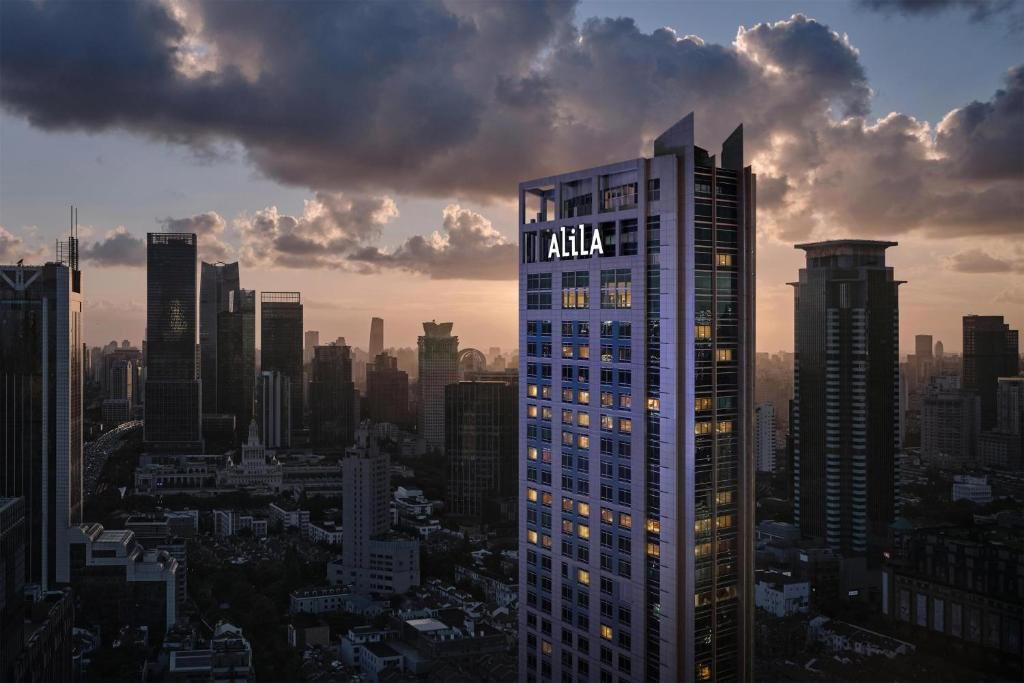
Bars in Shanghai
All bars in Shanghai →
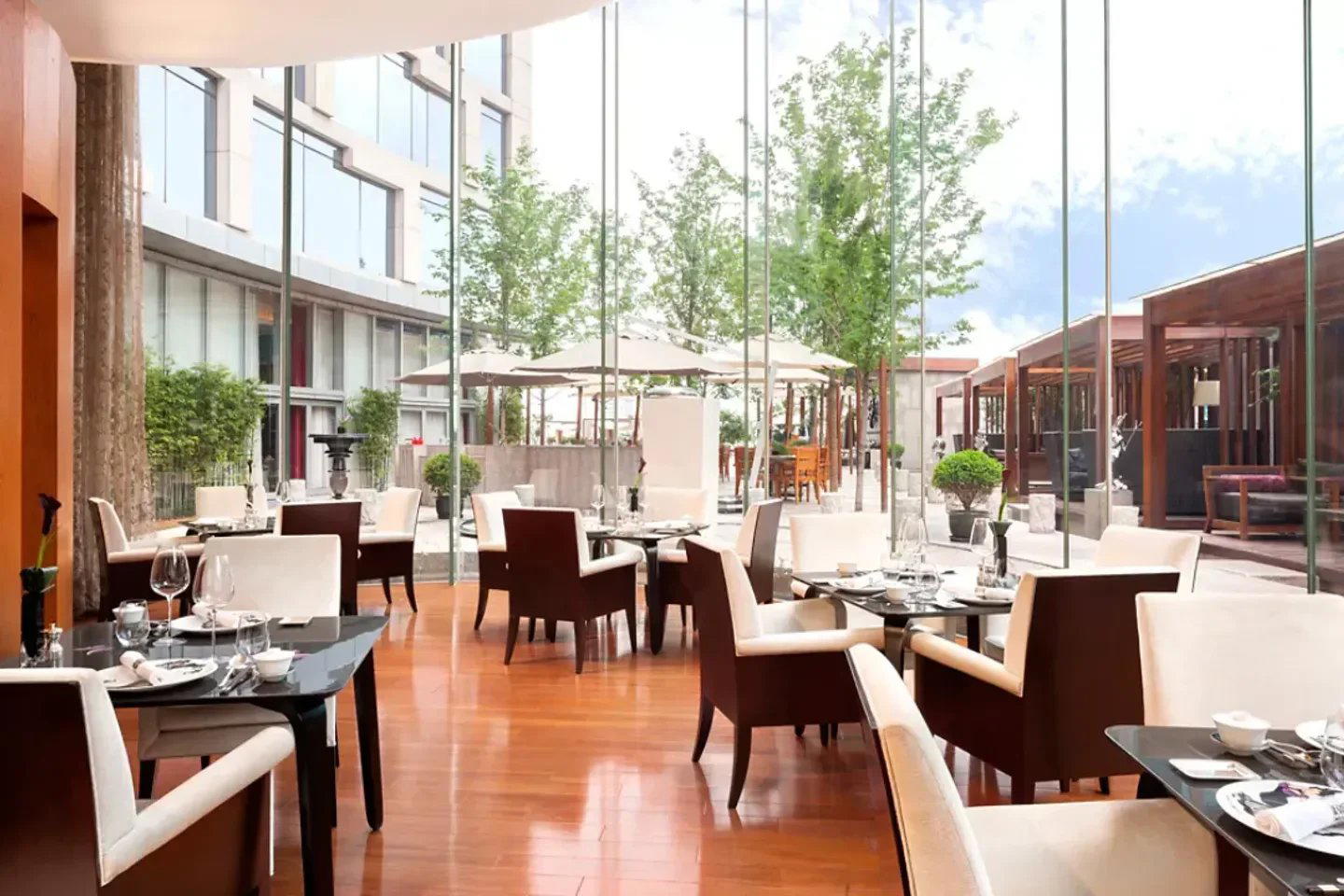
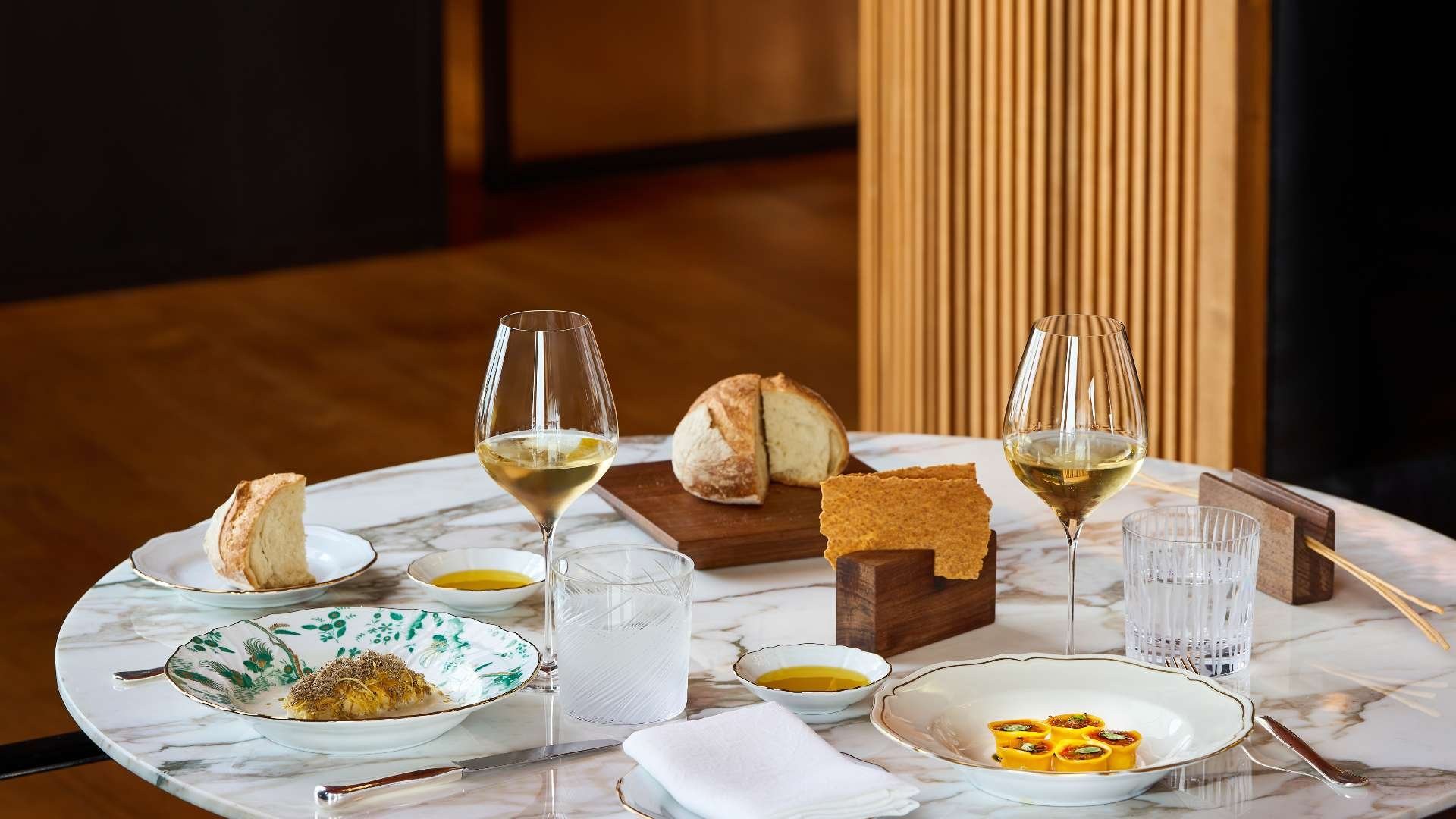
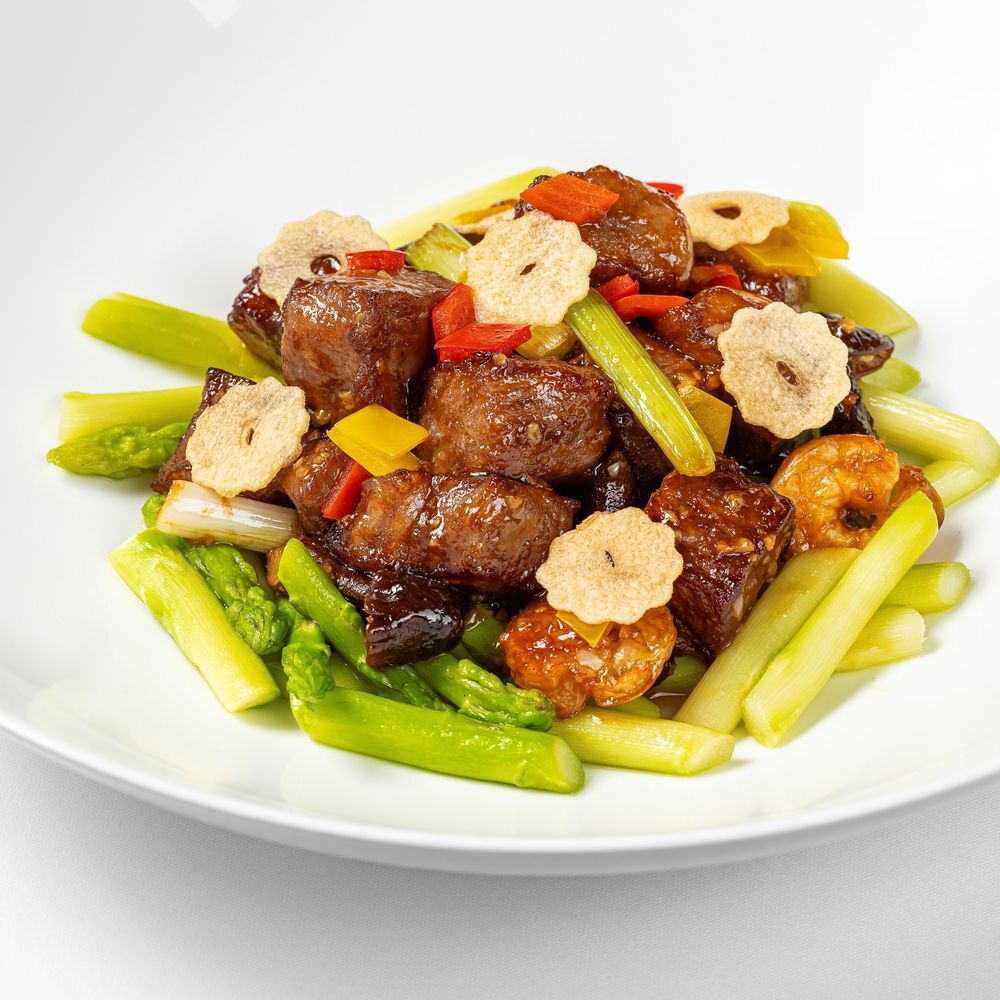
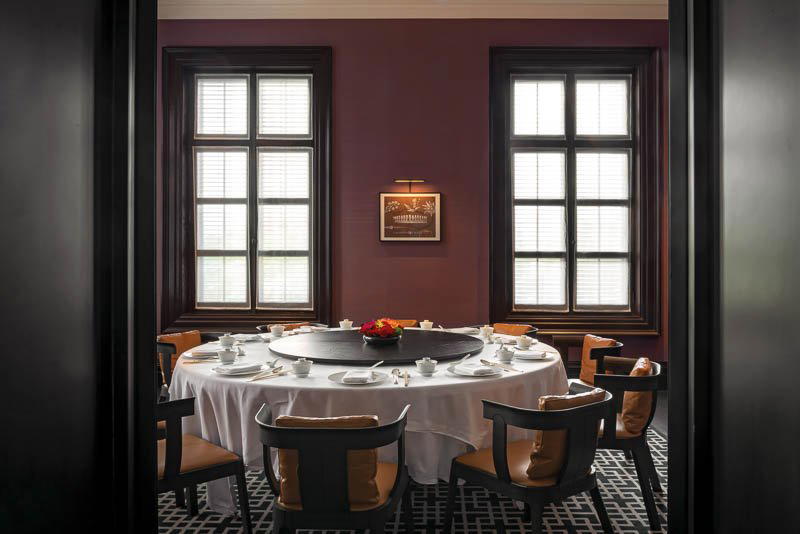
Details
- Modern
- Minimalist
- Business Trip
- Weekend Escape
- Design Destination
- Historic Building
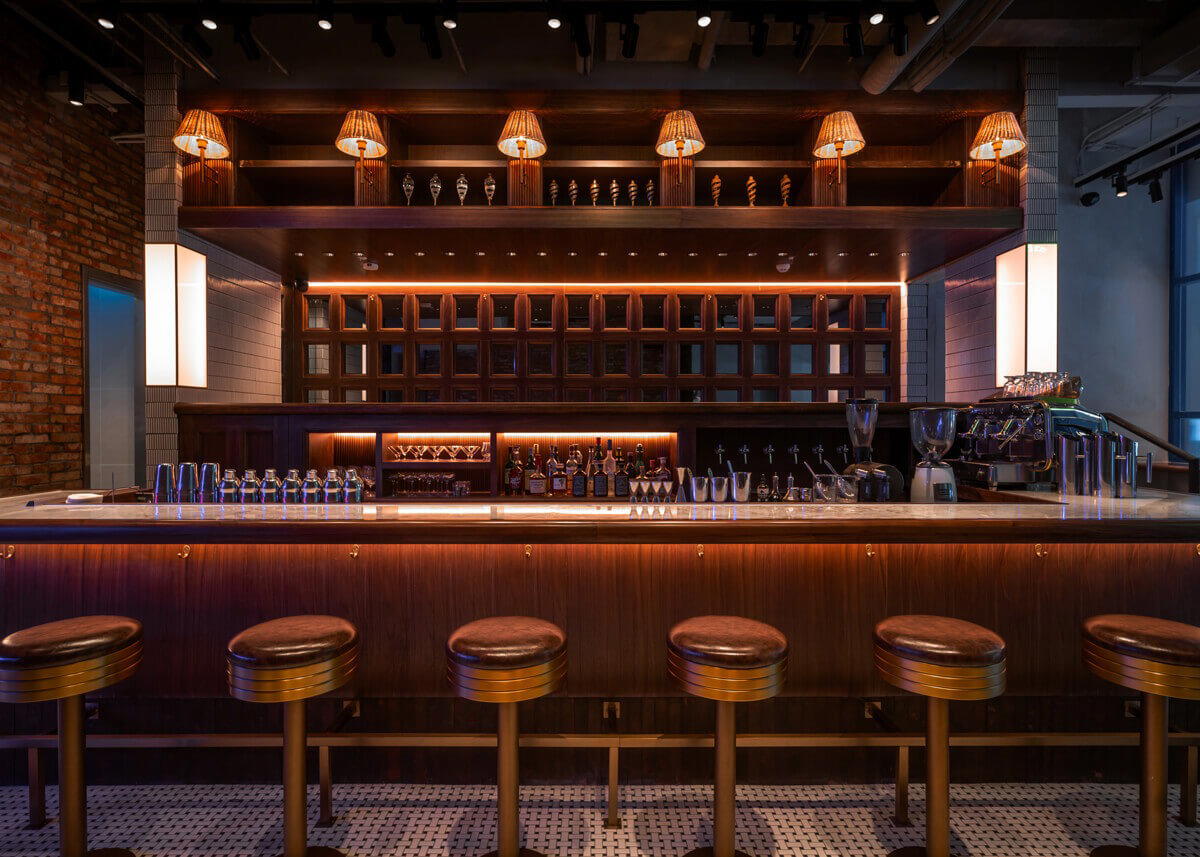
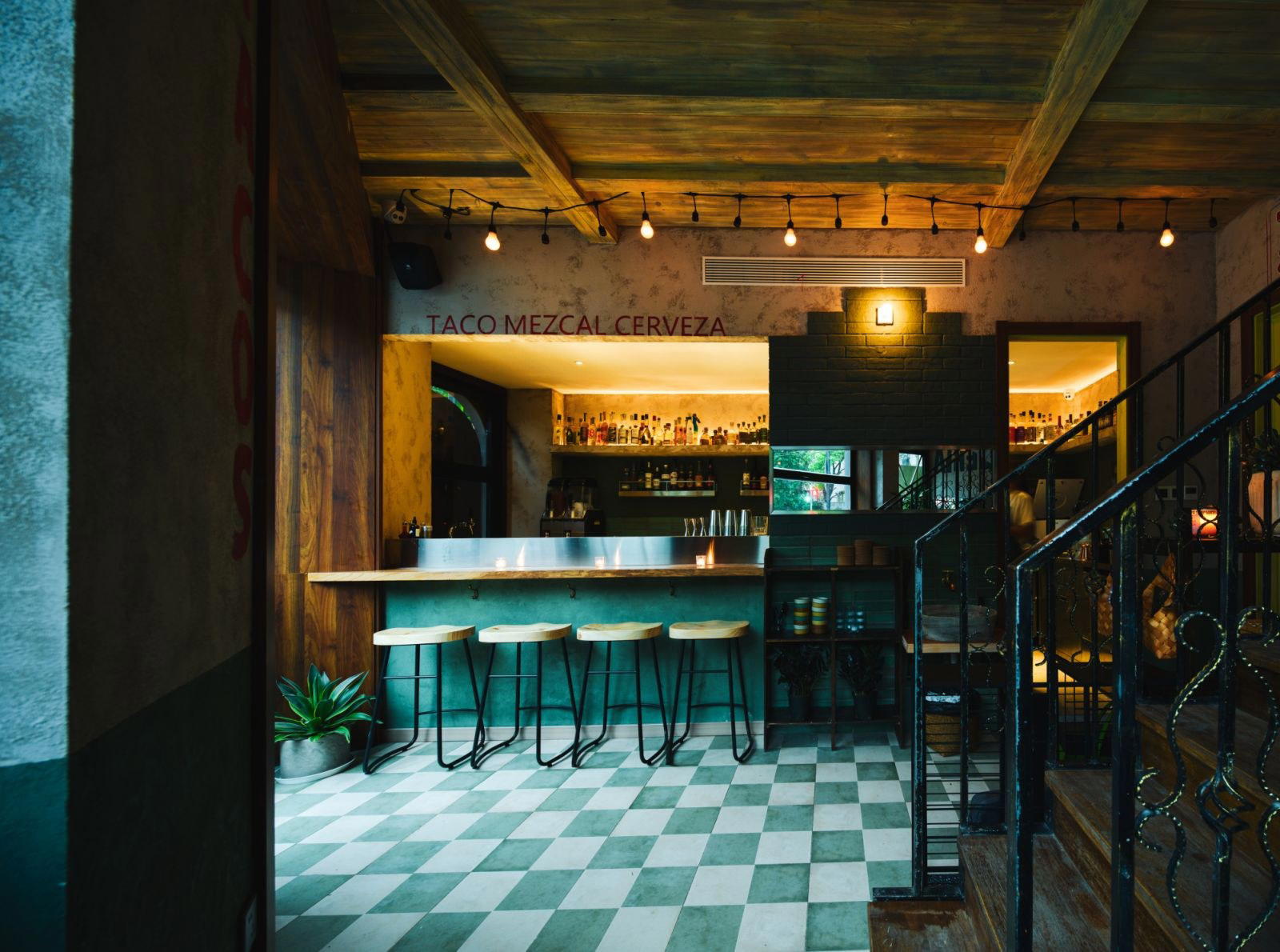
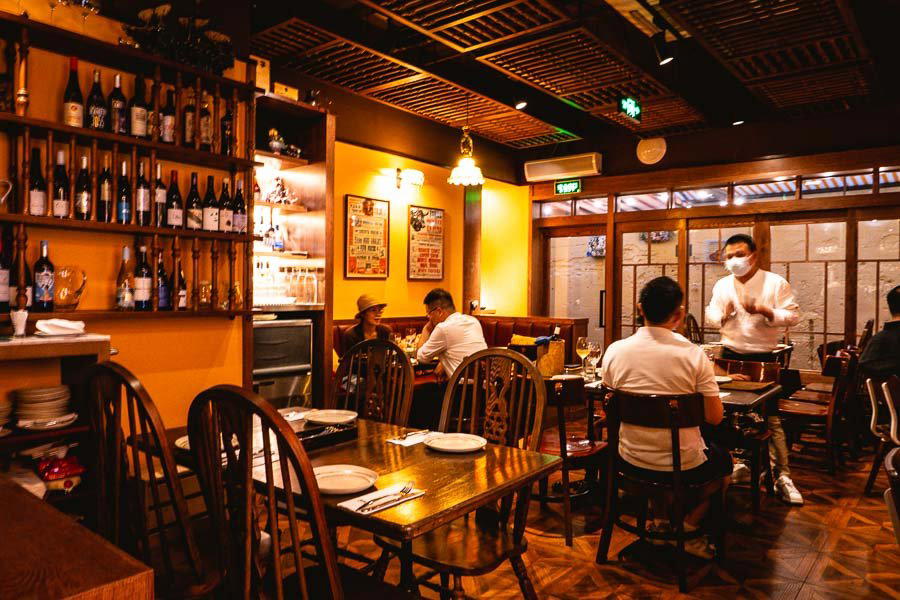
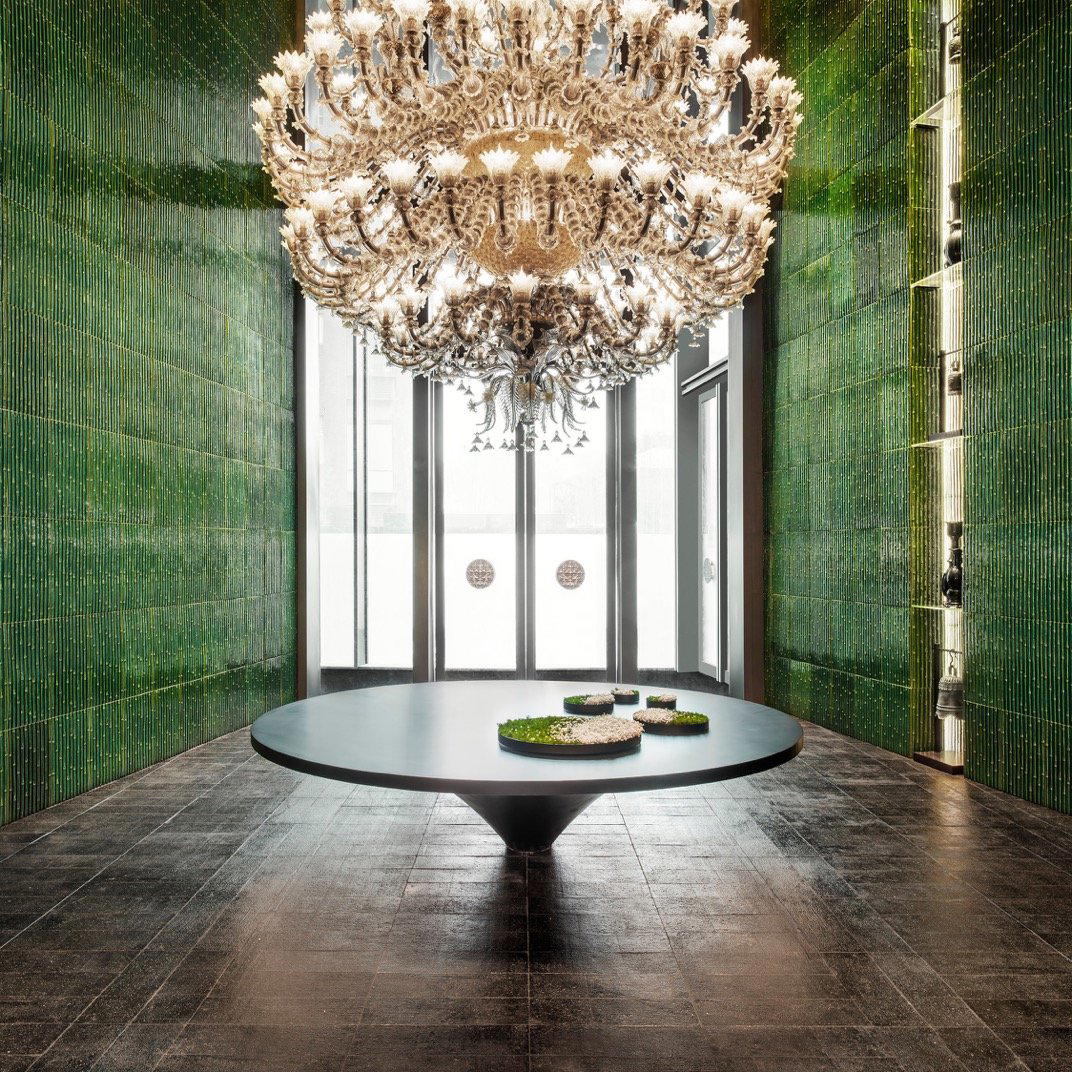
Positioned as a lean luxury hotel with individual interiors inspired by Shanghai and its 1920s style, likely combining contemporary minimalism with locally influenced design details.