
Michelin Selected
Michelin Selected for 2025, Pullman Lijiang Resort and Spa sits at the Shuhe entrance road, positioning it between the UNESCO-listed ancient town and the quieter Shuhe district. The resort format places it in a different competitive tier from Lijiang's intimate boutique properties, trading seclusion for scale and the infrastructure of a full-service international brand.

Pearl is the En Primeur Club membership app — saves, bookings, and concierge access live there. Same editors, same standards.
- Address
- Gucheng District, Lijiang, China, 674101
- Phone
- +86 888 530 0111
- Website
- pullmanhotels.com
- Directions
- Get directions
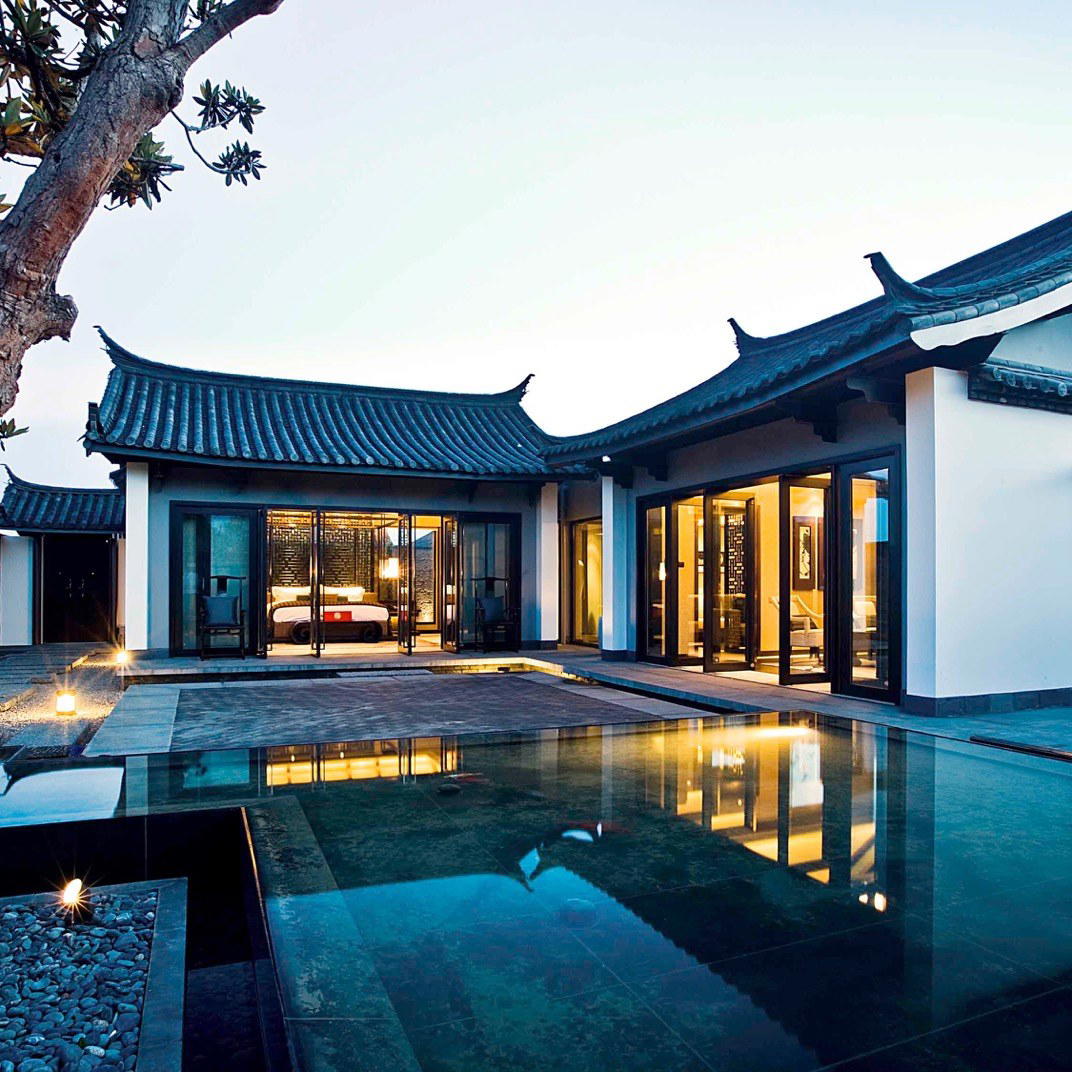
Where the Shuhe Road Meets the Mountains
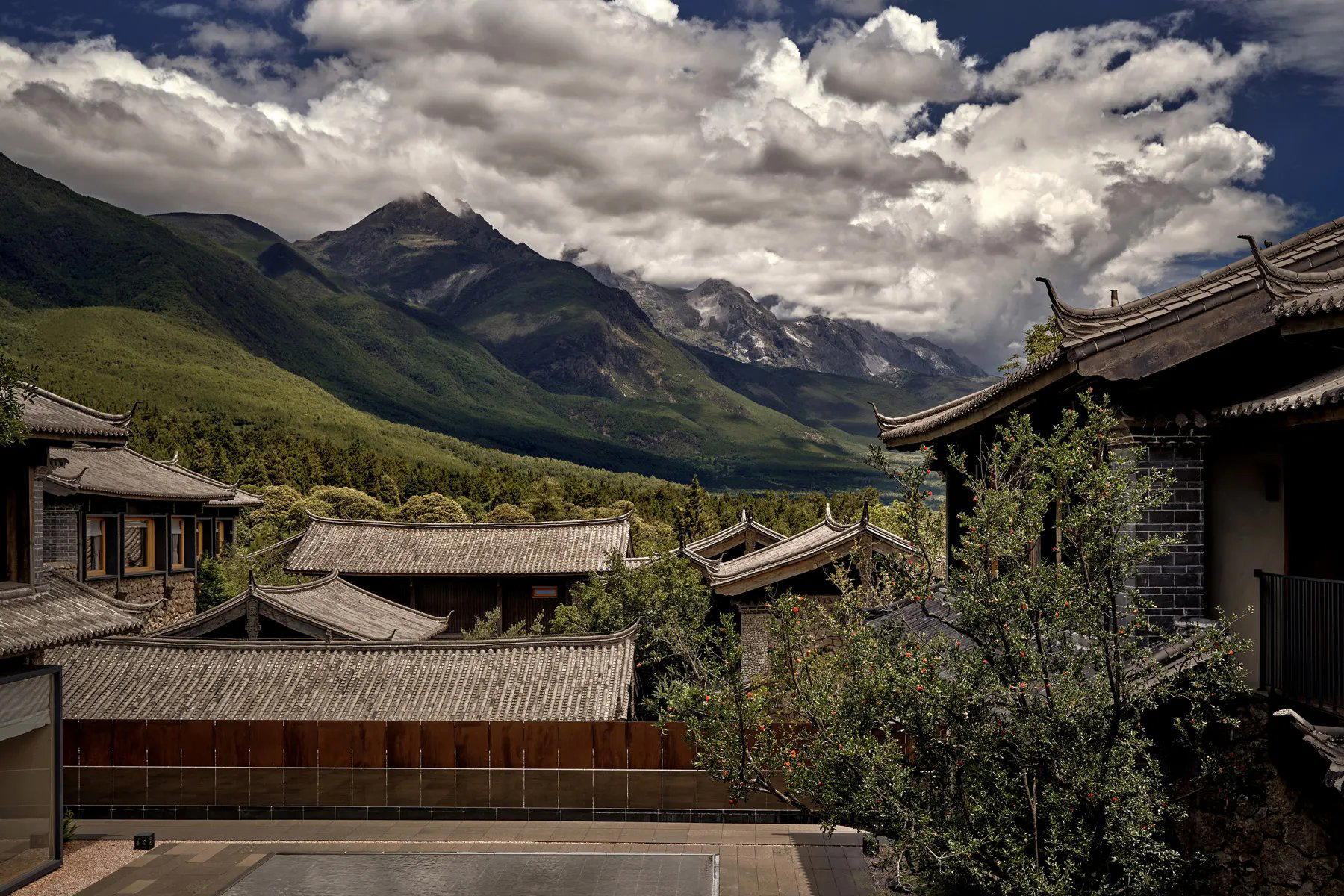
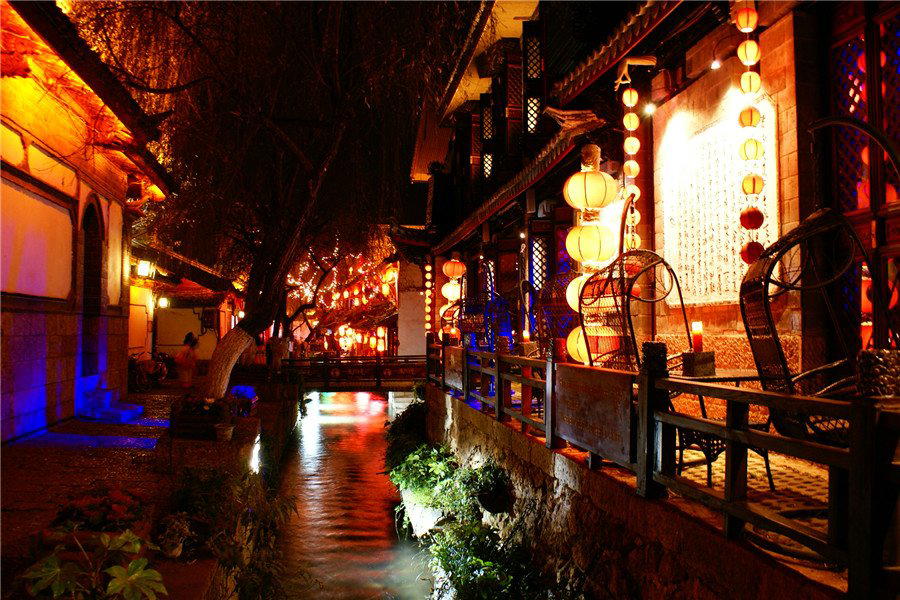
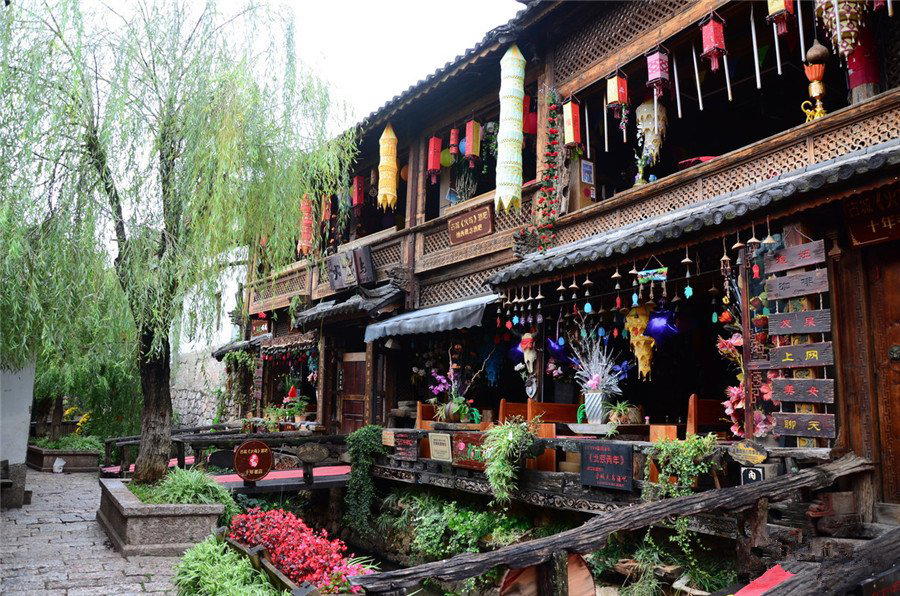
Arriving at the Shuhe entrance to Lijiang, the transition from town to resort happens at altitude. The Jade Dragon Snow Mountain sits on the northern horizon at over 5,500 metres, and the light here shifts faster than in lower Chinese cities: sharp and cold in the morning, amber by late afternoon. Pullman Lijiang Resort and Spa is positioned at this threshold, where the dense tile-and-timber architecture of the ancient town gives way to broader grounds and a scale that no courtyard inn can match. That positioning is a deliberate design statement as much as a logistical one.
Lijiang's hospitality offer has split into two broad categories over the past two decades. On one side sit the international resort brands, which bring consistent infrastructure, multi-language service, and the kind of physical scale that accommodates large groups and conference business. On the other are the design-led boutique properties, from the Aman-tier seclusion of Amandayan to the heritage-referencing rooms of Hylla Vintage Hotel. Pullman Lijiang belongs firmly in the first category, and its 2025 Michelin Selected recognition confirms it competes seriously within that tier rather than simply occupying it by default.
The Architecture of Scale in a UNESCO Setting
Designing a full-service resort in or around a UNESCO World Heritage city requires managing a tension that smaller properties can sidestep. Boutique hotels like Banyan Tree Lijiang and Hotel Indigo Lijiang Ancient Town address that tension through restraint: fewer keys, tighter footprints, materials that echo the Naxi architectural vocabulary of dark timber, stone, and pitched roofs. A resort-scale property cannot use restraint as its primary tool. Instead, the design challenge shifts to integration through proportion and material reference, finding ways to read as Lijiang without pretending to be something it is not.
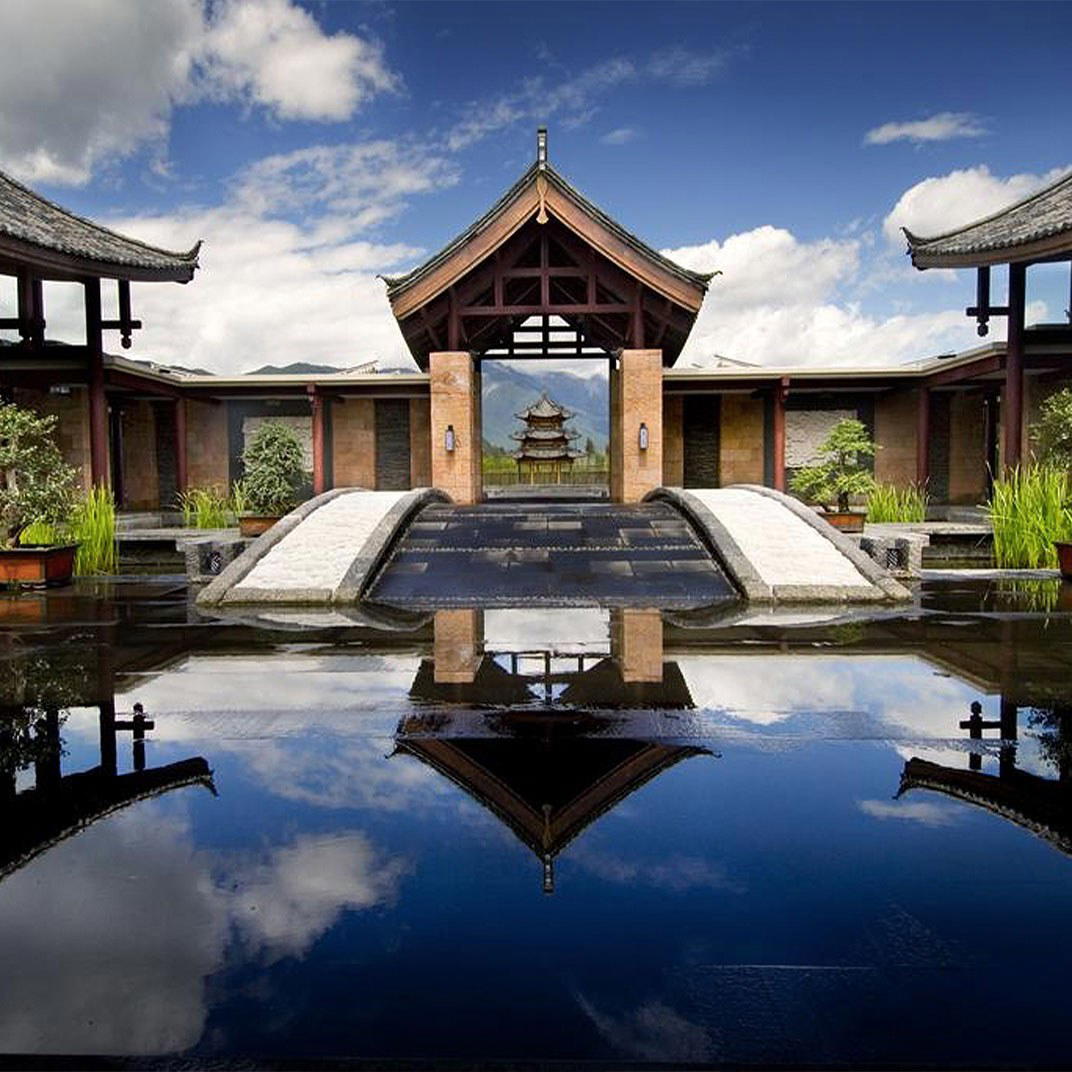
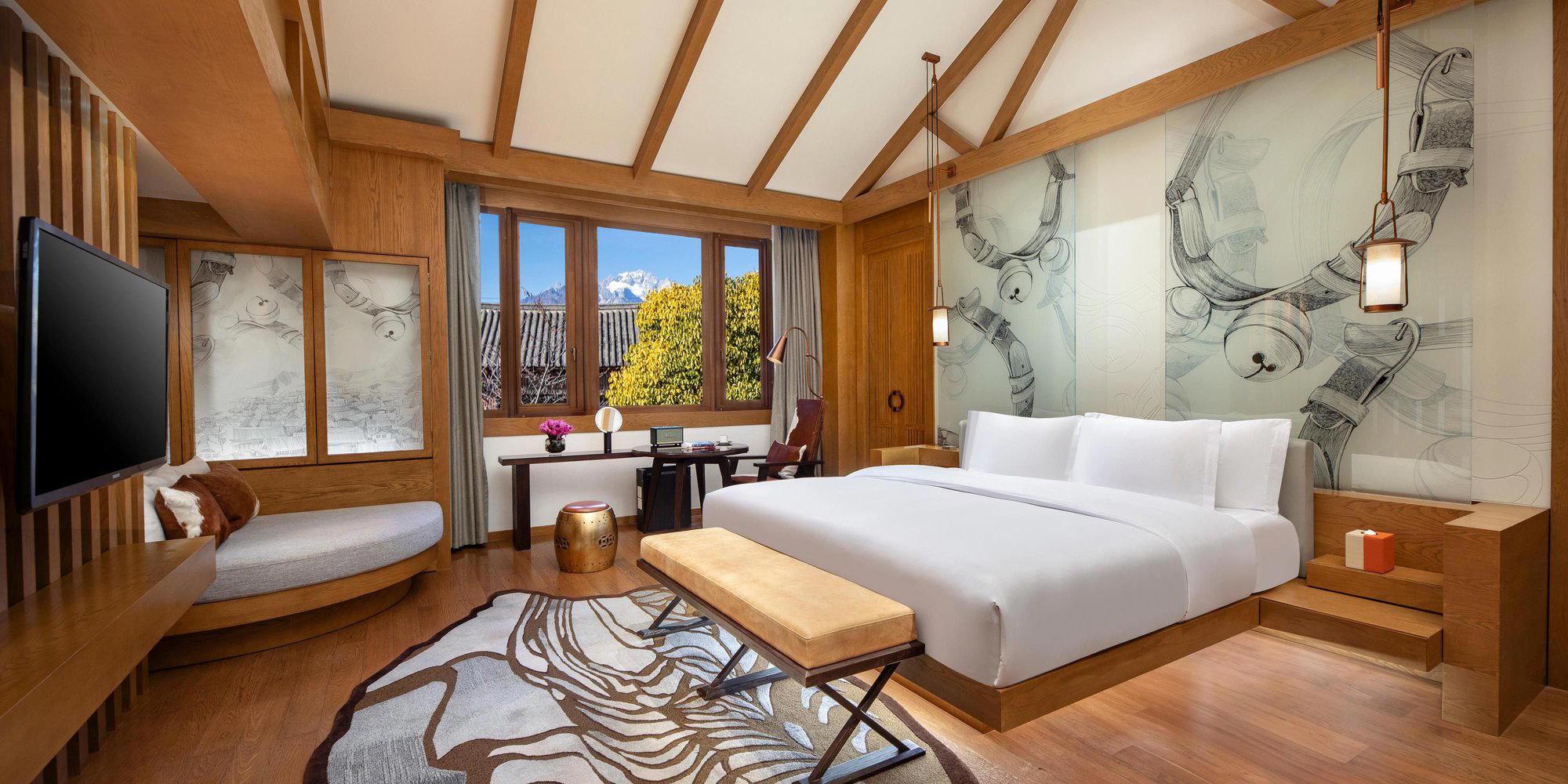
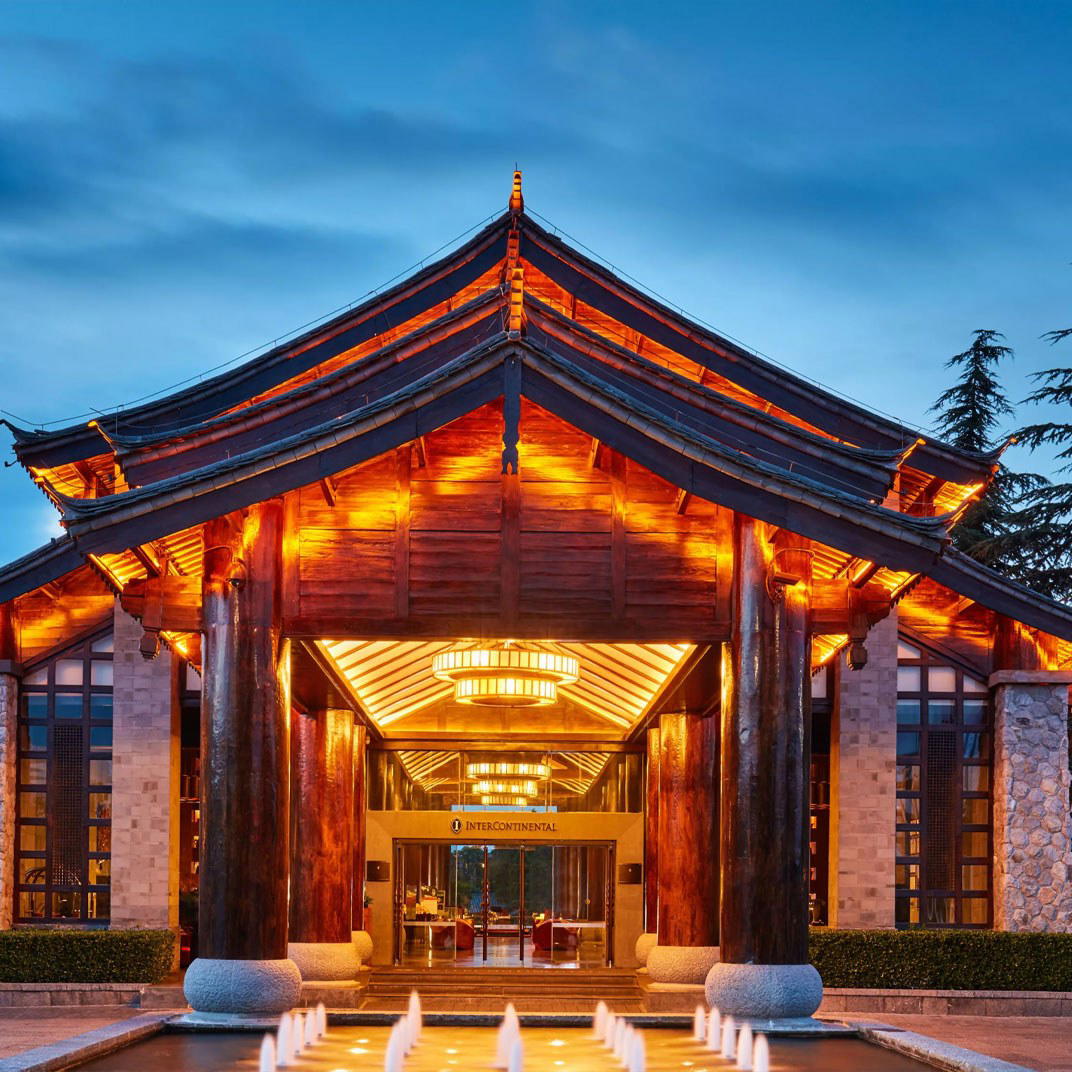
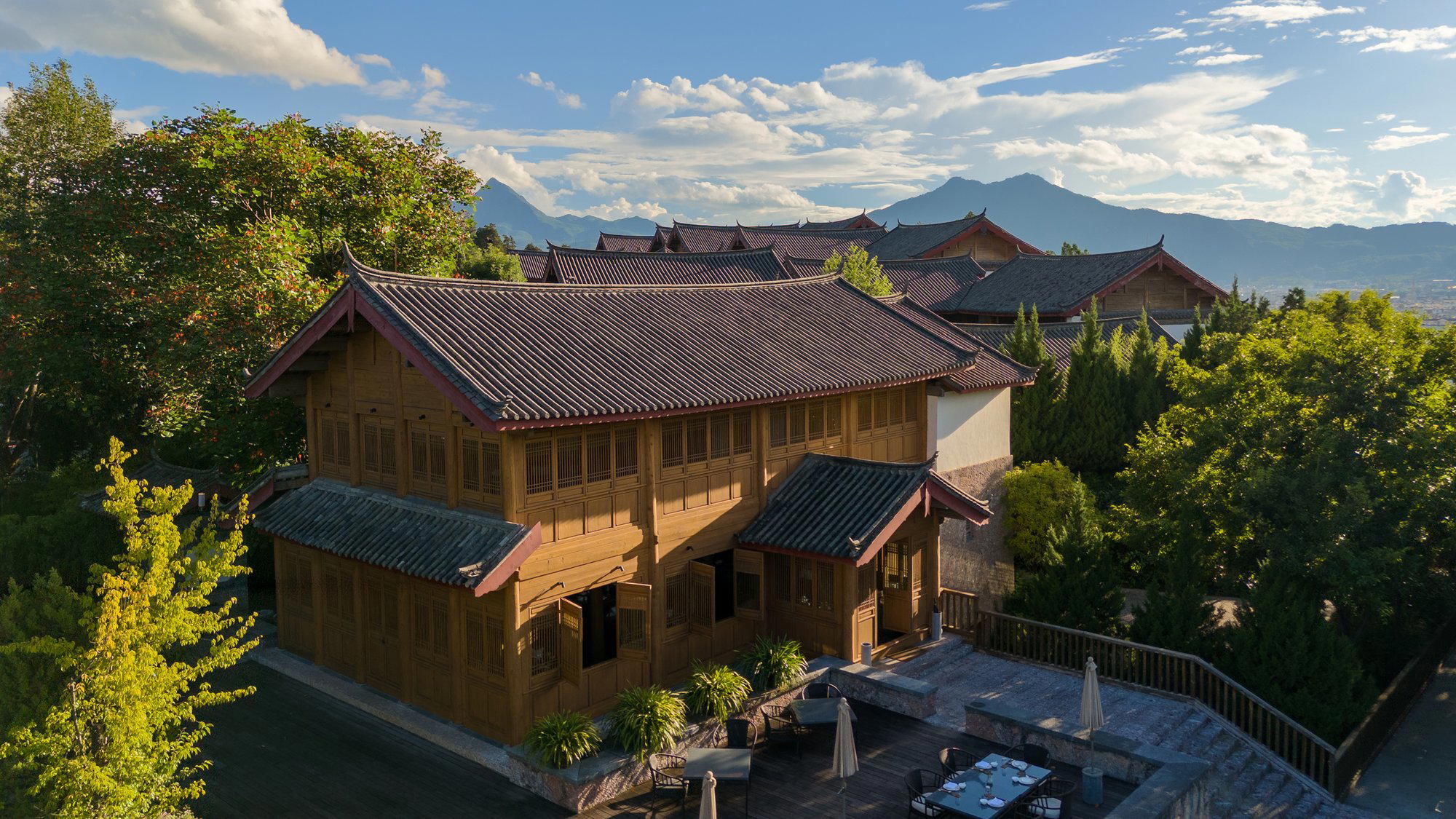
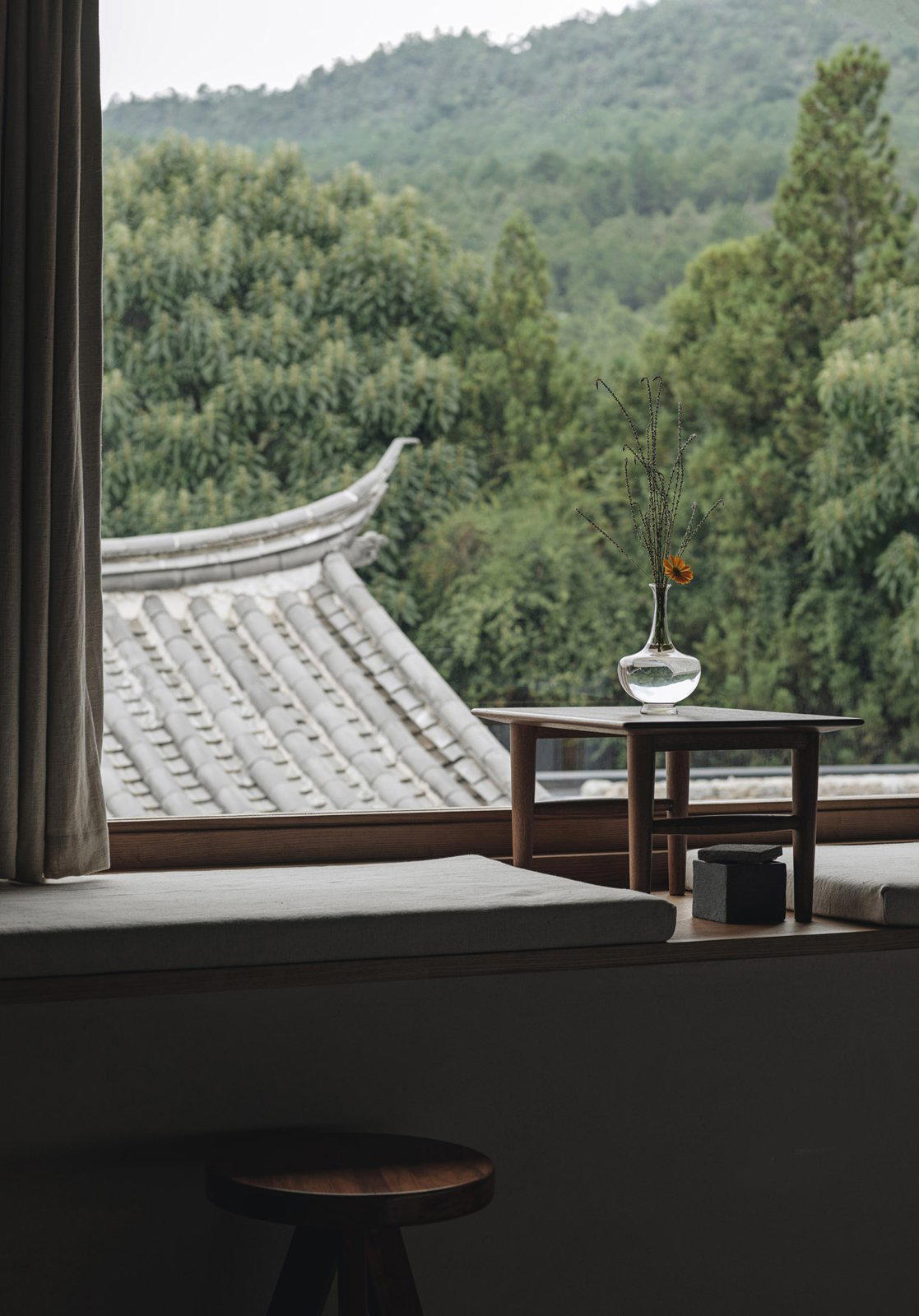
The Pullman Lijiang takes the approach common to the better international resort builds in southwest China: local material gestures applied at resort scale. The tiled rooflines and courtyard-influenced layouts that recur across the property draw from the same visual grammar as the ancient town without attempting a replica. This is an approach that can succeed or disappoint depending on how carefully the transitions between spaces are handled. At the Shuhe entrance, the sequencing of arrival, the movement from gate to lobby to room, is where that judgment shows. The spa infrastructure, pool positioning, and grounds layout at a property of this type typically function as connective tissue between guest rooms and the mountain setting, pulling the eye toward Jade Dragon Snow Mountain rather than inward toward the built structure.
For context, the broader pattern of international-brand resort design in culturally sensitive Chinese destinations, from The Ritz-Carlton in Xi'an to Mandarin Oriental Qianmen in Beijing, has moved steadily toward local architectural reference over the past fifteen years. Properties that ignored that shift in favour of generic resort glass-and-concrete have aged poorly. Those that made considered material choices read as part of their cities even at large scale. Pullman Lijiang's Michelin Selected status suggests it falls in the more considered group.
The Michelin Selection and What It Signals
The Michelin Selected designation, which Pullman Lijiang holds in the 2025 hotel guide, operates differently from the star system applied to restaurants. It indicates that a property has met Michelin's quality threshold across categories including comfort, service consistency, and setting, without claiming the top-tier distinction. Within the Lijiang market, where the full set of Michelin-acknowledged properties includes properties like InterContinental Lijiang Ancient Town Resort, the designation places Pullman Lijiang in a small peer group validated by an external editorial authority rather than by the property's own marketing.
That external validation matters in a destination like Lijiang, where the supply of premium accommodation has grown substantially and the range of quality is wide. Visitors comparing options across our full Lijiang restaurants and hotels guide will find that Michelin's selection process in China has become one of the more reliable filters for separating properties that deliver consistent standards from those that depend on setting alone to carry the experience.
Lijiang's Place in China's Western Luxury Circuit
Lijiang sits at the northern end of Yunnan Province, roughly 2,400 metres above sea level, which already distinguishes it from the lowland city hotel experience. The combination of altitude, Naxi cultural heritage, and proximity to Jade Dragon Snow Mountain has made it one of the reference points for culturally grounded luxury travel in western China, alongside Lhasa and the Tibetan plateau properties such as Songtsam Linka Retreat Lhasa and Songtsam Meili Lodge further north in Diqing. Visitors to this circuit tend to weight setting and cultural specificity heavily in their hotel choice, which is why the design decisions described above carry real commercial consequence.
Within China's broader luxury hotel network, Pullman Lijiang connects to a pattern visible across the country: international brand flags anchoring premium supply in second- and third-tier cities that have emerged as serious leisure destinations. Properties like InterContinental Chongqing Raffles City, The Hanyu Garden Reserve Suzhou, and Hangzhou Muh Shoou Xixi Hotel all represent versions of the same dynamic: a global or major national brand bringing service infrastructure to a destination whose draw is entirely local and cultural. The brand provides reliability; the destination provides meaning. When the relationship works, it produces hotels that serve both international visitors needing consistency and domestic travellers seeking a polished version of a place they already know.
Planning a Stay
The Shuhe entrance road address places Pullman Lijiang between the main ancient town and the quieter Shuhe Old Town, which is smaller, less commercialised, and preferable for those wanting access to the UNESCO-listed lanes without the peak-season crowds. Lijiang's high season runs from July through early October and again over Chinese Golden Week holidays in early May and early October; rates and room availability shift substantially across those periods, and booking lead times for Michelin-recognised properties in peak season extend to several weeks at minimum. Altitude acclimatisation is a practical consideration for visitors arriving from sea-level cities: the 2,400-metre elevation affects sleep quality and exertion tolerance for the first day or two, which is relevant when planning arrival-day activities. For broader regional context and properties across the China premium hotel circuit, see our coverage of LN Hotel Five in Guangzhou, Yihe Mansions in Nanjing, Conrad Urumqi, Conrad Xiamen, The St. Regis Shenzhen Bao'an, JW Marriott Hotel Shanghai at Tomorrow Square, and Star Tower at Studio City Macau. For properties outside China, reference points in resort-scale mountain and alpine contexts include Badrutt's Palace Hotel in St. Moritz and Hôtel de Paris Monte-Carlo, and for a contrasting urban luxury benchmark see The Fifth Avenue Hotel in New York City. Additional Yunnan and southwest China context is available through Tian Ranju Inn in Tian Tou Zhai and Banyan Tree Sanya.
Side-by-Side Snapshot
Comparable venues nearby, for context on price, style, and recognition.
| Venue | Cuisine | Price | Awards | Notes |
|---|---|---|---|---|
| Pullman Lijiang Resort and SpaThis venue — the venue you are viewing | Low-rise designer resort inspired by Naxi ethnic architecture blended with contemporary Chinese interiors set amid gardens. | Not listed | Michelin Selected | Not listed |
| InterContinental Lijiang Ancient Town Resort | Traditional Naxi village resort with contemporary luxury integrated into low-rise houses and courtyards | Not listed | 1 Michelin Key | Lijiang Ancient Town |
| Hylla Vintage Hotel | Vintage design collection hotel blending Naxi heritage with modern comforts | $100–200 | Leading Hotels of World Member | Yanjiao Village, Baisha |
| Hotel Indigo Lijiang Ancient Town | Modern luxury resort with traditional Naxi architecture and Tea Horse Caravan Trail cultural theming integrated throughout the property. | $100–200 | Michelin Selected · World Travel Awards | Old Town District |
| Banyan Tree Lijiang | Naxi-inspired luxury resort blending oriental tradition with contemporary comfort | $200–300 | Michelin Selected | Shuhe |
| Amandayan | Contemporary luxury resort integrated into UNESCO World Heritage Site with traditional Naxi courtyard architecture and modern Aman standards. | $500–750 | 1 Michelin Key · Virtuoso Luxury Hotel Partner | Dayan Old Town |
Recognition history
Dated appearances from independent guides and award organizations, with the underlying list record or original source where available.
Michelin Selected
Michelin
Details
- Scenic
- Elegant
- Quiet
- Sophisticated
- Romantic Getaway
- Family Vacation
- Wellness Retreat
- Weekend Escape
- Panoramic View
- Garden
- Spa
- Wi Fi
- Pool
- Room Service
- Concierge
- Kids Club
- Mountain
- Garden
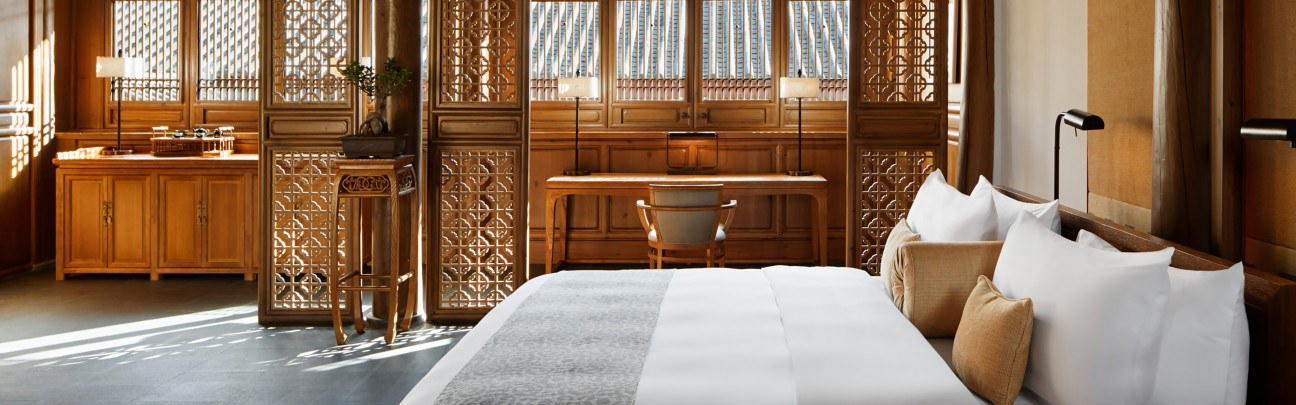
Serene and peaceful with garden landscapes, artificial lake, and a quiet environment providing privacy and respite from crowds.