

Named Yunnan's Leading Boutique Hotel at the 2025 World Travel Awards, Hotel Indigo Lijiang Ancient Town occupies the Gucheng District, where cobblestone lanes and Naxi architecture set the scene. The property sits within the UNESCO-listed old town, placing guests inside one of Yunnan's most historically layered urban environments rather than at its edge.
Pearl is the En Primeur Club membership app — saves, bookings, and concierge access live there. Same editors, same standards.
- Address
- Gucheng District, Lijiang, China, 674100
- Phone
- +86 888 559 9111
- Website
- ihg.com
- Directions
- Get directions
 Saves & bookings on Pearl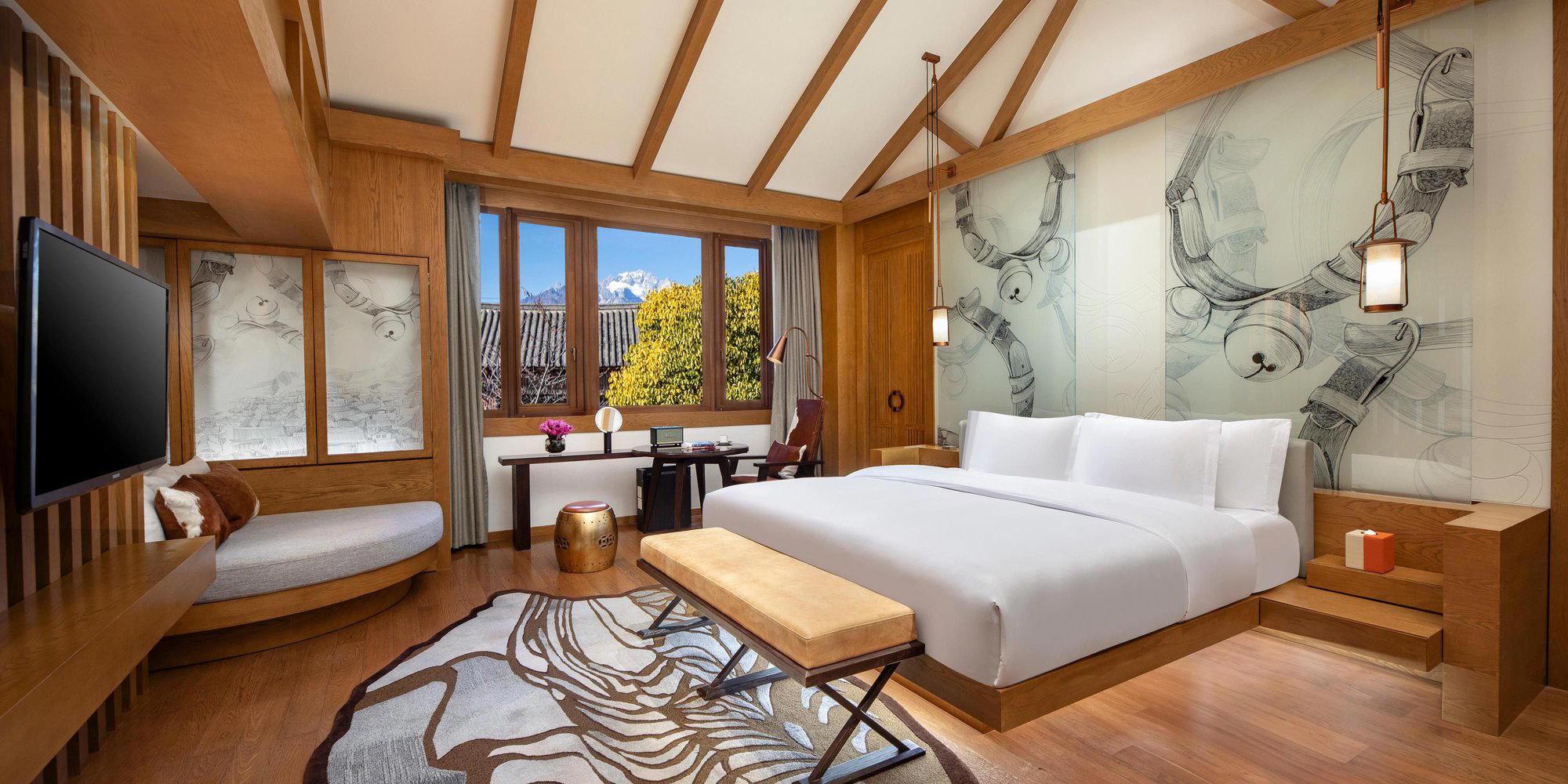
Stone Lanes, Courtyard Thresholds, and the Architecture of Arrival
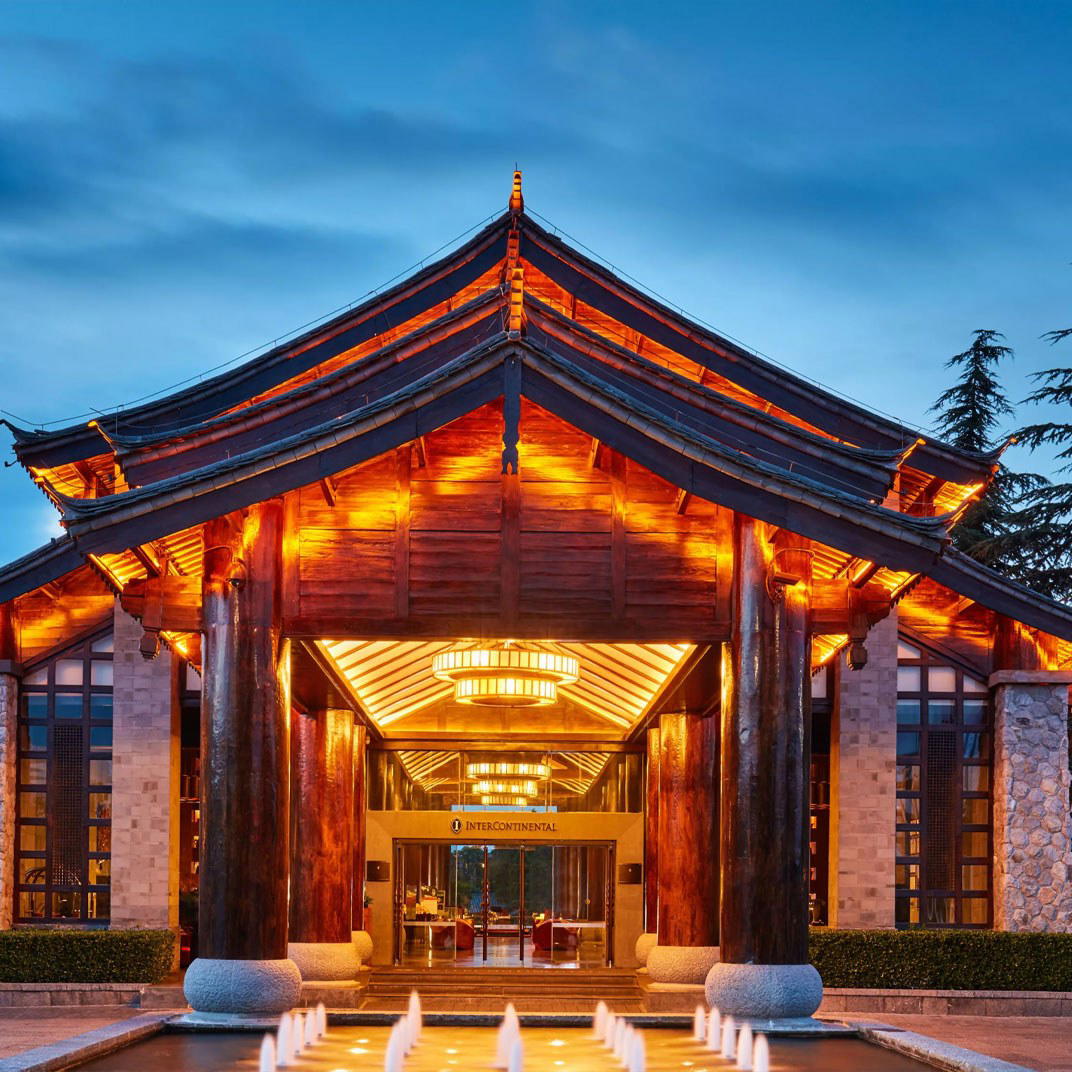
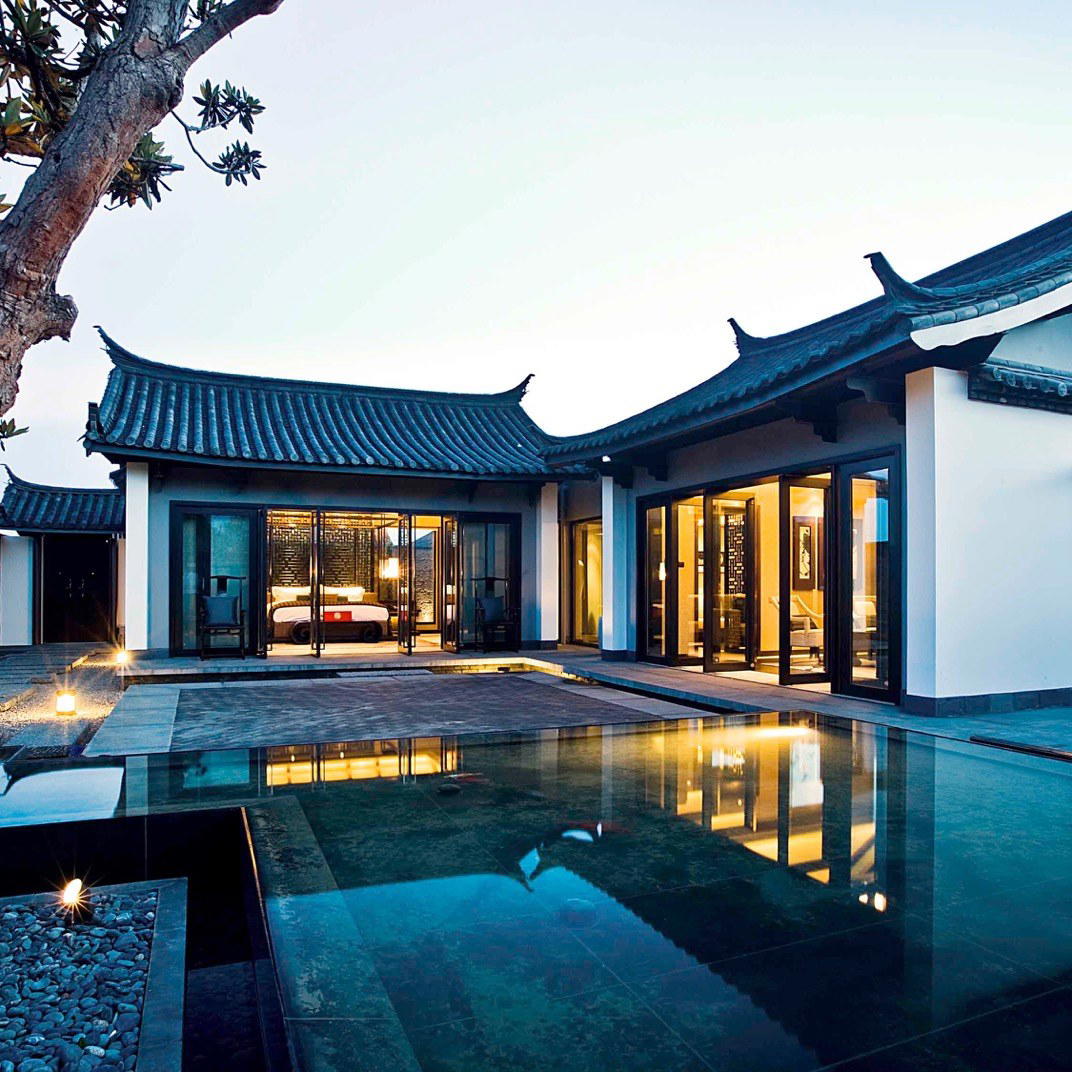
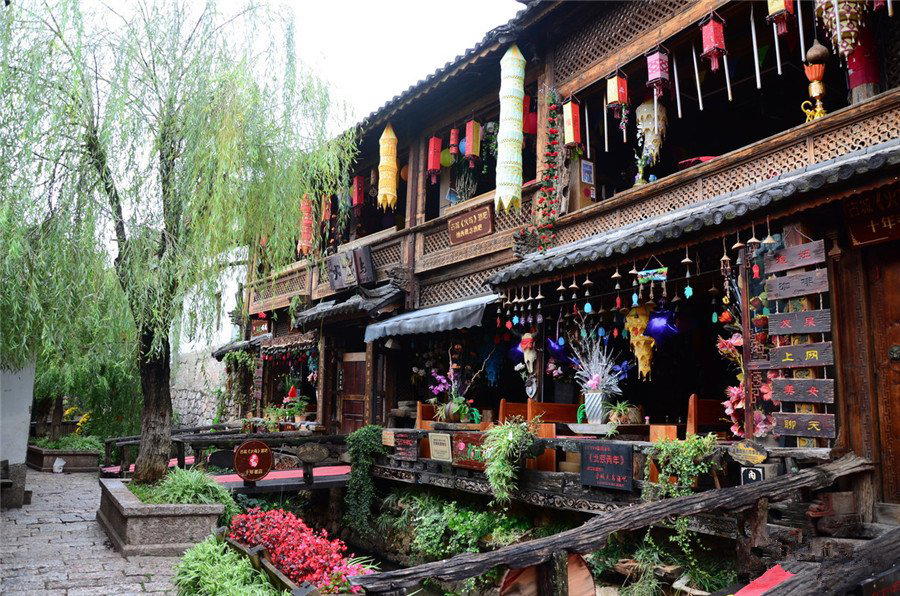
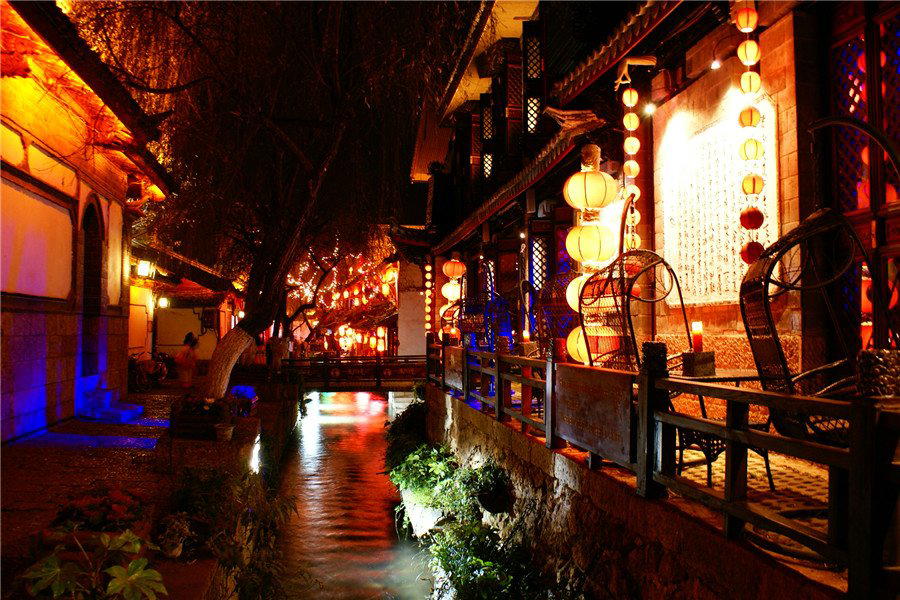
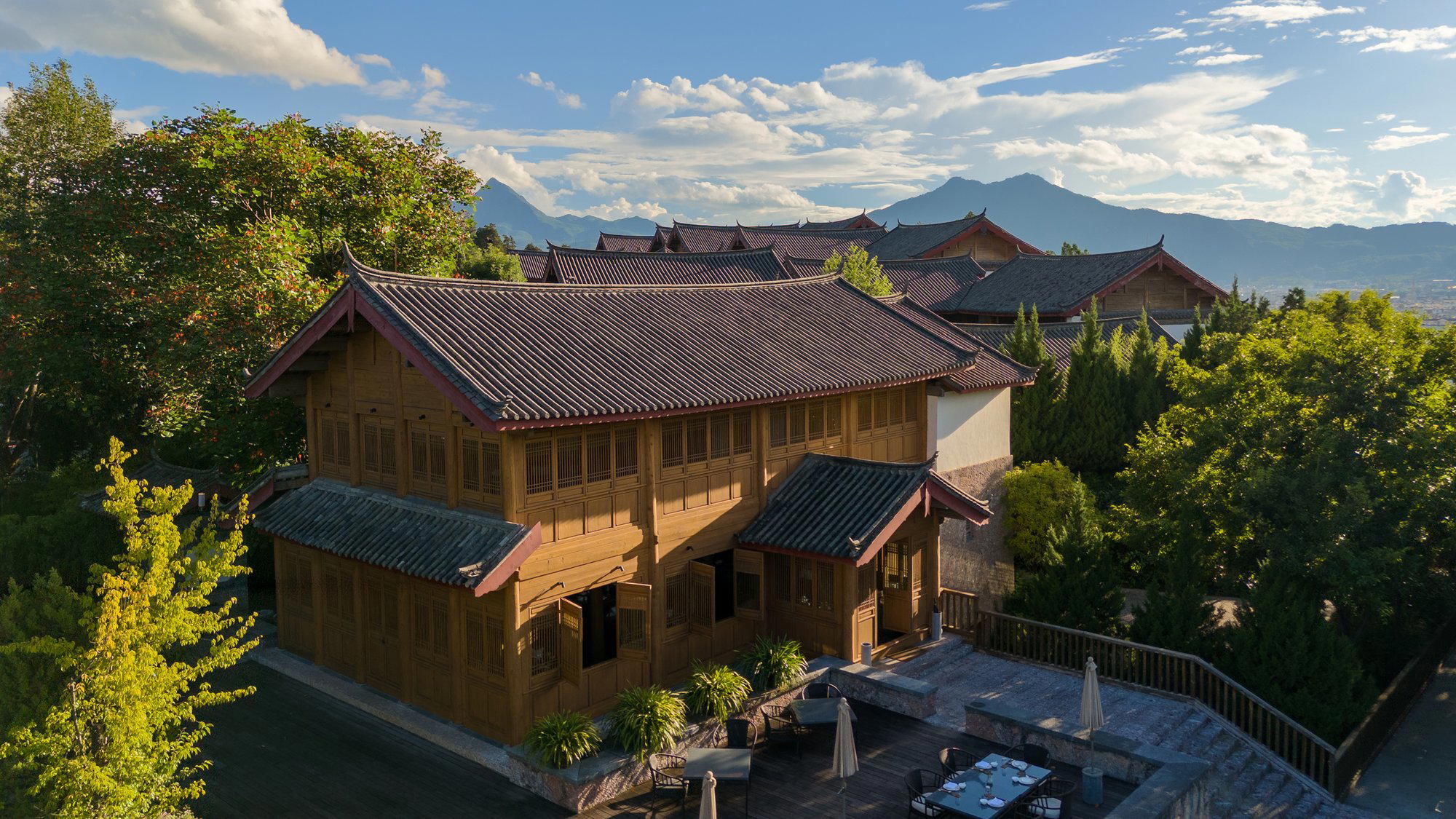
Hotel Indigo Lijiang Ancient Town is a 4-star hotel in Gucheng District, Lijiang, with rooms from about US$145 per night. Lijiang's ancient town operates on a human scale that most Chinese cities abandoned decades ago. The Gucheng District moves on foot and water: narrow flagstone alleys, open irrigation channels running alongside doorways, and buildings that hold to the low-profile Naxi timber-and-tile vocabulary that UNESCO recognised when it listed the old town in 1997. Arriving at Hotel Indigo Lijiang Ancient Town means arriving through that urban fabric rather than past it. There is no forecourt sweep, no porte-cochere visible from a ring road. The transition from street to property is gradual, which is precisely the point.
In a district where the line between heritage site and hotel zone is contested terrain, a property's relationship with its immediate architecture matters more than its amenity list. The Indigo brand sits in the IHG family and has built its positioning around neighbourhood character and locally inflected design, a deliberate contrast to the standardised floor plans of the group's larger flags. In Lijiang, that approach aligns well with a city that has spent years managing the tension between mass tourism and the physical integrity of a 800-year-old settlement.
Where This Property Sits in Lijiang's Accommodation Tier
Lijiang's premium accommodation market has split into two recognisable camps. On one side sit the ultra-low-key, allocation-driven retreats, with Amandayan at the apex: a handful of pavilions above the old town, priced and positioned for travellers who treat the destination as a contemplative escape. On the other side sits a broader boutique tier, design-attentive and old-town-adjacent, where properties like Hylla Vintage Hotel compete on atmosphere and location rather than amenity volume.
Hotel Indigo Lijiang Ancient Town occupies a credible position in that second tier. The 2025 World Travel Awards recognition as Yunnan's Leading Boutique Hotel is the clearest external signal of where it ranks: ahead of anonymous mid-market options, and recognised within the province's hospitality conversation rather than just city-level. For Yunnan, a province with a growing number of design-led properties in Dali and Xishuangbanna, that provincial-level award carries weight. Properties like Banyan Tree Ringha in and Green Lake Hotel Kunming sit within the same regional conversation.
For travellers comparing across China's heritage-city hotel stock, the frame expands further. Properties like Amanfayun in Hangzhou demonstrate what immersive historic-site lodging looks like at the ultra-luxury end. At the international scale, Mandarin Oriental Qianmen in Beijing and JW Marriott Hotel Shanghai at Tomorrow Square show how major groups approach Chinese heritage contexts differently. Hotel Indigo's brief is narrower and more neighbourhood-specific than any of those, which is its functional advantage in Lijiang.
Service Framing in a Heritage Context
Boutique hotel service in Chinese heritage towns tends to fall into one of two modes. The first is performative: staff in period costume, scripted welcomes, an elaborated local ritual presented as an amenity. The second is functionally attentive: a smaller team with enough property knowledge to operate as genuine interpreters of place, handling the granular logistics that matter in a pedestrian old town where taxis cannot reach the door and luggage arrives by hand-pulled cart.
The Indigo brand's service model leans toward the second approach, which fits Gucheng's physical constraints. When a property sits inside a car-free historic district, the guest experience depends on whether staff can manage the gap between the drop-off point and the room efficiently. That logistical competence, replicated across arrival, local navigation, and departure, is what separates functional boutique service from frustrating boutique service. It is also harder to replicate than a polished lobby.
The World Travel Awards recognition reflects the kind of consistent delivery that accumulates through guest experience rather than press releases. Provincial-level boutique awards in competitive Chinese markets require sustained performance across multiple review cycles, not a single strong season. For the IHG flag to earn that in Yunnan, where the independent boutique market is active and growing, is a meaningful signal about operational consistency.
The Old Town as Context, Not Backdrop
Lijiang's Gucheng District attracts over four million visitors annually, which creates a particular challenge for any property trying to offer genuine immersion rather than themed adjacency. The central Sifang Street area fills quickly in peak season, particularly during Chinese national holidays and the warmer months from April through October. A property's exact position within Gucheng therefore matters: proximity to the commercial core trades off against quiet and residential character. Streets further from Sifang and the main tourist axes retain more of the neighbourhood's working-day rhythm.
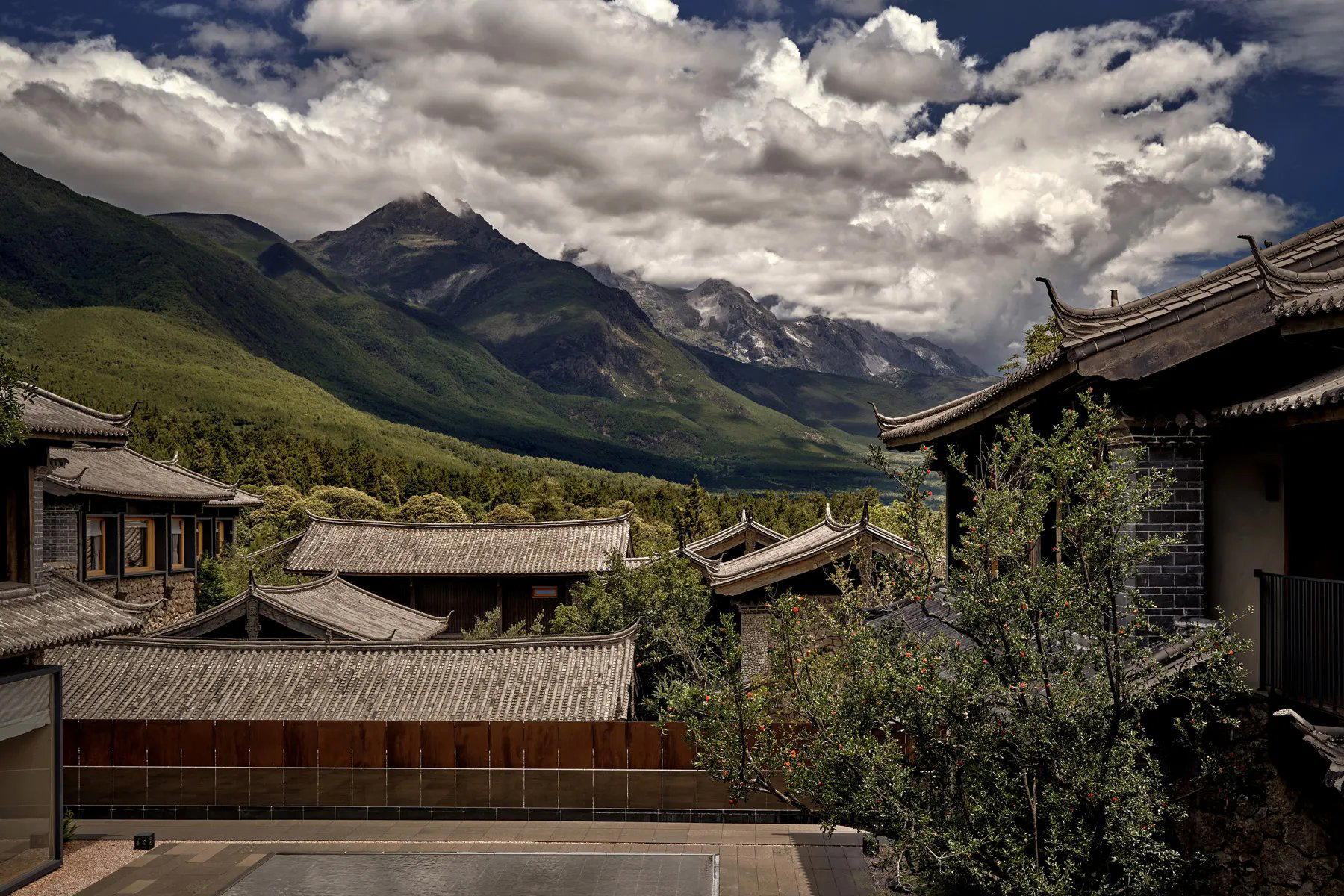
The altitude is a practical factor that any Lijiang planning conversation should include: the old town sits at approximately 2,400 metres, and visitors arriving from lower-altitude Chinese cities, or from international origins, should expect a short acclimatisation period. Scheduling the first day as a lower-exertion arrival day is sensible. For the broader Yunnan itinerary, Lijiang typically connects with Dali to the south and to the north, the latter accessible by road or a short flight. Travellers extending northwest might consider properties like Banyan Tree Ringha in for that leg.
Those building a wider China circuit can look at contrasting heritage and urban experiences: Xiamen Yunding Resort for coastal southern China, Conrad Jiuzhaigou for Sichuan's national park corridor, or 1 Hotel Haitang Bay, Sanya for a complete tonal shift to resort coast.
Planning Your Stay
The hotel is located within the Gucheng District at the UNESCO-listed old town. Because the core of the ancient town is pedestrianised, vehicle access is restricted; most guests are met at a designated drop-off point on the district's edge, with luggage handled from there. Booking direct through the hotel or a verified travel agent is the standard approach.
Where It Fits
Comparable venues nearby, for context on price, style, and recognition.
| Venue | Cuisine | Price | Awards | Notes |
|---|---|---|---|---|
| Hotel Indigo Lijiang Ancient TownThis venue — the venue you are viewing | Modern luxury resort with traditional Naxi architecture and Tea Horse Caravan Trail cultural theming integrated throughout the property. | $$$ | 4-Star | Not listed |
| InterContinental Lijiang Ancient Town Resort | Traditional Naxi village resort with contemporary luxury integrated into low-rise houses and courtyards | $$$$ | 5-Star | Lijiang Ancient Town |
| Hylla Vintage Hotel | Vintage design collection hotel blending Naxi heritage with modern comforts | $$$$ | 5-Star | Yanjiao Village, Baisha |
| Pullman Lijiang Resort and Spa | Low-rise designer resort inspired by Naxi ethnic architecture blended with contemporary Chinese interiors set amid gardens. | $$$$ | 5-Star | Shuhe Ancient Town |
| Banyan Tree Lijiang | Naxi-inspired luxury resort blending oriental tradition with contemporary comfort | $$$$ | 5-Star | Shuhe |
| Amandayan | Contemporary luxury resort integrated into UNESCO World Heritage Site with traditional Naxi courtyard architecture and modern Aman standards. | $$$$ | Michelin 1 Key | Dayan Old Town |
Recognition history
Dated appearances from independent guides and award organizations, with the underlying list record or original source where available.
Michelin Selected
Michelin
World Travel Awards
World Travel Awards
At a Glance
- Romantic
- Classic
- Scenic
- Elegant
- Romantic Getaway
- Family Vacation
- Garden
- Terrace
- Historic Building
- Design Destination
- Panoramic View
- Destination Spa
- Wi Fi
- Pool
- Spa
- Fitness Center
- Room Service
- Concierge
- Business Center
- Restaurant
- Kids Club
- Mountain
- Garden
- Wi Fi
- Pool
- Spa
- Fitness Center
- Room Service
- Concierge
- Business Center
- Restaurant
- Kids Club
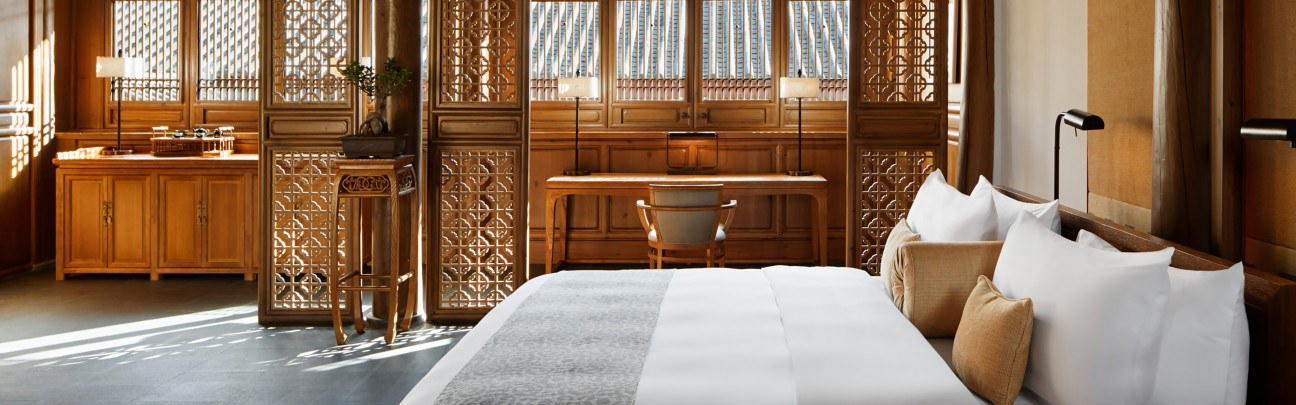
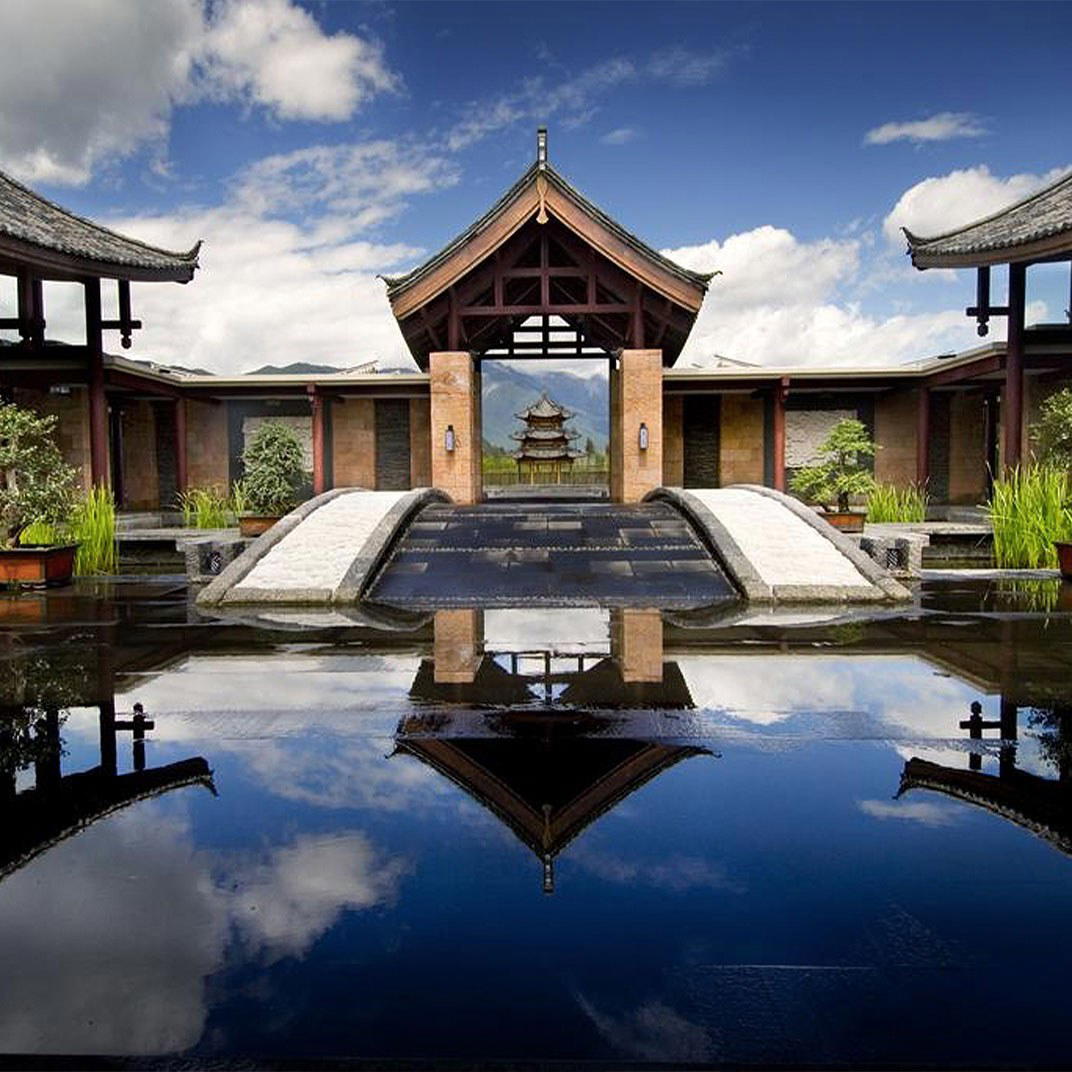
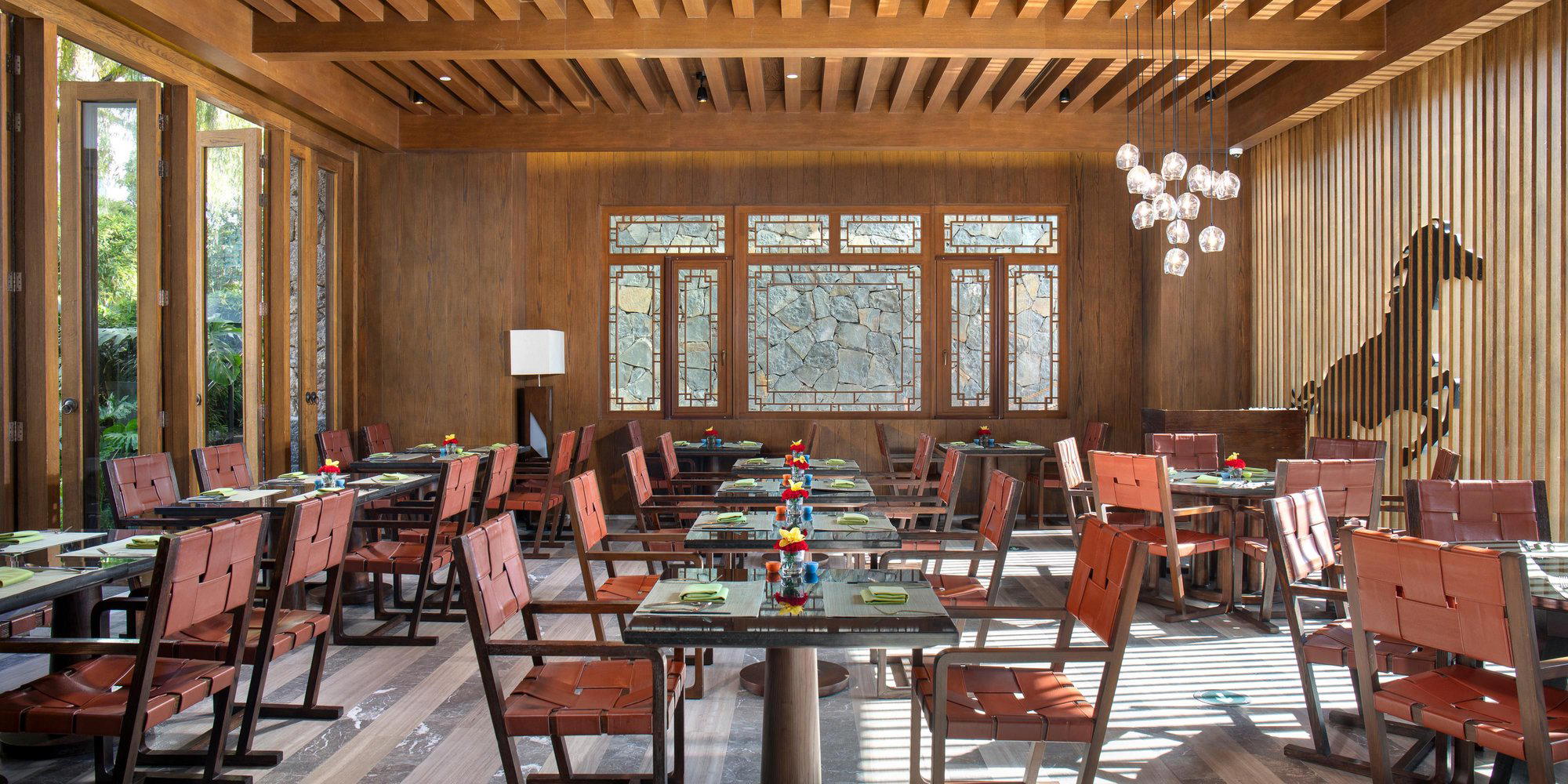
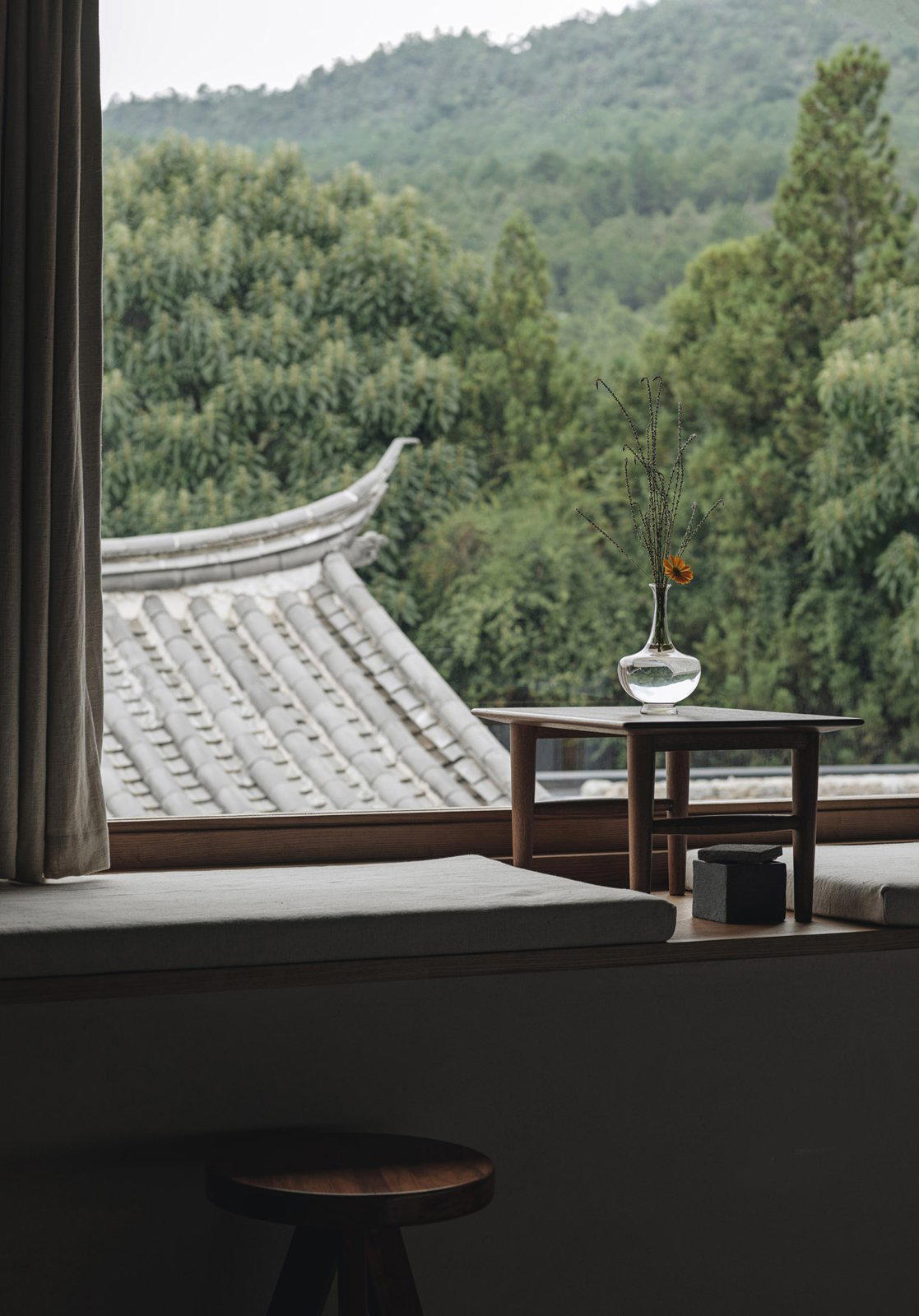
Contemporary classic aesthetic blending modern luxury with traditional Naxi elements; serene garden setting with warm, intimate lighting and culturally rich décor featuring horse saddle furnishings and Jade Dragon Snow Mountain murals.