

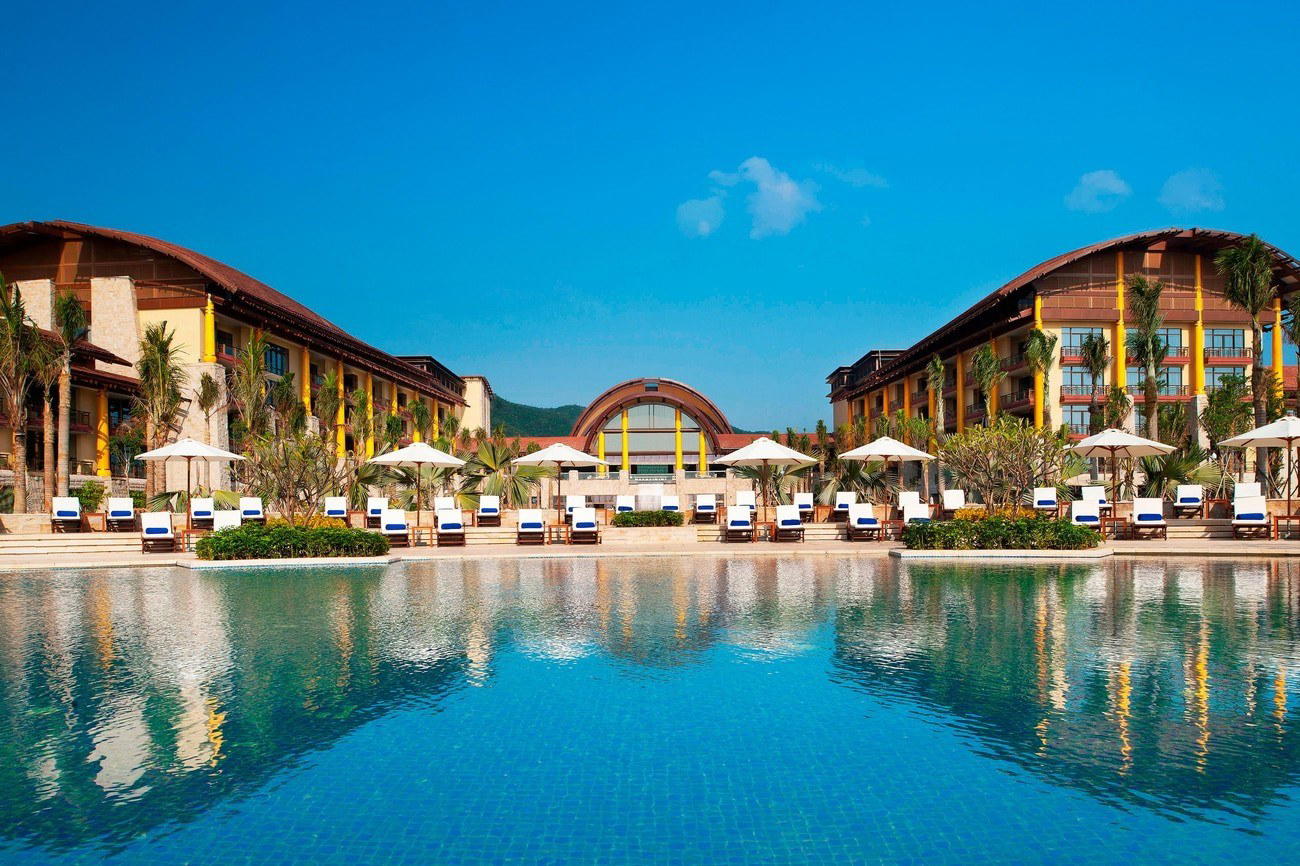
Banyan Tree Sanya occupies Luhuitou Bay with 49 private pool villas set within tropical gardens on Hainan Island. The property sits in the villa-led, couples-focused tier of Sanya's luxury resort market, with destination dining, locally sourced furnishings, and a spa program built on 350-plus hours of therapist training. A 45-minute taxi ride from Sanya Phoenix International Airport.
Pearl is the En Primeur Club membership app — saves, bookings, and concierge access live there. Same editors, same standards.
- Address
- Hai Nan Sheng, San Ya Shi, Ji Yang Qu, 鹿岭路6号 邮政编码: 572004
- Phone
- +86 898 8860 9988
- Website
- gc.synxis.com
- Directions
- Get directions
 Saves & bookings on Pearl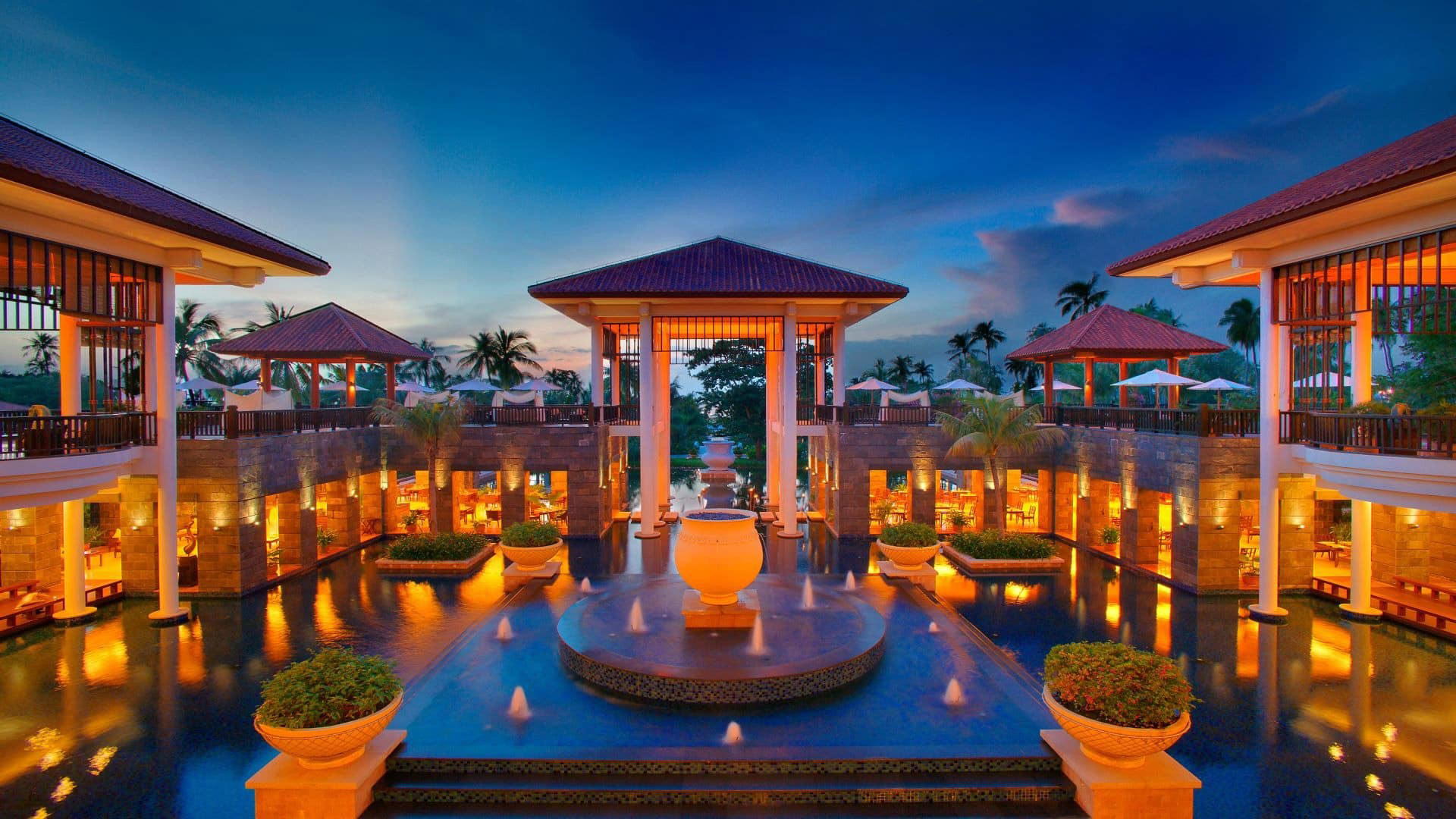
Where Hainan's Tropical Edge Meets Private-Pool Seclusion
Luhuitou Bay sits at Sanya's southern tip, separated from the broader Yalong Bay resort strip by a few kilometres of coastline and, in character, by something more significant. This part of the city developed around a quieter, more contained pocket of beach rather than the high-density resort corridor to the northeast. Banyan Tree Sanya occupies that setting as a villa-only property: 49 units, each with a private pool, distributed across tropical gardens that climb toward the base of Luhuitou Mountain. The hotel is a 5-star property in Sanya, with rates from about $800 per night. The physical approach matters here. Arriving from Sanya Phoenix International Airport by taxi, roughly 45 minutes in most conditions, you pass through layers of resort infrastructure before the property's garden boundary signals a shift in pace and scale.
Within Sanya's upper-end hotel market, the villa format places Banyan Tree in a distinct competitive tier. Properties like Mandarin Oriental, Sanya, Rosewood Sanya, and The Ritz-Carlton Sanya, Yalong Bay offer larger room counts and more varied accommodation configurations. Banyan Tree's 49-villa count keeps the property deliberately contained, which affects everything from corridor noise levels to how staff can track and respond to individual guest preferences. The Park Hyatt Sanya Sunny Bay Resort and Atlantis Sanya operate at considerably larger scales with broader programming aimed at diverse guest profiles; Banyan Tree's positioning leans toward couples and honeymooners, with the property's itineraries and dining formats built around that guest type rather than treating romance as an afterthought amenity.
The Service Architecture Behind the Stay
Banyan Tree Holdings built its brand identity across Southeast Asia and China on a particular model of anticipatory service: smaller capacity, higher contact ratio, staff trained within a proprietary academy system rather than through general hospitality onboarding. At Sanya, that system shows in a specific, verifiable way. Spa therapists complete at minimum 350 hours of training at the brand's dedicated academy in Phuket, Thailand, before working with guests. That number matters as a benchmark. In the broader Sanya hotel market, spa programming is table stakes for any five-star property, but the training depth and standardisation behind delivery vary considerably. At Banyan Tree, the academy model means a guest booking a treatment in Sanya draws on the same methodology as one booking at the brand's properties elsewhere in Asia, with a degree of consistency that more loosely franchised spa programs cannot guarantee.
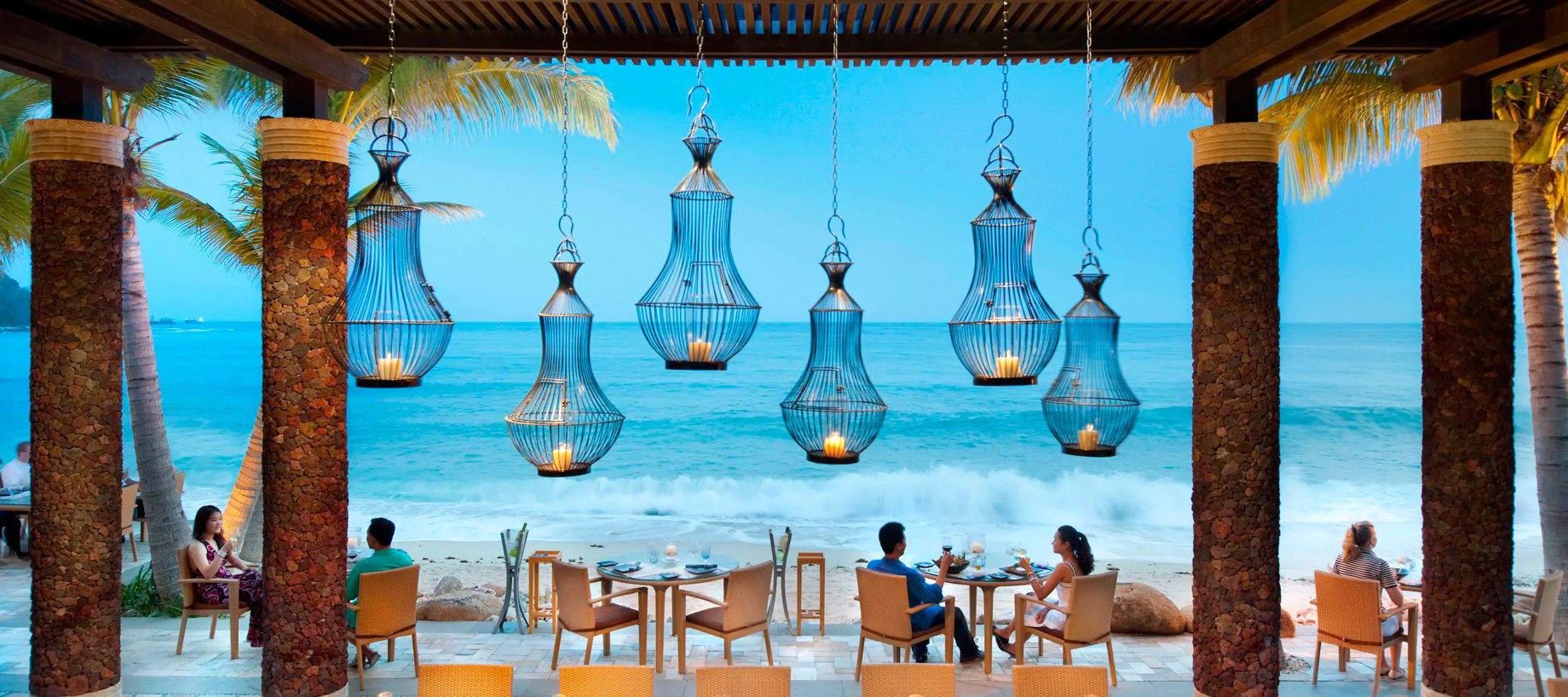
The same logic applies to how the property handles couples-specific programming. Rather than assembling standard inclusions under a honeymoon package label, the resort designs itineraries for two as a distinct format: structured experiences rather than generic upgrades. Destination dining, which places meals in locations across the property rather than confining guests to a single restaurant setting, forms part of that architecture. The execution depends on staff capacity to move food, set environments, and time service outside of a conventional restaurant frame, which is logistically simpler at 49 villas than it would be at a property with three or four times the room count.
Villa Interiors and the Luhuitou Anchor
All villas at Banyan Tree Sanya include walk-in closets and floor-to-ceiling windows that frame garden and ocean views. Interiors use warm wooden furniture, neutral-toned walls, and accents of red and orange drawn from the surrounding tropical environment rather than an imposed colour palette. Each villa has its own pool, which means the property's primary amenity is distributed rather than shared, a design choice that removes the scheduling friction common to resort pools and keeps the sense of private access intact throughout the stay.
At the summit of the accommodation range sits the Luhuitou Two-Bedroom Pool Villa: 6,178 square feet, two bedrooms each with en-suite bathrooms, a private sun deck, a 915-square-foot pool, and a dedicated massage pavilion. As a reference point for Sanya villa sizing, that footprint competes comfortably with the larger private-villa configurations at Capella Tufu Bay and 1 Hotel Haitang Bay, Sanya. The massage pavilion within the villa is a relevant distinction: it allows spa sessions without the movement to a central facility, preserving the contained, private character of the stay even during treatments.
Luhuitou Mountain sits immediately adjacent to the property. A five-minute walk reaches one of Sanya's more photographed vantage points. That proximity is practical: it provides an off-property excursion that doesn't require transport logistics and gives the stay a geographic anchor beyond the beach, which matters for guests extending beyond two or three nights.
Craft, Community, and Local Sourcing
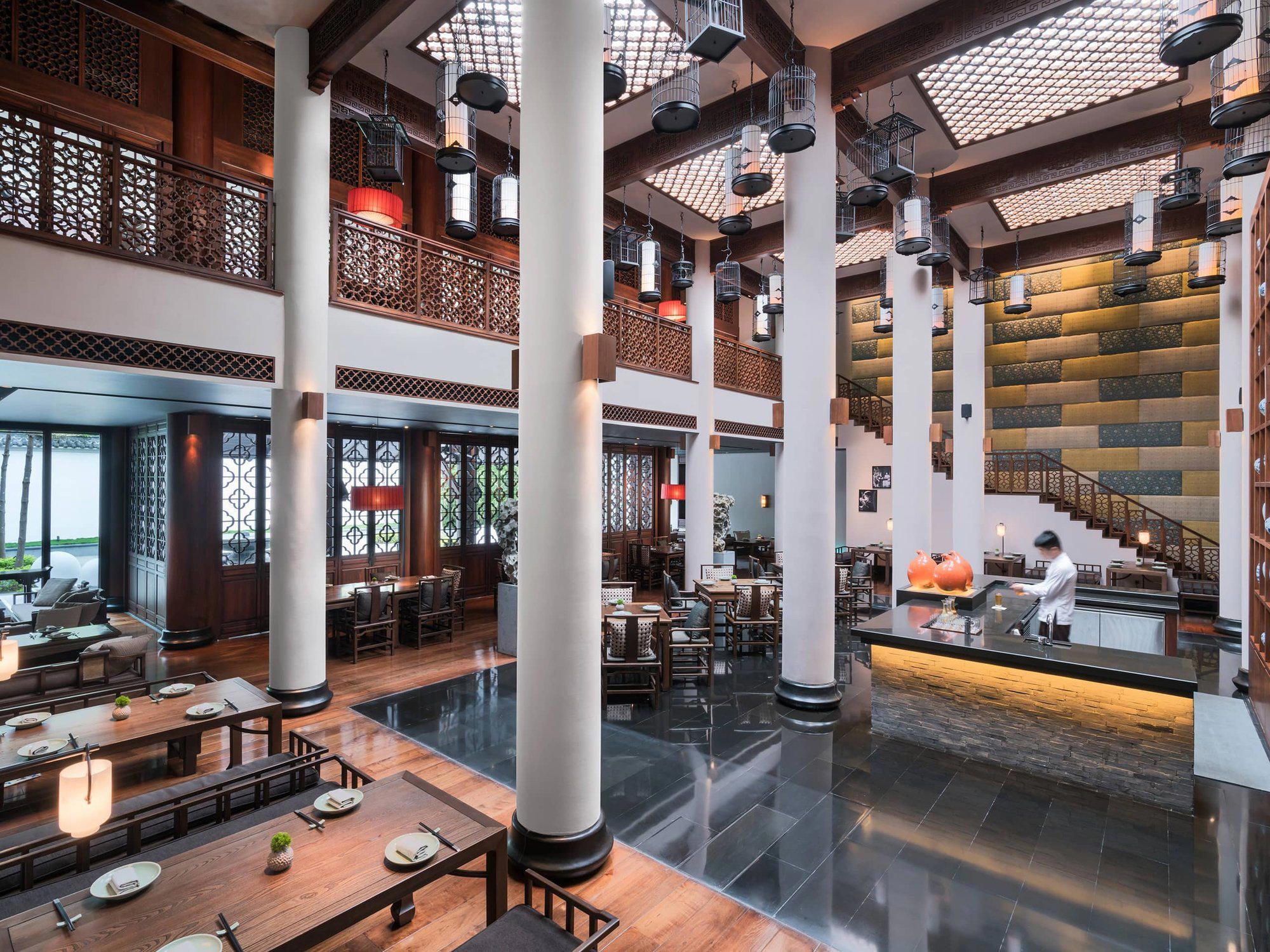
Banyan Tree Sanya maintains an onsite gallery stocking furniture and fabrics sourced from Hainanese craftsmen, with items available for purchase. This program connects to a broader Banyan Tree Holdings approach across its Asian properties: active local procurement rather than decorative local theming. For guests, the gallery functions as a point of genuine cultural engagement rather than a resort boutique filled with imported goods branded with a regional identity. The furniture and textiles used in the villas themselves come from the same local sourcing network, which gives the design program a coherent provenance that most large resort interiors lack.
That local-sourcing orientation places Banyan Tree in interesting proximity to the model followed by design-led smaller properties elsewhere in China, including Amandayan in Lijiang and Amanfayun in Hangzhou, both of which anchor their design identity in local material culture. At Banyan Tree Sanya, the scale is larger and the context is a tropical beach resort rather than a cultural heritage site, but the commitment to traceable local craft sits in the same general orientation. Guests interested in how Chinese regional hospitality handles material provenance will find the hotel a useful reference point alongside The Sanya EDITION and Andaz Shenzhen Bay in Shenzhen, which approach local identity through different means.
Planning Your Stay
The hotel is accessible from Sanya Phoenix International Airport by direct taxi (approximately 45 minutes) or by taking the airport shuttle to Big Pineapple Square and continuing by cab from there. Hainan's tropical climate means the island receives warm temperatures year-round, though the peak season from October through February draws the largest visitor volumes and warrants earlier planning for villa availability. For a broader view of where the hotel sits within the city's dining and hospitality picture, see our full Sanya restaurants guide. Travellers comparing villa-led properties across China's resort market may also find relevant reference points at Xiamen Yunding Resort in Xiamen and, for a contrasting approach to luxury in a different Chinese setting, at Mandarin Oriental Qianmen in Beijing or JW Marriott Hotel Shanghai at Tomorrow Square in Shanghai.
Cuisine Context
Comparable venues nearby, for context on price, style, and recognition.
| Venue | Cuisine | Price | Awards | Notes |
|---|---|---|---|---|
| Banyan Tree SanyaThis venue — the venue you are viewing | Luxury tropical resort with contemporary oriental architecture and lush landscaping, positioned as an exclusive private villa destination. | $$$$ | 5-Star | Not listed |
| Atlantis Sanya | Contemporary luxury resort with themed ocean adventures | $$$$ | 5-Star | Haitang Bay |
| Rosewood Sanya | ultra-luxury vertical resort blending tropical island feel with contemporary residential comfort | $$$$ | 5-Star | Haitang District |
| The St. Regis Sanya Yalong Bay Resort | Luxury beachfront resort with butler service | $$$$ | 5-Star | Yalong Bay |
| The Sanya EDITION | Contemporary beach resort with horseshoe-shaped design and terraced hillside villas | $$$$ | 5-Star | Haitang Bay |
| Fairmont Sanya Haitang Bay | Contemporary Nanyang colonial resort with imperial palace symmetry and ancient wood craftsmanship. | $$$$ | 5-Star | Haitang Bay |
Recognition history
Dated appearances from independent guides and award organizations, with the underlying list record or original source where available.
Forbes Recommended
Forbes
Michelin Guide New Hotels New Hotel
Michelin Guide New Hotels
Forbes Recommended
Forbes
Michelin Selected
Michelin
Continue exploring
More in Sanya
Hotels in Sanya
Browse all →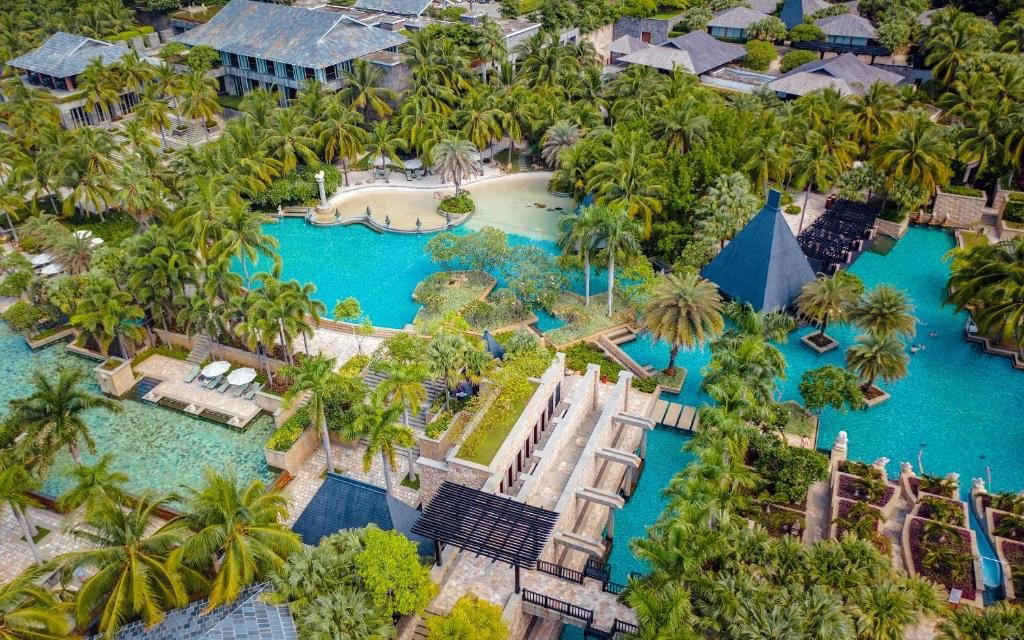
At a Glance
- Romantic
- Elegant
- Scenic
- Sophisticated
- Honeymoon
- Romantic Getaway
- Anniversary
- Wellness Retreat
- Destination Wedding
- Beachfront
- Private Villa
- Butler Service
- Destination Spa
- Private Dining
- Garden
- Terrace
- Panoramic View
- Wi Fi
- Pool
- Spa
- Fitness Center
- Room Service
- Concierge
- Restaurant
- Beach Access
- Valet Parking
- Kids Club
- Business Center
- Waterfront
- Garden
- Wi Fi
- Pool
- Spa
- Fitness Center
- Room Service
- Concierge
- Restaurant
- Beach Access
- Valet Parking
- Kids Club
- Business Center
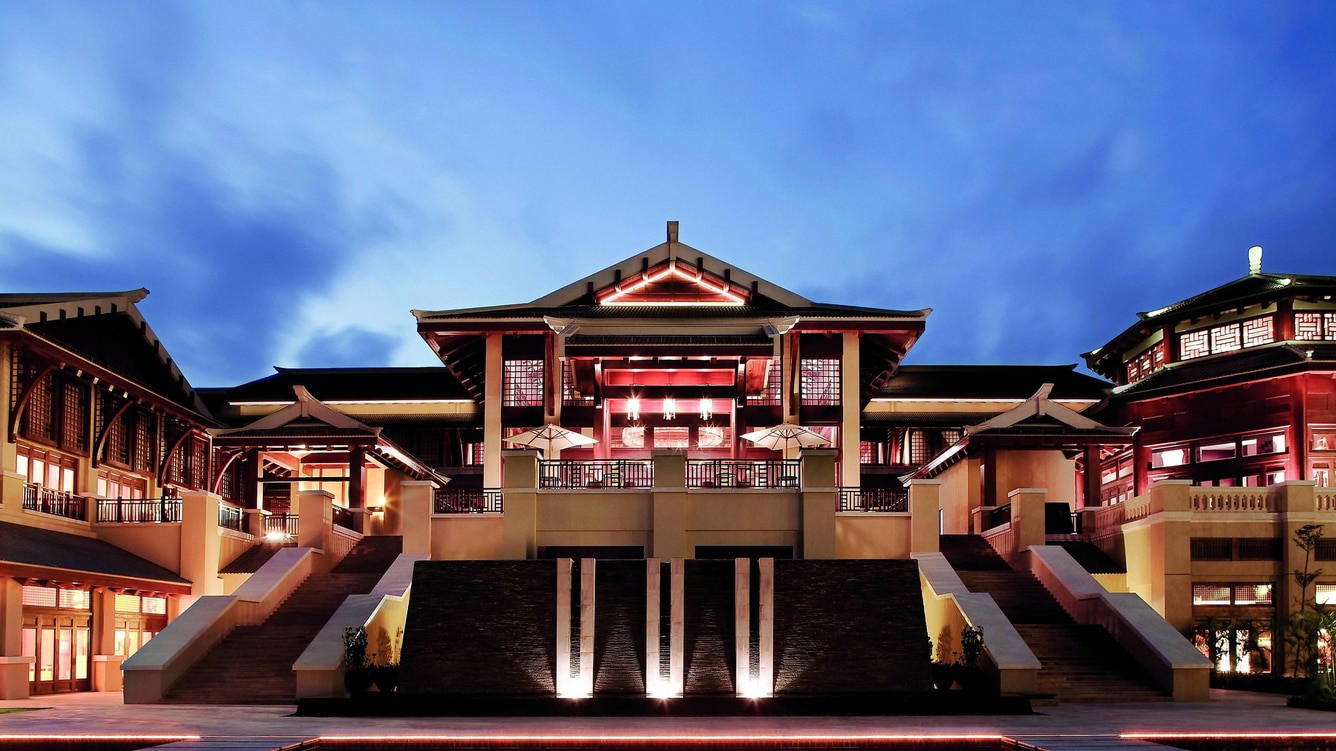
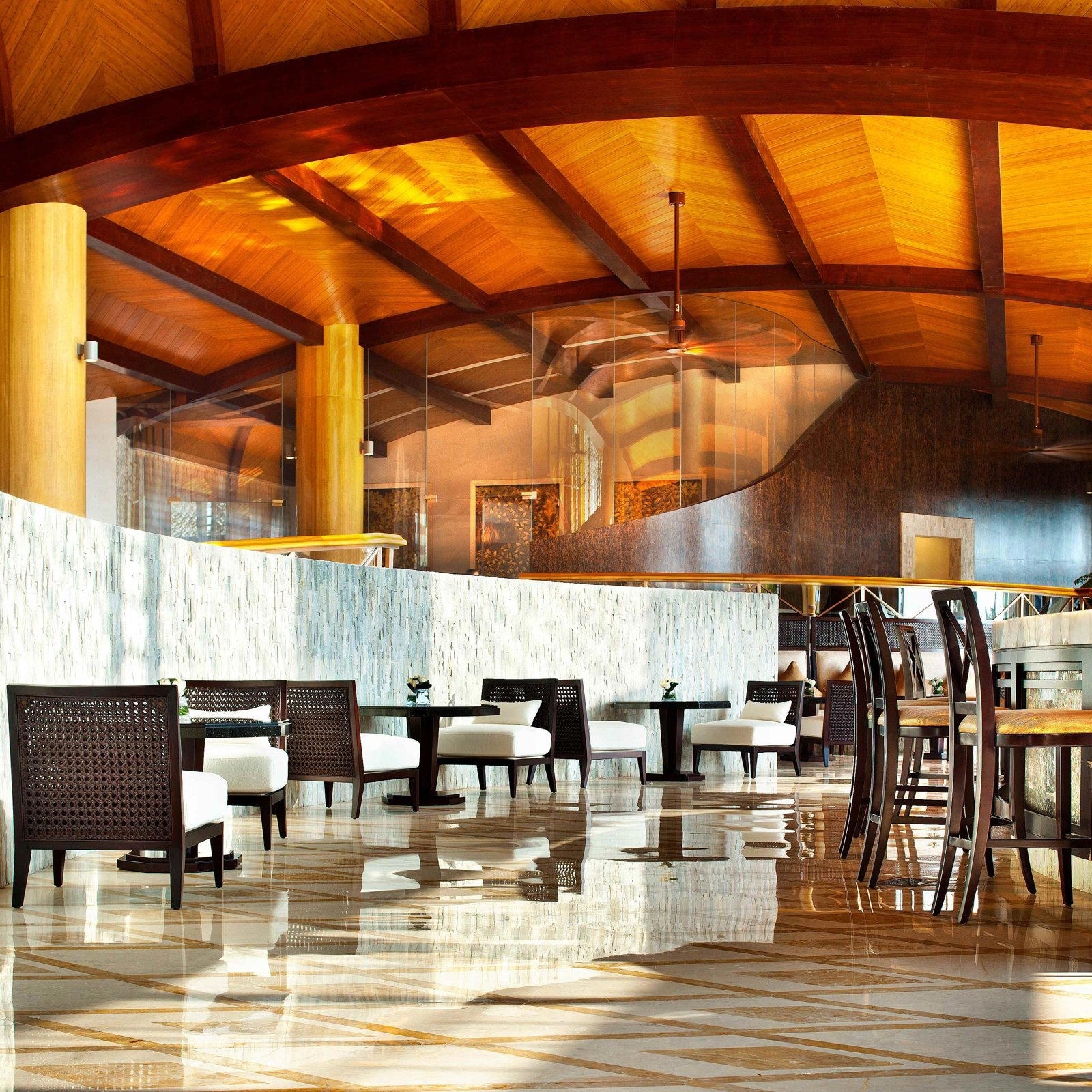
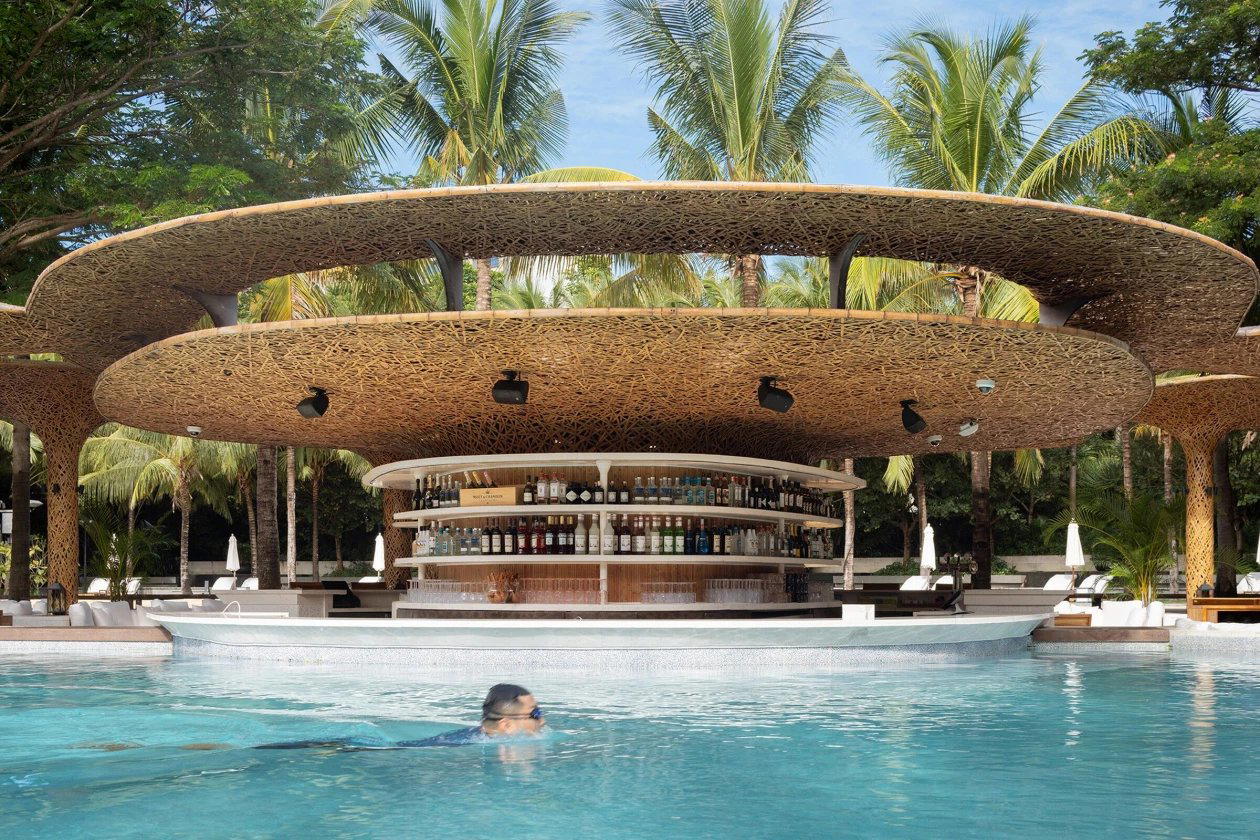
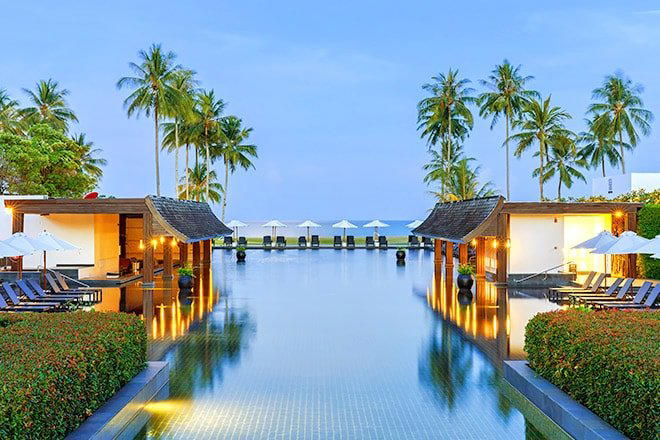
Serene tropical luxury with contemporary oriental design, lush landscaping, and intimate beachfront settings that evoke romance and tranquility.