
1 Michelin Key
Carrying a 2025 Michelin Selected distinction, InterContinental Lijiang Ancient Town Resort sits at the edge of Lijiang's UNESCO-listed old town, where Naxi timber architecture meets international hotel infrastructure. The property positions itself in the upper tier of Lijiang's international-brand hotels, offering a recognisable service framework in a city where boutique guesthouses and global chains occupy very different price and format brackets.

Pearl is the En Primeur Club membership app — saves, bookings, and concierge access live there. Same editors, same standards.
- Address
- 276 Xianghe Rd, Gucheng District, Lijiang, Yunnan, China, 674100
- Phone
- +86 888 558 8888
- Website
- intercontinentallijiang.cn
- Directions
- Get directions
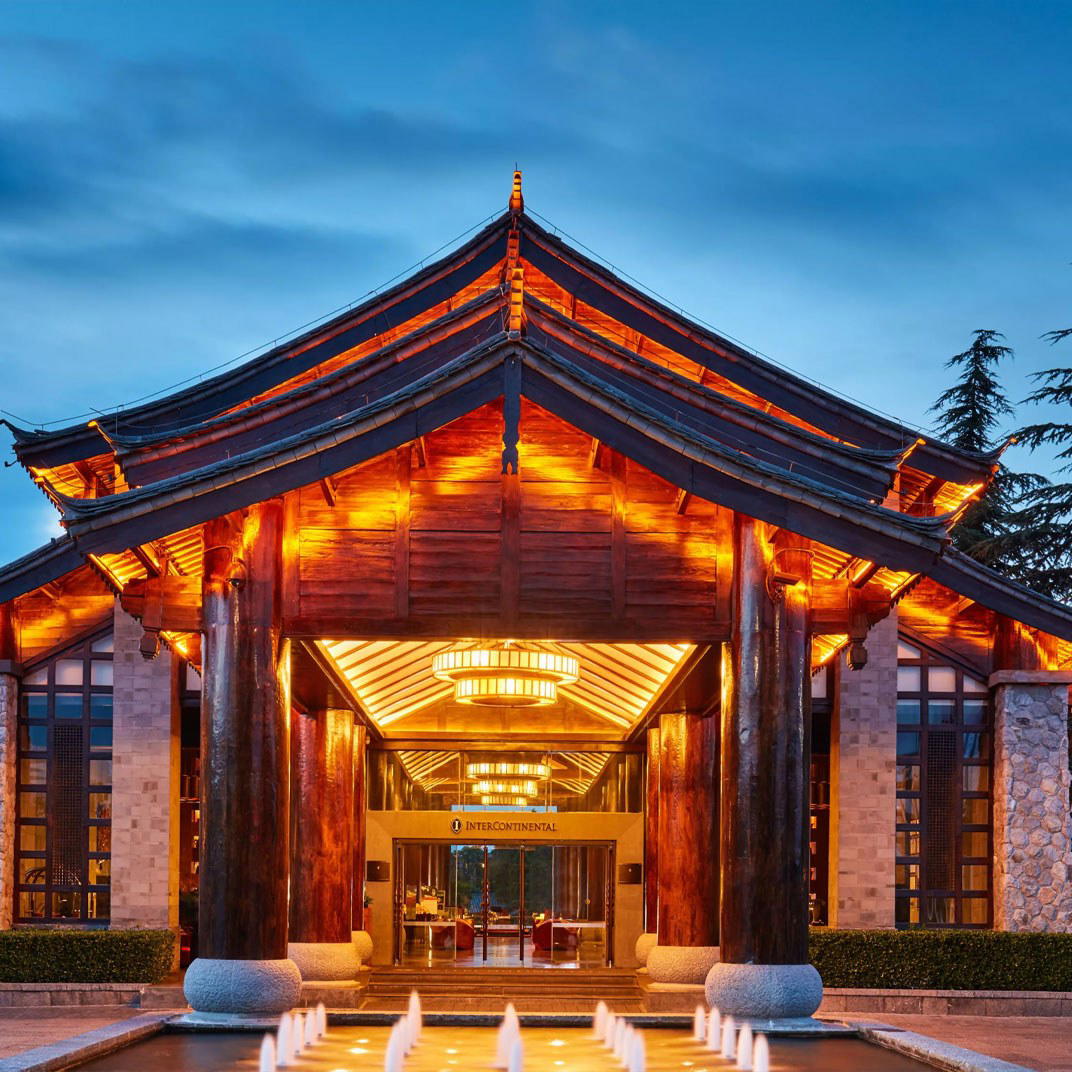
Where the Old Town Ends and the Resort Begins
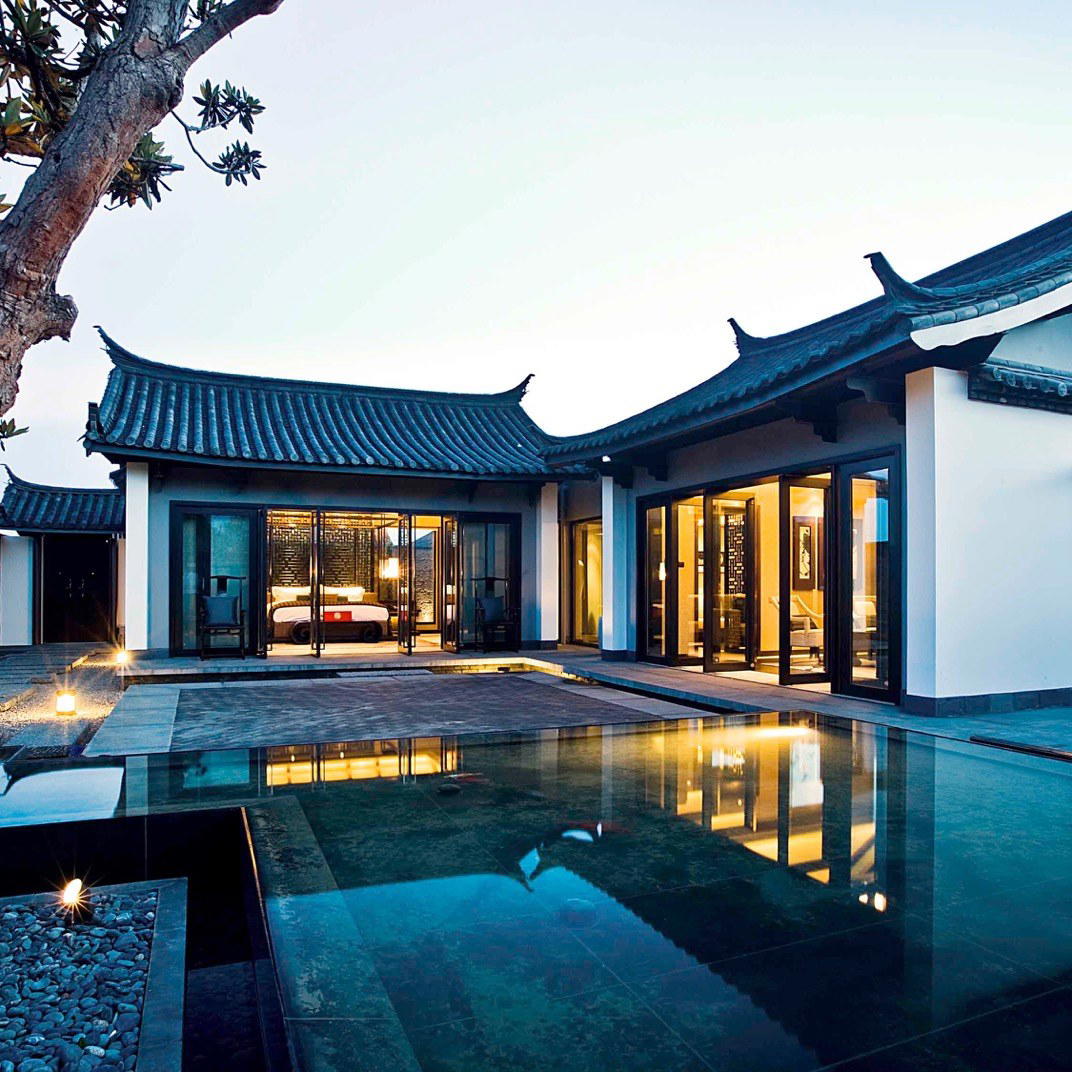
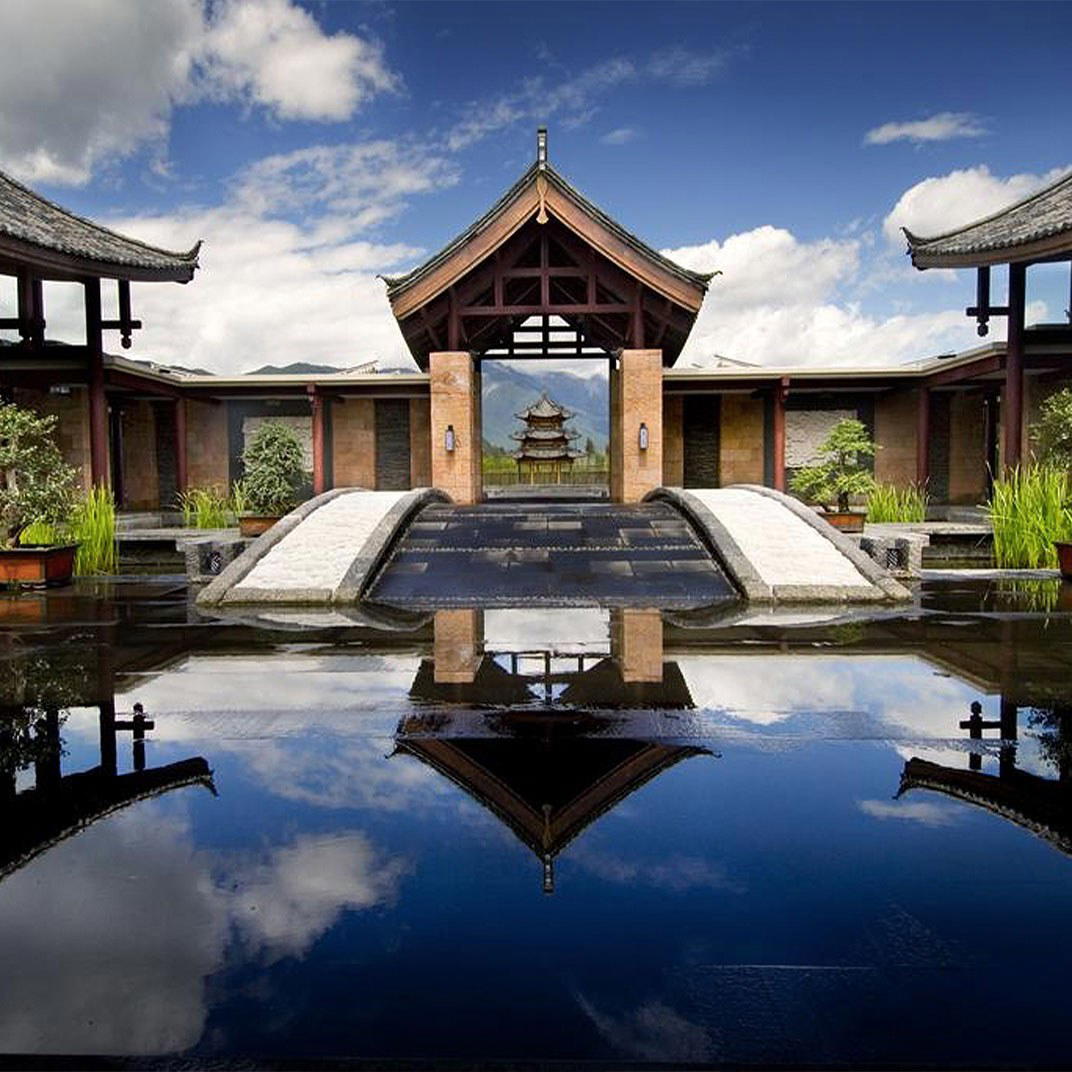
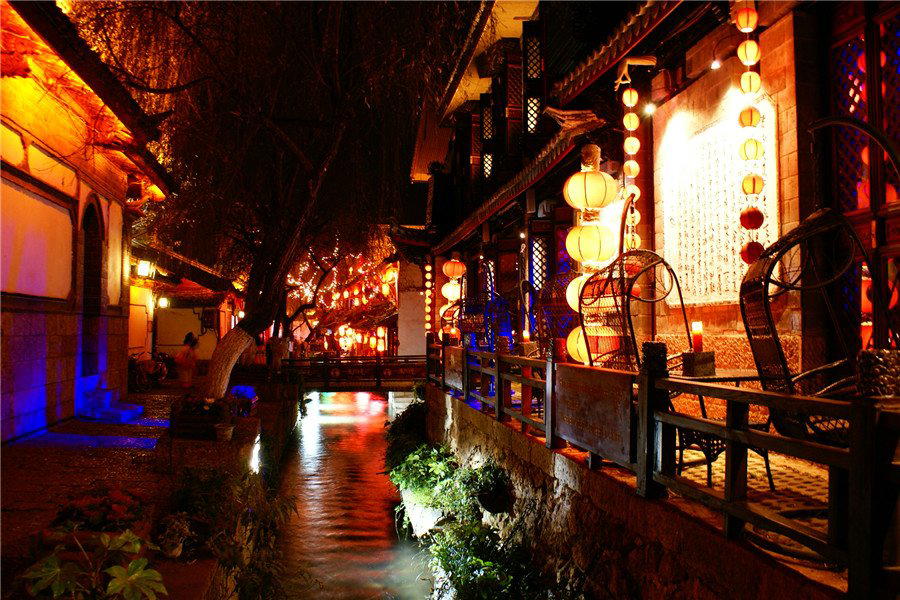
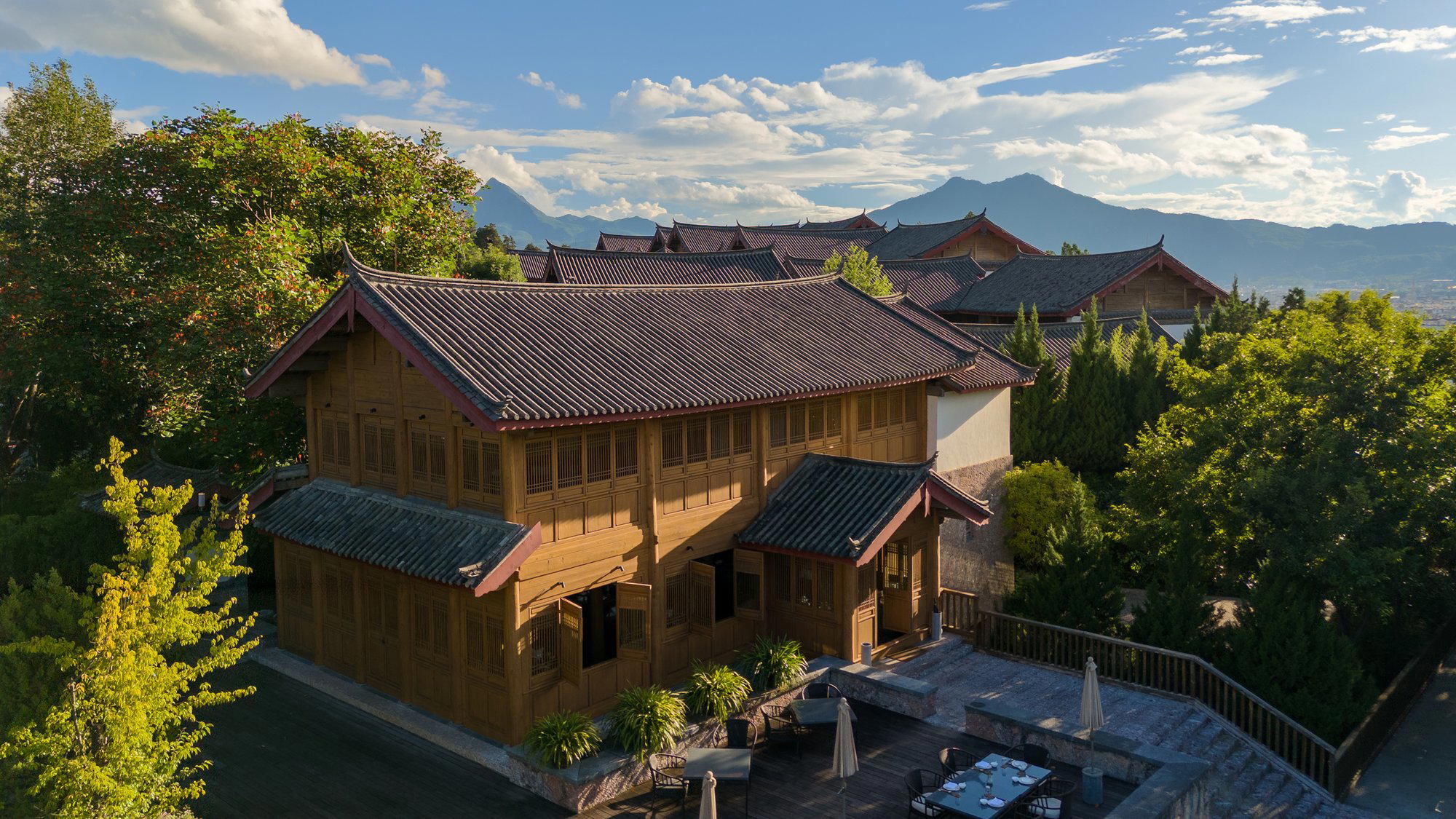
Lijiang's Ancient Town district operates under strict preservation rules that limit new construction and commercial signage within the core UNESCO buffer zone. Hotels positioned just outside or at its edge occupy a specific niche: close enough to enter the cobbled lanes on foot, far enough to build at a scale the old town itself cannot accommodate. The InterContinental Lijiang Ancient Town Resort, at 276 Xianghe Road in the Ancient Town District, sits precisely in that band. Approaching from the main road, the compound reads as a deliberate exercise in contextual design — Naxi-influenced rooflines and timber detailing that echo the old town's architectural grammar without replicating it.
That physical positioning matters because it shapes everything about the guest experience before check-in. The walk from the resort gates into the old town's market lanes takes minutes, which means the property functions simultaneously as a retreat from the old town's daytime crowds and as a base for accessing them. By late afternoon, when tour groups have moved on and the light drops low across the Black Dragon Pool, the distance between the resort and the ancient quarter feels more like a deliberate buffer than a compromise.
Service Infrastructure in a City That Demands It
Lijiang has developed a hotel market that ranges from family-run courtyard guesthouses charging a fraction of international rates to large-footprint branded properties with full amenity stacks. The InterContinental sits firmly in the latter tier, carrying the IHG group's service architecture into a destination where that framework is not always easy to deliver. Altitude, remoteness, and a local labour pool that skews toward smaller operations all create friction that international chains in Lijiang absorb differently than their peers in Beijing or Shanghai.
The editorial angle worth pressing here is anticipatory service rather than reactive hospitality. In destinations like Lijiang, where first-time visitors often arrive uncertain about altitude adjustment, local transport logistics, and what the old town actually demands physically, a hotel's value is measured substantially by what its team resolves before it becomes a guest problem. That is the operating logic behind large-brand hotels in high-altitude heritage destinations across southwest China, and the InterContinental's positioning within the IHG system gives it access to training protocols and guest history data that smaller properties cannot replicate.
For comparison, Amandayan operates at the intimate, ultra-premium end of Lijiang's market, with a model built around limited keys and deep individual attention. The Banyan Tree Lijiang emphasises spa and wellness infrastructure. Hotel Indigo Lijiang Ancient Town and the Hylla Vintage Hotel occupy the design-led mid-tier. The InterContinental slots into a different position: broad amenity coverage, a recognised loyalty programme, and the operational depth to handle larger group movements alongside individual travellers. The Pullman Lijiang Resort and Spa competes in a roughly adjacent bracket, though the two properties serve somewhat different guest profiles.
The Michelin Selection and What It Signals
The 2025 Michelin Selected designation places the InterContinental Lijiang within the guide's broader hotel programme, which focuses on consistent quality, physical condition, and guest experience delivery rather than luxury tier alone. Michelin Selected is not the guide's highest hotel distinction, but inclusion signals that the property cleared a threshold of reliability that many Lijiang options do not. In a city where accommodation quality varies sharply and traveller reviews frequently flag inconsistency between room categories, a Michelin flag functions as a baseline assurance rather than a ceiling.
That framing matters in Lijiang specifically because the destination attracts travellers across a wide spectrum, from domestic tourists on package itineraries to international visitors on extended southwest China circuits that might include Yunnan, Sichuan, and Tibet. For travellers routing through the region, the ability to count on a consistent experience at each stop carries real planning value. Properties in the Michelin Selected tier at comparable heritage destinations in China, such as The Hanyu Garden Reserve Suzhou or Hangzhou Muh Shoou Xixi Hotel, tend to share a similar positioning logic: architectural responsiveness to a historic setting, combined with international service infrastructure.
Lijiang as a Destination: Context for the Hotel Choice
Lijiang sits at roughly 2,400 metres above sea level in northwest Yunnan, and the altitude is not incidental to the hotel decision. Most visitors arrive by flight from Kunming or Chengdu, and the first 24 hours in the city frequently involve some degree of adjustment. Hotels that manage this transition well, through hydration amenities, reduced physical demands at check-in, and informed staff guidance on acclimatisation, earn a material advantage over properties that treat it as a non-issue.
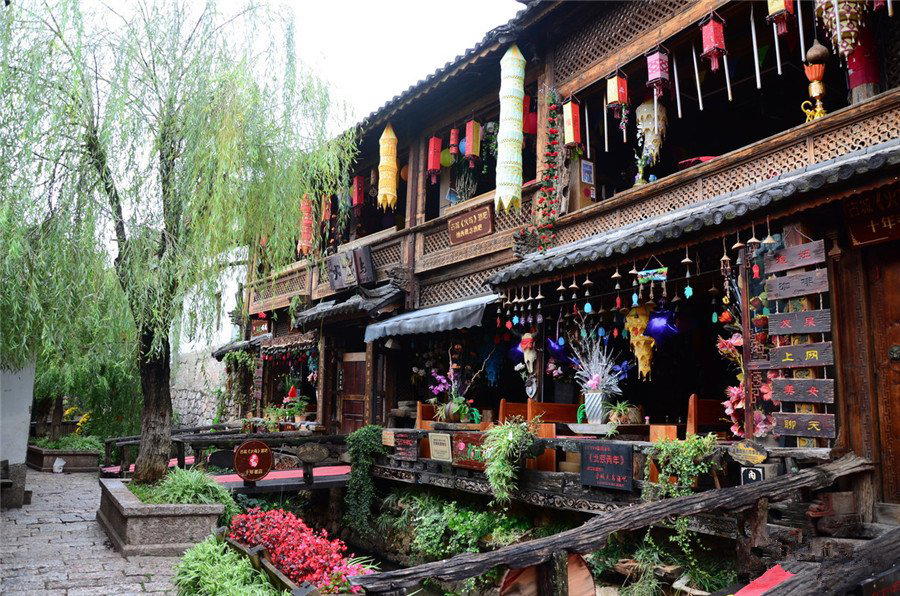
The ancient town itself, a UNESCO World Heritage Site since 1997, draws millions of visitors annually. The daytime commercial intensity of the Sifang Street area has shifted the old town's character considerably from its pre-tourism baseline, and the traveller who arrives expecting an unchanged traditional settlement will find something more complicated. The hotels that work leading in this context are those that help guests read the city accurately, pointing them toward the quieter northern lanes, the Black Dragon Pool park in the early morning, and the outlying villages that receive a fraction of the central foot traffic. That guidance function is where staff knowledge becomes as important as room quality.
For travellers building a broader Yunnan or southwest China circuit, the InterContinental fits naturally into itineraries that include properties such as Songtsam Linka Retreat Lhasa or Songtsam Meili Lodge for the more remote Tibetan plateau stages, and connects logically to larger-city stays at properties like InterContinental Chongqing Raffles City for travellers moving through the Yangtze corridor. See our full Lijiang restaurants and hotels guide for broader destination planning across the city's dining and accommodation options.
Planning a Stay
The property's address at 276 Xianghe Road places it in the Ancient Town District, accessible from Lijiang Sanyi International Airport by road in approximately 30 to 45 minutes depending on traffic, though travellers should verify current transfer arrangements at the time of booking given that logistics in smaller Chinese cities shift seasonally. Peak travel periods in Lijiang concentrate around the Chinese national holidays in early October and late January or early February, when room availability across the city compresses significantly. Booking several months ahead for those windows is standard practice across all tiers of Lijiang's hotel market. IHG One Rewards members should confirm point redemption availability at the time of booking, as popular dates at heritage-destination properties within the group frequently fill at standard rates before reward inventory clears. Phone and direct website details were not available at the time of publication; booking through IHG's central platform or through a travel specialist familiar with the property is the most reliable approach.
For travellers comparing international branded hotels across China's heritage cities, useful reference points in the broader EP Club coverage include Mandarin Oriental Qianmen in Beijing, The Ritz-Carlton in Xi'an, and Yihe Mansions in Nanjing, each of which navigates a similar tension between historic urban context and international hospitality infrastructure.
Cuisine Context
Comparable venues nearby, for context on price, style, and recognition.
| Venue | Cuisine | Price | Awards | Notes |
|---|---|---|---|---|
| InterContinental Lijiang Ancient Town ResortThis venue — the venue you are viewing | Traditional Naxi village resort with contemporary luxury integrated into low-rise houses and courtyards | Not listed | 1 Michelin Key | Not listed |
| Pullman Lijiang Resort and Spa | Low-rise designer resort inspired by Naxi ethnic architecture blended with contemporary Chinese interiors set amid gardens. | Not listed | Michelin Selected | Shuhe Ancient Town |
| Hotel Indigo Lijiang Ancient Town | Modern luxury resort with traditional Naxi architecture and Tea Horse Caravan Trail cultural theming integrated throughout the property. | $100–200 | Michelin Selected · World Travel Awards | Old Town District |
| Banyan Tree Lijiang | Naxi-inspired luxury resort blending oriental tradition with contemporary comfort | $200–300 | Michelin Selected | Shuhe |
| Hylla Vintage Hotel | Vintage design collection hotel blending Naxi heritage with modern comforts | $100–200 | Leading Hotels of World Member | Yanjiao Village, Baisha |
| Amandayan | Contemporary luxury resort integrated into UNESCO World Heritage Site with traditional Naxi courtyard architecture and modern Aman standards. | $500–750 | 1 Michelin Key · Virtuoso Luxury Hotel Partner | Dayan Old Town |
Recognition history
Dated appearances from independent guides and award organizations, with the underlying list record or original source where available.
Michelin 1 Key
Michelin
Full recognition history (2 entries)
Michelin Selected
Michelin
Details
- Scenic
- Elegant
- Romantic
- Sophisticated
- Rustic
- Romantic Getaway
- Honeymoon
- Family Vacation
- Wellness Retreat
- Historic Building
- Panoramic View
- Garden
- Pool
- Spa
- Fitness Center
- Wi Fi
- Kids Club
- Room Service
- Concierge
- Business Center
- Mountain
- Garden
- Wheelchair Accessible
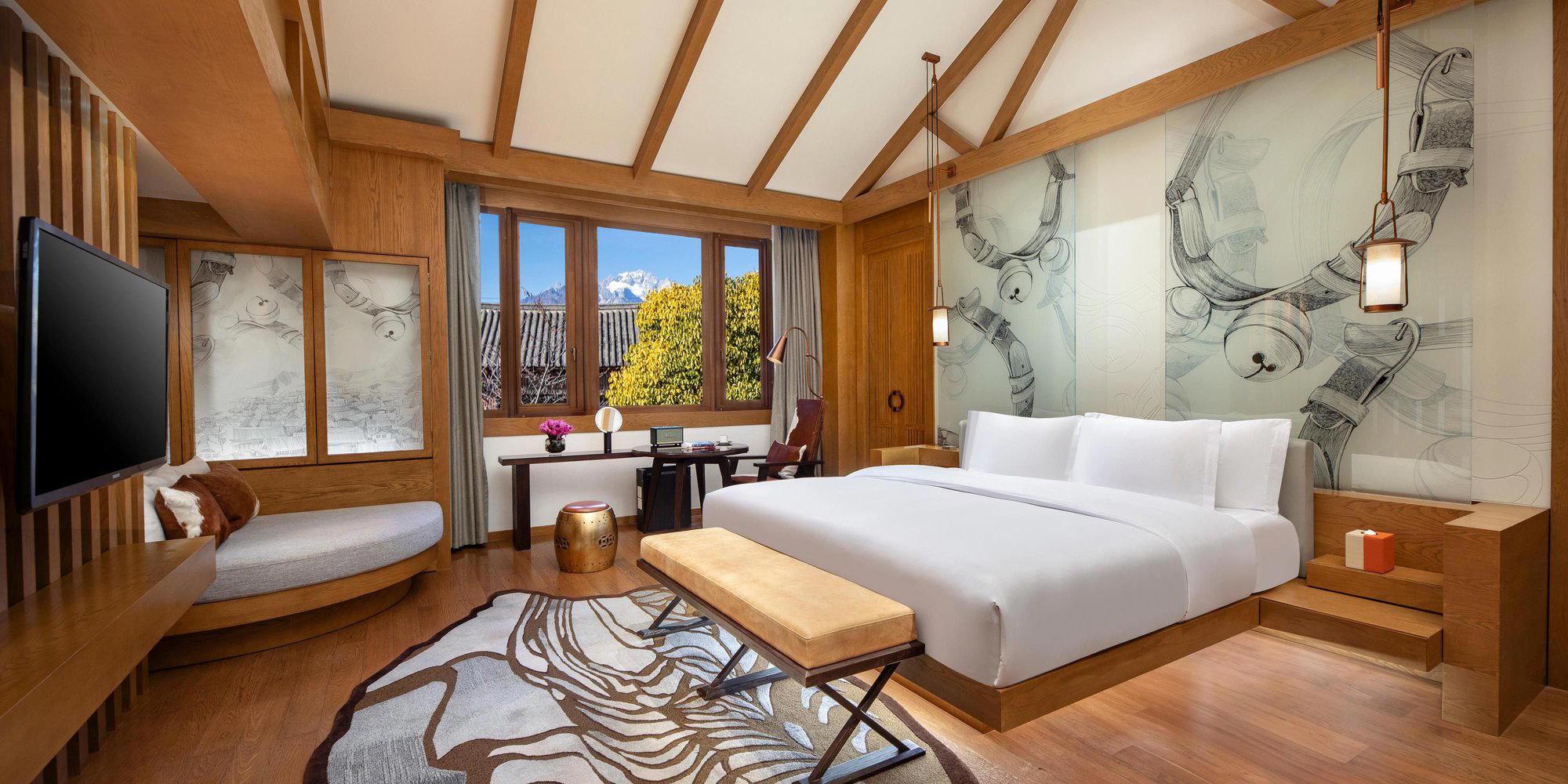
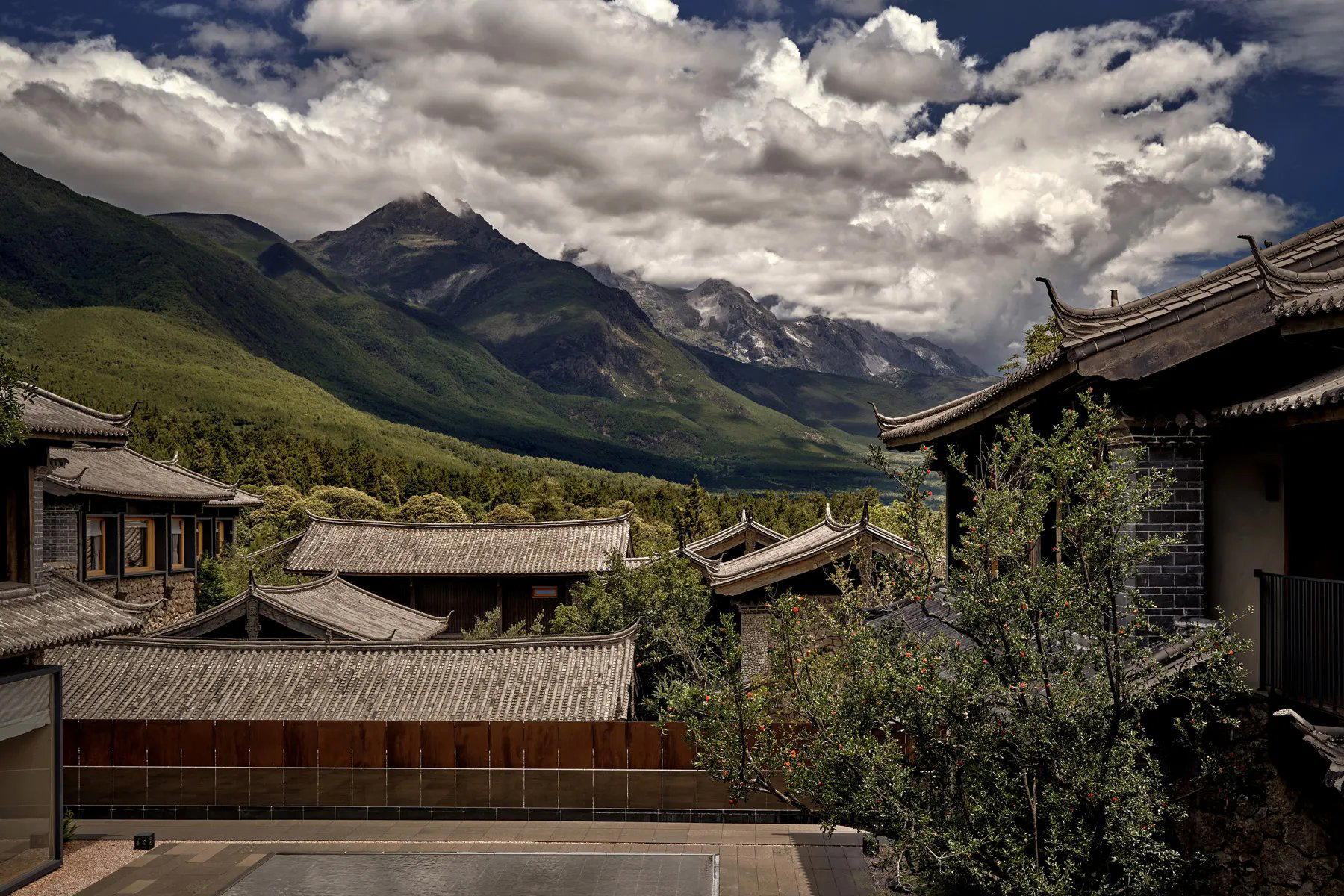
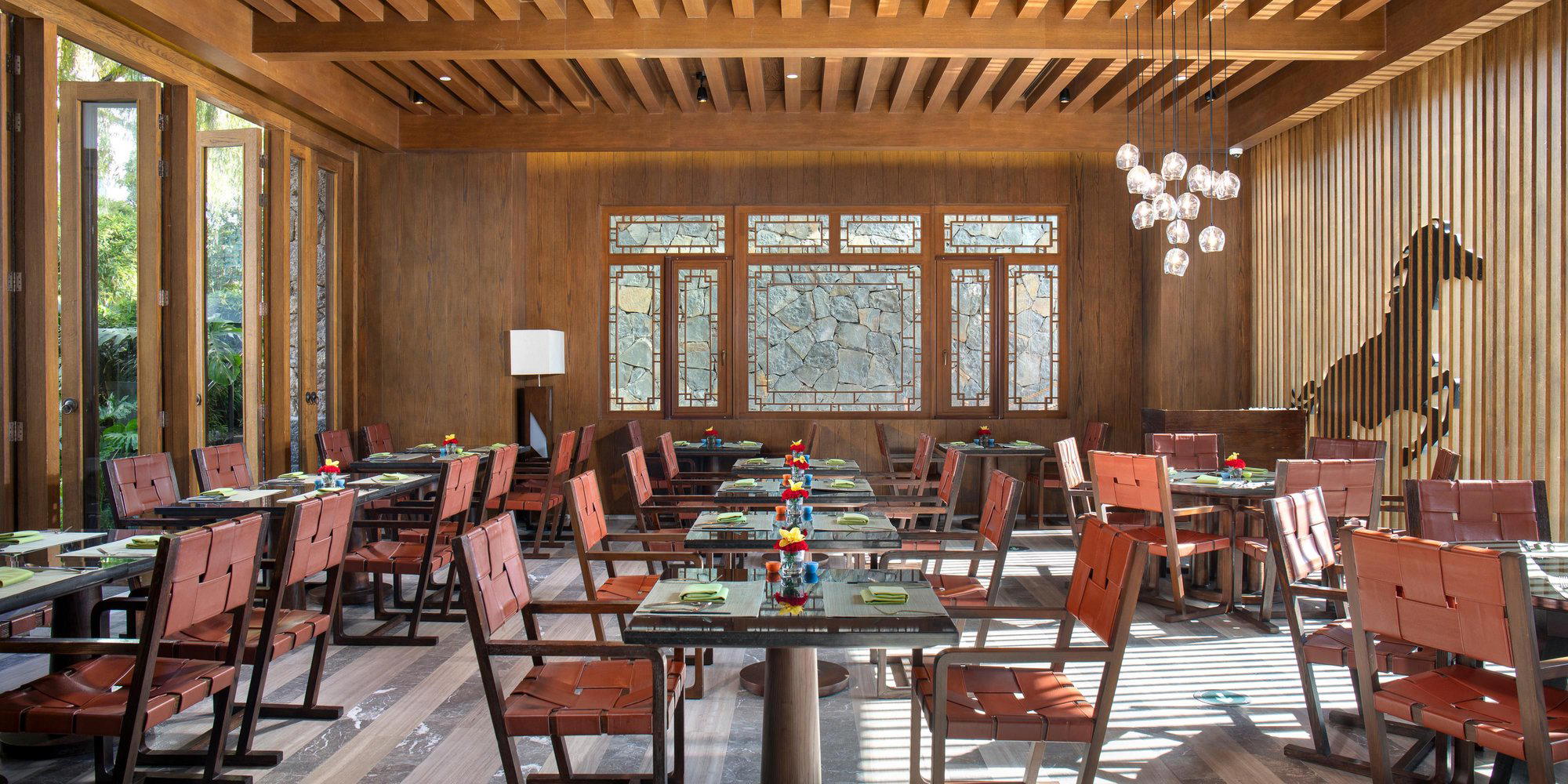
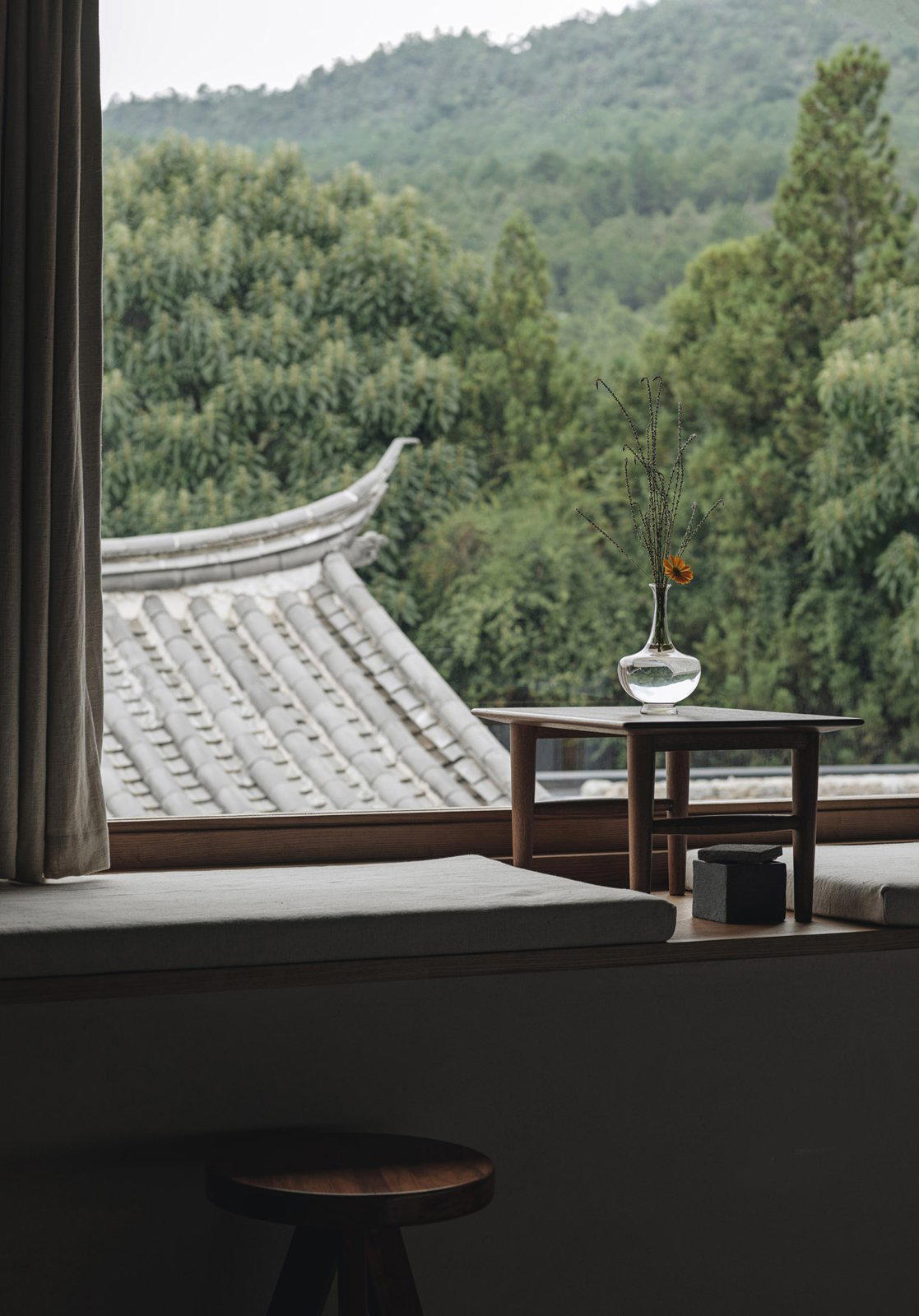
Serene and picturesque with peaceful gardens, courtyards, and traditional low-rise architecture creating a tranquil haven amidst lush greenery.