Berlin’s hotel scene rewards readers who understand neighbourhood, design language, and service model before comparing room rates. Prize by Radisson, Berlin sits in the branded-hotel side of that equation, useful for travellers who want a Berlin base assessed against the city’s broader spread of heritage grande dame addresses, apartment hotels, and design-led properties.
 Discover on Pearl
Pearl is the En Primeur Club membership app — saves, bookings, and concierge access live there. Same editors, same standards.
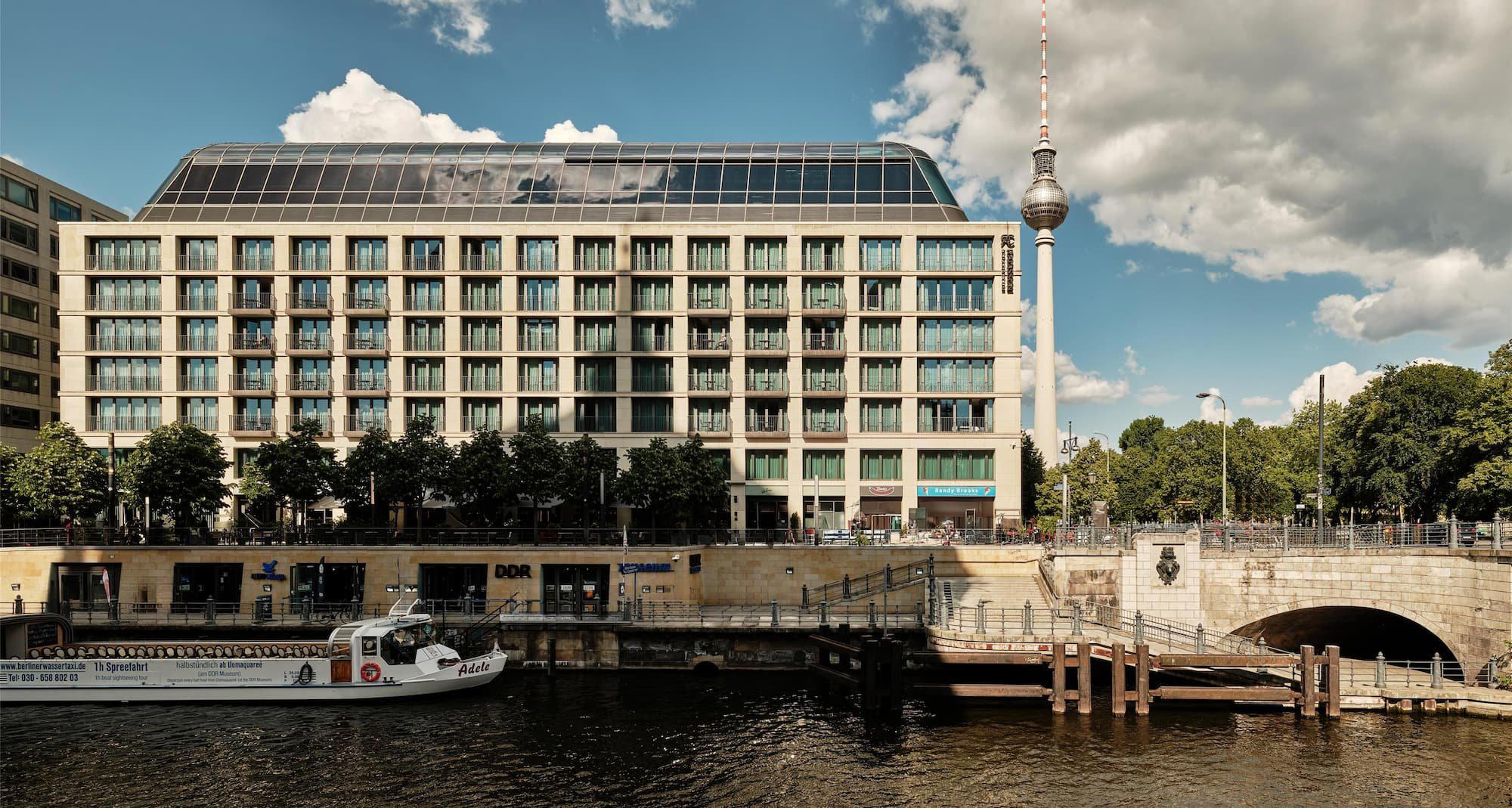
Berlin hotel design starts with the street
Berlin rarely presents hospitality as a single polished postcard. The city’s hotels absorb the tone of their streets: Wilhelmine façades near the old banking quarter, postwar commercial blocks around transport hubs, apartment-style properties near Hackescher Markt, and design hotels that trade in exposed structure, sharp graphics, and compact public spaces. That is the right frame for reading Prize by Radisson, Berlin, a branded city hotel in Berlin suited to travellers who want a predictable base for work, transit, or short stays. The useful editorial question is not whether the hotel can be dressed up with unsupported claims. It is where a branded Berlin stay fits inside a city that has learned to make design do practical work.
Berlin’s hotel market is unusually layered for Germany. A traveller can choose financial-district formality at Hotel de Rome, villa privacy at Patrick Hellmann Schlosshotel, clubby West Berlin references at Roomers Berlin Steinplatz, Autograph Collection, adaptive reuse at Telegraphenamt, or international five-star polish at The Ritz-Carlton, Berlin. Against that comparable set, Prize by Radisson, Berlin should be approached as part of the city’s functional branded-hotel category rather than the palace-hotel or heritage-conversion category. That distinction matters because architecture in Berlin is not only about ornament. It is about how a property handles circulation, public space, work habits, short stays, and access to the city.
The design question: character, conversion, or controlled brand language?
Berlin has turned hotel design into a kind of urban index. Some properties lean into their building history, allowing masonry, staircases, former institutional uses, or district memory to carry the experience. Others use graphic interiors and compact planning to serve travellers who spend more time in neighbourhoods than in lobbies. The city’s better-known design-led addresses are instructive comparisons. 25hours Hotel Bikini Berlin works because its West Berlin setting and playful building logic are part of the stay, while Adina Apartment Hotel Berlin Hackescher Markt belongs to the longer-stay, apartment-hotel side of the city. AMANO Berlin sits closer to the urban-design hotel model, where social spaces and location cues shape the value proposition.
Prize by Radisson, Berlin enters that conversation through brand structure rather than publicly documented architectural pedigree. Any stronger claim would be decoration rather than reporting. What can be said with confidence is that Berlin rewards hotels that are honest about their lane. A grand hotel without grand service feels underpowered; a compact hotel with efficient planning can make sense if the traveller’s focus is galleries, restaurants, bars, clubs, offices, or rail movement. In that context, a Radisson-linked name signals a more systematised stay than the city’s owner-led boutiques, and readers should judge it on clarity, consistency, and location fit rather than on romance.
This is also where Berlin differs from resort Germany. In the Bavarian lakes, the Black Forest, or the Baltic coast, hotel architecture often frames nature, spa culture, or long meals. Compare the city brief with Althoff Seehotel Überfahrt in Rottach-Egern, Fairmont Hotel Vier Jahreszeiten in Hamburg, Hotel Traube Tonbach in Baiersbronn, Schloss Elmau Luxury Spa Retreat & Cultural Hideaway in Elmau, or Weissenhaus Private Nature Luxury Resort in Weissenhaus. Those properties are judged by retreat logic: grounds, dining depth, wellness, and duration. Berlin hotels are judged faster. The lobby must orient arrivals, rooms must absorb irregular schedules, and the surrounding district often does more of the cultural work than the building itself.
How to place it within Berlin's hotel map
Comparison becomes a matter of category rather than hierarchy. Berlin has at least four hotel languages relevant to a premium traveller. First, the formal-luxury addresses, where service rituals, historic gravitas, and high room rates define expectations. Second, design-led urban hotels, where interiors and neighbourhood alignment matter more than ceremony. Third, apartment-style stays, useful for travellers who want kitchen facilities, space, or longer rhythm. Fourth, branded efficiency hotels, where predictability is the point and the room is a base rather than the main event. Prize by Radisson, Berlin belongs closest to the fourth group unless further property-level data indicates otherwise.
That is not a slight. Berlin is a city where many serious itineraries happen outside the hotel: museum mornings, late dinners, bar crawls, club nights, private gallery visits, and cross-city meetings. Readers mapping the wider city should treat accommodation as one part of a larger plan, then compare it with dining and drinking density. the Berlin restaurants guide is the better companion for deciding where evenings should cluster, while the Berlin bars guide gives a separate read on the city after dinner. For travellers building a broader stay, the Berlin hotels guide, the Berlin wineries guide, and the Berlin experiences guide help separate hotel choice from the rest of the itinerary.
From a design perspective, the practical question is simple: does the hotel need to provide theatre, or does it need to stay out of the way? Berlin can support both answers. A traveller celebrating a high-budget weekend may want a property where arrival, bar, room, and breakfast feel like a continuous production. A traveller using Berlin as a working base may prefer fewer rituals, faster movement, and reliable systems. Prize by Radisson, Berlin should be evaluated through the second lens unless confirmed details suggest a stronger lifestyle component. That approach keeps expectations fair and prevents the common mistake of comparing every Berlin hotel to a heritage property with a different cost structure.
Planning intelligence without invented details
That means travellers should verify live rates, room types, cancellation rules, breakfast arrangements, and transport access before committing. In Berlin, this is not administrative trivia. A hotel that looks convenient on a map can feel different after midnight if the planned restaurants, bars, or meetings sit across the city. The smarter method is to plot the first and last commitments of each day, then choose accommodation by transit friction rather than by neighbourhood reputation alone.
Seasonality also changes the value equation. Berlin hotel demand can tighten during major trade fairs, fashion weeks, art events, film programming, and peak summer travel, while shoulder periods may shift the balance toward higher-category properties at less aggressive rates. Since the current record does not list price, the responsible stance is to compare Prize by Radisson, Berlin against same-date alternatives rather than against a static idea of value. If the rate sits close to design-led properties with stronger public-space character, readers should scrutinise what is actually included. If the rate is materially lower than heritage or full-service hotels, the trade-off may be rational for a trip built around the city rather than the room.
Germany’s broader hotel scene also sharpens the comparison. Properties such as Villa Contessa in Bad Saarow, Söl'ring Hof in Sylt, BUDERSAND Hotel in Hörnum, and Esplanade Saarbrücken in Saarbrücken are attached to different expectations: coastal escape, dining destination, spa weekend, or regional luxury. Internationally, references such as The Fifth Avenue Hotel in New York City, Hôtel de Paris Monte-Carlo in Monte Carlo, and Badrutt's Palace Hotel in St. Moritz show how architecture, service ritual, and city myth can become the core product. Berlin’s branded hotels play a different game. They are strongest when the guest wants the city to be the main event.
How It Compares
Comparable venues nearby, for context on price, style, and recognition.
| Venue | Cuisine | Price | Awards | Notes |
|---|---|---|---|---|
| Prize by Radisson, BerlinThis venue — the venue you are viewing | Affordable high‑design, midscale lifestyle hotel integrated into a mixed‑use urban development in Prenzlauer Berg. | $$ | , | |
| Nhow Berlin | Music and lifestyle design hotel with cantilever architecture overlooking the Spree. | $$$ | , | Friedrichshain |
| sly Berlin | Contemporary urban design hotel with boutique feel | $$$ | 1 recognition | Friedrichshain |
| 25hours Hotel Bikini Berlin | Cult design hotel in modernist Bikini complex next to Berlin Zoo and Tiergarten | $$$ | , | Charlottenburg |
| The Circus Hotel | Contemporary boutique with personal touches and creative history. | $$ | , | Mitte |
| Ostel - Das DDR Design Hostel Berlin | Retro DDR-themed design hostel with immersive Cold War-era aesthetic and vintage furnishings throughout. | $ | 1-Star | Friedrichshain |
At a Glance
- Modern
- Trendy
- Energetic
- Minimalist
- Business Trip
- Weekend Escape
- Group Retreat
- Family Vacation
- Design Destination
- Panoramic View
- Terrace
- Wifi
- Fitness Center
- Skyline
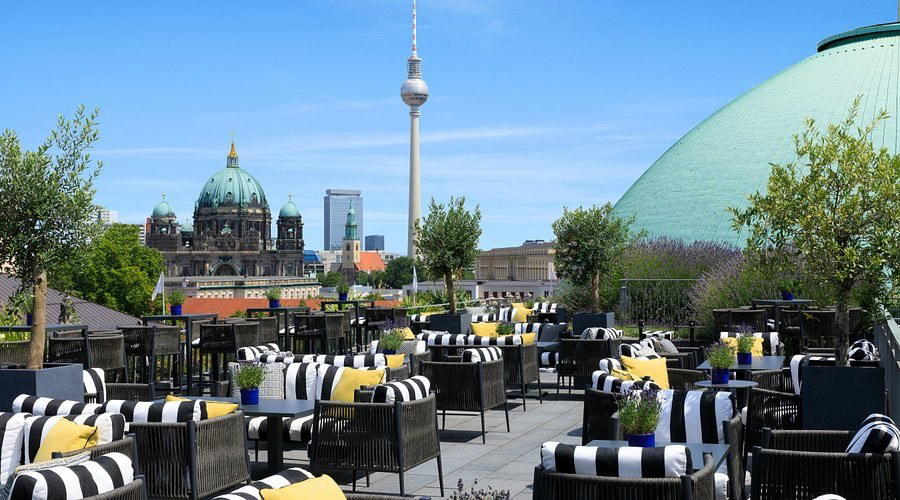
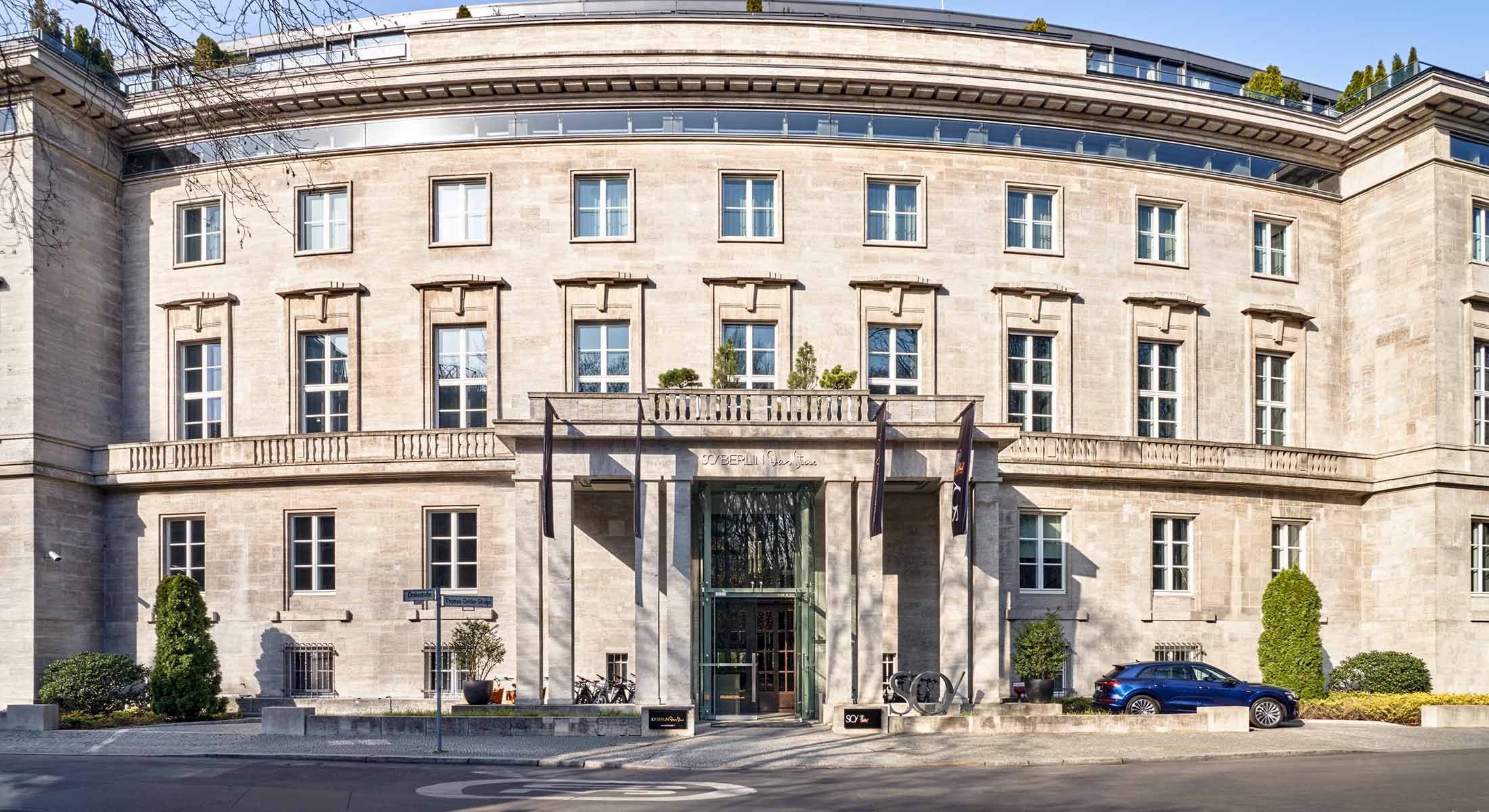
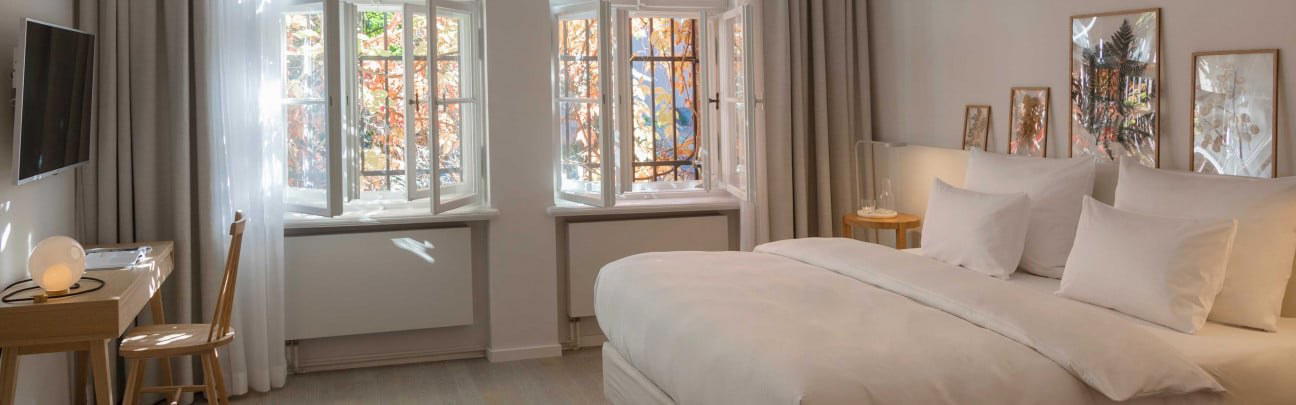
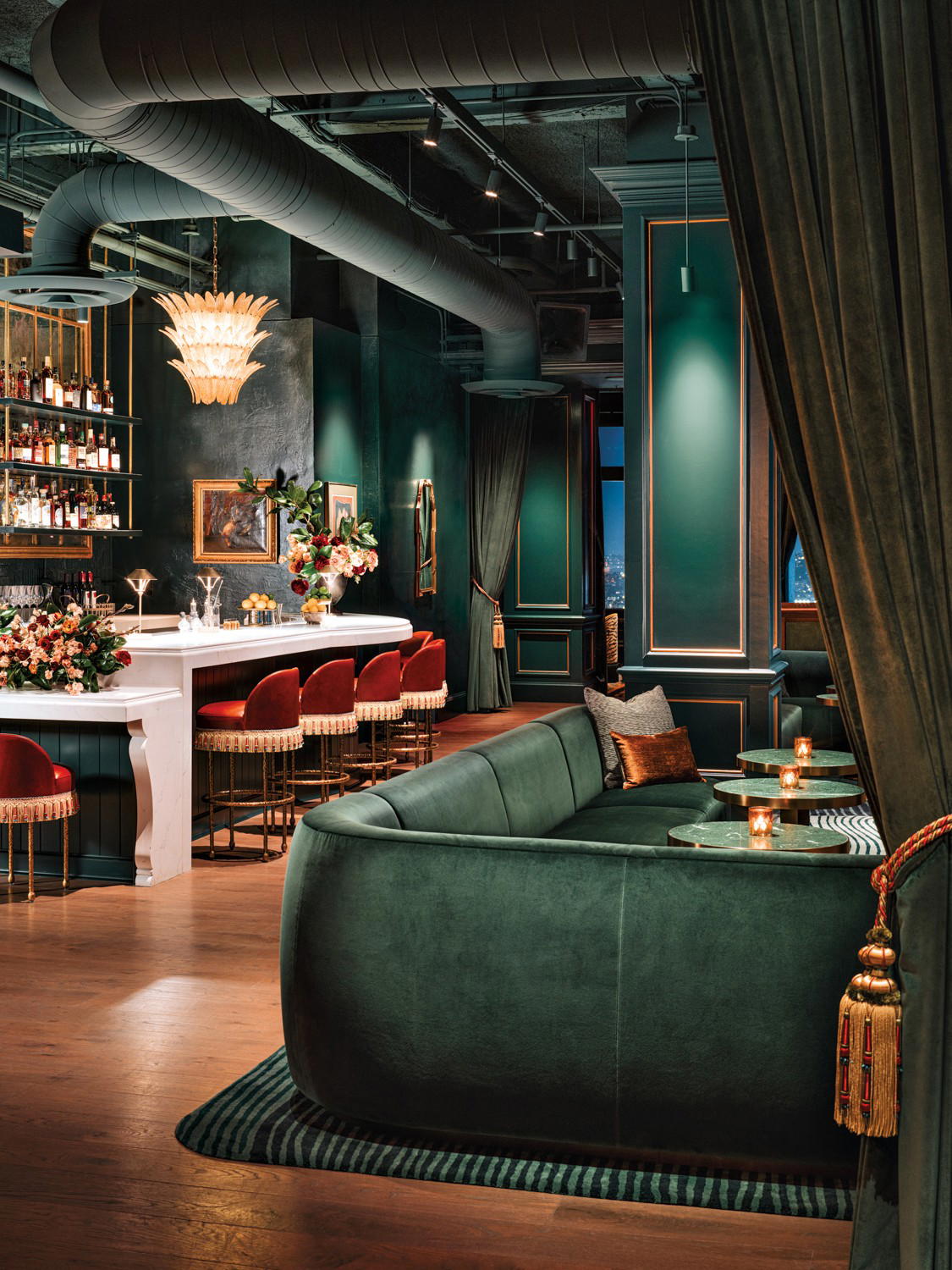
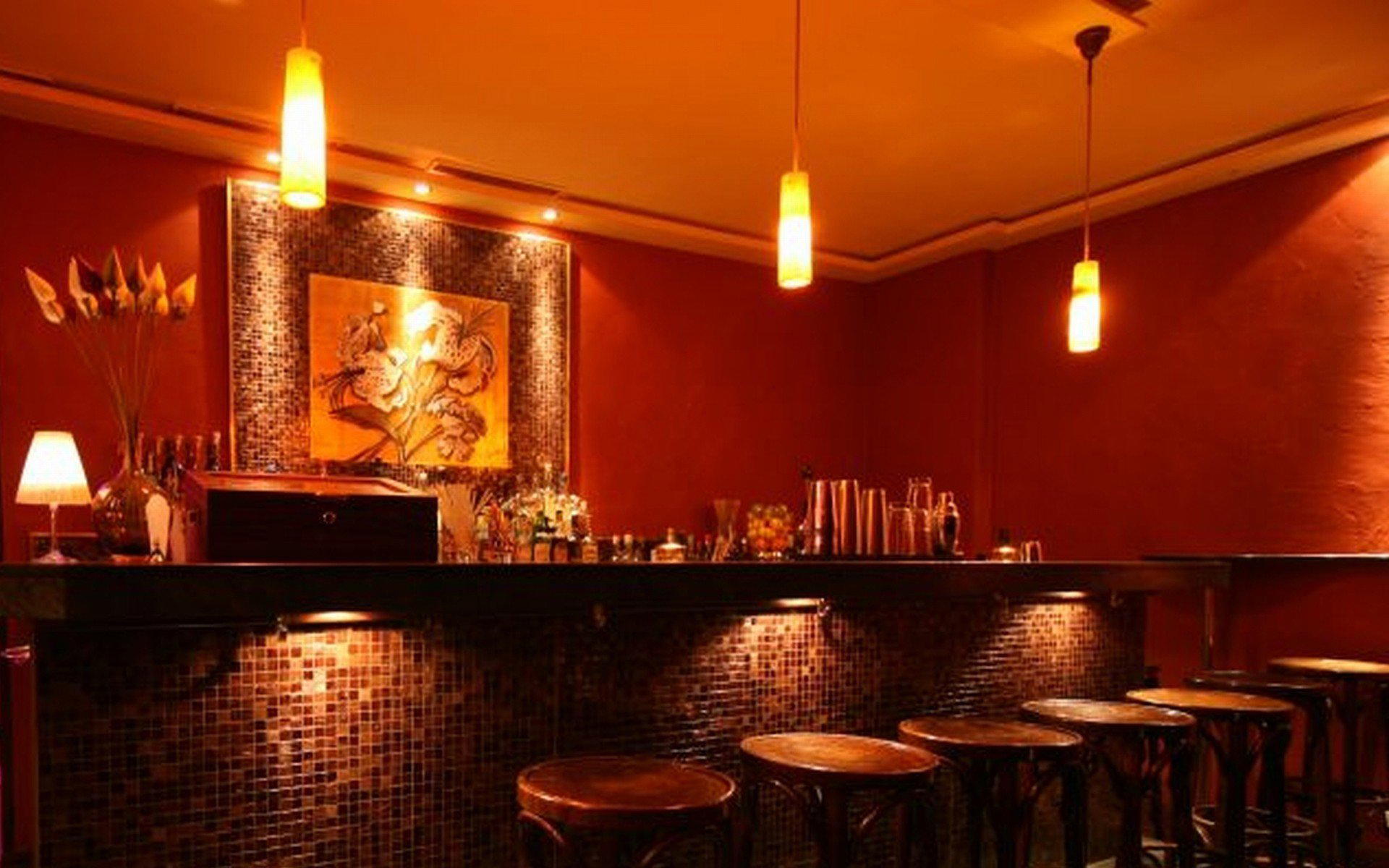
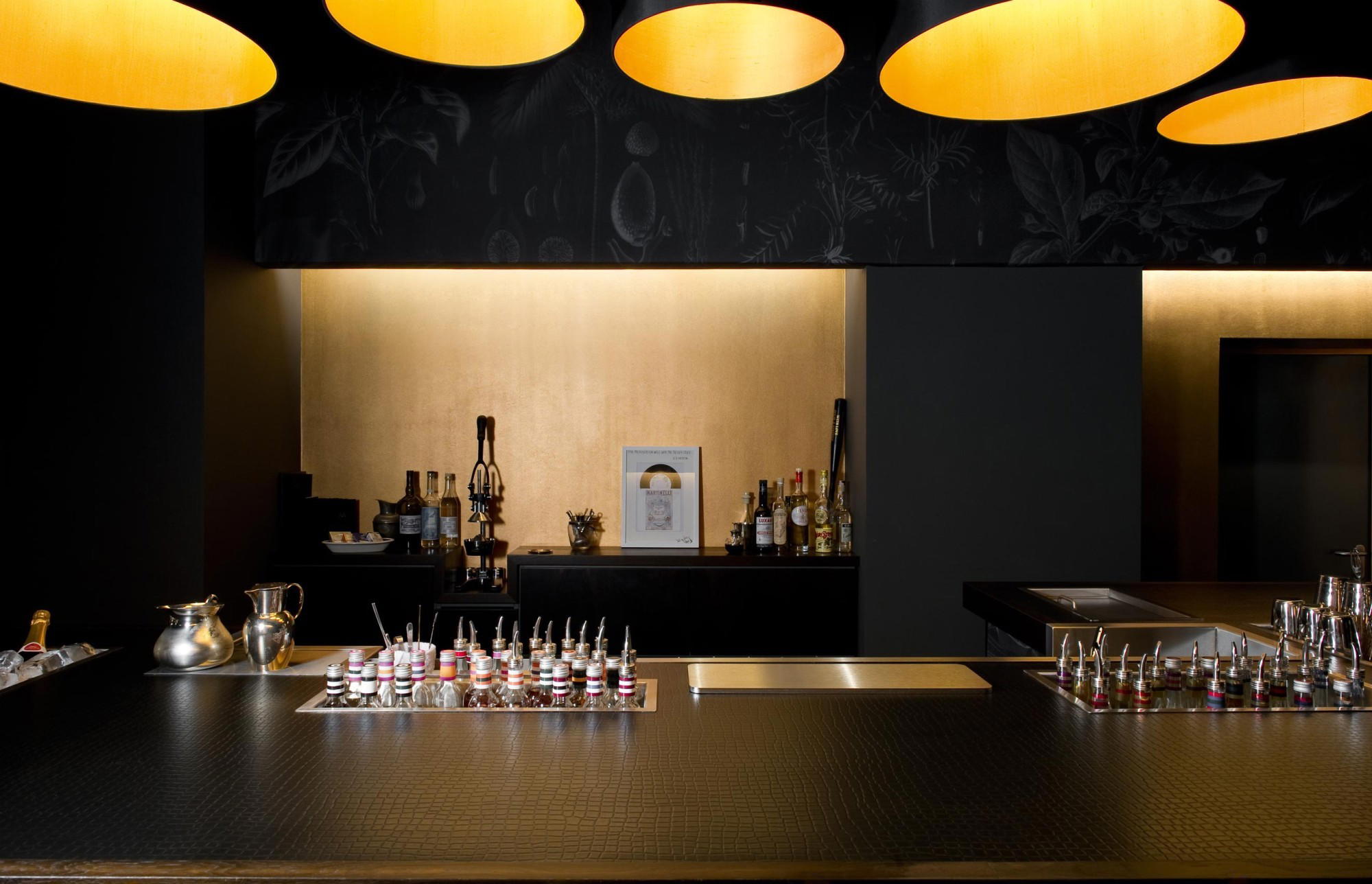
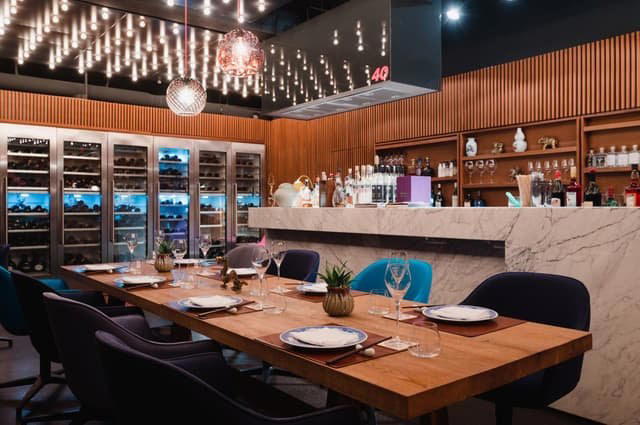
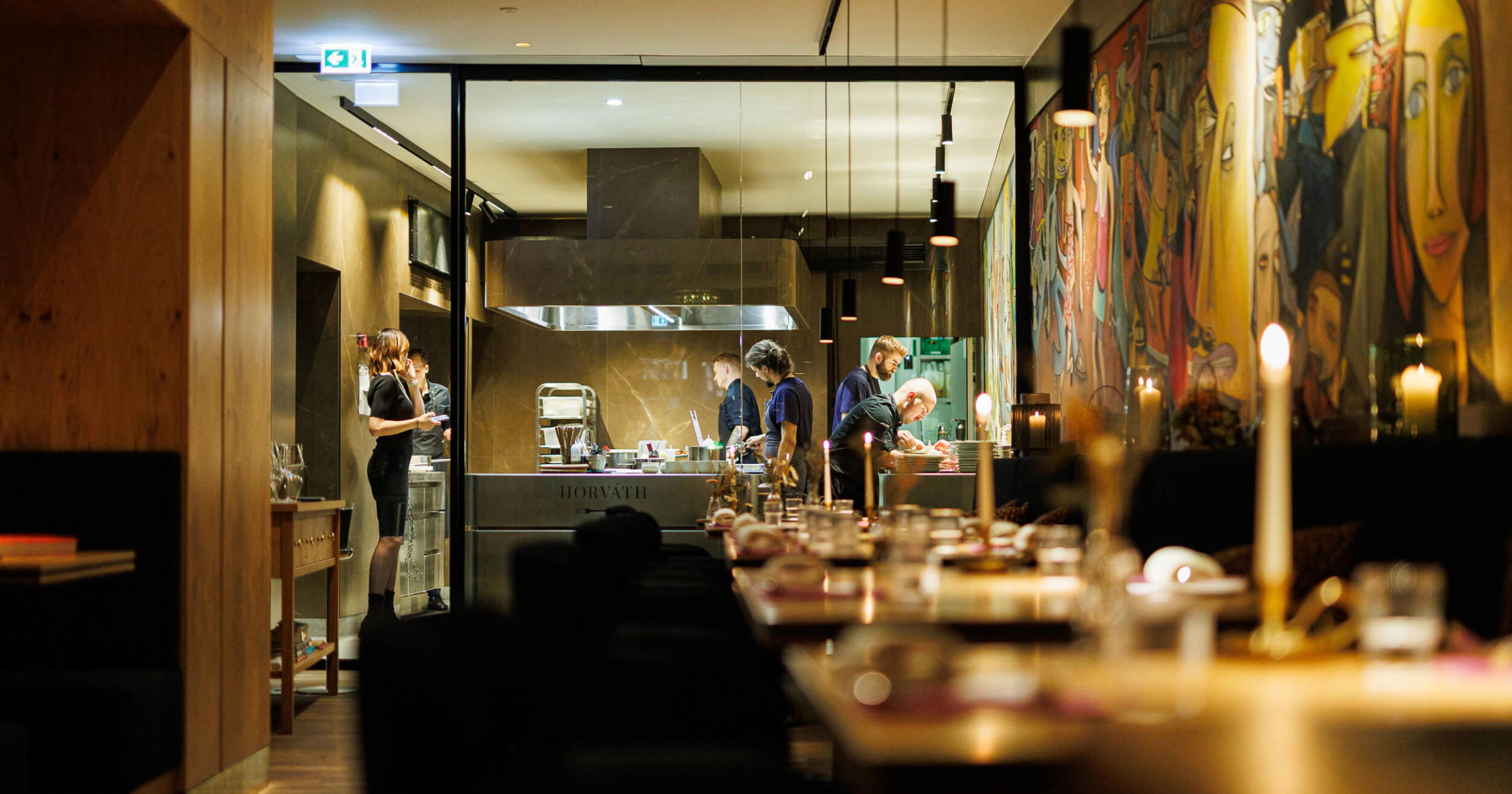
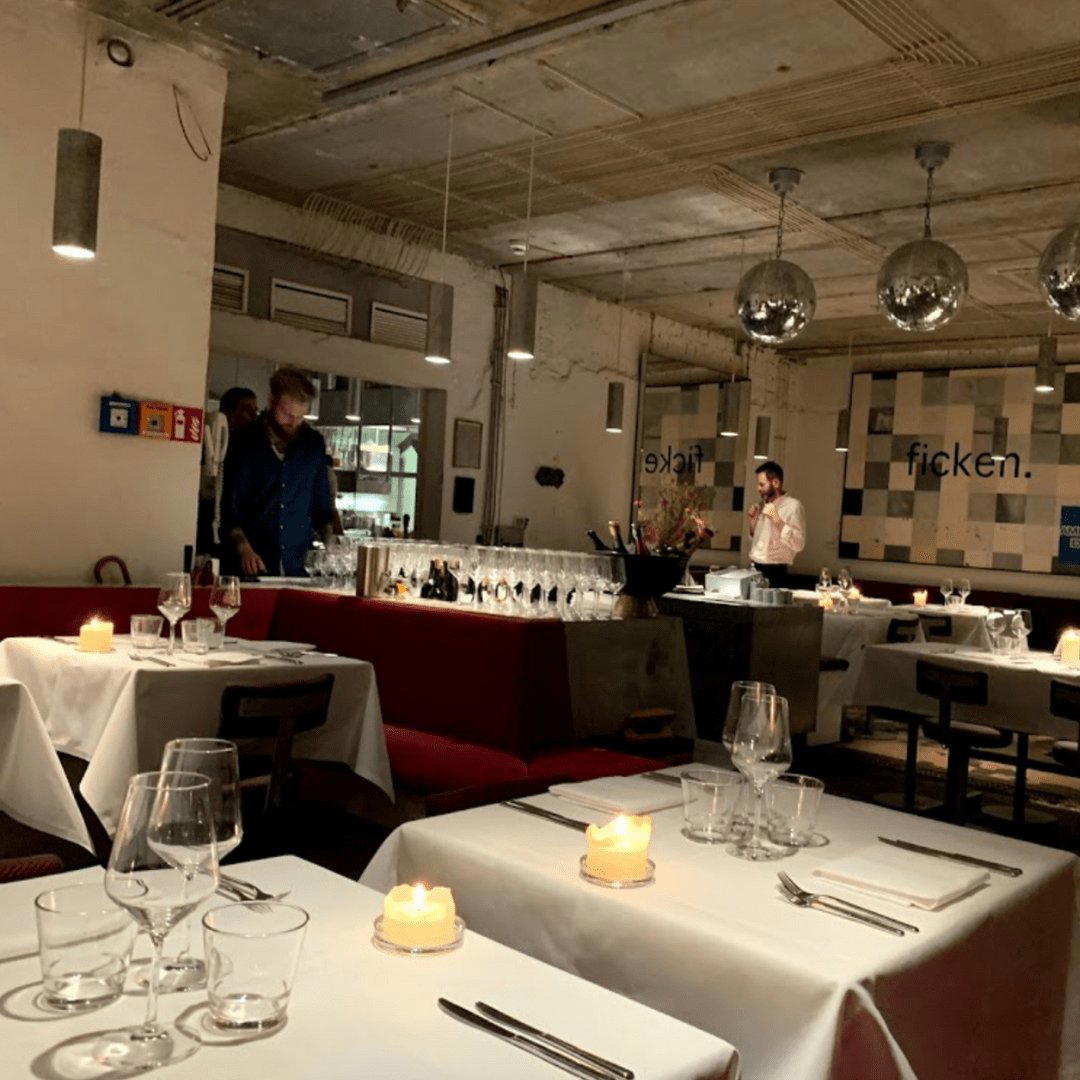
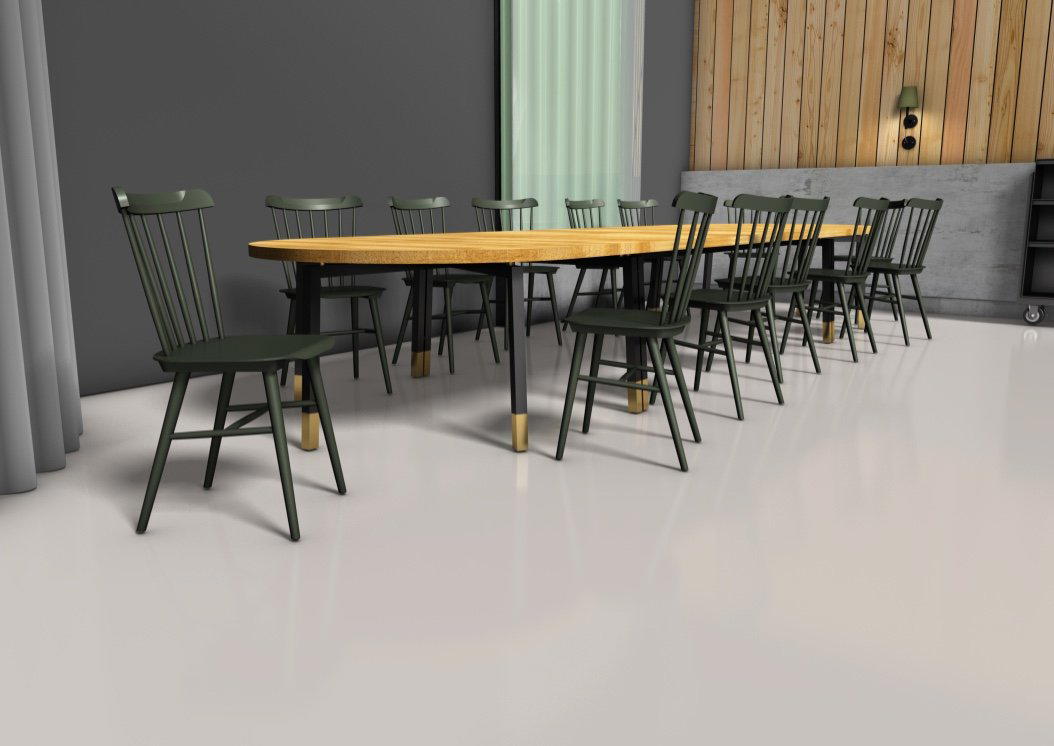
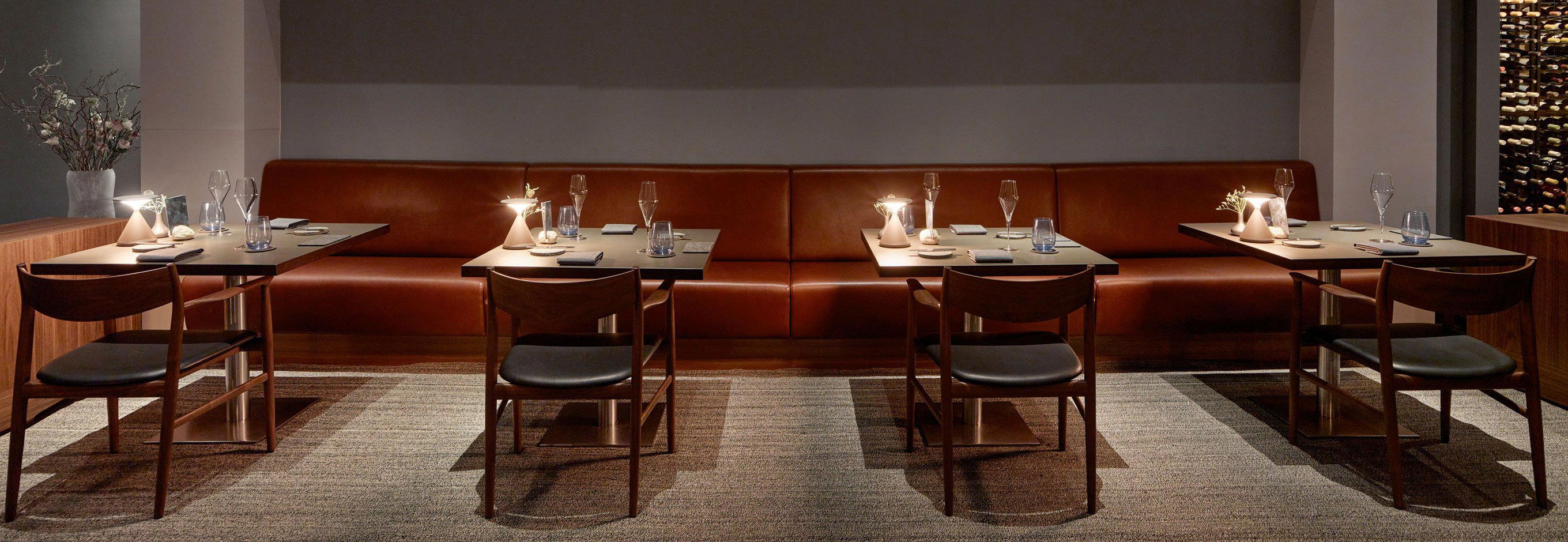
Positioned as a midscale lifestyle property with neutral, contemporary interiors and a vibrant, social atmosphere, especially on the top floor where the lobby, bar and co‑working areas are designed for mingling, working and relaxing with city views.