
1 Michelin Key
A 13-room boutique hotel occupying a converted aristocratic palazzo in Scala, above Ravello on the Amalfi Coast. Palazzo Pascal holds a 2024 Michelin Key and operates as an agriturismo, supplying its Gli Ulivi restaurant from on-site organic gardens, a vineyard, and citrus groves. Interiors are distinguished by the family's four-decade ceramic tradition, produced in Ravello, with a panoramic pool terrace overlooking the coast.

Pearl is the En Primeur Club membership app, where members save venues, book tables and use the concierge.
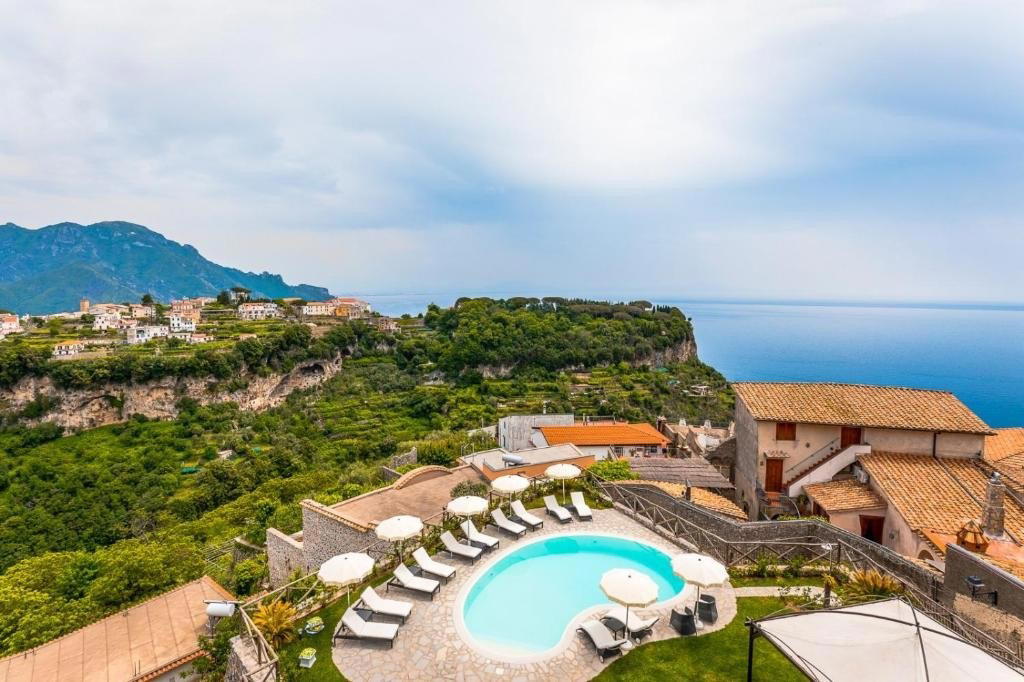
A Hilltop Palazzo Above the Amalfi Coast
The road into Scala arrives before most visitors expect it to. While Ravello collects the tour buses and Positano fills the travel magazines, Scala sits quietly above them on its own ridge, one of the oldest settlements on the Amalfi Coast and, by most practical measures, the least trafficked. Arriving on foot through Piazza Minuta, past the facade of the ancient Church of the Annunziata, the entrance to Palazzo Pascal reads less like a hotel check-in and more like crossing the threshold of a private aristocratic residence, which is precisely what it was. That architectural origin is the defining fact of the experience here: the bones of the building precede the hospitality industry by centuries, and the conversion has been careful not to disguise that.
The Amalfi Coast has developed a recognizable grammar of luxury accommodation over the past two decades: clifftop terraces, infinity pools gesturing toward the sea, interiors calibrated for Instagram symmetry. Properties like Borgo Santandrea on the Amalfi Coast and Il San Pietro di Positano in Positano operate at the larger, more produced end of that spectrum. Palazzo Pascal belongs to a smaller, more self-contained cohort: 13 rooms in total, a pedestrian-access-only village setting, and a design identity rooted in the family's own craft tradition rather than imported interior design. That positioning places it alongside Italian properties that have resisted institutional scale, closer in spirit to Passalacqua in Moltrasio or Corte della Maestà in Civita di Bagnoregio than to the coast's larger resort formats.
The Architecture of Restraint
Italian hilltown palazzi converted to accommodation tend to face a binary choice: over-restore and lose the patina, or under-invest and let the authenticity become an excuse for discomfort. Palazzo Pascal has managed the narrower path. The original seven suites occupy the historic residential core, where the proportions of the rooms, the height of the ceilings, and the weight of the walls carry an unmistakable sense of accumulated time. A more recently constructed dépendance adds smaller rooms that follow the same design register without mimicking the palazzo's scale directly.
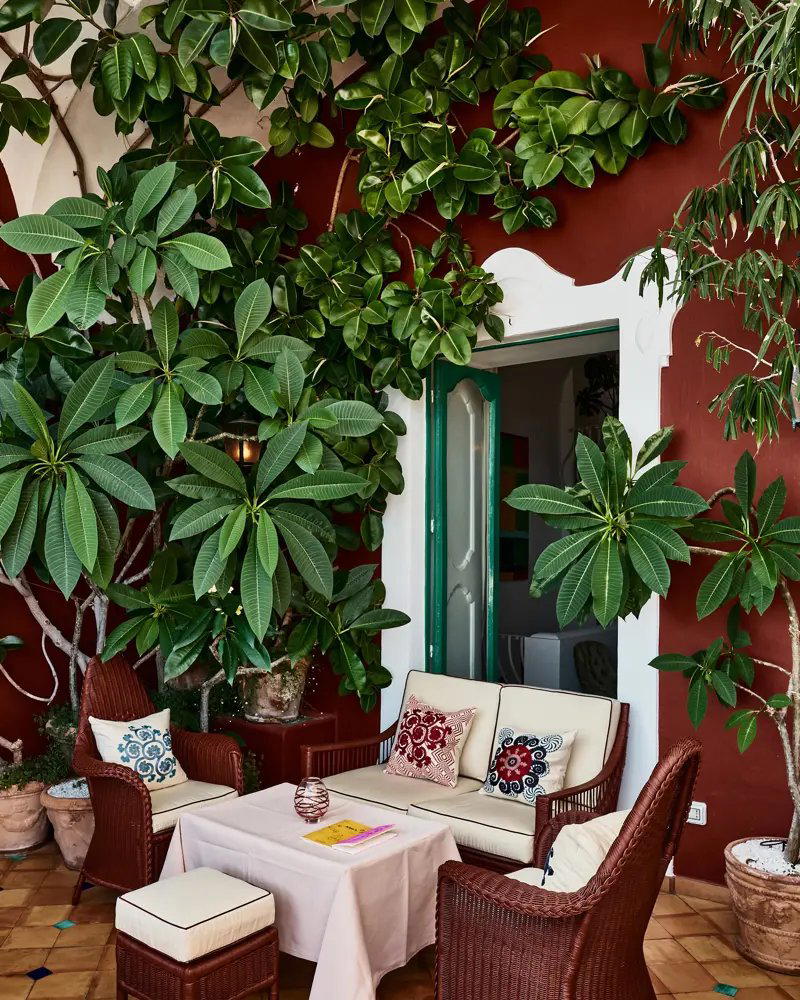
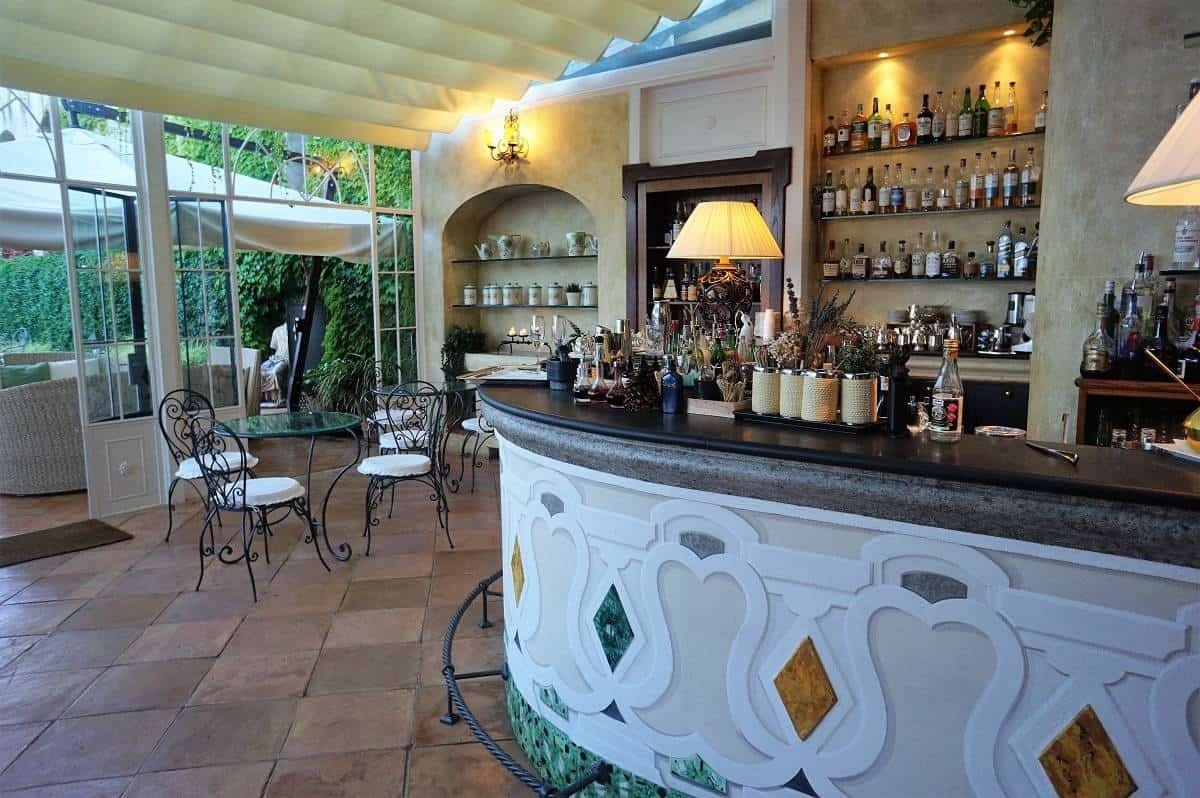
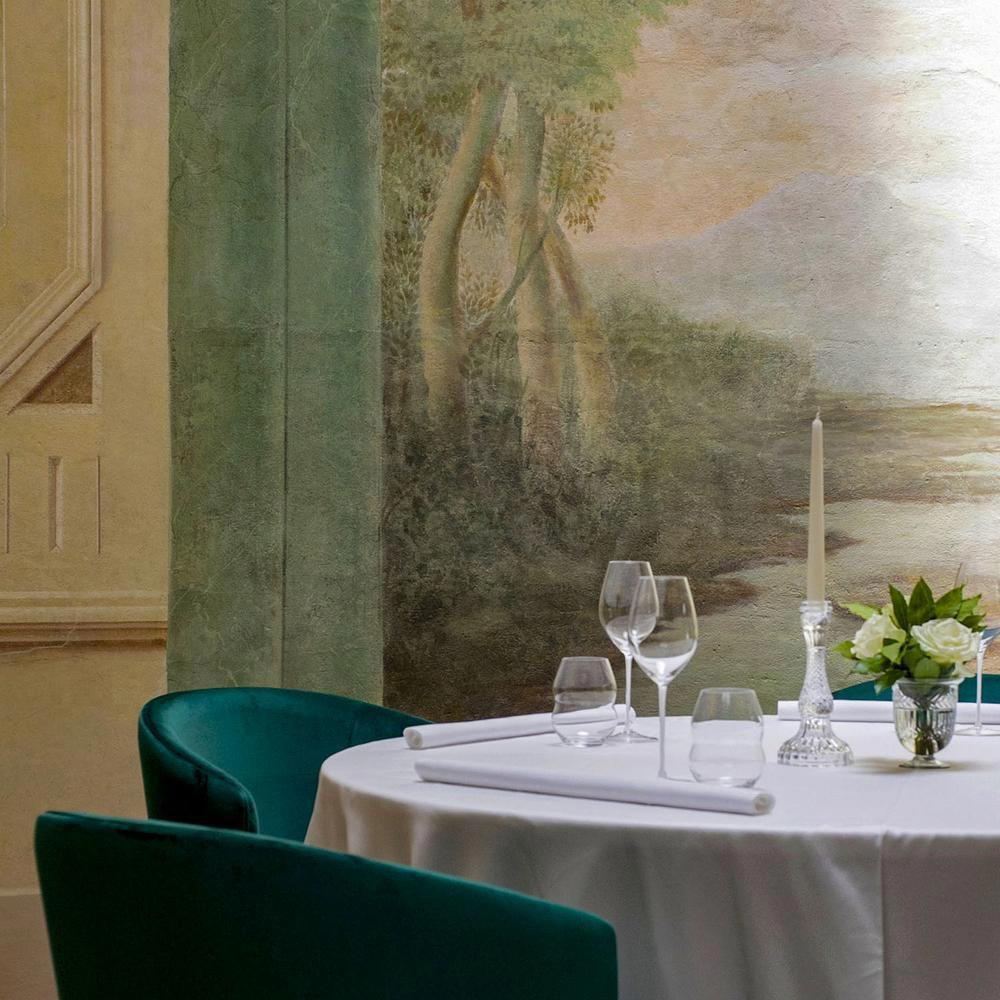
The connective design element across both structures is ceramic. The property's family has been producing artistic ceramics in Ravello for more than forty years, and the work appears throughout the interiors not as decoration shipped in from a supplier but as an expression of the same hand that built the place. The colour register runs toward the saturated, sea-facing palette that the Campania coast has deployed in its tilework for centuries: the blues, yellows, and terracottas that appear in the majolica of historic coastal churches. In a building whose structural character is already strong, the ceramics add chromatic depth without competing with the architecture itself. It is a more disciplined approach than it might initially appear.
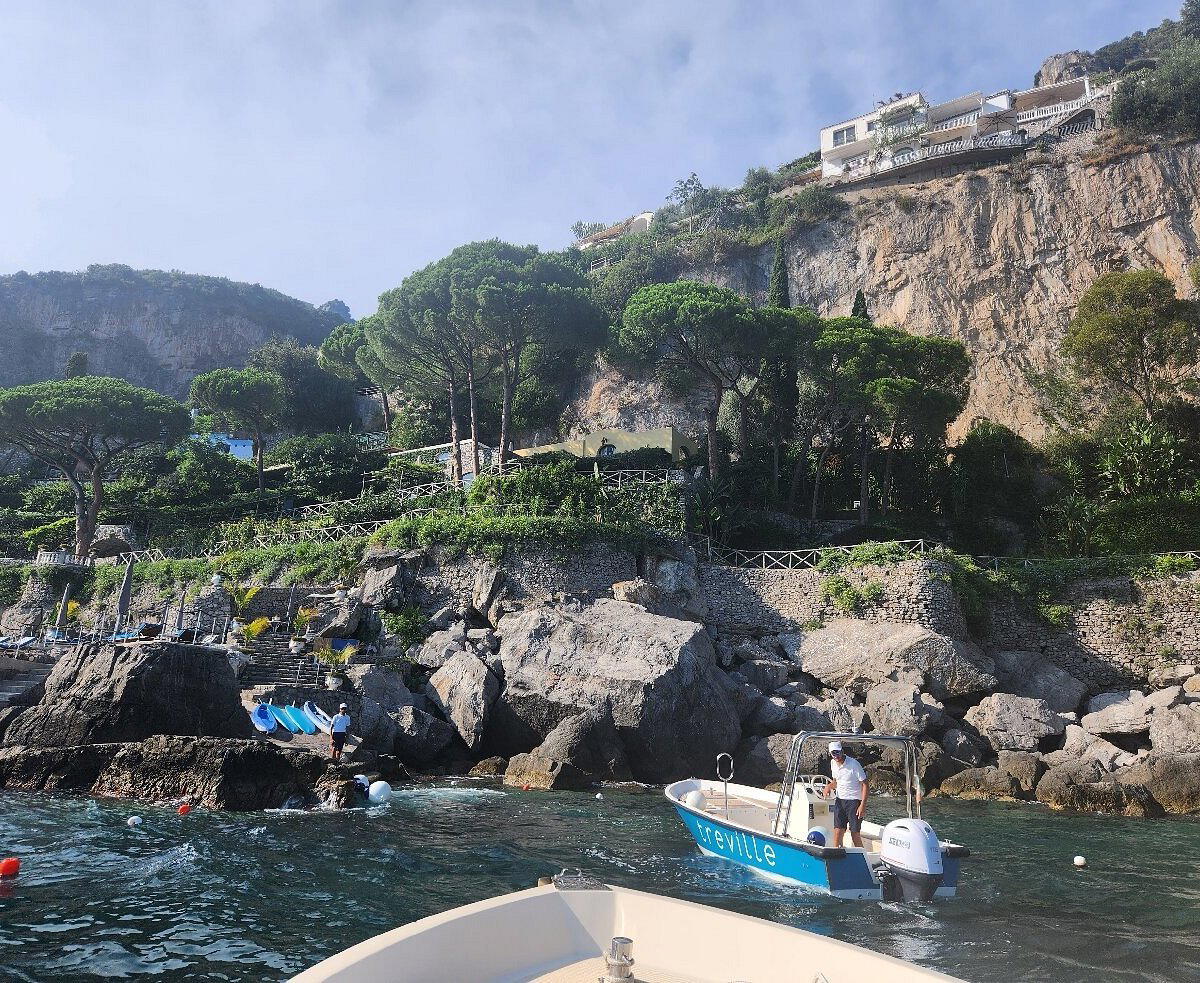
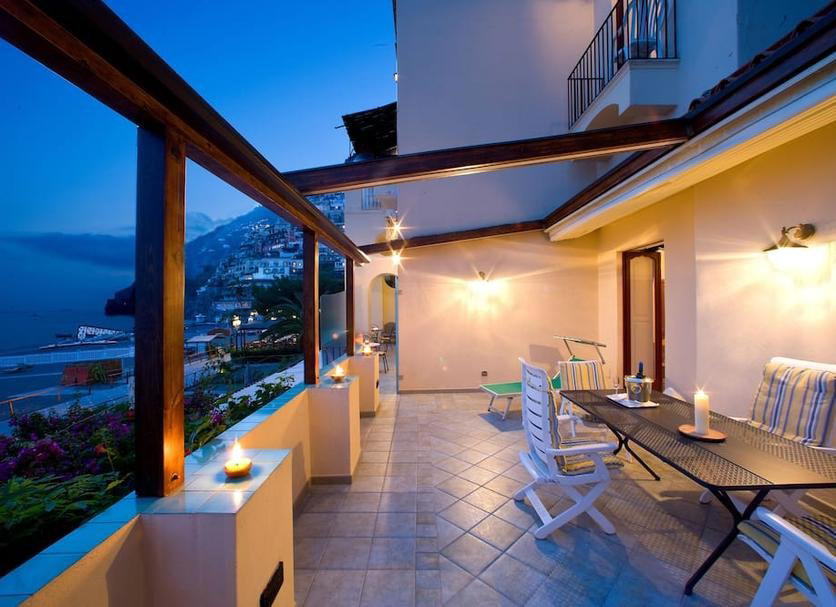
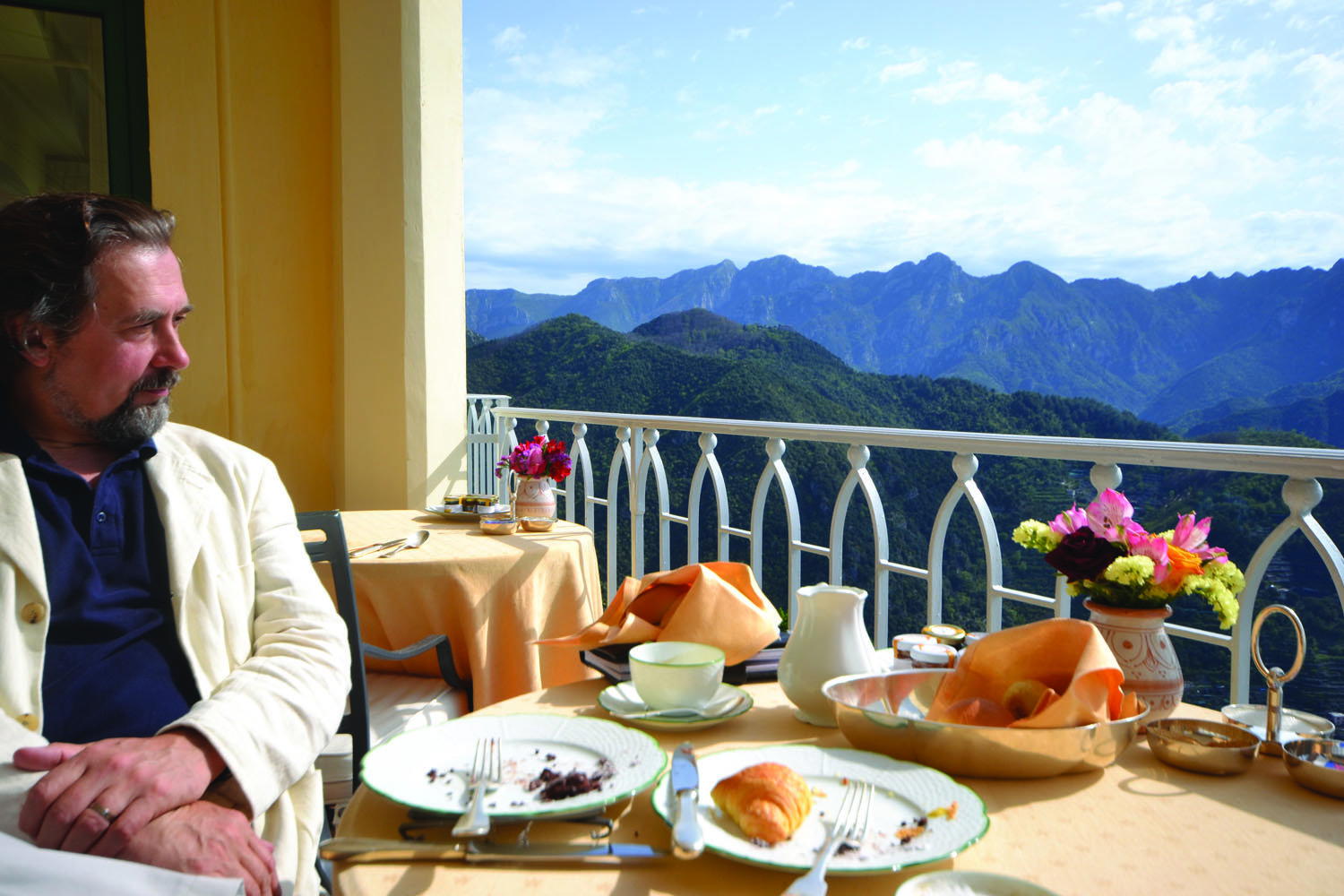
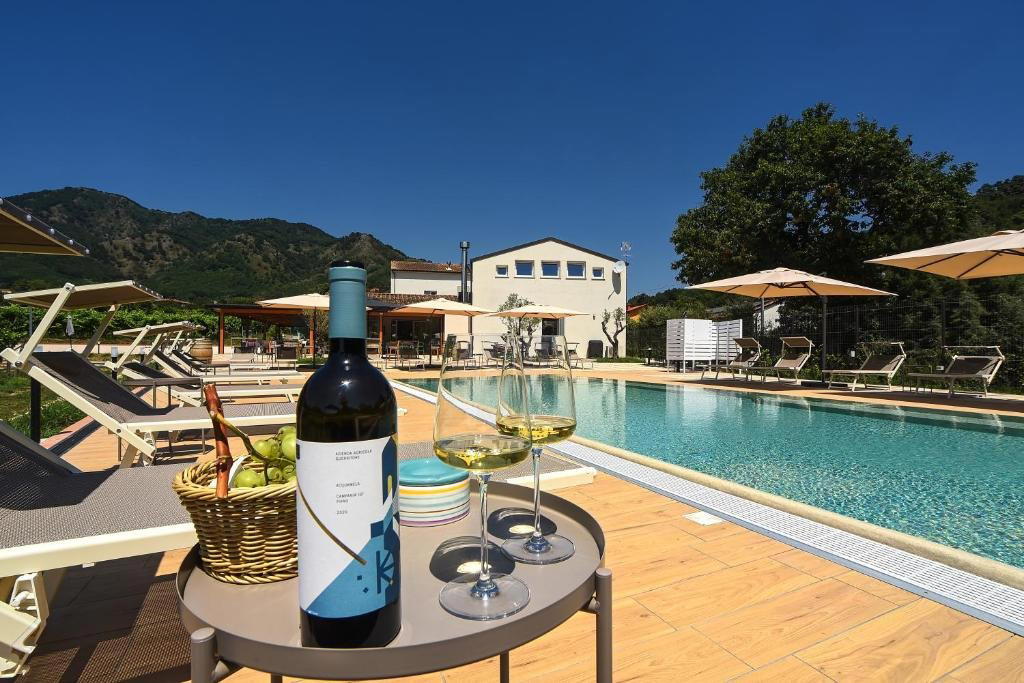
The garden pool occupies the position every Amalfi Coast property covets: elevation above the town of Amalfi with an unobstructed southward view. The pool's value here is not its dimensions but its orientation. From that terrace, the geometry of the coast, the sea, and the hillsides to the west compresses into a single frame that the building's historic rooms can only partially capture from their windows.
The Agriturismo Layer
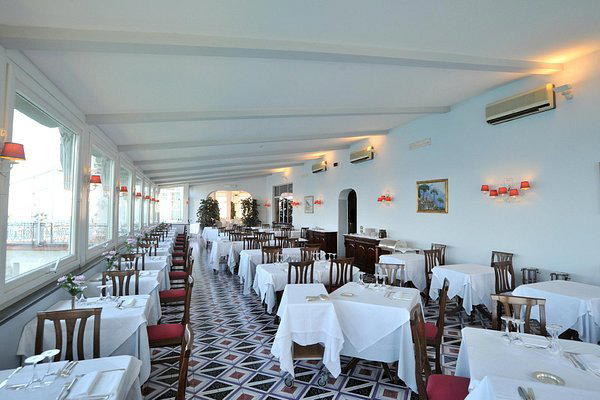
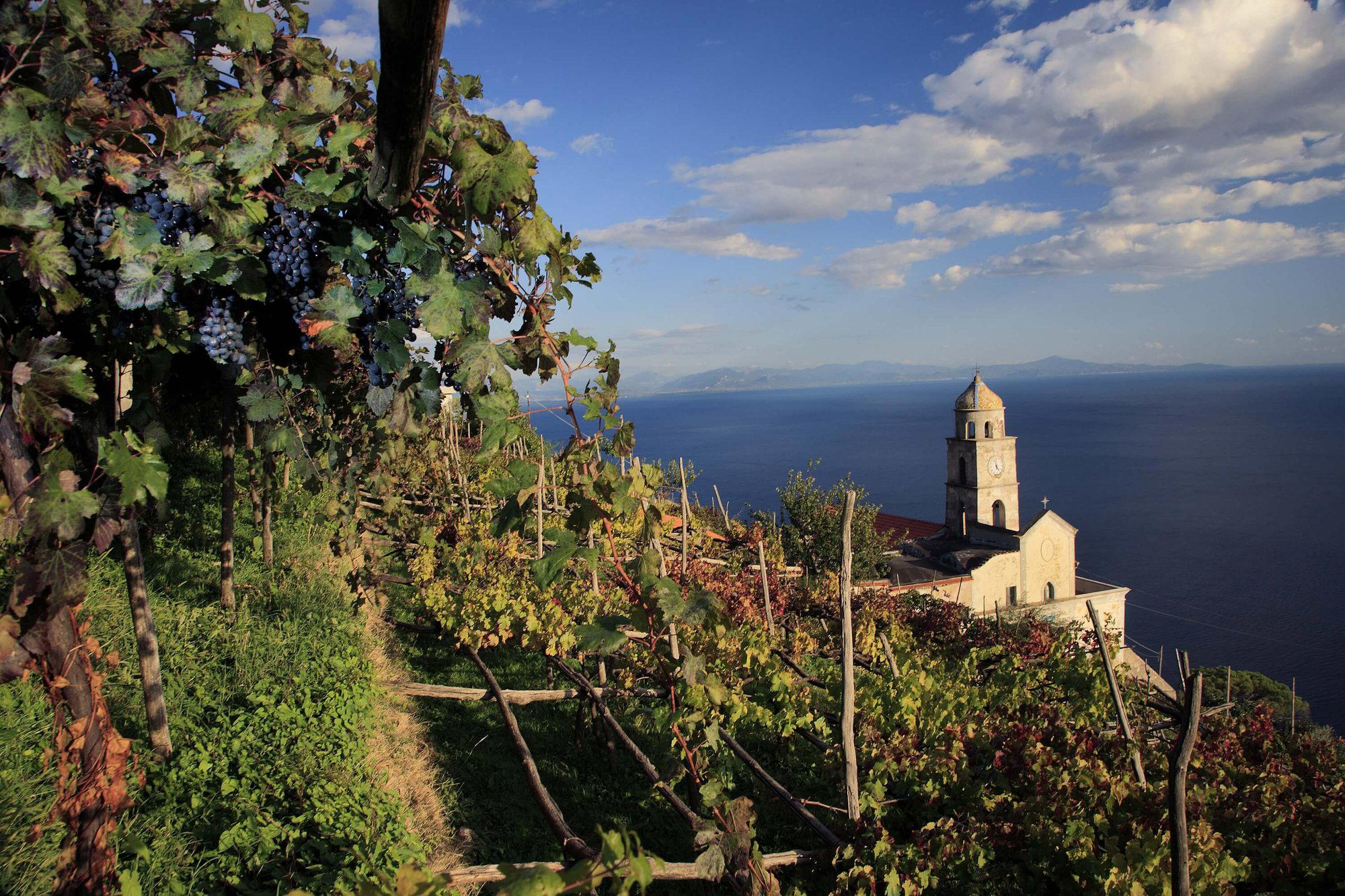
Palazzo Pascal operates simultaneously as a boutique hotel and as an agriturismo, a designation with legal specificity in Italy: to qualify, the property must derive a meaningful portion of its agricultural activity from its own land. The grounds include an organic vegetable garden, citrus grove, vineyard, olive trees, and aromatic herbs, all of which supply the on-site Gli Ulivi restaurant. That supply chain is short enough to be legible on the plate, connecting the cooking directly to the land the guests can see from the terrace.
The agriturismo format has been gaining currency across Italy's premium accommodation sector as a counterweight to the generic luxury hotel experience. Properties like Rosewood Castiglion Del Bosco in Montalcino and Borgo San Felice Resort in Castelnuovo Berardenga operate large agricultural estates as part of their identity proposition. Palazzo Pascal is working at a significantly smaller scale, which means the relationship between the garden and the kitchen is more direct, and the seasonal variability more pronounced. Gli Ulivi's menu draws on the culinary traditions of the region rather than an imported fine-dining format, which aligns with how the Amalfi Coast's leading restaurants have always framed their cooking: as an expression of specific local ingredients rather than international technique applied to local produce.
In 2024, Palazzo Pascal received a Michelin Key, the Guide's relatively new recognition for accommodation quality. Michelin introduced the Key designation to apply its standards framework to hotels rather than restaurants, and a single Key in its inaugural year of operation as a category carries comparable weight to an early Michelin star for a new restaurant: an indicator of quality at a threshold the Guide considers meaningful, rather than a ceiling. Among Italian boutique hotels of comparable size, that recognition places Palazzo Pascal in a tier that includes properties with considerably larger marketing resources.
Scala as a Setting
The choice to stay in Scala rather than Ravello, Positano, or Amalfi proper involves a trade-off that is worth making explicit. Scala has no significant commercial strip, no concentration of designer shops, and less foot traffic than any of its neighbouring towns. What it offers instead is a view of the coast from above rather than from within it, and the particular quiet that comes from a village where the pedestrian-only centre discourages casual drive-through tourism. The Palazzo sits directly on that pedestrian square, which means arriving by car requires parking at a distance and walking in, an inconvenience that functions also as a filter. For guests whose priority is immersion in the building and its grounds rather than access to coastal nightlife, that friction is negligible. For JK Place Capri-style social energy, Palazzo Pascal is the wrong address.
Ravello, a five-minute drive or a longer walk down the connecting path, provides the nearest concentration of restaurants, the annual music festival, and the Villa Cimbrone and Villa Rufolo gardens. Amalfi town is accessible by road in roughly 20 minutes depending on coast traffic, which can be significantly worse in summer. Guests visiting the coast between June and August should budget generously for road time; the SS163 Amalfitana is not a road that yields to schedules. The shoulder months, April to May and September to October, offer the same views with dramatically reduced congestion, and the agricultural grounds at Palazzo Pascal are at their most productive in those periods.
Planning a Stay
In Context: Similar Options
Comparable venues nearby, for context on price, style, and recognition.
| Venue | Cuisine | Price | Awards | Notes |
|---|---|---|---|---|
| Palazzo PascalThis venue (the venue you are viewing) | Luxurious noble residence blending historic architecture with contemporary comfort, positioned as an exclusive Amalfi Coast retreat. | $300–500 | 1 Michelin Key | Not listed |
| Relais Blu | Mediterranean boutique villa with intimate luxury | Not listed | 1 Michelin Key | Marciano-Termini |
| Art Hotel Villa Fiorella | Contemporary art-centric boutique on a hilltop with panoramic Mediterranean views | $300–500 | 1 Michelin Key | Massa Lubrense |
| The Inn at the Roman Forum | Intimate five-storey terraced townhouse converted into a luxury boutique residence with personalized service and historic character. | $500–750 | 1 Michelin Key | Monti |
| Maalot Roma | Boutique luxury hotel with personalized service and glamorous dining. | Not listed | 1 Michelin Key · Mr & Mrs Smith Seal of Approval | Trevi |
| Singer Palace Hotel | Boutique luxury hotel in a historic landmark building blending Art Deco influences with contemporary Italian design. | Not listed | 1 Michelin Key · Virtuoso Luxury Hotel Partner | Colonna |
Recognition history
Dated appearances from independent guides and award organizations, with the underlying list record or original source where available.
Michelin 1 Key
Michelin
Full recognition history (3 entries)
Michelin 1 Key
Michelin
Michelin 1 Key
Michelin
Continue exploring
More in Scala
Hotels in Scala
All hotels in Scala →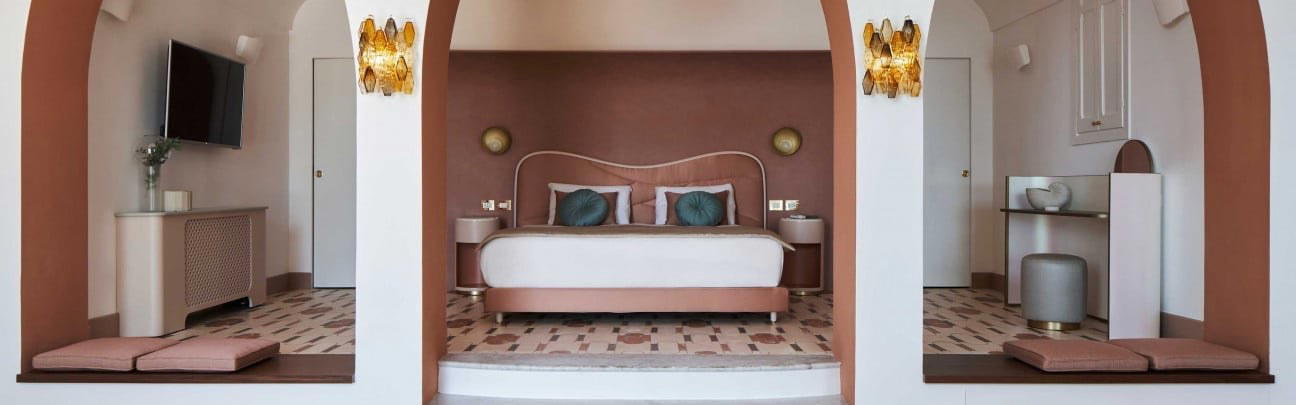
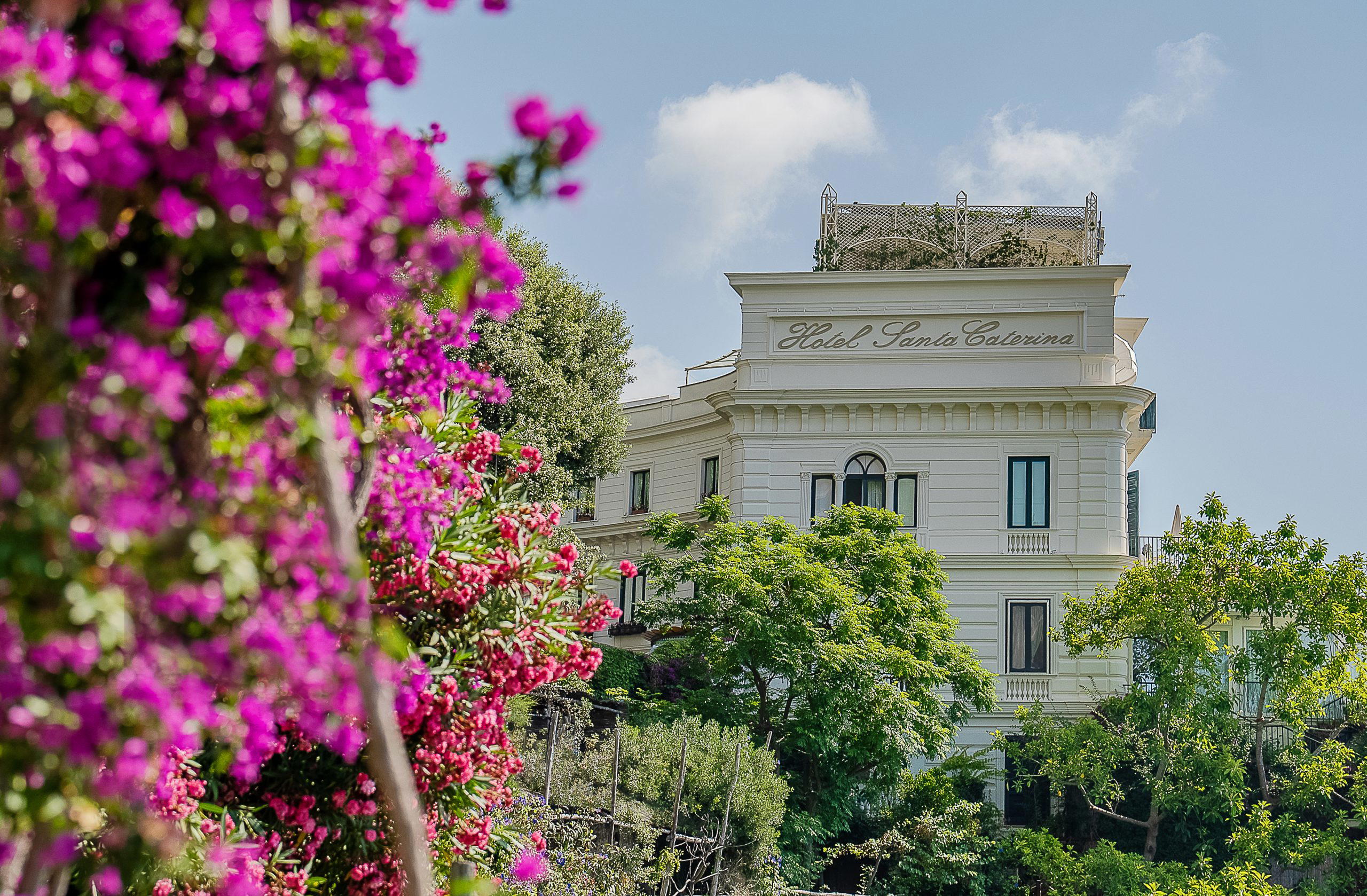
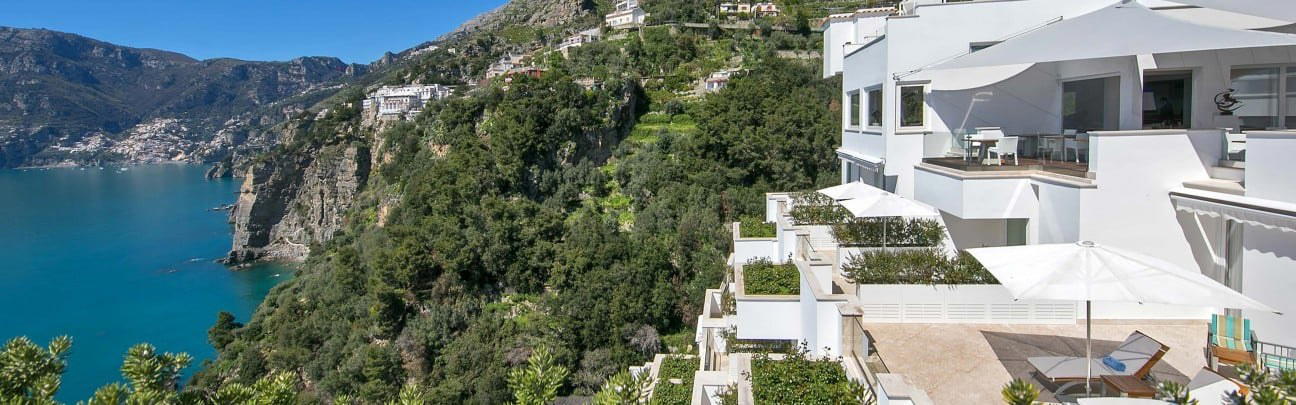
Bars in Scala
All bars in Scala →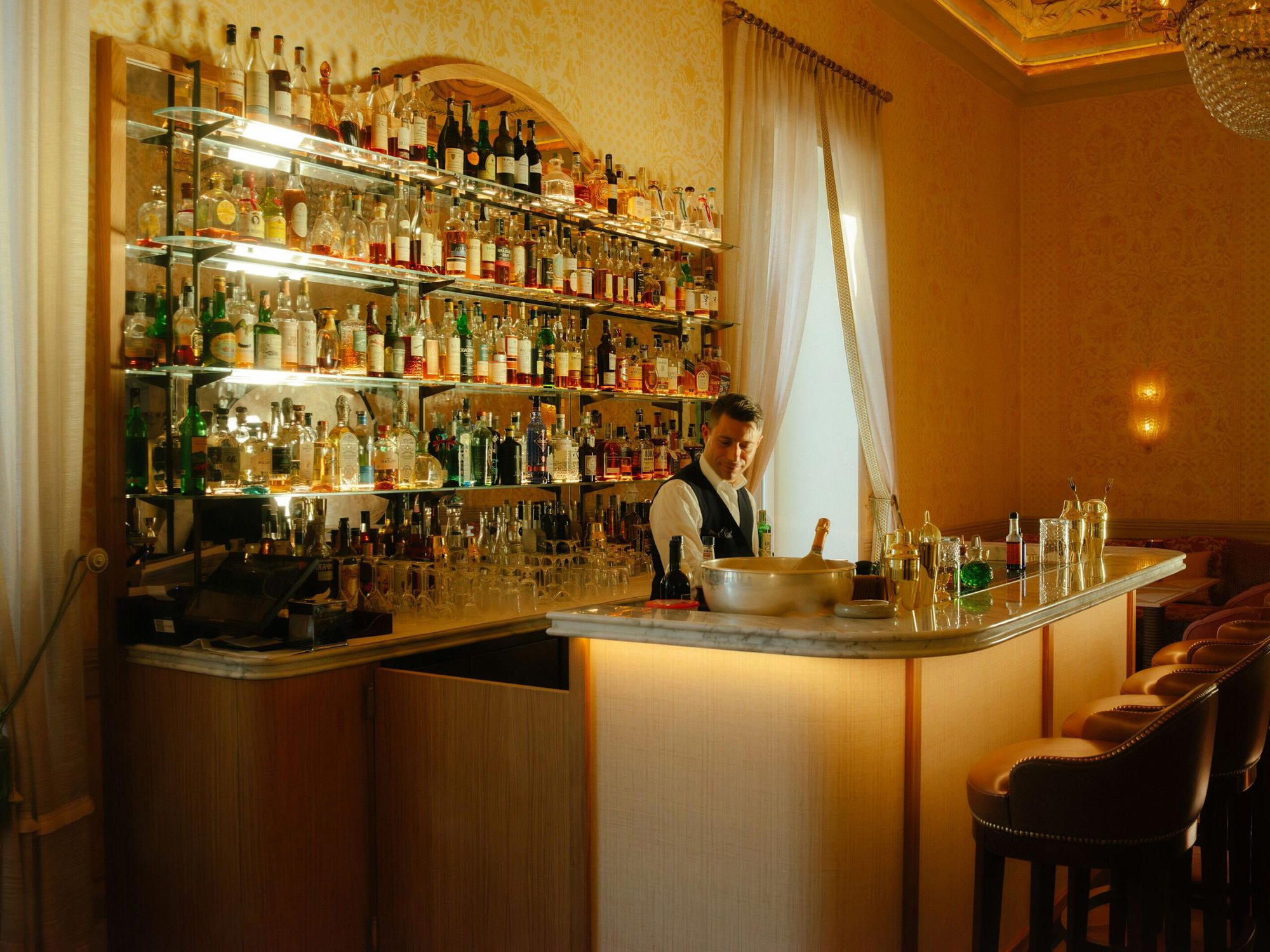
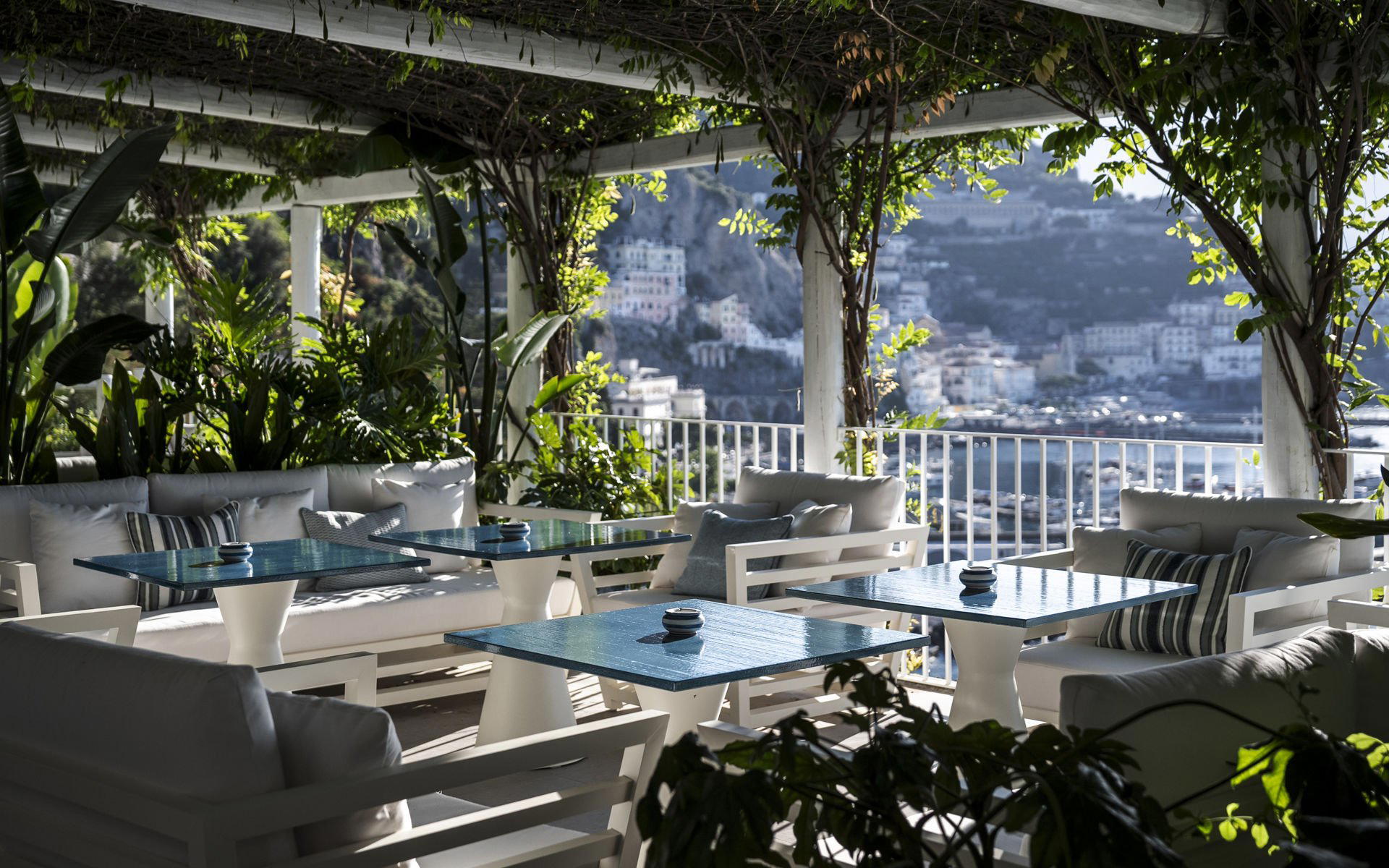
Details
- Romantic
- Quiet
- Elegant
- Scenic
- Intimate
- Honeymoon
- Romantic Getaway
- Anniversary
- Wellness Retreat
- Celebration
- Historic Building
- Panoramic View
- Garden
- Terrace
- Destination Spa
- Private Dining
- Infinity Pool
- Wi Fi
- Pool
- Spa
- Hot Tub
- Restaurant
- Bar
- Room Service
- Concierge
- Business Center
- Massage
- Garden
- Garden
- Mountain
- Waterfront
- Elevator
- Accessible Restroom
Serene and sophisticated with soft Mediterranean lighting, terraces overlooking Ravello and the coast, and peaceful garden settings that evoke timeless elegance.