
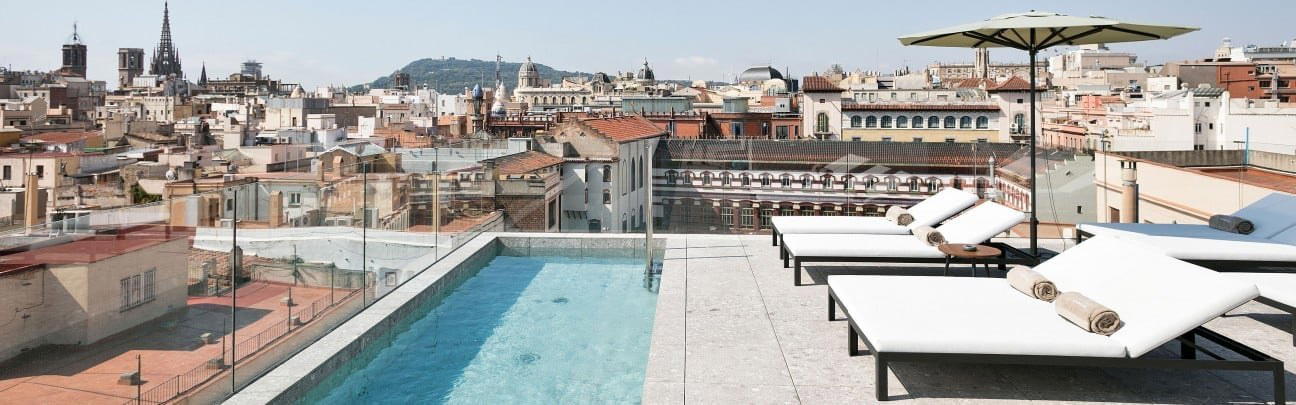
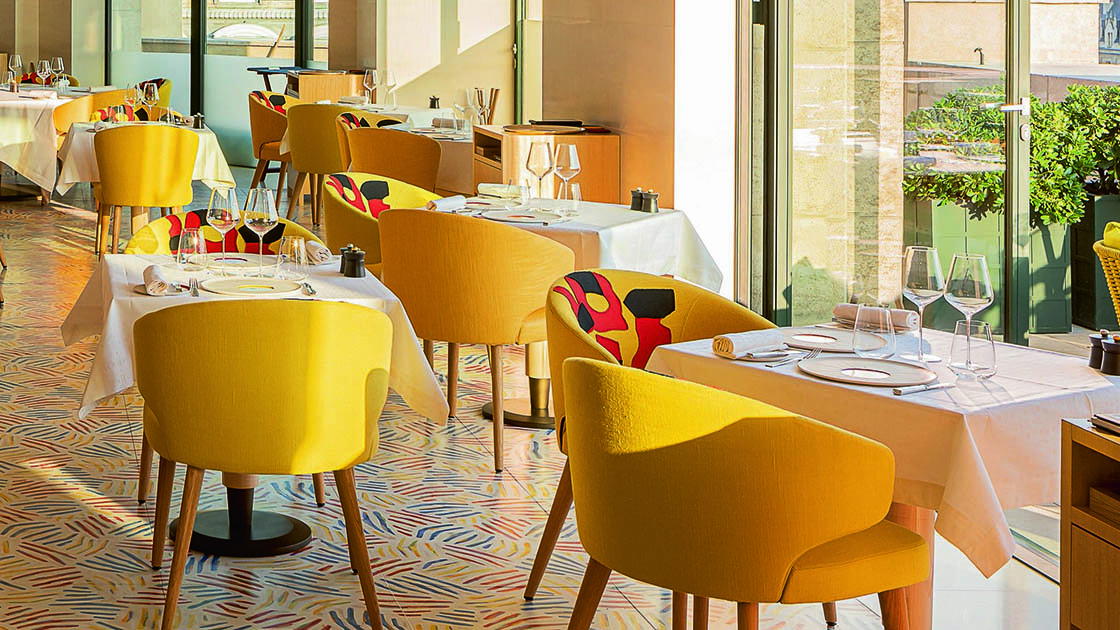
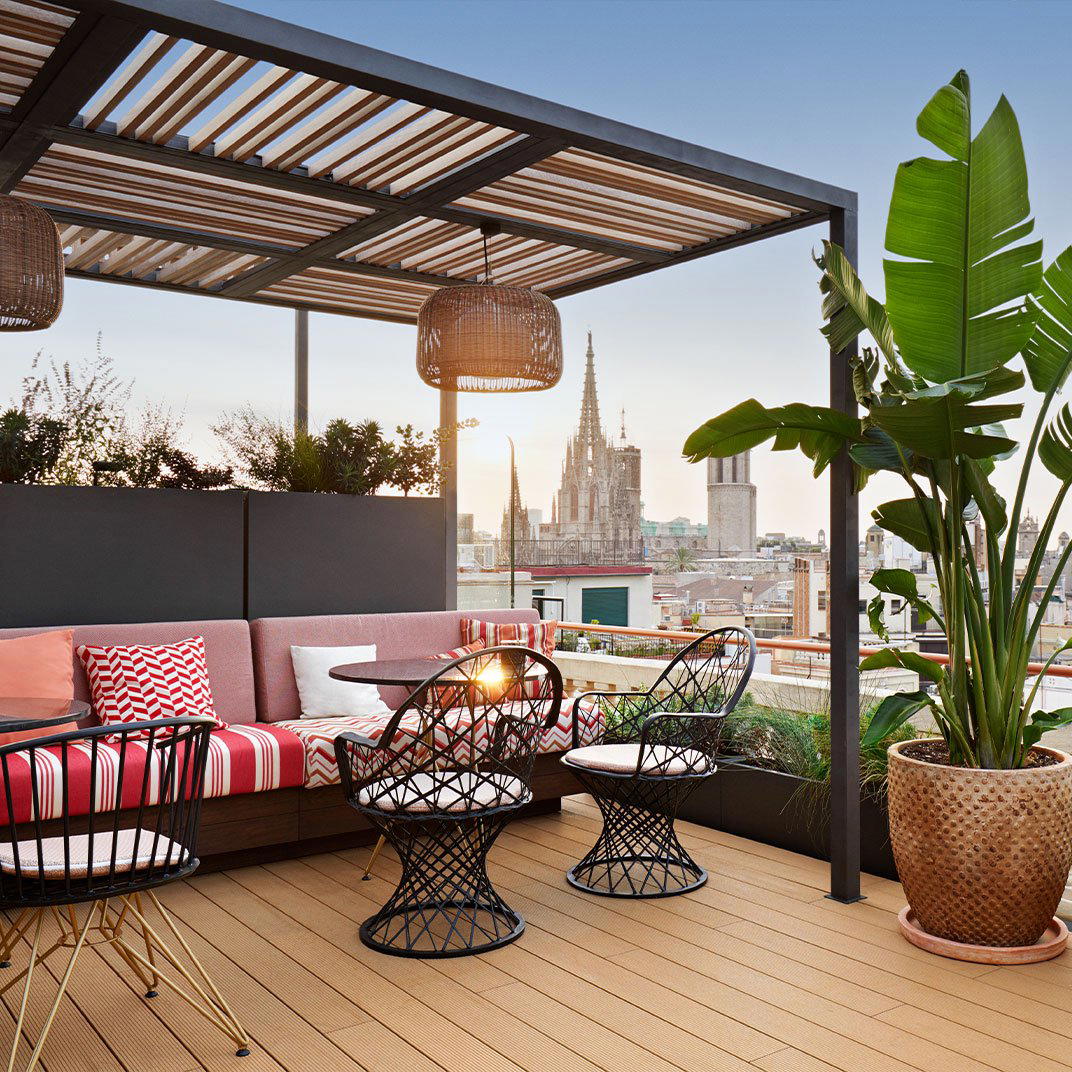
ME Barcelona holds a MICHELIN Selected distinction and occupies a striking address on Carrer de Casp, at the intersection of the Eixample grid and the Passeig de Gràcia axis. The property sits inside Barcelona's design-led hotel tier, where architecture and room experience carry as much weight as location. For travellers who want the city's central pulse without the anonymity of a large international chain, it represents a considered position in a competitive field.
Pearl is the En Primeur Club membership app — saves, bookings, and concierge access live there. Same editors, same standards.
- Address
- Carrer de Casp, 1 - 13, Eixample, 08010 Barcelona, Spain
- Phone
- +34 932 77 94 18
- Website
- melia.com
- Directions
- Get directions
 Saves & bookings on Pearl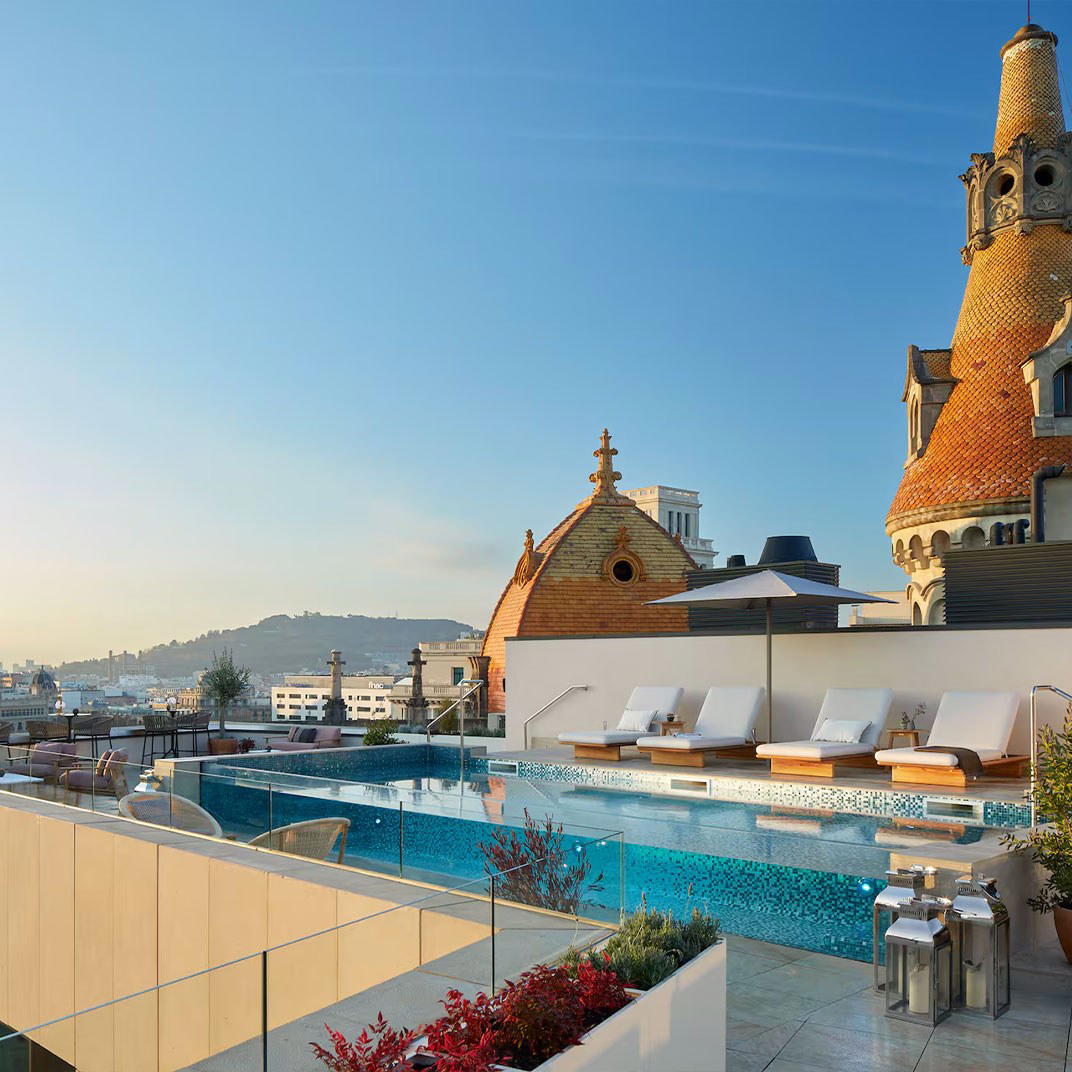
Where the Eixample Grid Meets Design-Led Hospitality
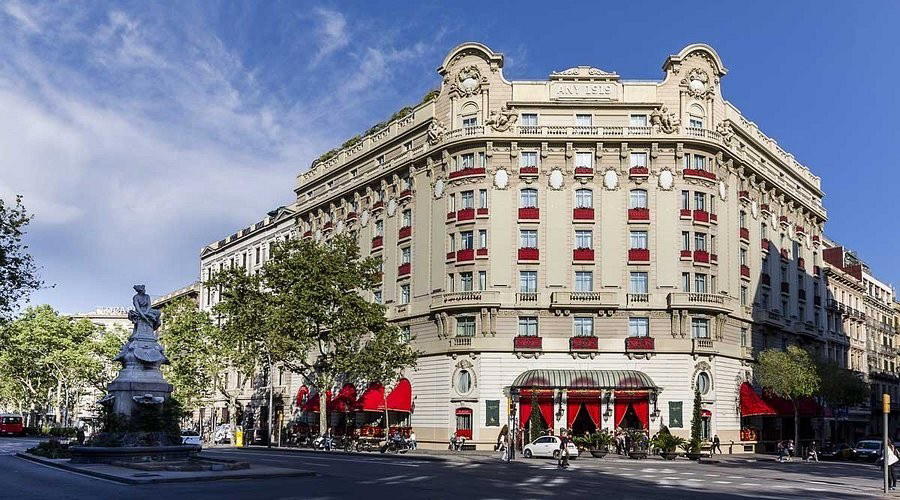
Barcelona's premium hotel market has fractured into distinct tiers over the past decade. At one end sit the grand palatial addresses, the kind represented by Mandarin Oriental Barcelona on Passeig de Gràcia, where heritage architecture and white-glove formality define the guest experience. At the other, a smaller cohort of design-forward properties has emerged, prioritising atmosphere, visual identity, and a different kind of social energy over traditional luxury markers. ME Barcelona sits firmly in this second group, carrying a MICHELIN Selected designation from the 2025 Michelin Hotels guide.
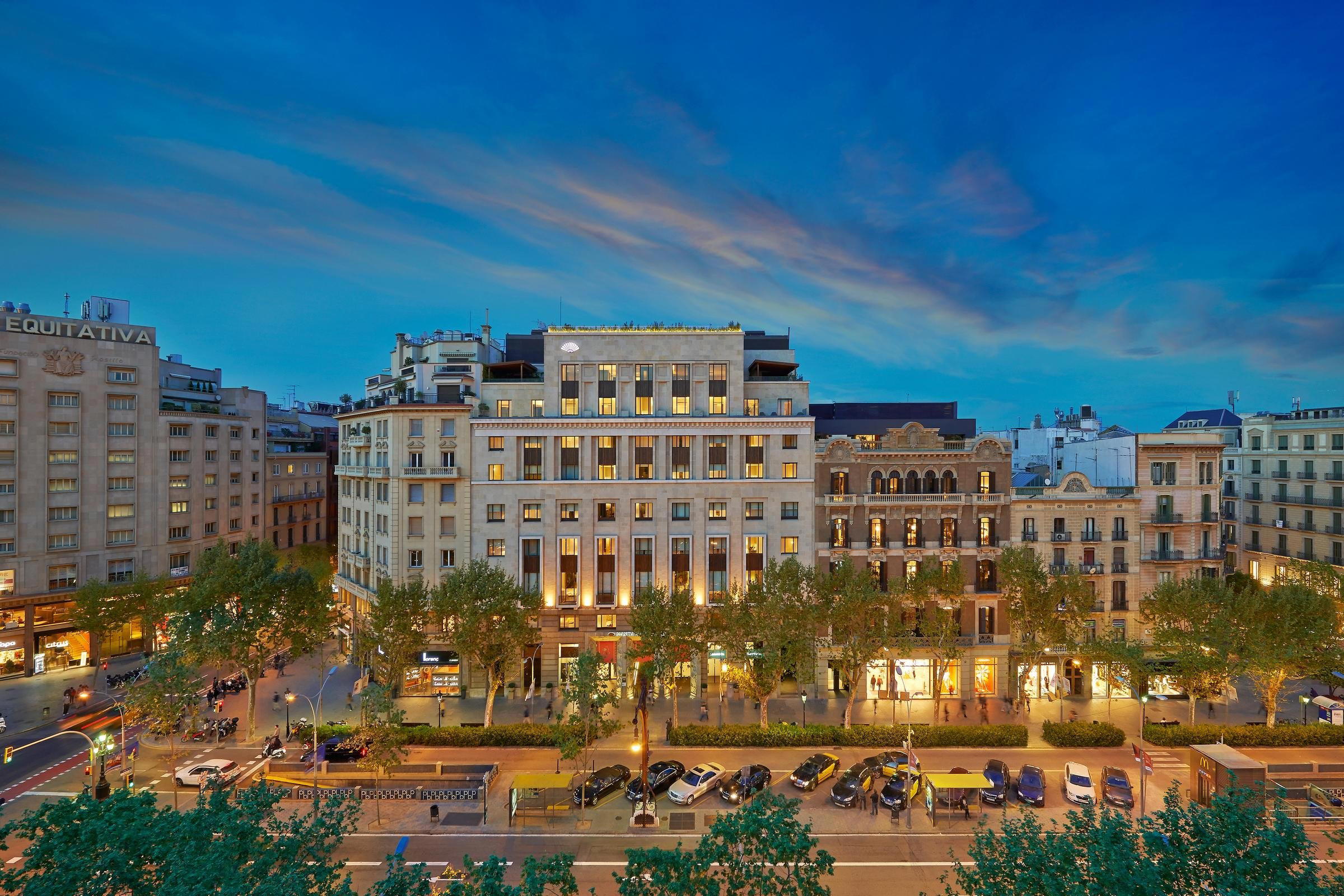
The address, Carrer de Casp 1-13, places the property at a precise urban crossroads: the northeastern edge of the Eixample, where the grid opens toward the city's commercial and cultural core. This is not a neighbourhood that requires explanation to a well-travelled guest. Passeig de Gràcia is within walking distance, as are the concentrated restaurant and bar blocks of the Esquerra de l'Eixample. The positioning matters because Barcelona's hotel market stratifies partly by geography, and a central Eixample address competes directly with properties like Almanac Barcelona and Alma Barcelona for guests who want the grid's walkability without retreating to the waterfront.
The Room as the Argument
In design-led hotels, the room is the primary editorial statement. Where a traditional luxury property communicates through marble lobbies, butler services, and established brand vocabulary, a hotel in ME Barcelona's category makes its case through what happens after the door closes: the quality of light, the relationship between technology and comfort, the considered distance between a bed and a window.
The broader ME brand, which operates in cities including Madrid and London, has consistently positioned its rooms around a sensory-forward aesthetic rather than the neutral-palette functionality of large international chains. That positioning involves deliberate choices about materials, lighting design, and the integration of sound and visual elements that make a room feel curated rather than standardised. Within the Barcelona context, where hotels like Mercer Hotel Barcelona anchor their identity in Roman archaeological heritage and ABaC Restaurant & Hotel builds its offer around Michelin-starred dining, ME Barcelona's point of distinction is the room experience itself: the overnight stay as a deliberate aesthetic encounter rather than a functional interlude between city activities.
Bathrooms in hotels at this tier tend to mark the boundary between adequate and considered. The difference shows in material weight, fixture quality, and whether the spatial planning treats the bathroom as an afterthought or as an integral part of the room's overall sensory logic. For guests comparing this property against alternatives like Hotel Boutique Mirlo or Antiga Casa Buenavista, the question is less about square footage and more about whether the design decisions cohere.
Barcelona's Design Hotel Tier in Context
The MICHELIN Selected classification, awarded as part of the 2025 Michelin Hotels guide, is not a gastronomic distinction. It indicates that Michelin's editorial team has assessed the property across criteria including comfort, character, and overall experience, and found it worth recommending to their readership. For a hotel operating in the design-forward category, that recognition matters because it offers a reference point independent of brand marketing. Guests who use Michelin's hotels guide as a filtering tool are specifically looking for properties that clear a qualitative bar, not simply ones that have the highest advertising spend.
Within Spain, the range of MICHELIN Selected properties runs from urban design hotels to rural wine estates. Properties like Terra Dominicata in Escaladei and Abadía Retuerta LeDomaine anchor themselves in wine and landscape; Cap Rocat in Cala Blava and Hotel Can Ferrereta in Santanyí make geography their primary argument. The hotel's inclusion in the same editorial framework, while occupying an urban design-hotel position, reflects that Michelin's hotels coverage now maps the full spectrum rather than defaulting to château-and-countryside typologies.
For travellers building a Spanish itinerary, the Michelin Selected designation across different property types creates a useful reference point. A guest who stays at Mandarin Oriental Ritz, Madrid in the capital, then moves to Barcelona, is working within a comparable set where the hotel occupies the design-hotel position. Similarly, those extending beyond the mainland might look at La Residencia, A Belmond Hotel, Mallorca or Hotel Can Cera in Palma as part of the same edited circuit.
Planning the Stay
The hotel sits in the mid-to-upper range of Barcelona's hotel pricing, consistent with its Eixample location and MICHELIN Selected standing. The property competes for bookings with Hotel Arts Barcelona at the waterfront end of the market and with smaller boutique addresses throughout the Eixample grid. For guests whose priorities run toward room design and central positioning over resort-scale amenities, the Carrer de Casp address works efficiently: the Passeig de Gràcia metro station places the entire city within direct reach, and the concentration of restaurants, wine bars, and cultural venues in the immediate neighbourhood removes the need for a car or extended transfers.
Barcelona's busiest hotel periods track predictably with the European summer, the Mobile World Congress window in late February, and the shoulder months of April-May and September-October, when the city operates at full pace without peak-summer pricing pressure. For guests with flexibility, the autumn window represents the better ratio of availability to atmosphere. Those building a wider Spain itinerary might consider pairing the Barcelona stay with properties further afield, including Akelarre in San Sebastián to the north or Marbella Club Hotel to the south, or extend to international comparisons in the same design-led tier, such as The Fifth Avenue Hotel in New York City or Badrutt's Palace Hotel in St. Moritz.
Fast Comparison
Comparable venues nearby, for context on price, style, and recognition.
| Venue | Cuisine | Price | Awards | Notes |
|---|---|---|---|---|
| ME BarcelonaThis venue — the venue you are viewing | Design-forward urban hotel blending history and modernity. | $$$ | 4-Star | Not listed |
| Margot House | Contemporary boutique hotel with Wes Anderson-inspired design philosophy, operating as a private residence experience. | $$$ | 4-Star | la Dreta de l'Eixample |
| Arai Aparthotel Barcelona | Luxury boutique aparthotel in restored 18th-century palace | $$$ | 4-Star | Barri Gotic |
| Yurbban Ramblas | Urban boutique in historic 19th-century building | $$$ | 4-Star | Ciutat Vella |
| H10 Cubik | Exclusive four-star superior design hotel with cutting-edge brutalist interior design featuring geometric shapes and pure colors. | $$$ | 4-Star | Barri Gotic |
| Hotel Granados 83 | Art-filled boutique with central skylit patio | $$$ | 4-Star | l'Antiga Esquerra de l'Eixample |
Recognition history
Dated appearances from independent guides and award organizations, with the underlying list record or original source where available.
Michelin Selected
Michelin
Continue exploring
More in Barcelona
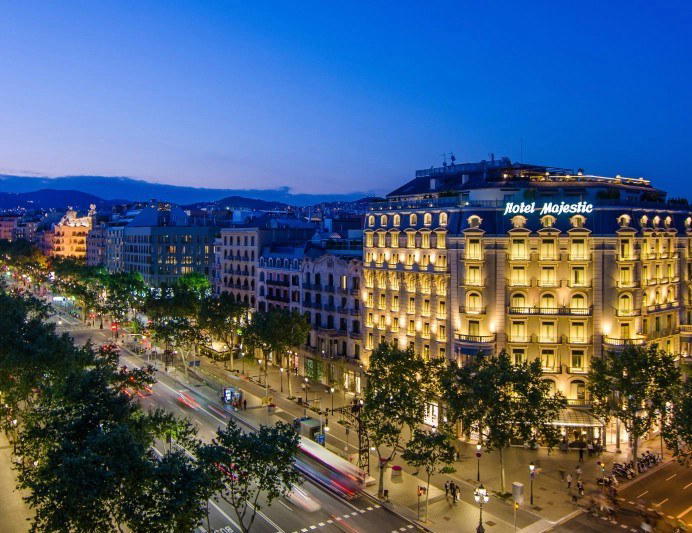
Hotels in Barcelona
Browse all →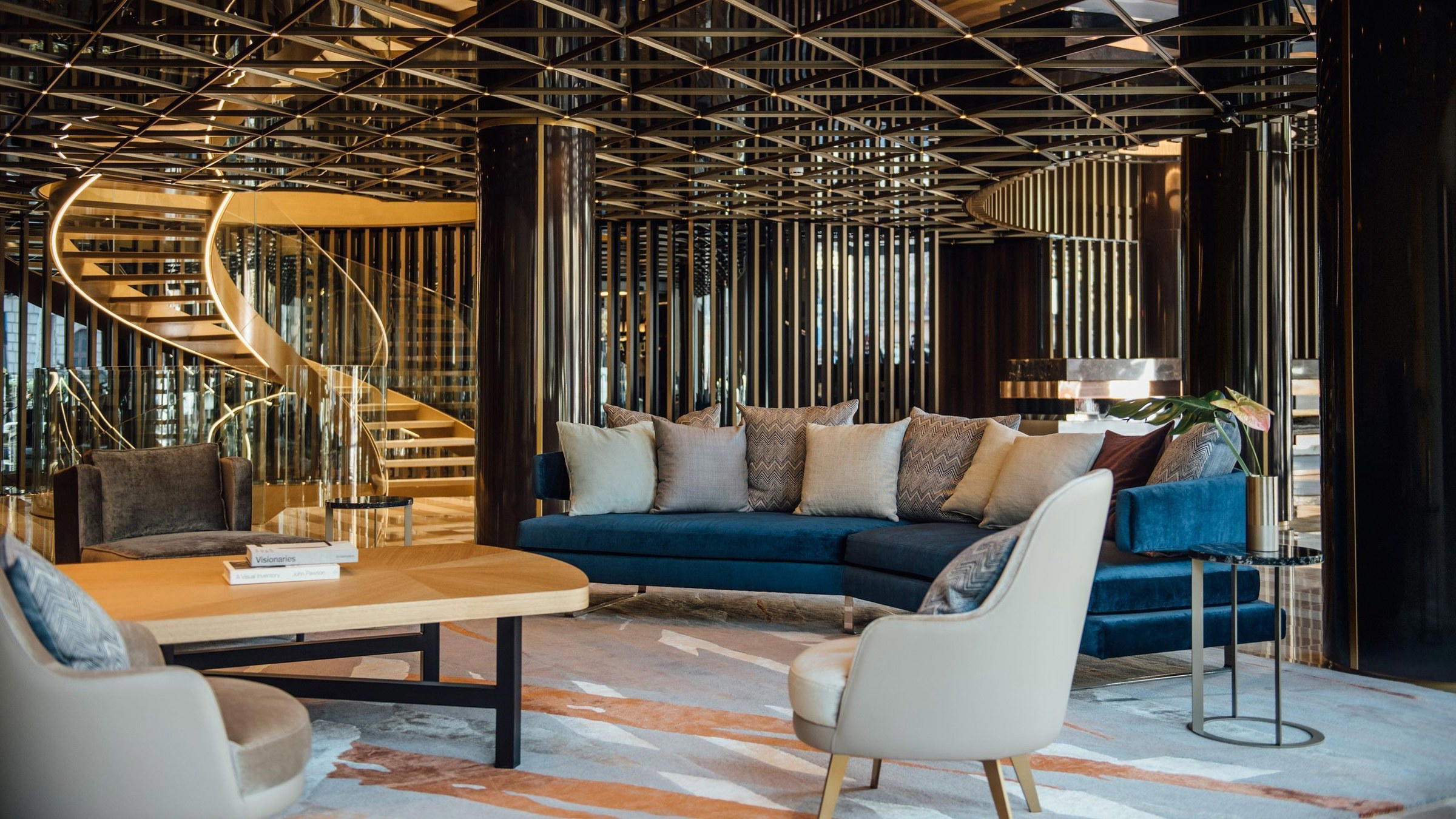
Bars in Barcelona
Browse all →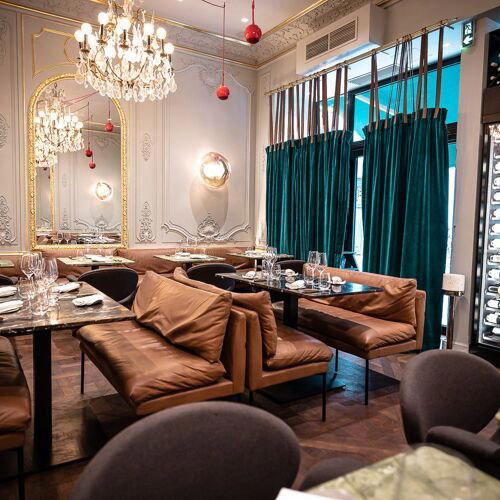
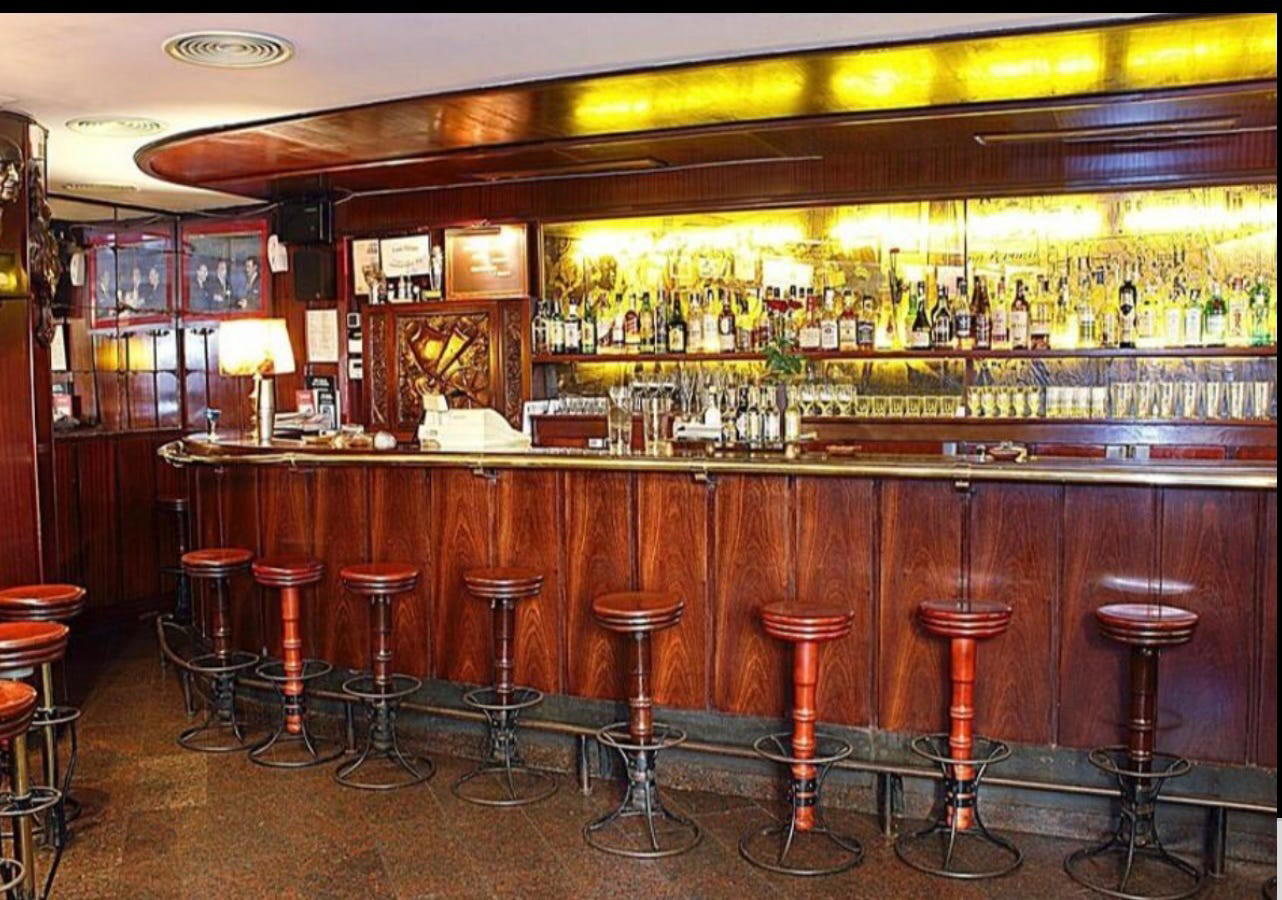
Restaurants in Barcelona
Browse all →
At a Glance
- Trendy
- Lively
- Modern
- Business Trip
- Weekend Escape
- Rooftop Pool
- Terrace
- Design Destination
- Wi Fi
- Pool
- Fitness Center
- Room Service
- Concierge
- Business Center
- Street Scene
- Wi Fi
- Pool
- Fitness Center
- Room Service
- Concierge
- Business Center
Playful and party-like atmosphere with contemporary architecture and lively energy.