
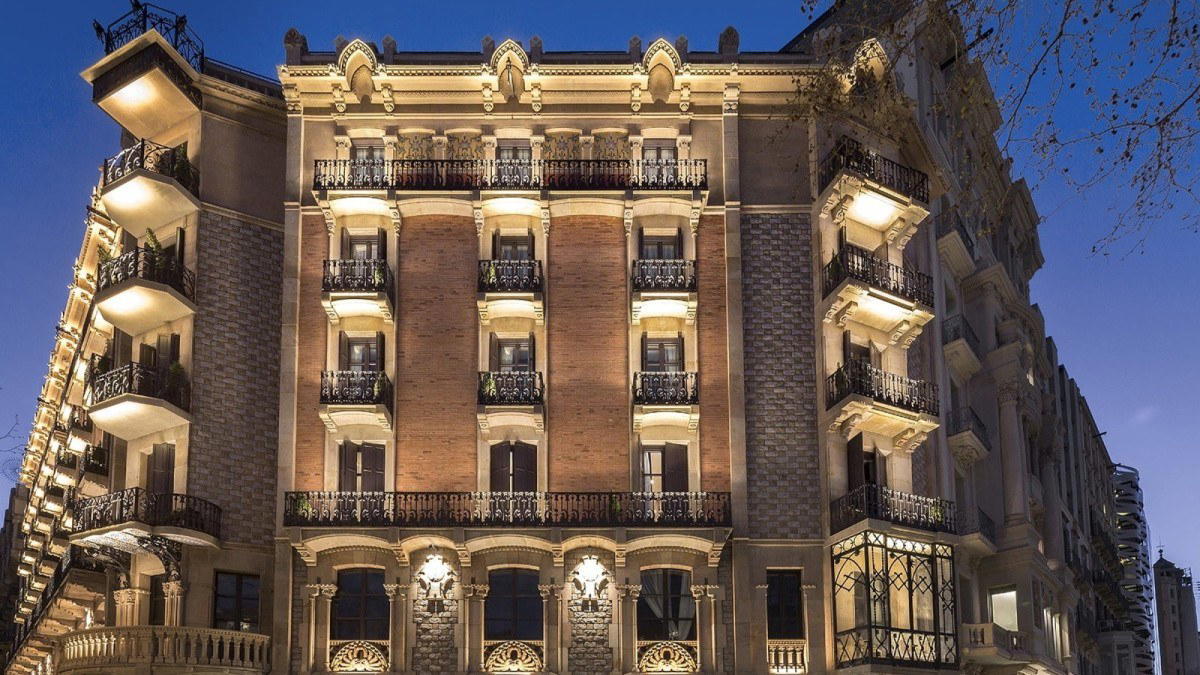
Margot House occupies a restored modernista building on Passeig de Gràcia, placing it squarely inside Barcelona's most architecturally charged address. The property belongs to a smaller cohort of design-led boutique hotels that trade on spatial restraint and neighbourhood context rather than large-footprint amenity stacks. For visitors whose itinerary is structured around the Eixample's built environment, its location functions as a starting point rather than a destination in itself.
Pearl is the En Primeur Club membership app — saves, bookings, and concierge access live there. Same editors, same standards.
- Address
- Pg. de Gràcia, 46, Eixample, 08007 Barcelona, Spain
- Phone
- +34 932 72 00 76
- Website
- margothouse.es
- Directions
- Get directions
 Saves & bookings on Pearl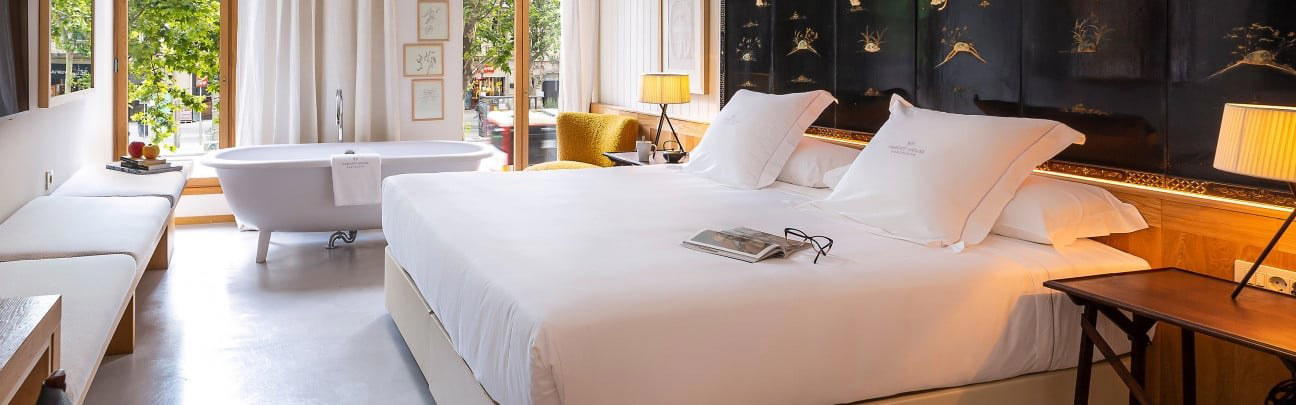
Passeig de Gràcia as Architectural Argument
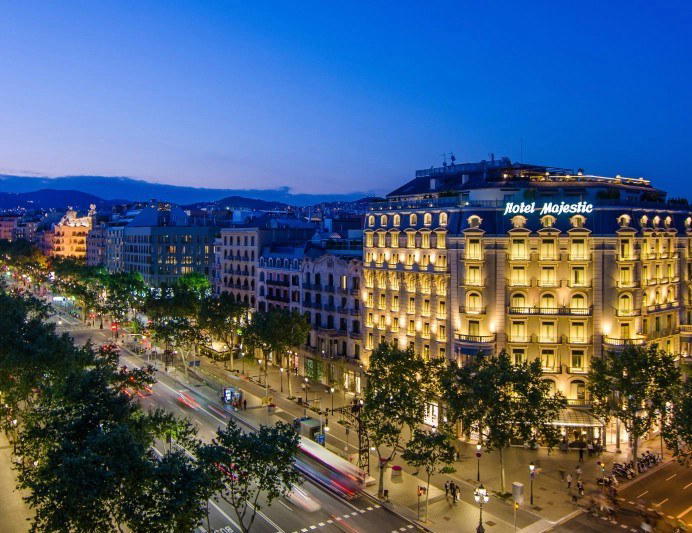
There are streets in Europe where the buildings do the talking before you reach the door, and Passeig de Gràcia is the clearest case in Barcelona. The boulevard runs through the heart of the Eixample grid as a concentrated demonstration of Catalan modernisme: Gaudí's Casa Batlló and La Pedrera sit within a few hundred metres of Domènech i Montaner's Casa Lleó Morera and Puig i Cadafalch's Casa Amatller, the three together forming what locals have long called the Manzana de la Discordia. To place a hotel at number 46 on this street is to accept the weight of that context. The surrounding architecture sets an expectation that interior design decisions will either engage with or consciously deflect.
Margot House occupies exactly that address, and its position inside a restored building on one of Europe's most photographed urban stretches puts it in direct competition not only with other hotels but with the street itself. The properties that tend to perform well in this environment are those that read the modernista vocabulary selectively rather than mimicking it wholesale. Where larger neighbours like Mandarin Oriental Barcelona operate at significant scale with full-service amenity programmes, boutique addresses on the same boulevard occupy a different register: fewer keys, tighter curation, a design identity that depends on spatial detail rather than brand infrastructure.
The Boutique Tier on Barcelona's Premium Corridor
Barcelona's hotel market has stratified noticeably over the past decade. At the upper end of the Eixample, the split runs between internationally branded properties with spa floors and multiple dining outlets, and a smaller cohort of design-led independents that compete on atmosphere and neighbourhood integration rather than facilities breadth. Margot House belongs to the latter category, as do properties like Alma Barcelona and Almanac Barcelona, which similarly occupy restored or architecturally significant buildings and position themselves against experience rather than amenity count.
This tier rewards guests who are already oriented toward the neighbourhood. The Eixample's grid structure means that almost everything of architectural note is walkable: the Sagrada Família sits roughly fifteen minutes on foot to the northeast, while the Passeig de Gràcia metro station is steps from the front door, connecting directly to the Gothic Quarter and the waterfront in under ten minutes. For visitors whose programme runs through design, fashion, and the city's modernisme circuit, the address is genuinely functional rather than merely prestigious.
Comparable boutique properties in Barcelona's historic fabric include Antiga Casa Buenavista and Hotel Boutique Mirlo, both of which operate at limited scale within restored buildings. The Mercer Hotel Barcelona takes the approach further into the Gothic Quarter, where Roman wall fragments are incorporated into the structure. Each represents a different interpretation of what it means to occupy historical architecture responsibly, and Margot House sits within that broader conversation about how Barcelona's built inheritance can be made legible to contemporary visitors.
Design Philosophy in a Modernista Frame
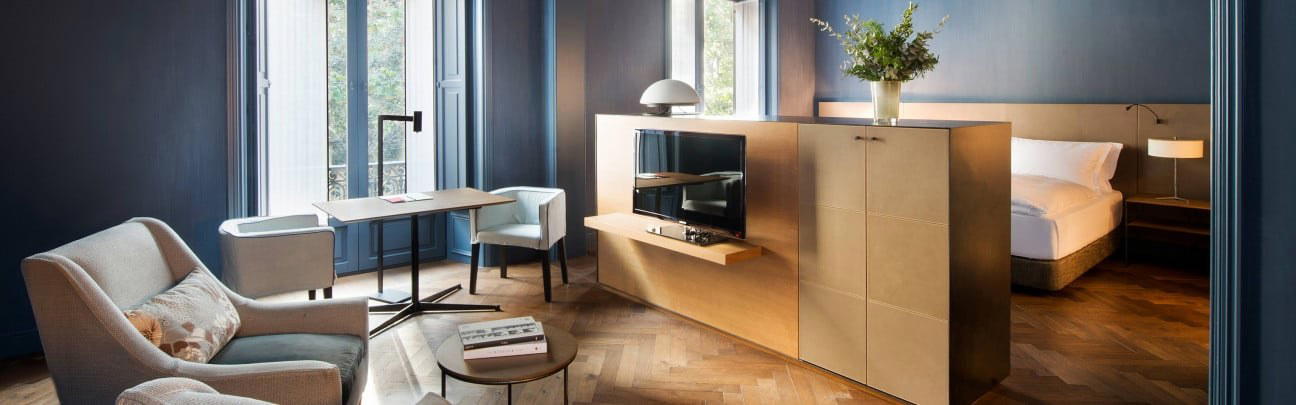
The Eixample's residential buildings were designed with interior courtyard light, high ceilings, and elaborate façade detailing as standard features rather than luxury additions. Working within that structure presents a specific set of decisions for any hotel conversion: how much of the original detailing to retain, where contemporary intervention is productive rather than intrusive, and how to handle the relationship between period ornament and modern material preferences. Properties that resolve this tension well tend to favour a kind of edited restraint, letting the bones of the building carry weight while keeping added décor from competing with what is already there.
This is the logic that distinguishes design-led boutique hotels from the broader category of heritage properties. It is less about preservation for its own sake and more about using what the architecture already offers as an active design element. The result, when handled with discipline, is spaces that feel grounded in their neighbourhood rather than transplanted into it. Guests at this end of the market are typically not looking for the comprehensive offering of a Hotel Arts Barcelona or the full-service density of ABaC Restaurant & Hotel. They are looking for a room that makes spatial sense in its city.
Barcelona in the Wider Spanish Context
Placing Margot House within Spain's broader hospitality picture is useful for visitors building itineraries that cross regions. The country has developed a strong cohort of architecturally grounded boutique properties over the past two decades. In Mallorca, La Residencia, A Belmond Hotel, Mallorca and Mas de Torrent Hotel & Spa operate within restored farmhouse structures that make landscape and local building tradition the primary design argument. In Catalonia's wine country, Terra Dominicata in Escaladei applies similar logic to a monastic structure in the Priorat. Further afield, Abadía Retuerta LeDomaine and Atrio Restaurante Hotel in Cáceres each place architecture and design at the centre of their proposition.
What links these properties is a commitment to specificity of place. A stay at any of them is shaped by the building's history and the surrounding environment in ways that a generic international hotel is not. The hotel's location on Passeig de Gràcia positions it within this tradition in an urban rather than rural register. The comparison set matters: Madrid's equivalent of this argument runs through the Mandarin Oriental Ritz, Madrid, which operates at a different scale but similarly depends on its building's historical authority.
Planning a Stay
The Passeig de Gràcia address makes logistics direct. The street's metro station is on Lines 2, 3, and 4, giving direct access to both the airport connection at Passeig de Gràcia and the broader city network. The Eixample's density of restaurants, wine bars, and design shops means that most evenings can be structured entirely on foot. For broader Barcelona dining context, the city's current dining tiers run from Michelin-tracked tasting menus to the neighbourhood wine bar circuit.
Guests whose travel extends beyond Barcelona should note the connectivity: the high-speed rail network connects the city to Madrid in under three hours, and the coastal and wine-country itineraries into Cap Rocat in Mallorca or Akelarre in San Sebastián are accessible as extensions. For visitors combining Barcelona with international travel, transatlantic connections through properties like Aman New York or The Fifth Avenue Hotel in New York City are the closest comparison in terms of design-led urban boutique positioning.
Style and Standing
Comparable venues nearby, for context on price, style, and recognition.
| Venue | Cuisine | Price | Awards | Notes |
|---|---|---|---|---|
| Margot HouseThis venue — the venue you are viewing | Contemporary boutique hotel with Wes Anderson-inspired design philosophy, operating as a private residence experience. | $$$ | 4-Star | Not listed |
| ME Barcelona | Design-forward urban hotel blending history and modernity. | $$$ | 4-Star | la Dreta de l'Eixample |
| Gran Derby Suite | Art deco boutique hotel in a red brick Victorian-style building with interior greenhouse patios. | $$$ | 4-Star | les Corts |
| Midmost Barcelona | Historic boutique with modern comforts in central Barcelona | $$$ | 4-Star | el Raval |
| Yurbban Ramblas | Urban boutique in historic 19th-century building | $$$ | 4-Star | Ciutat Vella |
| Villa Emilia | Contemporary boutique with original architecture. | $$$ | 4-Star | la Nova Esquerra de l'Eixample |
Recognition history
Dated appearances from independent guides and award organizations, with the underlying list record or original source where available.
Mr & Mrs Smith Smith Seal of Approval
Mr & Mrs Smith
Michelin Selected
Michelin
Continue exploring
More in Barcelona
Hotels in Barcelona
Browse all →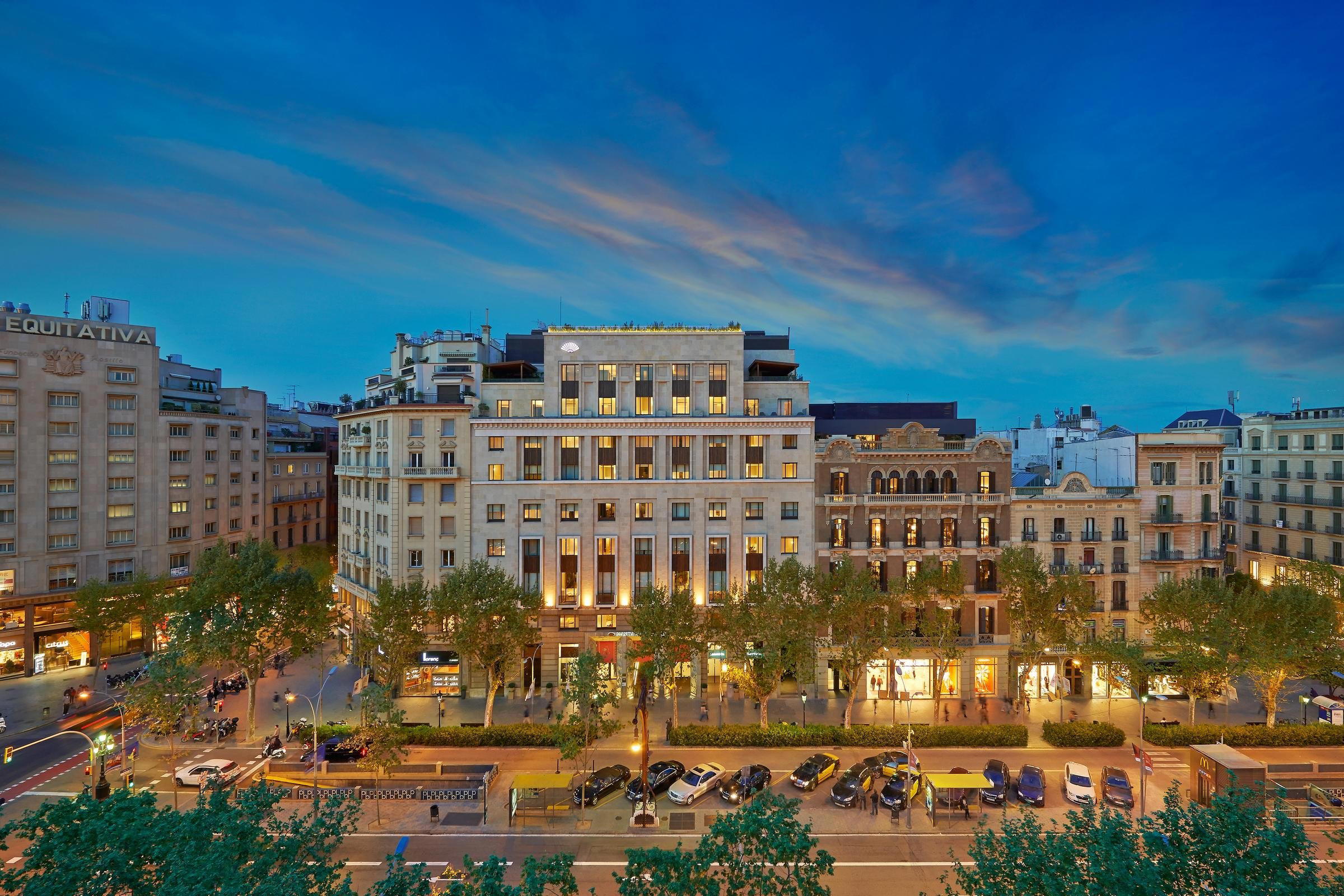
Bars in Barcelona
Browse all →
Restaurants in Barcelona
Browse all →
At a Glance
- Minimalist
- Intimate
- Modern
- Sophisticated
- Elegant
- Romantic Getaway
- Weekend Escape
- Design Destination
- Historic Building
- Panoramic View
- Wi Fi
- Bicycle Rental
- Massage
- Business Center
- Laundry Service
- Street Scene
- Wi Fi
- Bicycle Rental
- Massage
- Business Center
- Laundry Service
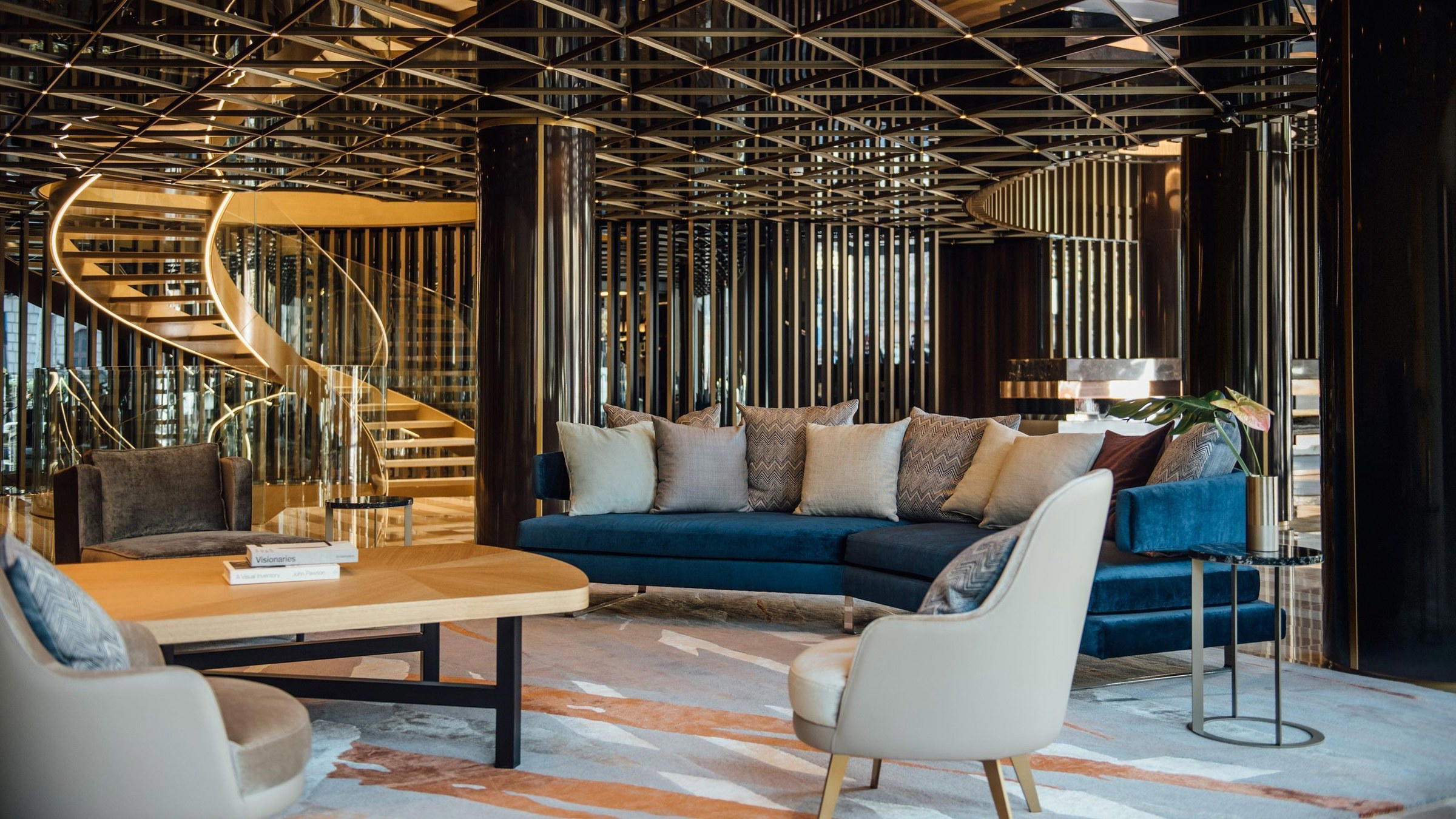
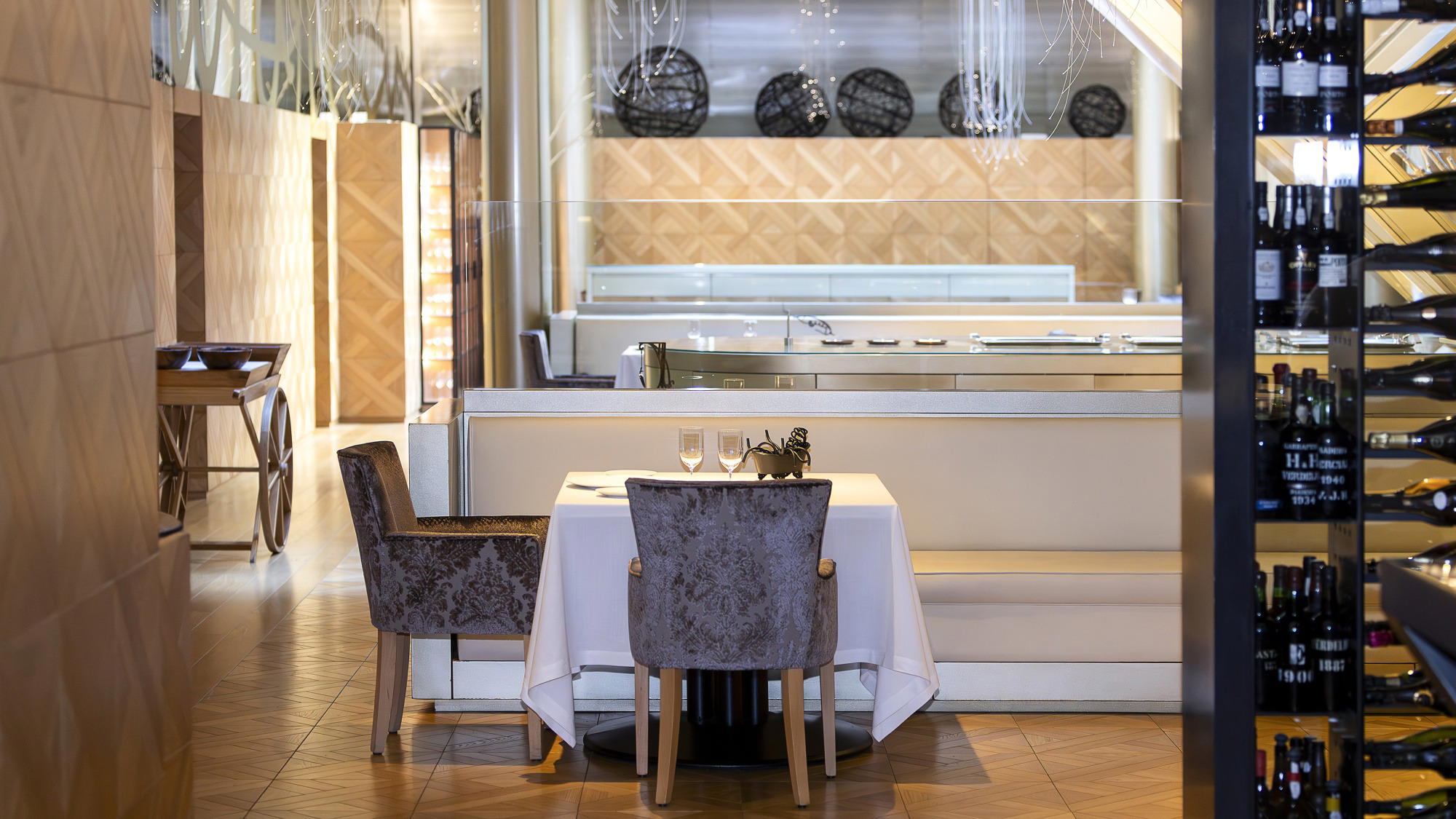
Minimalist yet layered interiors with carefully curated design elements, soft natural light in premium rooms, and a tranquil lobby atmosphere enhanced by thoughtful details like fig-scented mornings and a well-stocked honesty bar.