Hostellerie du Château des Fines Roches

Michelin Selected
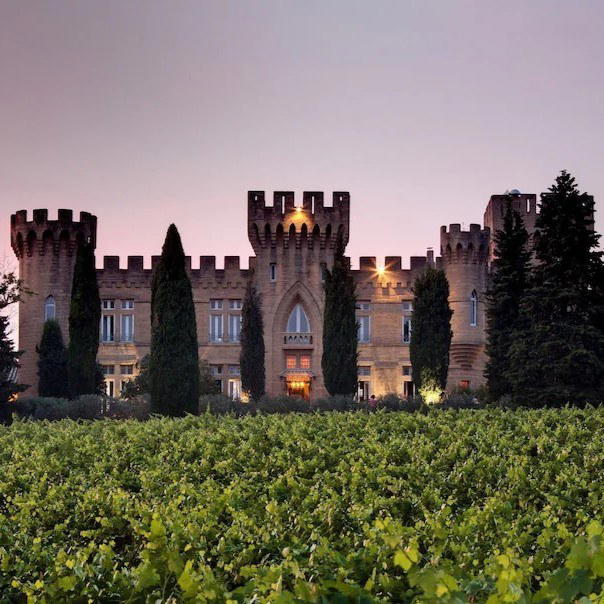
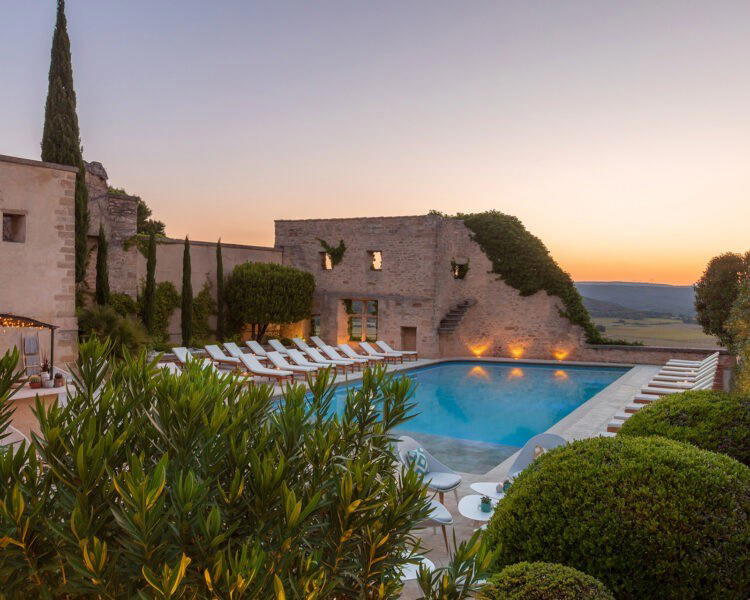
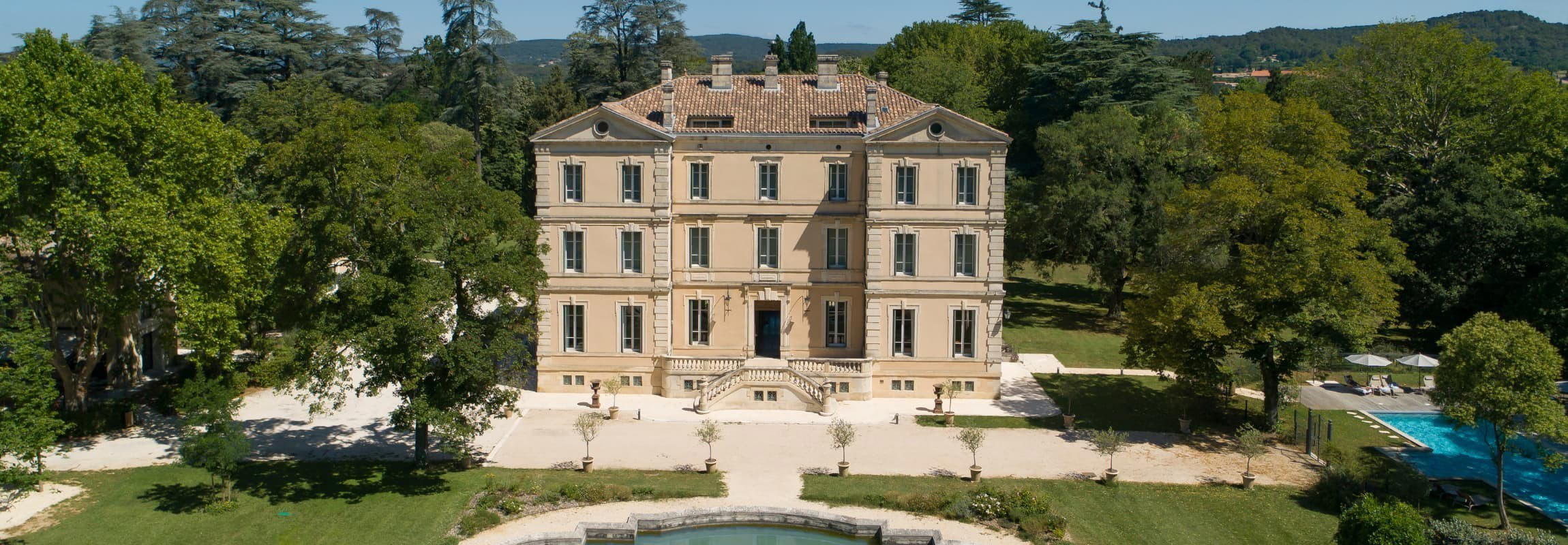
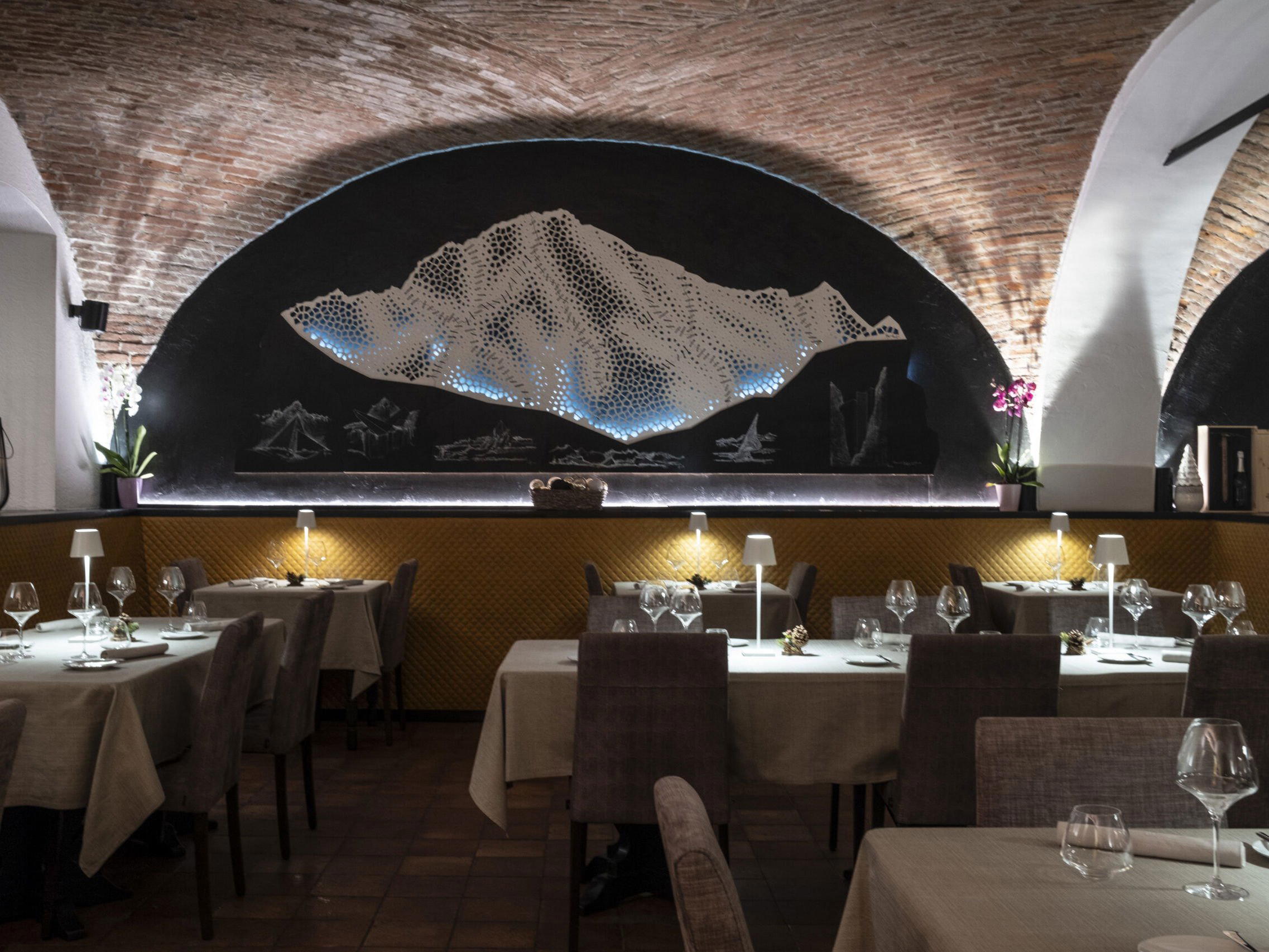
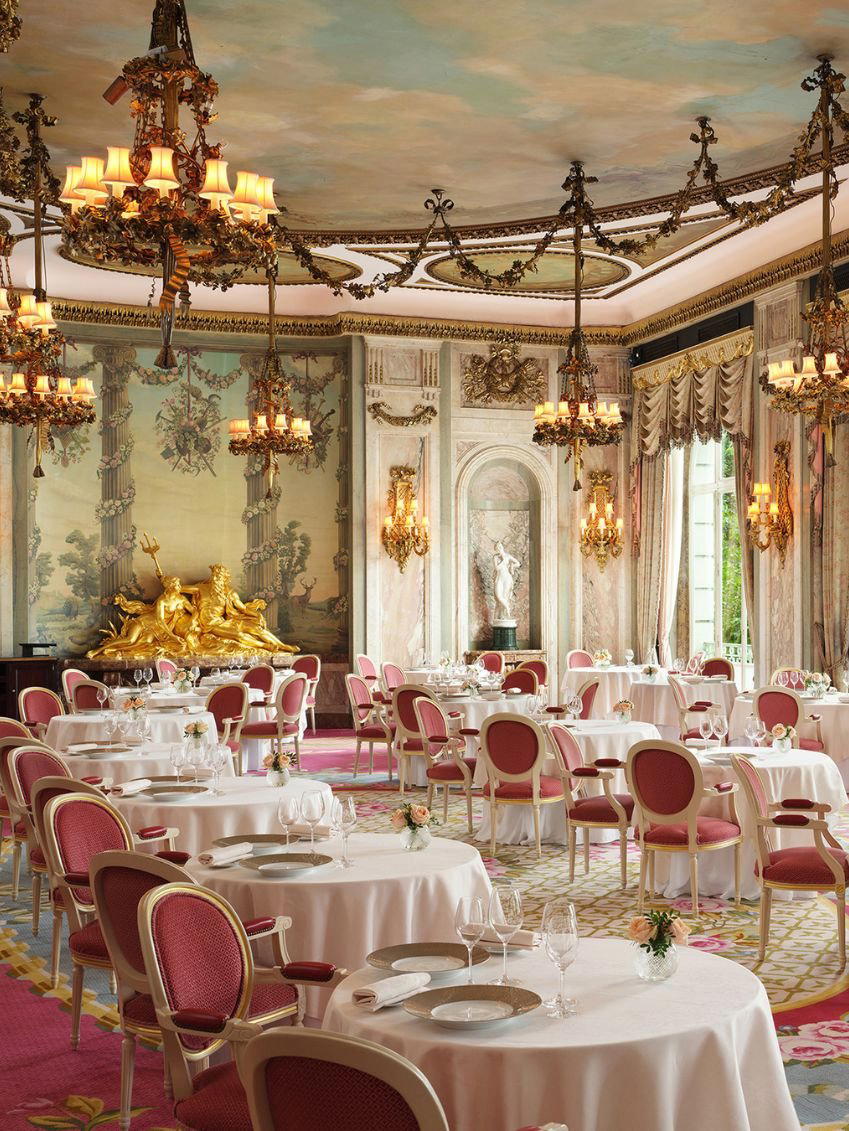
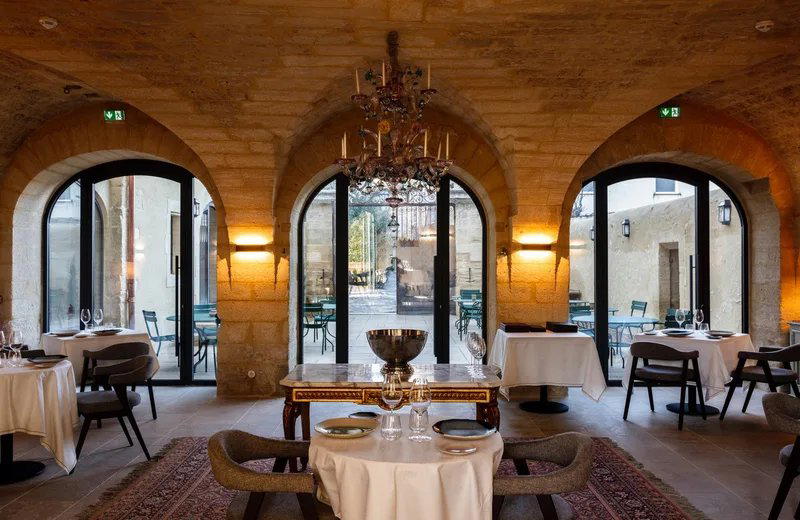
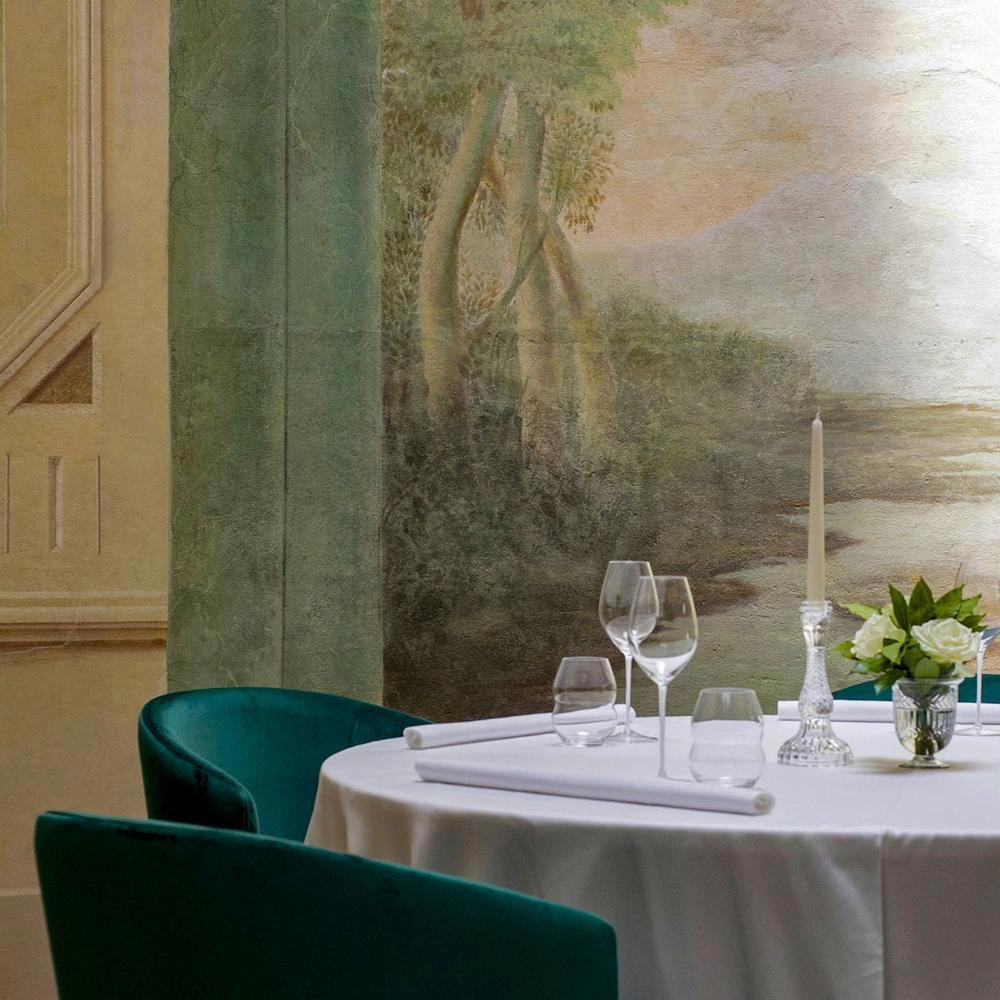
A 19th-century castellated château on the Route de Sorgues, Hostellerie Château des Fines Roches holds Michelin Selected status and sits at the northern edge of Châteauneuf-du-Pape's appellation. The property trades on its architectural drama and vineyard position rather than resort scale, making it a logical base for serious wine travellers exploring the southern Rhône.

Pearl is the En Primeur Club membership app — saves, bookings, and concierge access live there. Same editors, same standards.
- Address
- 1901 Rte de Sorgues, 84230 Châteauneuf-du-Pape, France
- Phone
- +33 4 90 83 70 23
- Website
- chateaufinesroches.com
- Directions
- Get directions
Stone, Towers, and the Southern Rhône
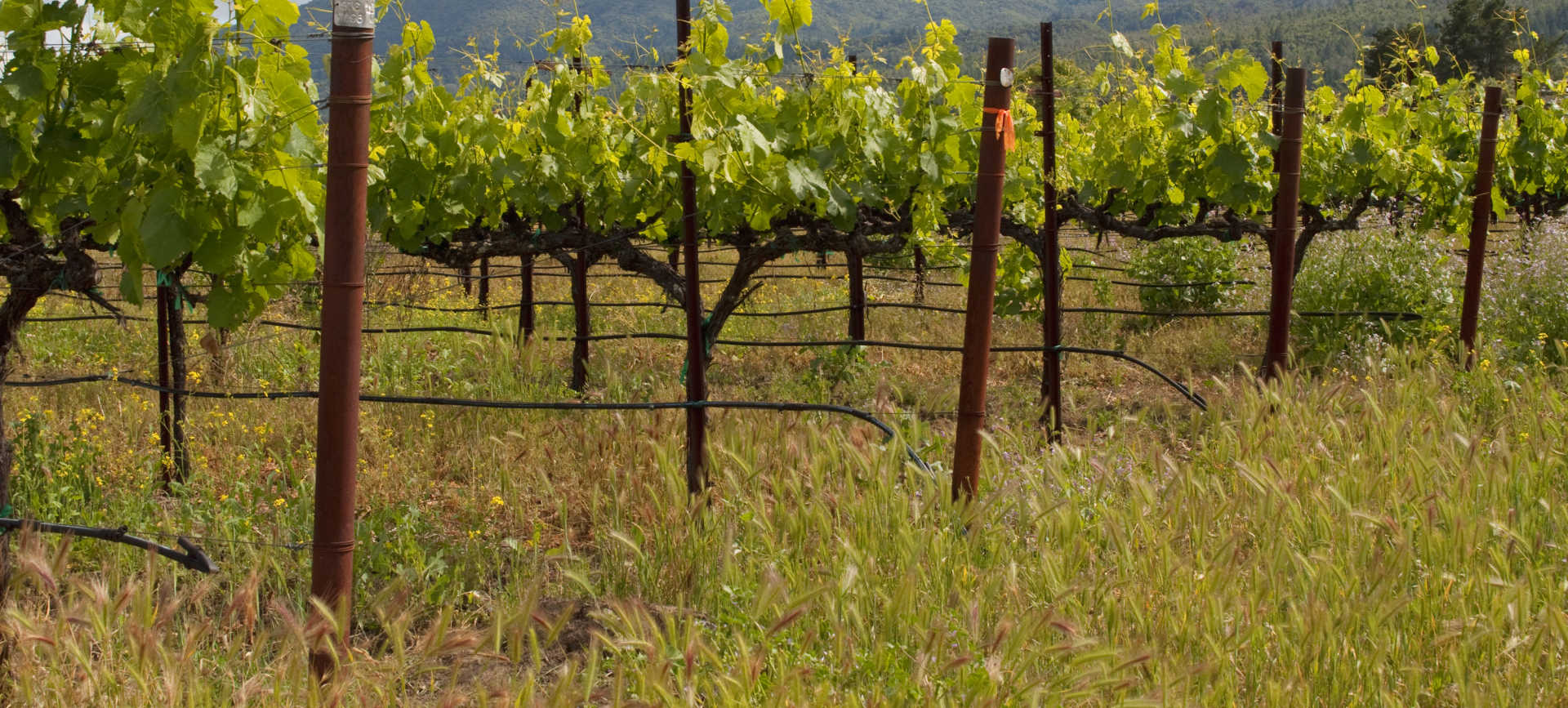
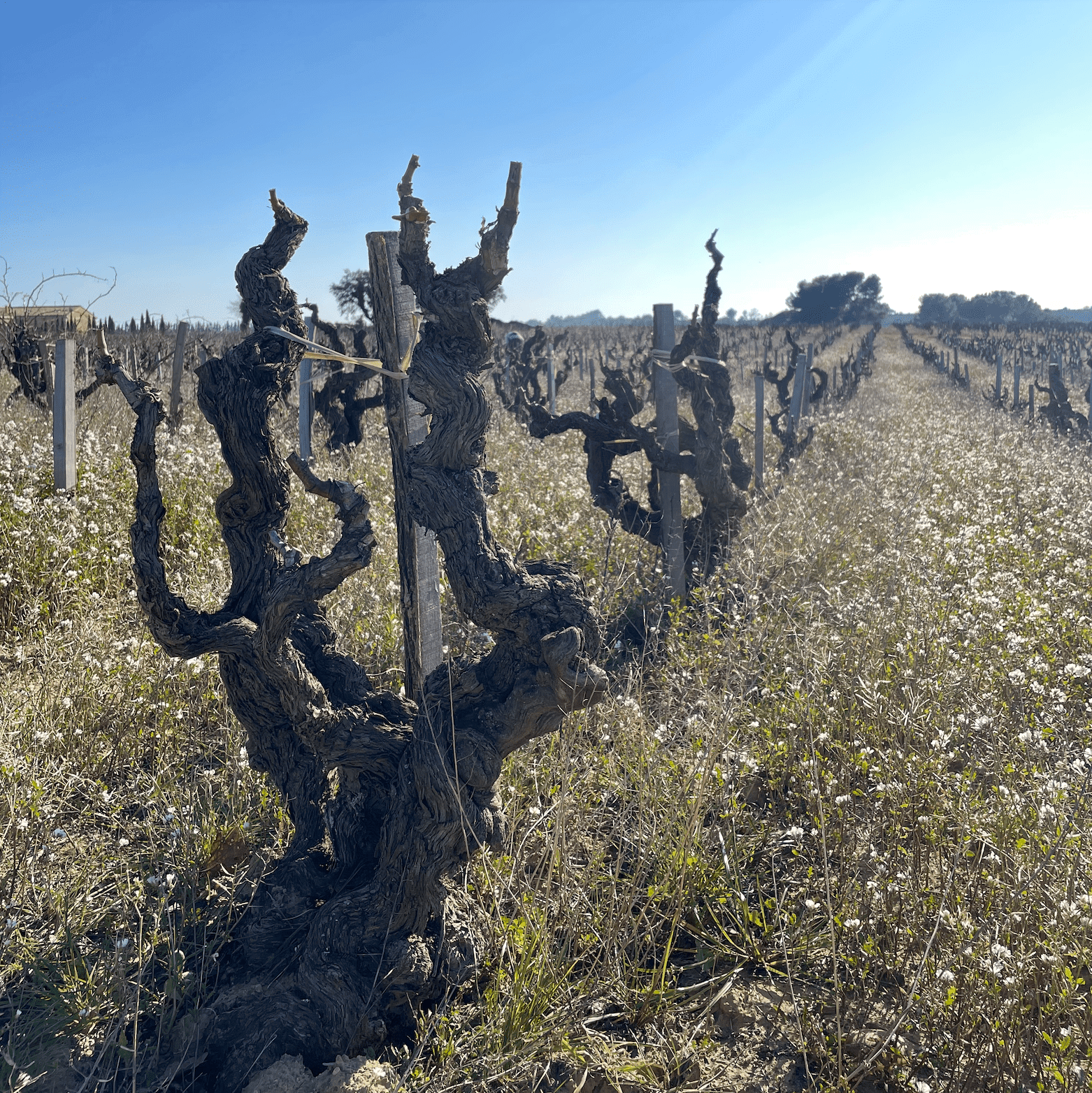
Approach Châteauneuf-du-Pape from the south and the village resolves slowly from the garrigue: ruined papal walls above, the Rhône glinting west, and the appellation's famous galets roulés — those flat, heat-retaining river stones — spread across vineyard floors in every direction. On the Route de Sorgues, before you reach the village proper, the turrets of Hostellerie Château des Fines Roches interrupt the skyline. The building reads immediately as a statement: 19th-century neo-Gothic castellated architecture dropped into one of France's most geologically consequential wine appellations. That combination of theatrical form and serious terroir context is what defines the property's position in the region's small accommodation tier.
Châteauneuf-du-Pape has almost no luxury hotel infrastructure relative to comparable appellations. Burgundy's Côte de Nuits has several design-led maisons; Bordeaux's Left Bank has Les Sources de Caudalie and the château-hotel format that has become a genre of its own. The southern Rhône operates differently. Accommodation in and around Châteauneuf-du-Pape remains sparse, and properties with historical architecture and genuine appellation proximity are rarer still. Fines Roches occupies that narrow space almost by default of geography and age, which gives it a context very different from a manicured resort built to a brief.
The Architecture as Argument
The château's 19th-century construction places it in a European tradition of romantic historicism: battlements, pointed towers, and thick stone walls that were never defensive in any practical sense but were deeply intentional as aesthetic and social signals. In the Provençal context, this architectural register connects to a broader pattern of 19th-century landowner investment that reshaped the visual identity of wine country across southern France, from the Médoc to the Luberon. The Fines Roches building is not merely decorative backdrop; it functions as the organizing principle around which the guest experience is built.
That matters in an area where the prevailing aesthetic of accommodation runs toward mas-style farmhouses with terracotta and lavender, or modern minimalism that prioritises pool and panorama over historical texture. The castellated profile of Fines Roches is the regional exception, and for travellers whose interest in wine country includes its architectural and cultural sediment, that specificity carries real weight. Properties offering comparable historical drama in the southern Rhône corridor, where you might also consider the Luberon estates such as La Bastide de Gordes or further afield Baumanière Les Baux-de-Provence, tend to be either larger in scale or further from a named appellation's core.
Michelin Selected and What That Signals
The Michelin Selected designation, confirmed in the 2025 hotels listing, is a curatorial signal rather than a star rating. Michelin's hotel selection process applies criteria around quality of welcome, room standard, and overall coherence of experience; inclusion does not imply a starred restaurant on site, but it does indicate that the inspectors found the property worth directing travellers toward. In a village with limited accommodation options, that validation serves a practical function: it anchors Fines Roches within a peer conversation that extends beyond the purely local, placing it alongside Michelin-selected properties across Provence and the Rhône corridor.
For comparison, Michelin Selected properties in the broader region include converted estates and smaller château-hotels that compete on historical atmosphere and regional specificity rather than resort programming or spa scale. The format connects to a wider French tradition of the hostellerie, a word that implies hospitality rooted in place, often with a restaurant component, distinct from the hotel-as-amenity-stack model. That tradition is well represented in Champagne at Domaine Les Crayères in Reims and in the Loire at Château du Grand-Lucé, both of which similarly anchor their identity in historical architecture within wine-producing territory.
The Appellation as Context
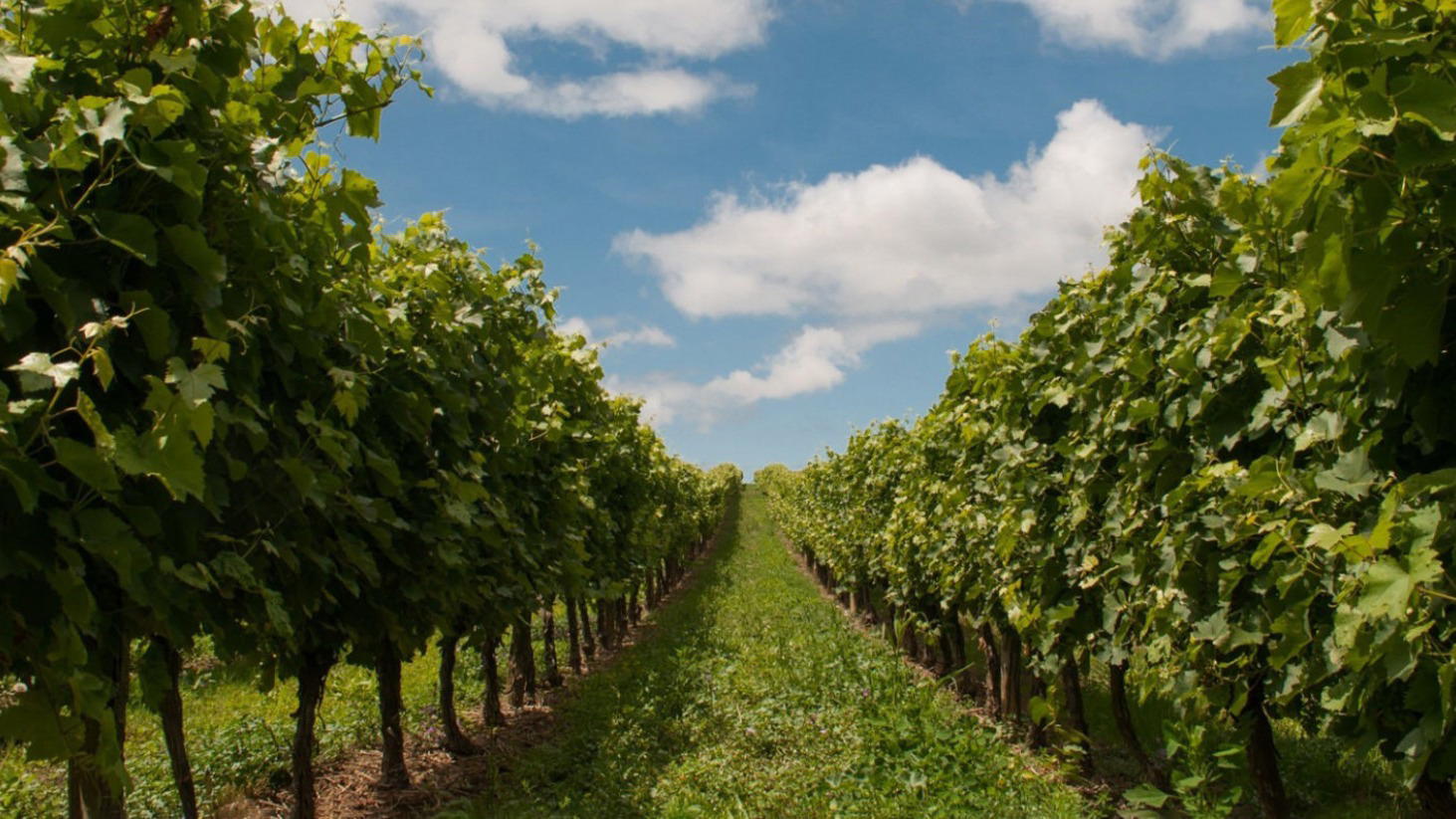
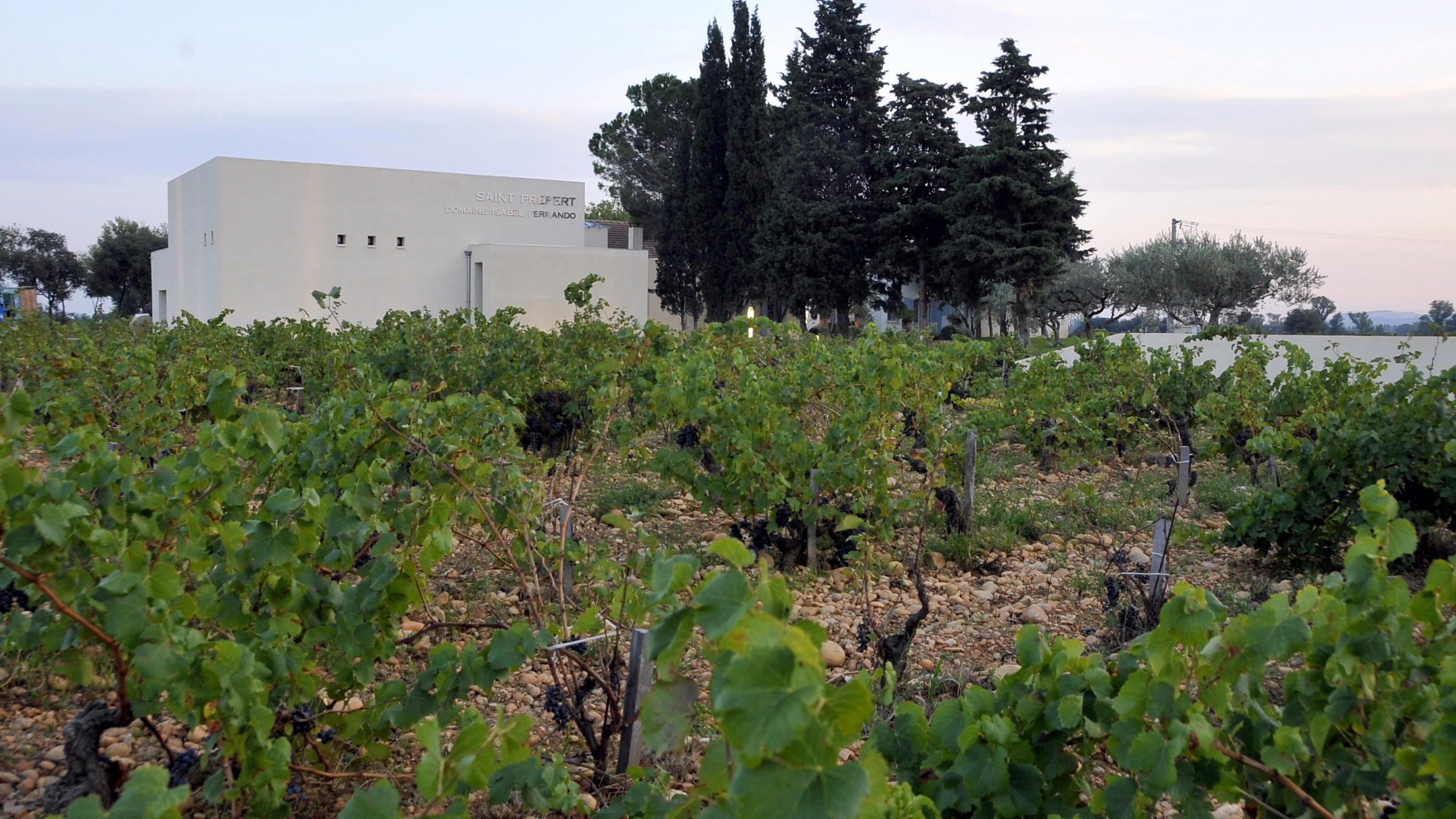
Châteauneuf-du-Pape's standing in the French wine hierarchy is well established: 13 permitted grape varieties, a geological profile built on multiple distinct soil types, and a production identity anchored by Grenache-dominant blends that age across a wide spectrum depending on the domaine and the vintage. The appellation boundary runs tight to the village, which means a property on the Route de Sorgues is genuinely within the production zone, not merely in the general vicinity. That proximity matters to travellers whose primary purpose is wine engagement rather than Provence tourism broadly.
Domaines within cycling or walking distance of the village include producers across the full range of the appellation's output, from négociant-scale houses to single-vineyard specialists. The southern Rhône's harvest window typically runs from late August through October, and the period around harvest represents one of the stronger cases for a longer stay in the village, when cellar doors are active and the landscape carries the particular quality of ripening fruit against late summer heat. For wine-focused itineraries across southern France, Châteauneuf-du-Pape functions as a logical anchor between Provence's eastern estates, such as Villa La Coste in Le Puy-Sainte-Réparade and Château de la Gaude in Aix-en-Provence, and the northern Rhône further upstream.
Planning a Stay
Châteauneuf-du-Pape sits roughly 15 kilometres north of Avignon, which is the practical transport hub for the region: TGV connections from Paris Gare de Lyon put Avignon within approximately 2 hours 40 minutes, and from Avignon the village is accessible by car or taxi. The Route de Sorgues address places Fines Roches just outside the village centre, which is walkable but benefits from having a vehicle for appellation touring. Given the limited accommodation pool in the village itself, the property tends to fill during peak Provençal season, July through August, and around harvest. Booking directly via the property's own channels rather than aggregators is the standard recommendation for château-style French hotels of this type, where direct contact often yields better room allocation and flexibility. For broader context on what to see, eat, and visit during a stay, our full Châteauneuf-du-Pape restaurants guide covers the village's dining and producer landscape in detail.
Travellers building a longer southern France circuit can position Fines Roches alongside coastal options: La Réserve Ramatuelle and Hotel Du Cap-Eden-Roc represent the Riviera end of that spectrum, while Hôtel & Spa du Castellet and Casadelmar in Porto-Vecchio extend options toward the western Mediterranean. For a wine-country pairing in Champagne, Royal Champagne Hotel & Spa in Champillon operates a similar appellation-adjacent model with comparable regional logic.
How It Stacks Up
Comparable venues nearby, for context on price, style, and recognition.
| Venue | Cuisine | Price | Awards | Notes |
|---|---|---|---|---|
| Hostellerie Château des Fines RochesThis venue — the venue you are viewing | Neoclassical Provençal château hotel with old-world grandeur | $100–200 | Michelin Selected | Not listed |
| Le Hameau de Saparale | Restored 19th-century hamlet in vineyard estate | $200–300 | Michelin Selected | Vallée de l'Ortolo |
| 70 Hectares & l'Océan - Fontenille Collection | Contemporary luxury resort with Californian surf lodge influences, blending modern elegance with natural forest surroundings. | $300–500 | Michelin Selected | Seignosse |
| Boutique Hôtel Entraigues | Renovated 15th-century mansion blending historic stonework with modern minimalist refinement. | Not listed | Michelin Selected | historic center |
| U Capu Biancu | Rustic Corsican luxury with Mediterranean charm; hidden by fragrant maquis and built above the sea with elegant, colorful design. | $500–750 | Michelin Selected | Domaine de Pozzoniello |
| Grand Hôtel Henri | Historic boutique hotel with French chic and Provençal authenticity | $100–200 | Michelin Selected | L'Isle-sur-la-Sorgue |
Recognition history
Dated appearances from independent guides and award organizations, with the underlying list record or original source where available.
Michelin Selected
Michelin
Continue exploring
More in Châteauneuf-du-Pape
Hotels in Châteauneuf-du-Pape
Browse all →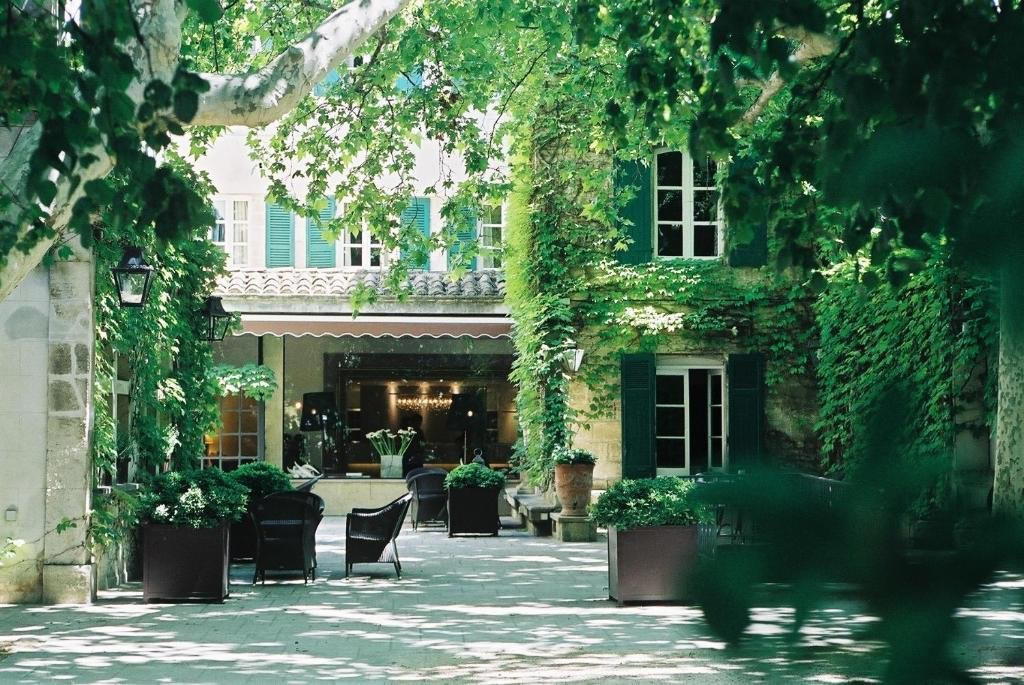
Bars in Châteauneuf-du-Pape
Browse all →
Restaurants in Châteauneuf-du-Pape
Browse all →
Details
- Romantic
- Elegant
- Scenic
- Quiet
- Classic
- Intimate
- Sophisticated
- Romantic Getaway
- Honeymoon
- Anniversary
- Weekend Escape
- Historic Building
- Panoramic View
- Terrace
- Pool
- Spa
- Wi Fi
- Restaurant
- Room Service
- Concierge
- Air Conditioning
- Bar
- Vineyard
- Mountain
- Garden
- Step Free Entrance
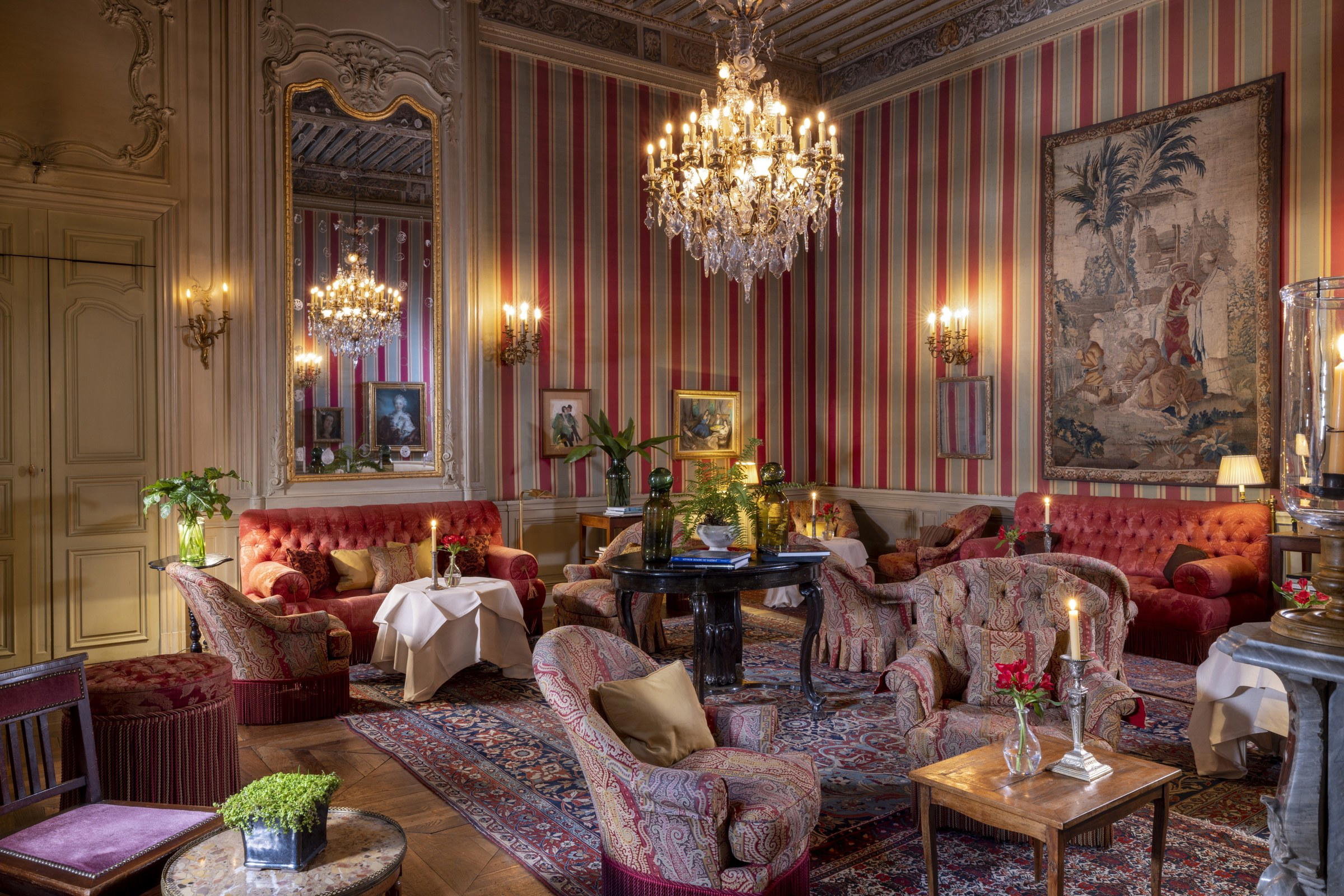
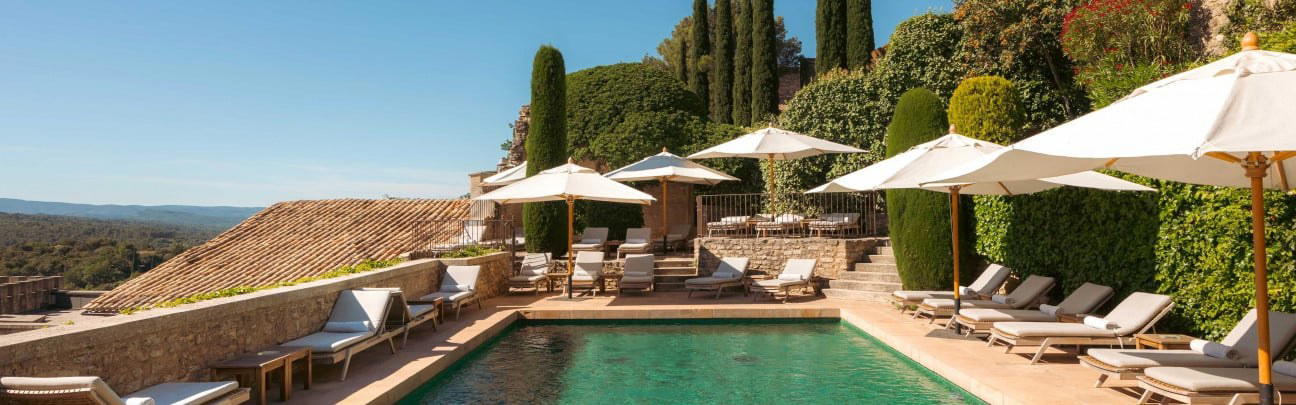
Tranquil and romantic atmosphere with fireplace lounge, elegant lighting, and terrace overlooking vineyards, praised for quiet relaxation.