La Résidence d'Angkor sits on River Road in Siem Reap, placing guests within reach of both the Angkor temple complex and the city's river-facing dining corridor. The property belongs to a tier of Siem Reap hotels where architecture, grounds design, and anticipatory service carry more weight than room count or brand scale. For travellers treating the city as more than a logistical stop between temples, it represents a considered choice.
- Address
- River Rd, Krong Siem Reap 93101, Cambodia
- Phone
- +855 63 963 390
- Website
- laresidencehotels.com
- Directions
- Get directions
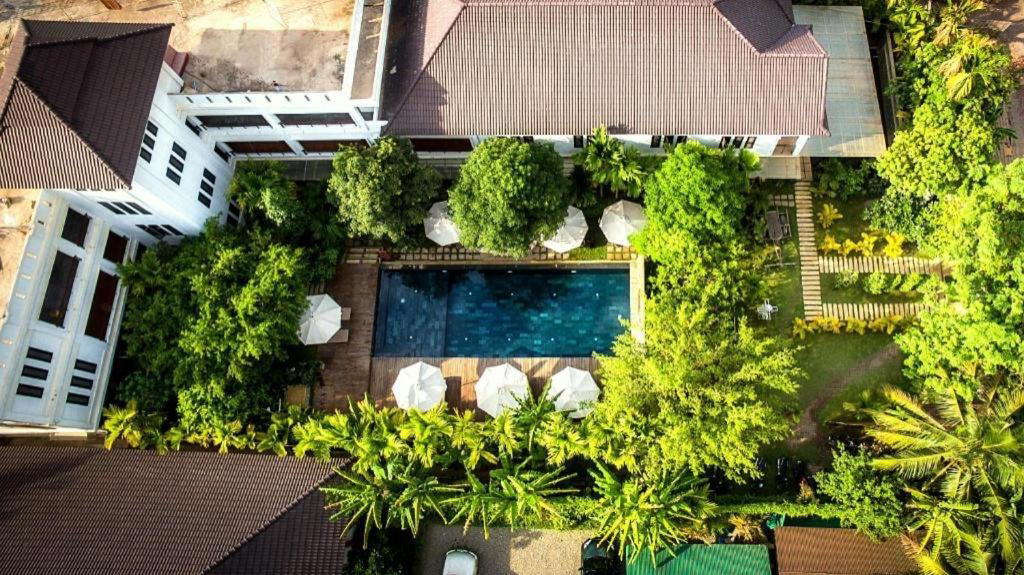
River Road, Siem Reap: Where the Approach Tells You Something
Arriving along River Road in Siem Reap, the shift is gradual but deliberate. The tuk-tuks and temple-route traffic of the main town give way to a quieter corridor where the Siem Reap River sets a slower pace. Properties along this stretch are not competing with the resort clusters further out; they are positioned for travellers who want proximity to the old city's texture without being absorbed by it. La Résidence d'Angkor occupies that position on River Road.
Siem Reap's accommodation market has split along relatively clear lines. On one side sit the large international-brand properties, built around high key counts, conference infrastructure, and pooled amenities. On the other sit smaller, more architecturally specific hotels where the physical environment and service culture carry the weight that brand recognition does elsewhere. La Résidence d'Angkor belongs to the latter group, and its River Road address is part of that positioning: close enough to Pub Street and the Old Market to be practical, far enough removed to make the distinction felt.
Service as the Dominant Variable
In Siem Reap's mid-to-upper hotel tier, the gap between properties is rarely about thread counts or pool dimensions. It is about whether the staff operating around you are reactive or anticipatory. Anticipatory service in a temple-town context means something specific: knowing which Angkor circuit a guest is planning and having the car arranged without being asked; recognising that a 5am departure for sunrise at Angkor Wat requires breakfast arrangements the night before, not a sleepy negotiation at 4:45; understanding that some guests want silence on the return journey and others want conversation. This is the calibration that separates hotels in this category, and it is the calibration that La Résidence d'Angkor has built its reputation around.
For context, Siem Reap is one of the more demanding environments in Southeast Asia for hotel service delivery. The visitor base is unusually heterogeneous: first-timers arriving on their first international trip, experienced Southeast Asia travellers on their third or fourth Angkor visit, researchers and archaeologists on extended stays, and high-net-worth guests treating the temples as one stop on a wider regional itinerary. A service culture that can read across that range, adjusting formality, depth of local knowledge, and pace accordingly, is harder to build than the architecture. At La Résidence d'Angkor, that calibration is the product the hotel is selling, more than any single physical feature.
For hotels where this kind of personalised approach is central, comparison with peers like Heritage Suites Hotel - Siem Reap or Jaya House River Park Hotel in Krong Siem Reap is instructive. Both properties also sit outside the large-brand category and both compete on environment and service depth rather than scale. The choice between them turns on specifics of room configuration, grounds character, and the precise flavour of the service culture, rather than any fundamental category difference.
The Angkor Logistics Question
No serious review of a Siem Reap hotel can sidestep the temple question, because Angkor Wat and the wider Angkor Archaeological Park are the reason most guests are there. The practical reality is that Angkor access has become more structured over the past decade: the Angkor Enterprise ticket system, the traffic patterns around sunrise at Angkor Wat, the relative quiet of the outer circuits that reward earlier starts, and the heat management required between roughly 10am and 3pm. A hotel's value in this context is directly connected to how well it integrates with those realities.
La Résidence d'Angkor's River Road position puts the Angkor gate complex roughly 8 to 10 kilometres north, a direct tuk-tuk or car transfer. For guests planning multiple temple days, the hotel's ability to arrange transport reliably and at appropriate times is more relevant than any in-room amenity. Guests comparing options in this bracket should also consider Amansara in Siem Reap, which occupies a different tier and price point but sets the reference standard for Angkor-integrated service in the city.
For travellers who want a wider sense of Siem Reap's accommodation range before committing, properties like Nara Sojourn Boutique Villas Siem Reap, Rambutan Hotel and Resort - Siem Reap, and The RiverGarden Siem Reap each occupy different points on the style and price spectrum. Our full Siem Reab restaurants and hotels guide maps the broader picture.
Placing La Résidence d'Angkor in the Cambodia Context
Cambodia's premium accommodation story is more distributed than most visitors expect. Siem Reap holds the largest concentration of design-led properties, but the coast has developed its own distinct tier: Song Saa Private Island in Koh Rong Archipelago and Shinta Mani Wild in Prey Praseth Village represent the country's more remote luxury offerings, where the proposition is environmental isolation rather than cultural proximity. Raffles Hotel Le Royal in Phnom Penh anchors the capital's premium market with documented colonial-era heritage.
La Résidence d'Angkor occupies a different position in that national spread: a city-adjacent property in the country's primary cultural destination, where the hotel's role is to be a capable, considered base rather than the destination itself. That is a harder brief than it sounds, and it is the one the property is built around. Further along the Cambodian coast, PEARL BEACH RESORT and SPA in Sihanoukville, The Last Point in Prey Nob, and The Secret Garden at Otres Beach in Preah Sihanouk serve a different kind of traveller altogether, for whom the temples are not on the itinerary.
Planning Your Stay
Siem Reap's peak season runs from November through February, when temperatures are manageable and the risk of afternoon downpours is low. This is when the Angkor Archaeological Park is at its most visited. The shoulder months of October and March offer a workable compromise: thinner crowds at the major temple complexes, lower rates, and the occasional dramatic sky that makes the stone work at Angkor look different from its dry-season version. Travelling in this window and booking at least six to eight weeks ahead for River Road properties is advisable.
Cuisine Context
Comparable venues nearby, for context on price, style, and recognition.
| Venue | Cuisine | Price | Awards | Notes |
|---|---|---|---|---|
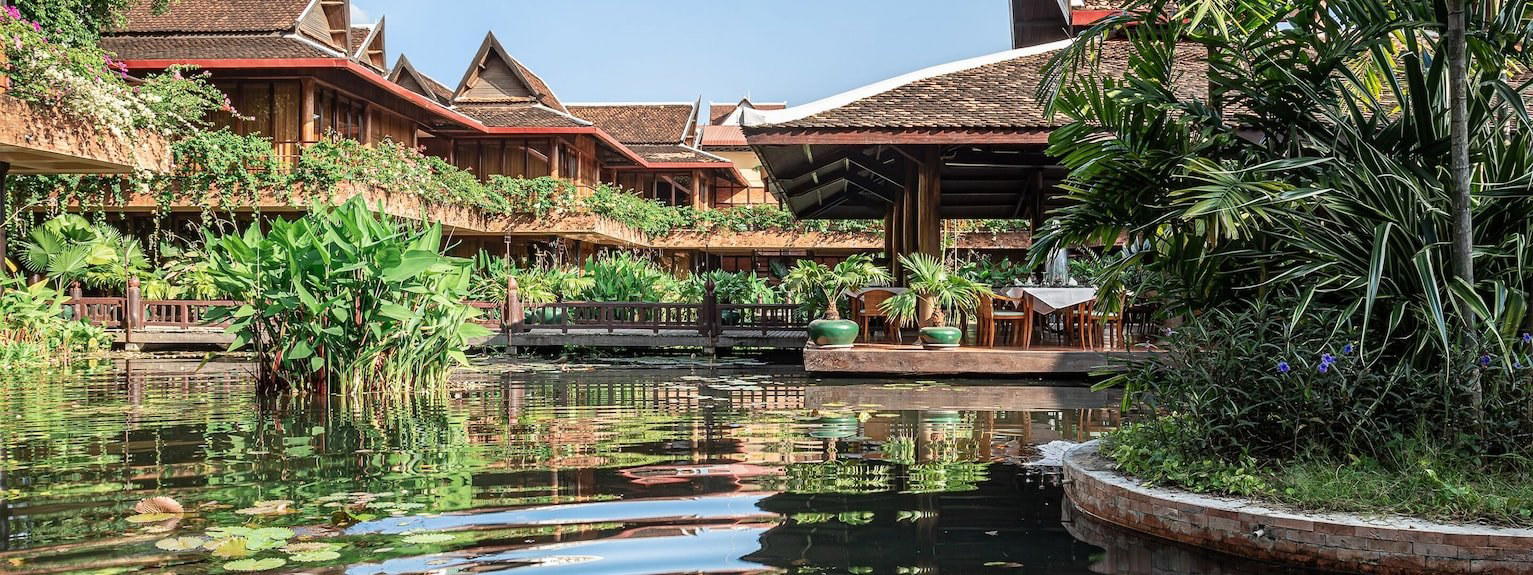
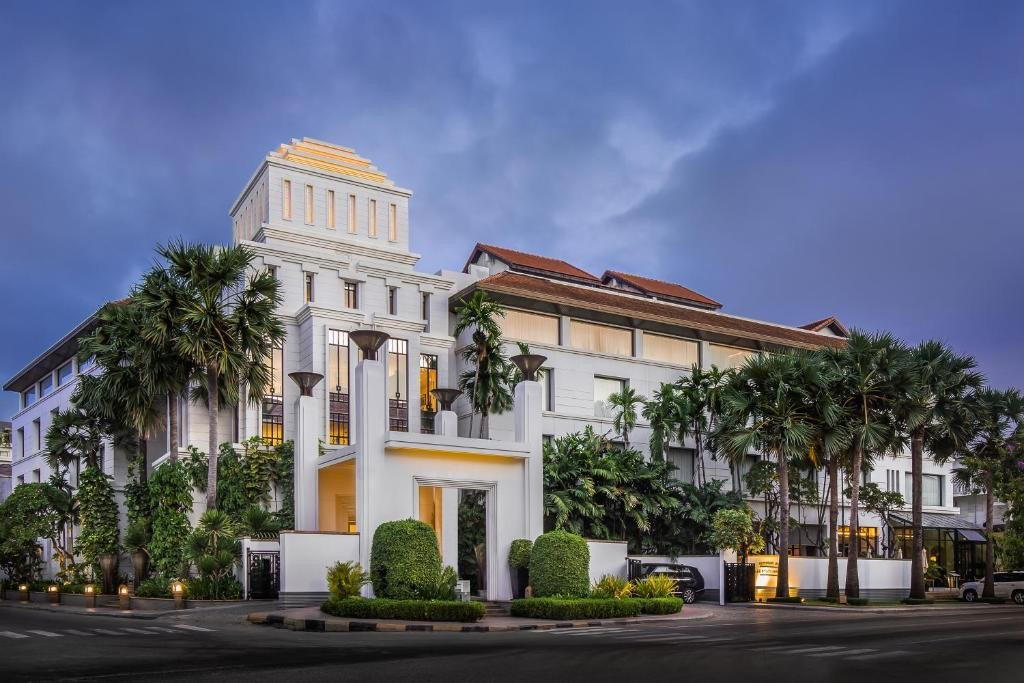
| La Résidence d'Angkor, Siem ReapThis venue — the venue you are viewing | Traditional Khmer architecture with modern comforts in a lush riverside garden setting | $$$$ | 5-Star | Not listed |
| GZ Eden Privilege Resort and Spa | Old style colonial boutique with Khmer wooden style | $$$$ | 5-Star | Krong Siem Reap |
| Rambutan Hotel & Resort - Siem Reap | Boutique Khmer village-style resort with two wings offering privacy and comfort. | $$$ | 3-Star | Wat Damnak |
| Nara Sojourn Boutique Villas Siem Reap | Boutique villa resort with colonial-inspired design emphasizing privacy and personalized service in a tropical garden setting. | $$$ | 4-Star | Treak Village |
| Heritage Suites Hotel - Siem Reap | Colonial retreat with modern conveniences in tropical gardens | $$$ | 4-Star | Riverside |
| The RiverGarden Siem Reap | Traditional Khmer villas in a residential neighborhood along the river. | $$ | Not listed | Slorkrum |
At a Glance
- Quiet
- Elegant
- Sophisticated
- Intimate
- Classic
- Romantic Getaway
- Honeymoon
- Wellness Retreat
- Garden
- Historic Building
- Pool
- Spa
- Wi Fi
- Room Service
- Concierge
- Fitness Center
- Garden
- Pool
- Spa
- Wi Fi
- Room Service
- Concierge
- Fitness Center
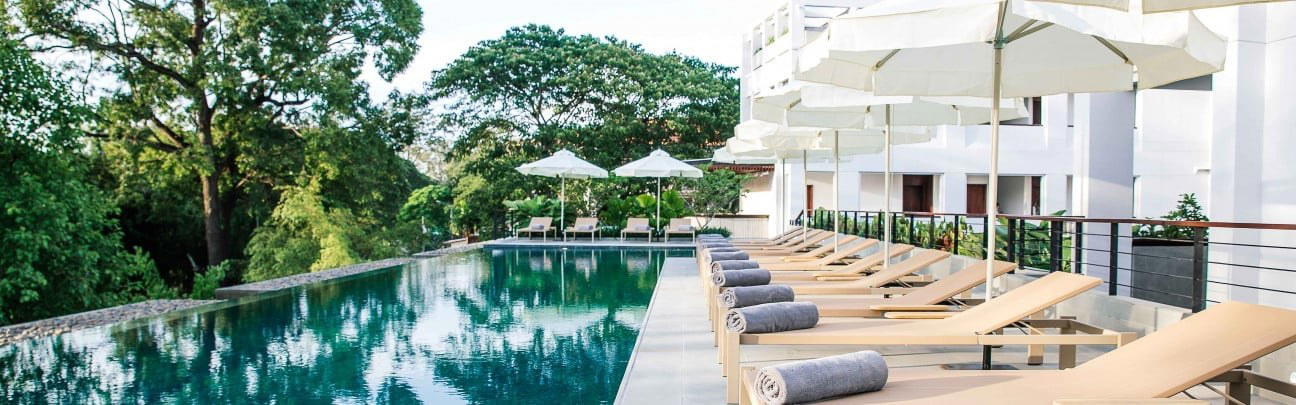
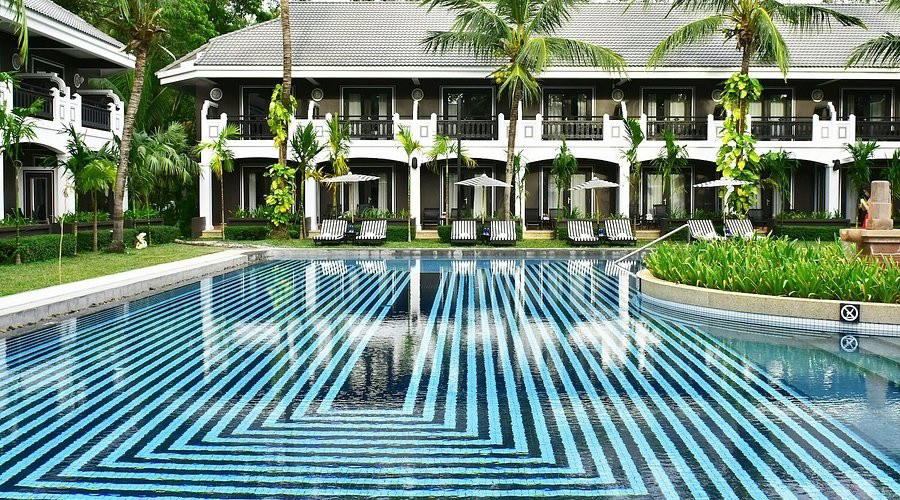
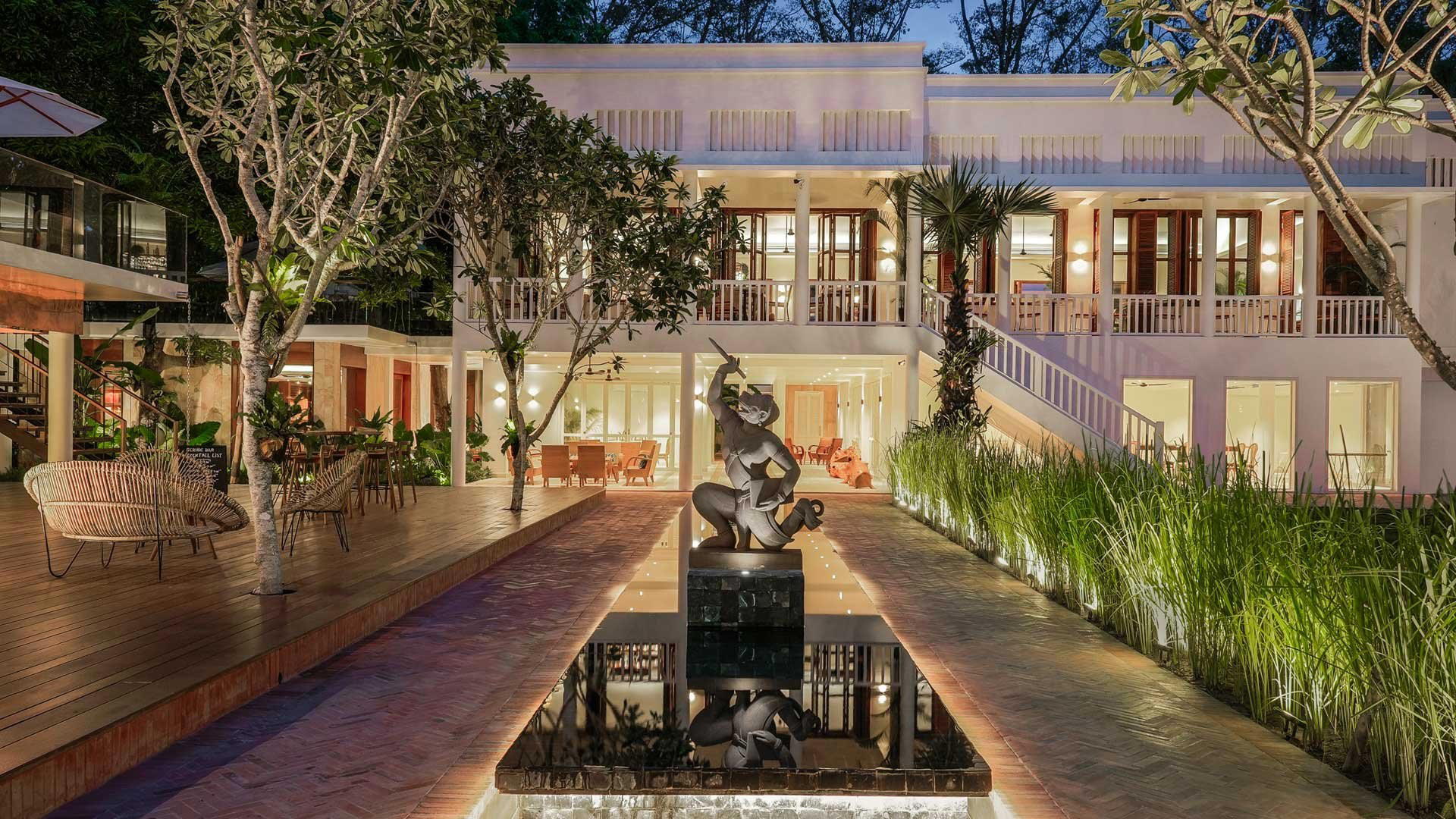
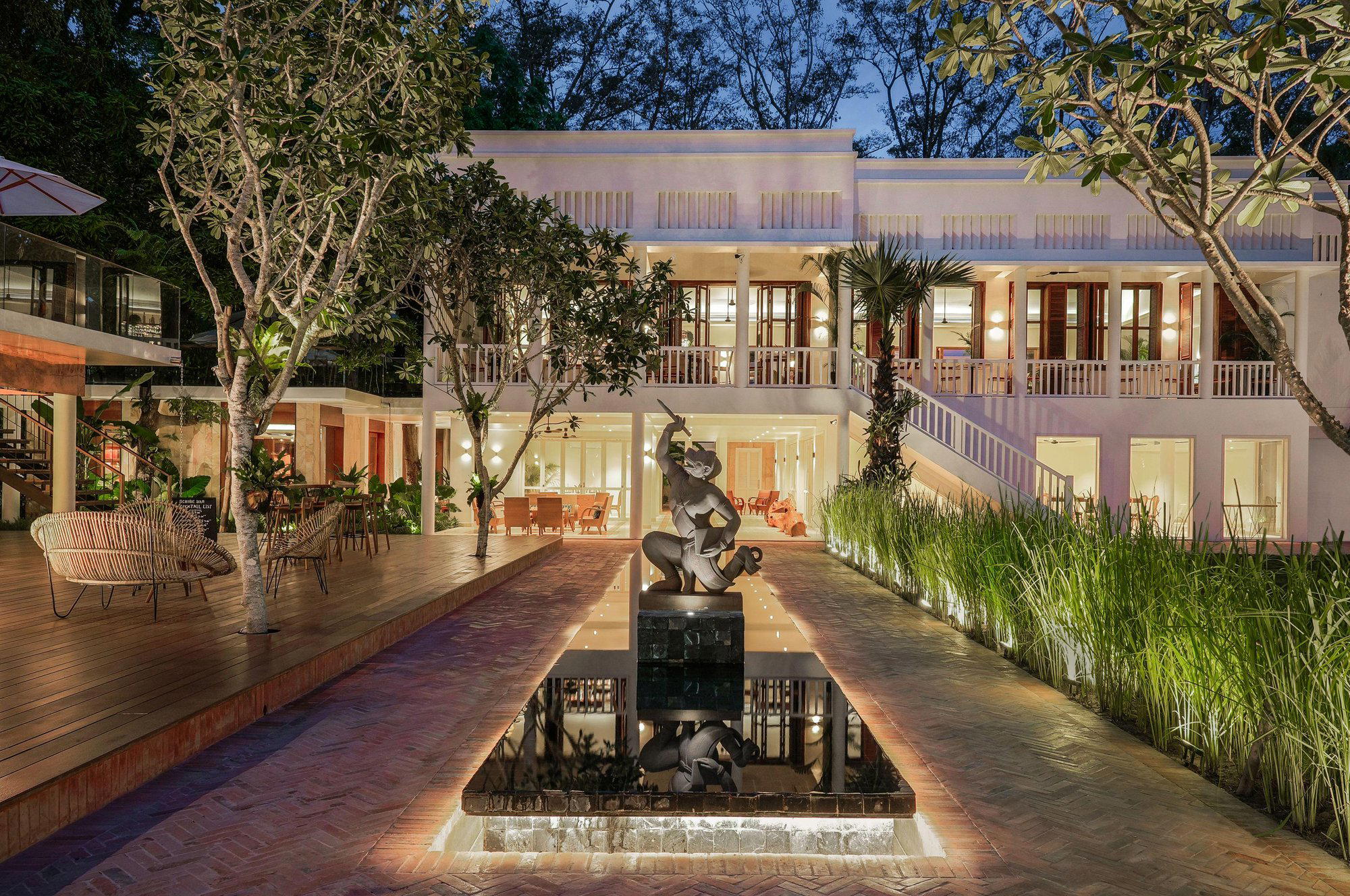
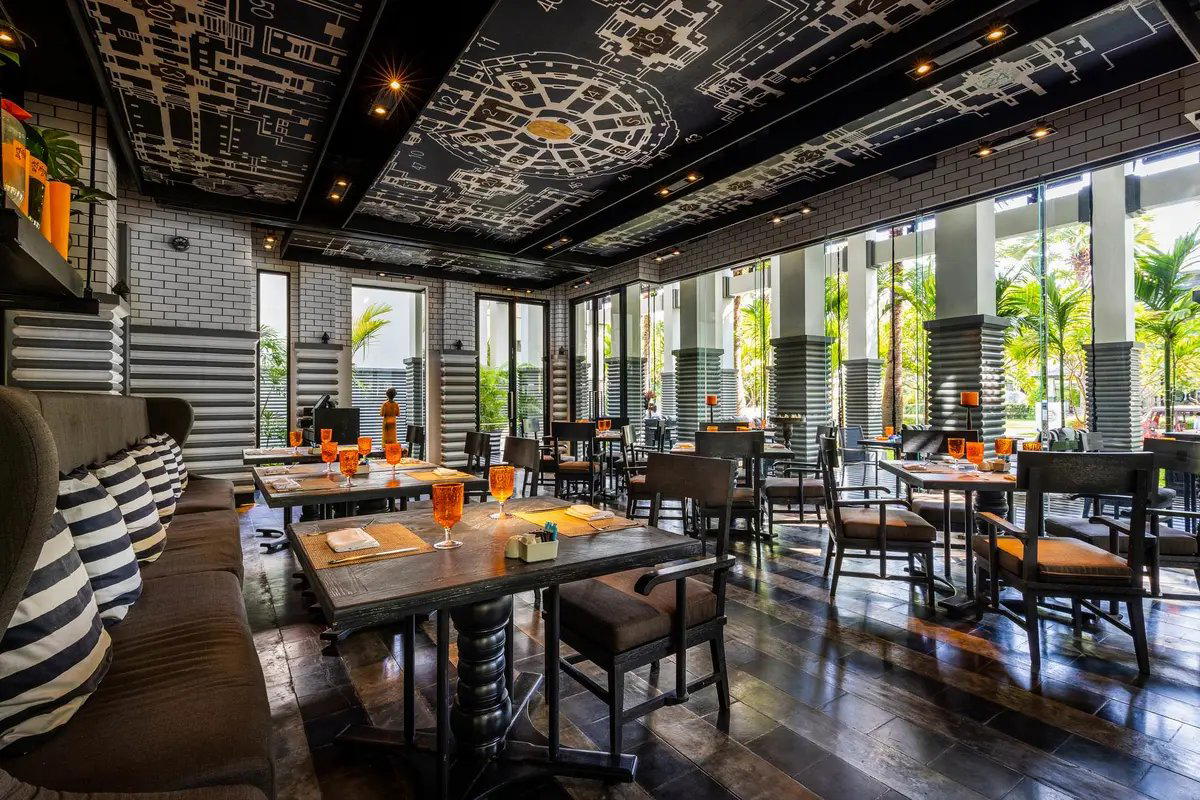
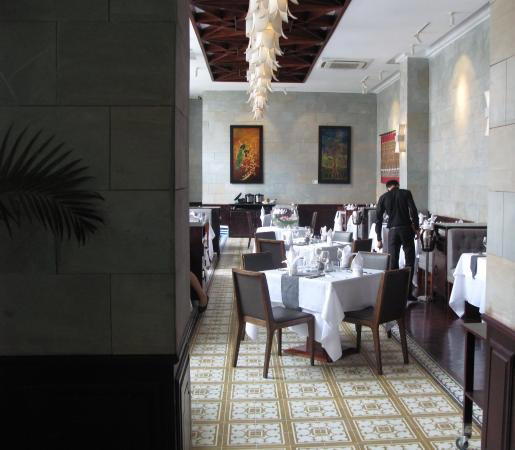
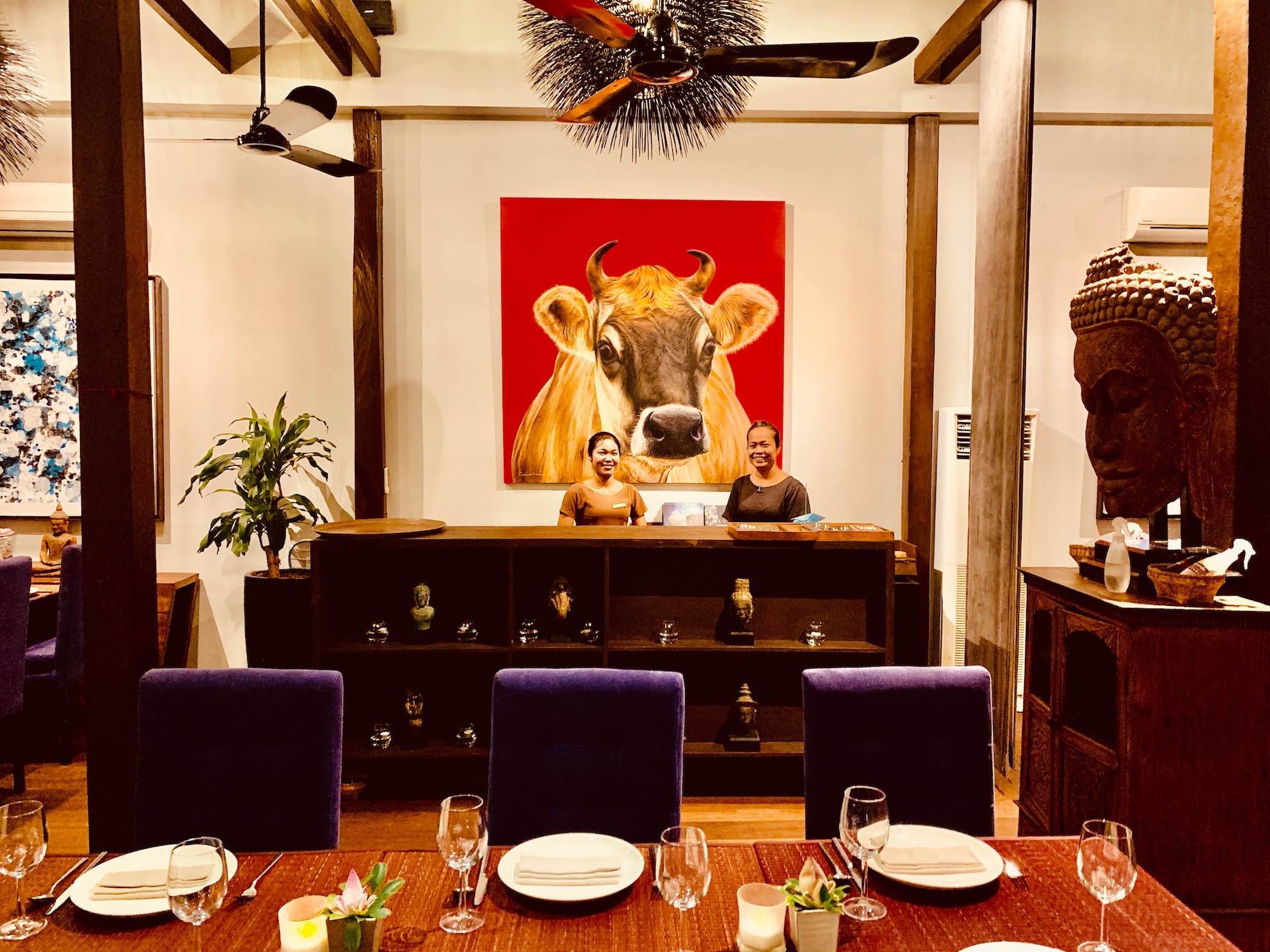
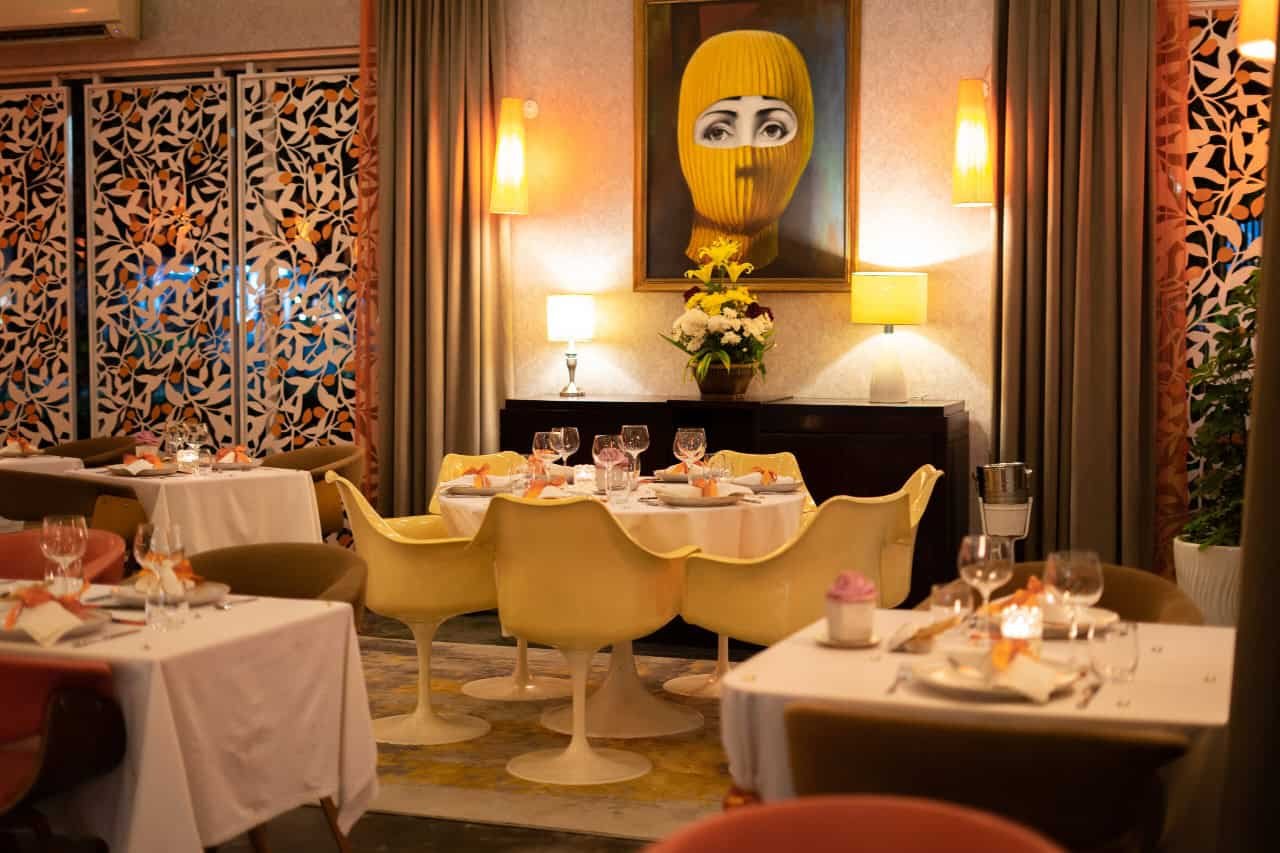
Serene and sophisticated with clean lines, white walls, hardwood floors, teak furnishings, Khmer art, and lush tropical surroundings creating a peaceful retreat.