Set in the Sala Komreuk quarter of Siem Reap, Rambutan Hotel & Resort occupies a position in the city's design-led boutique tier, where garden settings and local architectural character matter as much as room count. It sits within easy reach of Angkor's temple circuit while operating at a quieter remove from the Old Market bustle, making it a practical base for travellers who want considered surroundings without the scale of the international chain properties.
Pearl is the En Primeur Club membership app — saves, bookings, and concierge access live there. Same editors, same standards.
- Address
- Rambutan Lane, Phum Wat Damnak, Kum Sala Komreuk, Krom 10 Krong Siem Reap, 17259, Cambodia
- Phone
- +855 11 355 534
- Website
- rambutansiemreap.com
- Directions
- Get directions
 Saves & bookings on Pearl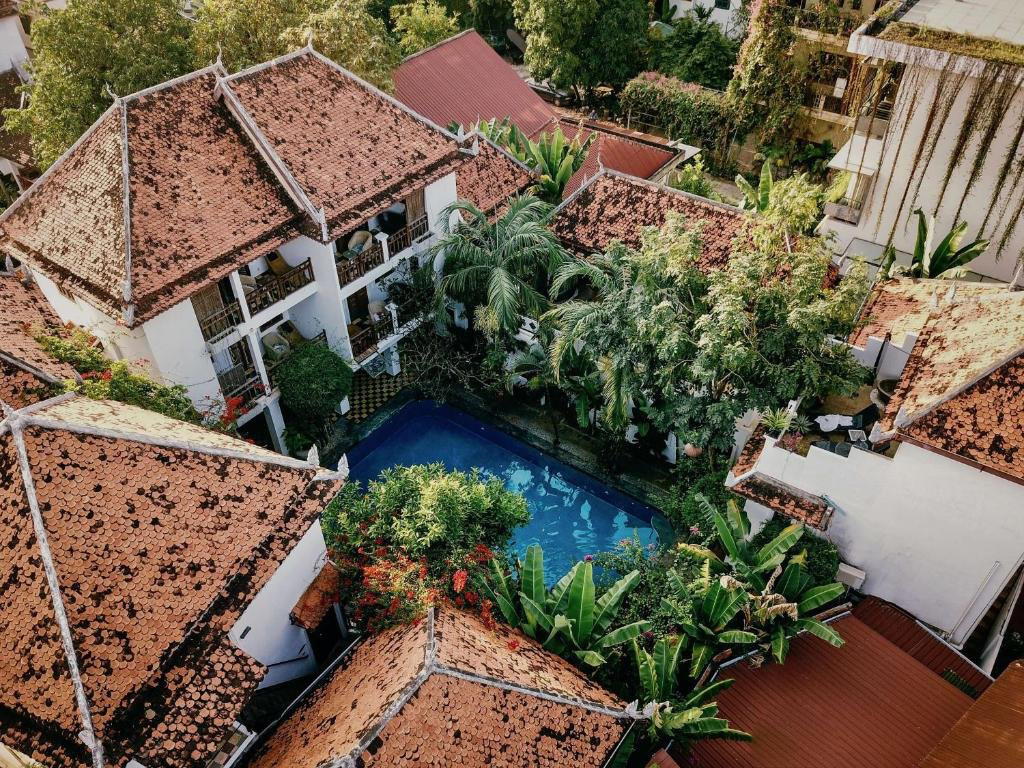
Siem Reap's Boutique Accommodation Layer: Where Rambutan Sits
Siem Reap's hotel market has divided along a fault line that wasn't fully visible a decade ago. On one side: the major international flags and the landmark heritage properties that trade on proximity to Angkor Wat and the gravitational pull of the Old Market district. On the other: a smaller, design-attentive cohort of boutique properties in the residential quarters south of the centre, where gardens run deeper, streets are quieter, and the architecture draws from French colonial and Khmer vernacular traditions rather than from a brand manual. Rambutan Hotel and Resort sits in that second tier, addressed to Phum Wat Damnak in the Sala Komreuk commune, a neighbourhood that has become a reference point for Siem Reap's more considered hospitality offerings over the past several years.
That positioning matters because it shapes every practical decision a guest makes: when to arrive, how to move around the city, and what kind of experience to expect in the hours between temple visits. Properties in the Wat Damnak quarter tend to function less like hotel operations and more like residential compounds that happen to take bookings, a format that suits a specific kind of traveller and sits poorly with another kind entirely.
The Sala Komreuk Setting and What It Tells You
The Sala Komreuk commune is not the geographic centre of Siem Reap's tourist infrastructure, but it has become one of the more coherent neighbourhood identities in a city that can feel spatially scattered. The area around Wat Damnak monastery has accumulated a cluster of chef-driven restaurants, independent wine bars, and low-key boutique properties over the past decade, a pattern familiar from comparable neighbourhood evolutions in Chiang Mai's Nimmanhaemin corridor or Ubud's backroads. Rambutan's address on Rambutan Lane, within this quarter, places it inside that reference set rather than alongside the larger resort operations that hug the Siem Reap River or the road to Angkor.
The name itself connects to the regional botanical context: the rambutan, a fruit native to Southeast Asia and cultivated across Cambodia, Thailand, and Malaysia, is the kind of hyper-local reference that design-led boutique properties in the region tend to favour over generic hospitality naming. It signals an orientation toward place rather than brand, the same logic that drives properties like Heritage Suites Hotel or Nara Sojourn Boutique Villas to foreground craft and local material in their identities.
Heritage, Architecture, and the Colonial Residential Register
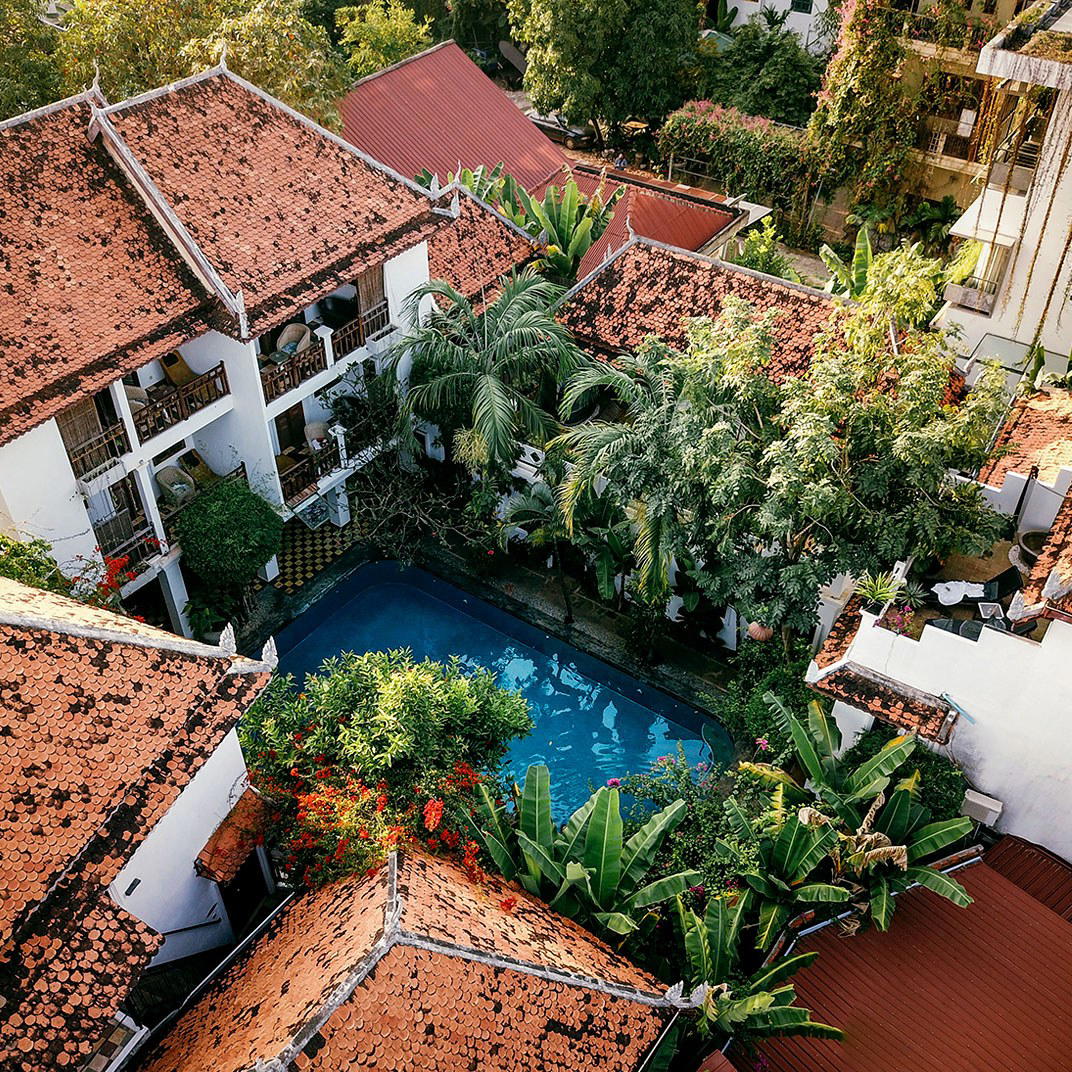
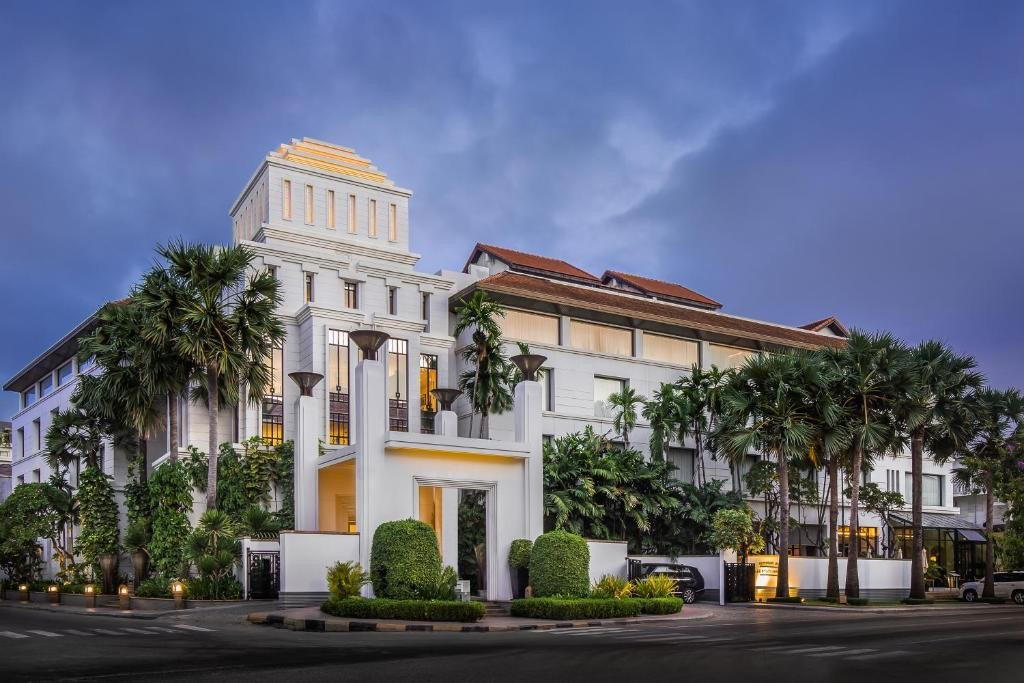
French colonial residential typology that defines much of Siem Reap's older building stock, pitched roofs, deep verandas, garden-facing facades, has become the design baseline for the city's most characterful boutique properties. Where larger properties like La Résidence d'Angkor interpret that register at full resort scale, the Wat Damnak quarter properties tend to work with it at villa or compound scale, where individual structures read as houses adapted for hospitality rather than purpose-built hotel blocks.
This distinction carries real consequence for how a stay feels. Compound-format properties in Siem Reap typically organise accommodation across garden pavilions or standalone villas connected by outdoor pathways, a format that performs well in the dry season (November through April, when temperatures are manageable and skies are clear) and demands more logistical tolerance in the wet months, when afternoon rains are heavy and garden paths become slick. Siem Reap's peak booking window runs from November to February, when temple light is leading for photography and the humidity drops to tolerable levels. Guests considering a Rambutan stay in the shoulder months of May or October should factor the rain schedule into expectations about garden and outdoor common space.
The Angkor Circuit from Sala Komreuk
The temple complex at Angkor covers a zone large enough to require genuine logistical planning regardless of where a guest is staying in Siem Reap. From the Sala Komreuk quarter, the main Angkor Wat causeway is reachable in under fifteen minutes by tuk-tuk under most traffic conditions, a journey that passes through the kind of quiet residential streets that give the neighbourhood its character before joining the Angkor road. The standard three-day Angkor pass, which covers Angkor Wat, Bayon, Ta Prohm, and the wider Angkor Thom complex, is the baseline for most visitors, though serious temple travellers often extend to five days to include the outlying sites at Banteay Srei and Beng Mealea.
The practical advantage of a Sala Komreuk base over a more central location on Sivatha Boulevard or near Pub Street is the quieter return. After a 4:30am sunrise at Angkor Wat, the single most-visited single moment in the Siem Reap calendar, the drive back through the Wat Damnak streets is notably less congested than the return routes serving the main tourist corridors. For travellers comparing bases, properties like The RiverGarden Siem Reap, Friends 'n' Stuff, and GZ Eden Privilege Resort and Spa each occupy slightly different neighbourhood positions worth comparing against Rambutan's Sala Komreuk placement.
At the upper end of the Siem Reap market, Amansara and Jaya House River Park Hotel represent the benchmark for design-led properties with direct Angkor logistics infrastructure built into the stay, a point of comparison for travellers weighing boutique character against full-service temple access support.
Cambodia's Wider Accommodation Context
Siem Reap is one of three main destination nodes in Cambodia's tourism infrastructure, alongside Phnom Penh and the coastal zone around Sihanoukville and the Koh Rong archipelago. Travellers building multi-stop itineraries through the country will find the boutique accommodation standard varies significantly by location: the capital's most characterful property remains Raffles Hotel Le Royal, which operates in a different heritage register altogether, while the coast offers options ranging from the low-key charm of The Secret Garden at Otres Beach to the remote luxury of Song Saa Private Island in the Koh Rong Archipelago. For travellers interested in conservation-adjacent wilderness experiences, Shinta Mani Wild occupies a category of its own in the Cardamom Mountains. Rambutan's position within this network is firmly Siem Reap-centric: it is a Sala Komreuk base for temple-focused travel, not a multi-location operator.
For those comparing across the full EP Club network, the design-led boutique register that Rambutan represents in Siem Reap has loose equivalents in properties like Castello di Reschio in Umbria or Hotel Bel-Air in Los Angeles, properties where garden setting and architectural character carry as much weight in the offer as room specification.
Planning Your Stay
The Sala Komreuk quarter's smaller properties fill faster than the larger resort operations because their capacity is constrained and repeat visitors, who book on a predictable annual cycle tied to the dry season, account for a meaningful share of available nights.
Same-City Peers
Comparable venues nearby, for context on price, style, and recognition.
| Venue | Cuisine | Price | Notes |
|---|---|---|---|
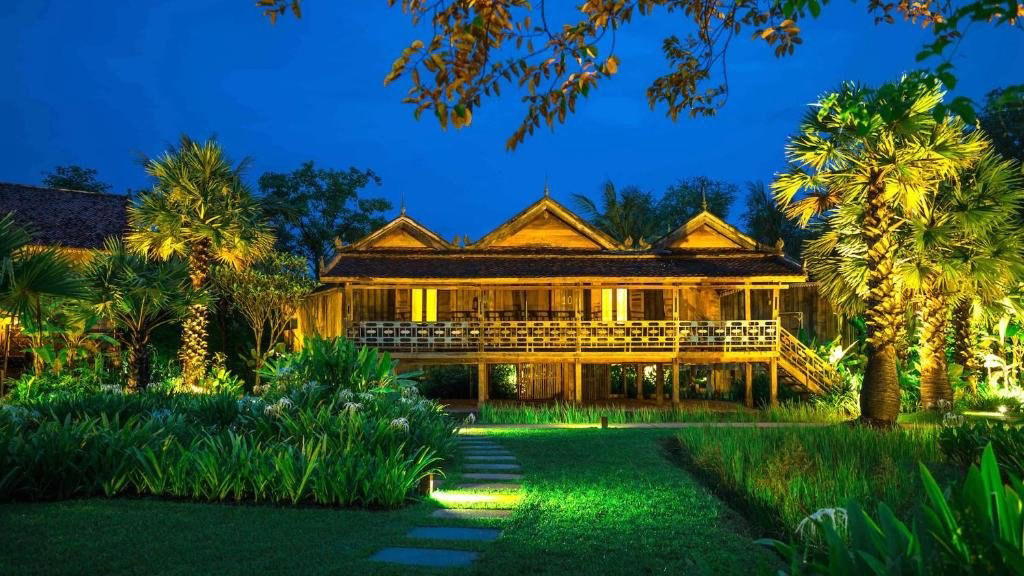
| Rambutan Hotel & Resort - Siem ReapThis venue — the venue you are viewing | Boutique Khmer village-style resort with two wings offering privacy and comfort. | $$$ | Not listed |
| Nara Sojourn Boutique Villas Siem Reap | Boutique villa resort with colonial-inspired design emphasizing privacy and personalized service in a tropical garden setting. | $$$ | Treak Village |
| GZ Eden Privilege Resort and Spa | Old style colonial boutique with Khmer wooden style | $$$$ | Krong Siem Reap |
| The RiverGarden Siem Reap | Traditional Khmer villas in a residential neighborhood along the river. | $$ | Slorkrum |
| Heritage Suites Hotel - Siem Reap | Colonial retreat with modern conveniences in tropical gardens | $$$ | Riverside |
| La Résidence d'Angkor, Siem Reap | Traditional Khmer architecture with modern comforts in a lush riverside garden setting | $$$$ | River Road |
At a Glance
- Quiet
- Cozy
- Elegant
- Intimate
- Scenic
- Romantic Getaway
- Wellness Retreat
- Weekend Escape
- Infinity Pool
- Garden
- Private Villa
- Pool
- Spa
- Wi Fi
- Room Service
- Concierge
- Restaurant
- Bar
- Garden
- Garden
- Pool
- Spa
- Wi Fi
- Room Service
- Concierge
- Restaurant
- Bar
- Garden
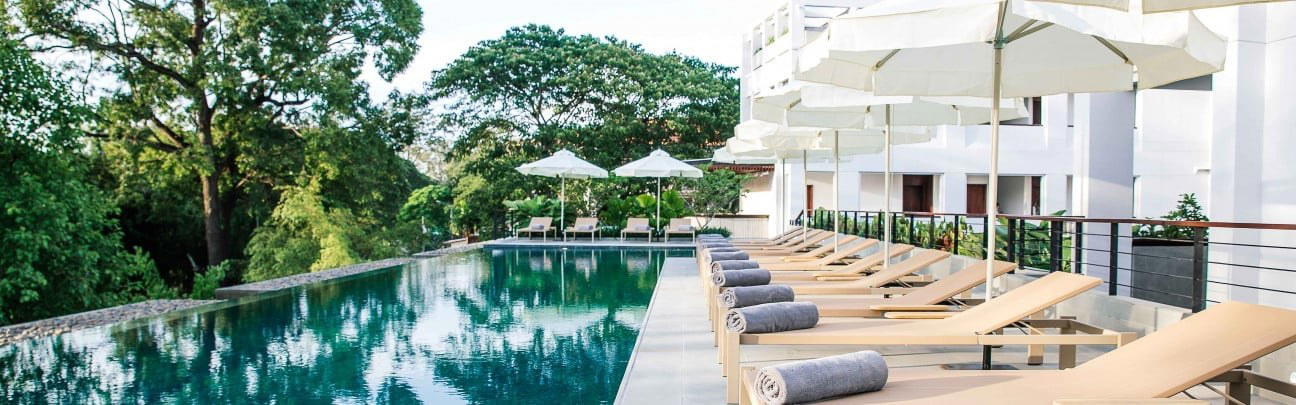
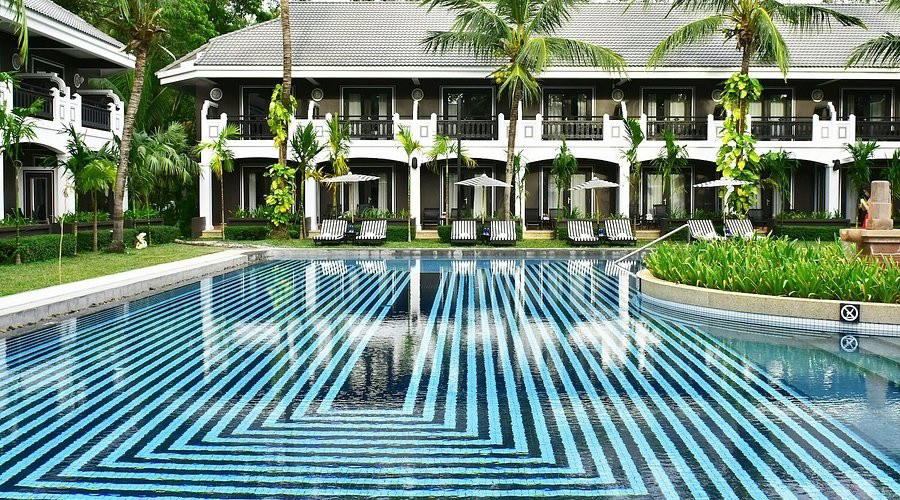
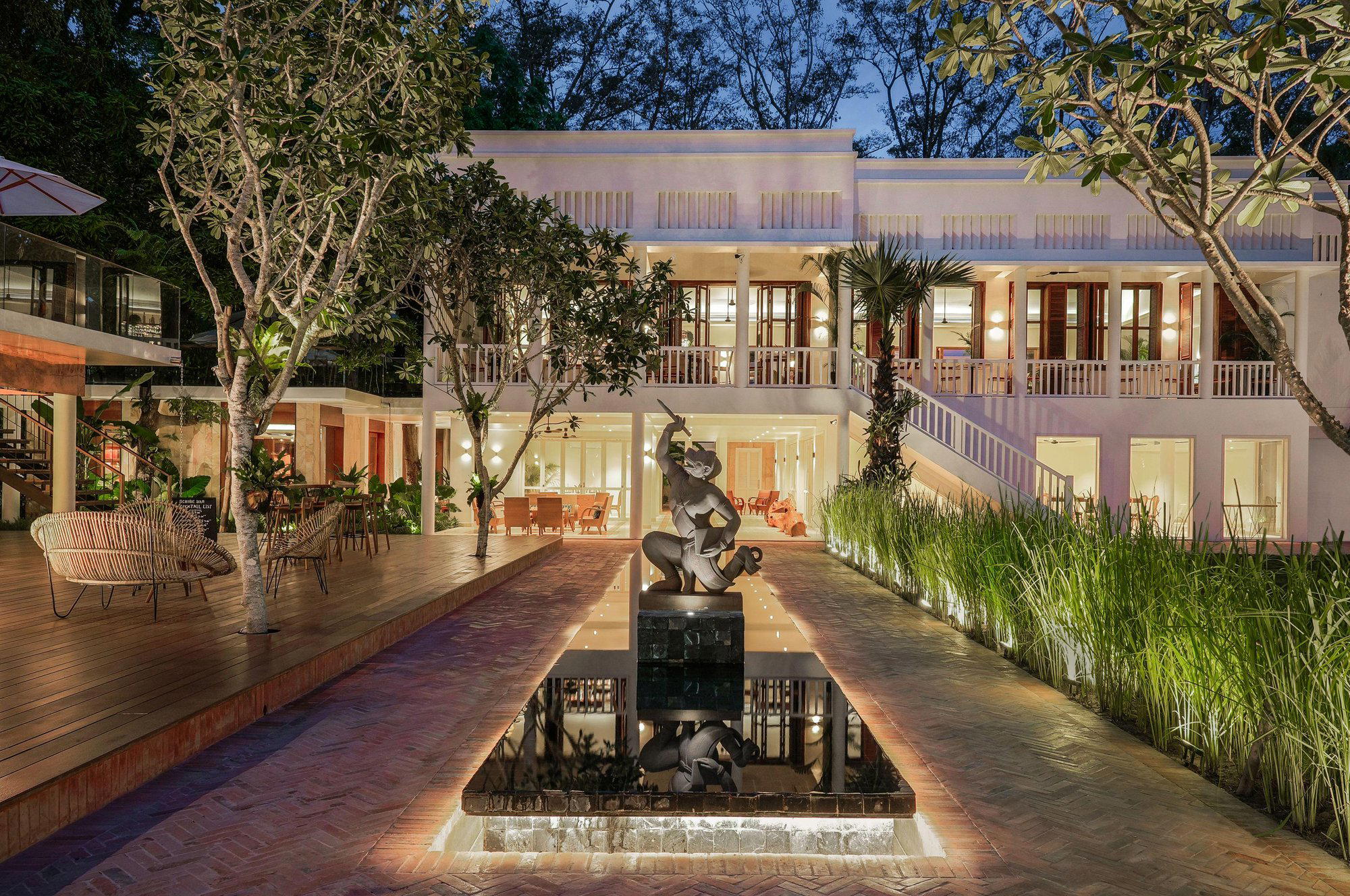
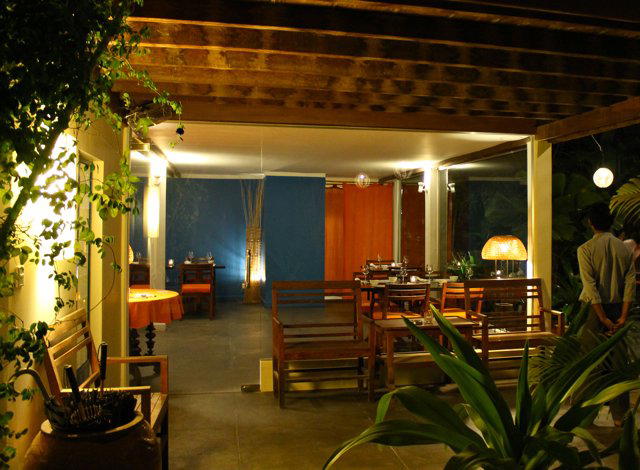
Peaceful and private oasis with lush tropical gardens, stylish Khmer fusion interiors blending contemporary art and local silk textiles, centered around saltwater pools.