GZ Eden Privilege Resort and Spa sits in Krong Siem Reap, Cambodia, within reach of the Angkor temple complex that defines the city's draw for international travellers. The property occupies a residential-scale address on Benoit Street, positioning it outside the main tourist corridor and closer to the pace of a neighbourhood stay. For travellers weighing Siem Reap's accommodation options, it represents the quieter, lower-density end of the market.
Pearl is the En Primeur Club membership app — saves, bookings, and concierge access live there. Same editors, same standards.
- Address
- #115, Group 7. Phum Tropeang Ses Khum Kochok Srok, Benoit St, Krong Siem Reap 17262, Cambodia
- Phone
- +855 17 392 000
- Directions
- Get directions
 Saves & bookings on Pearl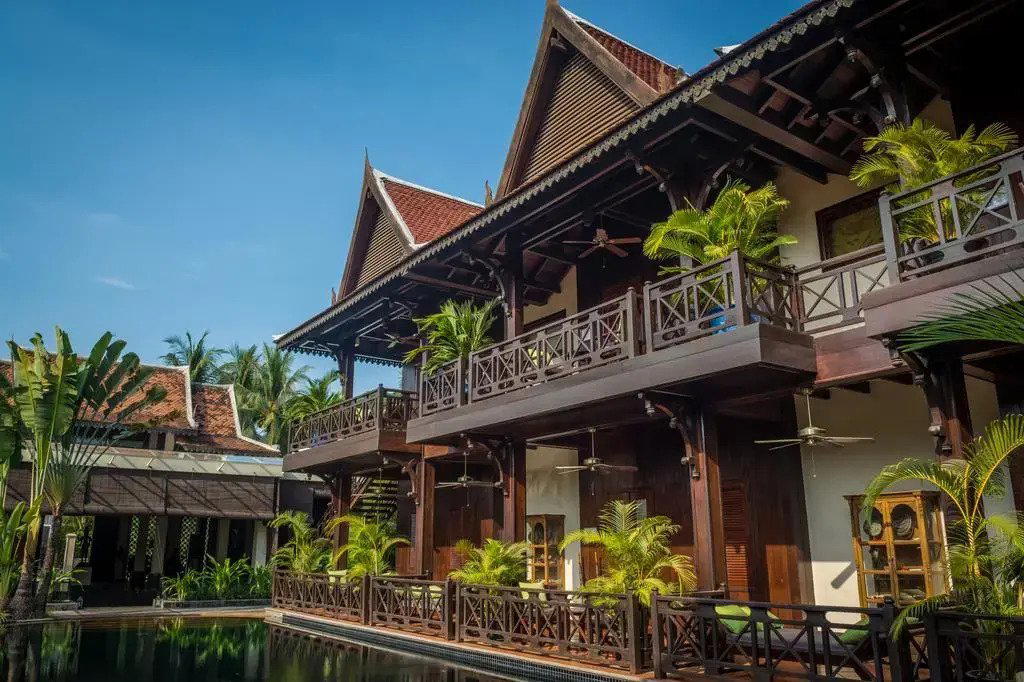
Siem Reap's Accommodation Spectrum: Where Quieter Properties Fit
Siem Reap has developed one of Southeast Asia's more stratified hotel markets over the past two decades, driven almost entirely by proximity to Angkor Wat and the surrounding archaeological zone. At the upper end, properties like Amansara in Siem Reap operate on Aman's signature model: very few keys, high service ratios, and pricing that reflects exclusivity rather than scale. In the mid-range, a cluster of design-conscious boutiques — including Heritage Suites Hotel and La Résidence d'Angkor, Siem Reap — have built reputations on local-materials architecture and curated service. Below that sits a broader tier of resort-format properties where the pool, the garden, and the spa do more work than the dining programme or the room design alone.
GZ Eden Privilege Resort and Spa occupies an address on Benoit Street in Krong Siem Reap, in a residential cluster at Phum Tropeang Ses that places it outside the compressed tourist zone around Pub Street and the Old Market. That kind of address tends to attract travellers who want a quieter approach to the city, those who have already visited Angkor once and are returning for a slower engagement with the region, or those whose itinerary centres the temples early and leaves afternoons unscheduled.
The Resort Format in Siem Reap: What It Signals
In a city where guesthouses, boutique hotels, and branded international chains compete across a wide price range, properties that append "Resort and Spa" to their name are making a specific positioning claim. The resort format implies self-containment: enough pools, gardens, treatment rooms, and food-and-beverage options to allow a guest to spend a full day without leaving the property. This is a different value proposition from the boutique hotel model, closer to the villa-compound tradition that has proven popular across Cambodia and neighbouring Thailand.
Siem Reap supports this format partly because the city's primary attraction, the Angkor complex, is geographically discrete. Travellers often structure their days around one or two temple visits, followed by recovery time back at the property. A resort with spa facilities is particularly well-calibrated for that rhythm. Properties like Rambutan Hotel & Resort - Siem Reap and Nara Sojourn Boutique Villas Siem Reap operate within this same broad category, offering pool access and spa programming alongside accommodation, and each attracts a slightly different guest profile based on design language and price point.
Dining in Siem Reap: The Context Around the Property
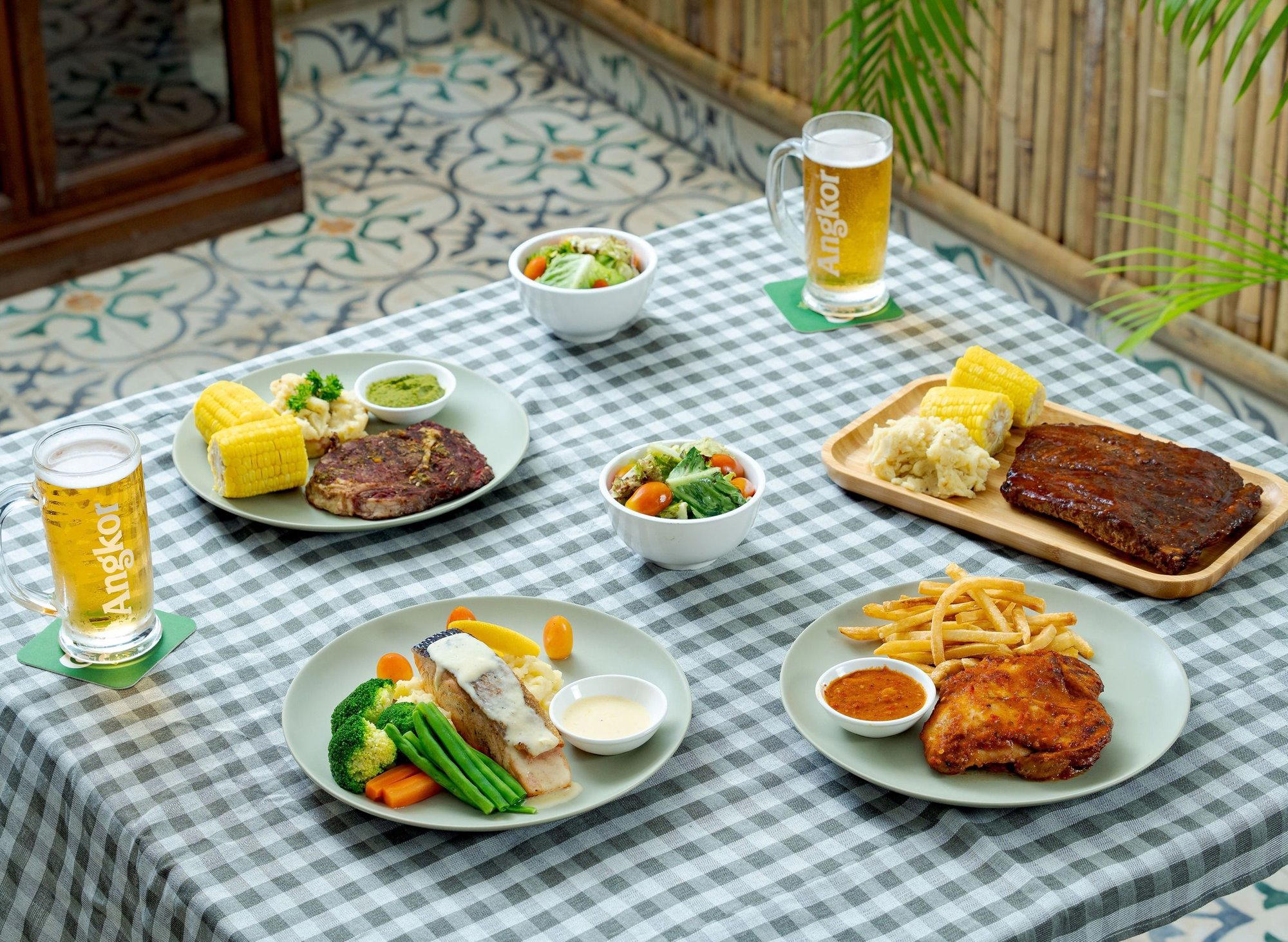
The editorial angle most relevant to any resort in Siem Reap is the dining programme, because the city's food scene has become genuinely interesting independent of the hotel market, and how a property positions its in-house food-and-beverage options relative to what's available outside tells you something about its intended guest. Siem Reap has developed a restaurant scene that includes serious Khmer fine dining, casual street-food-adjacent venues, and a handful of internationally-trained chefs working in the city full-time. A resort that functions as self-contained accommodation will typically offer breakfast and pool-side dining as its core proposition, leaving guests to seek out the city's restaurant scene independently for lunch and dinner.
For travellers who want to engage with Siem Reap's broader food culture rather than eating primarily at their hotel, the city's dining options are well-covered in our full Siem Reab restaurants guide. Properties with their own strong culinary identities in the city tend to be the larger international brands or the boutiques with named chefs; the resort-format mid-tier typically keeps its food-and-beverage offering functional rather than destination-worthy.
Positioning Among Siem Reap's Boutique and Resort Options
When comparing accommodation options in Siem Reap, the distinguishing variables are usually location relative to the temples, the ratio of indoor to outdoor space, the quality of the pool area, and whether the property invests in a serious spa programme or treats wellness as a secondary offering. Jaya House River Park Hotel in Krong Siem Reap is an example of a property that has built a strong environmental credentials story alongside its accommodation offer. The RiverGarden Siem Reap occupies a different niche, emphasising its garden setting and the calm that comes from a smaller footprint.
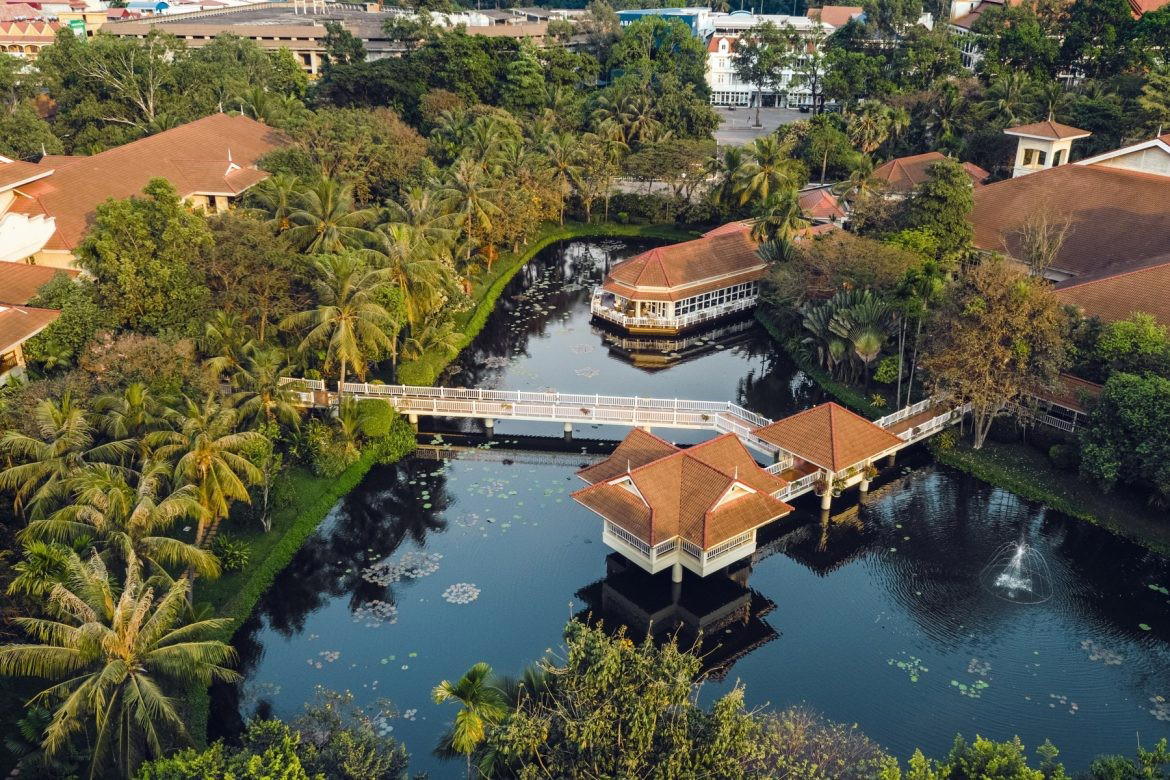
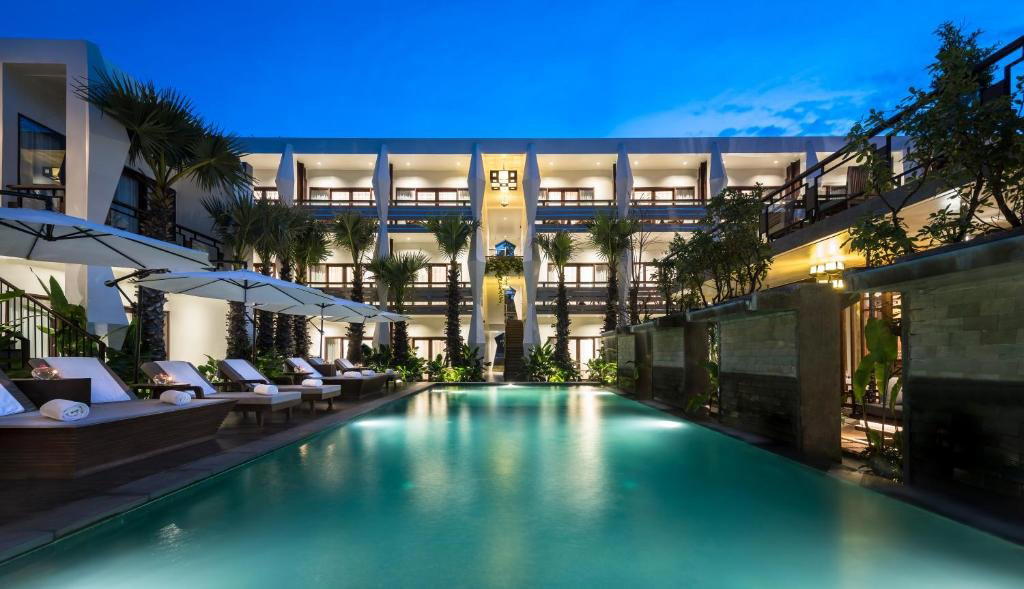
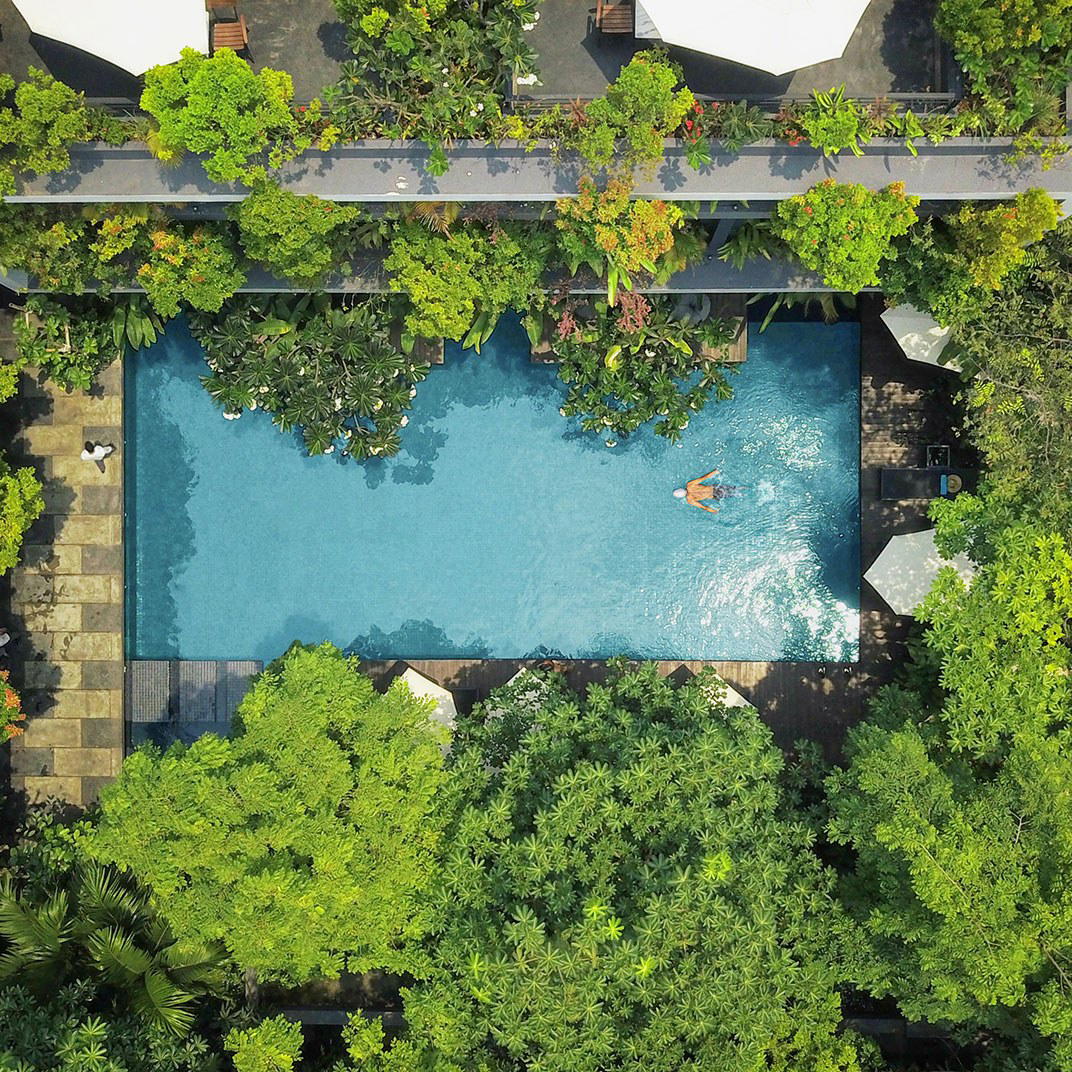
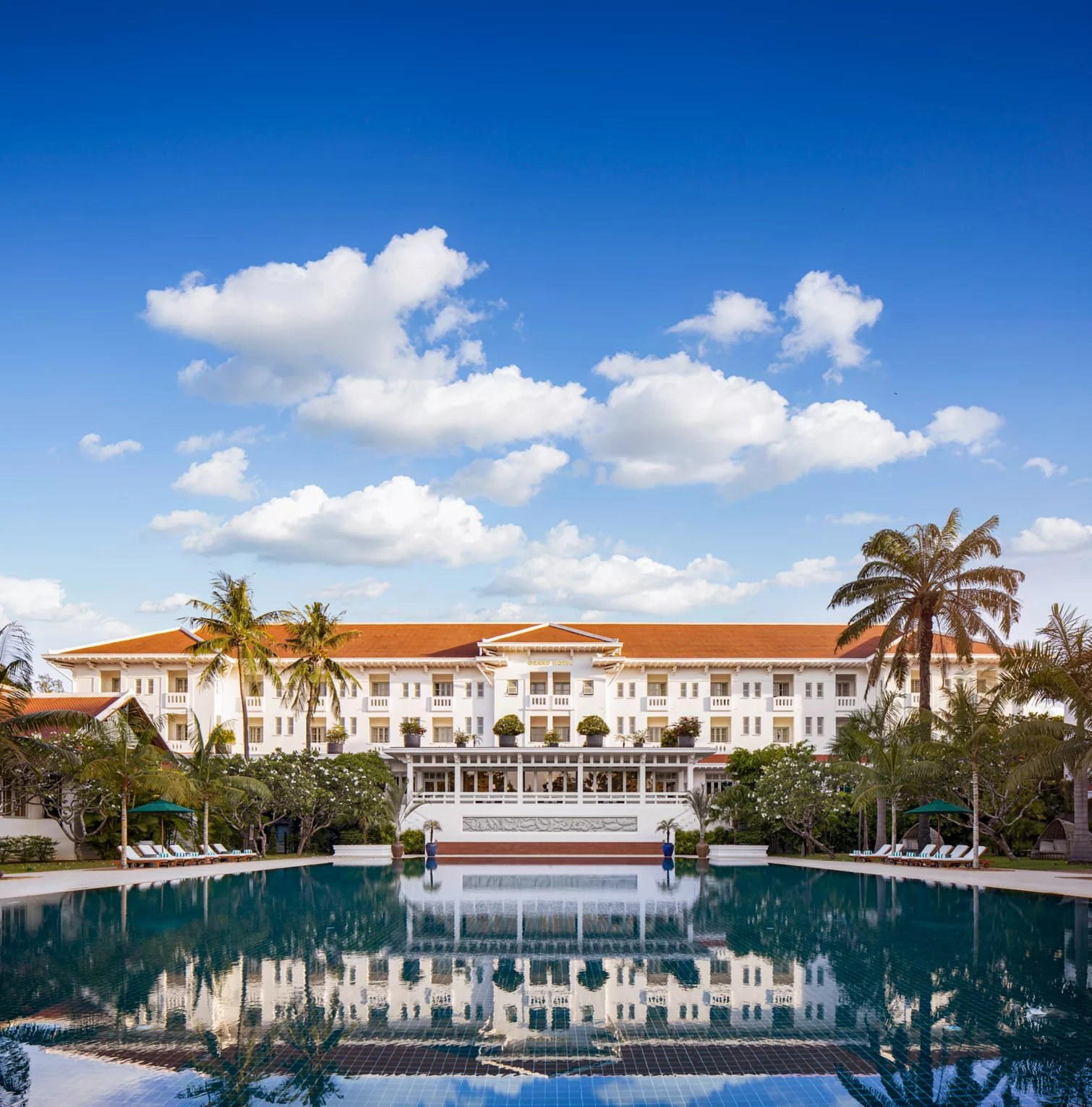
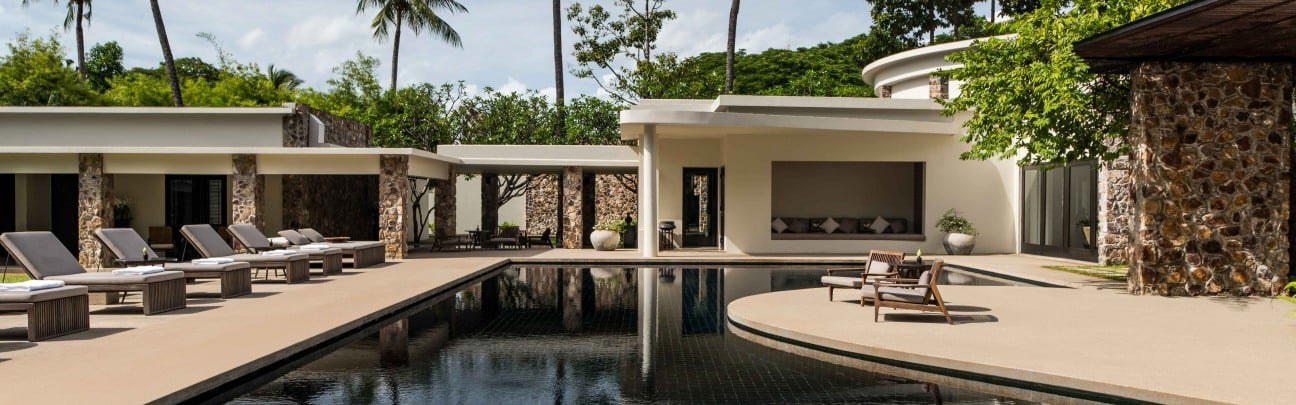
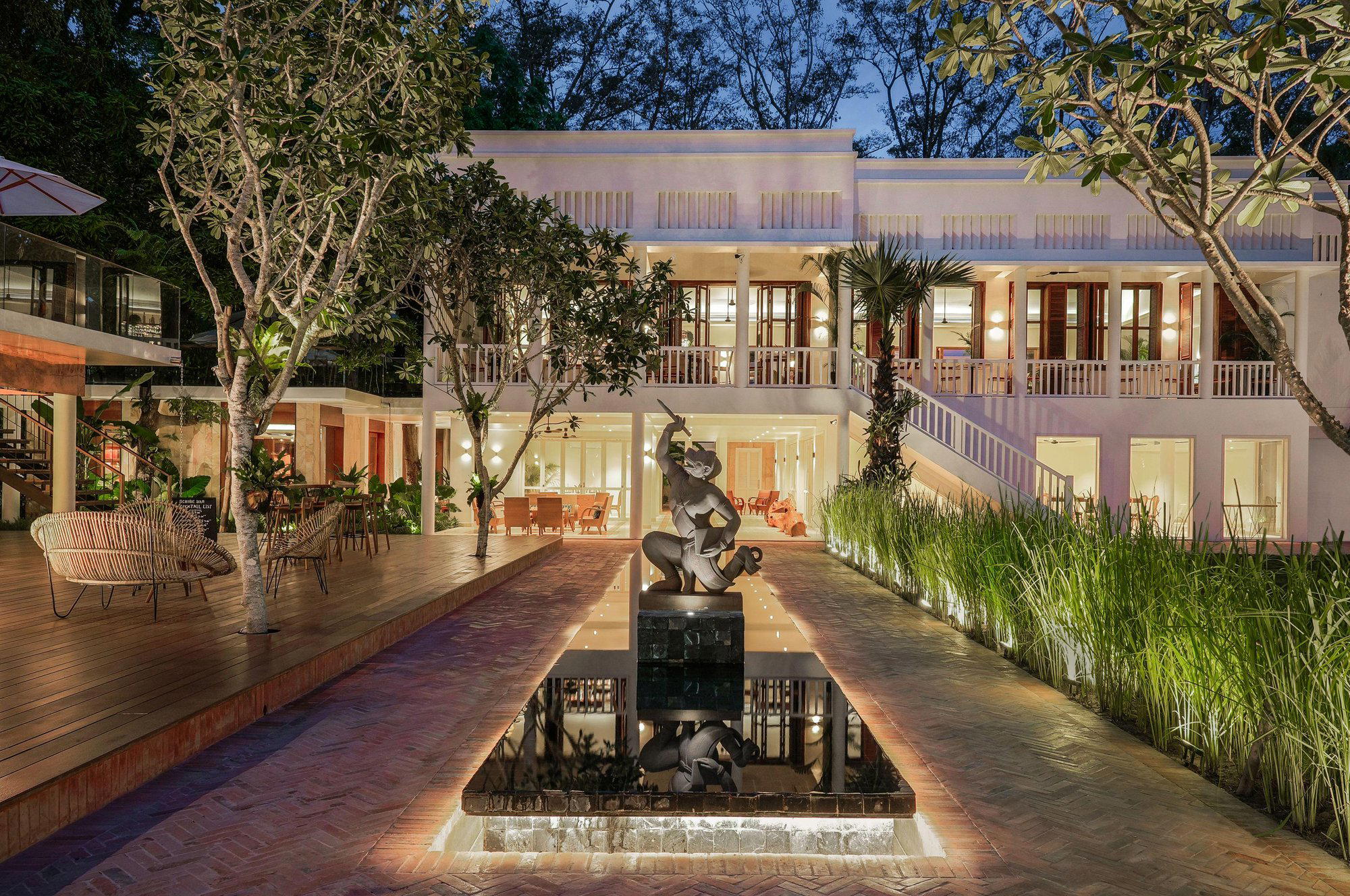
GZ Eden Privilege Resort and Spa, by name and address, suggests a property in the garden-resort tradition, a compound with green space, pool facilities, and spa treatments positioned for travellers who want room to exhale after temple days. Properties in this tier across Cambodia's tourism infrastructure tend to compete less on culinary identity and more on physical comfort and value relative to their price bracket. For travellers who weigh the Siem Reap property against options further afield in Cambodia, the country offers a wide range of reference points: coastal properties like Song Saa Private Island in Koh Rong Archipelago operate on an entirely different model, while the wilderness-format Shinta Mani Wild in Prey Praseth Village represents the high end of Cambodia's experiential accommodation sector.
Planning a Stay: Practical Considerations
Siem Reap's peak season runs from November through February, when temperatures are cooler and temple visits are more comfortable in the morning hours. The shoulder months of March and April bring heat that makes afternoon pool time less optional and more essential, which shifts the value of a resort-format property upward for visitors arriving outside peak season. The wet season from May to October brings lower prices across the hotel market and far thinner crowds at the temples, which some travellers actively prefer.
The address at Phum Tropeang Ses places GZ Eden Privilege Resort and Spa a short tuk-tuk or ride-share trip from both the central Siem Reap restaurant district and the main Angkor Wat entrance road. Tuk-tuks remain the most practical short-distance transport in the city and can typically be arranged through any accommodation. For travellers considering a broader circuit of Cambodian properties, the capital's hotel infrastructure is anchored by long-established addresses like Raffles Hotel Le Royal in Phnom Penh, while coastal options around Sihanoukville include PEARL BEACH RESORT & SPA in Sihanoukville and The Last Point in Prey Nob.
Other Siem Reap options worth comparing before booking include Friends 'n' Stuff, which occupies a different segment of the market, and The Secret Garden at Otres beach in Preah Sihanouk for those planning a combined temple-and-coast itinerary.
A Pricing-First Comparison
| Venue | Price |
|---|---|
| GZ Eden Privilege Resort and SpaThis venue — the venue you are viewing | This venue |

At a Glance
- Serene
- Elegant
- Quiet
- Cozy
- Romantic Getaway
- Wellness Retreat
- Weekend Escape
- Garden
- Pool
- Spa
- Garden
- Pool
- Spa
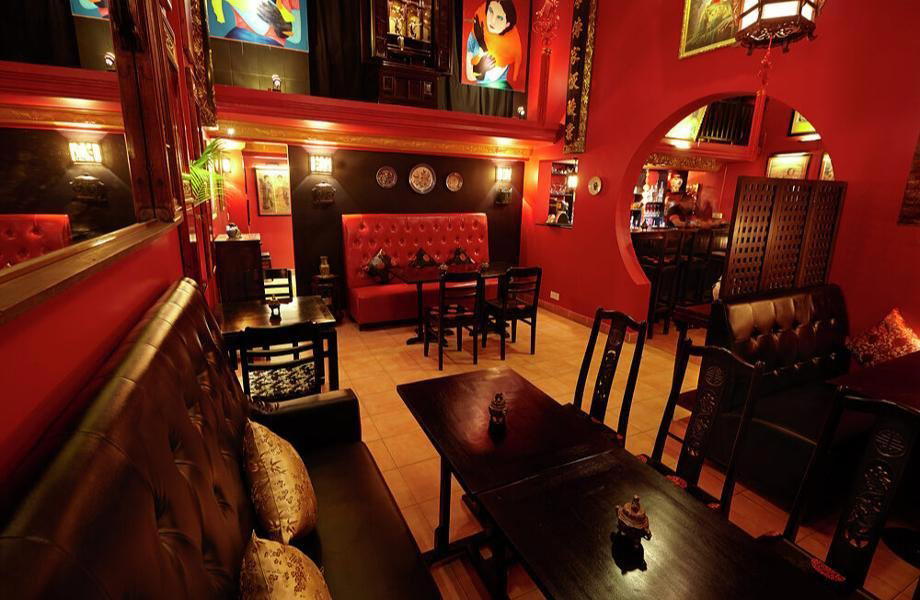
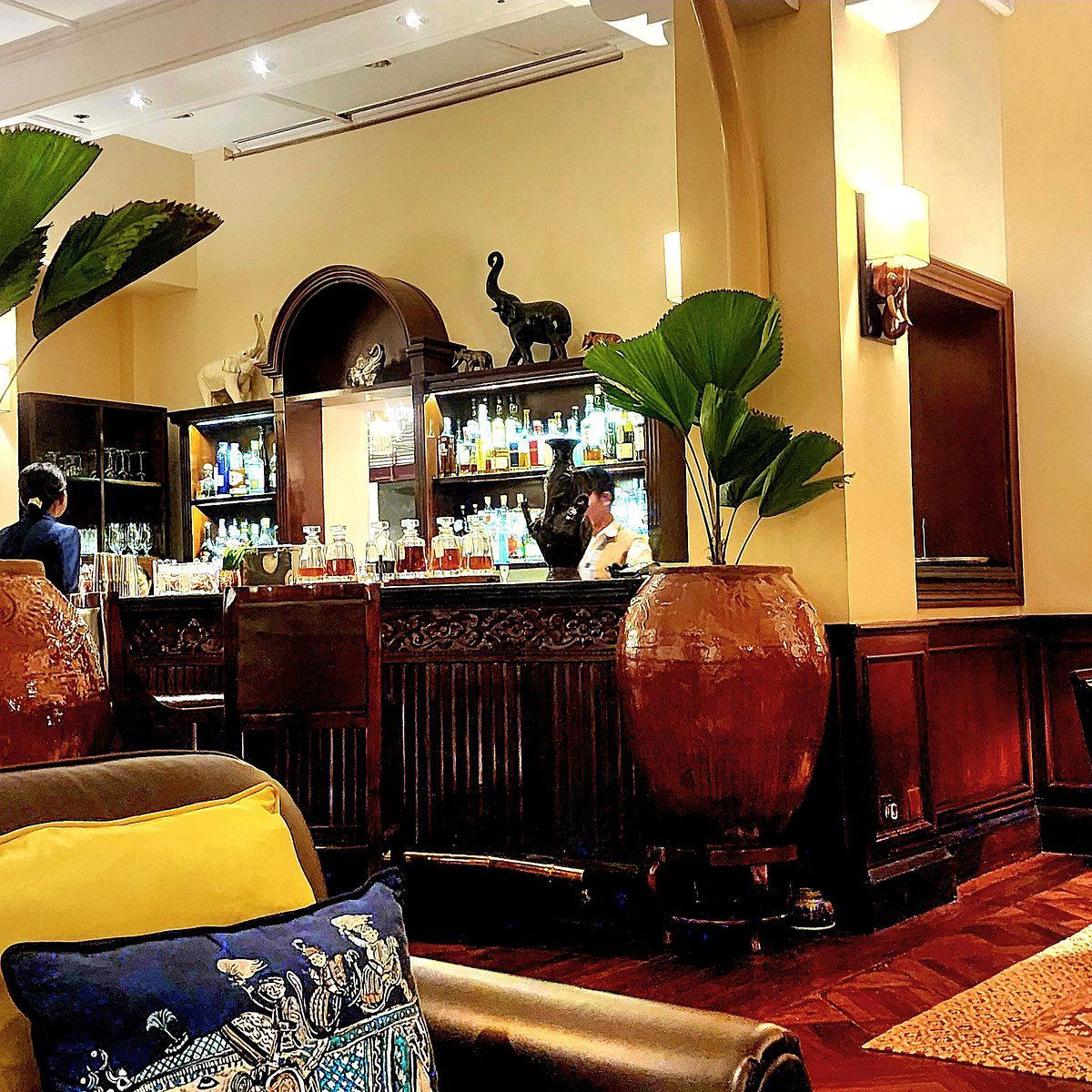
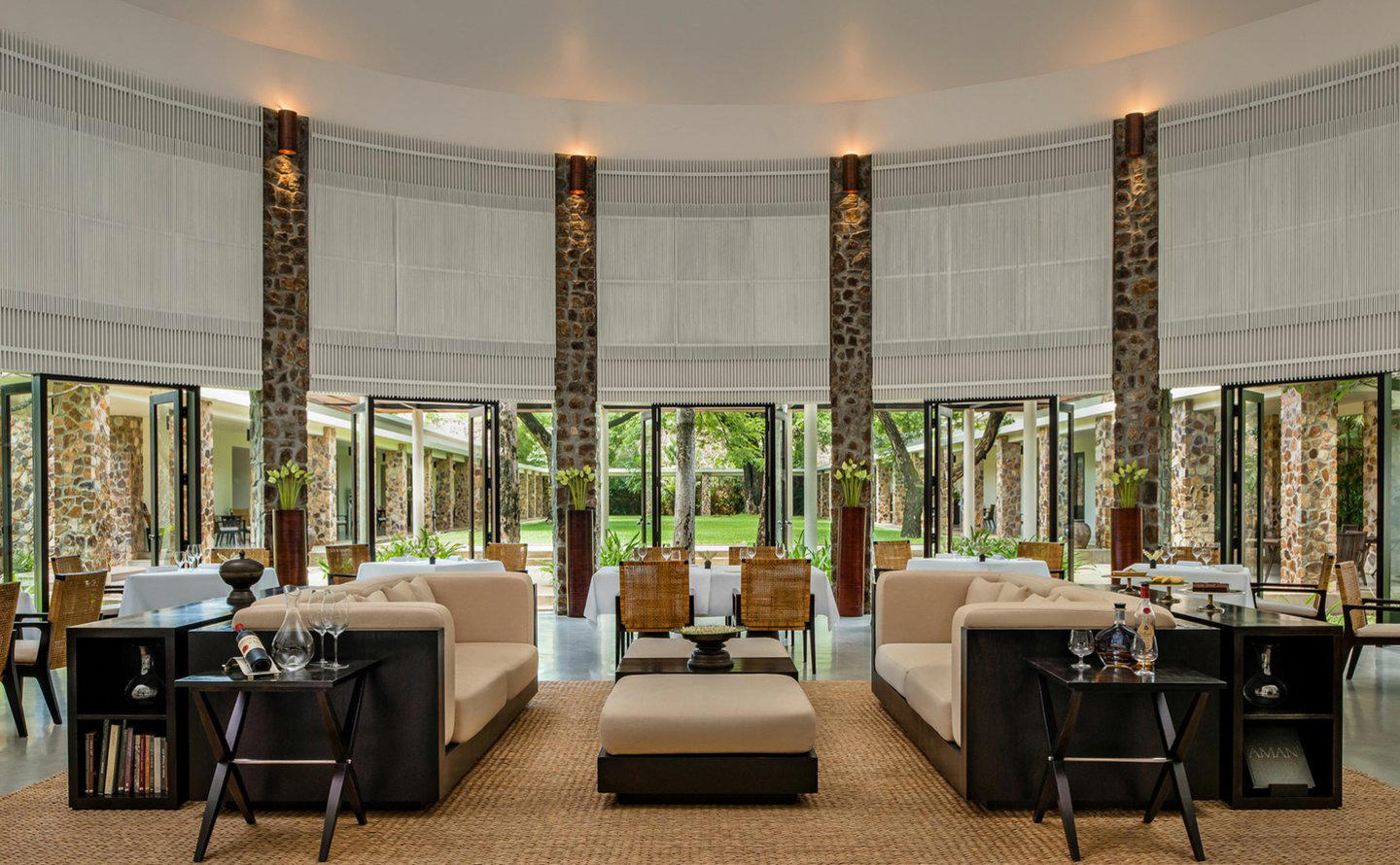
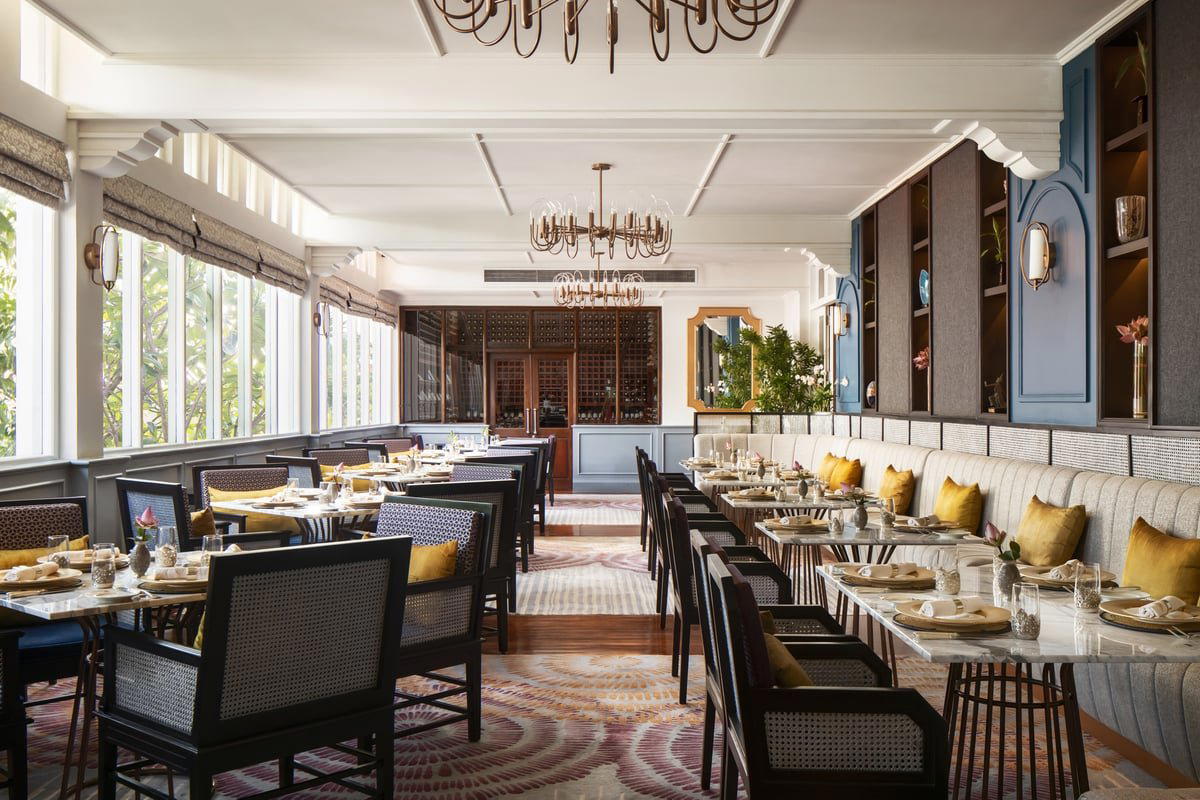
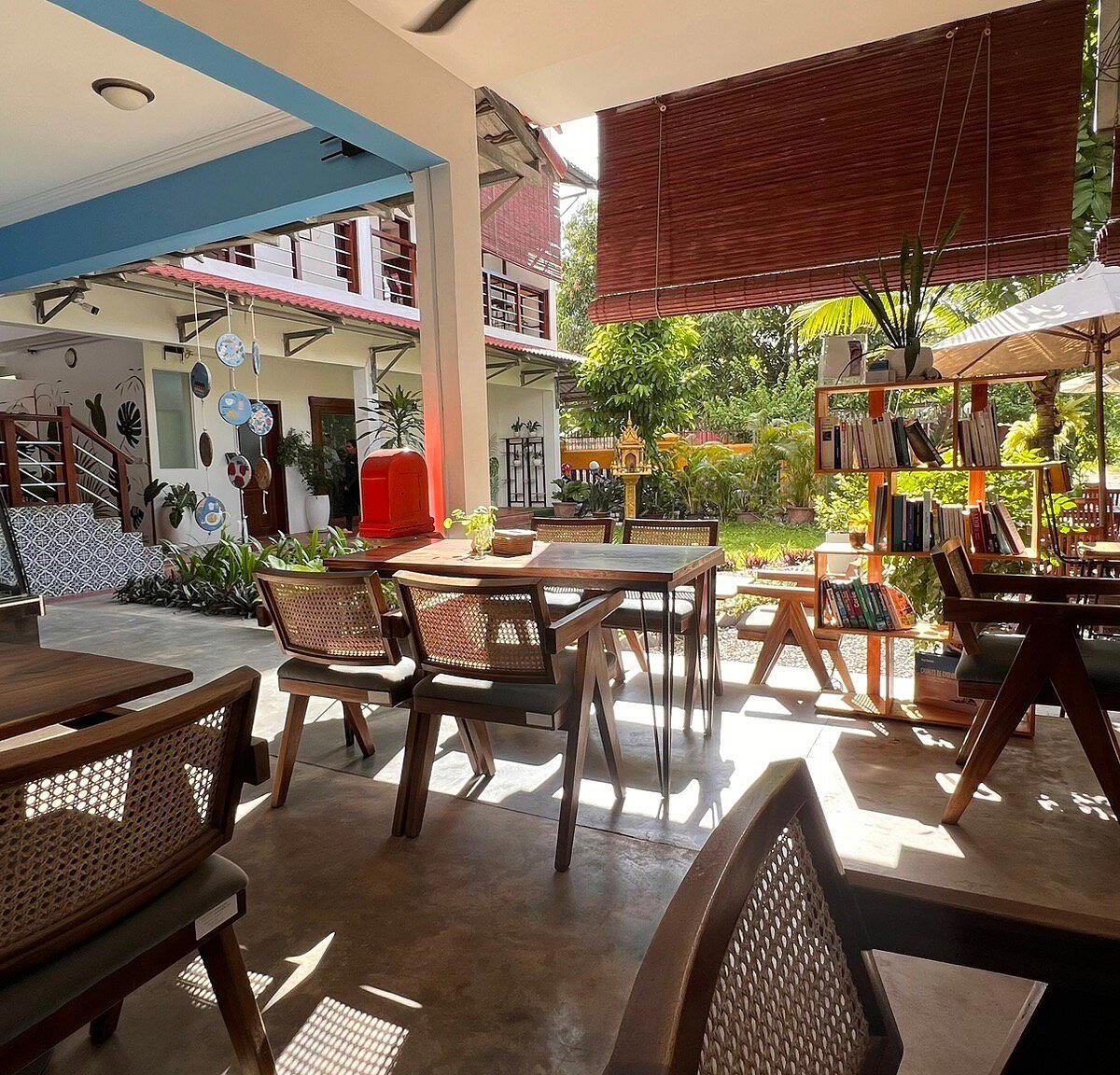
Serene and luxurious retreat with traditional Khmer wooden style and charm.
Know Before You Go
- Getting there
- #115, Group 7. Phum Tropeang Ses Khum Kochok Srok, Benoit St, Krong Siem Reap 17262, Cambodia