
Michelin Selected
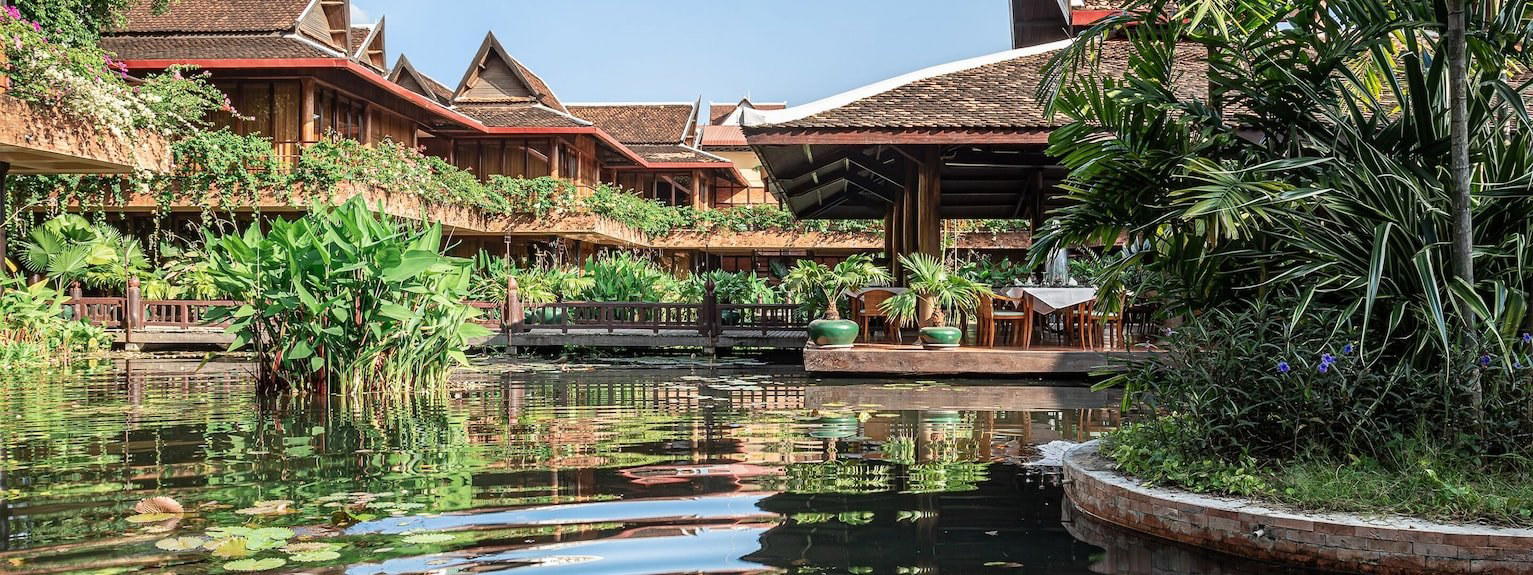
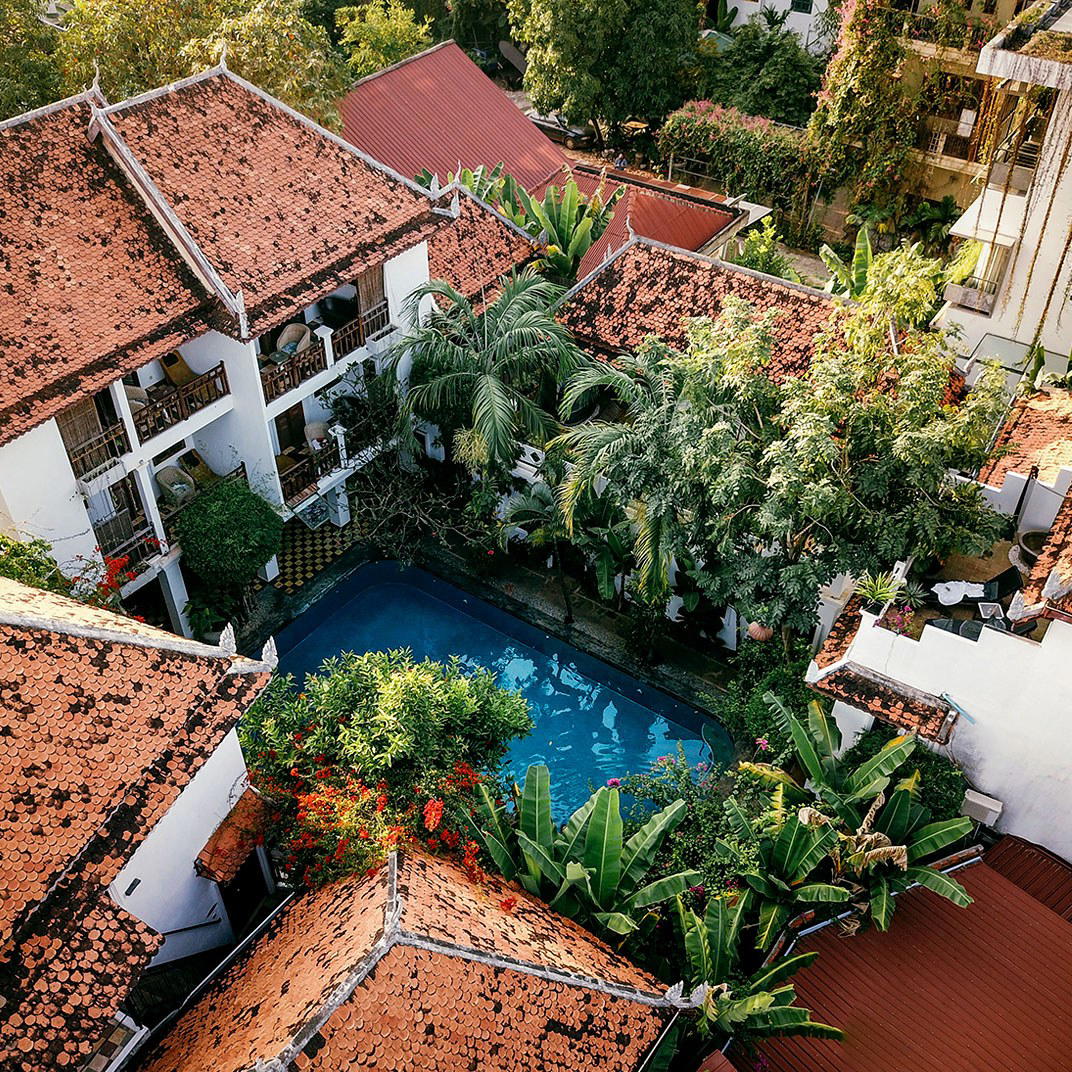
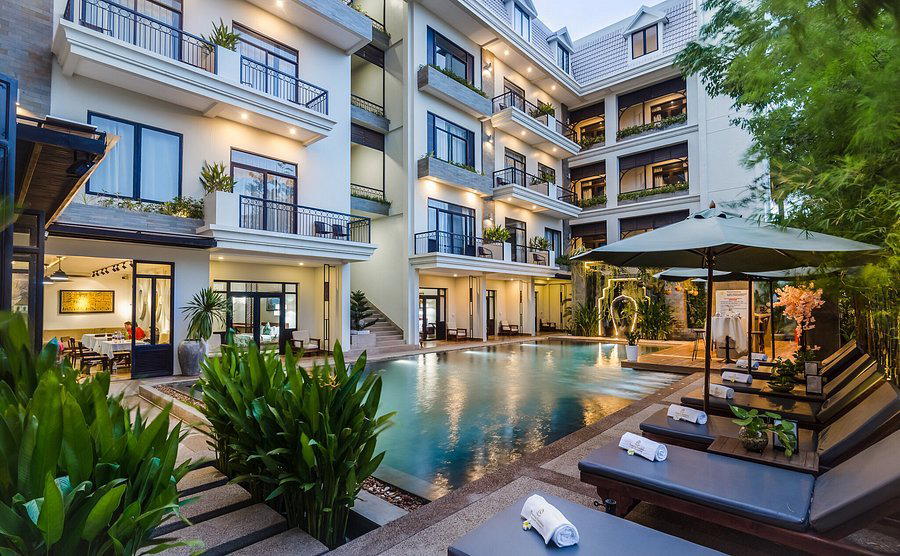
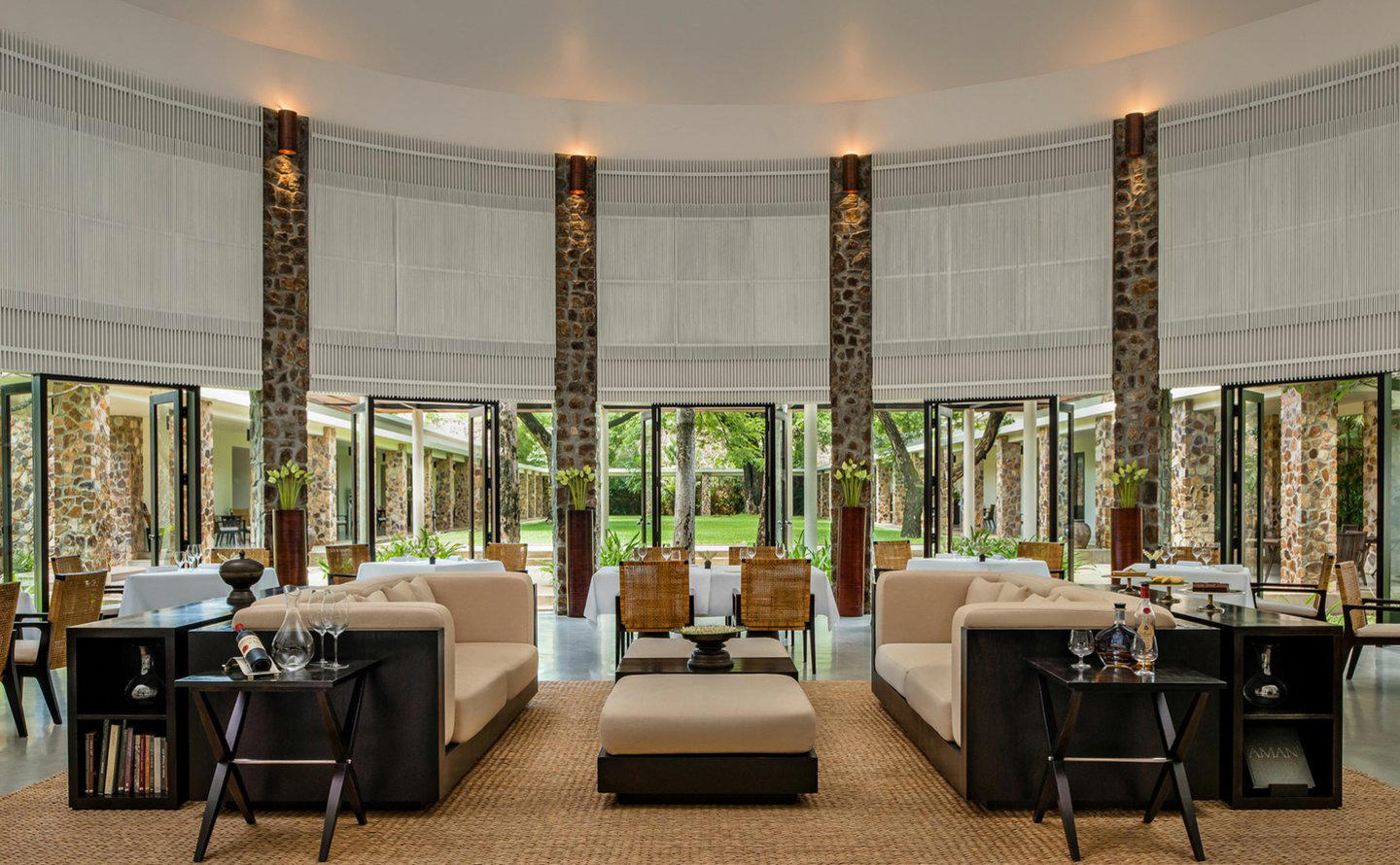
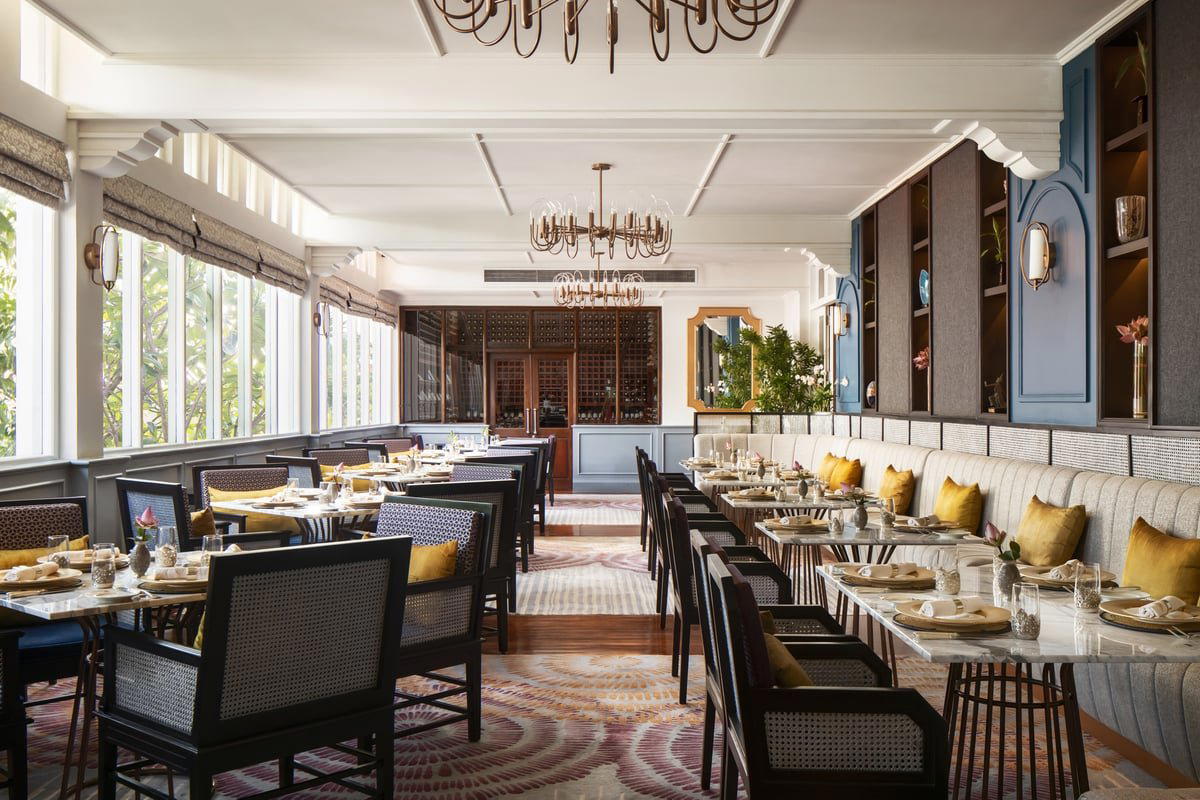
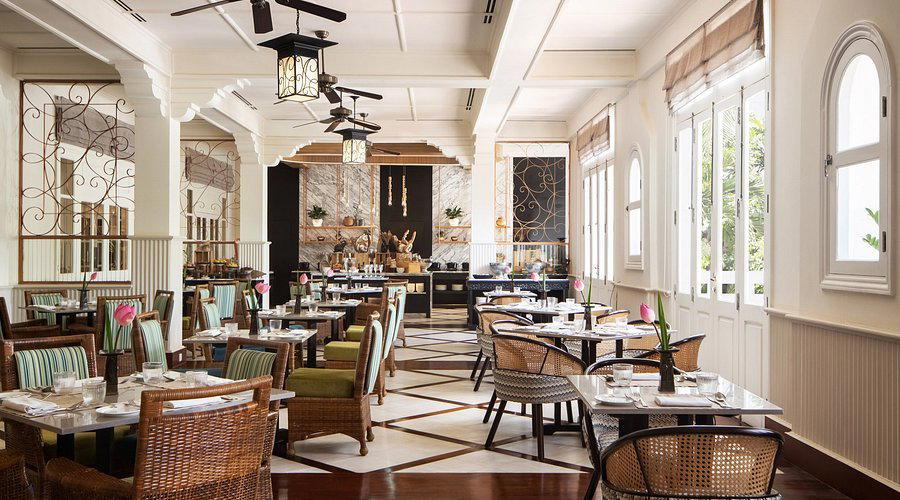
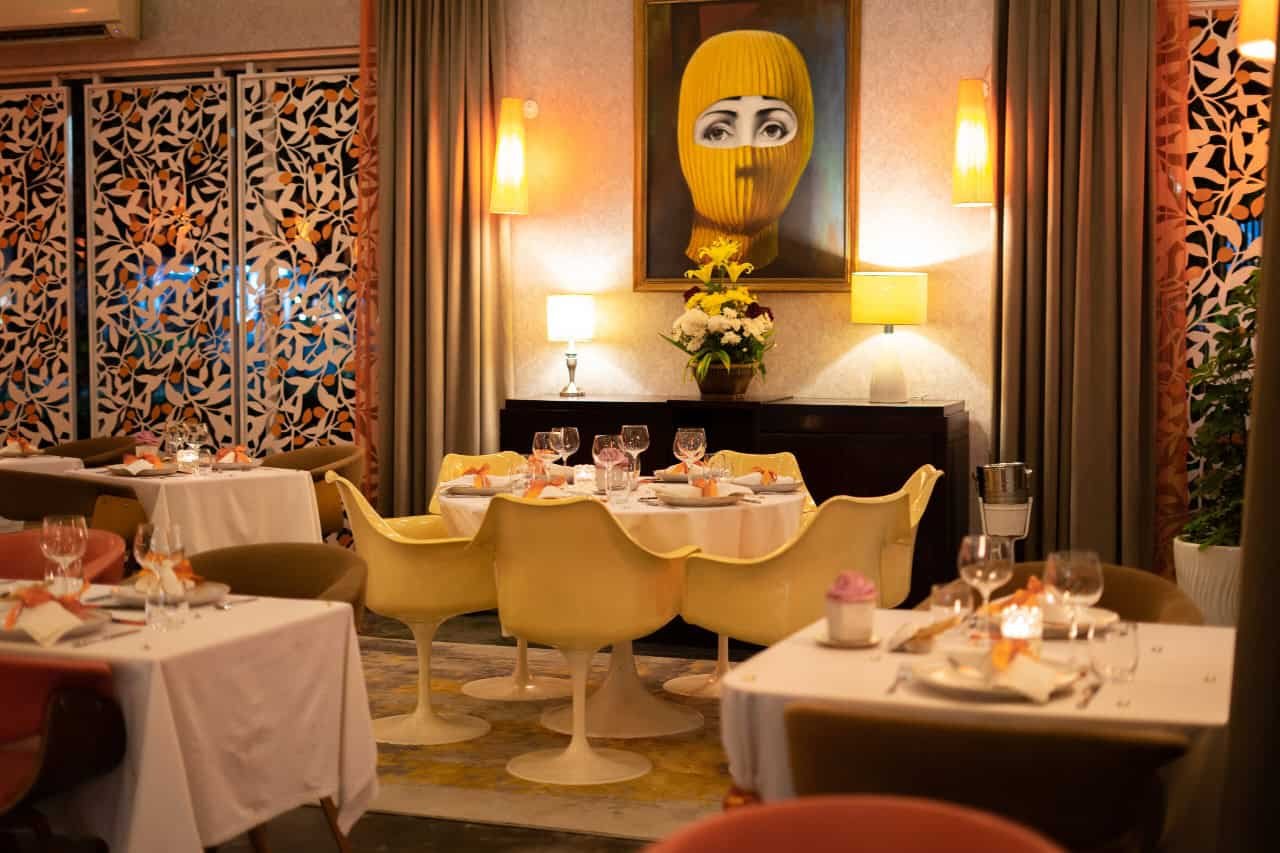
Heritage Suites Hotel occupies a restored colonial property on Wat Polanka Road in Siem Reap, placing guests within reach of Angkor's temple circuit while the architecture itself makes a quieter argument for how heritage buildings can absorb contemporary hospitality. The hotel sits in a tier of Siem Reap properties where design conviction and spatial restraint matter more than room count or brand affiliation.

Pearl is the En Primeur Club membership app, where members save venues, book tables and use the concierge.
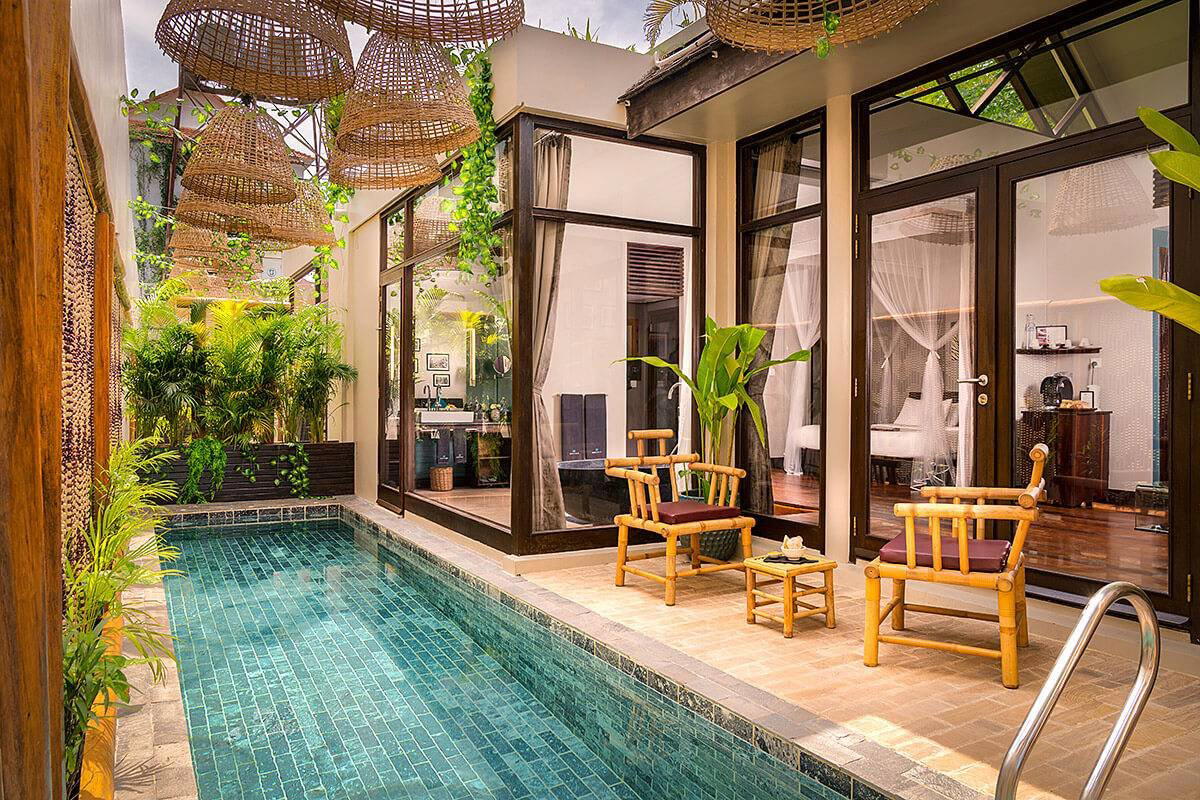
Colonial Architecture, Siem Reap's Quieter Accommodation Register
Siem Reap's accommodation offer has stratified sharply over the past fifteen years. At one end, international brands and large resort complexes have arrived with pools, spas, and conference facilities calibrated for group travel. At the other, a smaller cohort of design-led properties has worked within the city's existing built fabric, treating colonial-era structures and vernacular Khmer forms as the design brief rather than an obstacle. Heritage Suites Hotel sits firmly in this second category, on Wat Polanka Road in the Wat Polanka neighbourhood, a quieter residential corridor that places it outside the density of the Pub Street zone without sacrificing proximity to the temple circuit at Angkor.
That address matters more than it might seem. Siem Reap's premium accommodation geography has a logic to it: properties closer to the Siem Reap River and the old French quarter tend to occupy restored colonial buildings or draw on that aesthetic vocabulary, while larger resorts push further out toward Angkor Road. Heritage Suites occupies the former tradition, where the building itself carries historical and architectural weight that newer-build properties cannot replicate. For comparison, La Résidence d'Angkor, Siem Reap operates in a similar register of heritage-adjacent positioning, while Amansara in Siem Reap represents the upper ceiling of design-led restraint at this end of the market.
The Design Argument: Heritage Buildings as Hospitality Infrastructure
Across Southeast Asia, the treatment of colonial-era structures in premium hospitality has become a reliable marker of editorial intent. Properties that restore original fabric, masonry detailing, shuttered windows, wide verandas, pitched rooflines, signal a different relationship with place than those that demolish and rebuild in a vaguely regional aesthetic. Heritage Suites, as the name signals directly, positions itself as an argument for the former approach.
The architectural logic of colonial Siem Reap drew from both French administrative building conventions and the climatic adaptations that made those structures liveable in a hot, humid environment: high ceilings to encourage air movement, deep overhangs to manage direct sun, permeable ground floors that connected interior and exterior. Contemporary premium hospitality in this climate has largely returned to those principles, with or without the colonial frame, because they work. Properties that inhabit original colonial structures carry the additional layer of material authenticity: aged timber, lime render, worn stone underfoot, details that take decades to accumulate and cannot be accelerated by budget or design ambition.
For travellers who arrive in Siem Reap with Angkor as the primary draw, accommodation like Heritage Suites functions as a spatial counterpoint to the temples themselves. Angkor's scale is overwhelming in the leading sense; returning each evening to a property built on human scale, with architectural details that reward close looking, provides a different but complementary kind of engagement with the region's material culture. This is the implicit proposition of the heritage property tier in Siem Reap, and it is a credible one.
Siem Reap's Boutique Tier: Where Heritage Suites Sits
The boutique and design-led segment in Siem Reap has grown more competitive as the city's tourism infrastructure has matured. Properties like Nara Sojourn Boutique Villas Siem Reap and Jaya House River Park Hotel have raised the design and service standard across the mid-to-upper segment, meaning Heritage Suites operates in a peer group where physical space, material quality, and architectural coherence are the primary differentiators rather than amenity lists.
In this context, the Wat Polanka Road address carries distinct appeal. The neighbourhood sits close enough to the old market area and the Siem Reap River to allow easy walking access to the city's dining and bar scene, while the residential character of the immediate surroundings means guests are not reading about local life through a resort buffer. Properties like Rambutan Hotel and Resort, The RiverGarden Siem Reap, and GZ Eden Privilege Resort and Spa each occupy different positions across the city's accommodation spectrum, but the neighbourhood anchoring of Heritage Suites remains one of its more concrete arguments for attention. Elsewhere in Cambodia, the premium accommodation market extends well beyond Siem Reap: Raffles Hotel Le Royal in Phnom Penh represents the clearest parallel in terms of colonial restoration at scale, while Song Saa Private Island and Shinta Mani Wild address entirely different travel registers at the coast and in the wilderness interior.
Planning a Stay: Practical Orientation
The case for Siem Reap as a destination remains anchored in the Angkor Archaeological Park, which draws visitors from across the world and sustains the city's premium accommodation tier. Most stays of meaningful depth run three to five nights: enough time to cover the major circuits at Angkor Wat, Bayon, and Ta Prohm at pace, with capacity for the smaller outlying temples that reward early-morning visits before the main visitor traffic arrives. Heritage Suites' location on Wat Polanka Road positions it within tuk-tuk distance of the park entrance, the standard and most atmospheric way to arrive at the temples in the early hours.
Siem Reap's high season runs from November through February, when temperatures are lower and rainfall rare. The shoulder months of March and April are hotter but less crowded; the wet season from May through October brings daily afternoon rain but also transforms the surrounding landscape and pushes visitor numbers down significantly. Travellers prepared to manage afternoon weather in exchange for quieter temples and lower rates often find the wet season the more compelling argument. The full Siem Reab city guide on EP Club covers the wider dining, bar, and cultural context of the city across seasons.
Those arriving from further afield will find context in how Siem Reap's heritage hotel tier compares to other markets where colonial architecture has been converted to premium use: Castello di Reschio in Lisciano Niccone and Cheval Blanc Paris operate at the higher end of the European equivalent, while Badrutt's Palace Hotel in St. Moritz demonstrates how architectural heritage functions as a trust signal across different climates and markets. The principle is consistent: when the building has a documented past, it is doing work that a new-build cannot replicate through design alone.
Side-by-Side Snapshot
| Venue | Cuisine | Price | Awards |
|---|---|---|---|
| Heritage Suites Hotel - Siem ReapThis venue (the venue you are viewing) | This venue | Not listed | Michelin Selected |
| Nara Sojourn Boutique Villas Siem Reap | Not listed | $100–200 | Not listed |
| Rambutan Hotel & Resort - Siem Reap | Not listed | $1–100 | Michelin Selected |
Recognition history
Dated appearances from independent guides and award organizations, with the underlying list record or original source where available.
Michelin Selected
Michelin
Continue exploring
More in Siem Reap
Hotels in Siem Reap
All hotels in Siem Reap →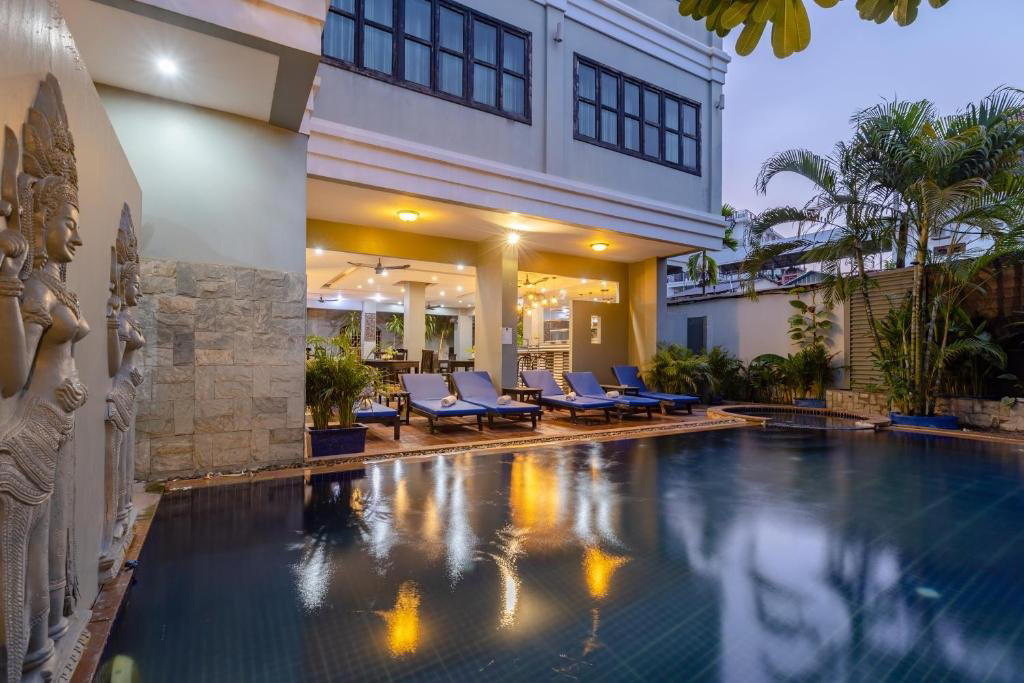
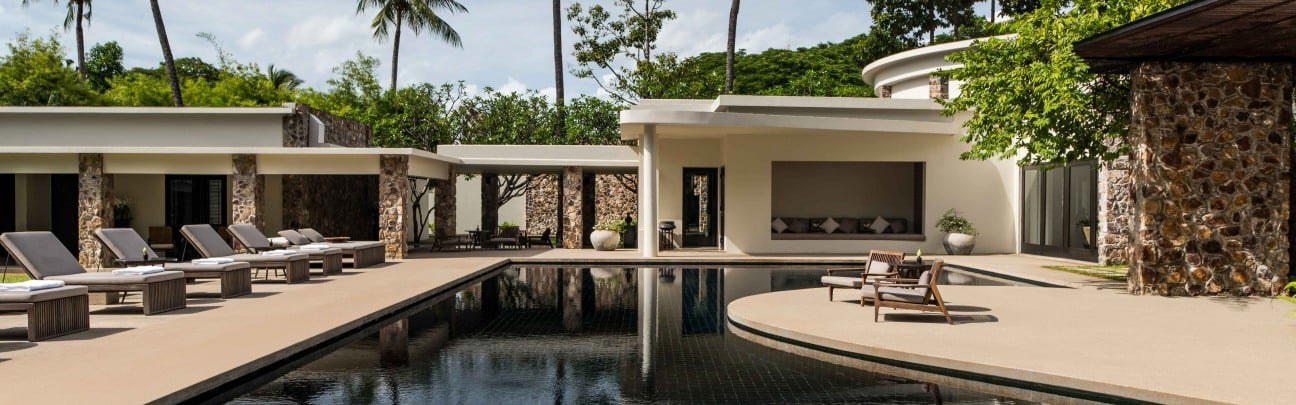
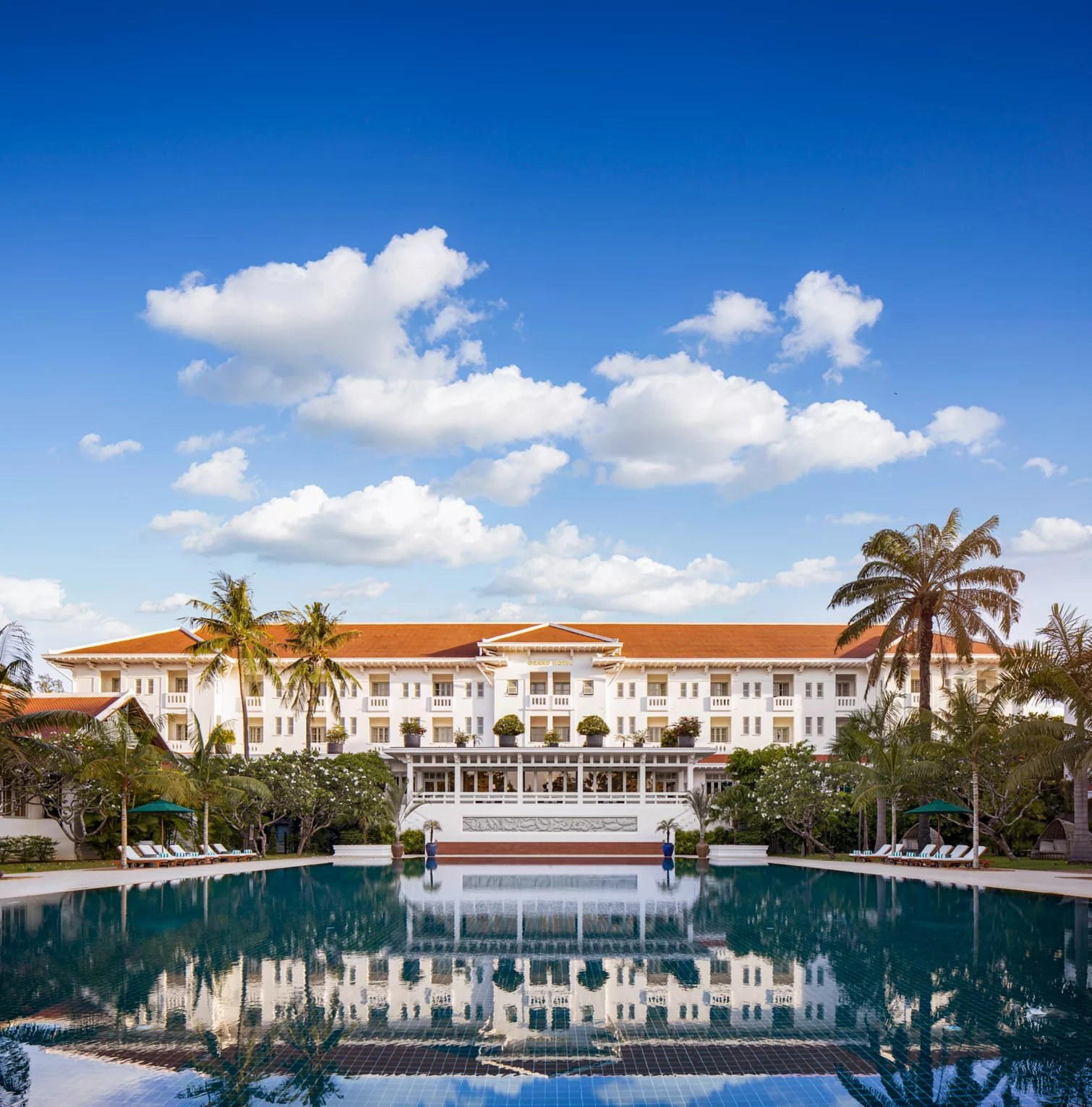
Bars in Siem Reap
All bars in Siem Reap →
Details
- Quiet
- Elegant
- Romantic
- Sophisticated
- Romantic Getaway
- Honeymoon
- Anniversary
- Private Villa
- Garden
- Terrace
- Historic Building
- Pool
- Spa
- Wi Fi
- Fitness Center
- Room Service
- Concierge
- Restaurant
- Garden
- Garden
- Wheelchair Accessible
- Step Free Entrance
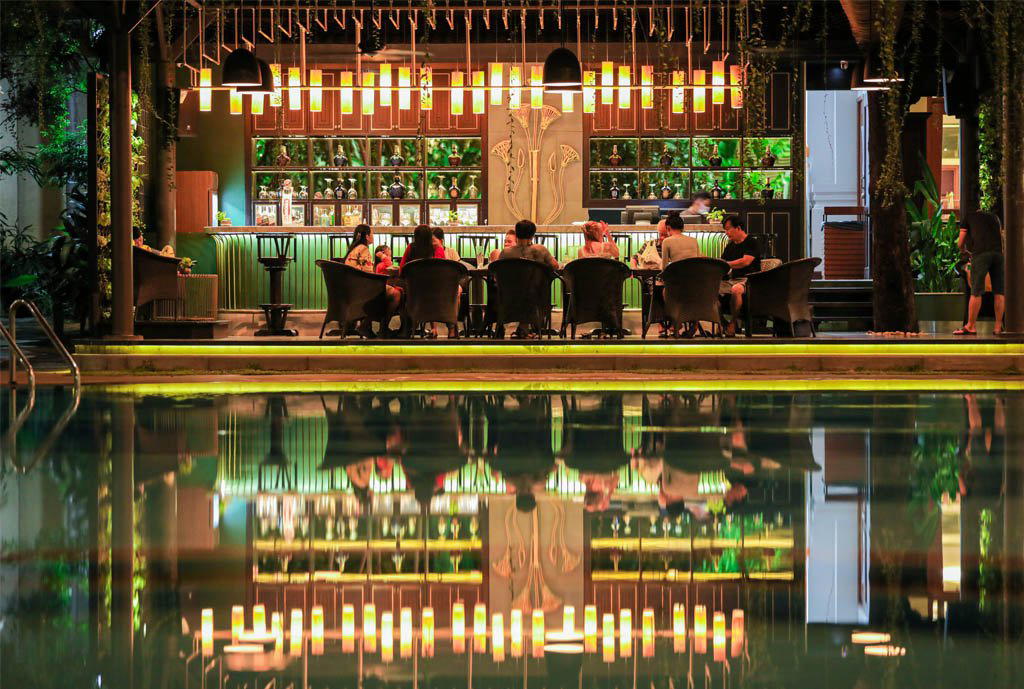
Serene and elegant with indirect fluorescent lighting, lush tropical gardens, and a quiet, secluded Indochine luxury atmosphere.