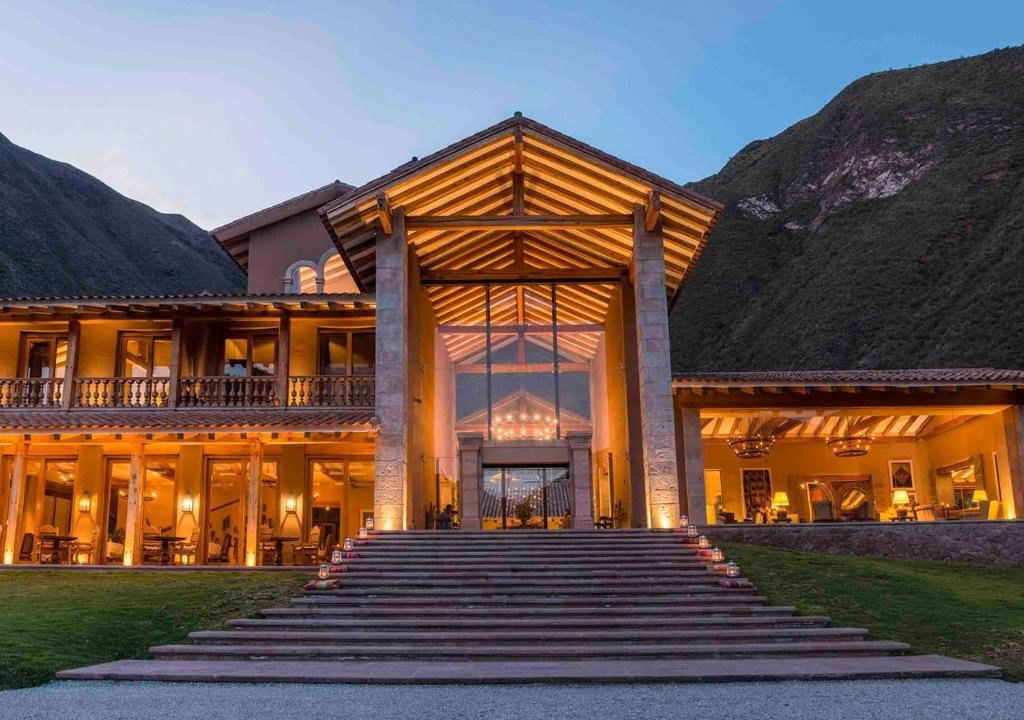
Willka T'ika Essential Wellness occupies a carefully composed garden property in Urubamba, positioning itself within the Sacred Valley's growing tier of retreat-focused accommodation. The setting draws on Andean spatial and planting traditions, placing it apart from the valley's larger lodge operators. Guests typically arrive for multi-day wellness programs rather than single-night stops.
Pearl is the En Primeur Club membership app — saves, bookings, and concierge access live there. Same editors, same standards.
- Address
- Paradero Rumichaka, Urubamba 08660, Peru
- Phone
- +51 8887378070
- Website
- willkatika.com
- Directions
- Get directions
 Saves & bookings on Pearl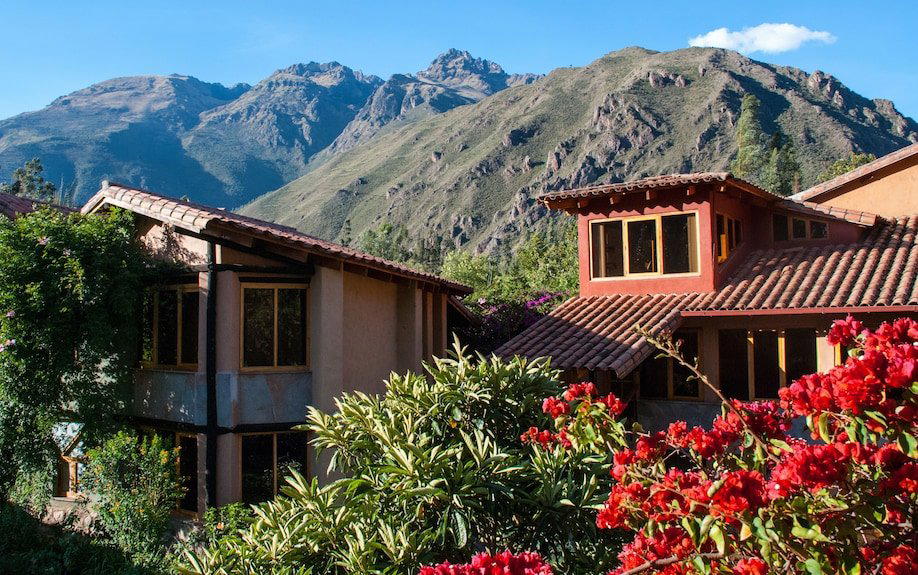
Andean Wellness Architecture in the Sacred Valley
The Sacred Valley of the Incas has developed two distinct accommodation layers over the past two decades: internationally branded lodges oriented around adventure and archaeology, and a smaller cohort of property-scale retreats oriented around slower, more intentional stays. Willka T'ika Essential Wellness, at Paradero Rumichaka in Urubamba, belongs firmly to the second group. The property is organised around garden spaces designed to reflect Andean cosmological and agricultural traditions, a design approach that differs meaningfully from the canyon-view aesthetic pursued by competitors like Explora Valle Sagrado or the hacienda-revival format of Inkaterra Hacienda Urubamba.
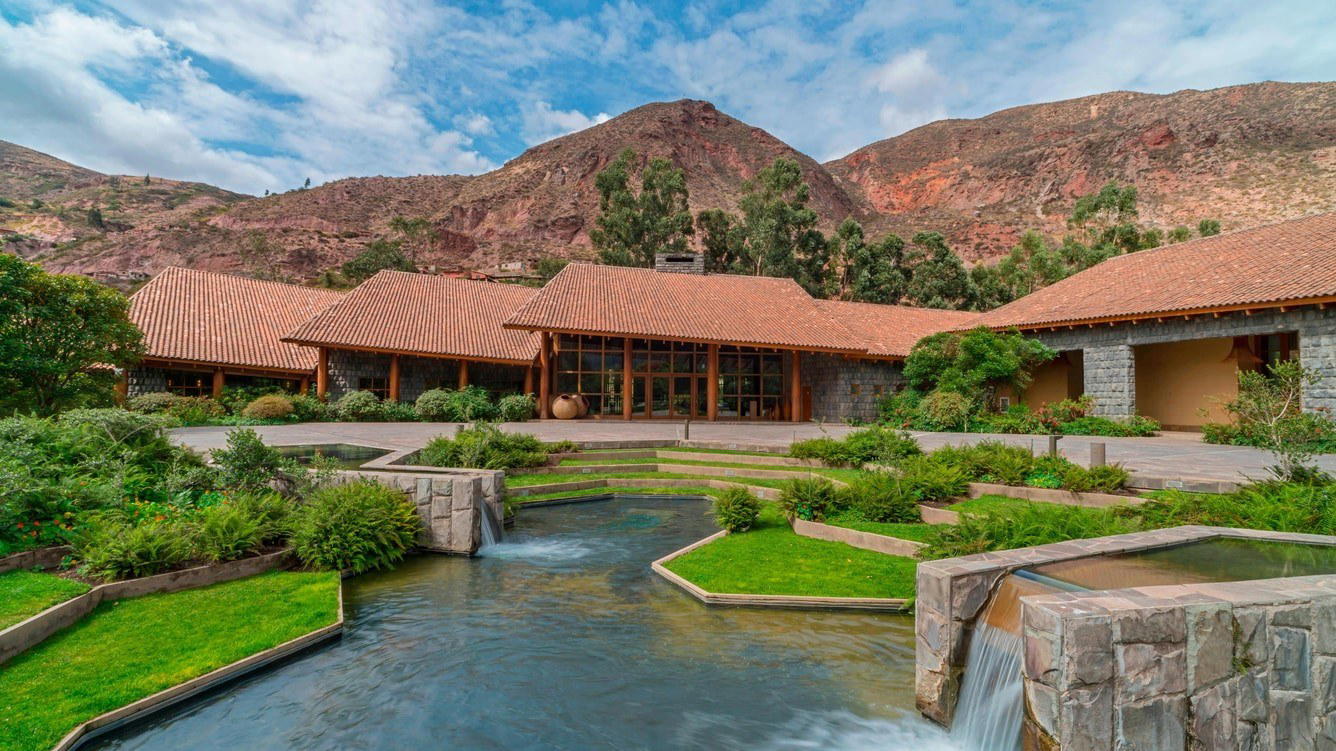
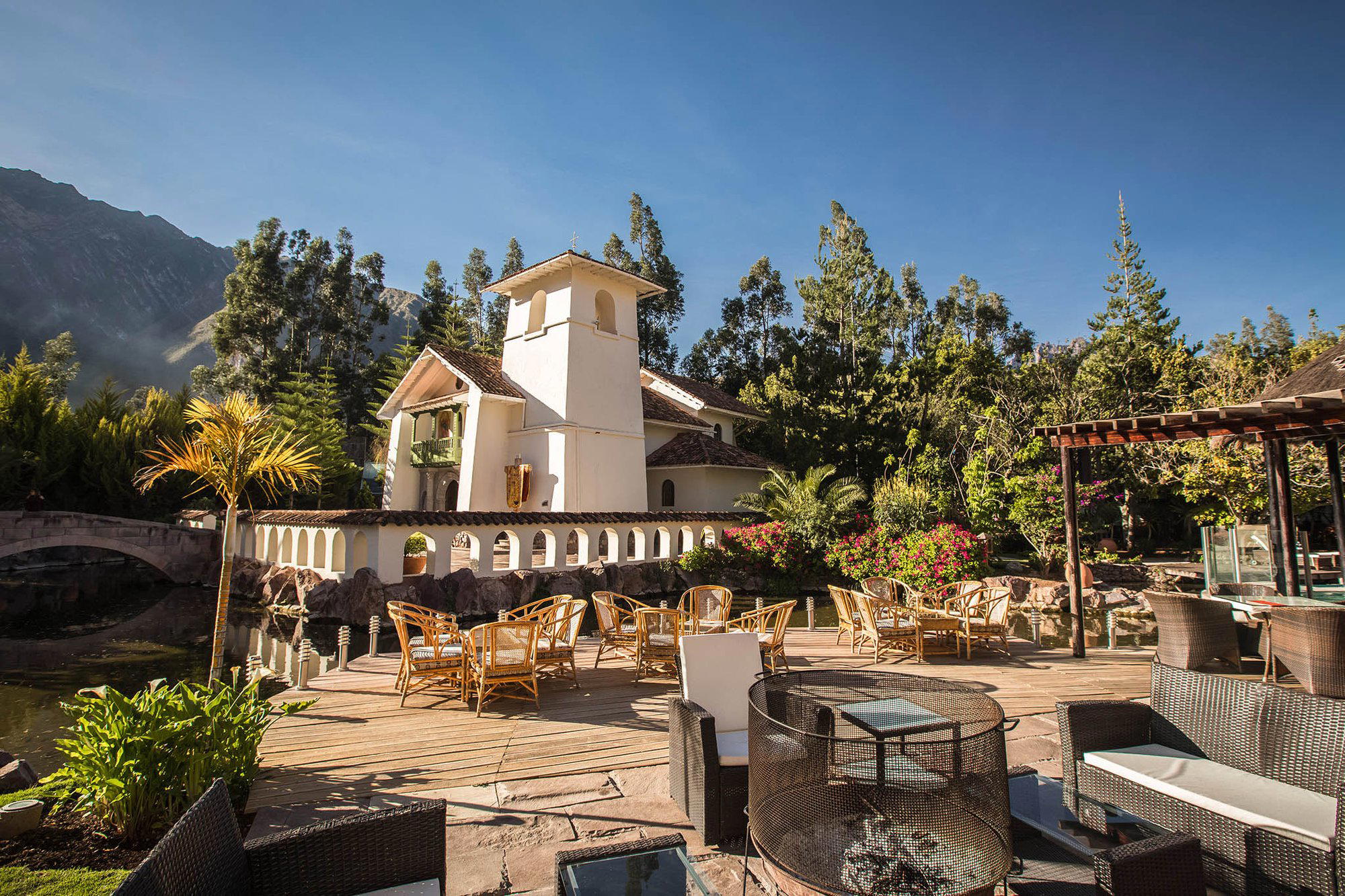
What distinguishes the physical layout here is its emphasis on the garden as structural element rather than decorative backdrop. Andean chakra gardens, each associated with a different energy centre or Quechua agricultural principle, are arranged so that movement through the property is itself part of the program. This is not a spa with a garden attached; the spatial sequence is the primary design statement. In a valley where most premium properties lead with mountain views or colonial architecture, this orientation toward cultivated ground-level space represents a conscious counter-position.
The Physical Environment on Arrival
Approaching from the Urubamba road, the property reads as deliberately low-profile. There is no grand gate architecture or reception forecourt scaled to impress at a distance. The entry calibrates expectations toward intimacy rather than spectacle, a choice that aligns with the retreat model and separates it from the more theatrical arrivals engineered at properties like Rio Sagrado, a Belmond Hotel or Aranwa Sacred Valley Hotel and Wellness. The Andean mountain backdrop is present throughout, but the design does not foreground it as the primary experience, relying instead on the immediate ground-level environment of planting, pathways, and garden structure.
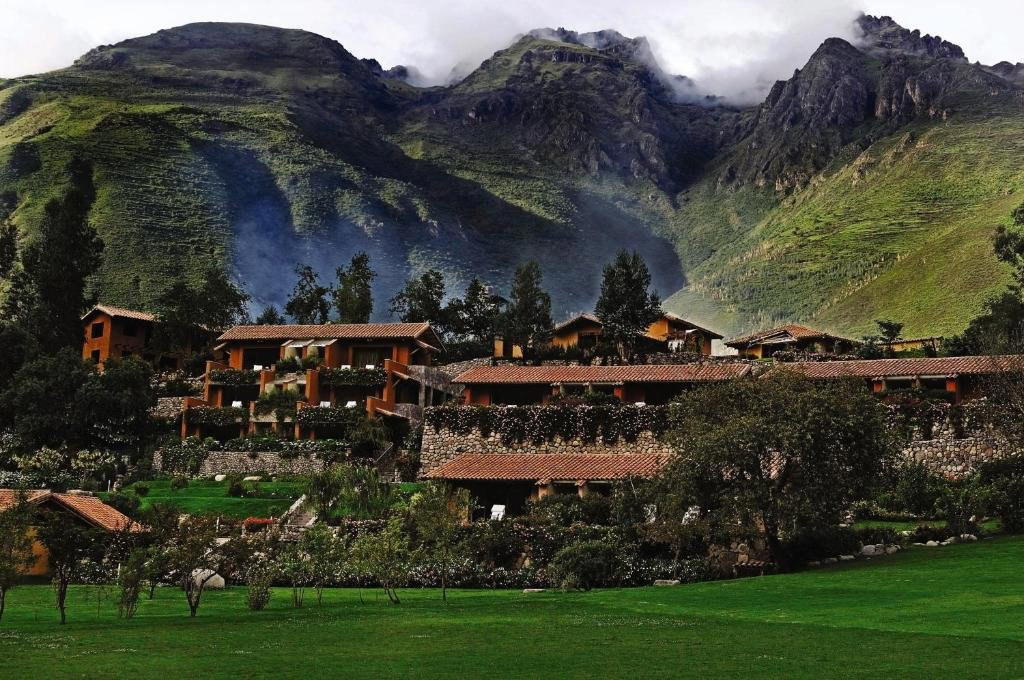
The accommodation units are set within the garden rather than arranged to overlook it, which keeps the scale human and maintains the garden's integrity as a coherent space. Across the Sacred Valley's retreat tier, this kind of spatial integration is relatively uncommon; most properties use gardens as amenity rather than architecture. For comparison, Sol y Luna delivers strong garden aesthetics but frames them as setting for casitas rather than as the organising logic of the stay. Willka T'ika's approach is more committed on that point.
Wellness Programming and the Retreat Format
The Sacred Valley has attracted wellness tourism partly because of altitude (Urubamba sits at roughly 2,870 metres above sea level), partly because of proximity to Andean ceremonial sites, and partly because of a growing international appetite for place-specific retreat formats that feel distinct from resort-spa additions. Willka T'ika sits at the more specialist end of this spectrum: the property is oriented around multi-day programs rather than single-night add-ons, and its programming draws on Andean plant traditions, including the chakra garden framework, as its core content rather than a generic international spa menu.
This positioning puts it in a different category from the wellness amenities at larger Sacred Valley properties. Roca Fuerte Sacred Valley Hotel offers a different scale and format. At Willka T'ika, the retreat structure means that the stay itself is the program, not an activity layer on top of a conventional hotel experience. Guests who arrive expecting the latter are likely to find the format more directive than they anticipated. That is a feature of the specialist retreat model, not a limitation of this property specifically.
For travellers planning a broader Peru itinerary, Urubamba functions well as a base for Sacred Valley exploration before or after Machu Picchu. Properties like Inkaterra Machu Picchu Pueblo Hotel and Sumaq Machu Picchu Hotel serve the Aguas Calientes end of that circuit. At the other end, Palacio Nazarenas in Cusco provides a high-specification urban counterpoint for those bookending the valley with city nights. For wider Peru context, see our full Urubamba guide.
Where It Sits in the Sacred Valley Field
The Sacred Valley premium accommodation field now spans a reasonably wide range of formats: adventure-led lodges, hacienda-style boutique hotels, river-adjacent design properties, and retreat-format specialists. Willka T'ika occupies the retreat-specialist position most distinctly, with garden architecture and Andean programming as its differentiating logic. This is a narrower market than the adventure-and-archaeology segment served by properties such as Explora or Inkaterra, but it is a coherent one with a clearly defined guest profile.
Internationally, the retreat-with-place-specific-programming format has found strong traction at properties like Amangiri in Canyon Point, where landscape is the organising principle of the entire stay, or at smaller design-led properties where the physical environment and programming are genuinely integrated rather than assembled from separate department inputs. Willka T'ika's garden-as-architecture approach belongs to that broader category, even if its scale and price point sit well below the international luxury tier. For travellers with experience of Aman Venice or Cheval Blanc Paris, the format here is fundamentally different: the emphasis is on the program and the place, not on service delivery or design spectacle.
Planning a Stay
Urubamba is accessible from Cusco by road, typically a 45-to-60-minute drive depending on route and traffic, making it a practical base for Sacred Valley day travel as well as a destination in its own right. Willka T'ika's address at Paradero Rumichaka places it within the valley floor, accessible without specialist transport. Given the retreat format, direct contact with the property to confirm program availability and stay structure before booking is advisable; multi-day itineraries here require more coordination than a standard hotel reservation.
The altitude in Urubamba is significant for guests arriving from sea level. At approximately 2,870 metres, acclimatisation time of one to two days before any intensive activity is a standard precaution across the valley, regardless of property. Travellers connecting from Lima, where properties like Crowne Plaza Lima by IHG serve as transit stays, should factor this into their itinerary. For those extending a Peru itinerary further, Titilaka in Puno and Delfin Amazon Cruises in Iquitos represent the two most contrasting extensions from the Sacred Valley circuit, each operating at an entirely different altitude and ecosystem register.
Quick Comparison
Comparable venues nearby, for context on price, style, and recognition.
| Venue | Cuisine | Price | Awards | Notes |
|---|---|---|---|---|
| Willka T'ika Essential WellnessThis venue — the venue you are viewing | Sustainable luxury wellness retreat with Andean-inspired architecture using natural local materials. | $$$$ | Not listed | Not listed |
| Roca Fuerte - Sacred Valley Hotel | Sacred Valley boutique | $$$ | Not listed | Urubamba |
| Sol y Luna | Intimate Relais & Chateaux boutique with individually decorated stone casitas amid expansive gardens. | $$$$ | 5-Star | Urubamba |
| Explora Valle Sagrado | Contemporary Andean architecture integrated with natural surroundings on a working plantation | $$$$ | 5-Star | Urubamba |
| Aranwa Sacred Valley Hotel & Wellness | Colonial hacienda with modern minimalist rooms | $$$$ | 5-Star | Urubamba |
| Rio Sagrado, A Belmond Hotel | Riverside luxury retreat blending Inca heritage with modern comforts | $$$$ | Michelin 1 Key | Urubamba |
At a Glance
- Quiet
- Scenic
- Elegant
- Intimate
- Rustic
- Wellness Retreat
- Romantic Getaway
- Group Retreat
- Garden
- Panoramic View
- Destination Spa
- Spa
- Hot Tub
- Massage
- Sauna
- Wi Fi
- Restaurant
- Garden
- Mountain
- Spa
- Hot Tub
- Massage
- Sauna
- Wi Fi
- Restaurant
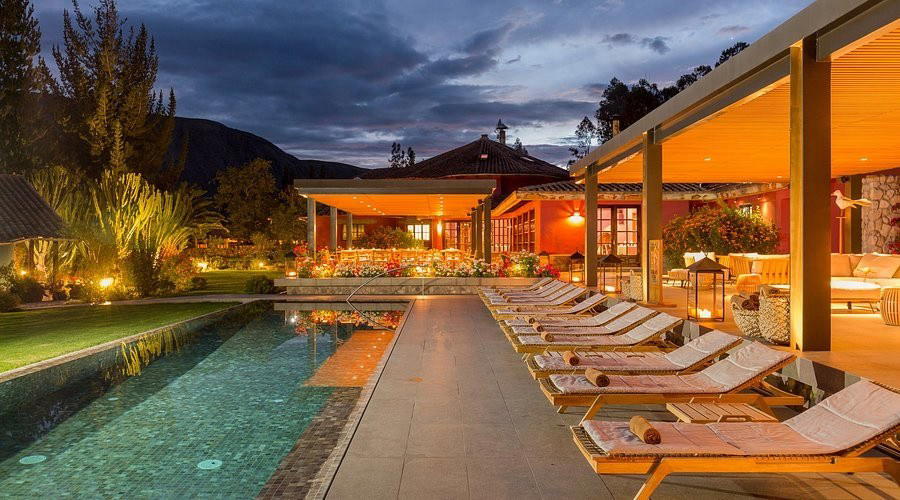
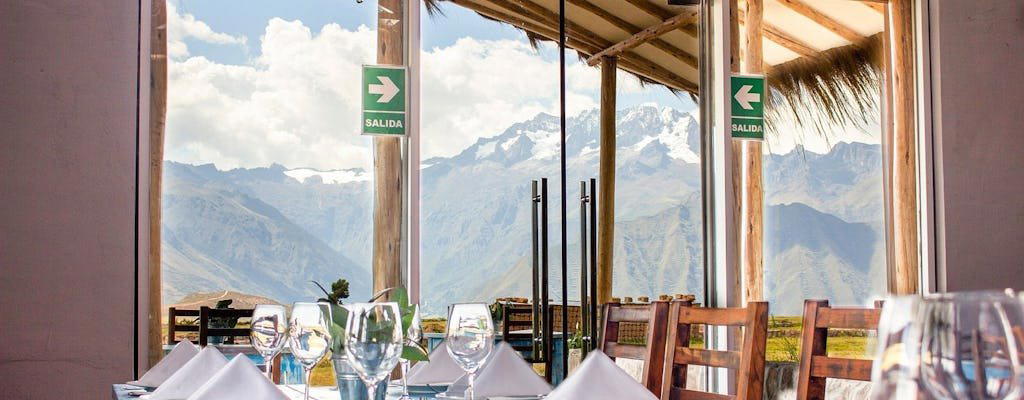
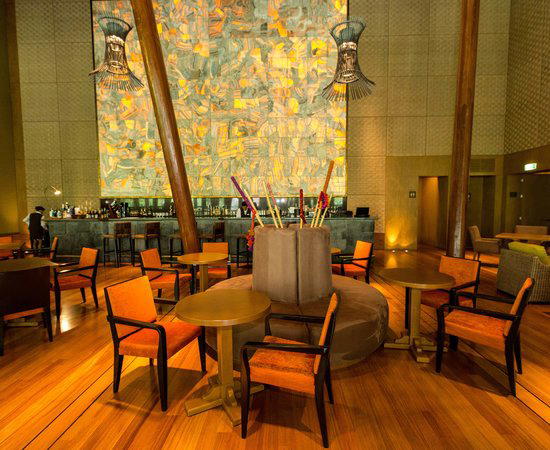
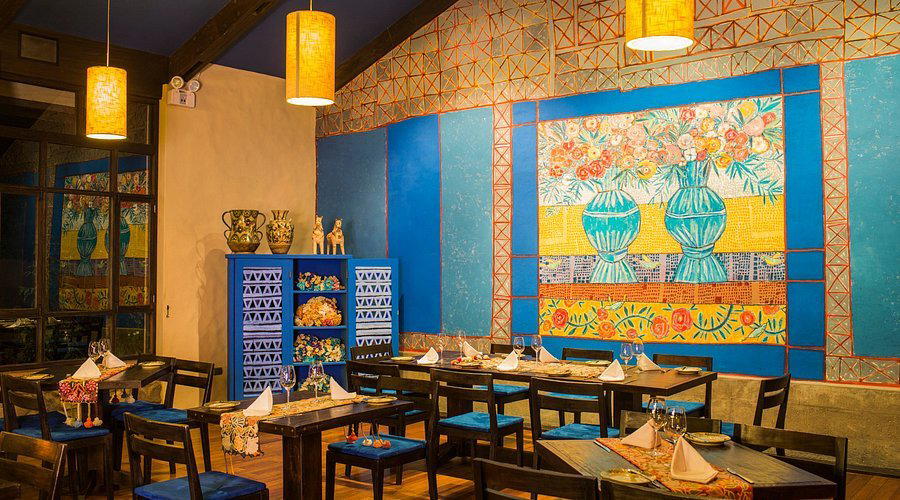
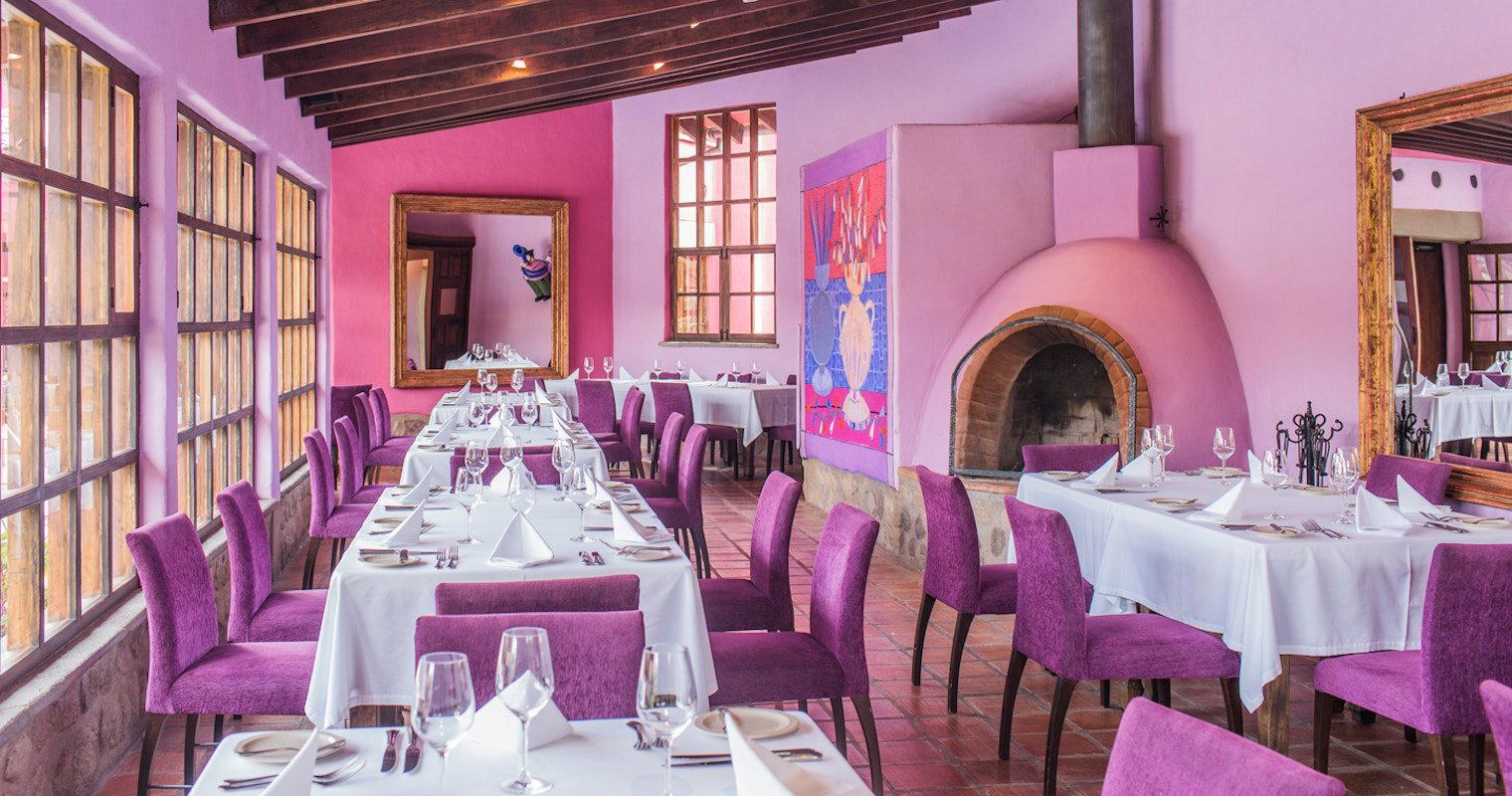
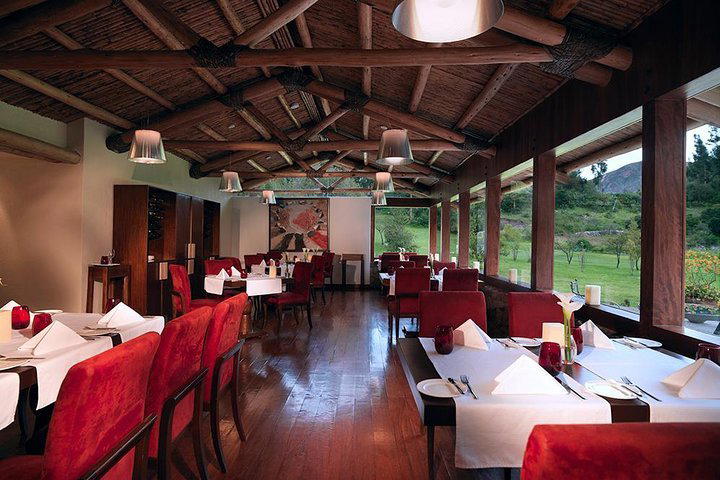
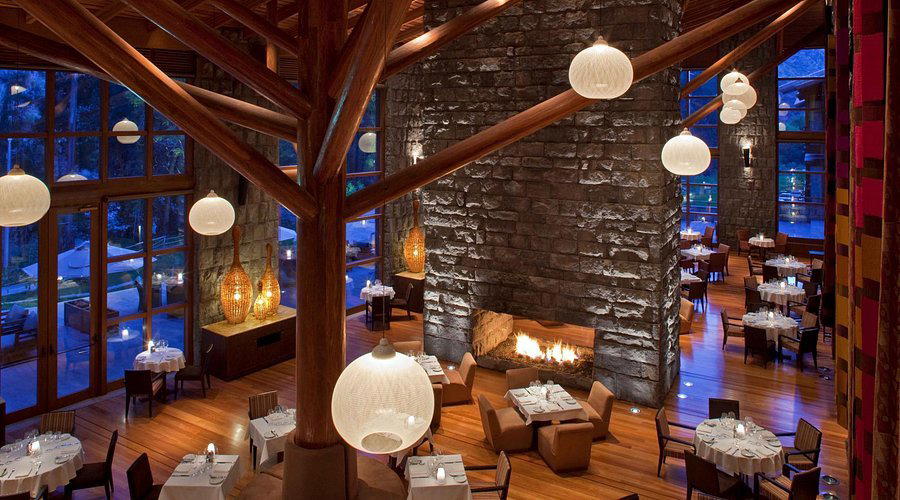
Peaceful and rejuvenating atmosphere with natural materials, lush gardens, mountain views, and spaces for yoga and meditation.