


Michelin Selected for 2025, Hotel Paracas occupies one of Peru's most ecologically charged coastlines, where the Paracas National Reserve meets the Pacific. The property sits in a category of resort hotels that use landscape and architectural scale to define the stay rather than urban amenity, placing it alongside Peru's most considered coastal addresses. See our full Paracas guide for broader context.
Pearl is the En Primeur Club membership app — saves, bookings, and concierge access live there. Same editors, same standards.
- Address
- CARRETERA PISCO- NUEVO PARACAS - ICA Nuevo, Carretera Pisco, Paracas 11550, Paracas 11550, Peru
- Phone
- +51 1 6417707
- Website
- casa-andina.com
- Directions
- Get directions
 Saves & bookings on Pearl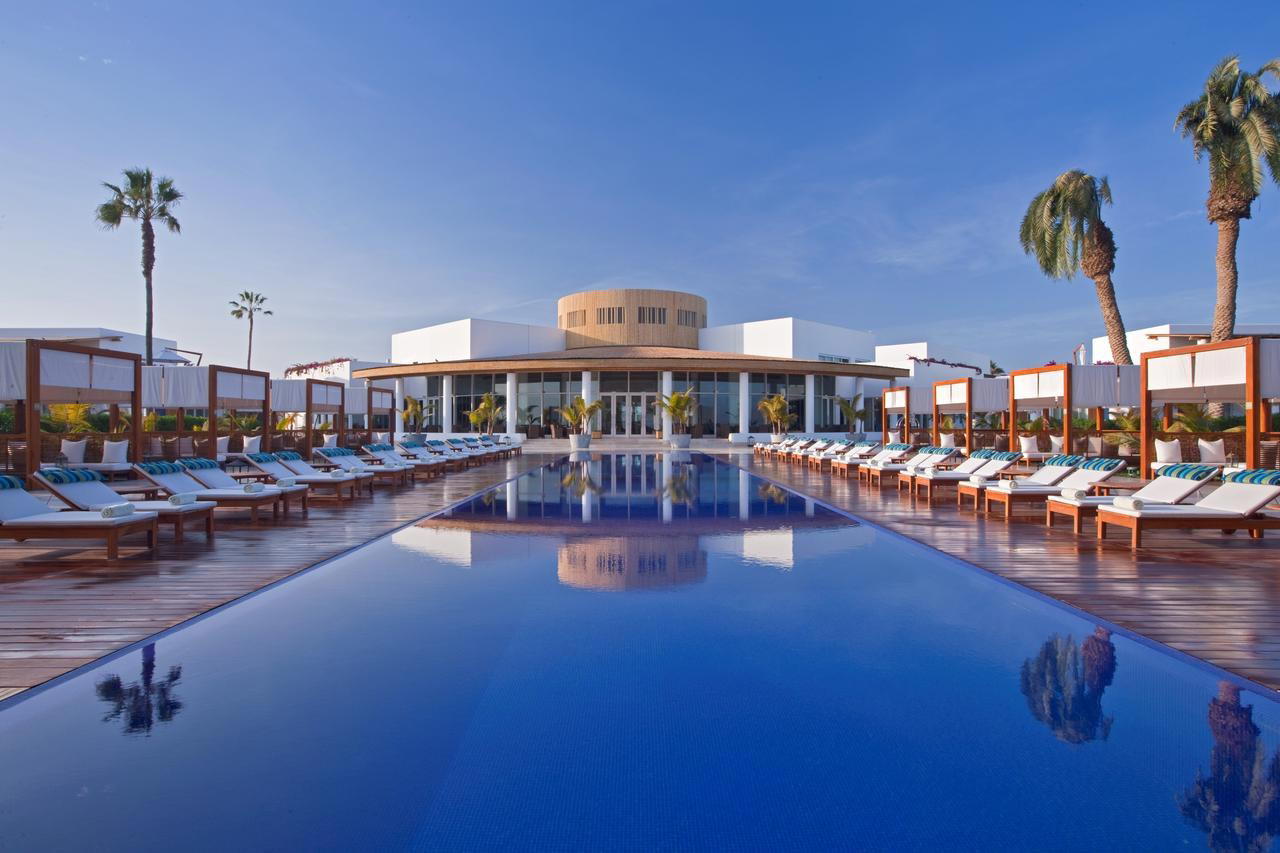
Where the Desert Meets the Pacific: Hotel Paracas in Context
Hotel Paracas on the Paracas peninsula is not a conventional resort destination. It sits roughly 260 kilometres south of Lima on Peru's arid Pacific coast, at the edge of the Paracas National Reserve, one of South America's most significant protected marine and desert ecosystems. The Humboldt Current pushes cold, nutrient-rich water north along this stretch of coastline, making the surrounding waters a habitat for Humboldt penguins, Andean condors, sea lions, and hundreds of seabird species. The Bay of Paracas has been a landing point for travellers continuing to the Ballestas Islands for decades, but the town itself has developed more slowly than Peru's mountain circuits. That slow development helps explain why the hotel tier here remains so location-driven.
Hotel Paracas, a Luxury Collection Resort, Paracas sits within this context as the area's leading address. Its 2025 inclusion in the Michelin Selected Hotels list places it among recognised properties across Peru. Michelin Selected status signals that the property meets a defined quality threshold. For Paracas specifically, that recognition matters because it positions the hotel against a national field rather than just a regional one.
Architecture and the Desert Shore
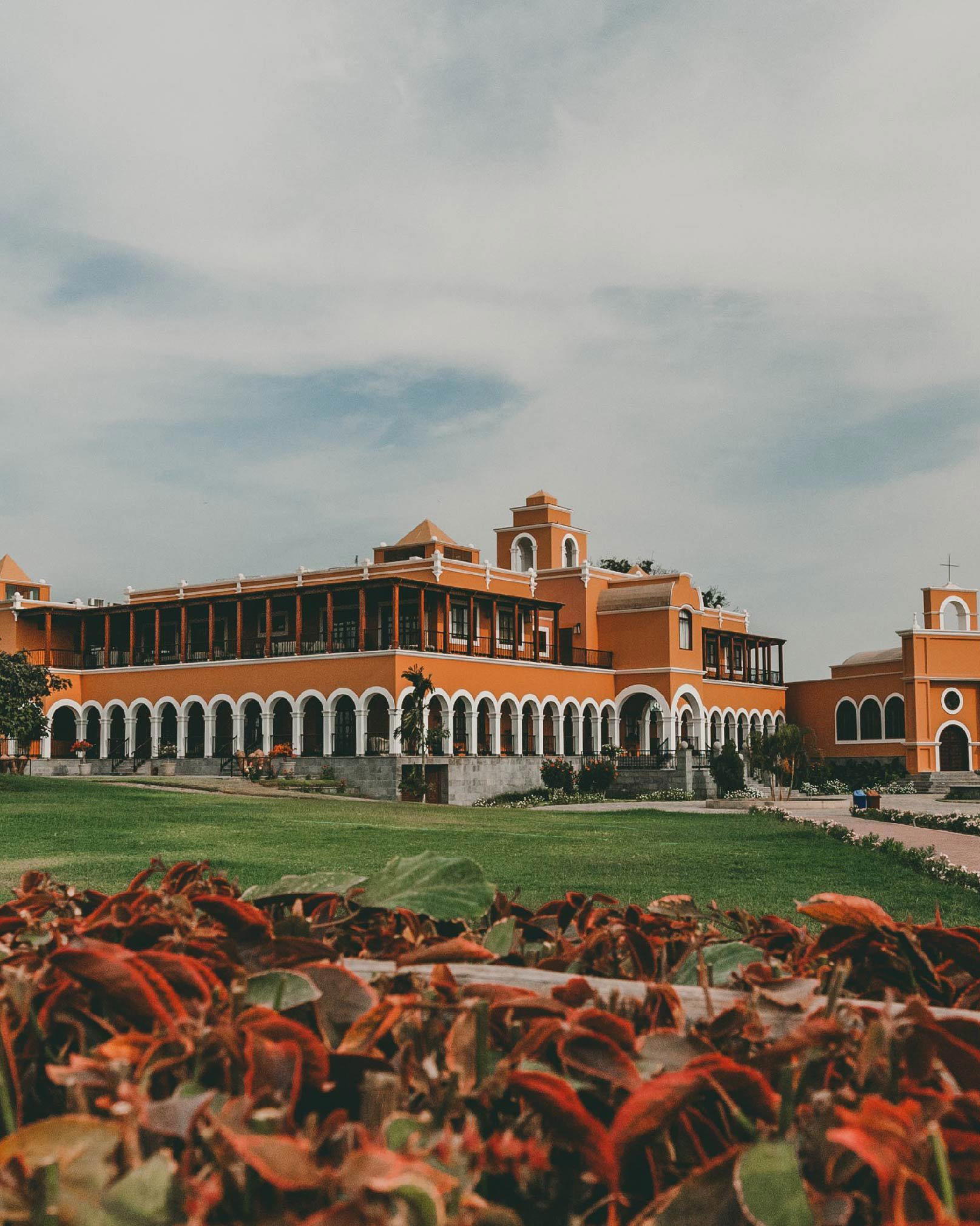
The architectural conversation in Peruvian luxury hotels has split broadly into two approaches: properties that adapt colonial structures, such as Palacio Nazarenas in Cusco, and those built from the ground up in response to a natural setting. Hotel Paracas falls into the second category. Its address on Avenida Paracas places it directly on the bay, and the design logic of coastal desert resorts in this region typically orients everything toward water and light. The Paracas peninsula receives almost no rainfall and sits at low elevation, meaning the visual register is consistently stark: bleached sand, blue-grey ocean, and the kind of flat, wide horizon that rewards horizontal architecture rather than vertical.
Properties designed for this environment tend to work with low-profile pavilion layouts, shaded outdoor corridors, and materials that age gracefully in salt air and strong ultraviolet exposure. The choice between enclosing space to manage wind and heat, or opening it toward the bay views, is the central tension in desert coastal design generally. When resolved well, the result is a property where the transition from interior to exterior feels continuous rather than abrupt, and the surrounding landscape becomes a structural element of the stay rather than a backdrop to it.
Peru's broader luxury hotel tier has seen a gradual upgrade in architectural ambition over the past decade, with Michelin's entry into hotel selection accelerating curatorial standards. Properties like Miraflores Park, A Belmond Hotel in Lima and Las Casitas, A Belmond Hotel in Arequipa each demonstrate how site-specific design can define a property's competitive identity. The hotel competes in a different physical register than either, but the principle holds: the setting is not incidental to the product.
The Paracas Stay as a Physical Experience
Arrivals at the hotel typically follow either a road transfer from Lima, roughly three to four hours depending on traffic, or a domestic flight to Pisco Airport, which sits approximately 30 minutes from the property by road. That access profile places the hotel in the category of intentional-destination resorts: guests do not pass through Paracas on the way to somewhere else. The decision to come here is a deliberate orientation toward the natural environment.
The Ballestas Islands, reachable by boat excursion from the Paracas pier, represent the primary active draw in the area. Early morning departures are standard, as wildlife activity concentrates in the cooler morning hours. The Paracas National Reserve itself, which covers over 335,000 hectares of marine and terrestrial protected area, offers additional access points for those willing to arrange a full day inland or along the coast. Both pursuits reward guests who treat the hotel as a base for engaged exploration rather than passive leisure.
For travellers building a broader Peru itinerary, Paracas often pairs with Lima or with Ica for the Huacachina dunes, roughly an hour's drive inland. Those extending across Peru's geography can reference properties including Sanctuary Lodge, A Belmond Hotel, Machu Picchu, Inkaterra Reserva Amazonica in Tambopata, Titilaka in Puno, and Andenia Boutique Hotel in Sacred Valley to understand how Peru's premium accommodation network covers the country's distinct ecological zones.
Where Hotel Paracas Sits in Peru's Premium Tier
Peru's recognised hotel tier spans environments that have few equivalents elsewhere in South America: Amazonian lodges such as Inkaterra Hacienda Concepción in Puerto Maldonado, high-altitude lake properties like Titilaka on Lake Titicaca, canyon-edge addresses such as Puqio in Yanque, and colonial urban conversions including Cirqa in Arequipa. The hotel is the coastal desert entry in that network, occupying a niche that none of the inland or highland properties can replicate.
Michelin's selection confirms what the property's position in the market already implies: it is the reference address in its specific geography. That does not mean it competes on the same axes as, say, Hotel Kuelap in Utcubamba or Sumaq Machu Picchu Hotel in Aguas Calientes. Each addresses a distinct traveller orientation. The hotel competes on the strength of its bay setting, its access to protected natural areas, and its position as Peru's only Michelin-recognised coastal desert resort property.
For those comparing coastal properties across the country's northern and southern shores, Arennas Máncora in Mancora and Inkaterra Cabo Blanco in Cabo Blanco represent the northern Pacific tier, where warmer water temperatures and a different ecological character produce a different type of coastal stay. The decision between north and south coast Peru is ultimately one of climate and wildlife priority. Our full Paracas restaurants guide covers the broader dining and experience context for the area.
Planning Your Stay
The coastal desert climate around Paracas runs warm and dry year-round, with afternoon winds known locally as the Paracas wind picking up reliably between roughly noon and early evening during the austral summer months. Morning departures for island and reserve visits are advisable both for calmer sea conditions and for peak wildlife activity. Access is by road from Lima or via Pisco Airport. Booking directly or through a recognised travel programme is the standard approach.
Comparable Spots, Quickly
Comparable venues nearby, for context on price, style, and recognition.
| Venue | Cuisine | Price | Awards | Notes |
|---|---|---|---|---|
| Hotel ParacasThis venue — the venue you are viewing | Contemporary luxury resort blending harmoniously with desert and ocean landscape in bungalow-style villas. | $$$$ | 5-Star | Not listed |
| Hotel Paracas, a Luxury Collection Resort, Paracas | Contemporary luxury resort with colonial-inspired architecture and modern amenities, positioned as a high-end beachfront destination. | $$$$ | 5-Star | Paracas |
| Arennas Máncora | Beachfront boutique resort blending modern architecture with tropical nature | $$$$ | 5-Star | Máncora |
| Atemporal | Restored 1940s Peruvian Tudor mansion with intimate residential luxury. | $$$$ | Michelin 1 Key | Miraflores |
| Miraflores Park, A Belmond hotel | Contemporary luxury all-suite hotel blending refined city living with oceanfront serenity on Lima's clifftop Malecón. | $$$$ | 5-Star | Miraflores |
| Pullman Lima San Isidro | Modern business hotel with wellness amenities | $$$ | 4-Star | San Isidro |
Recognition history
Dated appearances from independent guides and award organizations, with the underlying list record or original source where available.
Forbes Recommended
Forbes
La Liste Top Hotels
La Liste
Michelin Selected
Michelin
At a Glance
- Elegant
- Scenic
- Sophisticated
- Romantic
- Romantic Getaway
- Honeymoon
- Wellness Retreat
- Weekend Escape
- Beachfront
- Infinity Pool
- Destination Spa
- Waterfront
- Pool
- Spa
- Beach Access
- Restaurant
- Room Service
- Concierge
- Waterfront
- Garden
- Pool
- Spa
- Beach Access
- Restaurant
- Room Service
- Concierge
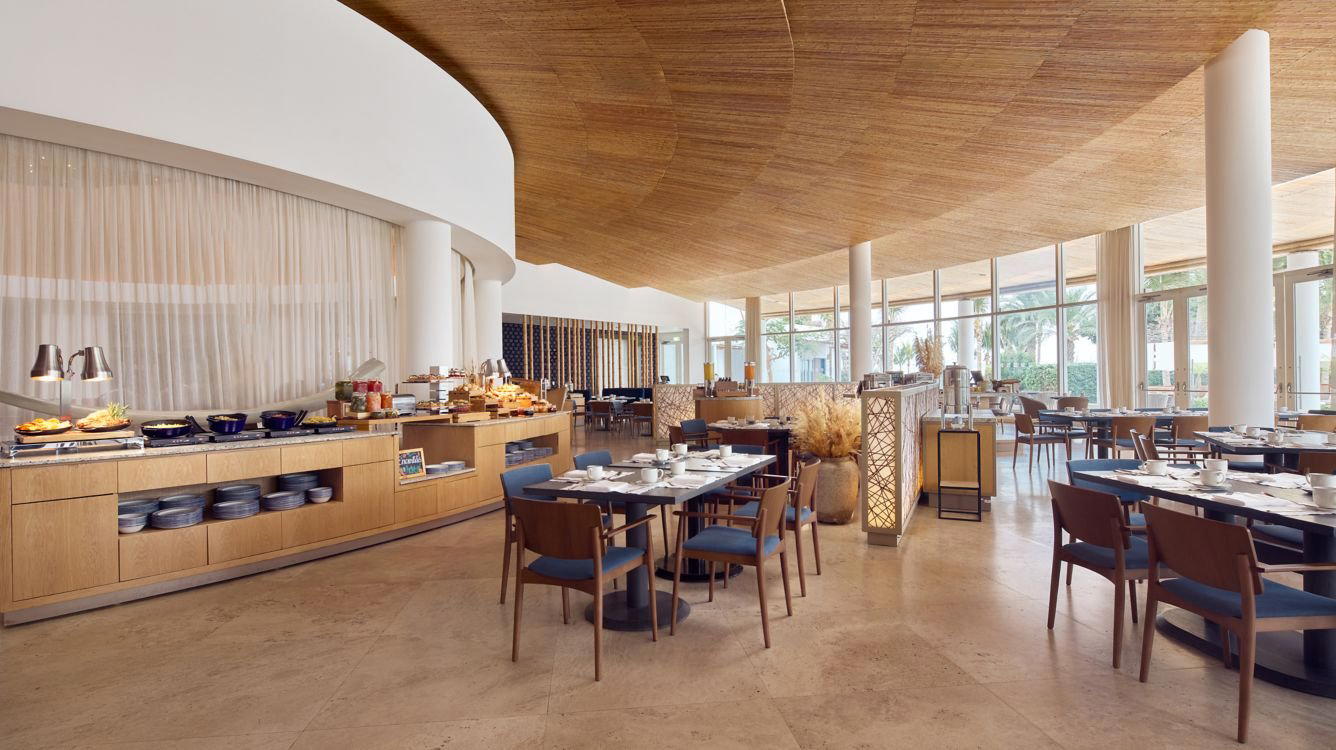
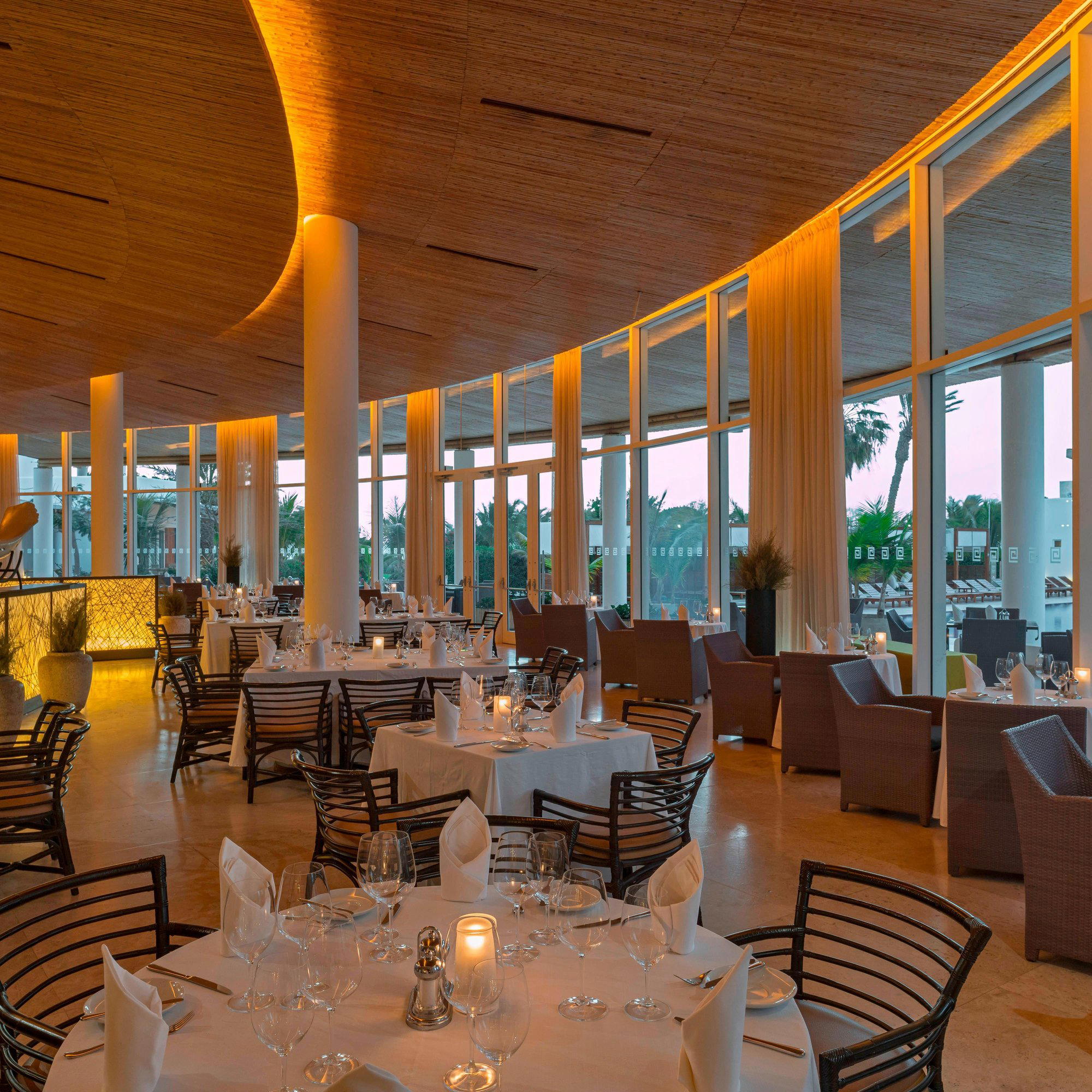
Bright and airy with natural light from large windows framing bay and garden views, contemporary casual interiors in nature-inspired greens and browns, relaxed sophisticated atmosphere.