Inkaterra Machu Picchu Pueblo Hotel


Set across 12 acres of high-mountain cloud forest at the edge of Machu Picchu Pueblo, Inkaterra is an eco-lodge and conservation property in one. Eighty-five rooms and suites occupy low-rise whitewash cottages connected by stone pathways, with starting rates from $415. The property sits roughly 70 miles from Cusco, accessible by train via Ollantaytambo, and holds membership in the XO Private Collection.
Pearl is the En Primeur Club membership app — saves, bookings, and concierge access live there. Same editors, same standards.
- Address
- Aguas Calientes 08681
- Phone
- +51 1 6100400
- Website
- inkaterra.com
- Directions
- Get directions
 Saves & bookings on Pearl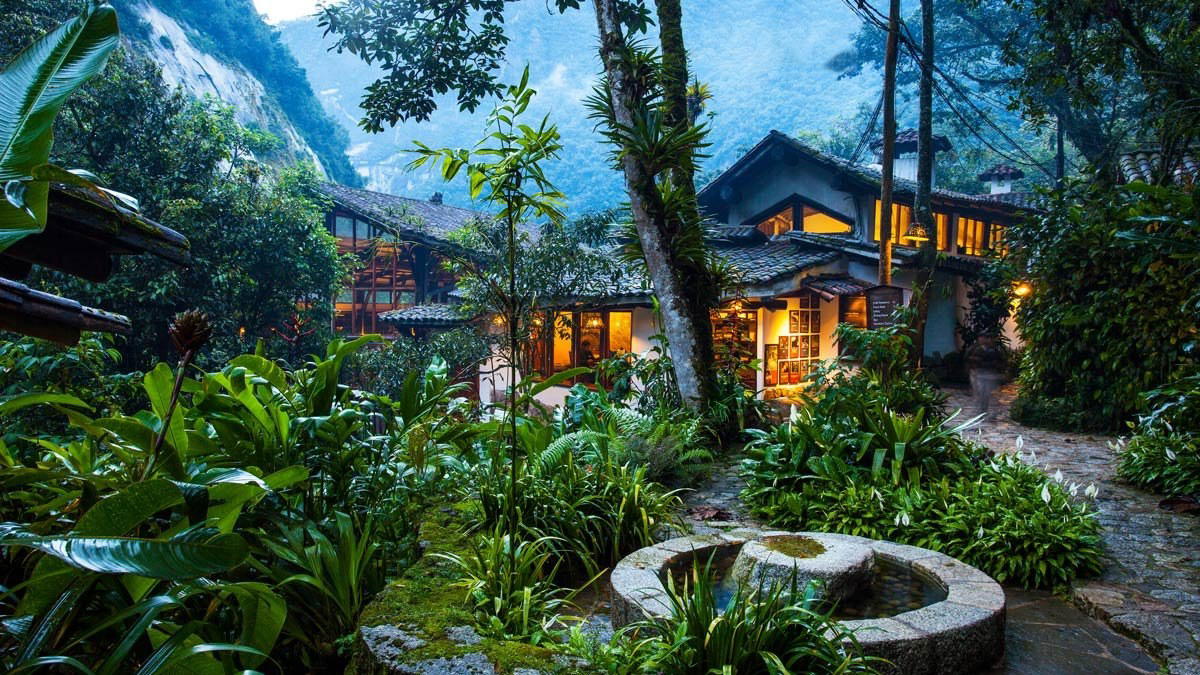
Architecture Built Into the Forest, Not Against It
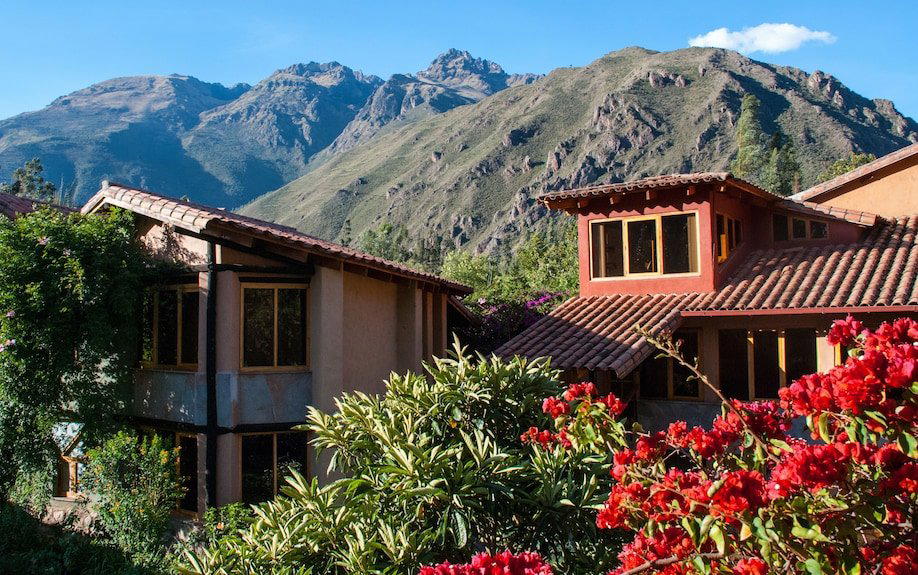
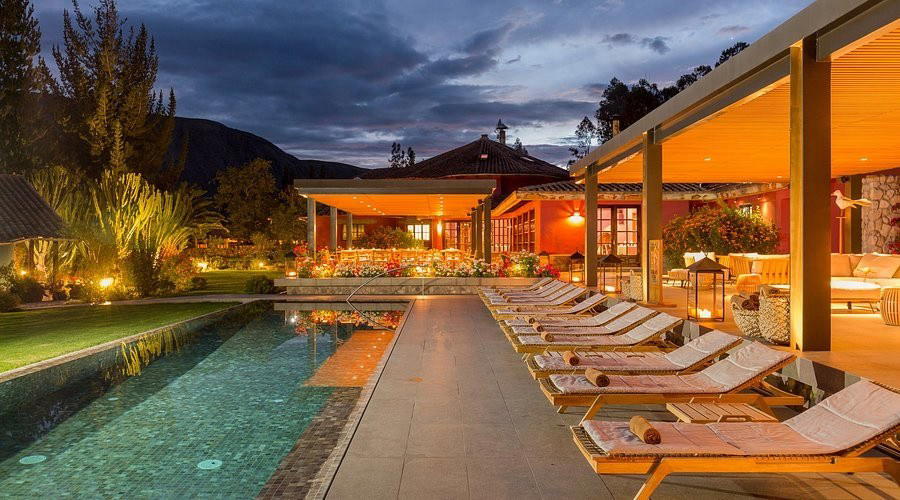
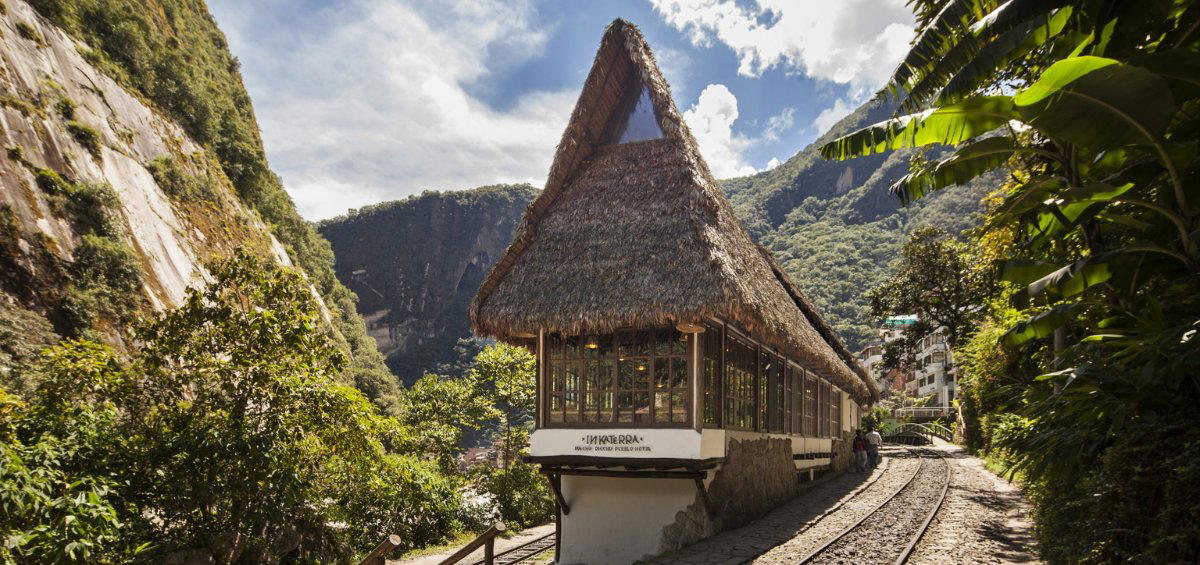
Most hotels at altitude impose their form on the terrain. Inkaterra Machu Picchu Pueblo Hotel takes the opposite approach. The property spreads across 12 acres of cloud forest at the boundary of Machu Picchu Pueblo, the small town formerly known as Aguas Calientes that serves as the base for visitors to the Inca citadel above. Rather than consolidating its program into a single main structure, the hotel distributes 85 rooms and suites across low-rise, one- and two-storey whitewash cottages that sit along stone pathways winding through streams, waterfalls, orchid plantations, and wild forest. The effect is less resort, more village: you move between spaces on foot, through vegetation, with the Urubamba River audible from much of the property.
That dispersed layout is a deliberate architectural and ecological commitment. The Andean vernacular reference points are consistent throughout: regional timber, handcrafted local furnishings, and alpaca blankets in every room. Room sizes run from 310 to 1,890 square feet across the standard suites, with two full villas at approximately 3,500 square feet each. Slippers are produced from recycled material, bath products are formulated to environmental standards, and despite the presence of wood-burning fireplaces, the hotel operates as fully carbon-neutral. This is a property positioning itself against luxury hotels that use the Andean setting as backdrop while remaining operationally detached from it.
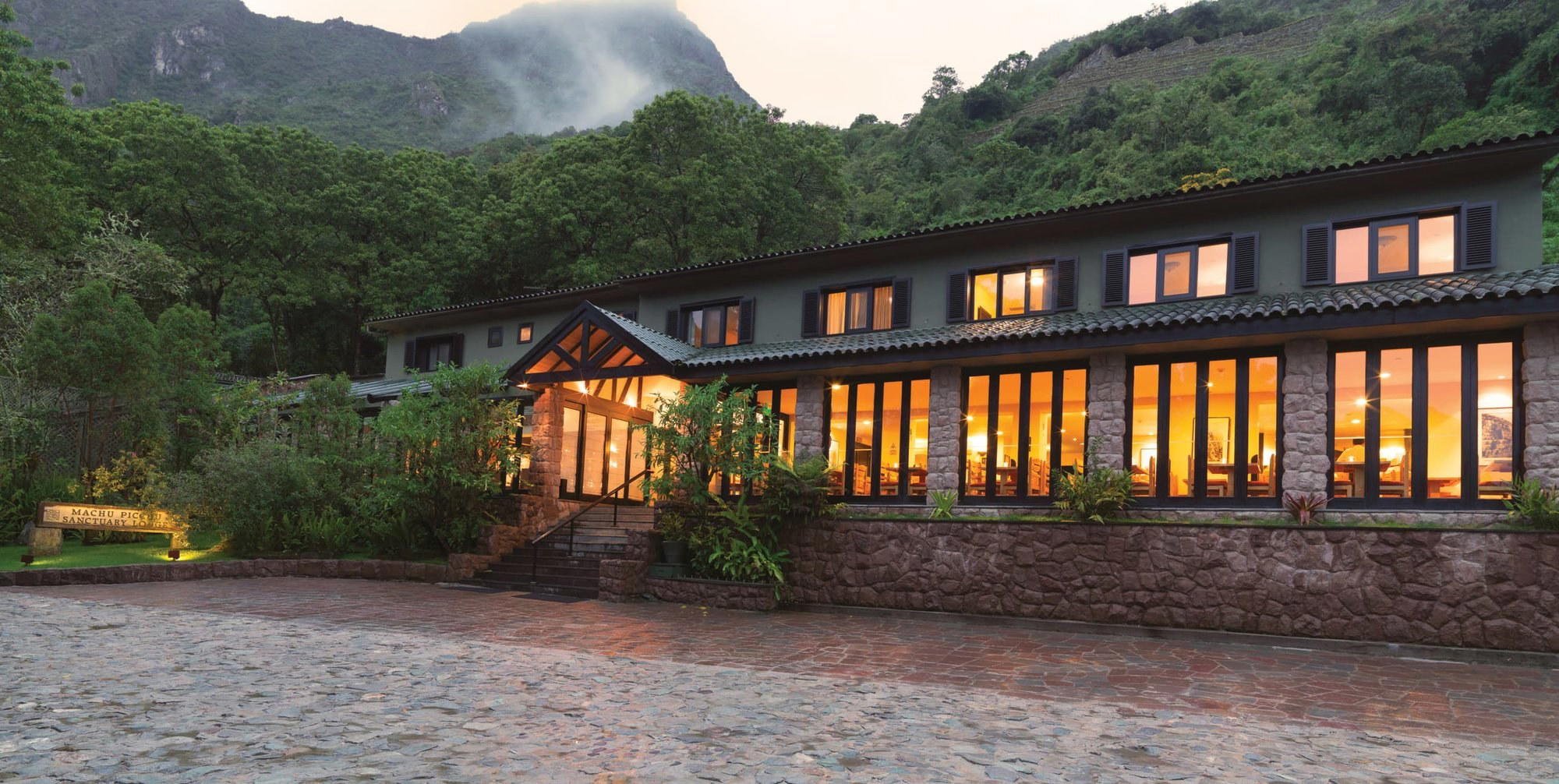
Among the luxury hotels occupying this geographic corridor, the design model at Inkaterra occupies a distinct position. Properties such as Sanctuary Lodge, A Belmond Hotel, Machu Picchu sit closer to the citadel entrance and operate in a more concentrated format. Inkaterra trades proximity to the ruins for acreage, depth of forest, and a conservation program that gives the property a second identity beyond hospitality.
The Dining Room, the Cafe, and What Andean Cuisine Means Here
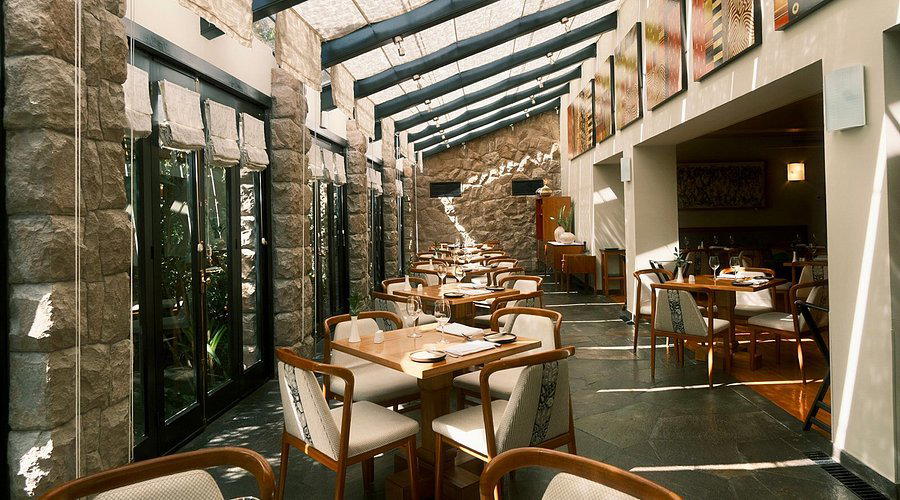
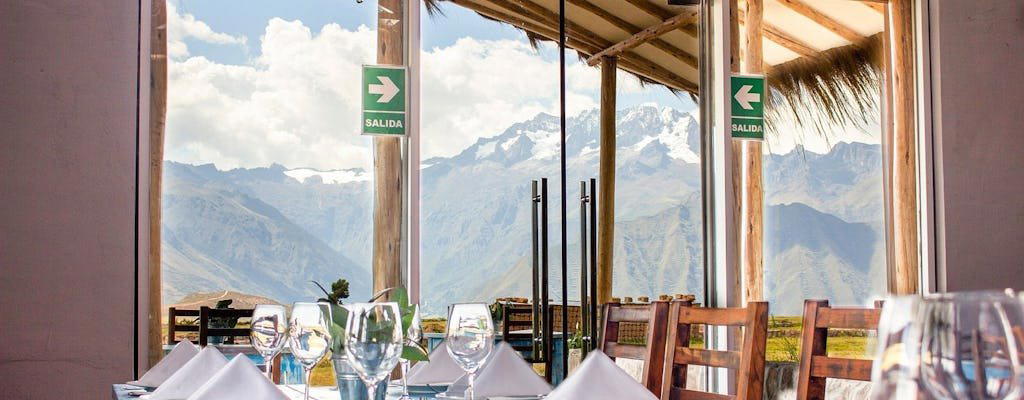
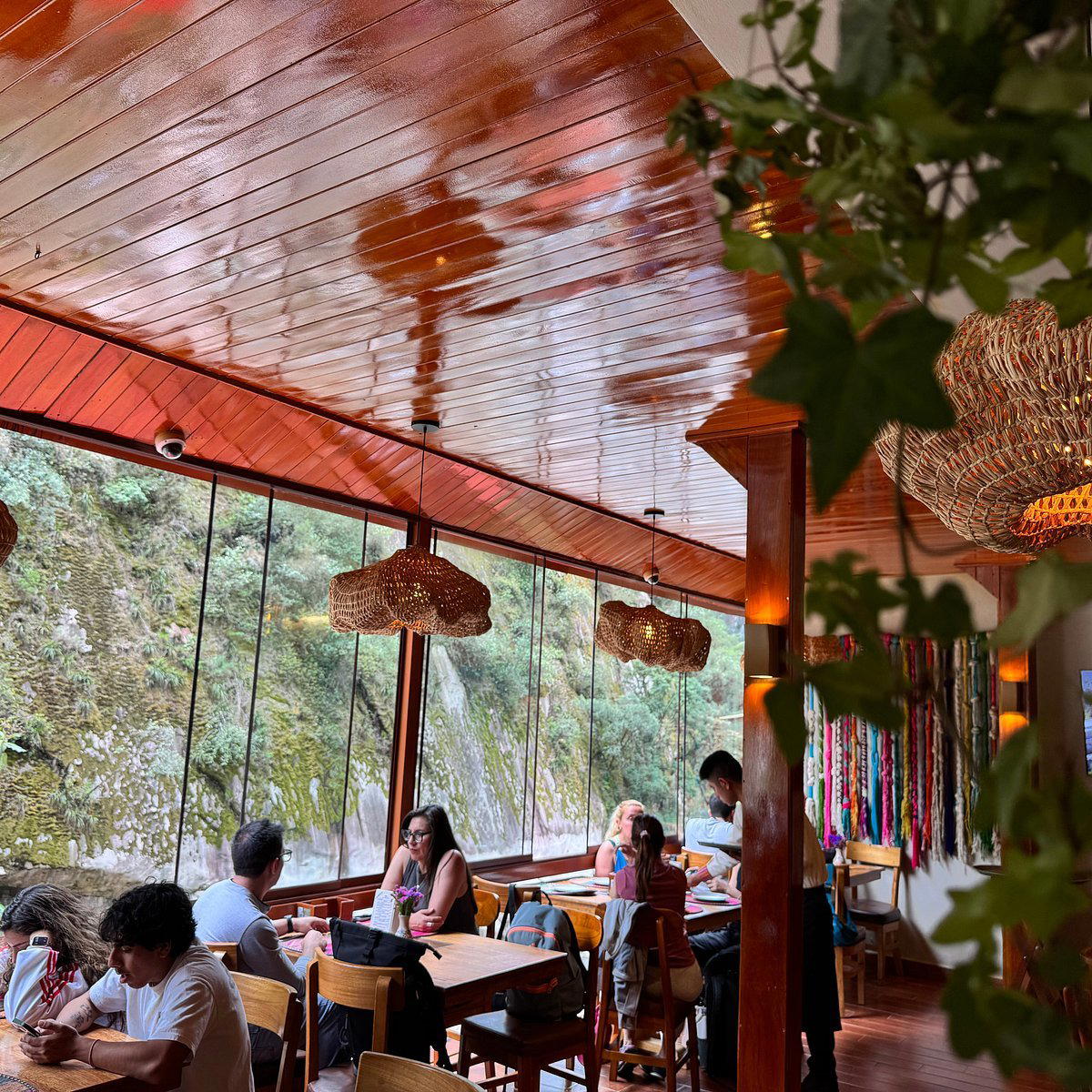
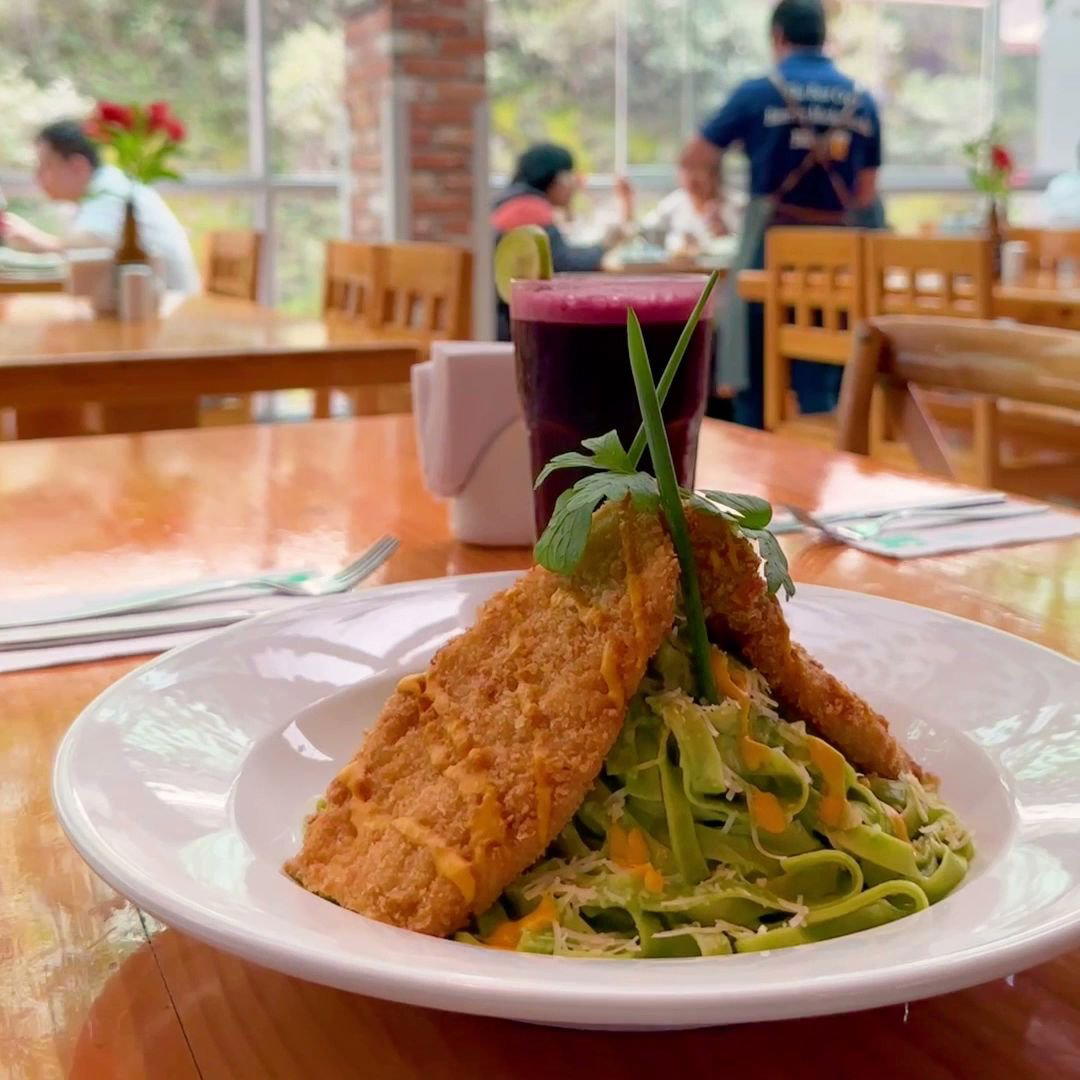
The main restaurant occupies a large glass-house structure designed to dissolve the boundary between interior and exterior: floor-to-ceiling glazing frames the Urubamba River and the dense green wall of Andean mountains beyond. The cuisine is described as upscale Andean, placing it in the current tradition of Peruvian fine dining that draws on regional ingredients and preparation methods rather than international reference points. Peru’s culinary identity has gained considerable international attention over the past decade, with Lima functioning as the acknowledged centre, but Andean highland cooking operates from a different pantry: native tubers, highland herbs, and preparations rooted in pre-Columbian technique.
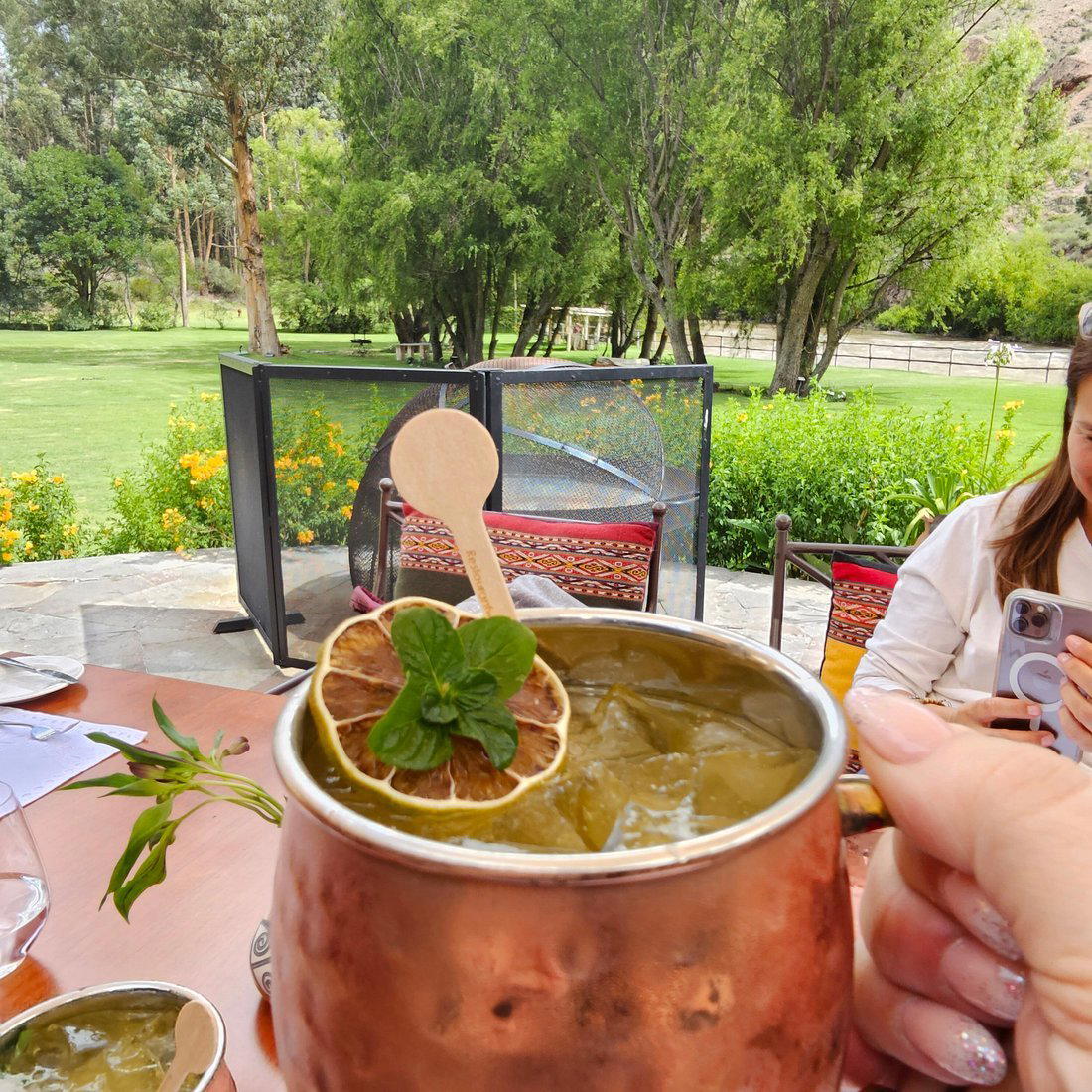
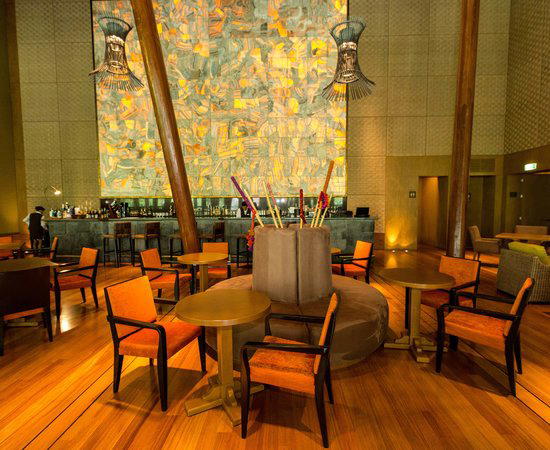
Cafe Inkaterra sits a few metres from the Machu Picchu train station, offering a lighter Peruvian menu with fresh regional fruit juices. Its position makes it a practical option for arrivals or pre-departure visits without requiring a full property check-in. The bar on the main property provides a more relaxed setting, with drinks, wines, light snacks, and board games.
Conservation as a Second Programme
The 12-acre forest setting is not simply amenity. Inkaterra runs scheduled guided eco-activities including nature walks, orchid-watching, bird-watching excursions, and twilight forest walks. The property sits within the Machu Picchu Historical Reserve, a designation that places ecological stewardship at the centre of any legitimate operation on this land. The guided format means these are structured, credentialed experiences rather than self-guided walks through hotel gardens. For travellers for whom the ecology of the Sacred Valley is as significant as the archaeology, Inkaterra’s forest program is the primary differentiator from competitors focused solely on citadel access.
This model has some regional parallels. Willka T’ika Essential Wellness in Urubamba operates with a similar philosophy of landscape integration in the Sacred Valley. Further afield, Refugio Amazonas Lodge in Puerto Maldonado and Delfin Amazon Cruises in Iquitos extend Peru’s eco-luxury offer into the Amazon basin. Inkaterra’s position is specifically Andean: cloud forest, altitude, and the layered human and natural history of the Urubamba valley.
The Spa, the Villas, and the Upper Tier
The spa program operates under the name UNU, a Quechua word for water. The format combines conventional spa treatments, including body massages and foot aromatherapy, with an Andean sauna concept described as drawing on highland wellness traditions. This is consistent with a broader movement across luxury Andean properties to integrate indigenous knowledge systems into wellness programming, rather than defaulting to European spa templates.
The two private villas represent the property’s highest-tier accommodation, each at approximately 3,500 square feet. The villa offer includes private butler service, bilingual local guide, and half board, and is framed as an attempt to redefine what authentic Peruvian travel means at the luxury end. Properties such as Amangiri in Canyon Point and Castello di Reschio in Lisciano Niccone operate from a similar logic: limited scale, strong environmental or architectural identity, and a guest profile that trades amenity density for specificity of place.
Getting There and Planning the Visit
The hotel is 70 miles from Cusco. Room rates start from $600, and the property holds 85 rooms and suites across its cottage format, with the two villas bookable separately at the upper end. Travellers building a wider Peruvian itinerary might consider Crowne Plaza Lima by IHG in Lima, Casa Andina Premium Arequipa in Arequipa, Hotel Kuelap in Utcubamba, Titilaka in Puno, or Hotel Paracas, a Luxury Collection Resort, Paracas in Paracas as part of a multi-destination circuit.
Comparable Spots, Quickly
Comparable venues nearby, for context on price, style, and recognition.
| Venue | Cuisine | Price | Awards | Notes |
|---|---|---|---|---|
| Inkaterra Machu Picchu Pueblo HotelThis venue — the venue you are viewing | Luxury eco-lodge designed as an Andean village with stone, adobe, and eucalyptus construction featuring locally-sourced materials and artisan craftsmanship. | $$$$ | Michelin 1 Key | Not listed |
| Sanctuary Lodge, A Belmond Hotel, Machu Picchu | luxury hideaway tucked into the mountain with stylish earthy décor | $$$$ | 4-Star | Machu Picchu |
| Tambo del Inka, a Luxury Collection Resort & Spa | Contemporary luxury resort blending modern elegance with Andean heritage | $$$$ | Michelin 1 Key | Valle Sagrado |
| Rio Sagrado, A Belmond Hotel | Riverside luxury retreat blending Inca heritage with modern comforts | $$$$ | Michelin 1 Key | Urubamba |
| Palacio Nazarenas | 17th-century restored palace and convent with modern indulgence | $$$$ | World's 50 Best #87, 5-Star | near main square |
| Arennas Máncora | Beachfront boutique resort blending modern architecture with tropical nature | $$$$ | 5-Star | Máncora |
Recognition history
Dated appearances from independent guides and award organizations, with the underlying list record or original source where available.
Virtuoso Luxury Hotel Partner
Virtuoso
Michelin 1 Key
Michelin
Continue exploring
More in Machu Picchu
Hotels in Machu Picchu
Browse all →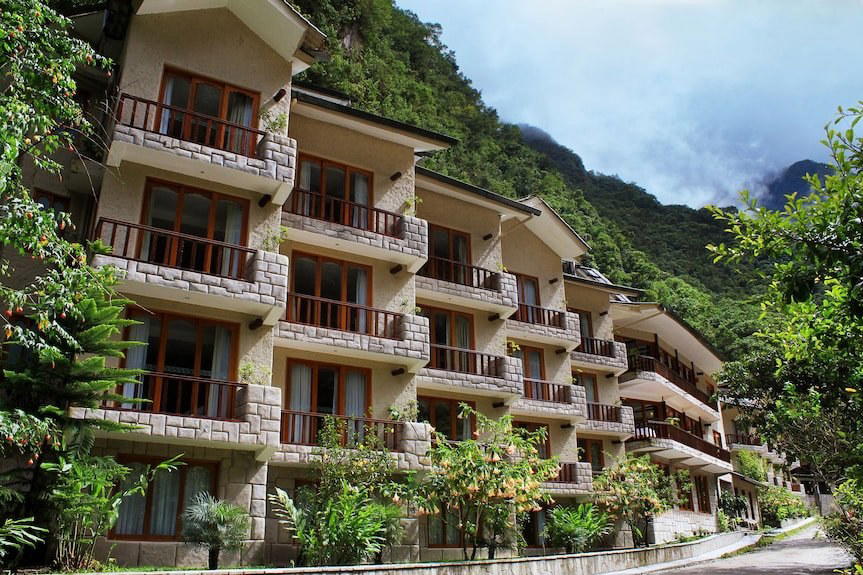
Bars in Machu Picchu
Browse all →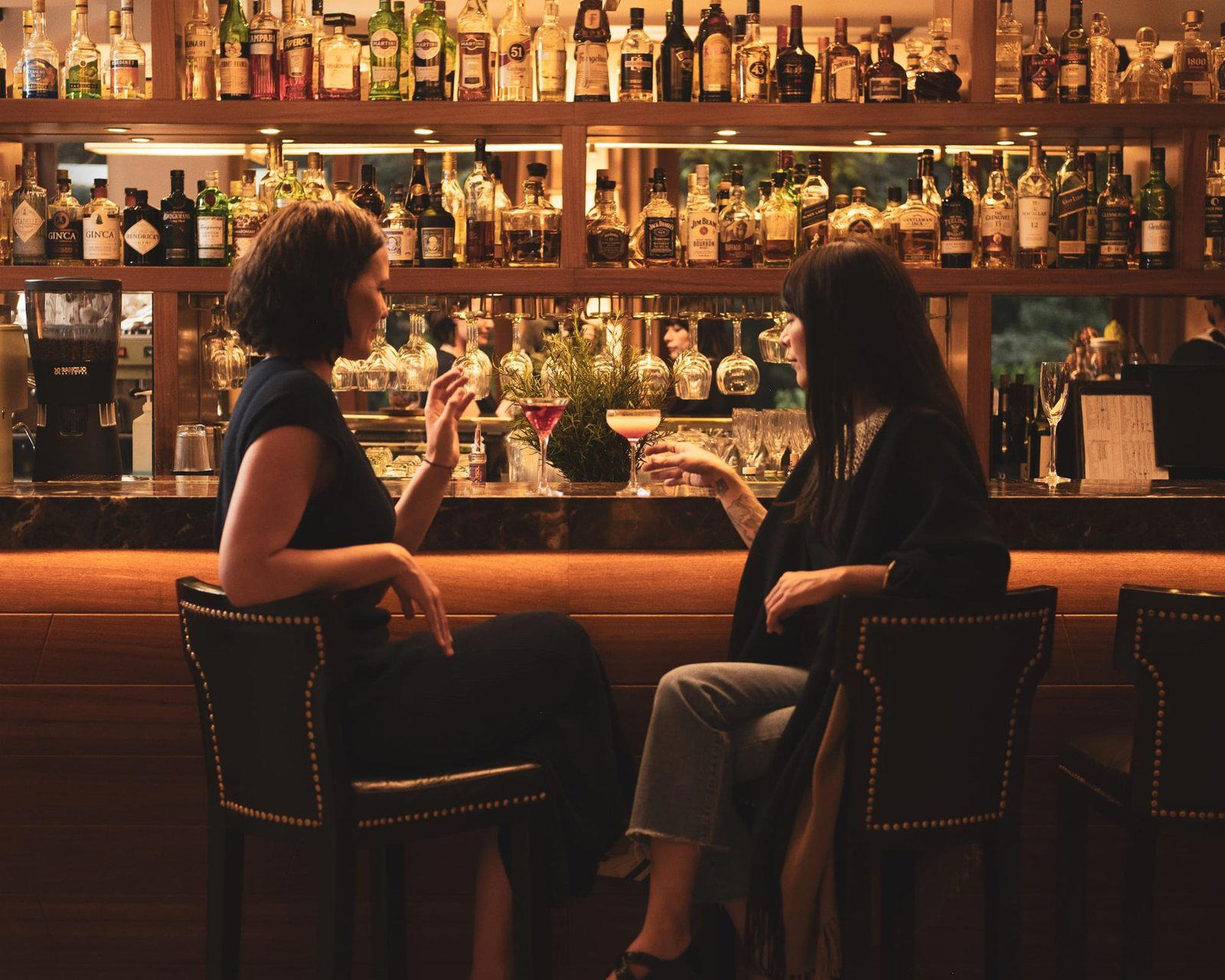
At a Glance
- Romantic
- Scenic
- Rustic
- Elegant
- Quiet
- Intimate
- Honeymoon
- Romantic Getaway
- Wellness Retreat
- Family Vacation
- Private Villa
- Butler Service
- Destination Spa
- Garden
- Terrace
- Panoramic View
- Private Dining
- Wi Fi
- Spa
- Garden
- Sauna
- Concierge
- Room Service
- Garden
- Mountain
- Wi Fi
- Spa
- Garden
- Sauna
- Concierge
- Room Service
Warm and intimate with crackling wood-burning fireplaces, locally-crafted furnishings, pre-Columbian artifacts, and soft lighting throughout whitewashed cottages connected by stone pathways overlooking lush gardens and mountain vistas.