Sumaq Machu Picchu Hotel




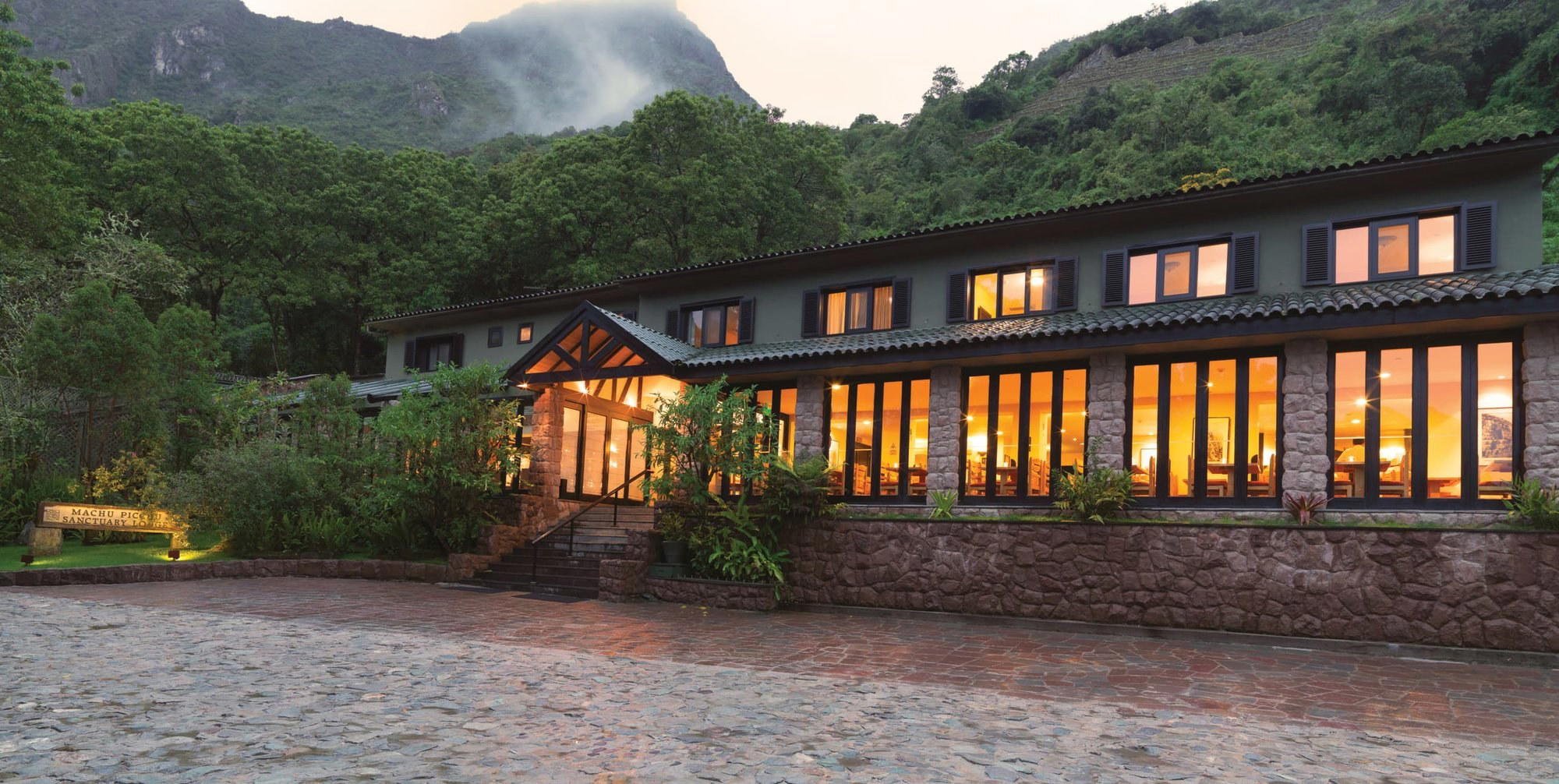
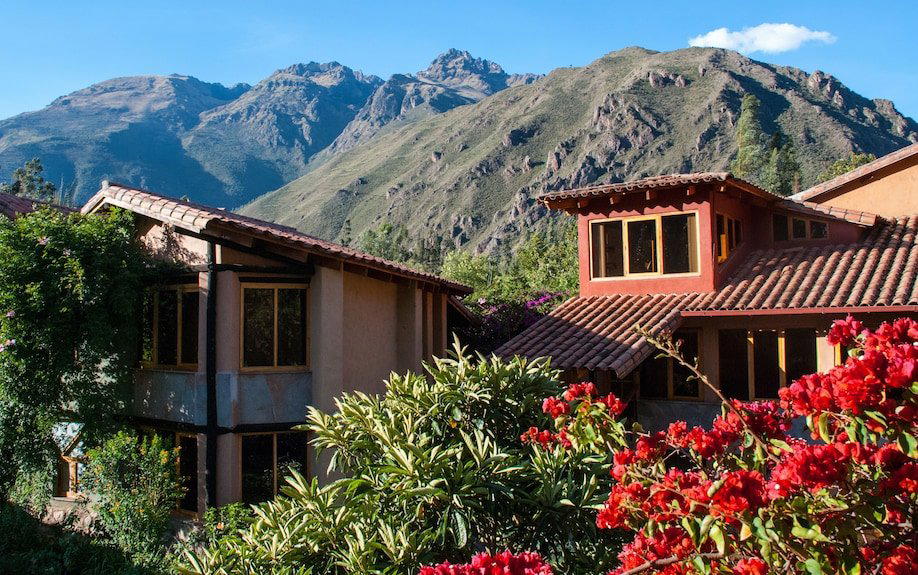
The first five-star hotel to open in Aguas Calientes, Sumaq Machu Picchu Hotel sits on the banks of the Vilcanota River with direct access to Machu Picchu Archaeological Park. Its 62 rooms draw on Andean cosmology through a redesign framed around the Chakana cross, while a program of shaman-led site tours, Pachamanca cooking, and Rainforest Alliance-certified conservation work distinguishes it within Peru's high-altitude luxury tier. La Liste awarded it 93 points in 2026.
Pearl is the En Primeur Club membership app — saves, bookings, and concierge access live there. Same editors, same standards.
- Address
- Lote 3, Avenida Hermanos Ayar Mz 1, Aguas Calientes 08681
- Phone
- +51 84 211114
- Website
- machupicchuhotels-sumaq.com
- Directions
- Get directions
 Saves & bookings on Pearl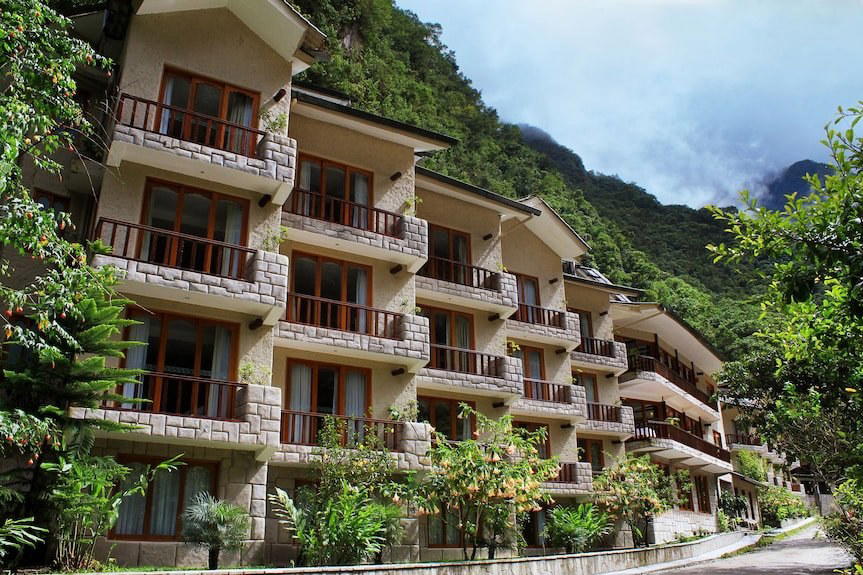
Where the Andes Meet the Architecture
Arriving in Aguas Calientes by train, most travelers are already adjusting to altitude, cloud, and the slow realization that they are genuinely close to among the more significant archaeological sites in the Western Hemisphere. The town itself sits in a river canyon, hemmed by near-vertical cloud forest, and the Vilcanota River runs loudly through it regardless of the hour. Sumaq Machu Picchu Hotel occupies a position on those riverbanks with the park directly above. The physical context is not subtle, and the hotel's design makes no attempt to be subtle either.
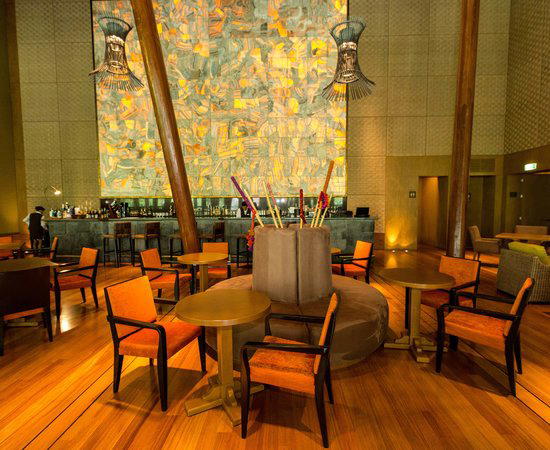
Sumaq, which translates as "beautiful" in Quechua, has operated since 2007, when it opened as the first five-star hotel in Aguas Calientes. That early-mover position gave the Clavijo family, who own and operate the property, time to establish a curatorial identity before the broader luxury market arrived in force in the Sacred Valley and Cusco corridors. A recent full redesign has reset the interior language entirely, drawing on the Chakana, an Andean cross that encodes the four elemental forces: fire, water, earth, and air. Italian-Peruvian designers Carmine Furgione and Sandra Chavez Olivieri translated that symbol into warm textures and materials produced through traditional craft techniques, producing interiors that read as culturally grounded rather than decoratively themed.
That distinction matters more at altitude than almost anywhere else. The luxury hotels clustered around Peru's high-altitude heritage circuit, from Cusco properties like Palacio Nazarenas in Cusco to the Belmond Hotel Monasterio, largely operate within converted colonial architecture, where the built fabric predates any design brief by centuries. Sumaq is a purpose-built contemporary hotel, which means the architecture must carry the cultural argument on its own terms. The Chakana framework gives it a conceptual spine that moves through the space from arrival to checkout, rather than appearing only as decorative accent.
62 Rooms and the Case for Restraint
The property runs 62 rooms across a site that keeps scale deliberately contained. In the global luxury hotel market, the split between large international-footprint operations and smaller design-led properties has sharpened considerably over the past decade. Properties like Amangiri in Canyon Point or Castello di Reschio in Lisciano Niccone demonstrate how limited-key counts can allow for a depth of curation that larger properties cannot sustain. Sumaq operates in that mode: 62 rooms at a UNESCO-adjacent site means the ratio of programming to guest is workable in a way that 300-room resorts are not.
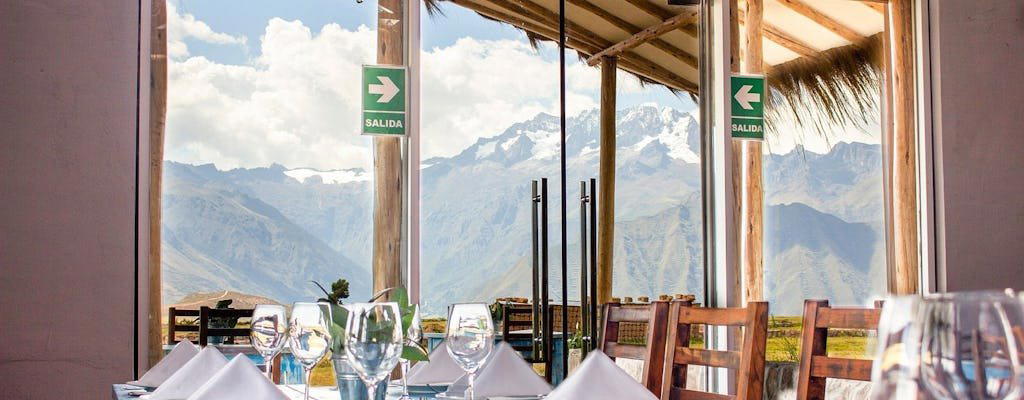
Views within the property face toward the biodiversity of Machu Picchu Archaeological Park, with the Vilcanota River providing both the acoustic and visual backdrop at lower elevations of the site. Room categories take on relevance here because proximity to the river versus orientation toward the park canopy produces meaningfully different stays, particularly for guests arriving during the wet season between November and March, when the site is more atmospheric but also more demanding logistically.
La Liste's 2026 hotel ranking awarded the property 93 points, placing it in the recognized upper tier of Peruvian luxury accommodation. Both signals confirm a competitive position that sits closer to the Sacred Valley's most cited addresses than to the broader mid-market options in Aguas Calientes itself.
Programming as Cultural Argument
The activity program at Sumaq is where the hotel's positioning becomes clear. Peruvian luxury properties have taken divergent paths on cultural programming: some treat it as amenity, others as primary proposition. Sumaq sits in the latter camp. The available activities include a Payment to the Earth Ritual, a Pachamanca cooking experience, shaman-led tours of Machu Picchu with a translator, Peruvian cooking lessons, eco-hikes along the Urubamba River, bird-watching, and summit treks within the park. This is a denser and more specific menu than most properties at this price point provide.
The Rainforest Alliance certification and active work with local communities runs alongside that programming. At a property sitting at the edge of a UNESCO World Heritage Site, the relationship between the hotel operation and the protected environment is a practical consideration, not just a marketing position. The Clavijo family's investment in conservation partnerships is documented and externally validated, which places Sumaq in a credible position on that axis relative to properties that carry sustainability language without the third-party certification to back it.
For guests comparing Sumaq against other Peru properties, the Inkaterra Machu Picchu Pueblo Hotel is especially frequently cited alternative in the immediate area, with its own deep conservation program and cloud forest setting. The two properties represent different physical and design philosophies: Inkaterra is dispersed and garden-led; Sumaq is architecturally consolidated and culturally cosmological in its references. Both belong to the specialist tier of Andean luxury. Elsewhere in Peru, properties like Willka T'ika Essential Wellness in Urubamba, Titilaka in Puno, and Delfin Amazon Cruises in Iquitos occupy different ecological and cultural registers, each mapping to a distinct chapter of Peru travel rather than competing directly.
The Aqlla Spa and the Cuisine Program
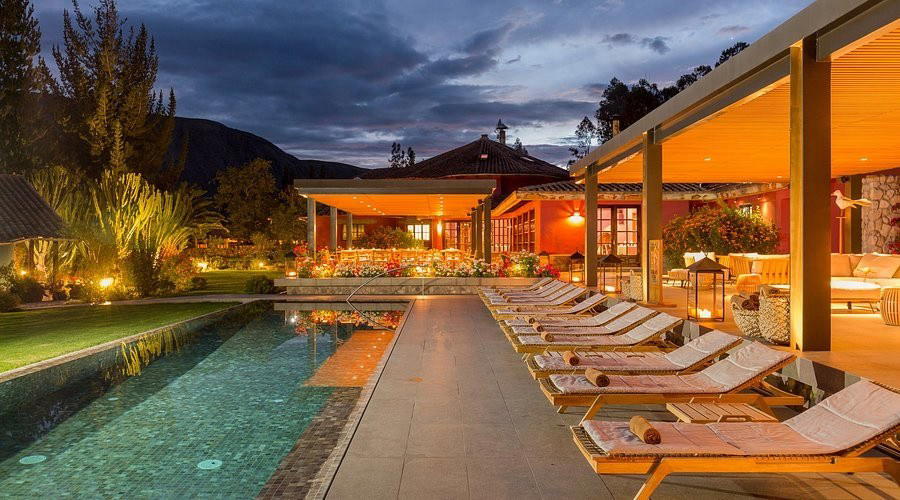
The hotel's spa carries the Quechua name Aqlla, meaning "chosen one," and offers massages, hydrotherapy, sauna, reflexology, and manicure and pedicure services. After a day on the Machu Picchu site, which involves significant altitude gain and uneven stone paths regardless of the trail taken, a hydrotherapy and sauna sequence is a practical recovery tool rather than a luxury add-on. The altitude itself demands that guests pace carefully, and the spa program is calibrated to that reality.
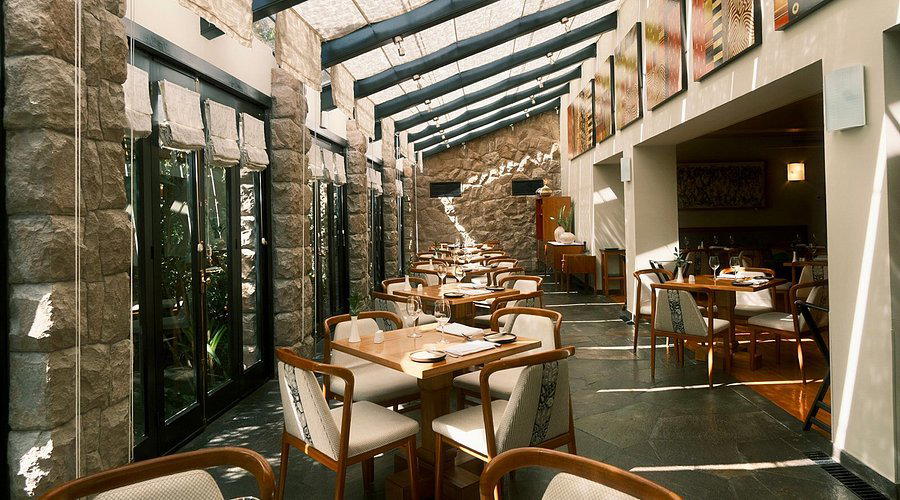
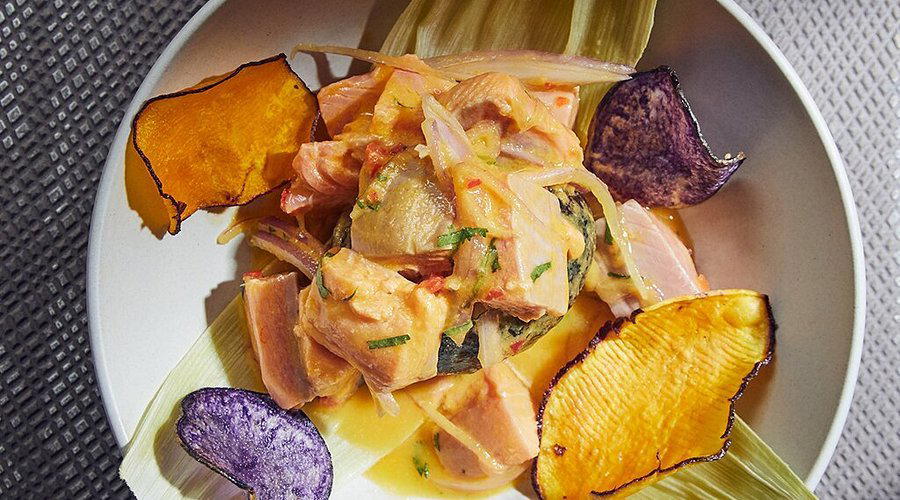
The dining program emphasizes southern Peruvian cuisine, blending regional flavor profiles into a kitchen identity that reflects geographic specificity rather than generic Novo-Andino positioning. Southern Peru's culinary profile differs from Lima's and from the northern highlands, with ingredients, preparation methods, and spice registers that reflect distinct ecological zones. The hotel's cooking lesson program, which takes guests through Peruvian technique, and the Pachamanca experience, a traditional earth-oven cooking method with deep ceremonial roots, position the food program as an extension of the cultural framework rather than a separate amenity.
Planning a Stay
Aguas Calientes is accessible only by train from Cusco or Ollantaytambo, with no road connection to the town. The PeruRail and Inca Rail services run multiple daily departures, and booking train tickets well ahead of arrival is standard practice during peak season, which runs from May through October. Entry to Machu Picchu itself requires timed entry tickets purchased through Peru's official government system, and capacity limits mean tickets can be exhausted weeks in advance during high season. Guests planning to add the Huayna Picchu or Machu Picchu Mountain treks face even tighter booking windows.
Sumaq's location on Avenida Hermanos Ayar places it within the town's central river corridor. Comparisons across the country's luxury tier can be found through profiles including Hotel Paracas, a Luxury Collection Resort, Casa Andina Premium Arequipa, Refugio Amazonas Lodge in Puerto Maldonado, Hotel Kuelap in Utcubamba, and Crowne Plaza Lima by IHG. Design-led properties that share its cultural specificity and contained scale include Aman Venice, Cheval Blanc Paris, and Hotel Esencia in Tulum, though the Andean altitude and train-only access make the logistics of arrival meaningfully different from any of those.
Comparison Snapshot
Comparable venues nearby, for context on price, style, and recognition.
| Venue | Cuisine | Price | Awards | Notes |
|---|---|---|---|---|
| Sumaq Machu Picchu HotelThis venue — the venue you are viewing | Andean luxury with personalised service and cultural immersion | $$$$ | 5-Star | Not listed |
| Arennas Máncora | Beachfront boutique resort blending modern architecture with tropical nature | $$$$ | 5-Star | Máncora |
| Titilaka | Contemporary luxury lodge integrated with natural environment on private peninsula | $$$$ | 5-Star | Luquina |
| Puqio | luxury tented camp with adobe cottages | $$$$ | 5-Star | Yanque |
| explora Valle Sagrado | Hacienda-style lodge with contemporary Andean design integrated into Inca terraces | $$$$ | 5-Star | Huayllabamba |
| Explora Valle Sagrado | Contemporary Andean architecture integrated with natural surroundings on a working plantation | $$$$ | 5-Star | Urubamba |
Recognition history
Dated appearances from independent guides and award organizations, with the underlying list record or original source where available.
La Liste Top Hotels
La Liste
Virtuoso Luxury Hotel Partner
Virtuoso
Michelin Selected
Michelin
World Travel Awards
World Travel Awards
Continue exploring
More in Aguas Calientes
Hotels in Aguas Calientes
Browse all →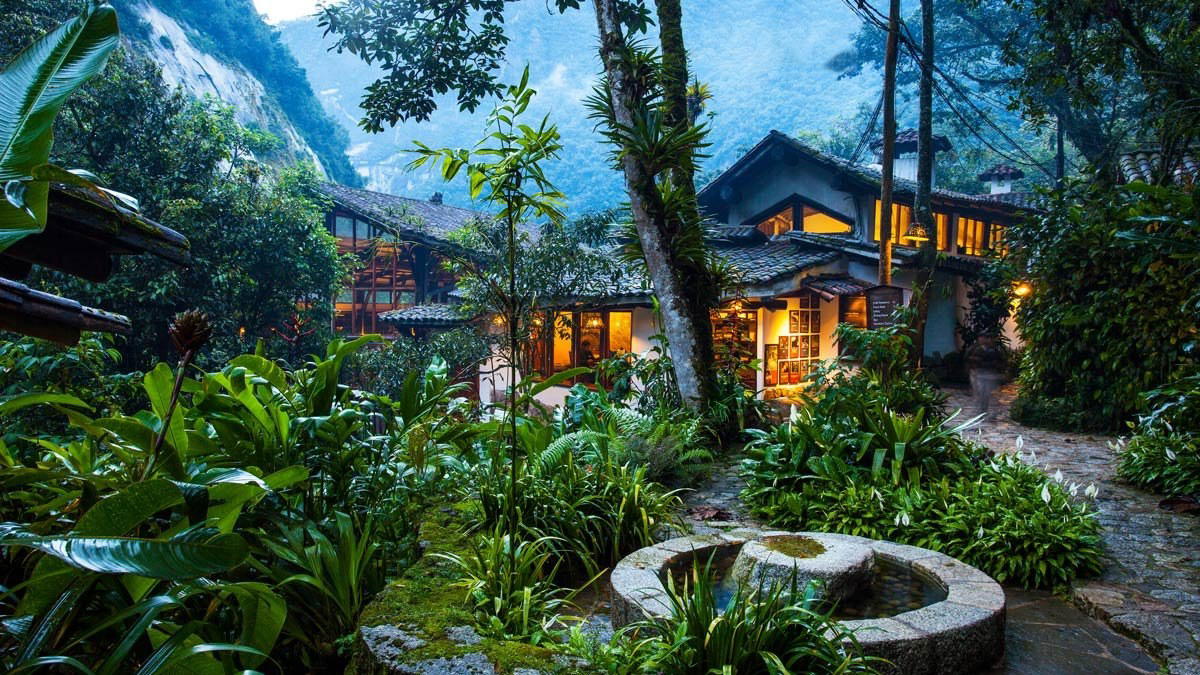
Bars in Aguas Calientes
Browse all →
At a Glance
- Elegant
- Scenic
- Sophisticated
- Honeymoon
- Romantic Getaway
- Wellness Retreat
- Panoramic View
- Terrace
- Spa
- Wi Fi
- Room Service
- Concierge
- Breakfast Included
- Business Center
- Sauna
- Massage
- Garden
- Mountain
- Garden
- Spa
- Wi Fi
- Room Service
- Concierge
- Breakfast Included
- Business Center
- Sauna
- Massage
- Garden
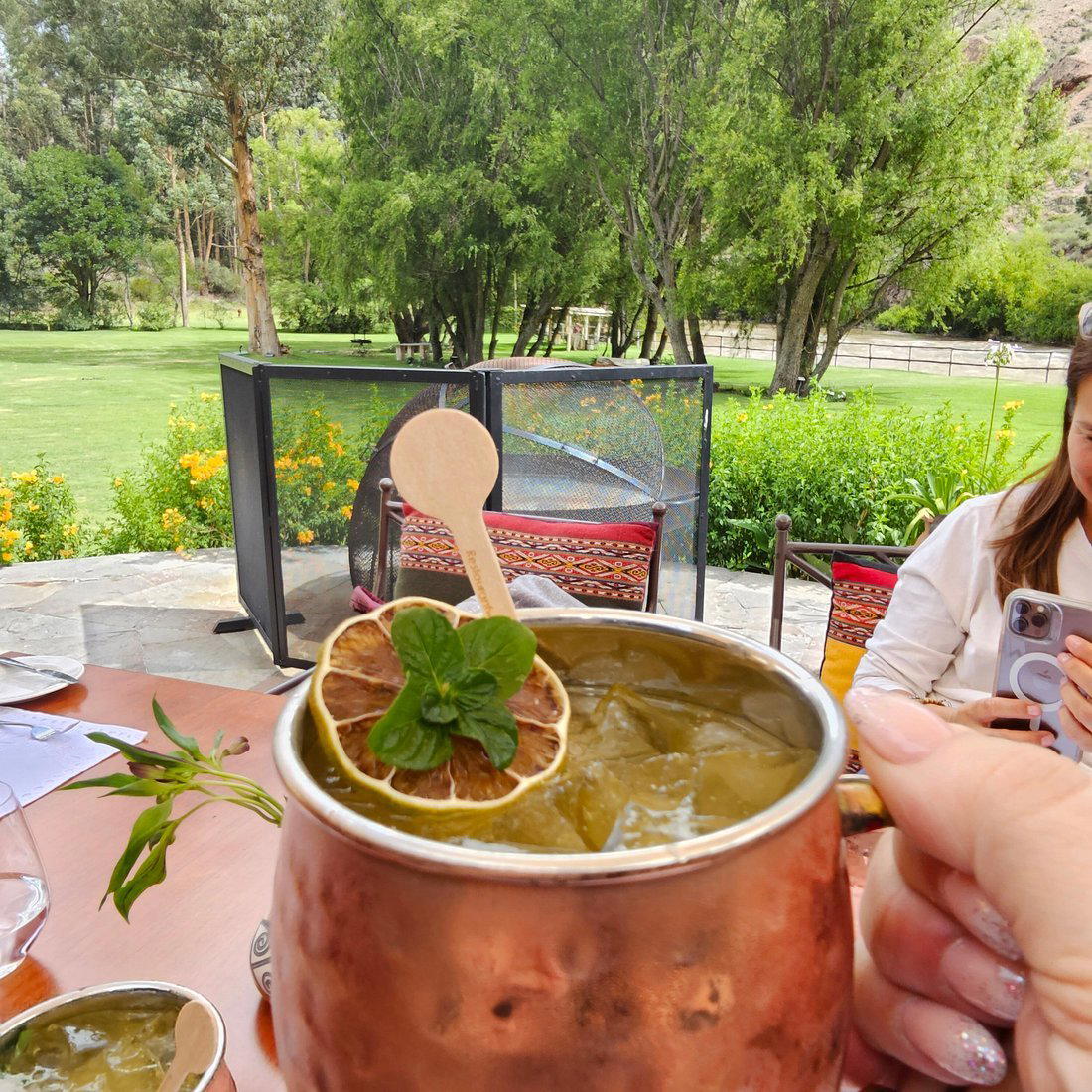
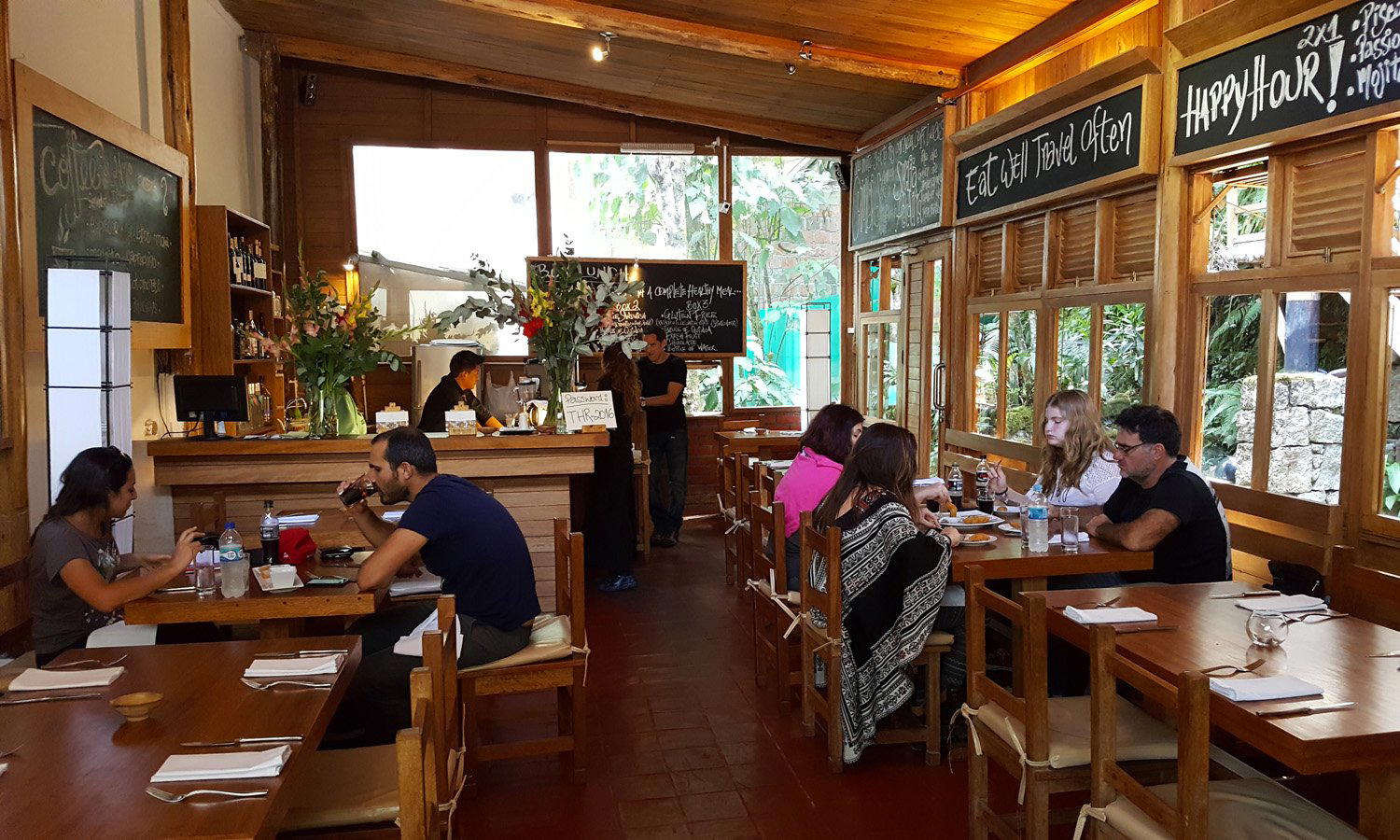
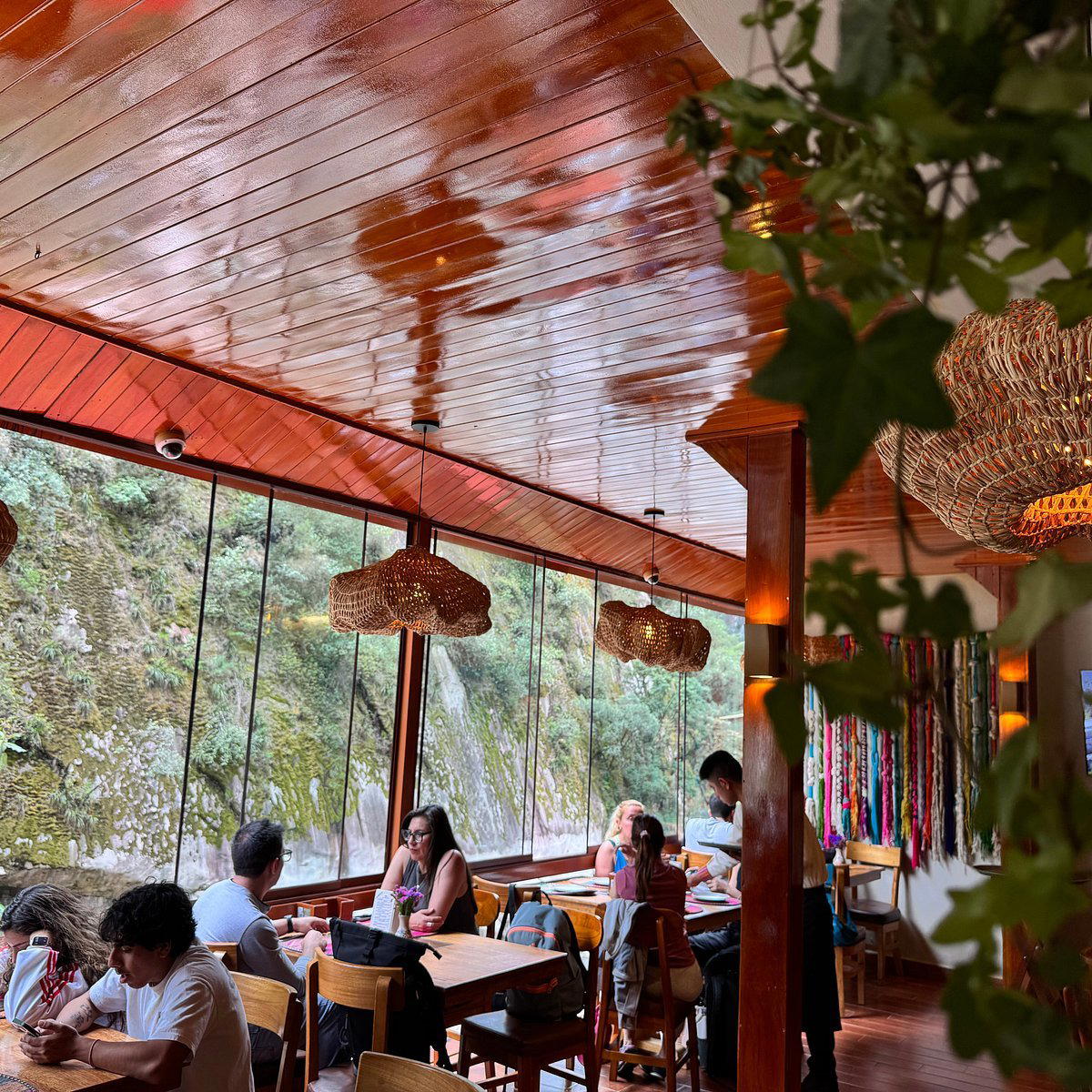
Warm and elegant with soundproof rooms, rich wood accents, woven textiles, and a relaxing spa atmosphere praised for its attentive service.