


Built on the foundations of the Qoricancha, the Inca Temple of the Sun, Palacio del Inka is among Cusco's most historically layered addresses. The Luxury Collection property holds 203 rooms with hand-painted ceilings and baroque antiques, alongside the guest-only Inti Raymi restaurant and Cusco's only hydrotherapy circuit. La Liste named it 92 points in 2026.
Pearl is the En Primeur Club membership app — saves, bookings, and concierge access live there. Same editors, same standards.
- Address
- Santo Domingo 259, Cusco 08002
- Phone
- +51 84 231961
- Website
- marriott.com
- Directions
- Get directions
 Saves & bookings on Pearl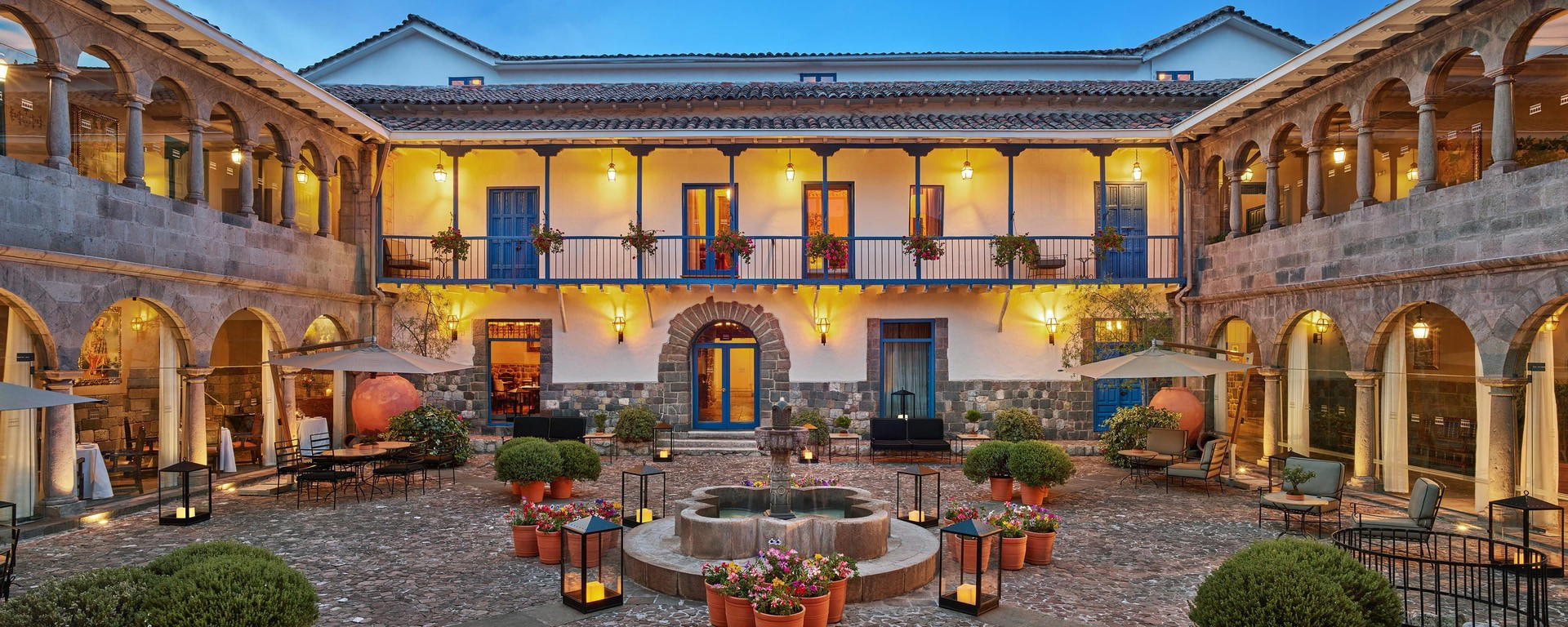
Five Centuries in Stone: Arriving at Palacio del Inka
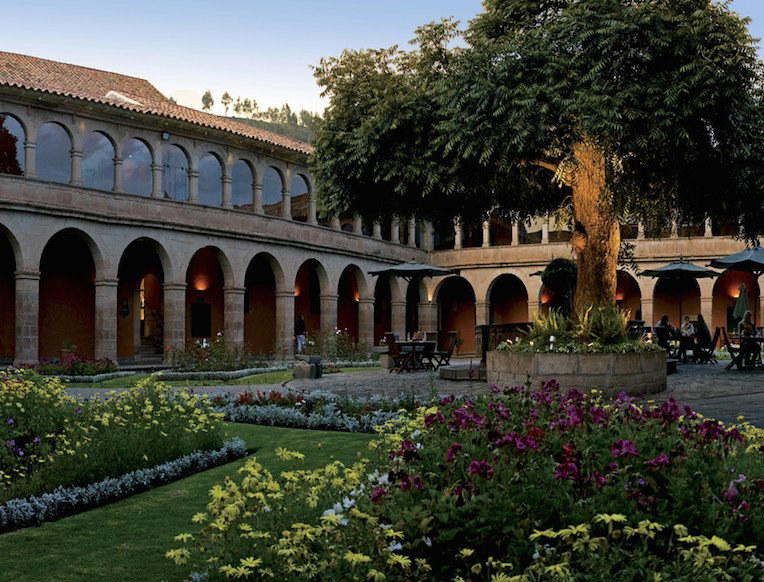
There is a particular quality of light in Cusco's historic centre in the early afternoon, when the Andean sun cuts across the pale stone of the Plaza de Armas and the colonial facades of Santo Domingo. Walking toward Santo Domingo 259, the address of Palacio del Inka, a Luxury Collection Hotel, the building announces itself through physical fact rather than signage. The walls are old in a way that most hotel walls are not: some of this masonry predates Columbus. The Qoricancha, the Inca Temple of the Sun that once stood at the centre of the empire's religious life, lies immediately adjacent, and portions of its foundations extend beneath the hotel itself. That proximity is not decorative. It shapes the entire character of the property.
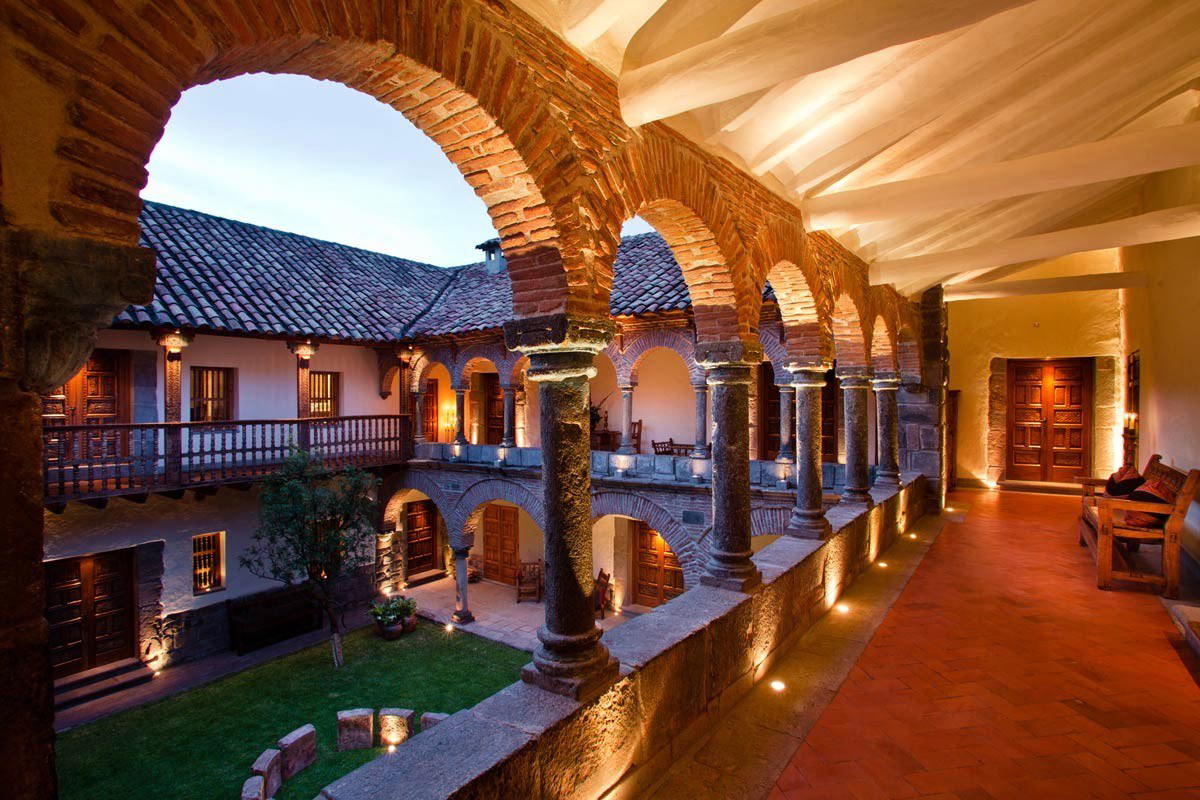
For travellers who are deciding between Cusco's cluster of colonial-era conversions, the competitive set here is specific. Belmond Hotel Monasterio, Palacio Nazarenas, and Inkaterra La Casona all occupy historic religious or aristocratic buildings repurposed for hospitality. What differentiates Palacio del Inka is the dual-layer heritage: pre-Columbian Inca engineering beneath, and viceregal Spanish architecture above. The property incorporates the Casona de los Cuatro Bustos, and that fusion of two distinct civilisations is legible in the stonework throughout.
What the Building Holds
The hotel carries official recognition as a museum, which shapes how the space is maintained and programmed. The art collection runs to 60 original Cusco school paintings, the distinctive tradition of post-conquest religious art that blended Andean imagery with European Catholic iconography and became among the more significant artistic movements in the colonial Americas. A Saturday art tour allows guests to move through these works with informed commentary, which is a more substantive engagement with the collection than a lobby walkthrough would provide.
La Liste's 2026 hotel ranking placed Palacio del Inka at 92 points. That recognition reflects both the physical asset and the operational consistency required to maintain a 203-room property inside a structure of this age and status.
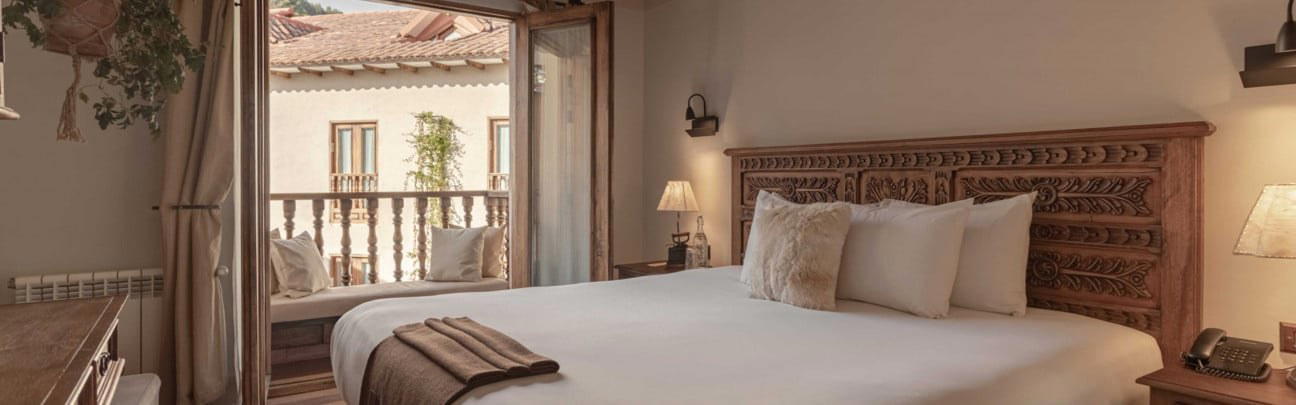
The 203 rooms and suites carry the heritage framing into the accommodation itself. Vaulted, hand-painted ceilings, baroque antiques sourced from Peru's colonial period, and carved wood detailing differentiate the rooms from what a standard Luxury Collection property might deliver. The décor varies across rooms rather than following a single template, which is a function of the building's irregular historic footprint. Marble bathrooms and Frette linens are consistent across the property; select rooms add private terraces. Families travelling with children are directed to the two-bedroom Inca Temple Suite, which offers the floor area that a heritage building's standard rooms cannot always provide.
The Dining and Drinking Rooms
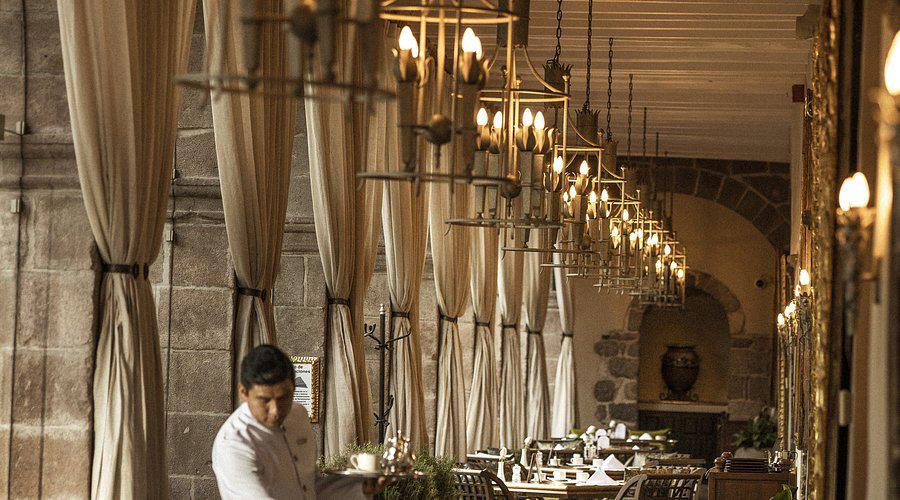
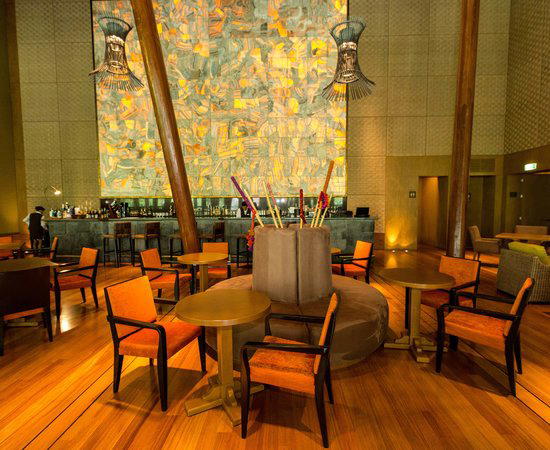
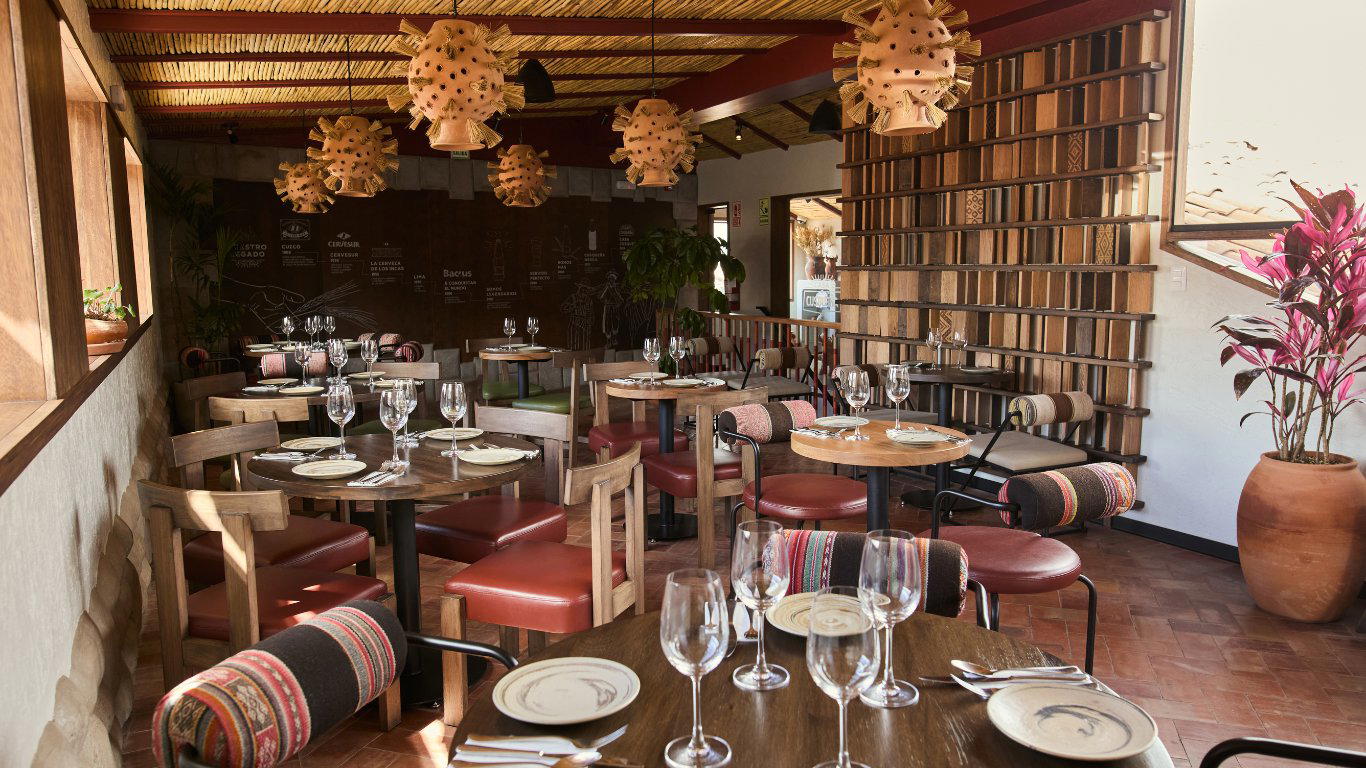
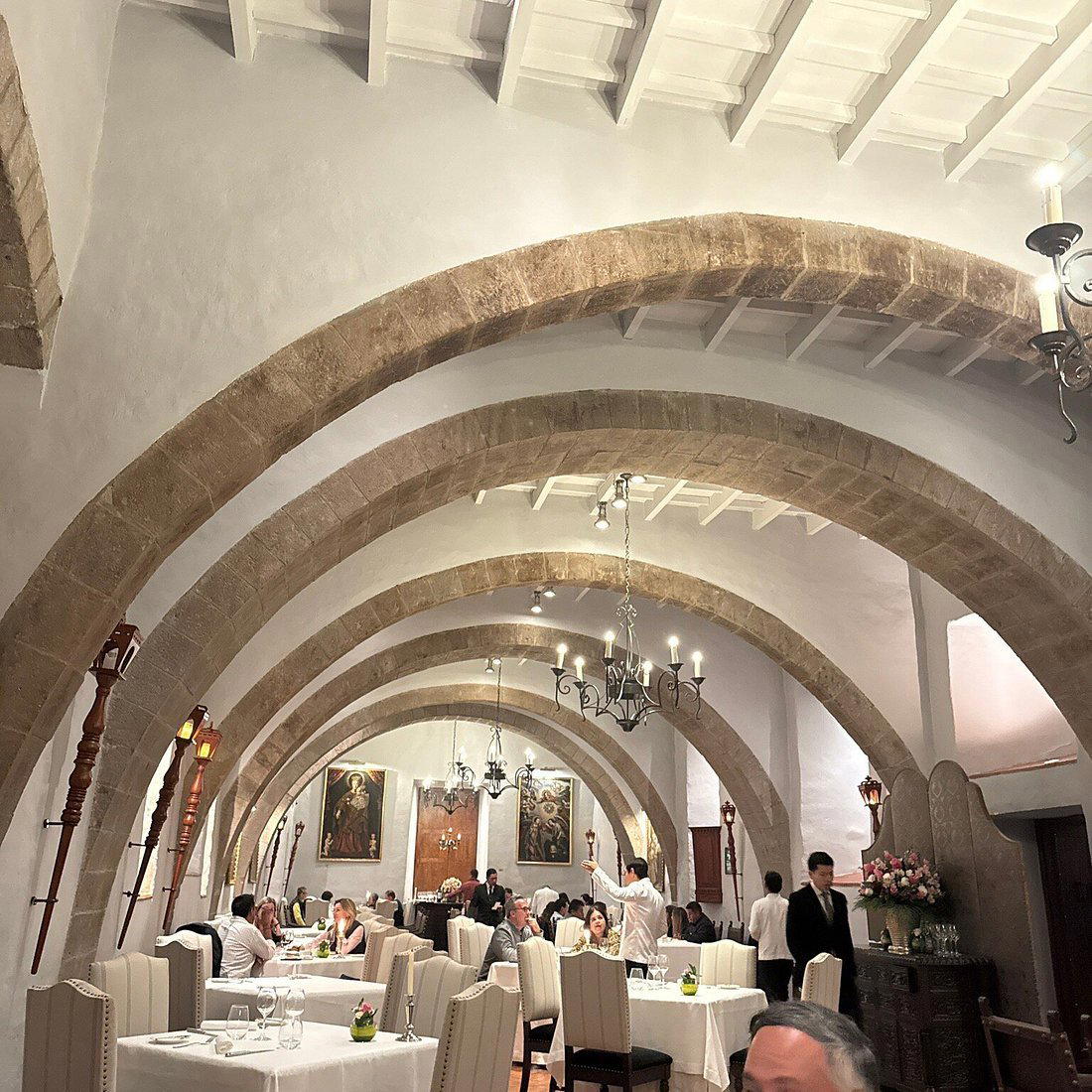
The Inti Raymi restaurant operates on an exclusive basis. A master sommelier curates the wine selection, and the restaurant's enclosed patio functions as a setting for dinner in a way that few hotel dining rooms in Cusco can match: the courtyard architecture dates from the viceregal period, and dining within it is categorically different from eating in a purpose-built restaurant space. The breakfast service runs buffet-style each morning, accompanied by a live harp player, which situates the meal inside a specific cultural register.
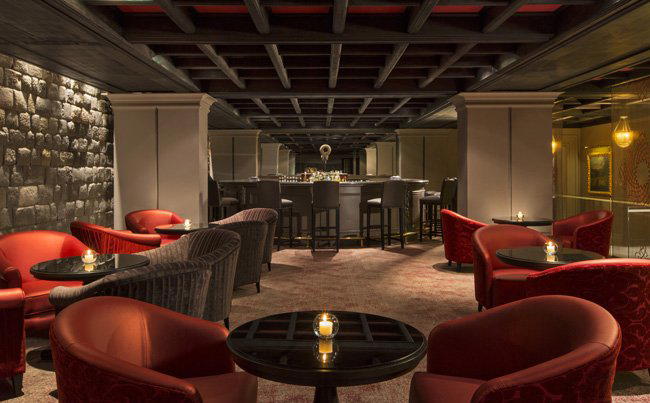
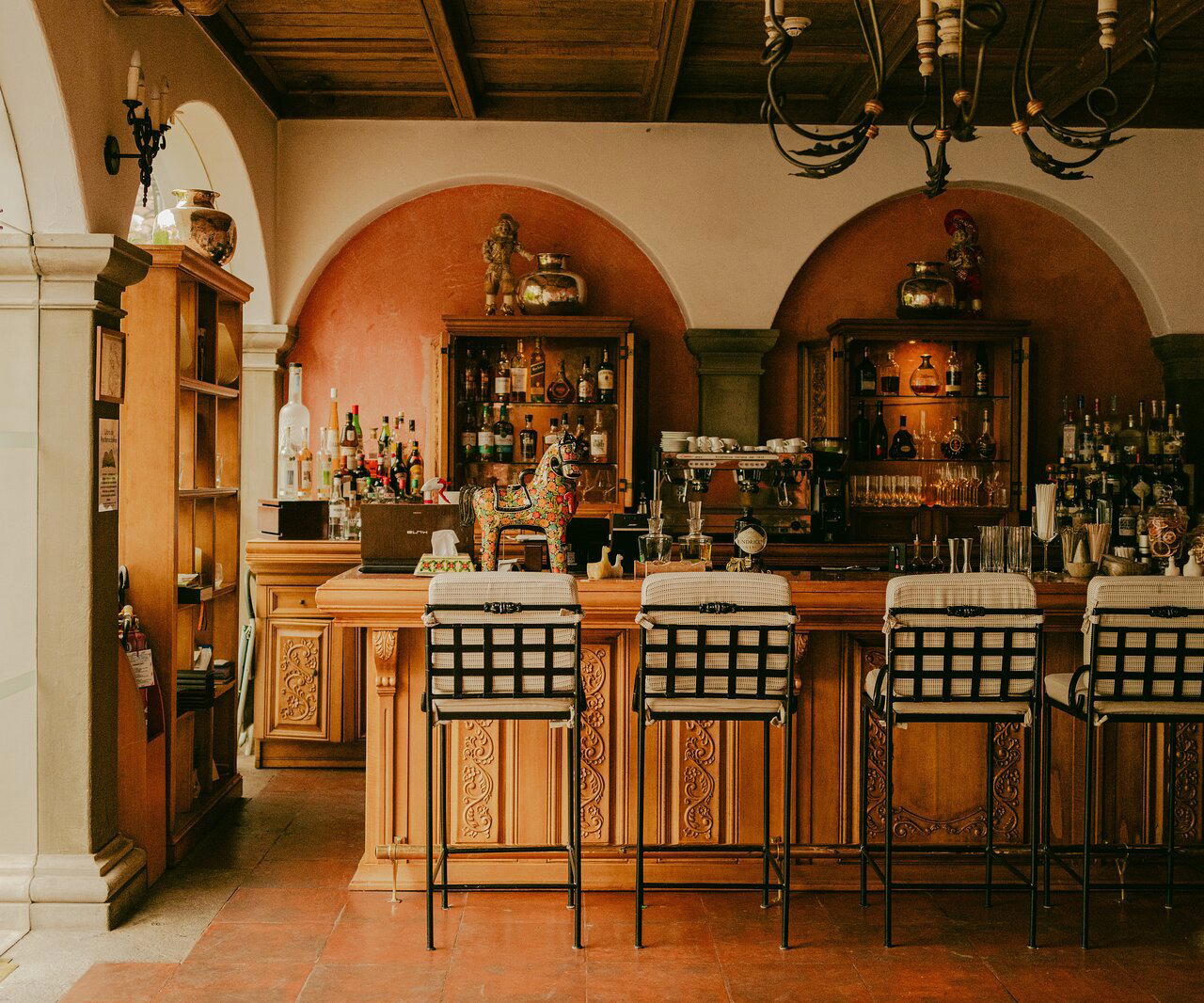
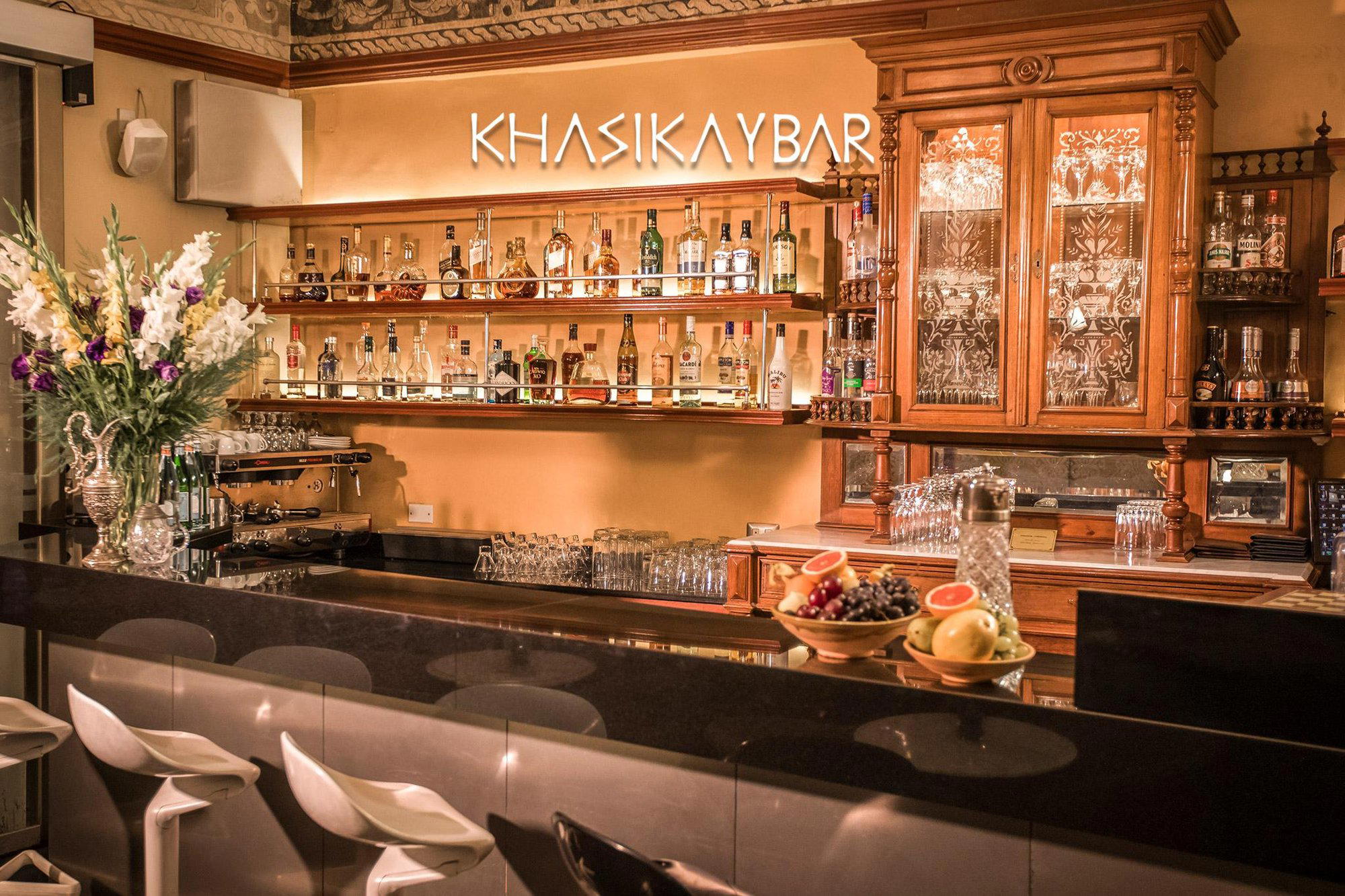
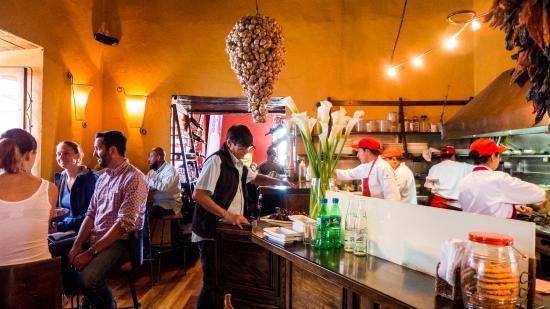
Rumi Bar provides a more informal setting for pisco sours and Andean-inflected drinks without the exclusivity restrictions of Inti Raymi. Pisco is Peru's national spirit, and Cusco's altitude means that alcohol affects visitors more rapidly than at sea level, a practical detail that matters for anyone building an itinerary around the city's historic sites. The hotel's event calendar extends to pisco sour-making sessions, which positions the bar as an educational space as much as a social one.
The Spa and the Thermal Circuit
Among Cusco's hotels, the spa at Palacio del Inka holds a singular operational distinction: the only hydrotherapy circuit in the city. Altitude acclimatisation is a practical concern for most visitors arriving from sea level, and thermal hydrotherapy is one of the approaches that can ease the adjustment. The spa's treatment menu is organised around water, with the hydrotherapy circuit as its structural anchor. For guests who have experienced similar facilities at properties like Tambo del Inka, a Luxury Collection Resort and Spa in the Sacred Valley, the Palacio del Inka spa offers a city-centre version of that recovery-oriented approach. Other amenities include a gym, indoor pool, and 24-hour room service, with babysitting services and meeting rooms available for guests with those requirements.
Location and Access
The property's position at Santo Domingo 259 places it across from the Qoricancha itself, within walking distance of the Plaza de Armas and the city's primary concentration of museums, markets, and restaurants. That proximity to the main square, combined with the altitude (Cusco sits at approximately 3,400 metres above sea level), means that the hotel functions as a practical base for acclimatisation as much as a destination in itself. Arriving visitors typically spend the first day resting, and the hotel's internal programming, including the afternoon art tour, the cultural events calendar, and the spa, is well-suited to low-exertion engagement during that initial period.
For travellers extending their Peru itinerary beyond Cusco, the city sits as a natural hub. Inkaterra Machu Picchu Pueblo Hotel and Sumaq Machu Picchu Hotel in Aguas Calientes are the standard onward moves for Machu Picchu access. Those considering the broader Sacred Valley circuit might also reference Willka T'ika Essential Wellness in Urubamba. For a northern Peru extension, Hotel Kuelap in Utcubamba covers the less-visited Chachapoyas region. Amazon departures typically route through Refugio Amazonas Lodge in Puerto Maldonado or, for river cruising, Delfin Amazon Cruises in Iquitos. Lima arrivals and departures frequently use Crowne Plaza Lima by IHG as a transit option, while Titilaka in Puno covers the Lake Titicaca leg.
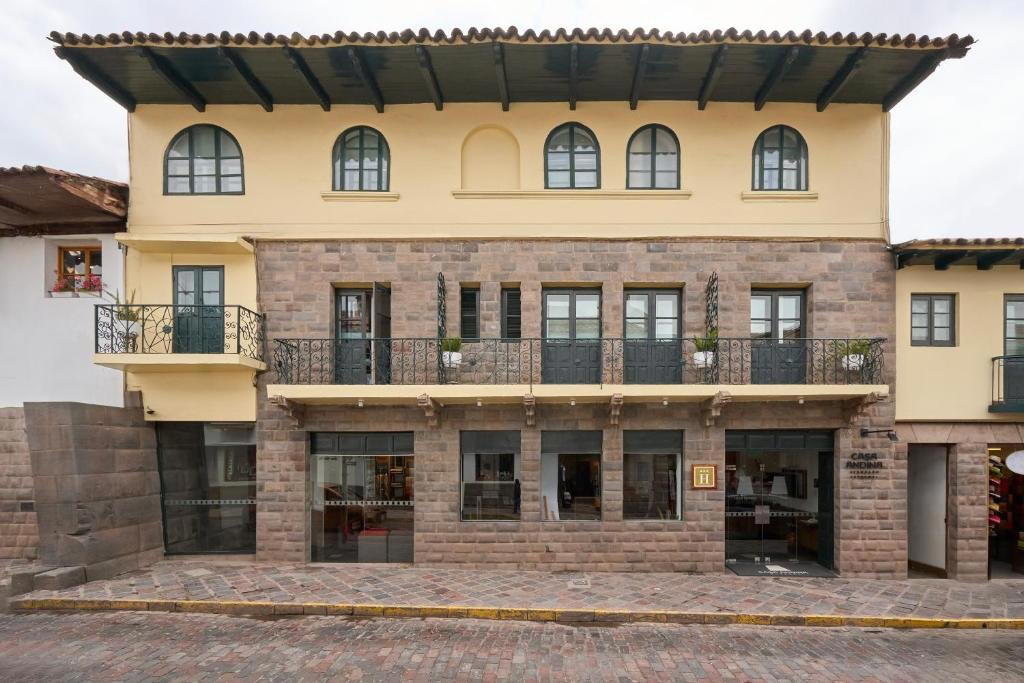
Within Cusco's own competitive set, the JW Marriott El Convento Cusco offers a comparable scale and chain-backed service standard inside another colonial conversion. The Aranwa Cusco Boutique Hotel operates at a smaller scale for those who prefer fewer rooms and a quieter atmosphere, while Casa Andina Standard Cusco Catedral addresses the mid-range bracket for cost-conscious itineraries.
Planning Your Stay
The Saturday art tour is a standing feature rather than a bookable add-on, which makes it accessible without advance planning for guests already in residence.
Peers Worth Knowing
Comparable venues nearby, for context on price, style, and recognition.
| Venue | Cuisine | Price | Notes |
|---|---|---|---|
| Palacio del Inka, a Luxury Collection HotelThis venue — the venue you are viewing | Restored 16th-century palace with ancient Andean-inspired decor and ornate modern amenities. | $$$$ | Not listed |
| Belmond Hotel Monasterio | Converted 16th-century monastery blending colonial grandeur with modern luxury | $$$$ | Cusco Historic Center |
| JW Marriott El Convento Cusco | Restored 16th-century convent blending historic architecture with contemporary luxury | $$$$ | Cusco Historic Center |
| Aranwa Cusco Boutique Hotel | Colonial mansion boutique hotel-museum with Inca heritage fusion | $$$$ | Cusco Historic Center |
| Casa Andina Standard Cusco Catedral | Traditional 3-star hotel in central Cusco with contemporary Peruvian design. | $$ | Centro Historico |
| Palacio Nazarenas | 17th-century restored palace and convent with modern indulgence | $$$$ | near main square |
Recognition history
Dated appearances from independent guides and award organizations, with the underlying list record or original source where available.
Forbes Recommended
Forbes
La Liste Top Hotels
La Liste
Virtuoso Luxury Hotel Partner
Virtuoso
Forbes Recommended
Forbes
Continue exploring
More in Cusco
Hotels in Cusco
Browse all →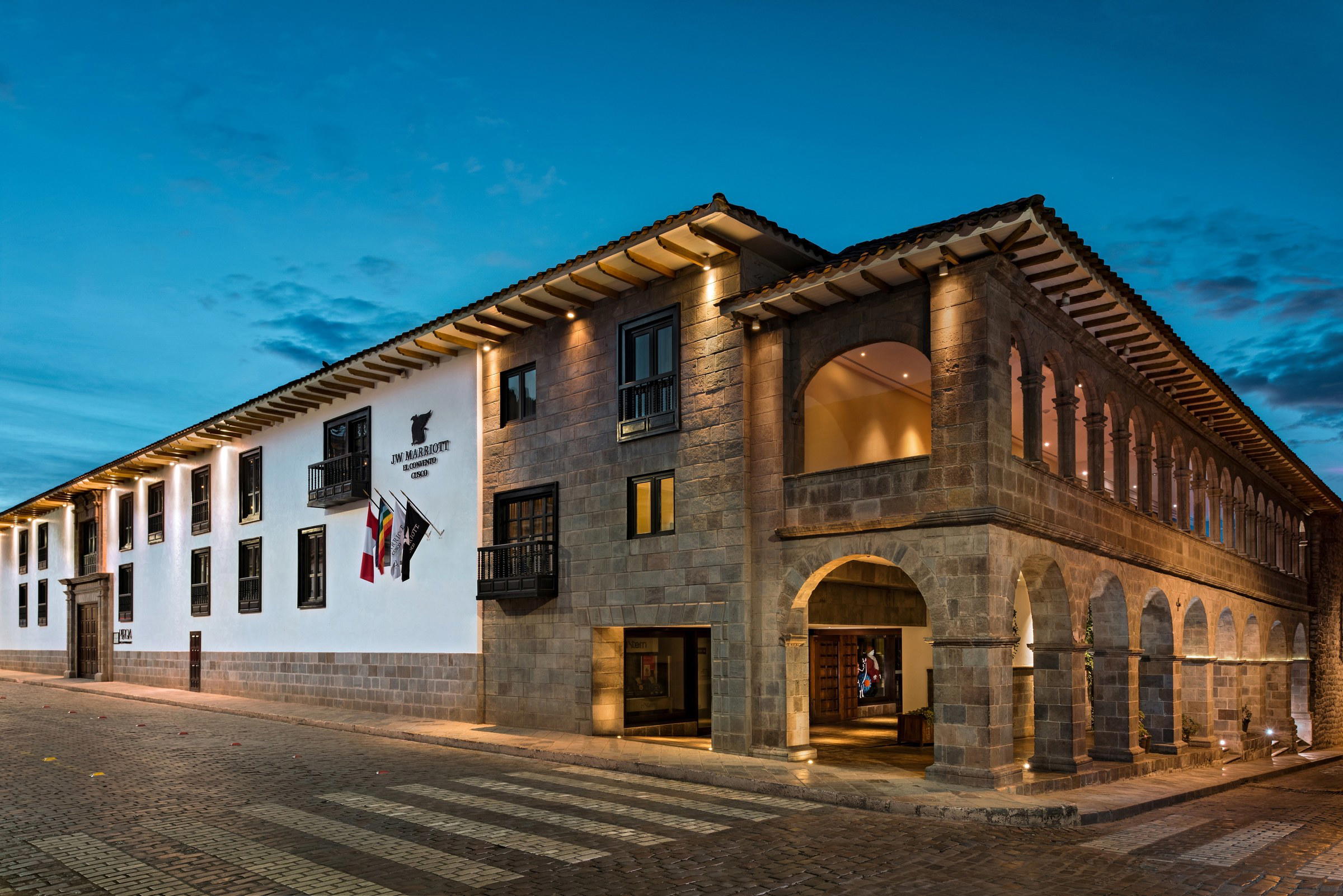
At a Glance
- Elegant
- Historic
- Sophisticated
- Ornate
- Honeymoon
- Romantic Getaway
- Anniversary
- Historic Building
- Terrace
- Spa
- Pool
- Fitness Center
- Room Service
- Concierge
- Restaurant
- Garden
- Sauna
- Business Center
- Mountain
- Spa
- Pool
- Fitness Center
- Room Service
- Concierge
- Restaurant
- Garden
- Sauna
- Business Center
Elegant colonial atmosphere with stone archways, gilded antiques, rich Peruvian color palettes, and a peaceful historic ambiance enhanced by soundproofed rooms.