
Named South America's Leading Boutique Hotel at the 2025 World Travel Awards, Casa Andina Premium Arequipa occupies a colonial-era address in the city's historic centre at Calle Ugarte 403. The property places itself within Arequipa's growing tier of architecturally considered boutique hotels, where sillar stone craftsmanship and centuries of civic design set a demanding visual standard for any accommodation that claims to belong.
Pearl is the En Primeur Club membership app — saves, bookings, and concierge access live there. Same editors, same standards.
- Address
- C. Ugarte 403, Arequipa 04001, Peru
- Phone
- +51 54 226891
- Website
- casa-andina.com
- Directions
- Get directions
 Saves & bookings on Pearl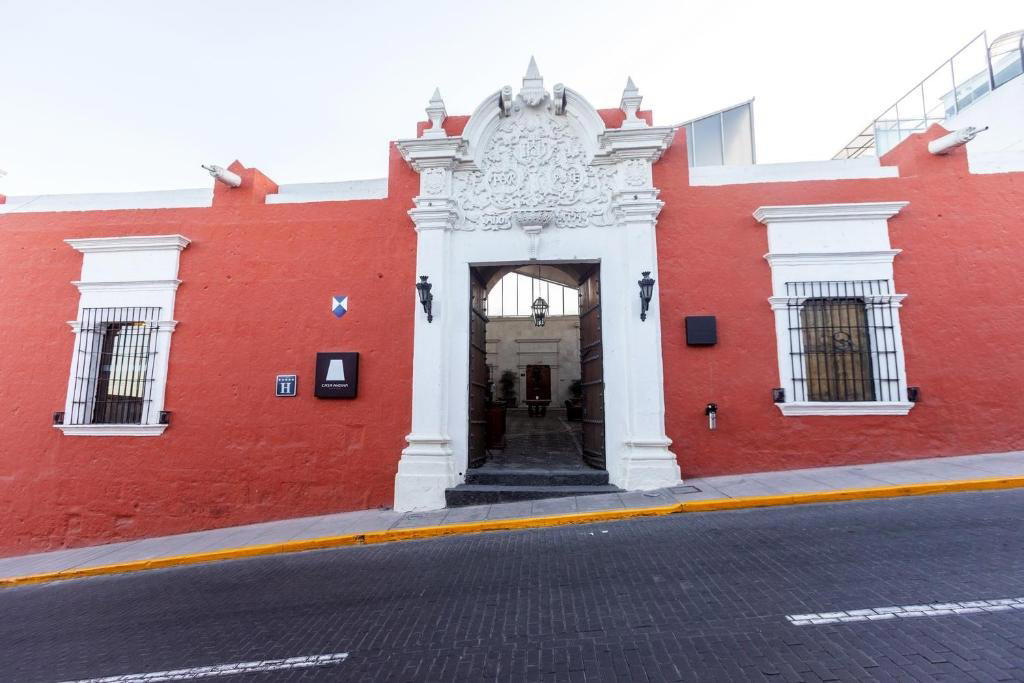
Where Sillar Stone Sets the Terms
Arequipa's architectural character is among the more consistent of any city in South America. The white volcanic stone known as sillar, quarried from the slopes of El Misti and worked into baroque facades, cloisters, and courtyard arcades across four centuries, gives the historic centre a visual coherence that cities with more complicated building histories rarely achieve. Any hotel that positions itself within that centre is immediately in conversation with that material legacy, whether it acknowledges the dialogue or not.
Casa Andina Premium Arequipa, at Calle Ugarte 403, acknowledges it directly. The address places the property inside the colonial grid, within walking distance of the Plaza de Armas and the Cathedral, in the zone where sillar-fronted buildings set the visual register. For a hotel operating in the boutique tier, that location is both an asset and an obligation: the physical surroundings raise expectations that interior design either meets or fails against.
South America's Leading Boutique Hotel, 2025
The World Travel Awards named Casa Andina Premium Arequipa South America's Leading Boutique Hotel for 2025. That category is competitive across a continent where boutique hospitality has grown substantially over the past decade, particularly in heritage cities like Cartagena, Buenos Aires, and Cusco. Within Peru alone, the boutique segment has attracted significant investment, and Arequipa has emerged as one of its stronger nodes, drawing properties that treat the colonial fabric as a design condition rather than a backdrop.
Among Arequipa's boutique options, the comparison set is worth mapping. CIRQA occupies the other prominent position in the city's design-led tier, and the two properties collectively define what premium boutique means in this market. Further afield, Las Casitas, A Belmond Hotel, Colca Canyon represents the remote-luxury variant of the same region, pitched at guests who want the Colca experience at a different scale and price point. Casa Andina Premium's World Travel Awards recognition positions it at the summit of the urban category specifically, which is a different competitive frame from the canyon lodges.
The Architecture as Argument
Colonial Arequipa was built to impress at street level. The sillar facades, the carved doorframes, the interior patios opening from narrow entrances: the city's architecture operates through a rhythm of containment and reveal that is quite different from the open-plan resort logic of coastal or jungle properties. A boutique hotel that works with this grammar rather than against it tends to operate through similar contrasts, presenting a composed street face and opening into courtyard spaces that carry the principal social and atmospheric weight.
This approach has analogies in heritage hotel design across the region. In Cusco, Palacio Nazarenas uses a former convent's cloister as its organizing space, and the logic of that containment-and-reveal sequence is central to how the property feels. In Arequipa, the sillar tradition demands a similar sensitivity, and properties that treat their colonial shells seriously tend to read as more coherent, not just more atmospheric.
Globally, the question of how a luxury hotel mediates between historic fabric and contemporary comfort is answered in different ways. At one end, properties like Castello di Reschio in Lisciano Niccone or Aman Venice treat preservation as the primary design act, with modern interventions held to a minimum. At the other end, properties in new construction overlay heritage aesthetics onto entirely modern structures. Particularly interesting boutique hotels in cities like Arequipa tend to occupy the middle position: genuine historic buildings, carefully adapted, where the tension between old fabric and current-use requirements is resolved through considered material choices rather than concealment.
Arequipa's Position in Peru's Premium Hotel Circuit
Peru's premium travel circuit has historically concentrated on three nodes: Lima (entry and exit, plus its own dining and cultural offer), Cusco (the Sacred Valley and Machu Picchu corridor), and Puno (Lake Titicaca, anchored by properties like Titilaka). Arequipa sits on the circuit as a fourth node, gaining traction as travellers extend their itineraries to include the Colca Canyon and the city's own considerable merits: the food scene, the architectural centre, and the access point for the canyon.
Boutique hotels in Arequipa's historic centre serve a different guest profile from the Machu Picchu lodges. The Inkaterra Machu Picchu Pueblo Hotel or the Sumaq Machu Picchu Hotel in Aguas Calientes operate in a context where proximity to the site is the primary driver of choice. In Arequipa, the city itself is the attraction, and a hotel's design, location within the colonial grid, and relationship to the local food and culture scene carry proportionally more weight in the decision.
For guests building wider Peru itineraries, the city pairs naturally with the canyon region, and the combination of an urban base in Arequipa with a canyon lodge like Las Casitas has become a recognizable pattern among the more architecturally and gastronomically engaged traveller segment. For those extending further into the Amazon basin, properties like Refugio Amazonas Lodge in Puerto Maldonado or Delfin Amazon Cruises in Iquitos represent the other geographic pole of Peruvian premium travel.
Planning Your Stay
Casa Andina Premium Arequipa sits at Calle Ugarte 403 in Arequipa's historic centre, the address putting it within the walkable core of a city that rewards pedestrian exploration. Arequipa operates at altitude (roughly 2,300 metres), which is considerably lower than Cusco and generally less of an acclimatisation concern, though travellers arriving from sea level should allow a day of adjustment before canyon excursions. The city's high season aligns with the dry months from May through October, when conditions for canyon trekking and city sightseeing are most consistent; the shoulder months bring fewer visitors and, in some years, more atmospheric light.
Comparison Snapshot
Comparable venues nearby, for context on price, style, and recognition.
| Venue | Cuisine | Price | Awards | Notes |
|---|---|---|---|---|
| Casa Andina Premium ArequipaThis venue — the venue you are viewing | Colonial heritage hotel in historic landmark building | $$$ | 4-Star | Not listed |
| Cirqa | Converted 16th-century monastery blending historic architecture with contemporary luxury | $$$$ | 5-Star | Historic Center |
| Las Casitas, A Belmond Hotel | individual casitas blending with natural Andean environment | $$$$ | 5-Star | Yanque |
| Las Casitas, A Belmond Hotel, Colca Canyon | Secluded casita estate blending rustic authenticity with rich luxury in Colca Canyon. | $$$$ | 5-Star | Yanque, Colca Canyon |
| CIRQA | Historic former monastery revived as a luxury parador | $$$$ | Michelin 2 Key | Historical Center |
| explora Valle Sagrado | Hacienda-style lodge with contemporary Andean design integrated into Inca terraces | $$$$ | 5-Star | Huayllabamba |
Recognition history
Dated appearances from independent guides and award organizations, with the underlying list record or original source where available.
World Travel Awards
World Travel Awards
Continue exploring
More in Arequipa
Hotels in Arequipa
Browse all →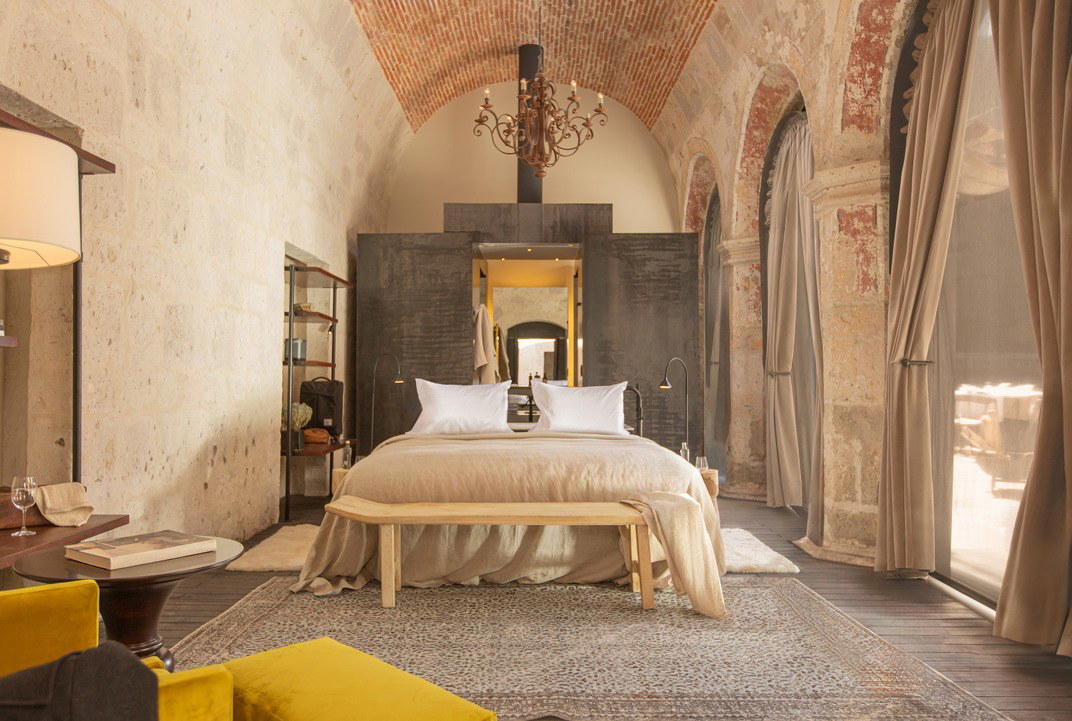
At a Glance
- Historic
- Elegant
- Cozy
- Romantic Getaway
- Business Trip
- Weekend Escape
- Historic Building
- Terrace
- Wi Fi
- Pool
- Spa
- Room Service
- Concierge
- Business Center
- Laundry Service
- Massage
- Wi Fi
- Pool
- Spa
- Room Service
- Concierge
- Business Center
- Laundry Service
- Massage
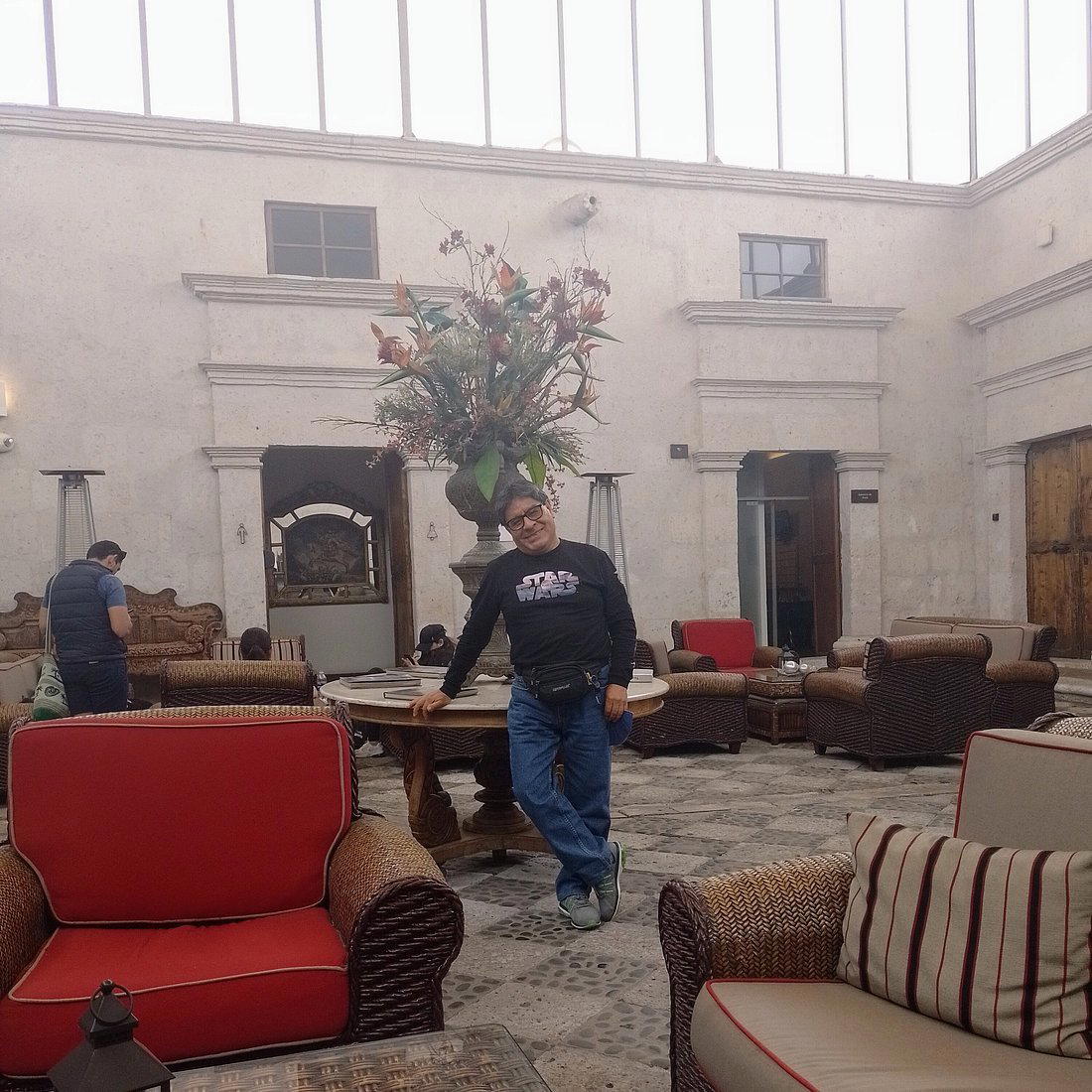
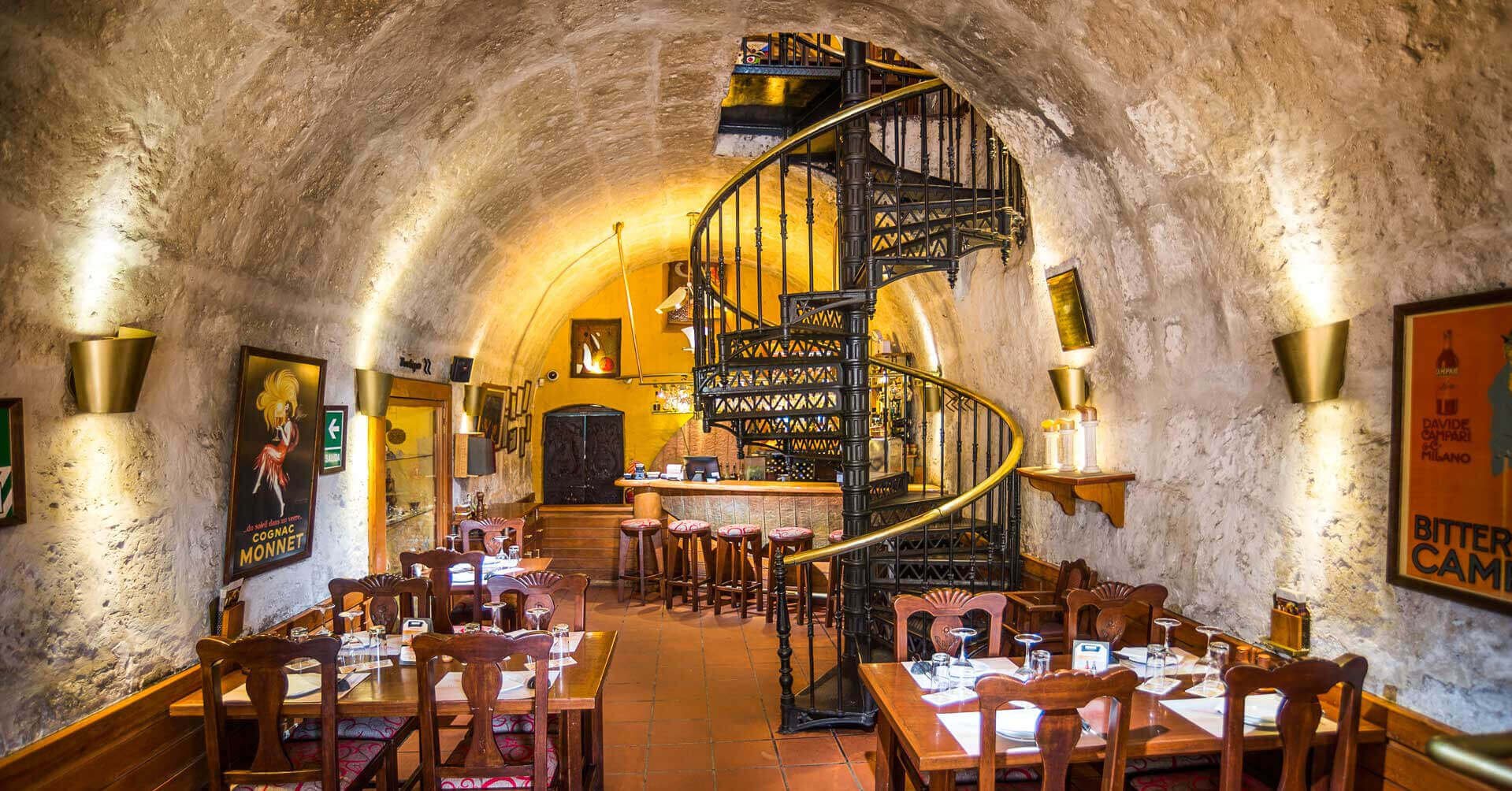
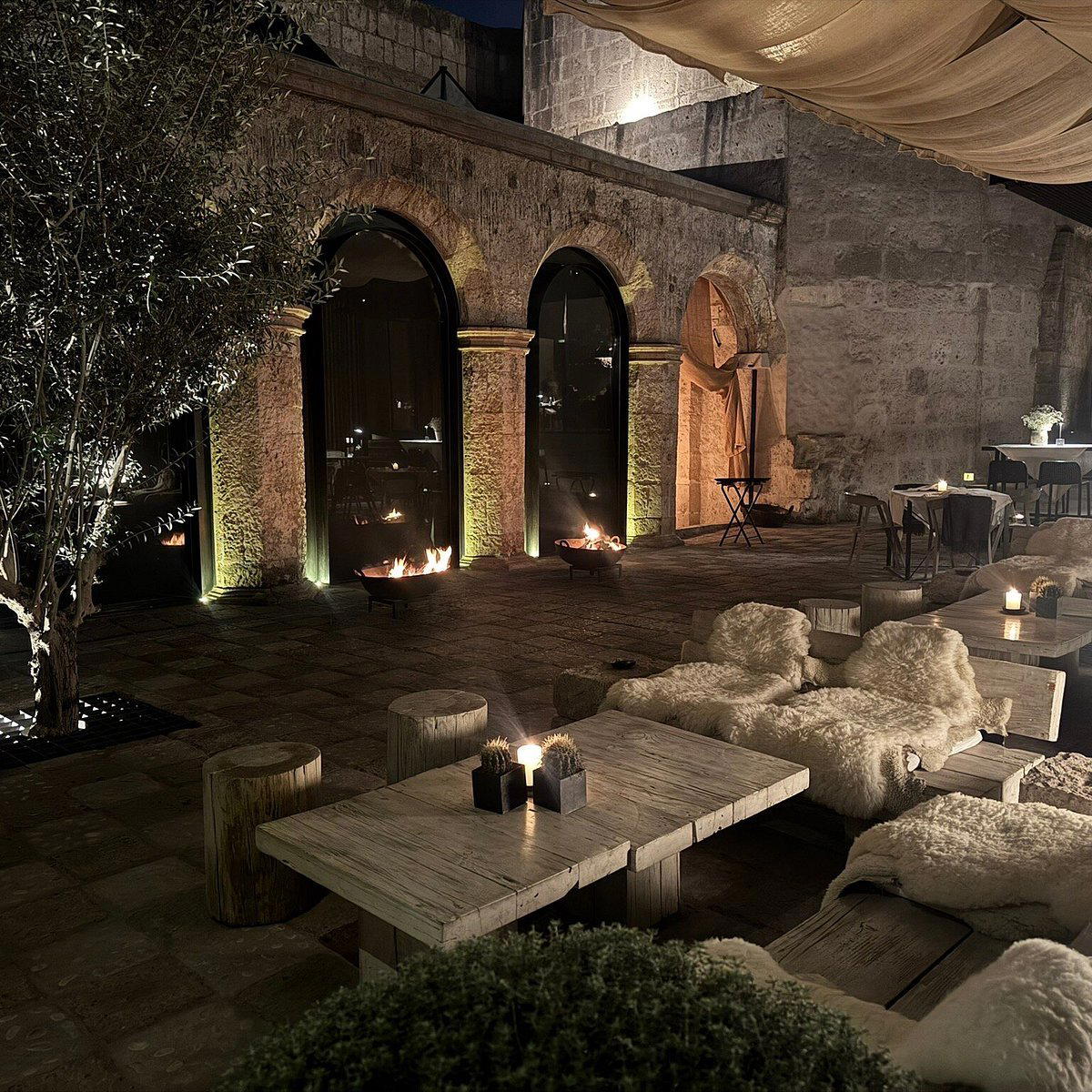
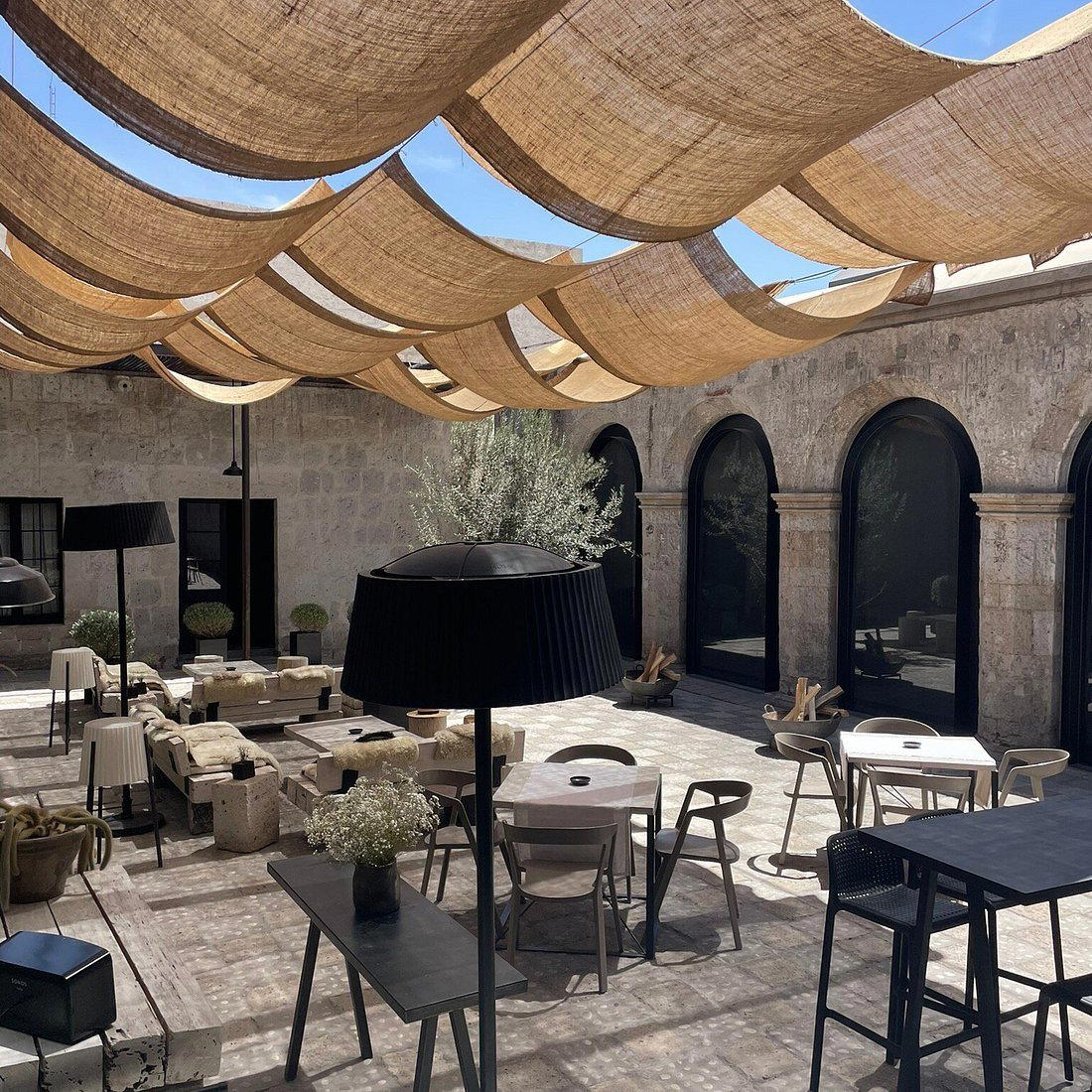
Charming courtyard atmosphere with stone walls, antiques, natural light, and fresh mountain air.