Bar Merced sits on the first floor at Merced 294, placing it in one of Santiago’s central nightlife corridors rather than in a hotel-lobby bubble. With, it reads less as a trophy address and more as a city-centre bar to assess by setting, crowd, and the discipline of the drinks in the glass.

Pearl is the En Primeur Club membership app — saves, bookings, and concierge access live there. Same editors, same standards.
- Address
- Merced 294, 8320128 Santiago, Región Metropolitana (first floor)
- Directions
- Get directions
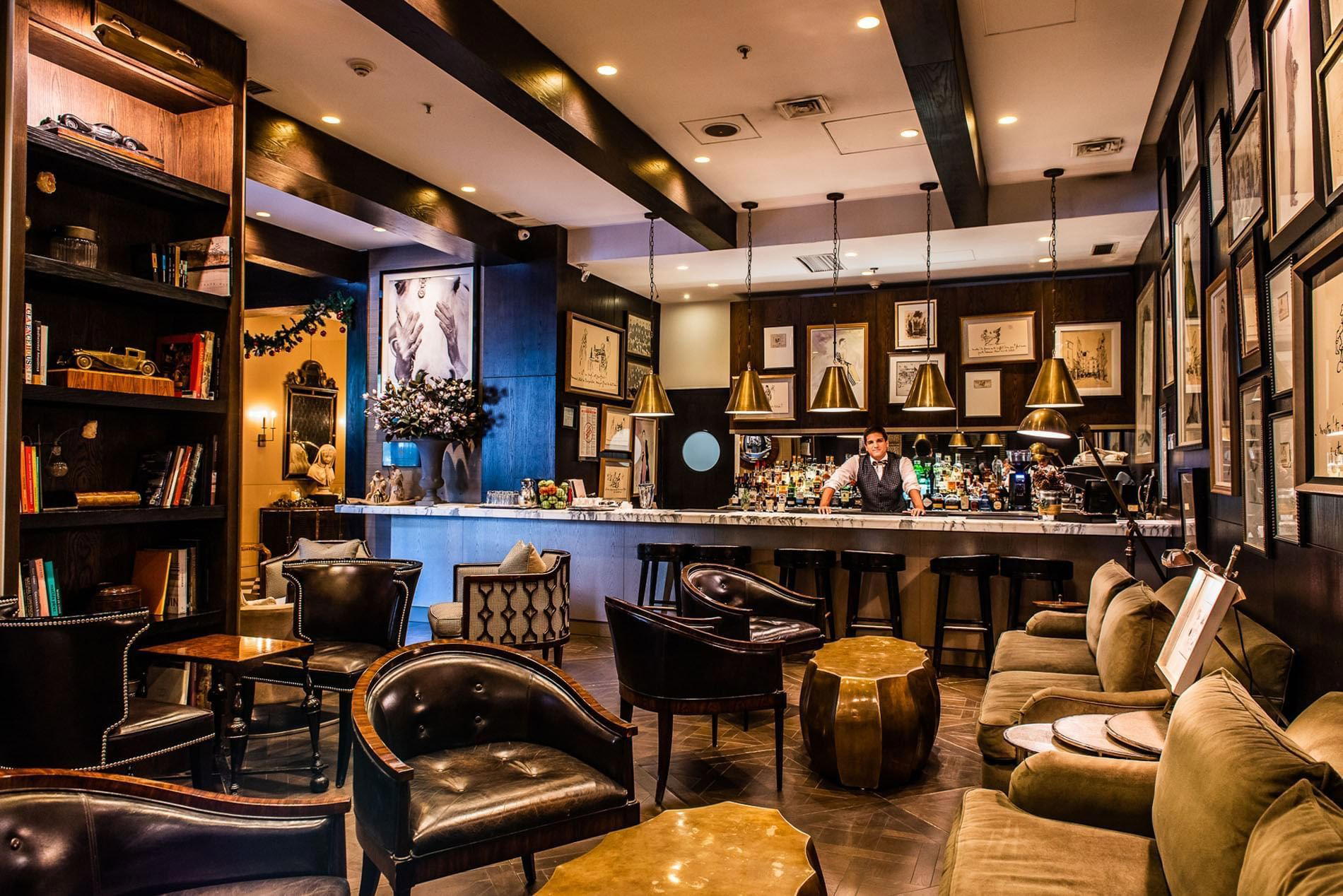
First-floor drinking in central Santiago
Merced is one of those Santiago streets where the city changes register quickly: office-day traffic gives way to evening footfall, and the centre’s practical grid starts to feel more social than administrative. A first-floor address matters in this context. Street-level bars in central districts often sell themselves through visibility; upstairs rooms rely more on intention, repeat custom, and the confidence of a crowd that has already chosen to come inside. Bar Merced, listed at Merced 294 on the first floor, belongs to that second category of city drinking: not a resort bar, not a hotel bar, not a suburban terrace, but an urban room whose value is tied to how Santiago drinks after dark.
The Santiago cocktail scene has matured beyond a simple divide between pisco sour tradition and imported speakeasy theatre. The more interesting question now is whether a bar can treat Chilean drinking culture as a living vocabulary rather than a postcard. Pisco remains the national reference point, of course, and Chile’s wine economy gives bartenders a deep backbench of vermouth, fortified wine, sparkling wine, and aperitif logic to work with. Yet central Santiago also rewards directness. A bar here has to serve people who may arrive after work, before dinner, after dinner, or as the entire night’s plan. That demands a programme with range: short drinks, long drinks, lower-alcohol options, and enough technical control that the room does not collapse into mere volume.
That absence shapes the editorial reading. This is not a page built around medals, a celebrity bar lead, or a named tasting format. It is a bar to judge through category and context: first-floor central address, Santiago drinking culture, and the reader’s appetite for a less scripted night than the ones found in internationally badged hotel lounges. For a broader map of the city’s drinking options, Our full Santiago bars guide gives the wider comparison set.
The cocktail programme question
In cities with serious bar cultures, the cocktail list reveals the venue’s intent faster than the decor. A bar that leads with familiar classics is making a different promise from one that foregrounds clarification, ferments, house infusions, or Chilean produce. Without a verified drink list, no specific serve should be invented here. The useful lens is instead methodological: in Santiago, a credible cocktail programme has to decide how it relates to three forces, pisco, wine, and global technique. Ignore pisco entirely and the room can feel transplanted. Lean on it lazily and the list becomes tourist shorthand. Use it with discipline and the drinks can place the city in the glass without turning local identity into costume.
The same applies to wine-country influence. Chile is not just a pisco country with a restaurant scene attached; it is a wine country where bartenders can think in terms of acidity, tannin, fruit maturity, oxidative notes, and aperitif structure. This gives Santiago bars an advantage when they avoid sugary excess. A well-built sour, highball, spritz, cobbler, or stirred drink can take cues from the country’s agricultural confidence without announcing a theme. The better local programmes tend to be legible rather than cryptic: the guest should understand why a Chilean base, a bittering agent, citrus, herbal element, or fortified component belongs together.
That is the standard by which Bar Merced should be assessed. The address and format point toward a night out rather than a laboratory tasting. The relevant question is not whether the bar has a manifesto; the relevant question is whether the drinks show balance, pacing, and a sense of place. In Santiago’s current bar culture, technical ambition has to survive ordinary use. A cocktail can be precise at 8 p.m. and inconsistent at midnight; a strong programme holds its shape across both moments.
Where it sits in Santiago's bar map
Santiago’s nightlife is spread across distinct zones, and each produces a different kind of bar. Bellavista has long carried the reputation for late-night density and student-to-tourist energy. Lastarria and the civic centre have a more walkable, pre- and post-dinner rhythm. Providencia and Vitacura pull in polished restaurants, hotel bars, and higher-spend drinking. A Merced address places the venue closer to the centre’s cultural and social traffic than to the polished eastern-sector circuit. That matters because the expectation changes: the room should make sense for an evening that may include galleries, restaurants, live music, or a second stop rather than a single destination planned weeks ahead.
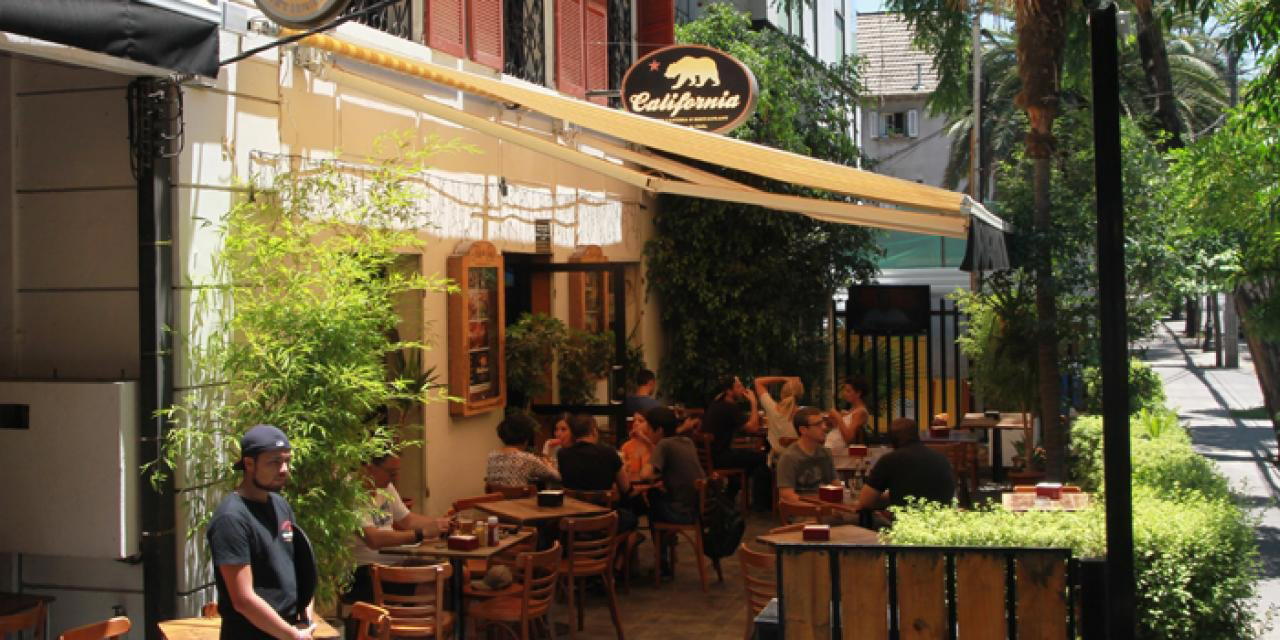
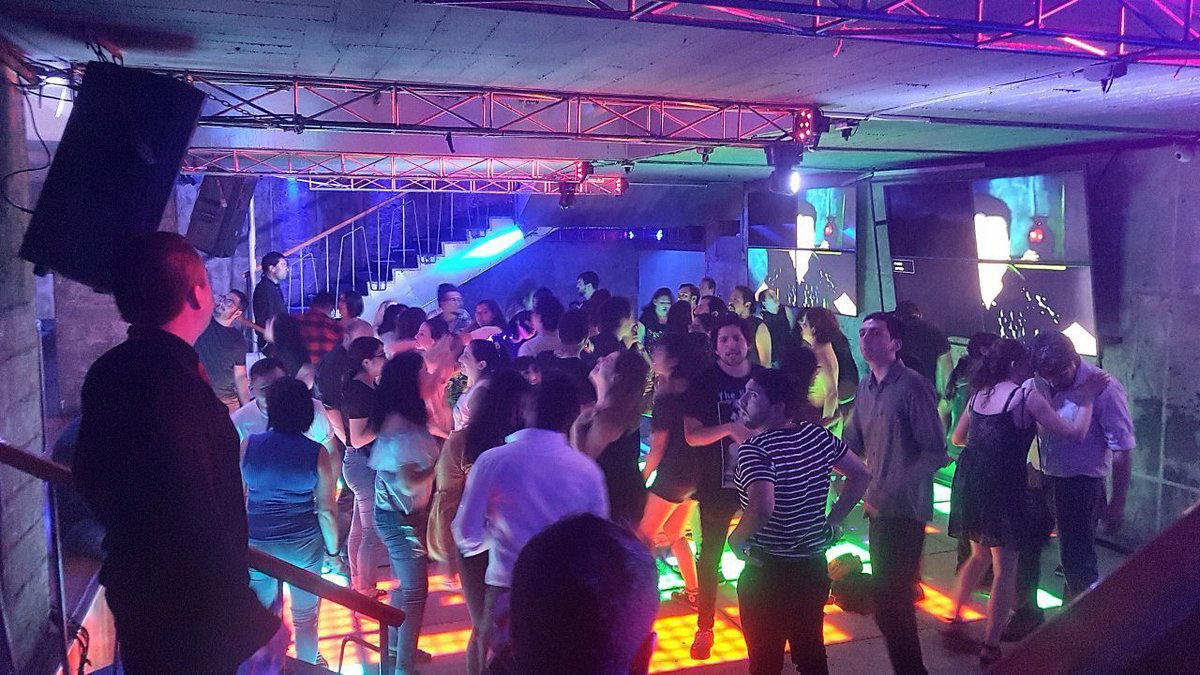
Peer comparison helps here. A venue such as Blondie belongs to a different Santiago night, one shaped by club culture and music identity. California Cantina points toward the international sports-bar and casual expat register. Siam Thai suggests a food-linked bar decision, where the drinking is connected to a broader restaurant format. The Box Stgo sits in another part of the city’s social spectrum. Against that mix, Bar Merced’s central first-floor positioning makes it useful for readers looking at Santiago through neighbourhood flow rather than venue hierarchy.
The lack of listed awards should not be read automatically as a weakness. Awards can signal international scrutiny, but they also skew toward bars with active publicity, English-language visibility, or competition networks. Many city bars build their value through repeat local use rather than global ranking systems. Still, absence of awards changes the level of certainty. EP Club can point to the address and category with confidence; it cannot claim an acclaimed programme, named bartender, or ranked status from the available record. That distinction is important for travellers deciding between a recognition-led cocktail bar and a more exploratory city-centre stop.
Atmosphere over theatre
The first-floor detail gives the strongest clue about the experience. Upstairs bars often create a small threshold: the guest leaves the street, climbs or enters a shared building environment, and arrives in a room set slightly apart from the traffic below. In Santiago, where street noise, protests, commuters, vendors, and late-night movement can all shape the centre, that small vertical move can alter the mood of the night. It does not need theatrical secrecy. It simply creates separation.
That separation is often where cocktail bars find their rhythm. Conversation matters more when the room is not just a pass-through. Lighting, music, bar spacing, and the pace of service determine whether a venue becomes a quick drink or a longer session. For readers who prefer grand hotel service and highly managed environments, Santiago and Chile offer other categories. For instance, Our full Santiago hotels guide is the better starting point for stays where the bar is part of a lodging decision.
Central bars also depend on timing. Early evening in Santiago often favours aperitif drinking and a more conversational pace; later hours can shift the room toward social density. Since verified hours are not available, travellers should confirm opening times through current local listings or direct channels before building an evening around the address. That is especially relevant in Santiago, where public holidays, private events, and neighbourhood rhythms can affect operating patterns.
How to read the drinks without a published list
When a bar does not have a verified menu in the available record, the smart approach is to read structure rather than chase a named drink. A balanced list usually offers several anchors: a citrus-led option, a stirred spirit-forward option, a sparkling or highball route, something lower in alcohol, and at least one drink that signals the bar’s relationship with local ingredients. In Chile, that local signal may come through pisco, wine, fruit, herbs, bitter components, or an aperitif template rather than through a literal national flag planted in the garnish.
Technique should be visible in outcomes, not jargon. Clarification, fat-washing, infusions, and house ferments only matter when they improve texture, aroma, stability, or length. Santiago’s more serious cocktail rooms have access to the same global playbook as New York, London, Mexico City, and Buenos Aires; the difference is whether they translate that language into local habits. A drink should make sense in the heat of summer, during a cold Andean winter evening, before a long dinner, or after grilled meat and wine. The city’s geography pushes bartenders toward freshness and structure: dry air, high daytime sun, cool evenings, and a dining culture that often runs later than visitors expect.
For travellers comparing hemispheres, Café La Trova in Miami shows how a bar can turn cultural memory and performance into a drinks-led room, while Chilean bars often carry their identity more quietly through base spirits and produce. Beyond Santiago, Bar Puri in San Pedro de Atacama points toward a different Chilean setting, where desert context changes the expectations around mood and pacing. The Singular Patagonia, Puerto Bories Hotel in Puerto Natales belongs to the hotel-bar and destination-lodge tradition. These comparisons matter because Chile is not a single drinking scene; it is a set of regional contexts with different relationships to climate, tourism, and local ritual.
Food, dinner planning, and the surrounding night
No cuisine type or food programme is listed in the available record, so Bar Merced should not be treated as a dinner recommendation without current confirmation. That does not make the address less useful. Many cocktail-first nights work better when the bar is placed before or after a meal rather than asked to carry the entire evening. The Merced location makes sense for travellers who are already planning to move through central Santiago and want a drinks stop that is not detached from the street life of the city.
Food planning in Santiago benefits from neighbourhood logic. The city’s restaurant culture spans old lunch rooms, Peruvian-Chilean dining, contemporary tasting formats, parrilla, seafood, wine-led rooms, and cafés that function as social infrastructure. A central bar can work as a hinge between those categories. Readers building a full evening should cross-check restaurant choices through Our full Santiago restaurants guide, then decide whether the bar belongs before dinner as an aperitif stop or after dinner as a slower second act.
Wine-focused travellers should also resist treating cocktails and wine as separate itineraries. In Chile, the two categories often overlap through grape culture, acidity, aperitif tradition, and the country’s export-facing beverage identity. For vineyard context around the capital, Our full Santiago wineries guide helps place the city’s drinking habits against the surrounding wine regions. For hosted cultural formats beyond bars and restaurants, Our full Santiago experiences guide gives another layer of planning.
Planning notes for Bar Merced
The verified address is Merced 294, 8320128 Santiago, Región Metropolitana, first floor. That means practical planning should be conservative: confirm current hours before going, avoid assuming reservations are possible, and treat published third-party listings as time-sensitive rather than definitive. In central Santiago, that extra check is not bureaucracy; it is the difference between a clean evening and a wasted transfer.
Dress expectations should follow the venue category and neighbourhood rather than an invented rule. Smart casual clothing will usually travel better across Santiago cocktail bars than beachwear or formalwear, particularly when dinner may be part of the same night. Payment and price details are not listed, so visitors should avoid arriving with a rigid spending assumption. If a bar has no public price signal in the record, the safest editorial advice is to review the menu on arrival and decide whether to stay for one round or settle in.
The stronger reason to go is situational. A traveller already in central Santiago, interested in the city’s contemporary bar culture, and comfortable assessing a room on the night will understand the appeal. A traveller who wants a documented award pedigree, a named bartender, a confirmed reservation channel, and a published signature-drink list should choose from venues with more transparent public data. Bar Merced is better framed as a city-centre cocktail stop than as a trophy booking.
Continue exploring
More in Santiago
Bars in Santiago
Browse all →
Restaurants in Santiago
Browse all →
Hotels in Santiago
Browse all →

Details
- Cozy
- Elegant
- Sophisticated
- Intimate
- Date Night
- After Work
- Casual Hangout
- Solo
- Hotel Bar
- Design Destination
- Seated Bar
- Lounge Seating
- Classic Cocktails
- Craft Cocktails
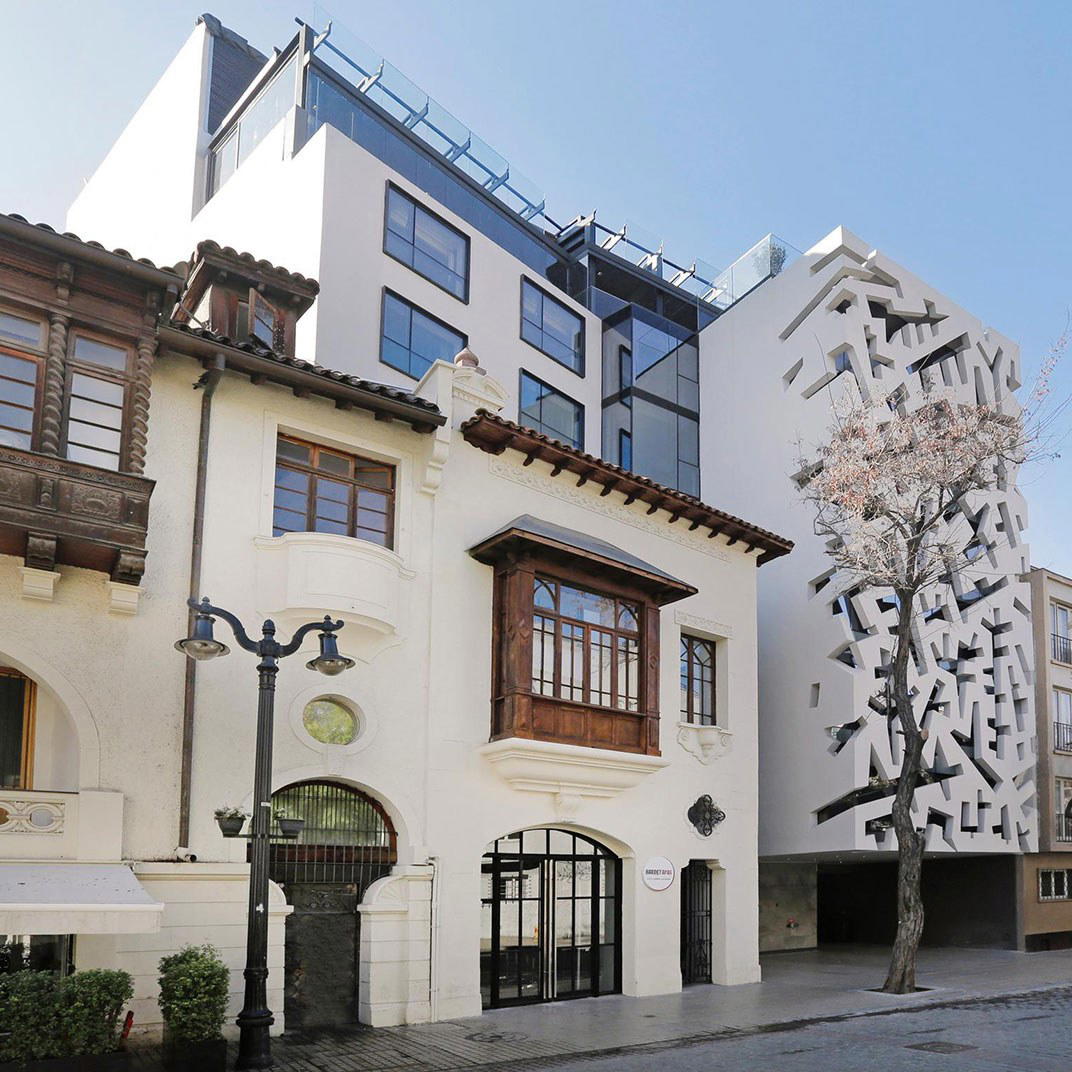
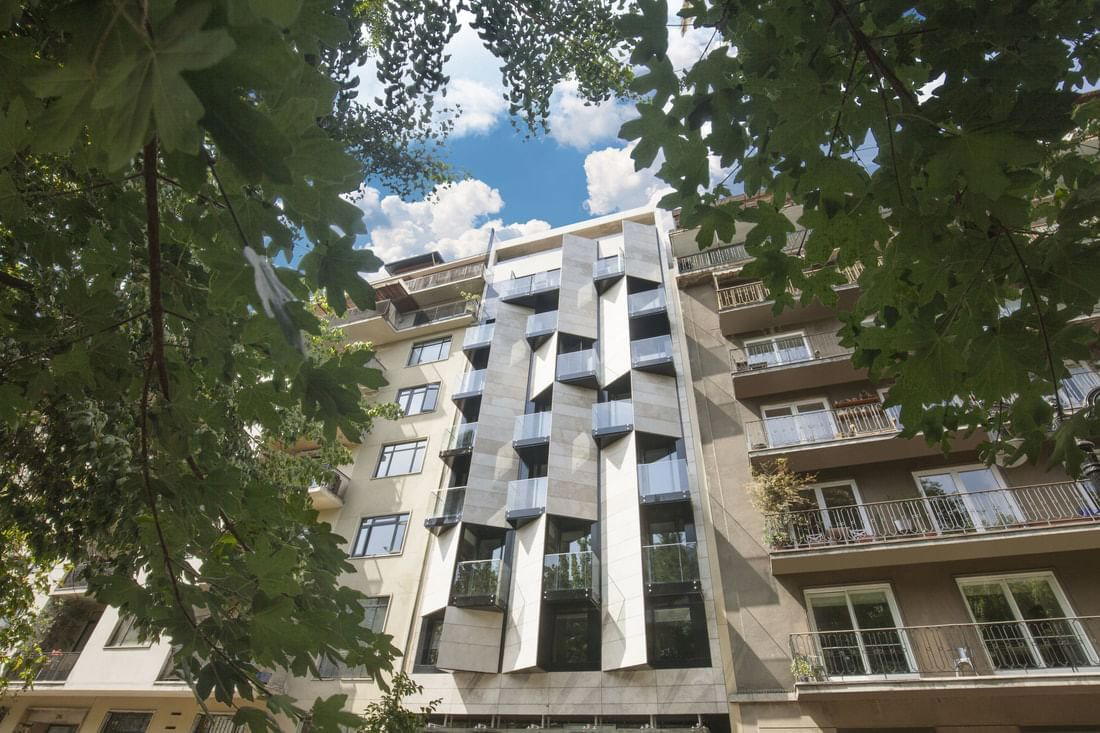
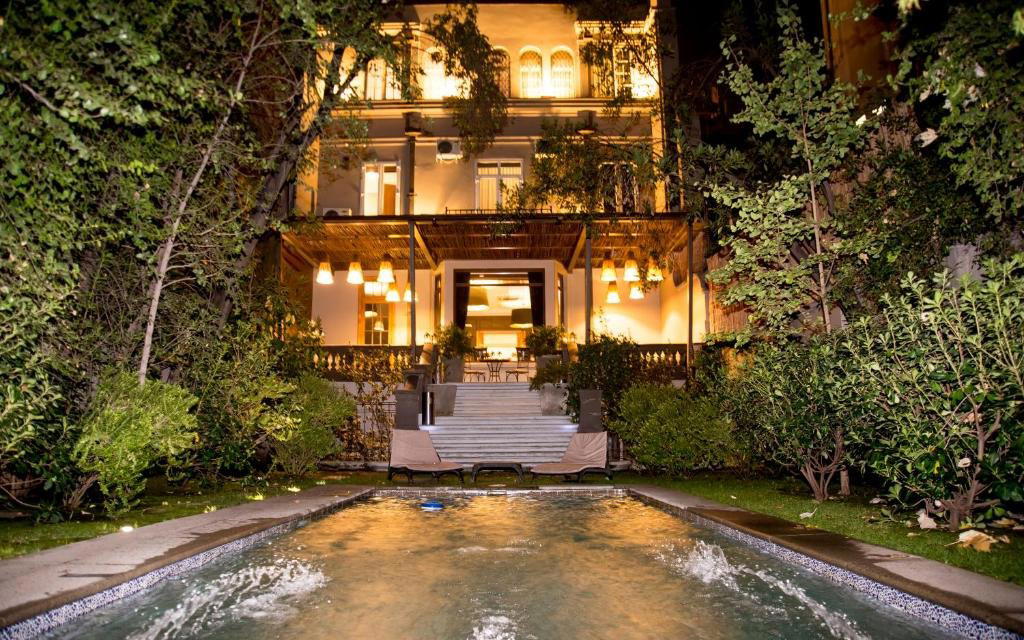
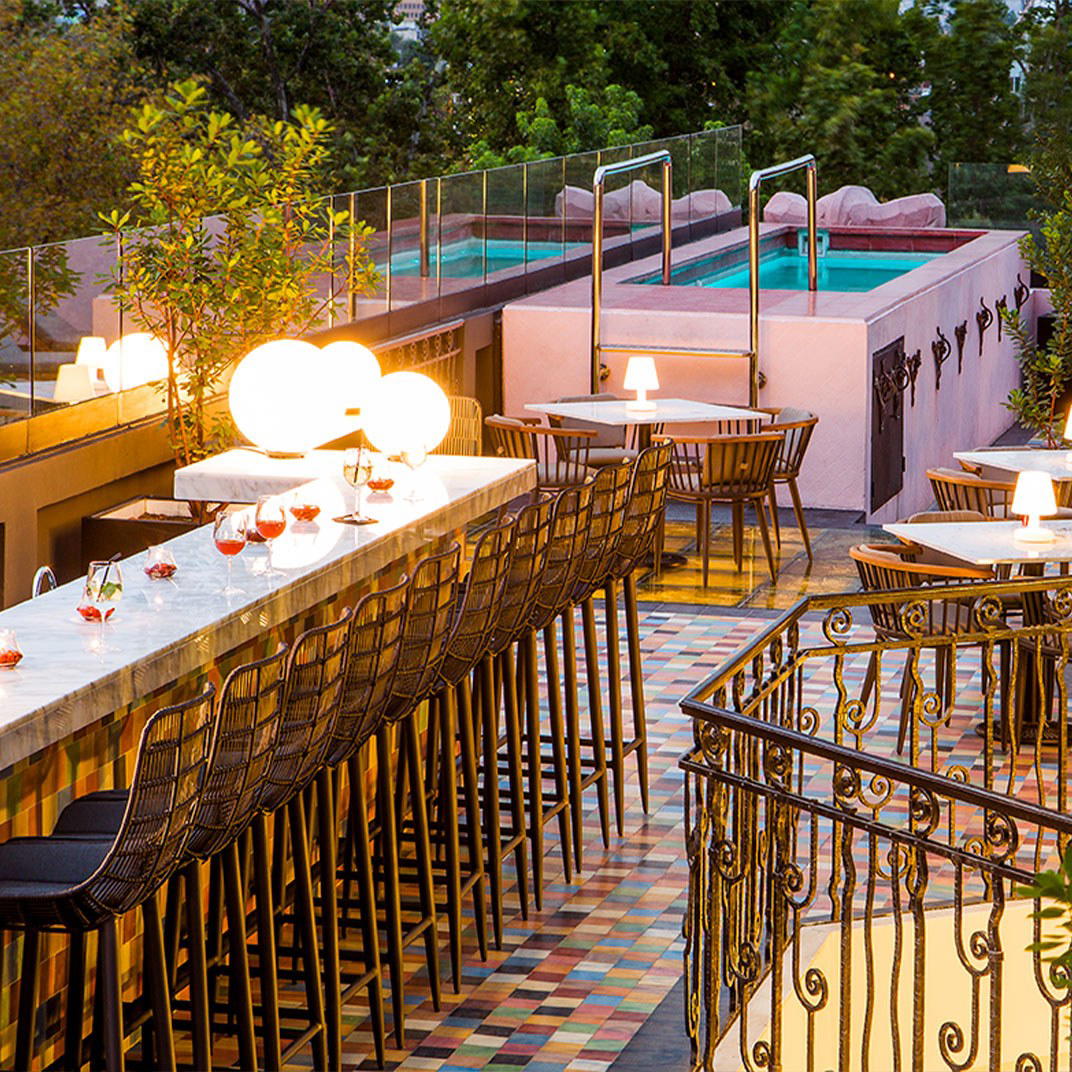
Cozy lounge-style bar on the first floor of The Singular Santiago, with comfortable seating, soft lighting and a calm, refined atmosphere suited to quiet drinks and conversation.