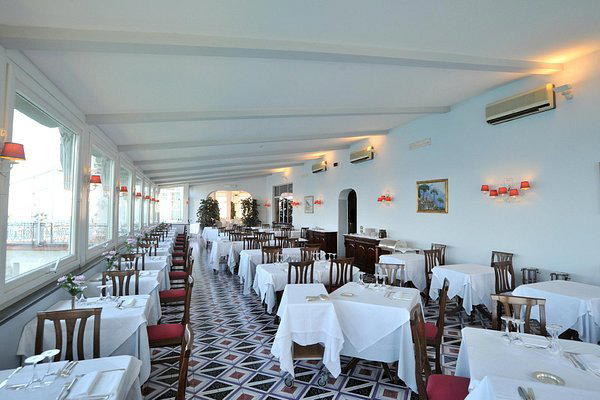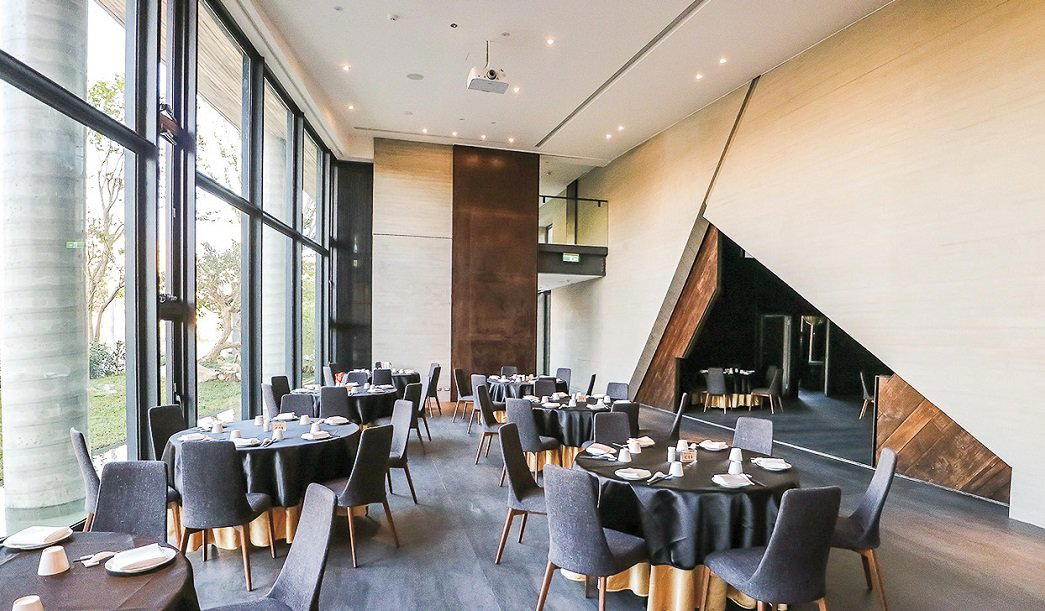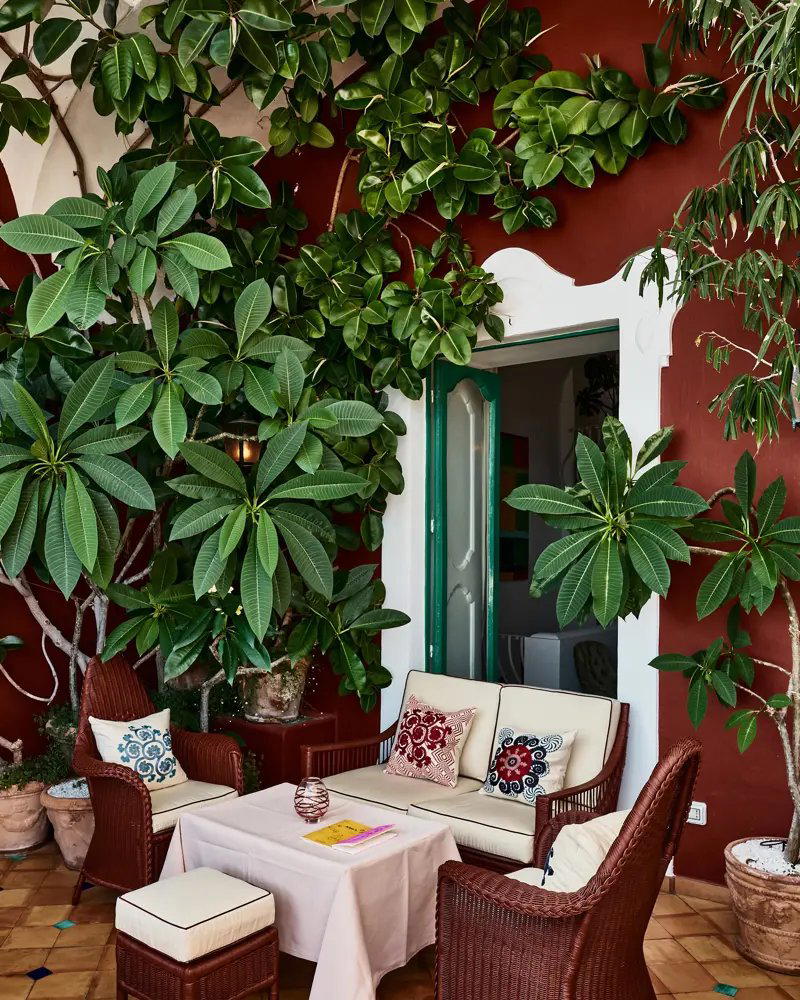


Zass holds a Michelin star at Il San Pietro di Positano, one of the Amalfi Coast's most storied hotels. Belgian chef Alois Vanlangenaeker has shaped the kitchen for over two decades, grounding his menu in Campanian tradition while drawing from the hotel's organic garden. Advance booking is strongly advised; demand is consistent and the room fills well ahead of service.

Arriving at the Table: The Setting Before the Meal
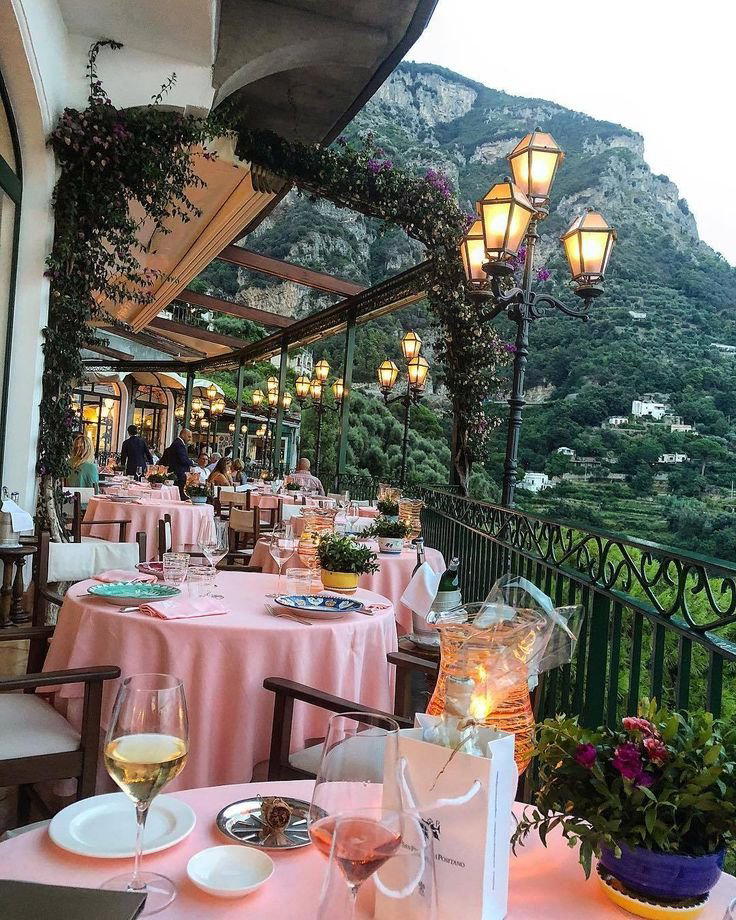
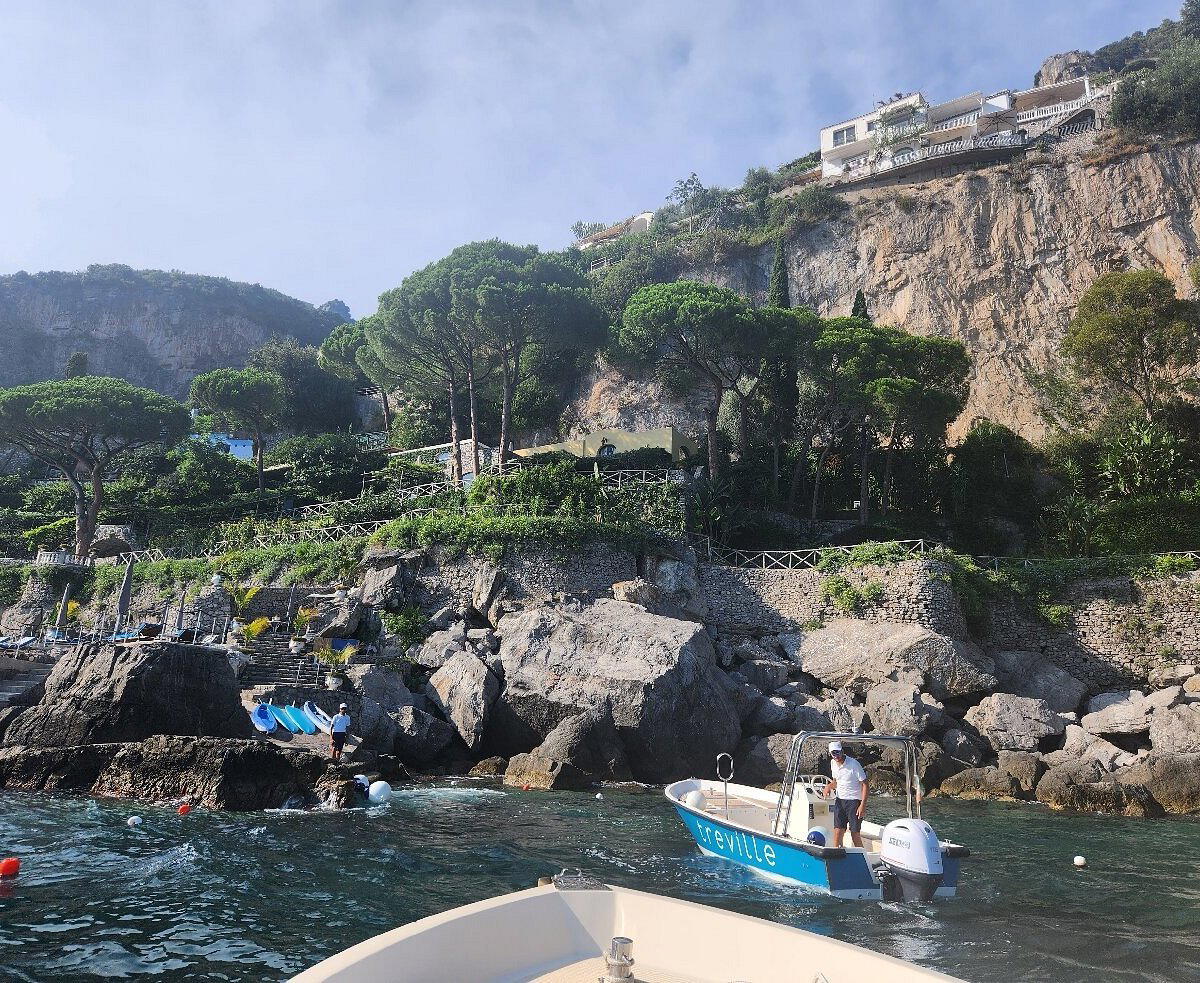
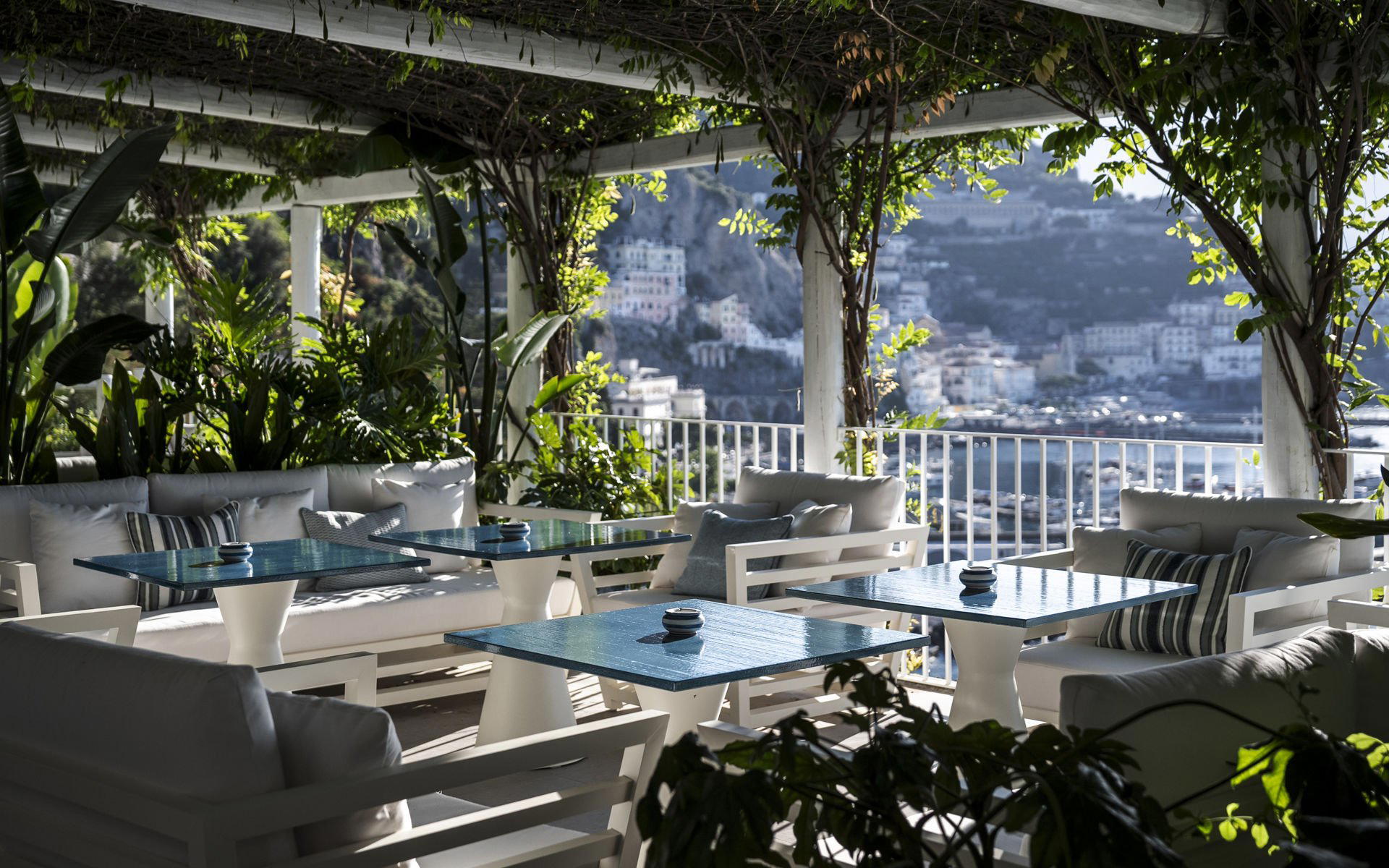
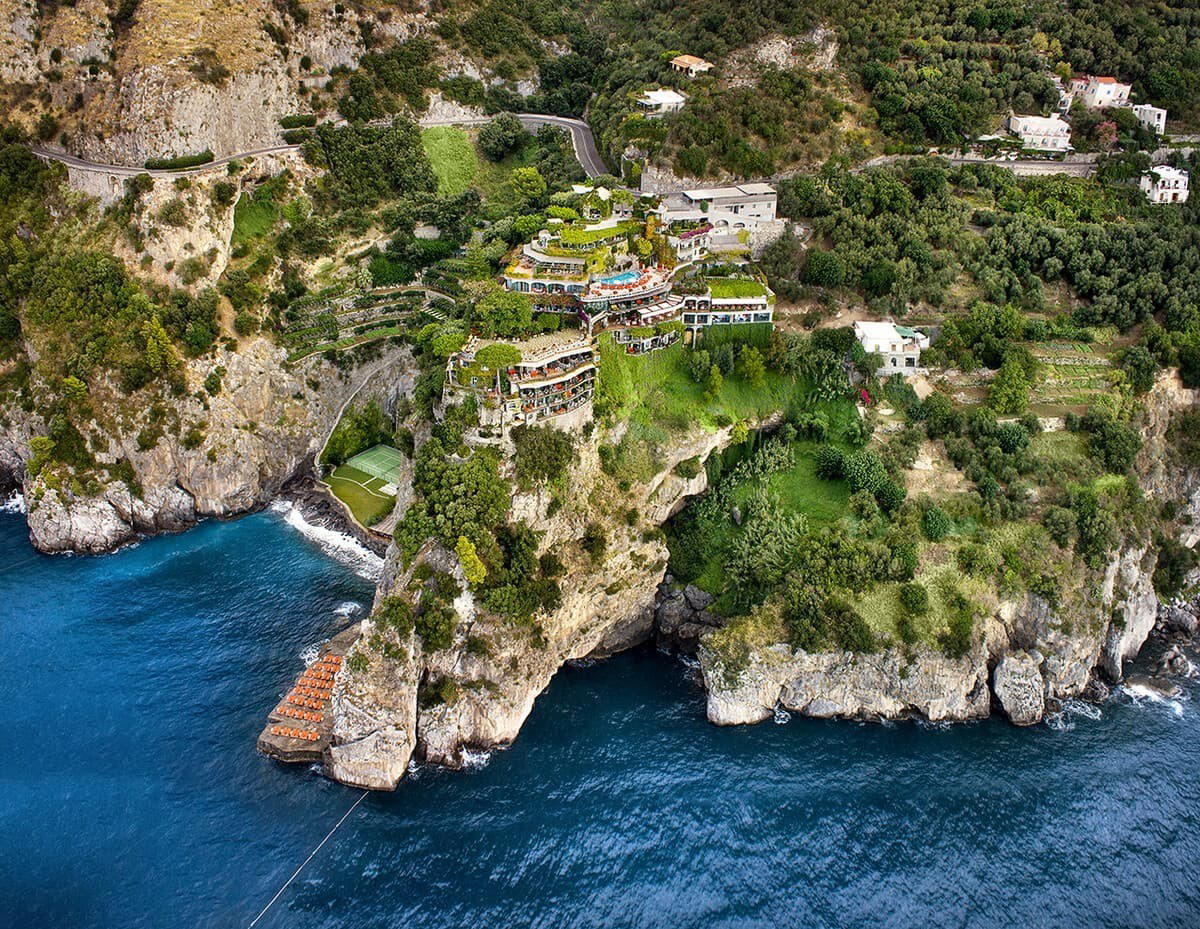
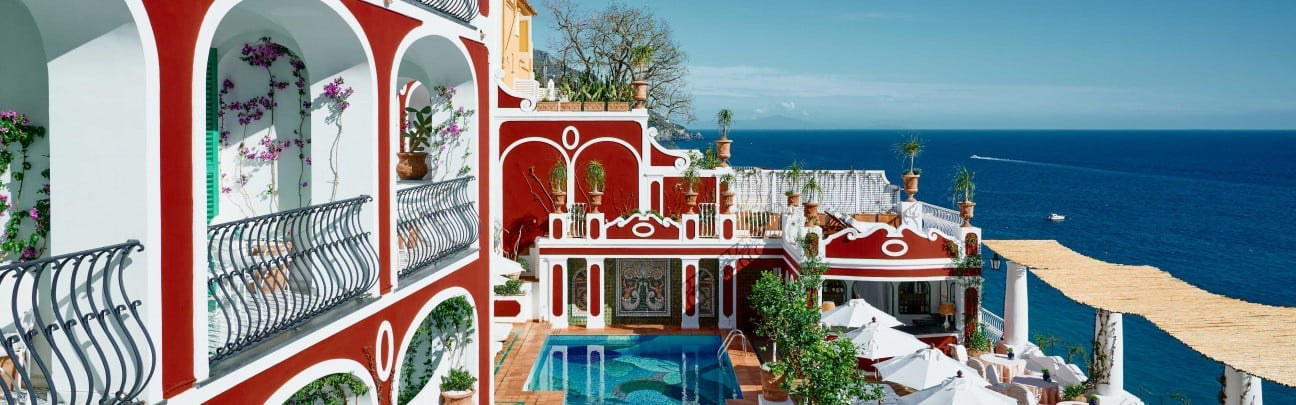
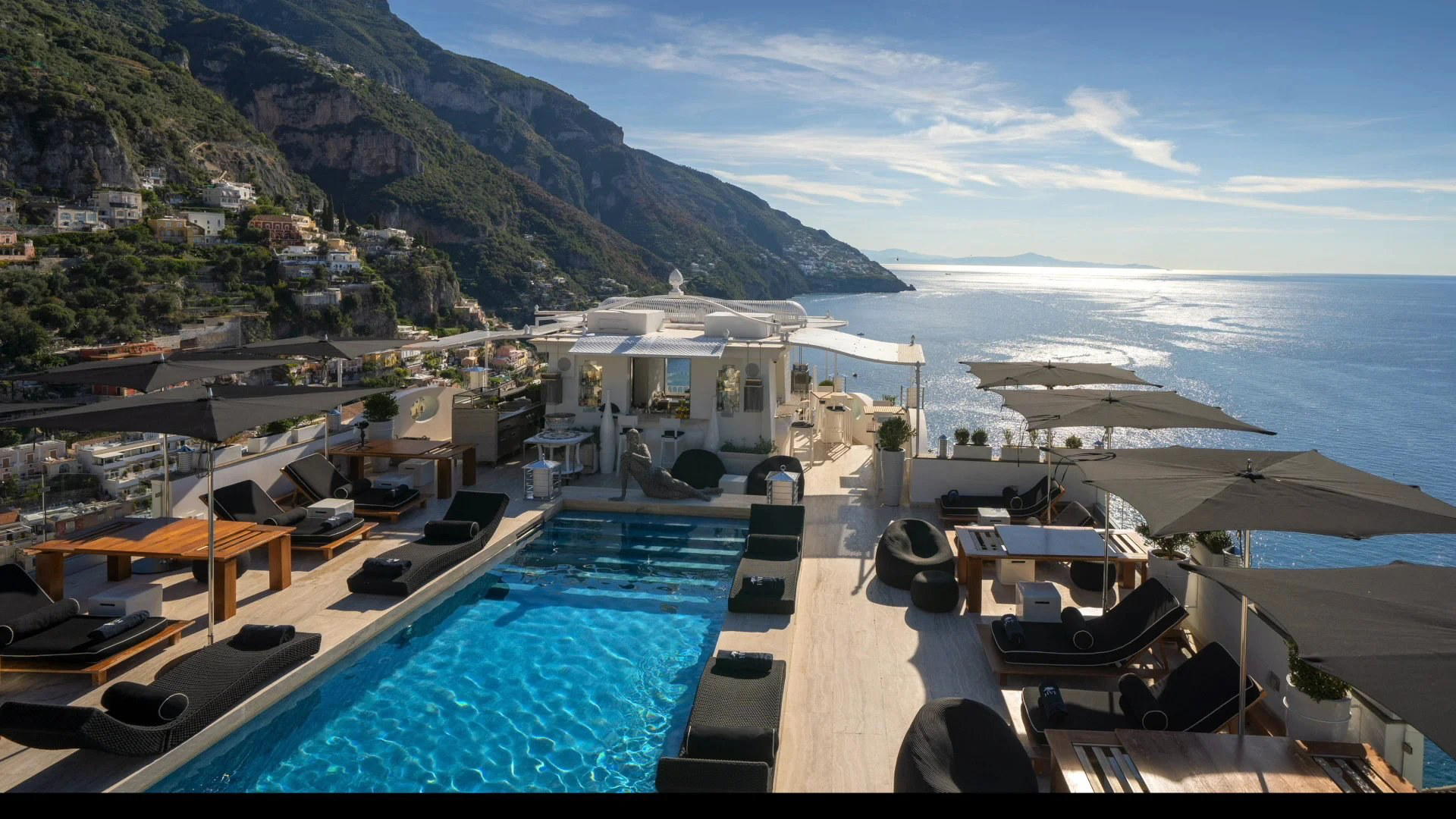
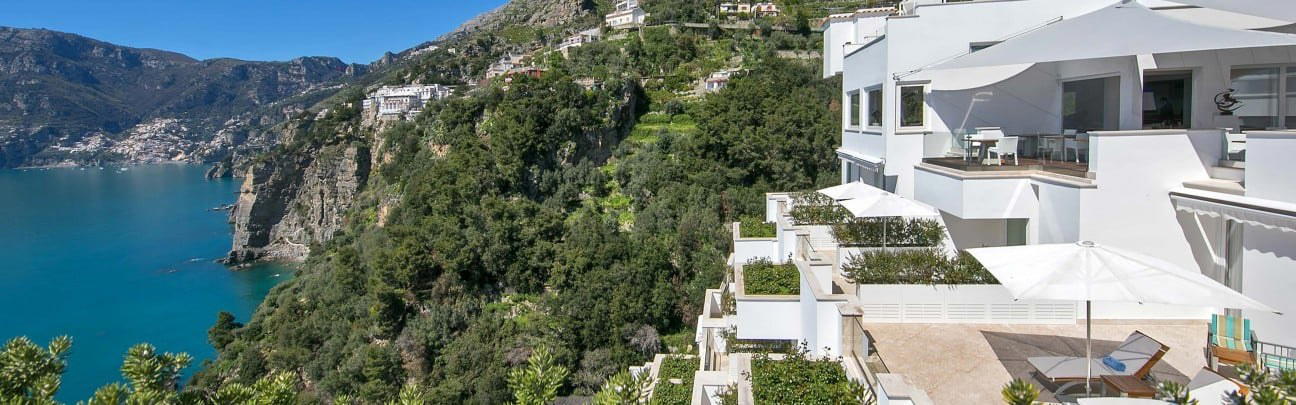
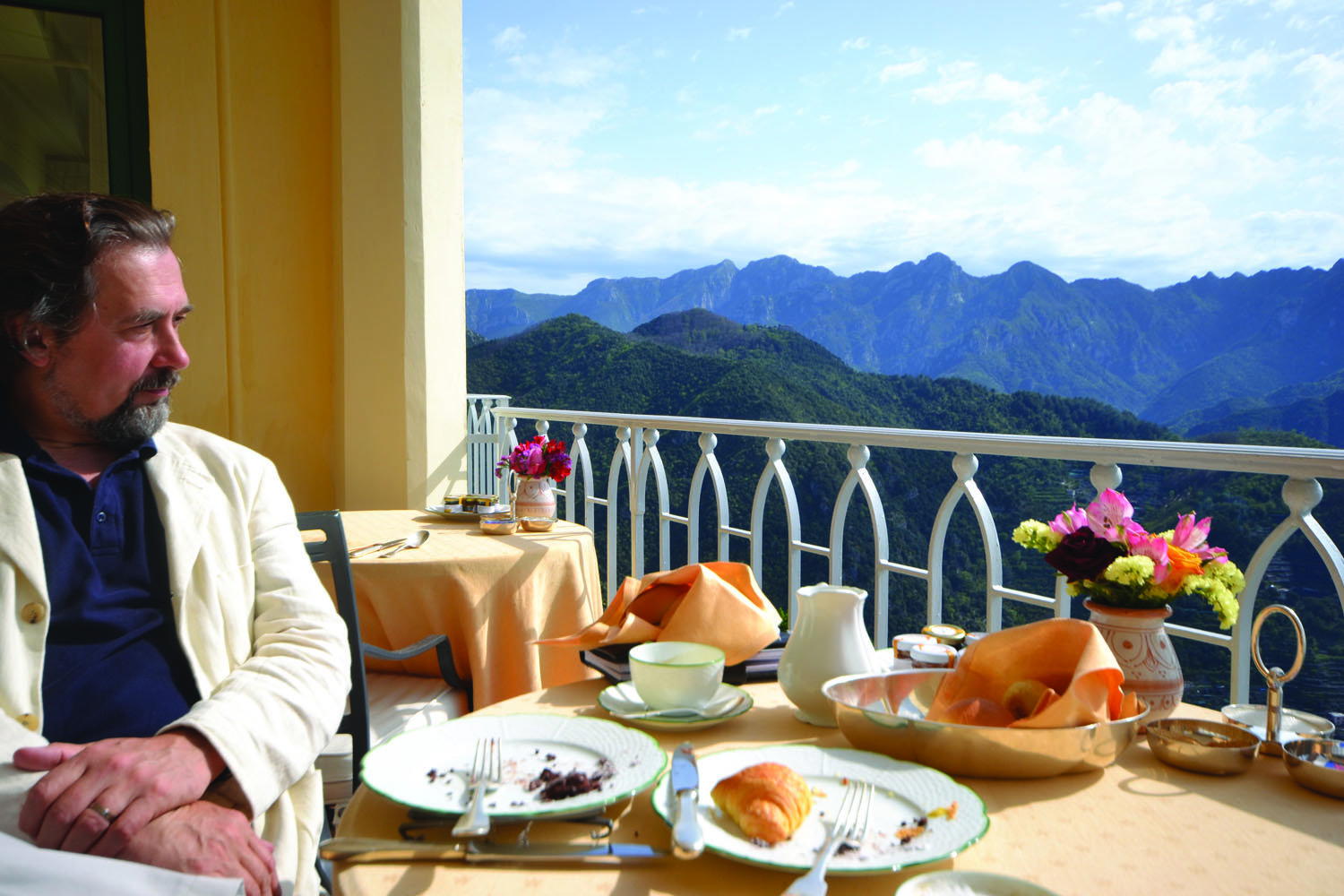
The descent to Zass is part of the meal's architecture. Rather than taking the lift, most guests choose to walk down through Il San Pietro's terraced gardens, past statues and flowering paths that open onto one of the more dramatic coastal panoramas in southern Italy. By the time you reach the dining room, the setting has already done considerable work on your expectations. Positano's cliffside restaurants occupy a competitive and visually overpowering category, where the view can easily outperform the kitchen. Zass is one of the few addresses where the cooking holds its own against the backdrop.
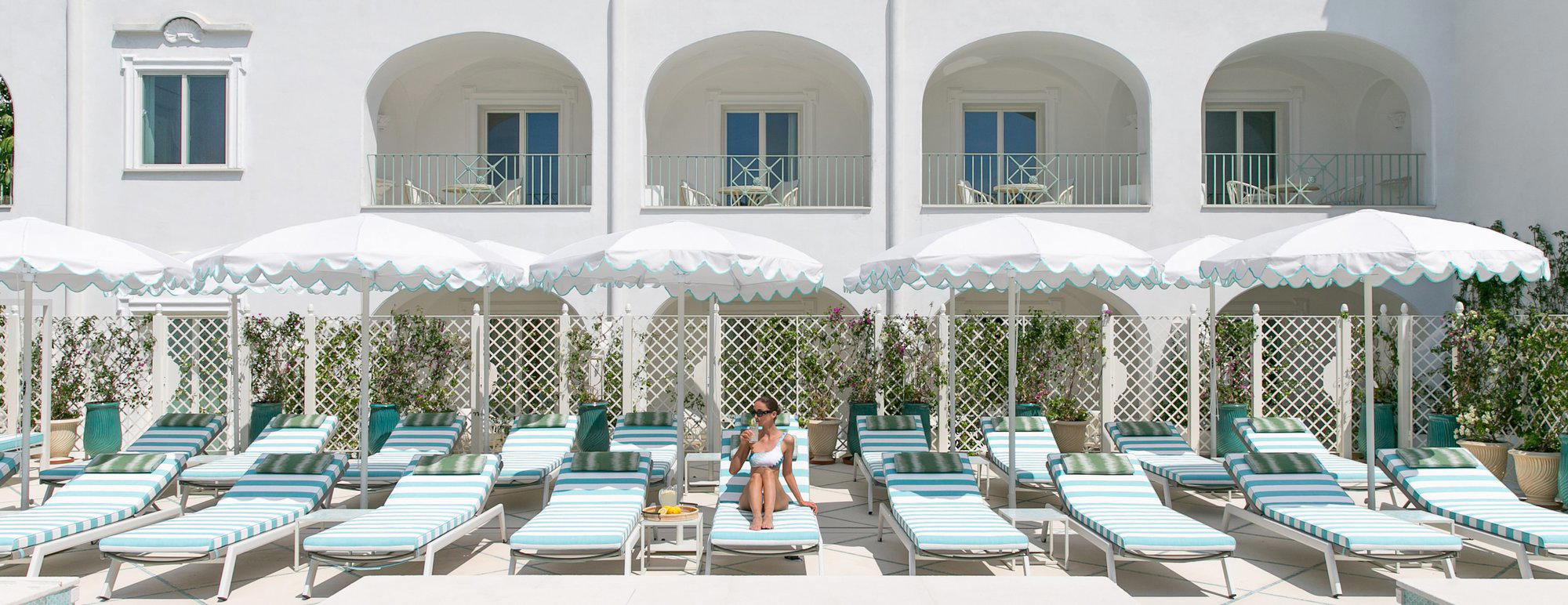
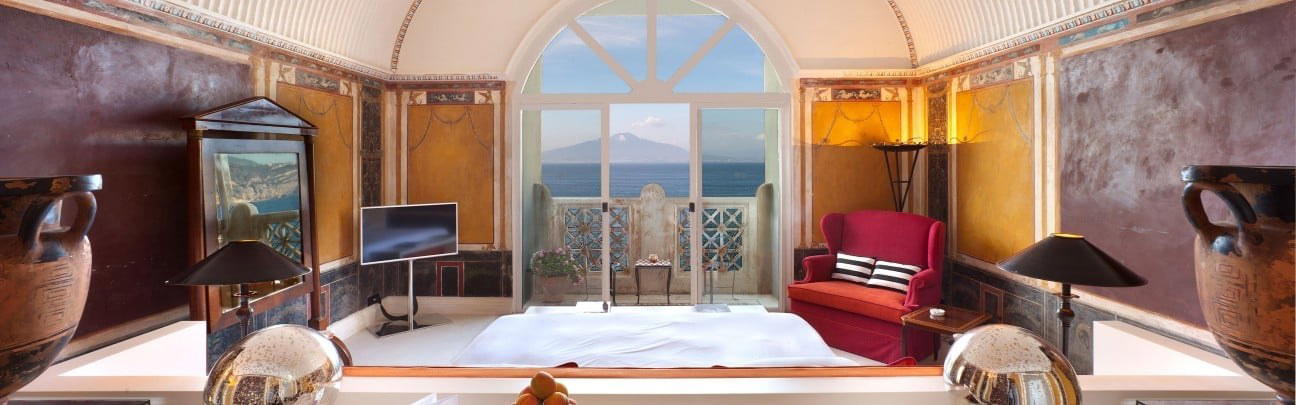
Il San Pietro di Positano has long occupied a specific position in the hierarchy of Amalfi Coast hotels: smaller than the grand Ravello properties, more intimate than the larger resort hotels, and consistently regarded as among the most celebrated addresses on this stretch of coastline. Zass sits within that context, which shapes its dining room before the first dish arrives. The guest profile skews toward repeat visitors and those who booked months in advance, which tells you something about the restaurant's standing in the wider Positano dining scene.
What Two Decades in a Kitchen Actually Means
Twenty years at a single kitchen is unusual in European fine dining, where chef movement between properties is the norm and kitchen tenures of five or six years are considered substantial. Chef Alois Vanlangenaeker's presence at Zass for over two decades has shaped the restaurant's identity in a way that short-tenure appointments rarely produce. His Belgian background sits in deliberate tension with a Campanian menu: the discipline and structural approach of northern European training applied to the produce, seafood, and citrus-driven flavours of the southern Italian coast.
That combination is not accidental. The Amalfi Coast's culinary tradition is anchored in a specific local larder: lemons from Sorrento and Amalfi, seafood from the Tyrrhenian, buffalo mozzarella and yogurt from the plains of Paestum, and a herb vocabulary that runs through almost every course. Vanlangenaeker works within that tradition rather than against it, which is the more demanding creative choice. The menu opens in a way that signals this orientation clearly: a freshly baked Margherita pizza marks the beginning of the meal, grounding the experience in Campanian convention before the more considered dishes that follow.
This approach places Zass within a broader pattern visible across Italy's Michelin-starred coastal restaurants. Properties like Quattro Passi in Marina del Cantone similarly build on local seafood and regional produce while applying technical precision that elevates individual dishes above the regional average. The reference frame is always local, but the execution draws on wider culinary training.
The Menu: Tradition as Starting Point, Not Ceiling
Zass operates with a menu that is predominantly sea-focused, which reflects both the geography of the Amalfi Coast and the preferences of its largely international guest base. The restaurant's organic garden has become an increasingly visible source of ingredients, adding land-grown produce to a menu that might otherwise read purely as a seafood operation. This shift toward kitchen-garden sourcing is a pattern across high-end Italian restaurants at hotel properties, where the garden functions both as a supply line and as a statement about ingredient provenance.
The dish most associated with the restaurant is described in the venue's own documentation as the emblematic San Pietro preparation: a lemon-scented preparation accompanied by buffalo yogurt potato puree, seasonal vegetables, and the house's Champagne and truffle sauce. The combination is a useful illustration of how the kitchen operates. Lemon and buffalo dairy are deeply Campanian reference points. Champagne and truffle signal a register of luxury that speaks to the international clientele. The dish holds both without collapsing into either.
The progression from Margherita pizza to more technically developed courses is not a gimmick but a genuine editorial structure for the meal: tradition first, elaboration second. Campanian cooking at its core is not restrained, but it is specific, and that specificity is the harder thing to maintain when cooking for a hotel dining room with the pressures that entails.
Where Zass Sits in Positano's Dining Scene
Positano's restaurant scene operates across several distinct tiers. At the accessible end, addresses like Chez Black and Da Vincenzo serve the town's broader visitor population with direct Italian and Campanian cooking at price points that don't require planning months ahead. In the mid-range, Al Palazzo occupies the Mediterranean cuisine category at €€€, a step below the top tier but still clearly positioned as a considered dining choice. At the premium end, Zass competes in the same bracket as La Serra and Li Galli, all operating at €€€€ pricing with a similar emphasis on location, quality produce, and technically accomplished cooking.
What distinguishes Zass within that peer group is the combination of its Michelin star, held through both 2024 and 2025, and its placement in the Opinionated About Dining Classical in Europe ranking, which reached #277 in 2024 and #303 in 2025. The OAD ranking is a useful supplement to the Michelin signal because it draws from a different evaluator base, with a specific emphasis on classical European cooking. That Zass appears in both lists indicates recognition across different critical frameworks, not just a single institutional endorsement.
Across Italy more broadly, the Michelin one-star tier at coastal hotel restaurants is a competitive category. Properties like Enoteca Pinchiorri in Florence and Enrico Bartolini in Milan represent the urban end of Italian fine dining, while restaurants like Zass and Dal Pescatore in Runate demonstrate how the star system extends into regional and destination properties with equal rigour. For Mediterranean cuisine specifically, La Brezza in Ascona and Arnaud Donckele and Maxime Frédéric at Louis Vuitton in Saint-Tropez offer comparative reference points for how the cuisine category performs across different European contexts. For a northern Italian coastal reference, Atelier Moessmer Norbert Niederkofler in Brunico similarly demonstrates how regional identity and fine-dining ambition can coexist without compromise.
The Google rating of 4.9 across 1,643 reviews is one of the higher sustained scores for a restaurant at this price tier. At €€€€ pricing, guest expectations are high and critical responses tend to be more divided, which makes a sustained 4.9 from a large sample base a meaningful signal rather than a statistical artifact of limited reviews.
Planning the Visit
Zass is located within Il San Pietro di Positano at Via Laurito, 2, outside Positano's central pedestrian zone. Access is easier by car or boat than on foot from the town's main streets, and the hotel's own documentation suggests taking the garden path down rather than the lift as the preferred arrival sequence. For the wider town, the full Positano restaurants guide covers the complete dining scene. Those planning a longer stay will also find value in the Positano hotels guide, the bars guide, the wineries guide, and the experiences guide for broader context on the town's offerings.
Booking well in advance is not a precaution but a requirement. The documented advice from multiple sources is to book considerably ahead, which at a restaurant of this profile on the Amalfi Coast typically means weeks at minimum during shoulder season and several months for peak summer tables. The restaurant sits inside a hotel, so non-resident reservations during July and August compete with in-house guests, compressing the available booking window further.
What to Order at Zass
The emblematic San Pietro dish is the kitchen's most discussed preparation: lemon-scented, served with buffalo yogurt potato puree, seasonal vegetables, and the house Champagne and truffle sauce. The opening Margherita pizza is not an appetiser in the conventional sense but a deliberate signal of the menu's Campanian grounding, and skipping it would mean missing the context that shapes what follows. The menu reads predominantly seafood-focused, with the organic garden supplying seasonal vegetables that shift the land component of the menu according to what the garden is producing. Given the documented balance between tradition and creative elaboration, ordering across multiple courses rather than selecting a single dish will give a more complete picture of what Vanlangenaeker's kitchen is actually doing.
Need a table?
Our members enjoy priority alerts and concierge-led booking support for the world's most difficult tables.
Access the Concierge