

On Augsburg's grand Maximilianstrasse, Hotel Maximilian's occupies a site with roots going back to 1495, rebuilt in 1954 into a contemporary property that now counts 132 rooms and a Michelin-starred restaurant, Sartory, which earned its first star in 2019. Rates from around $224 per night place it as Augsburg's clearest statement of serious civic-hotel hospitality, where Renaissance-era street address meets modern comfort.
Pearl is the En Primeur Club membership app — saves, bookings, and concierge access live there. Same editors, same standards.
- Address
- Maximilianstraße 40, 86150 Augsburg
- Phone
- +49 821 50360
- Website
- hotelmaximilians.com
- Directions
- Get directions
 Saves & bookings on Pearl
A Street That Sets the Standard
Maximilianstrasse is Augsburg's most architecturally charged corridor: a broad Renaissance boulevard lined with patrician palaces, Baroque fountains, and facades that attest to the city's standing as one of the wealthiest trading centres in sixteenth-century Europe. Hotels positioned here inherit that context whether they want it or not, and Hotel Maximilian's leans into it deliberately. The name references both the street and the emperor, Maximilian I, whose relationship with the Fugger banking dynasty made Augsburg a European financial capital, while the building itself tells a more compressed story. Completely rebuilt in 1954, it works in the postwar-modern idiom rather than attempting a pastiche of the Renaissance streetscape outside. That tension between an address with five centuries of recorded use and an interior built for mid-century comfort is, the defining design condition of the property.
In Germany's premium hotel tier, the tension between historic shell and contemporary fit-out is a recurring pattern. Properties like Bülow Palais in Dresden and Hotel de Rome in Berlin navigate similar ground, adapting significant heritage buildings to modern standards without erasing the architectural memory. Maximilian's sits in that cohort, though its 1954 rebuild makes it less about adaptive reuse and more about a conscious architectural stance: contemporary bones, historical flourishes.
What the Building Tells You Before You Check In
The decision to rebuild entirely in 1954 rather than restore was, in its time, a statement. Postwar German architecture was working through questions of reconstruction and identity that were both physical and cultural, and a hotel that chose modernity over historical reproduction was positioning itself as a forward-looking civic institution. The historical flourishes noted in the property's own description are not structural, they are applied: details, references, gestures toward the Maximilianstrasse's Renaissance heritage that prevent the building from reading as purely utilitarian.
This approach gives the property a different character from peers that operate inside genuinely historic shells. Excelsior Hotel Ernst in Cologne and Breidenbacher Hof in Düsseldorf both work with buildings whose architectural identity is more emphatically pre-modern. Maximilian's occupies a different position: its contemporary infrastructure, described by the property as up-to-date as a contemporary luxury hotel can be, sits alongside a street address that does the heritage work the building itself does not fully attempt.
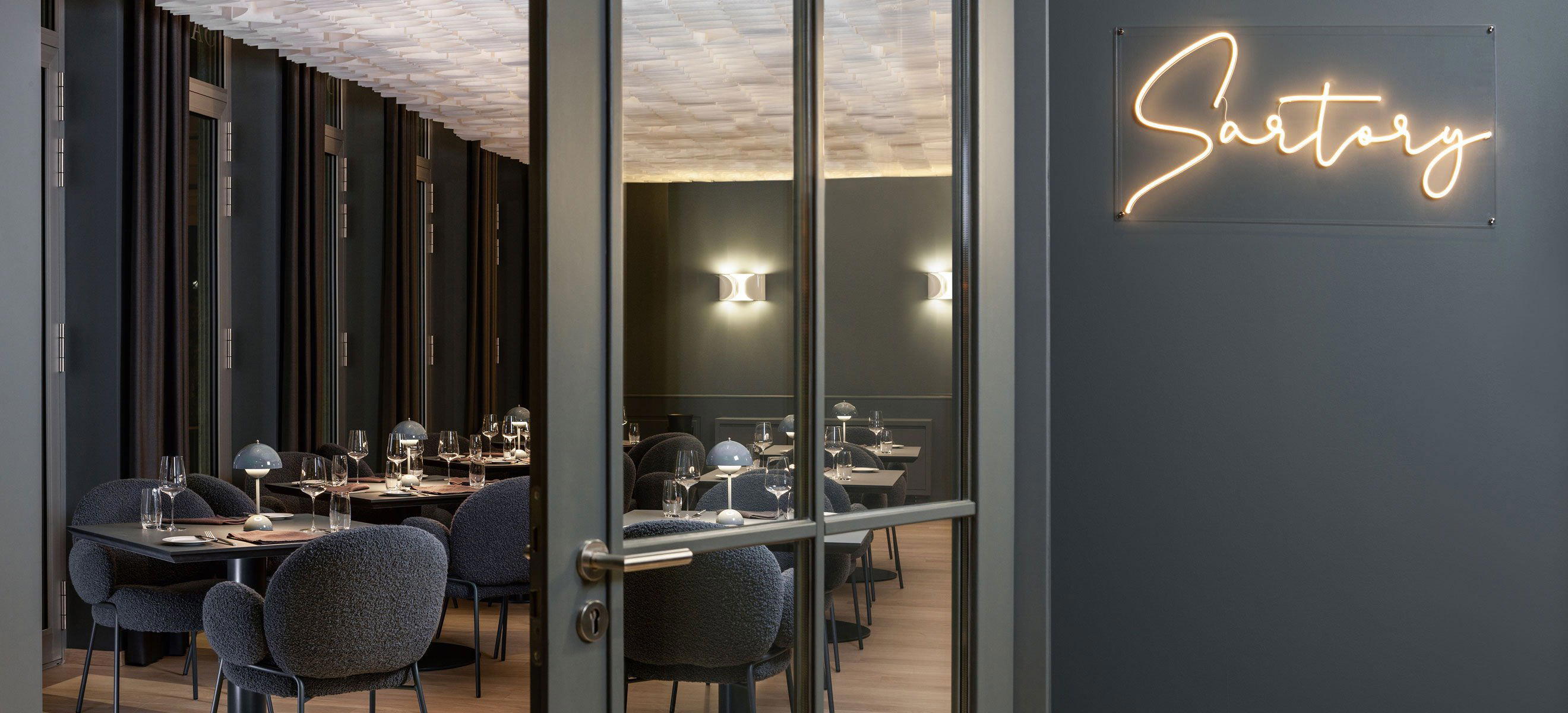
Sartory: The Michelin Signal and What It Implies
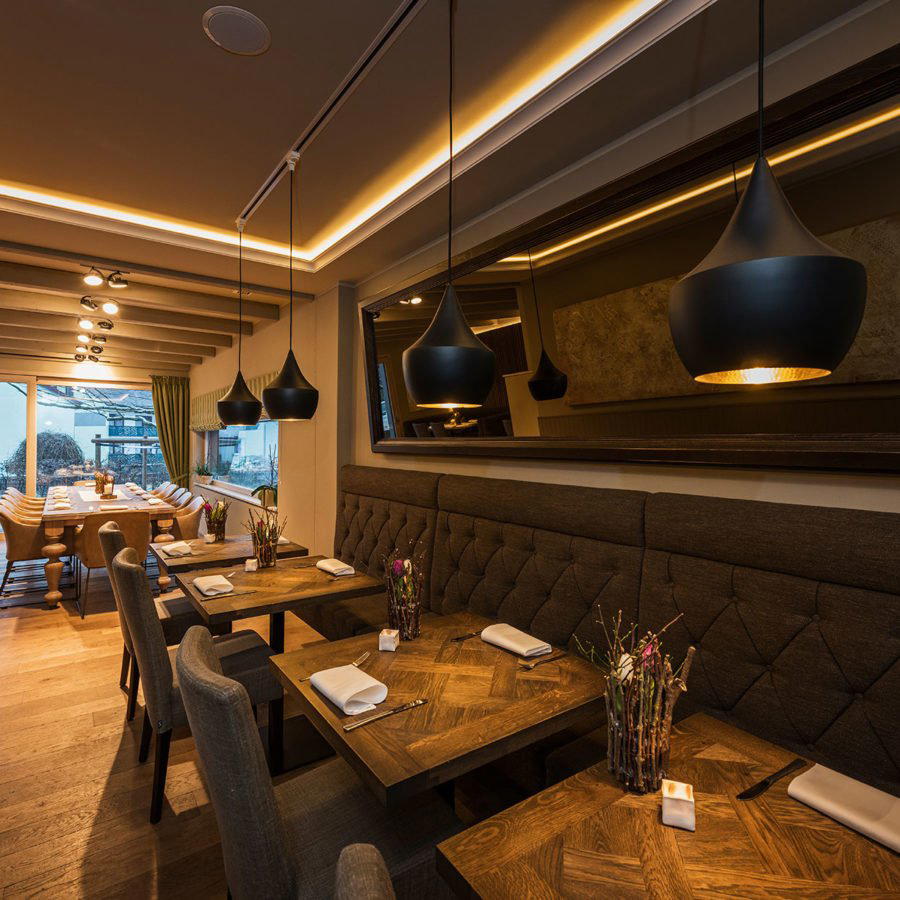
Within the German luxury hotel category, the presence of a Michelin-starred restaurant on-site is a meaningful differentiator. Sartory, Hotel Maximilian's in-house gourmet restaurant, earned its first Michelin star in 2019. For a city of Augsburg's size, a secondary Bavarian city without Munich's concentration of critical attention, a starred kitchen inside a hotel property represents a genuine positioning statement. It places Maximilian's in a peer conversation with hotel-restaurant combinations like Hotel Ketschauer Hof in Deidesheim and Althoff Seehotel Überfahrt in Rottach-Egern, both of which anchor their propositions partly around serious culinary credentials.
The star also changes the calculus for guests deciding between Maximilian's and alternatives. With 132 rooms, this is not a boutique property with single-digit room counts and a tasting-menu-only format. It is a mid-scale-by-room-count hotel that has added a credentialed restaurant as a draw, a model more common in German regional cities, where hotel-restaurant combinations serve both guests and a local clientele seeking a serious dining occasion. Bavaria's appetite for this format is visible across the region: see Hotel Bareiss in Baiersbronn or Gut Steinbach in Reit im Winkl for comparably structured propositions where dining anchors the stay.
Augsburg's Place in the Bavarian Hotel Conversation
Augsburg is regularly overshadowed in travel coverage by Munich, 70 kilometres to the east, and by the Alpine resort corridor extending south toward Berchtesgaden and the Zugspitze. This compression of attention is somewhat unfair: Augsburg has a medieval city centre on the UNESCO World Heritage list, a textile history embedded in its industrial architecture, and a Renaissance street plan that Munich does not replicate. For travellers calibrating a Bavarian itinerary, it functions as a credible stop rather than a detour, particularly for those interested in the Fugger legacy and the city's role in Reformation-era Europe.
Within that context, Maximilian's functions as the city's clearest statement of full-service luxury hospitality. Augsburg does not have the density of five-star options that Munich produces, the Mandarin Oriental Munich operates in a considerably thicker competitive field, which makes the presence of a credentialed property here more legible as a civic anchor. For visitors planning around Augsburg specifically rather than treating it as a Munich overflow option, the choice set is narrow enough that Maximilian's is likely to feature in any serious consideration.
Travellers already familiar with the Bavarian Alpine hotel circuit, Schloss Elmau in Elmau or Kempinski Hotel Berchtesgaden, for instance, will find Maximilian's a categorically different proposition: urban rather than resort-oriented, historically situated rather than landscape-driven, and focused on civic-scale hospitality rather than retreat formats.
Planning the Stay
The property sits at Maximilianstraße 40 in Augsburg's city centre, a position that puts guests within walking distance of the Fuggerei (the world's oldest social housing settlement, founded 1516), the Cathedral, and the main pedestrian zones. Augsburg's Hauptbahnhof is a short distance from the property, with direct rail connections to Munich making the city workable as an independent base or a day-trip complement to a Munich stay. Rates from around $224 position this as accessible relative to comparable German urban luxury hotels, Fairmont Hotel Vier Jahreszeiten in Hamburg or Esplanade Saarbrücken offer a sense of the range across the German luxury tier, though exact pricing shifts with season and availability. With 132 rooms, availability is generally more forgiving than at smaller properties, but reservations for Sartory, given its Michelin standing, are worth securing well ahead of arrival, particularly on weekend evenings when local demand supplements hotel guests.
Side-by-Side Snapshot
Comparable venues nearby, for context on price, style, and recognition.
| Venue | Cuisine | Price | Awards | Notes |
|---|---|---|---|---|
| Hotel Maximilian'sThis venue — the venue you are viewing | Historic luxury boutique with modern updates | $$$$ | Michelin 1 Key | Not listed |
| Bayerischer Hof Munich | Grand historic palace hotel blending Bavarian tradition with modern luxury. | $$$$ | Michelin 1 Key | Isarvorstadt |
| JW Marriott Hotel Frankfurt | Urban luxury retreat focused on holistic wellbeing | $$$$ | Michelin 1 Key | Roemerberg |
| Koenigshof, a Luxury Collection Hotel, Munich | Contemporary luxury with Bavarian heritage influences, featuring curated local artworks and bespoke design elements celebrating Munich's cultural identity. | $$$$ | Michelin 1 Key | Isarvorstadt |
| Steigenberger Icon Europäischer Hof Baden Baden | Historic luxury with contemporary refinements | $$$$ | Michelin 1 Key | Baden Baden Old Town |
| Hotel Europäischer Hof Heidelberg | Historic luxury family-owned hotel blending tradition and modern comfort | $$$$ | Michelin 1 Key | Central |
Recognition history
Dated appearances from independent guides and award organizations, with the underlying list record or original source where available.
Michelin 1 Key
Michelin
Preferred Hotels L.V.X. Collection
Preferred Hotels

At a Glance
- Elegant
- Sophisticated
- Classic
- Romantic Getaway
- Business Trip
- Anniversary
- Historic Building
- Terrace
- Wi Fi
- Spa
- Sauna
- Fitness Center
- Room Service
- Concierge
- Business Center
- Valet Parking
- Street Scene
- Wi Fi
- Spa
- Sauna
- Fitness Center
- Room Service
- Concierge
- Business Center
- Valet Parking
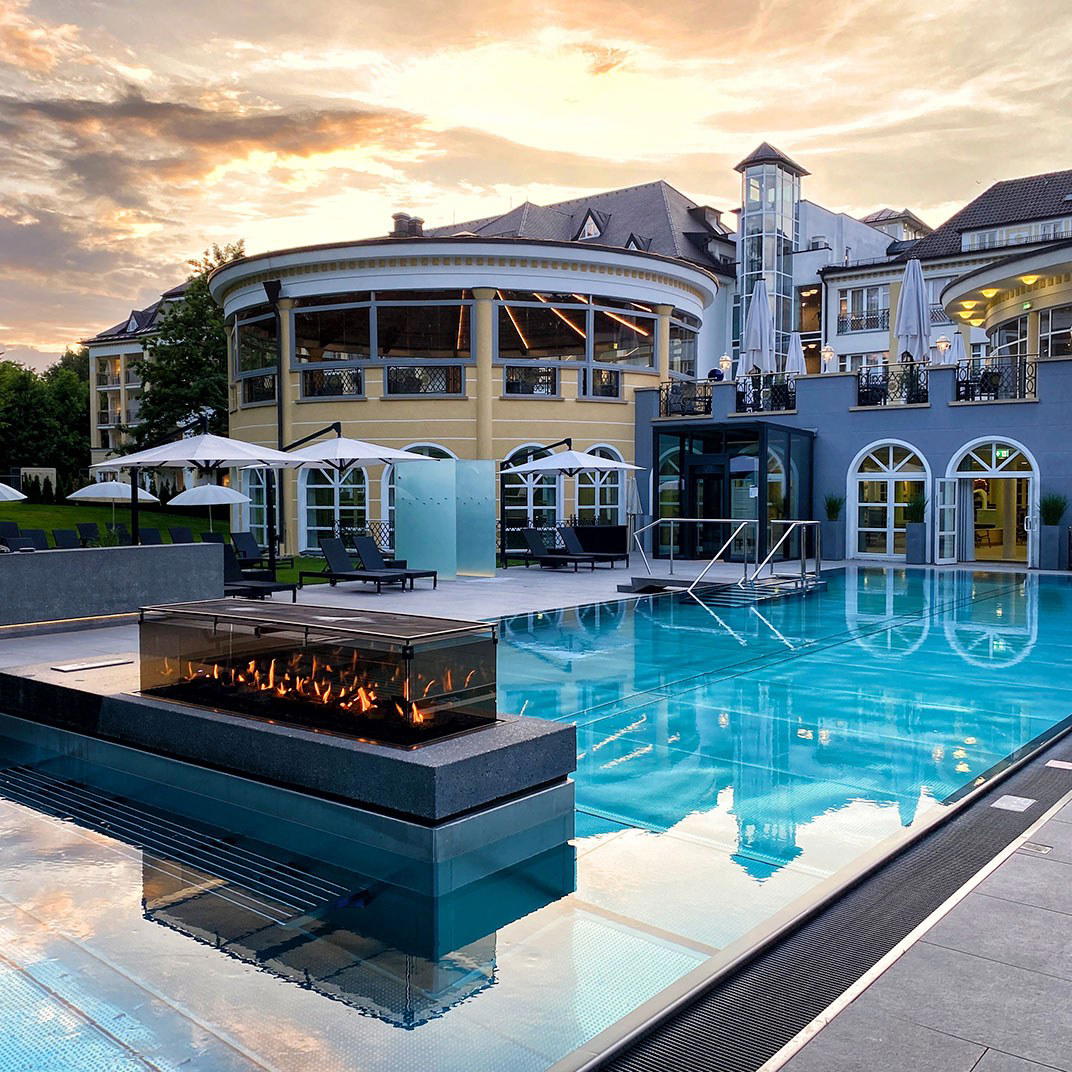
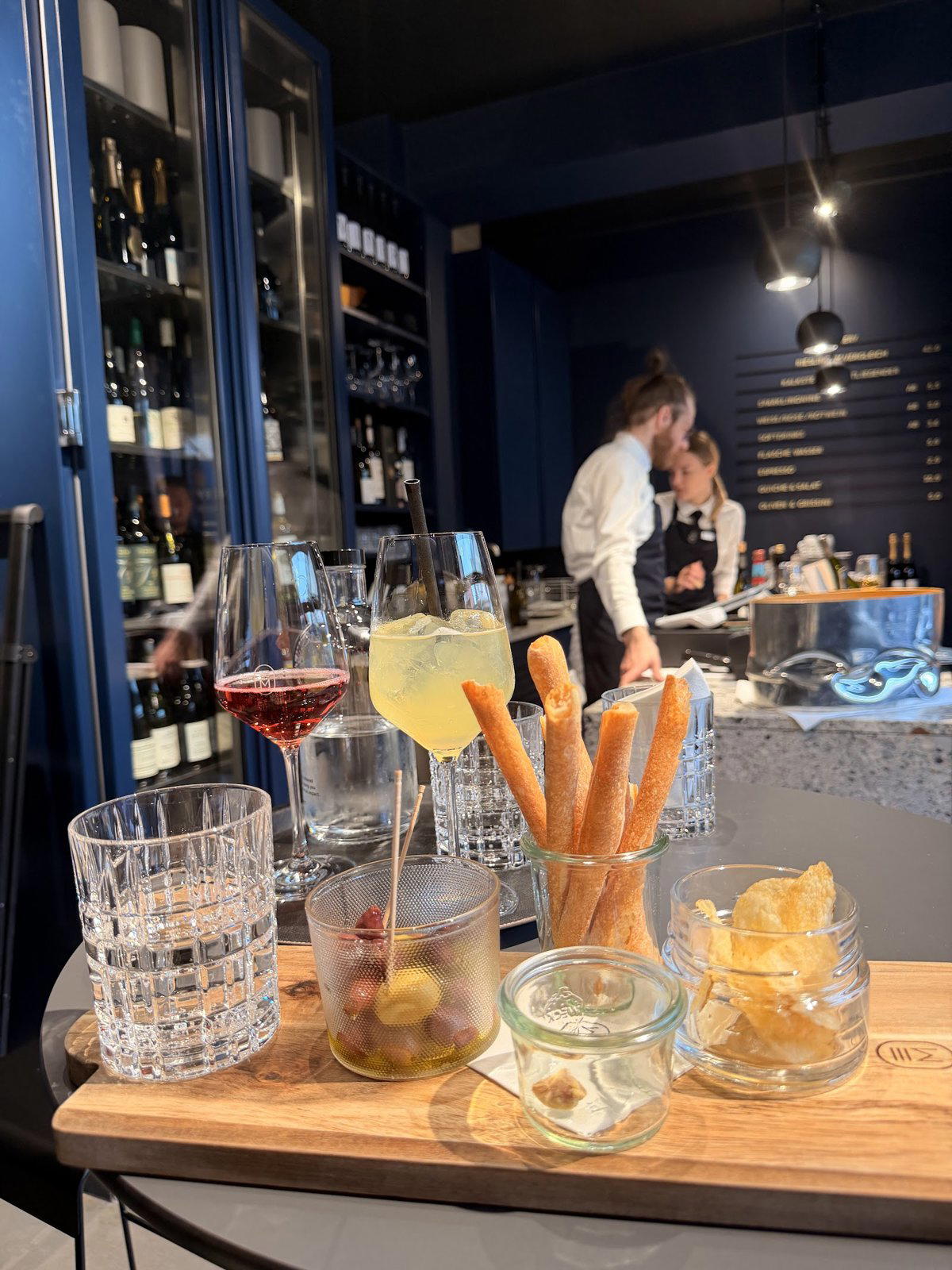
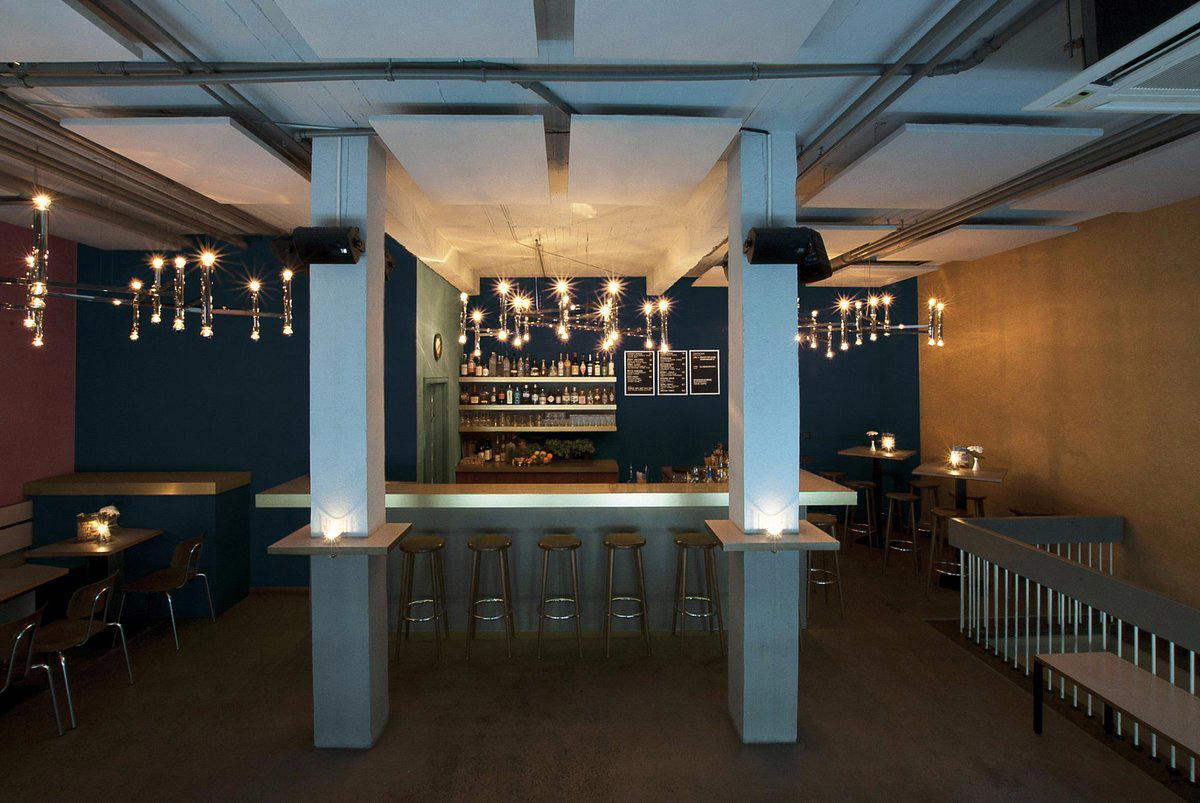
Elegant and peaceful with soundproofed rooms, relaxing spa atmosphere, and lively yet accommodating bar.