A design-led reading of Hotel in the Basel Complex, framed through Tel Aviv’s apartment-house architecture, café culture, and north-city rhythm. Public venue data is sparse, so the useful lens is contextual: how a hotel in this part of Tel Aviv compares with beachfront scale, White City conversions, and Jaffa’s heritage properties.

Pearl is the En Primeur Club membership app — saves, bookings, and concierge access live there. Same editors, same standards.
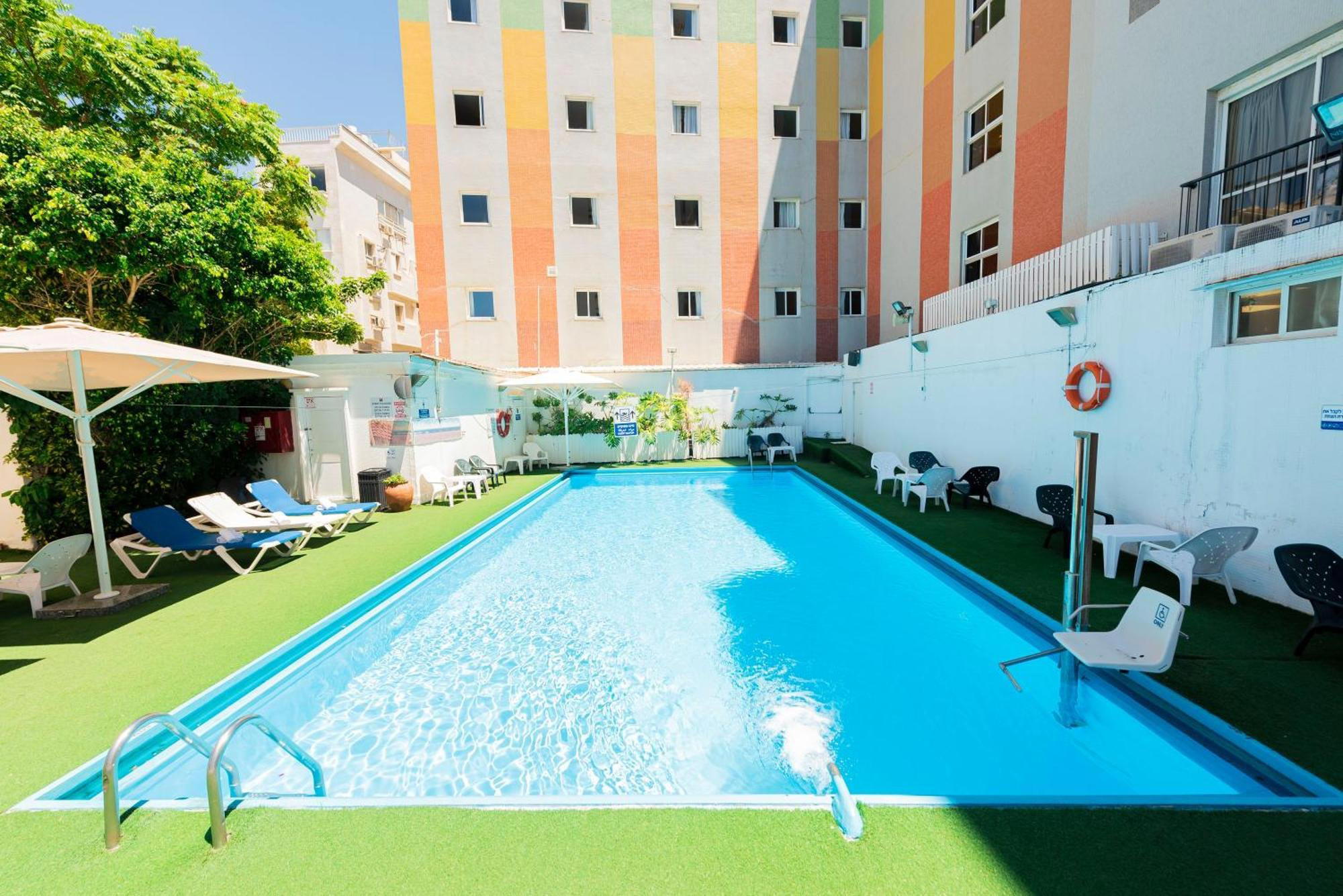
First impression: Tel Aviv through the apartment block
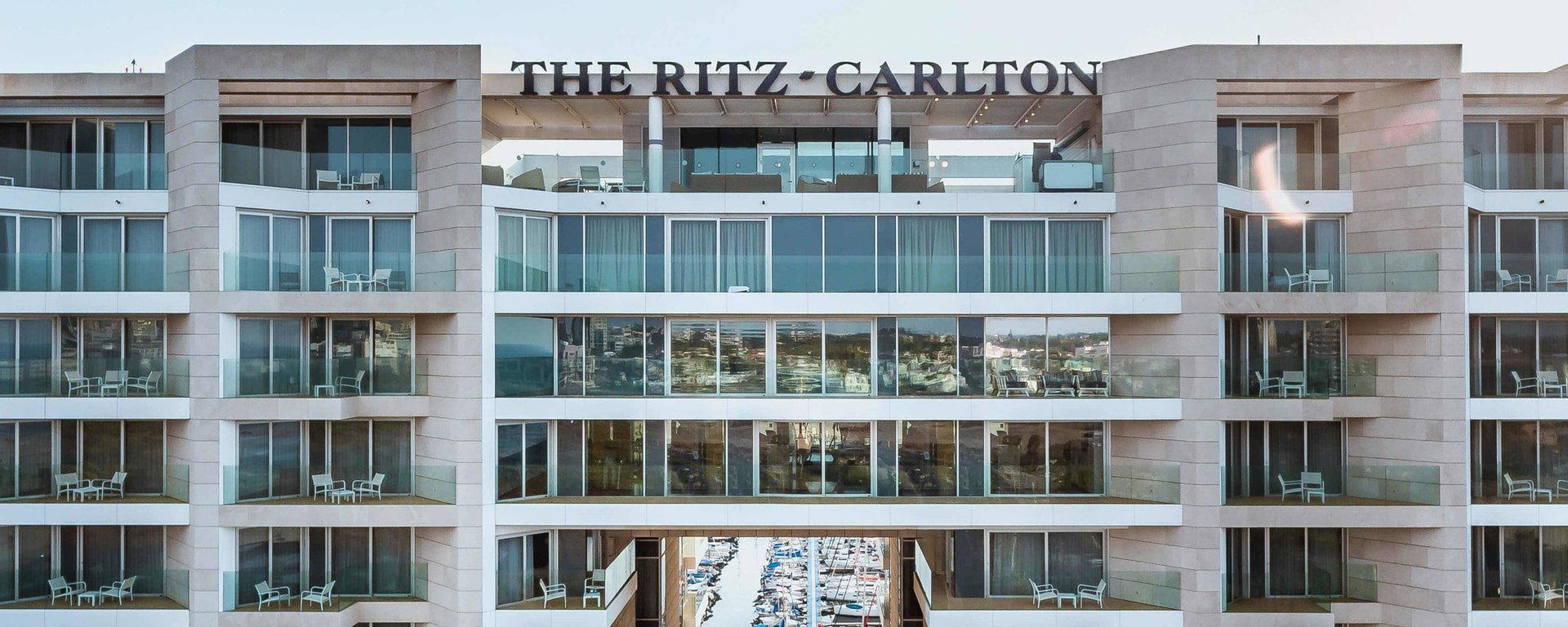
Approaching a hotel in Tel Aviv’s Basel orbit is different from arriving at the seafront towers or the grander addresses near Rothschild Boulevard. The cue is not a porte cochère or a lobby built for ceremony; it is the city’s residential tempo: shaded sidewalks, balconies, cafés arranged for long conversations, and the low-rise rhythm that makes northern Tel Aviv feel lived-in rather than staged. Hotel in the Basel Complex belongs to that urban reading. With no public database details for star rating, room count, designer, restaurant, or formal amenities, the sensible way to judge it is through setting and architectural expectation rather than through invented hotel hardware.
That matters because Tel Aviv hotel choice is often a design decision before it is a service decision. The city divides sharply between beachfront scale, restored White City intimacy, Jaffa stone-and-courtyard drama, and north-side residential calm. A Basel-area stay speaks to the last of those categories. It suits travelers who want Tel Aviv as a neighborhood system, not only as a beach-and-breakfast circuit. The evidence available here is limited to name and city, but even that places the property inside a specific guest logic: close enough to central Tel Aviv culture to be useful, removed enough from the waterfront hotel corridor to feel less performative.
Design context: why the Basel area changes the hotel brief
Tel Aviv’s architectural identity is inseparable from the White City, the UNESCO-listed concentration of early modernist buildings associated with the International Style. That does not mean every hotel in the city is a restored Bauhaus address, and it would be irresponsible to assign that status to Hotel in the Basel Complex without verified data. The broader point is more useful: Tel Aviv has trained travelers to read hotels through façades, balconies, stairwells, courtyards, and conversions. The room is only part of the product; the building’s relationship to the street often tells the real story.
In the Basel area, the design expectation is quieter than in the city’s grander hotel zones. The neighborhood around Basel Square has long been associated with cafés, boutiques, family apartments, and a north Tel Aviv pace that prizes routine over spectacle. That changes how a hotel works. A lobby does not need to compete with the Mediterranean. A breakfast room does not need theatrical views. The value lies in proximity to daily Tel Aviv: morning coffee, neighborhood errands, evening walks toward Dizengoff or the Old North, and easy movement between residential streets and cultural districts.
That design lens also separates this address from peer hotels elsewhere in the city. Dan Tel Aviv and David InterContinental Tel Aviv answer the classic seafront brief: scale, visibility, and direct access to the coastal strip. Hotel Montefiore and Alma Hotel sit closer to the small-house restoration narrative around central Tel Aviv. Poli House, Brown TLV Urban Hotel, Lighthouse by Brown Hotels, and Lily & Bloom Hotel occupy different versions of Tel Aviv’s compact urban-hotel field. A Basel-complex address reads as a calmer proposition within that same city map.
The scene around the stay
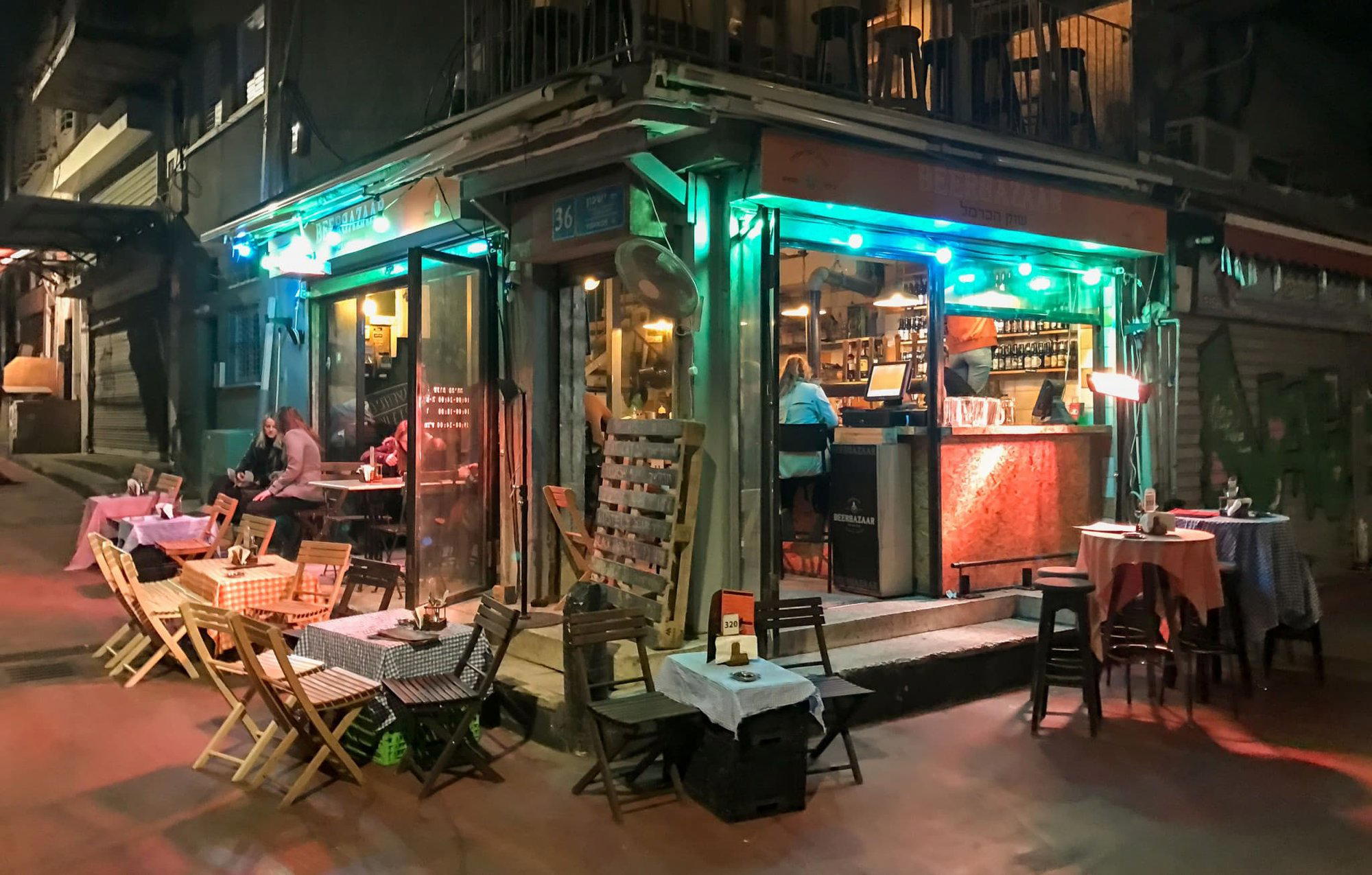
For visitors who know Tel Aviv only through the beach, the north-city hotel model can feel counterintuitive. It asks guests to trade immediate sand access for a more domestic sense of place. That trade has logic. The Old North and Basel area place cafés and small retail at street level, with residential buildings forming the visual grammar above. Tel Aviv’s energy comes less from monumental sights than from repeated patterns: breakfast outside, late dinners, errands that stretch into drinks, and streets that remain active without needing a district-wide event.
That is why the hotel’s lack of published amenity data should shape expectations. There is no verified restaurant concept, chef, bar program, spa, pool, room inventory, or price range in the available record. Travelers comparing it with larger hotels should not assume resort-style facilities. The stronger editorial case is urban integration. If the priority is a self-contained property with major infrastructure, the seafront hotels will usually be the cleaner fit. If the priority is a quieter base for reading Tel Aviv by neighborhood, a Basel address has a coherent argument.
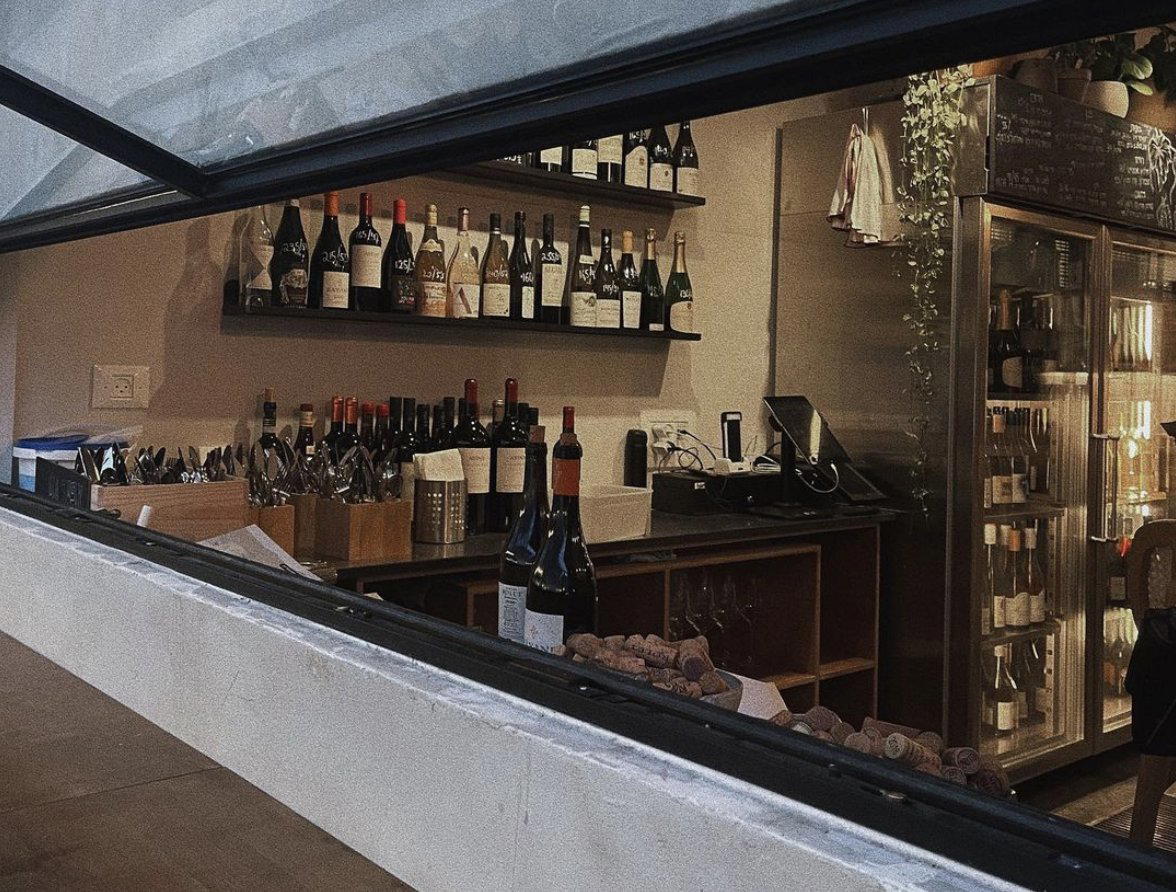
The same logic applies to dining. Tel Aviv’s restaurant culture is distributed rather than centralized, with serious meals found across the city rather than only in hotel dining rooms. Because no in-house cuisine is listed for Hotel in the Basel Complex, planning should lean outward. Use Our full Tel Aviv restaurants guide for meal planning, Our full Tel Aviv bars guide for late evenings, and Our full Tel Aviv experiences guide for cultural scheduling. The hotel, in this reading, is the anchor point rather than the entire itinerary.
How it compares within Tel Aviv hotels
Tel Aviv hotel comparisons work poorly when reduced to generic luxury labels. The city’s stronger distinction is spatial. Beachfront hotels sell exposure to the sea and fast access to the promenade. Rothschild-adjacent properties sell preservation, nightlife proximity, and the romance of small-scale restored buildings. Jaffa properties draw on older masonry, port history, and a different urban texture. Northern residential addresses offer something less theatrical: a base that behaves more like an apartment in the city than a stage set for arrival.
Hotel in the Basel Complex should be assessed against that last brief unless verified property details suggest otherwise. The trust signal here is contextual rather than award-based: Tel Aviv’s internationally documented architectural history, especially the White City designation, has made design literacy part of the city’s hospitality culture. A hotel in this context has to be understood through building, block, and neighborhood fit.
For a wider Israeli comparison, the contrast is even sharper. Soho House Tel Aviv, Jaffa in Jaffa belongs to the membership-club and heritage-building conversation. The Efendi Hotel in Acre uses historic fabric in a northern port city. Beresheet in Mizpe Ramon, Beresheet Hotel in Mitzpe Ramon, and Six Senses Shaharut in Shaharut shift the conversation to desert architecture and landscape-facing retreat design. Waldorf Astoria Jerusalem in Jerusalem and Elma Arts Complex Luxury Hotel - אלמא מלון ומרכז אמנויות in Hadera speak to other Israeli hotel traditions entirely. A Basel-area Tel Aviv stay is more compact, more urban, and less destination-resort in its premise.
Architecture over amenities
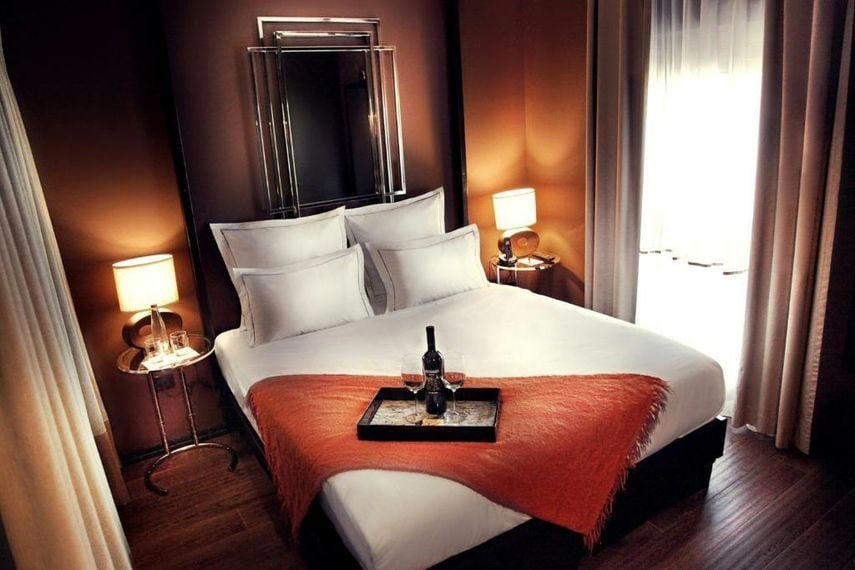
The assigned design angle is the correct one because the verified hotel data does not support a service-led or restaurant-led article. There is no named architect, no published style field, and no room category list in the record. Rather than invent those details, the stronger editorial move is to explain how Tel Aviv design hotels are judged when hard specifications are absent. Look at the relationship between entrance and sidewalk, the scale of the public areas, the amount of natural light, balcony presence, noise exposure, and whether the interiors respect the city’s apartment-house character or flatten it into anonymous international taste.
This is also where travelers should be precise with booking questions. A hotel in a residential district can vary room-by-room in outlook, quietness, and light. Without a verified room chart, category names cannot be recommended. The better request is functional: ask for the quietest available room, clarify whether the room faces a street or internal side, and confirm lift access if mobility or luggage is a concern. These are not glamorous questions, but they decide the quality of a Tel Aviv stay more reliably than decorative language.
Comparisons outside Israel reinforce the point. The Fifth Avenue Hotel in New York City, Hôtel de Paris Monte-Carlo in Monte Carlo, Badrutt's Palace Hotel in St. Moritz, and Aman Venice in Venice are defined by highly legible architectural narratives: Gilded Age interiors, casino-square grandeur, alpine palace tradition, Venetian palazzo life. Tel Aviv is less formal and more porous. Its design hotels often succeed when they interpret the city’s informality with discipline rather than trying to import palace codes.
Planning a stay
Confirm the exact location, cancellation terms, check-in timing, breakfast inclusion, and room type before committing. In Tel Aviv, season and calendar matter: beach demand rises in warmer months, Jewish and international holidays can tighten availability, and business travel can affect weekday pricing. No specific rate should be inferred from the available record.
Transport planning should also stay practical. With no latitude or longitude in the record, exact walking distances cannot be stated. Treat the Basel area as a north Tel Aviv base and check actual routing to the beach, Dizengoff, Rothschild Boulevard, Jaffa, and the museums before booking. Travelers planning a dining-led trip should map restaurants first, then test the hotel against those reservations. Those planning a design-led trip should compare this property with the city’s restored small hotels and with larger seafront options in Our full Tel Aviv hotels guide. For wine-country extensions or cellar-focused itineraries, Our full Tel Aviv wineries guide is the cleaner planning companion than expecting the hotel to carry that part of the trip.
The editorial recommendation is conditional: choose this style of stay if neighborhood texture, north-city calm, and design sensitivity matter more than published resort amenities. Choose a larger hotel if a pool, full-service infrastructure, sea views, or formal hospitality markers are non-negotiable. The absence of public awards and ratings is not a flaw by itself, but it does put more pressure on direct pre-arrival verification.
How It Compares
Comparable venues nearby, for context on price, style, and recognition.
| Venue | Cuisine | Price | Awards | Notes |
|---|---|---|---|---|
| Hotel in the Basel ComplexThis venue — the venue you are viewing | Large mixed‑use urban complex with an integrated upscale hotel component above or alongside luxury residences and retail. | $$$ | 5-Star | Not listed |
| David InterContinental Tel Aviv | Contemporary beachfront tower with modern elegance | $$$$ | 5-Star | Neve Tzedek |
| Poli House | Experimental luxury boutique hotel blending 1930s Bauhaus heritage with contemporary design innovation. | $$$ | 4-Star | Nachalat Binyamin |
| The Setai Tel Aviv | Historic luxury boutique in restored Ottoman buildings | $$$$ | 5-Star | Jaffa |
| The Drisco Tel Aviv | Historic boutique luxury hotel in restored heritage building | $$$$ | 5-Star | Newe Ẕedeq |
| Dan Tel Aviv | Luxury beachfront hotel with attentive service and VIP appeal. | $$$$ | 5-Star | Tel Aviv Promenade |

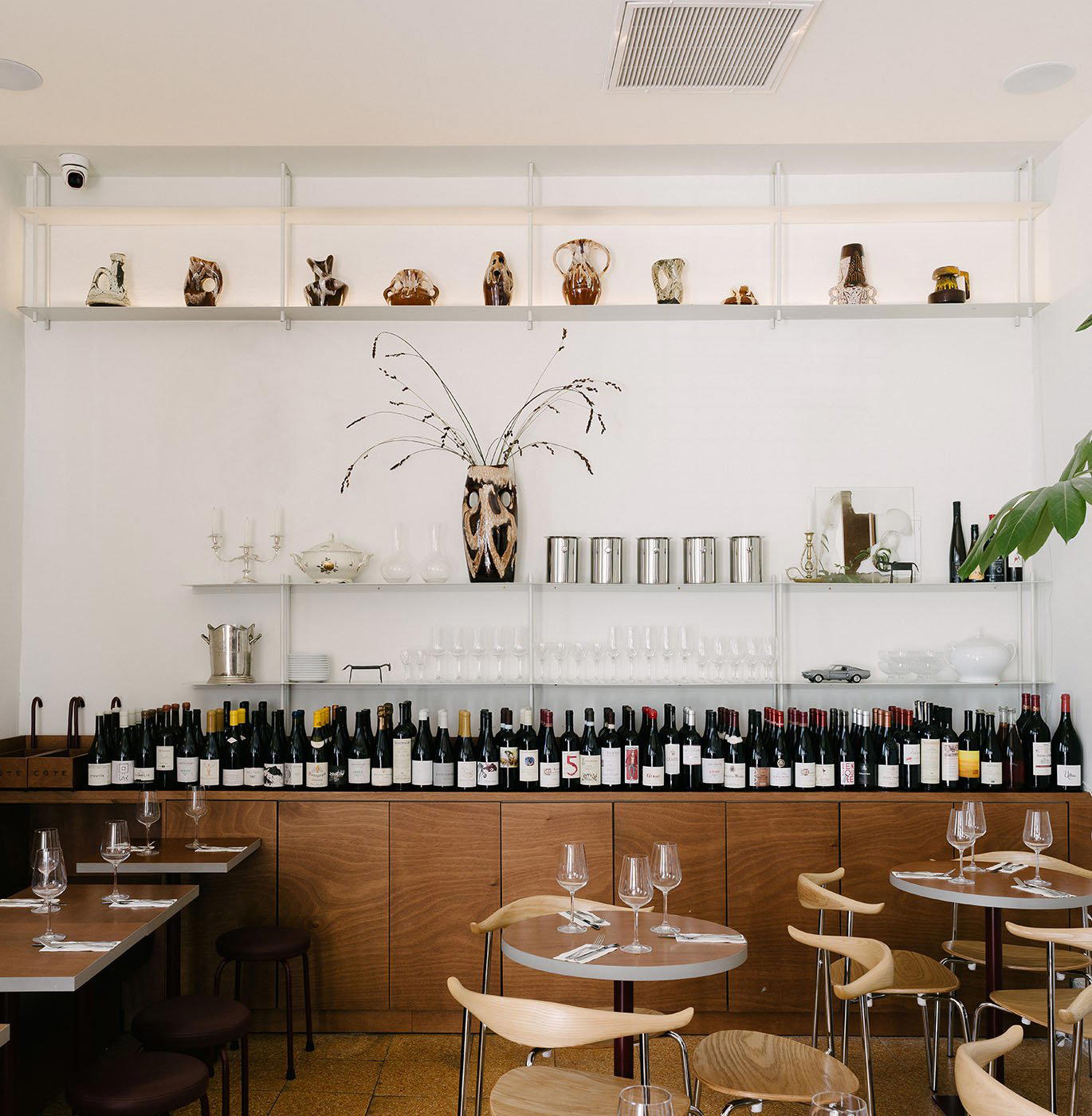
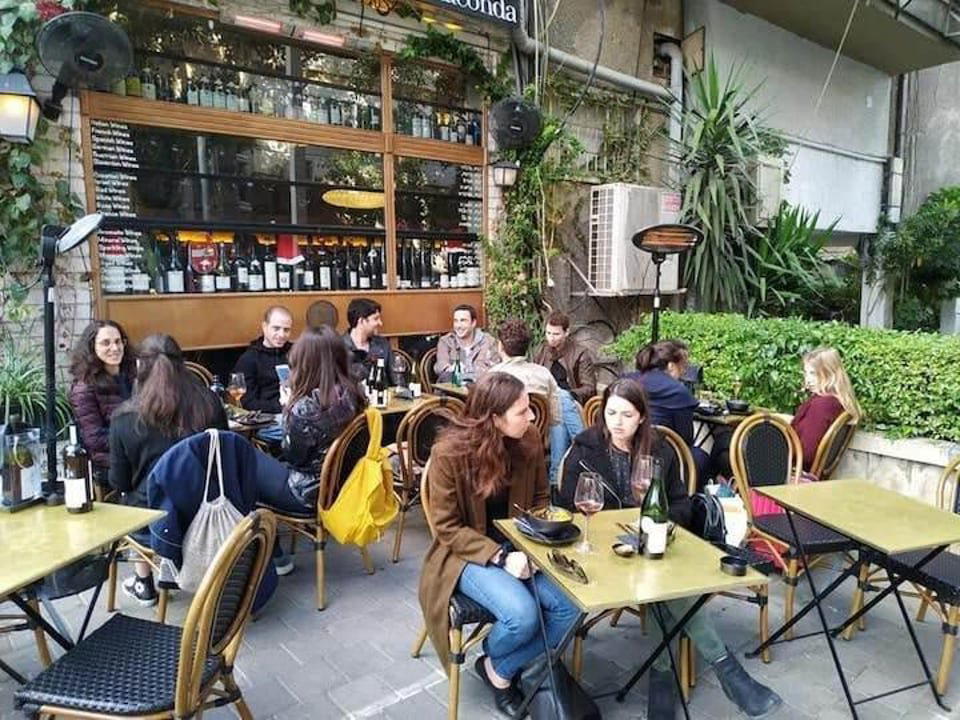
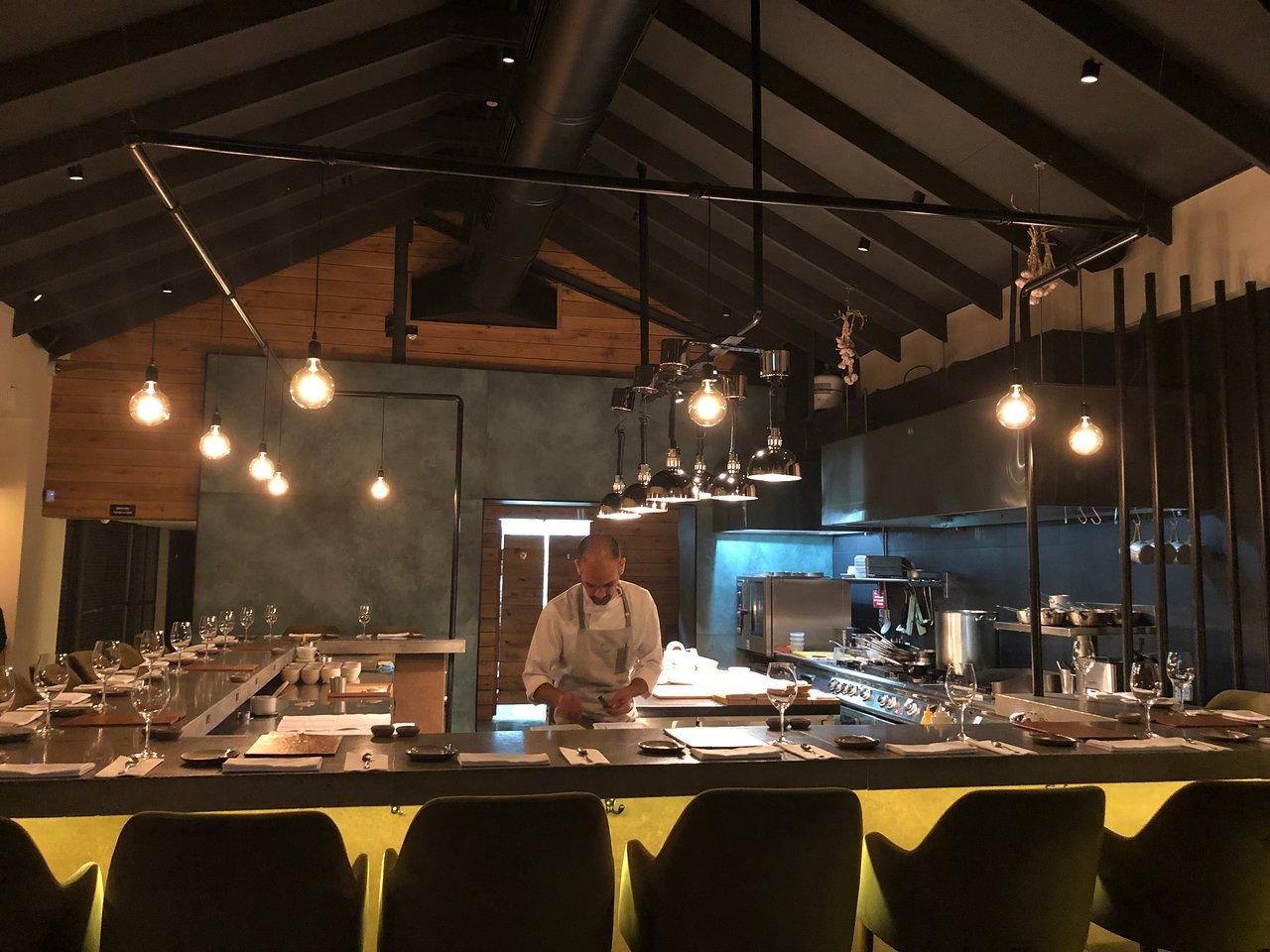
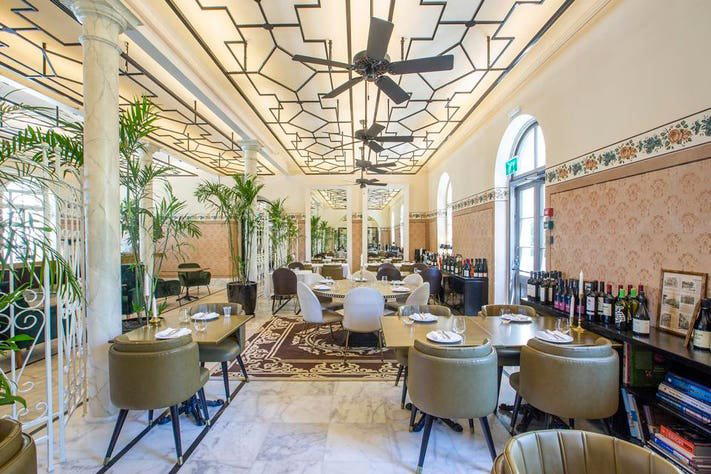
At a Glance
- Modern
- Elegant
- Trendy
- Business Trip
- Weekend Escape
- Celebration
- Design Destination
- Street Scene
Planned as a contemporary, upscale urban hotel within a chic residential and retail complex, likely offering a polished, design‑forward atmosphere aligned with Isrotel’s newer city properties.