Beresheet Hotel


Michelin Selected · Virtuoso Luxury Hotel Partner
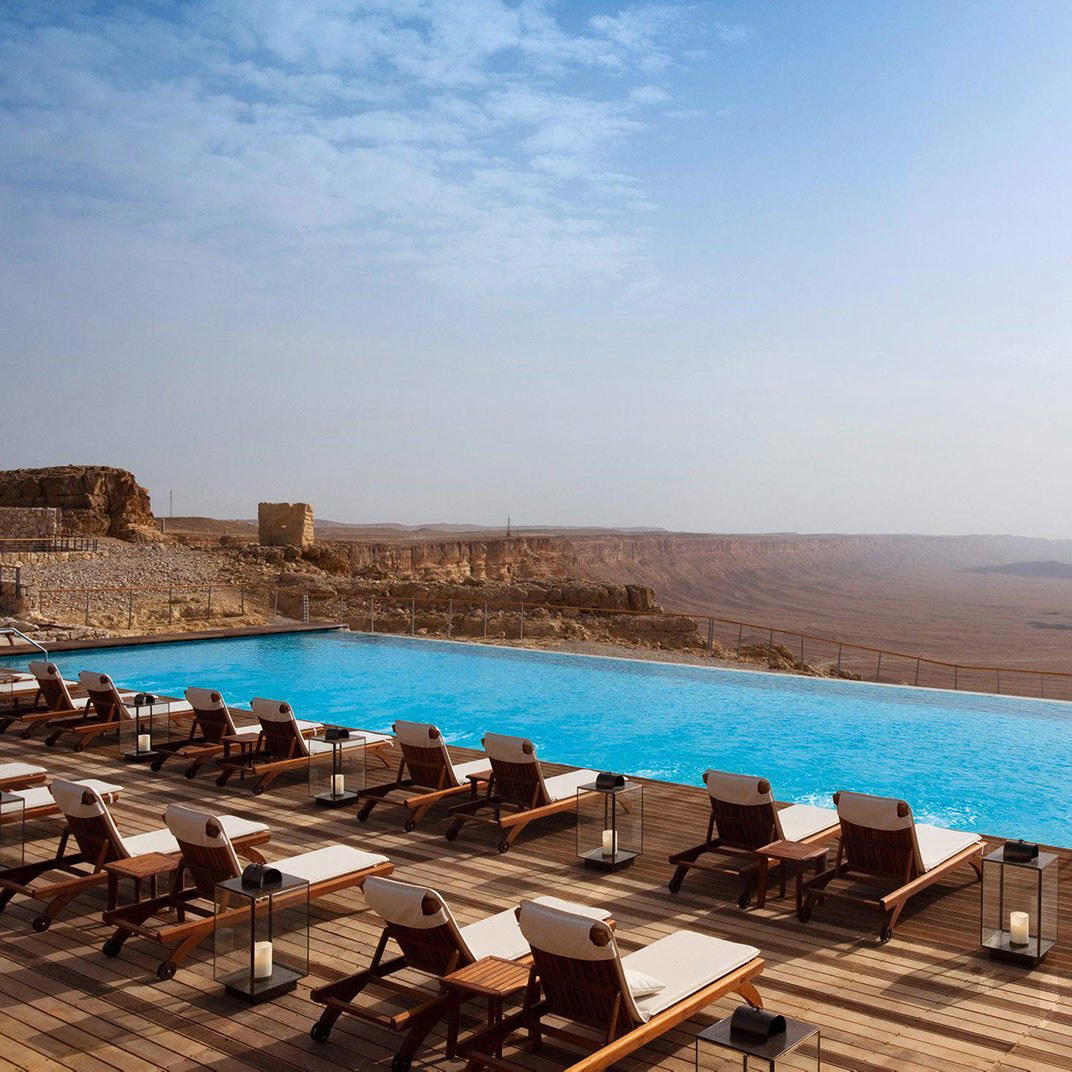
Beresheet Hotel sits at the rim of the Ramon Crater in Israel's Negev Desert, earning a place on Michelin's 2025 Selected Hotels list for its desert-edge architecture and position within one of the country's most geologically dramatic landscapes. The property functions as both a design statement and a practical base for exploring the crater, Israel's largest erosion cirque, and the wilderness trails that surround Mitzpe Ramon.

Pearl is the En Primeur Club membership app, where members save venues, book tables and use the concierge.
A Hotel at the Edge of Something Geological
The approach to Mitzpe Ramon already tells you something important. The Negev Highway runs south from Beersheba through increasingly spare terrain until the land simply ends, not at a cliff exactly, but at the rim of the Makhtesh Ramon, a 40-kilometre erosion cirque that Israeli geology textbooks treat as one of the most significant landforms in the region. Beresheet Hotel occupies that edge, which is the central architectural fact around which everything else about the property organises itself.
In desert luxury, location-as-architecture is a design philosophy rather than a marketing position. Properties at this latitude and this remove from urban infrastructure, Mitzpe Ramon sits roughly 220 kilometres south of Tel Aviv and about 85 kilometres from Beersheba, cannot rely on proximity to restaurants, galleries, or a broader hospitality district. The site has to justify the journey, and at Beresheet the site does that work before a guest even checks in. The crater rim delivers what no interior designer can fabricate: a geological horizon that drops several hundred metres and extends across a canvas of ochre, copper, and grey rock that changes register entirely depending on the hour and the light.
Design Logic in an Extreme Environment
Luxury desert hotels occupy a specific architectural position globally. The question the building must answer is whether it imposes on the landscape or defers to it. Properties that get this wrong tend toward fortress aesthetics, high walls, filtered interiors that keep the desert at a theatrical distance. The more considered approach, which Beresheet takes, involves low horizontal profiles, materials that read as continuous with the surrounding stone, and an orientation that makes the view the primary spatial event rather than the lobby or the pool.
This approach has precedents across desert hospitality. The Jordanian valley properties, certain lodges in Wadi Rum, and further afield the design-led camps of the Namib and the Atacama have all worked through similar problems. What distinguishes the Negev setting specifically is the scale of the makhtesh, craters of this type, formed through erosion rather than volcanic or meteor activity, exist almost nowhere else on earth, which gives Beresheet a view geometry that most desert properties cannot replicate. The depth and breadth of the Makhtesh Ramon means the hotel's terraces and room orientations are dealing with a panorama rather than a vista, and that difference shapes how the architecture relates to daylight across different times of day.
For guests comparing regional options, it is worth understanding where Beresheet sits relative to Israel's broader premium hotel set. Properties like the Waldorf Astoria Jerusalem and Soho House Tel Aviv, Jaffa operate in dense urban environments where the hotel's design competes with and complements city texture. The Setai Tel Aviv and The Efendi Hotel in Acre work with historical architectural fabric. Beresheet operates without those reference points. The design vocabulary here is landscape-first in a way that urban and coastal properties simply are not required to be.
The closest regional comparison may be Six Senses Shaharut, which occupies a different section of the Negev and operates within the Six Senses wellness framework. Both properties are making the argument that extreme southern Israel constitutes a legitimate luxury destination rather than an expedition compromise.
What the Crater Rim Actually Means for a Stay
The makhtesh geology deserves more than passing mention because it directly determines what a stay here looks and feels like at different times of day. Sunrise at the crater rim is a specific event: the light moves across the rock in a way that produces distinct colour phases over about forty minutes. Guests who time their first morning to the eastern horizon get a version of the landscape that the afternoon visitor does not see. This is the kind of temporal detail that distinguishes a genuinely site-specific hotel from one that could be transplanted to another desert without meaningful loss.
Mitzpe Ramon itself, a town of roughly 5,000 people, has developed a small but considered artisan and gastronomic infrastructure over the past decade, partly in response to the hotel's draw and partly through independent migration of craftspeople and chefs who have relocated from Tel Aviv and Jerusalem. The town's dining scene will not substitute for an urban restaurant quarter, but it provides context and character that makes multi-night stays more varied. For anyone considering the wider region, our full Mitzpe Ramon restaurants guide maps what is worth seeking out.
Planning a Stay: Logistics and Timing
The Negev Desert operates on a seasonal logic that differs from Mediterranean Israel. Summer temperatures at Mitzpe Ramon can reach extremes that make outdoor crater exploration uncomfortable during midday hours, though the elevation, approximately 900 metres above sea level, keeps conditions more moderate than the lower desert floors. Autumn and spring offer the most balanced conditions for combining outdoor activity with the architectural experience of the property itself. Winter nights at the crater rim are cold enough to require proper layering, and the clear skies that typically accompany the dry season make Mitzpe Ramon one of the better stargazing positions in the country, given the minimal light pollution at this remove from major population centres.
Reaching Beresheet requires planning that most Israeli hotel stays do not. There is no rail connection to Mitzpe Ramon; driving from Tel Aviv takes approximately two and a half to three hours depending on route and traffic, and from Beersheba about an hour. The distance from Ben Gurion Airport makes this a destination that works well as part of a longer Israel itinerary rather than a quick addition to a Tel Aviv trip.
For those building a broader Israel stay, the premium hotel set is distributed enough to warrant sequential planning. Beresheet Hotel in Beersheba and the Elma Arts Complex Luxury Hotel in Hadera each occupy distinct positions in the country's design-led accommodation tier, and a considered itinerary can move between urban, coastal, and desert registers without repetition.
Globally, the category of landscape-anchored luxury desert hotels that Beresheet represents, properties where the geological or natural setting is the primary design element rather than a backdrop, has grown considerably. Comparisons with properties like Hotel Esencia in Tulum or Castello di Reschio in Lisciano Niccone are instructive: each of those properties makes a version of the same argument Beresheet does, that the right landscape, treated with architectural intelligence, constitutes a complete offer. In Beresheet's case, the Makhtesh Ramon provides a geological argument that is difficult to counter.
How It Stacks Up
Comparable venues nearby, for context on price, style, and recognition.
| Venue | Cuisine | Price | Awards | Notes |
|---|---|---|---|---|
| Beresheet HotelThis venue (the venue you are viewing) | Private villas scattered across desert landscape with panoramic crater views | $1,000–1,500 | Michelin Selected · Virtuoso Luxury Hotel Partner | Not listed |
| Nobu Tel Aviv | Intimate luxury boutique hotel by Nobu that brings local Tel Aviv culture into a curated, lifestyle-driven stay. | Not listed | Not listed | Rothschild Boulevard |
| Six Senses Shaharut | Sustainable desert resort with standalone suites and villas blending into the Negev landscape. | $750–1,000 | Michelin Selected · La Liste Top Hotels | Shaharut |
| David InterContinental Tel Aviv | Contemporary beachfront tower with modern elegance | Not listed | Virtuoso Luxury Hotel Partner | Neve Tzedek |
| The Ritz-Carlton, Herzliya | Luxury Mediterranean resort positioning as Israel's first and premier luxury hotel with marina-front location and internationally prominent amenities. | Not listed | Star Wine List · Virtuoso Luxury Hotel Partner | Herzliya |
| Mamilla Hotel | Contemporary urban luxury with Art Deco influences | $300–500 | Star Wine List · Virtuoso Luxury Hotel Partner | Mamilla |
Recognition history
Dated appearances from independent guides and award organizations, with the underlying list record or original source where available.
Michelin Selected
Michelin
Virtuoso Luxury Hotel Partner
Virtuoso
Continue exploring
More in Mitzpe Ramon
Restaurants in Mitzpe Ramon
Browse all →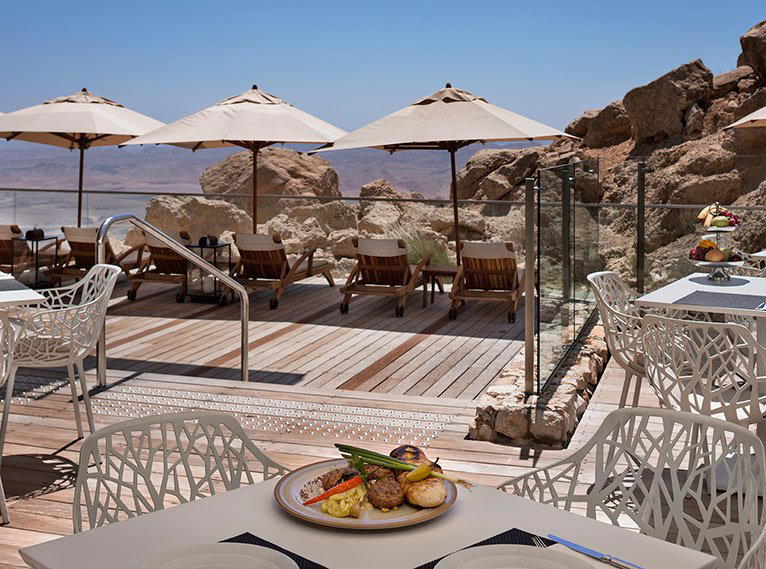
Wineries in Mitzpe Ramon
Browse all →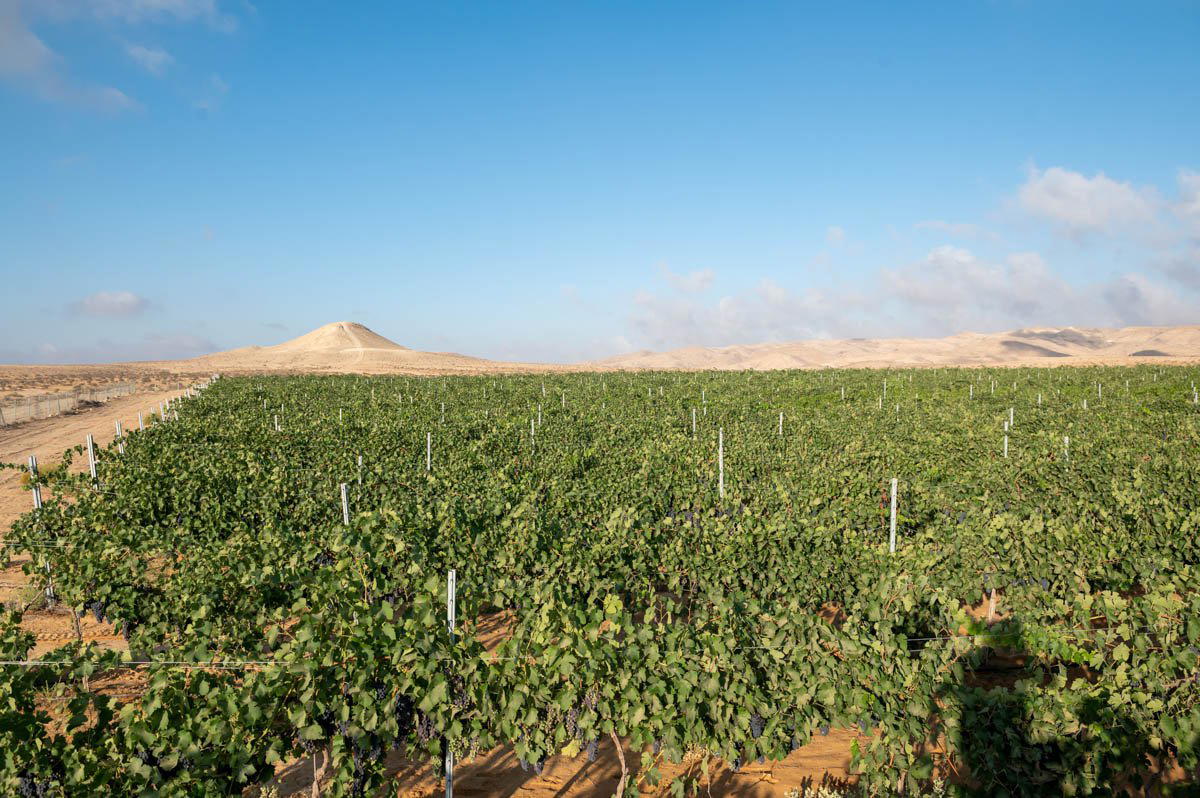
Details
- Scenic
- Elegant
- Quiet
- Sophisticated
- Romantic Getaway
- Family Vacation
- Wellness Retreat
- Weekend Escape
- Panoramic View
- Infinity Pool
- Pool
- Spa
- Fitness Center
- Room Service
- Concierge
- Wi Fi
- Kids Club
- Mountain
- Wheelchair Accessible
Tranquil desert atmosphere with natural stone and wood materials, enhanced by panoramic crater views from rooms and infinity pool.