


Michelin Selected · Mr & Mrs Smith Seal of Approval · Virtuoso Luxury Hotel Partner
Casa Monti sits on Via Panisperna in Rome's most creatively charged neighbourhood, offering 26 rooms and 10 suites across six floors where antiques, commissioned artworks, and custom textiles do the work that conventional five-star amenities usually handle. Compared to the more formally appointed properties near the Spanish Steps or Foro Romano, this is five-star accommodation pitched squarely at travellers who read neighbourhood context as part of the stay.

Pearl is the En Primeur Club membership app, where members save venues, book tables and use the concierge.
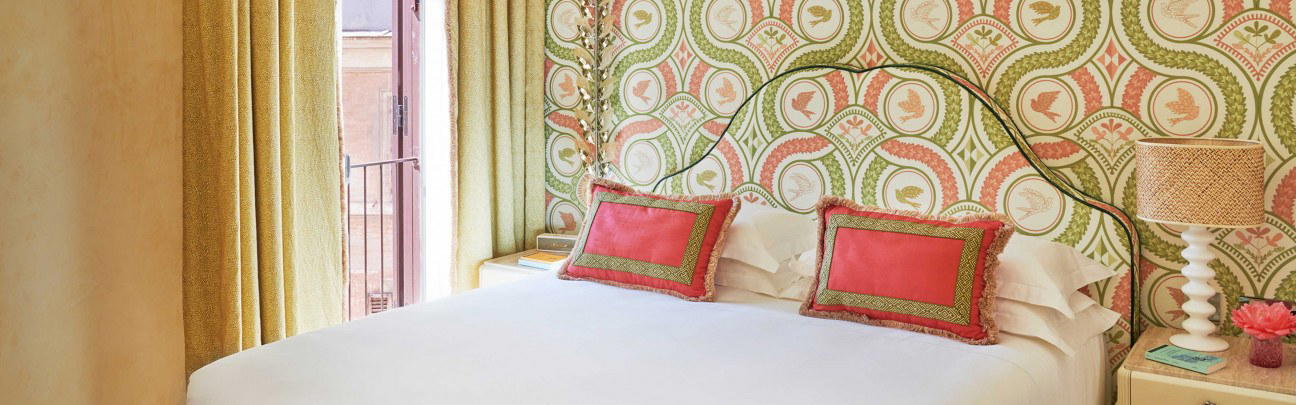
Monti's Creative Density, Distilled Into 36 Rooms
Rome's hotel market has long organised itself around a familiar geography: the grand addresses cluster near the Spanish Steps, the Pantheon, or the Borghese gardens, while the neighbourhood beyond the Colosseum's eastern shadow was left, until recently, to cheaper pensions and self-catering apartments. The transformation of Monti into Rome's most concentrated creative district changed those assumptions. Antique dealers, glassworkers, ironworkers, woodworkers, and independent art galleries line the quarter's gently sloping streets in a density that no other central Roman neighbourhood currently matches. Casa Monti, at Via Panisperna 210/212, arrived to occupy exactly the space that transformation created: a five-star property whose design rationale draws directly from the artisan culture outside its front door rather than from the vocabulary of pan-European luxury chains.
For context on where this sits in Rome's broader five-star tier, the comparison set matters. Properties like Bulgari Hotel Roma or Hotel Eden operate from a different premise: international brand authority, large-footprint service, and rooms that could plausibly belong to several cities. Hotel Vilòn and JK Place Roma occupy a closer peer position, working with limited keys and design-led interiors, though their neighbourhoods carry different social weight. Casa Monti's specific argument is that Monti's working artisan culture is not backdrop but programming: the workshops outside are the reason the antiques and commissioned works inside make sense.
What Six Floors of Commissioned Craft Actually Look Like
The entry sequence establishes the terms immediately. A fresco greeting guests at the door sets an ode to verdure across the lobby wall, an unusual opening gesture for a five-star property that signals this is not a hotel where the art budget went to neutral prints and inoffensive sculpture. The fresco reads less as decoration than as a declaration: this building belongs to a tradition of craft-based place-making that the Monti district has sustained through several economic cycles.
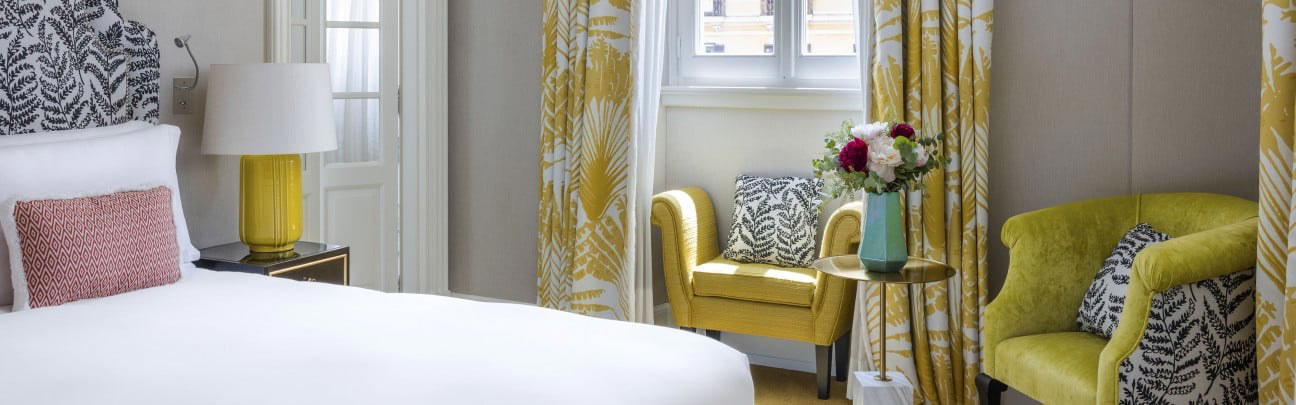
Across 26 rooms and 10 suites spread over six floors, the interiors maintain that commitment through elaborately worked materials, calibrated colour palettes, and custom printed textiles. The word "custom" matters here: in hotels where budgets compress, custom commissions are typically the first line item cut. That Casa Monti has maintained them across 36 keys suggests a deliberate curatorial position rather than opportunistic decoration. Antiques are distributed through the property with the kind of considered placement that comes from collecting over time rather than furnishing by catalogue. Italian craftsmanship, the sort visible in the glass and ironwork studios a short walk along Via Panisperna, provides the material reference point throughout.
In this, Casa Monti belongs to a pattern visible at a handful of Italian properties that have treated local artisan traditions as the primary design brief. Castello di Reschio in Lisciano Niccone does something comparable with Umbrian estate crafts; Corte della Maestà in Civita di Bagnoregio works within tighter constraints but with similar intent. The logic in each case is that local material culture, rendered carefully, produces rooms that feel impossible to replicate elsewhere, which is the argument against sameness that smaller independent hotels now make most effectively.
The Monti Wine Question
The editorial angle most worth considering for a property in this neighbourhood is what the dining and drinking offer looks like when the surrounding streets set a high artisanal standard. Monti has developed, over the past decade, one of Rome's more interesting concentrations of independent wine bars and natural wine-focused restaurants, a scene that has outpaced most other central neighbourhoods in terms of cellar depth and producer diversity. A five-star hotel in this context has to decide whether it competes with that offer or defers to it.
The venue data does not confirm specifics about Casa Monti's wine program, so the honest answer for travellers is that the neighbourhood itself is your cellar. Walking distance from Via Panisperna, the Monti wine bar scene provides access to Italian regional producers, from Etna's volcanic reds to the volcanic-soil whites of Campania, the amber wines of Friuli, and the more structured end of the Lazio natural wine movement, that a hotel list would struggle to replicate at this price level. Properties like Portrait Roma or Hassler Roma compensate for less interesting surrounding neighbourhoods with in-house programs. Casa Monti's neighbourhood does that work externally.
For comparison, when you look at how Italian boutique properties at this scale handle wine, the stronger examples tend to embed local cellar relationships rather than operating a conventional hotel wine list. Casa Maria Luigia in Modena benefits from Emilia-Romagna's producer density; Rosewood Castiglion Del Bosco in Montalcino is essentially a wine estate that also offers rooms. Casa Monti's version of that logic is geographic: the Monti quarter's independent operators provide the depth.
Planning the Stay
Via Panisperna sits in the upper reaches of Monti, closer to the Piazza degli Zingari end than to the Colosseum, which places the property within a comfortable ten-minute walk of the Forum and fifteen minutes on foot from Termini station, useful for arrivals from Fiumicino or Ciampino by direct rail connection. The neighbourhood's gallery and workshop concentration is highest on the streets immediately adjacent, making the immediate surroundings the most productive area to explore before or after checking in.
Rome's five-star boutique tier books ahead during the autumn shoulder season (late September through November) and in spring (April through early June), when the city receives its highest concentration of culturally motivated travellers. The 36-key scale at Casa Monti means availability compresses faster than at larger addresses like Hotel Locarno or the Rocco Forte properties.
For travellers building an Italian itinerary beyond Rome, the natural extensions from this design-and-craft positioning include Aman Venice for a comparable commitment to artisan interiors in a different city, Four Seasons Hotel Firenze in Florence for the palazzo tradition, or Borgo Santandrea on the Amalfi Coast for a coastal counterpoint. For a broader view of where Casa Monti sits within Rome's full dining and accommodation offer, see our full Rome guide.
The properties that work leading as international comparators for this format, small-key, design-saturated, neighbourhood-rooted, would include The Fifth Avenue Hotel in New York City and, for a more remote design-led experience, Amangiri in Canyon Point, though the cultural register differs substantially. Passalacqua in Moltrasio offers perhaps the closest Italian parallel in terms of curatorial intensity within a limited room count.
A Tight Comparison
Comparable venues nearby, for context on price, style, and recognition.
| Venue | Price | Awards | Notes |
|---|---|---|---|
| Casa MontiThis venue (the venue you are viewing) | Not listed | Michelin Selected · Mr & Mrs Smith Seal of Approval | Not listed |
| Palm Suite | Not listed | Michelin Selected · Mr & Mrs Smith Seal of Approval | Monti, Eclectic luxury residences in historic 18th-century palazzo |
| Margutta 19 | $300–500 | Michelin Selected · Small Luxury Hotels of the World Member | Campo Marzio, Contemporary Italian luxury in a historic palazzo with refined minimalist elegance and curated art gallery aesthetic. |
| Hotel Aldrovandi | $300–500 | Michelin Selected | Pinciano, Historic urban resort blending aristocratic past with modern luxury |
| Palazzo Dama | $750–1,000 | Michelin Selected · Mr & Mrs Smith Seal of Approval | Campo Marzio, Historic palazzo with modern luxury renovations |
| Hotel d'Inghilterra | Not listed | Michelin Selected · Virtuoso Luxury Hotel Partner | Campo Marzio, Historic aristocratic mansion with eclectic originality and casual elegance. |
Recognition history
Dated appearances from independent guides and award organizations, with the underlying list record or original source where available.
Michelin Selected
Michelin
Mr & Mrs Smith Seal of Approval
Mr & Mrs Smith
Virtuoso Luxury Hotel Partner
Virtuoso
Continue exploring
More in Rome
Hotels in Rome
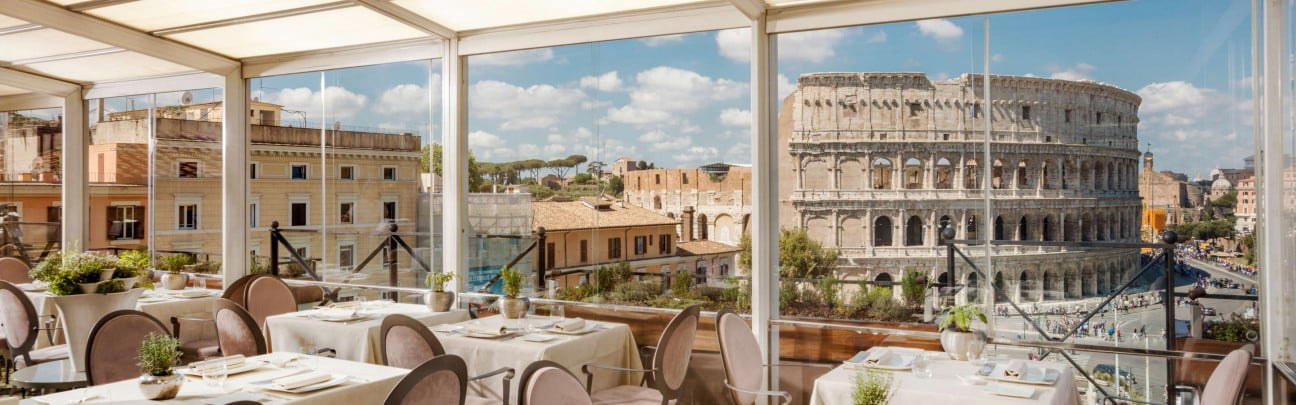
All hotels in Rome →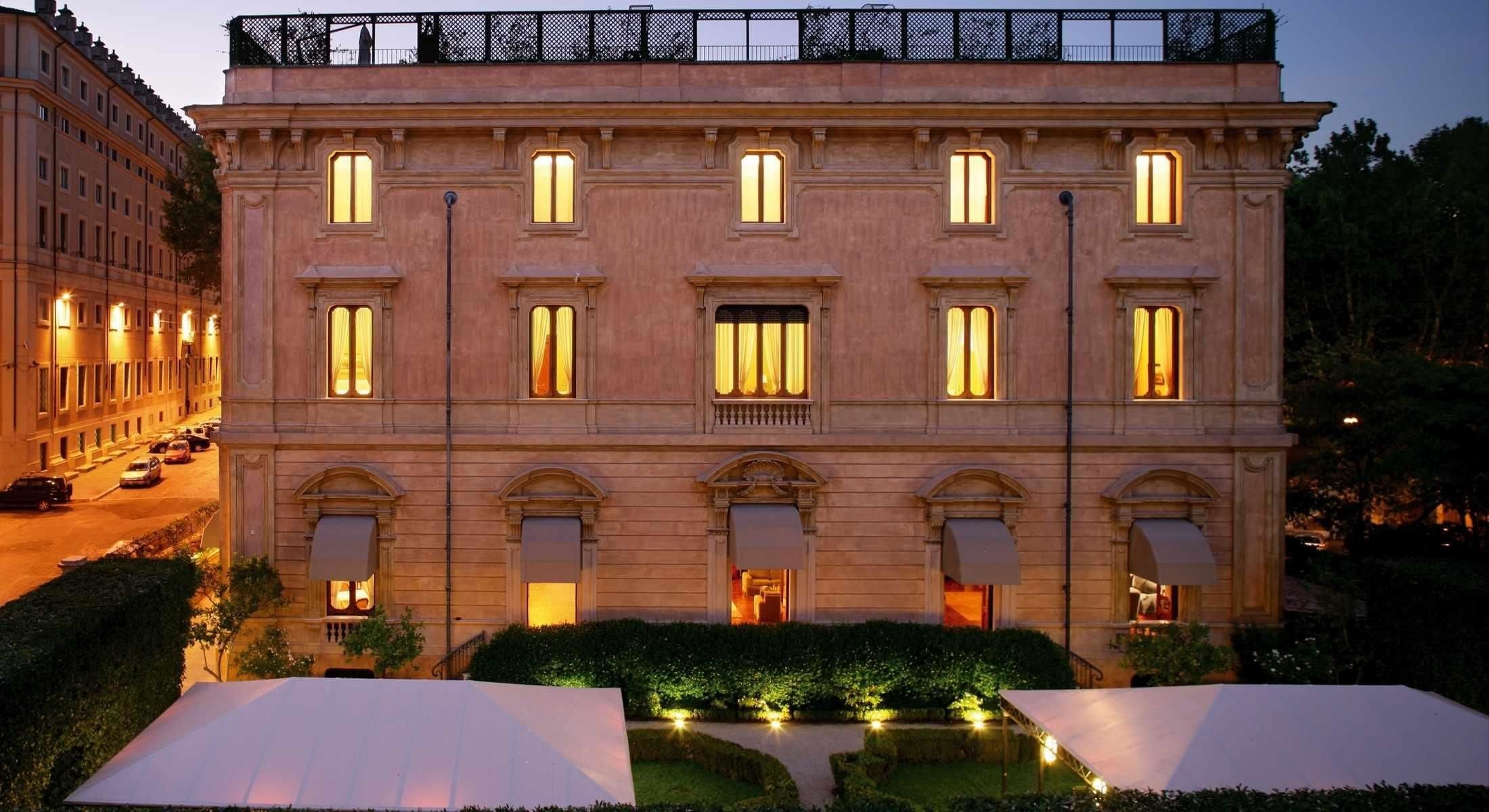
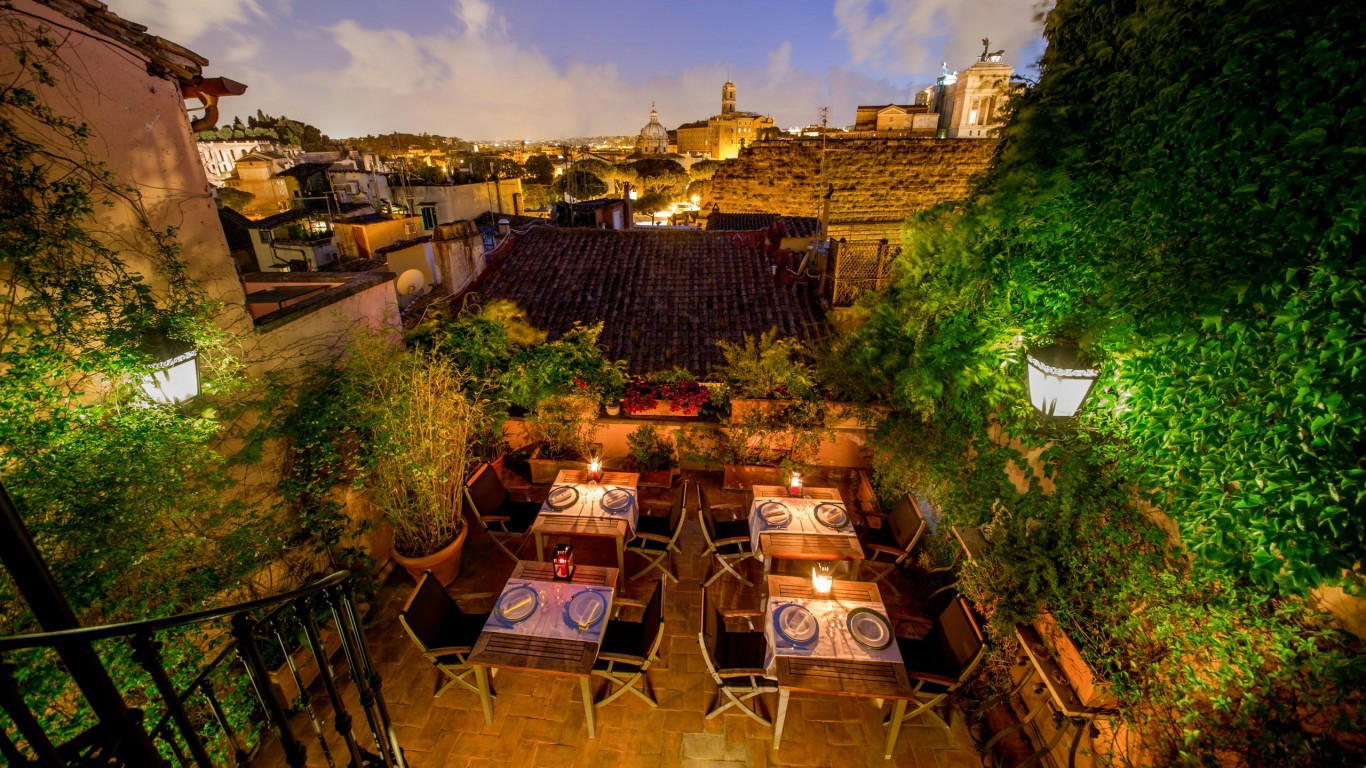
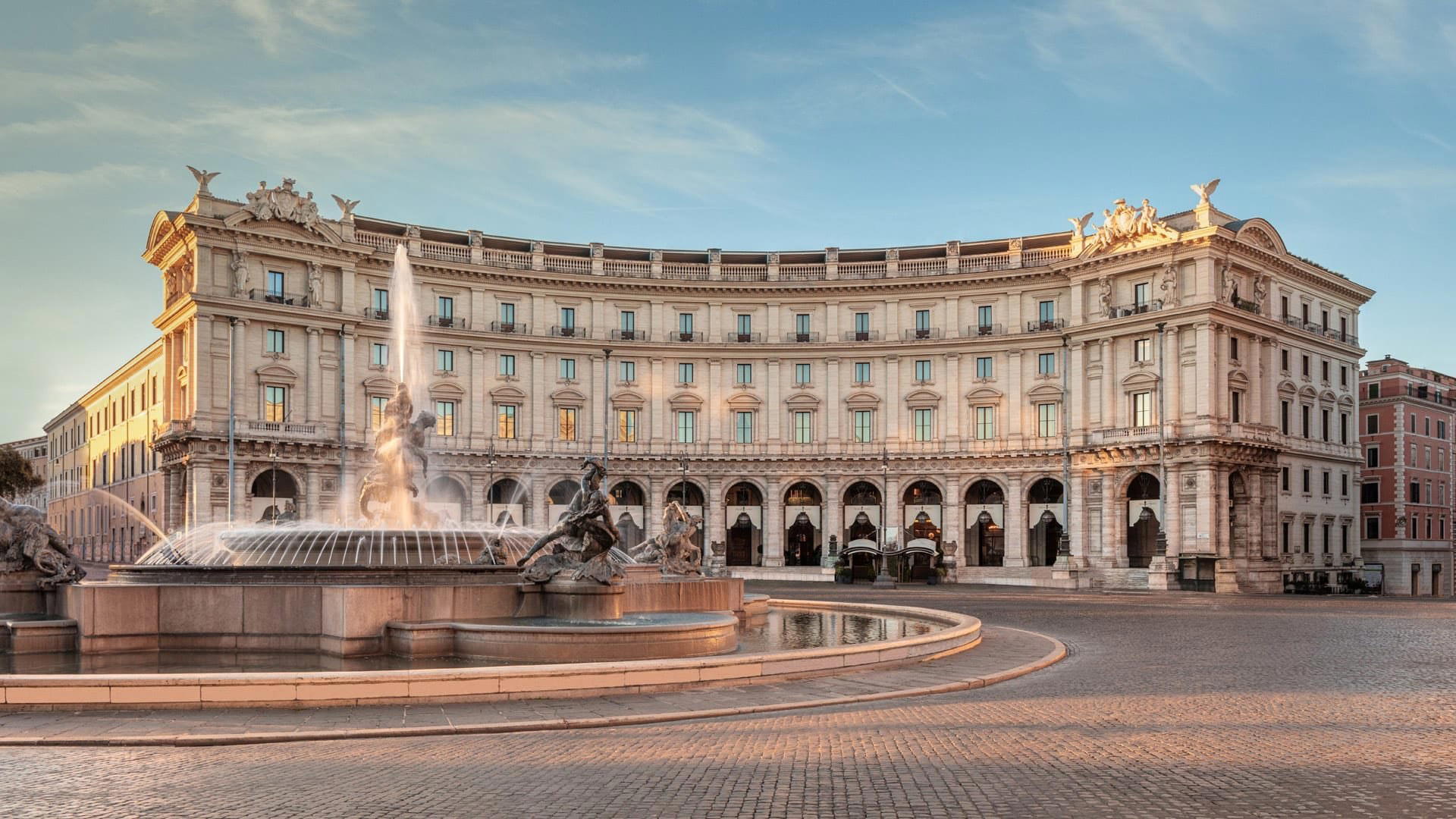
Bars in Rome
All bars in Rome →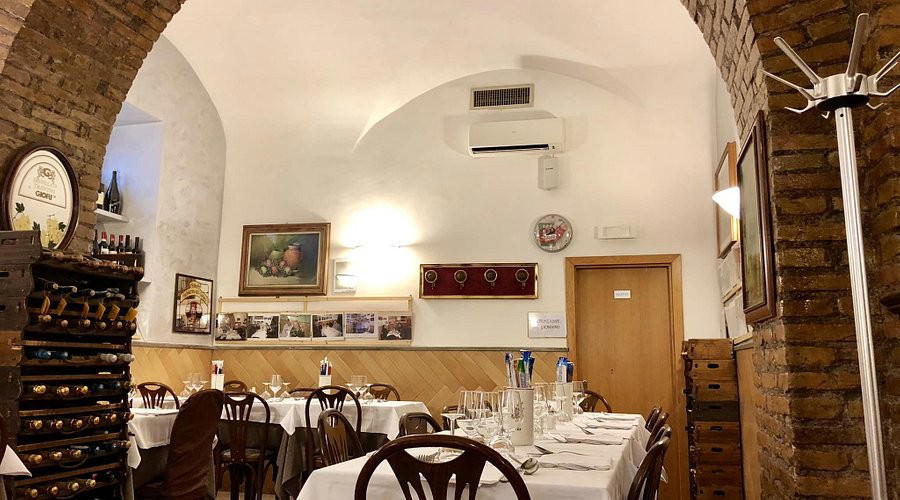
Restaurants in Rome
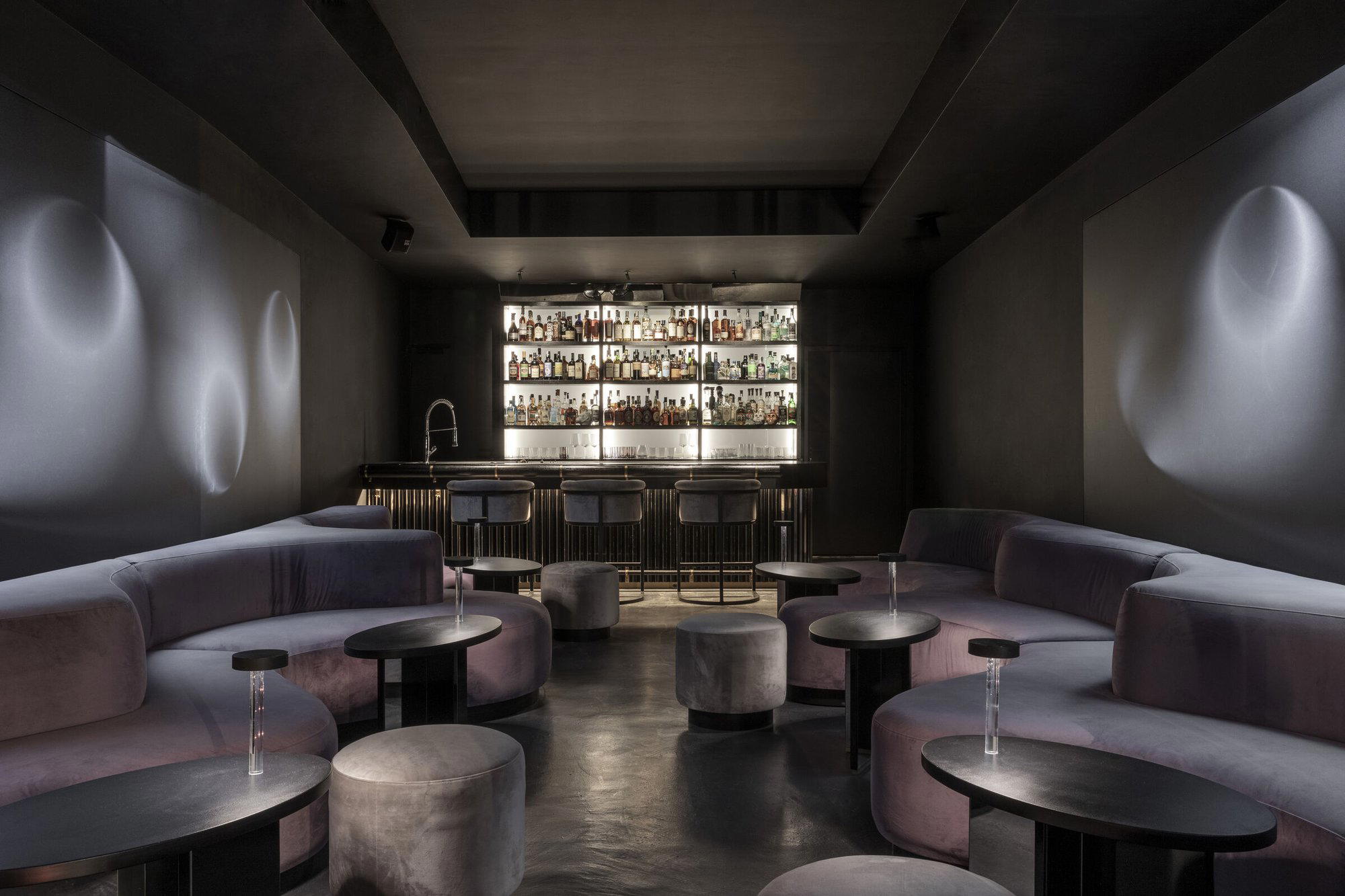
All restaurants in Rome →

Details
- Bohemian
- Elegant
- Cozy
- Sophisticated
- Romantic
- Romantic Getaway
- Anniversary
- Weekend Escape
- Terrace
- Historic Building
- Rooftop Pool
- Wi Fi
- Spa
- Pool
- Room Service
- Concierge
- Restaurant
- Bar
- Garden
- Hot Tub
- Fitness Center
- Street Scene
- Elevator
- Wheelchair Accessible
- Step Free Entrance
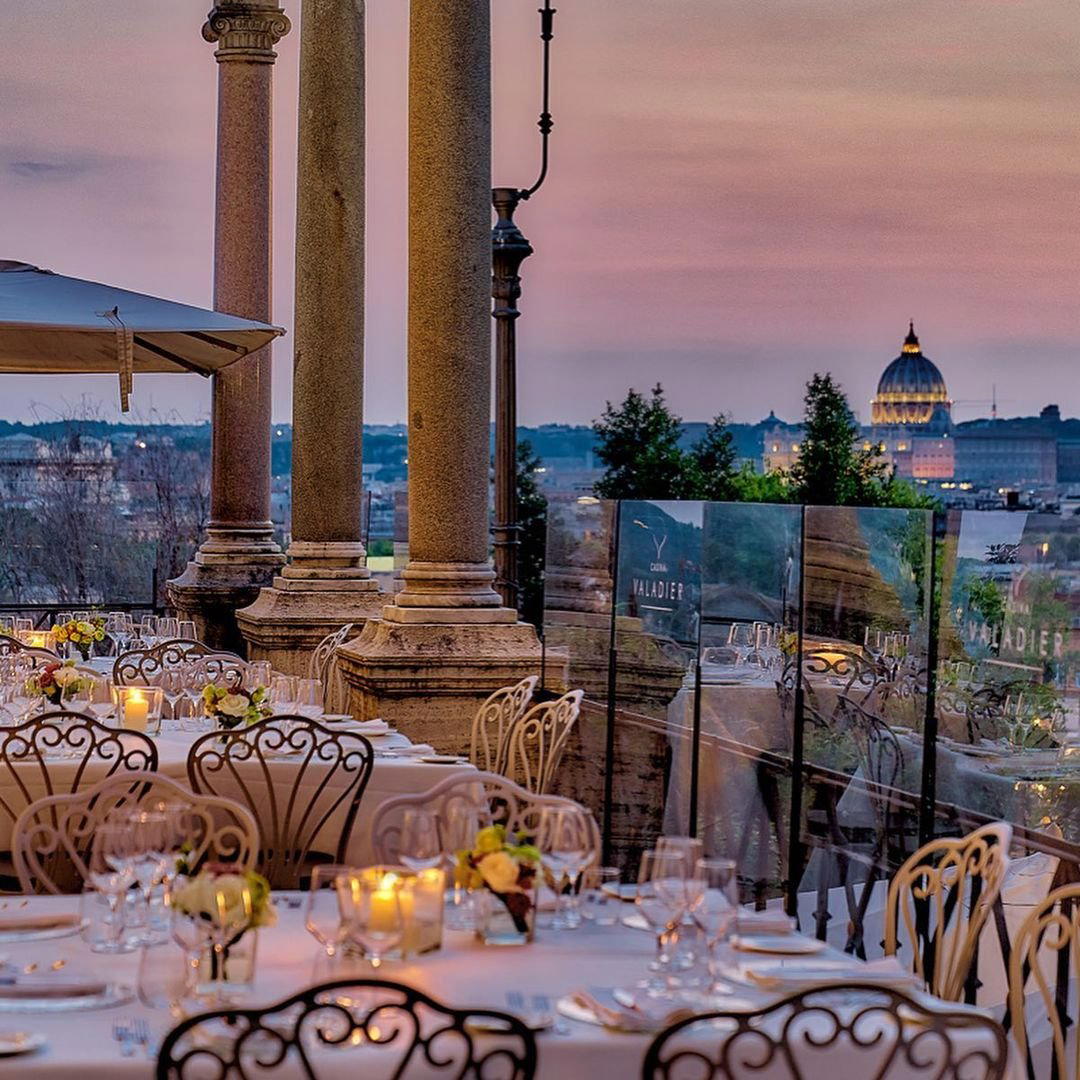
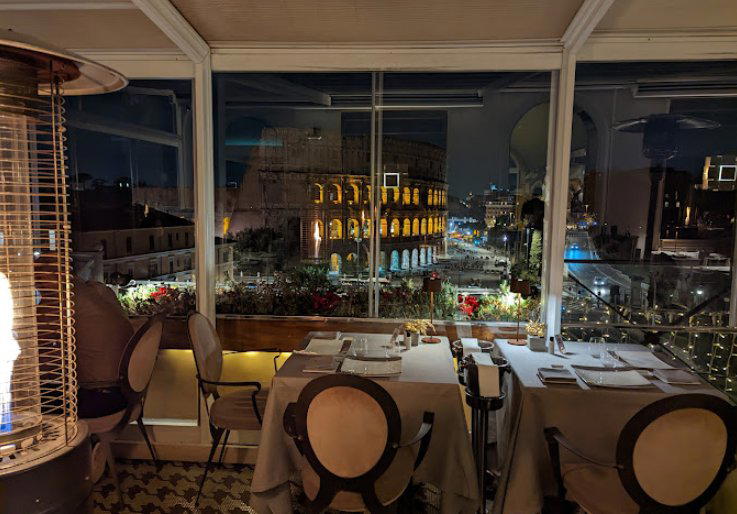
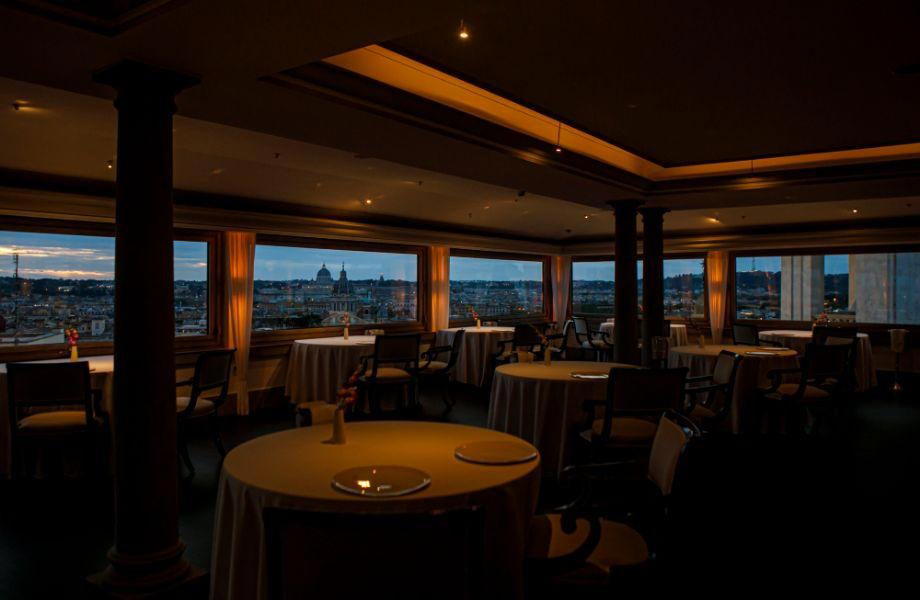
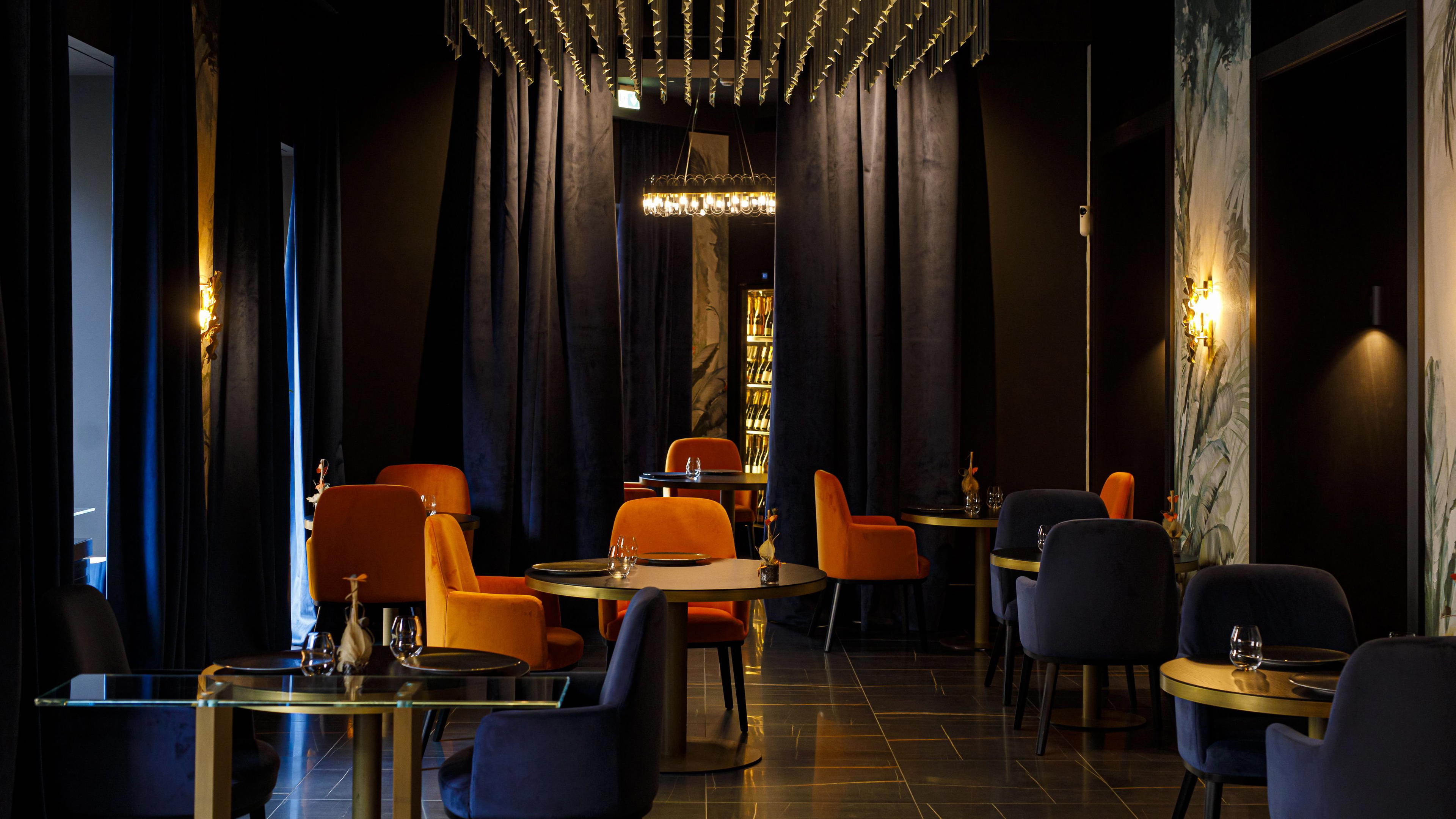
Cozy and eclectic with colorful, artistic interiors, soft lighting, thoughtful touches like hidden TVs and turndown amenities, creating a welcoming, intimate boutique atmosphere.