Hotel degli Orafi occupies a 13th-century tower on the Arno, immediately east of the Ponte Vecchio. The building was constructed as a goldsmith guild hall—orafi translates to goldsmiths—and the stone façade, vaulted ceilings, and river-facing rooms remain largely intact. Its position inside Florence's Oltrarno district places it within walking distance of the Uffizi, Palazzo Pitti, and the artisan quarter south of the river.

Pearl is the En Primeur Club membership app, where members save venues, book tables and use the concierge.

Hotel degli Orafi anchors itself to a 13th-century tower that once housed Florence's goldsmith guild. The building stands on Lungarno degli Archibusieri, a narrow stretch of embankment east of the Ponte Vecchio, where the Arno bends north toward Santa Croce. The structure has carried multiple functions, guild headquarters, private residence, and eventually a small hotel, but the stone shell, arched windows, and vaulted ground-floor ceilings have remained largely unchanged since the medieval period. Florence retains several historic conversions of this kind, but few occupy riverfront positions inside the centro storico with original guild provenance still legible in the architecture.
The property sits at the edge of the Oltrarno, the district south of the Arno traditionally associated with artisan workshops, leather studios, and smaller trattorie. From the hotel's entrance, it takes less than five minutes on foot to reach the Uffizi Galleries, three minutes to the Ponte Vecchio, and ten to Palazzo Pitti. The neighbourhood operates with less through-traffic than areas north of the river, and the embankment itself remains narrow and quiet compared to the broader Lungarno Corsini or Lungarno Acciaiuoli further west. The medieval street grid around the hotel preserves alleyways too tight for vehicle access, and many of the surrounding buildings date to the 13th and 14th centuries, creating a contiguous block of stone façades and iron balconies.
A Tower Restored as a Small-Format Hotel
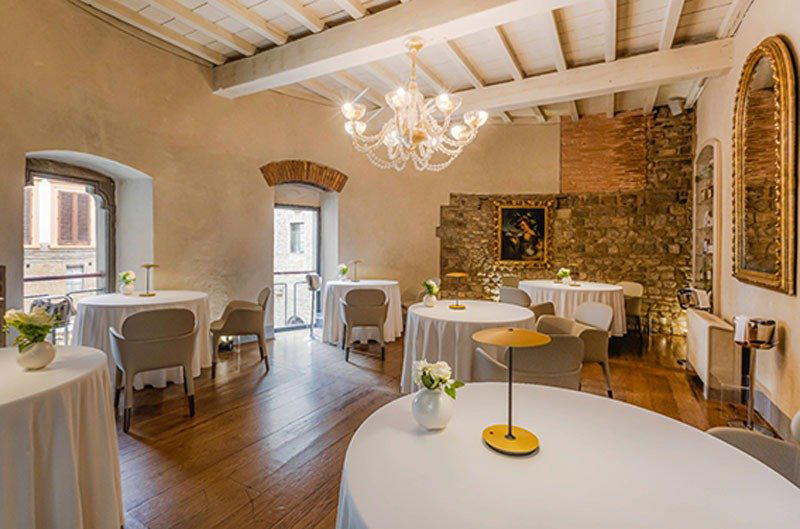
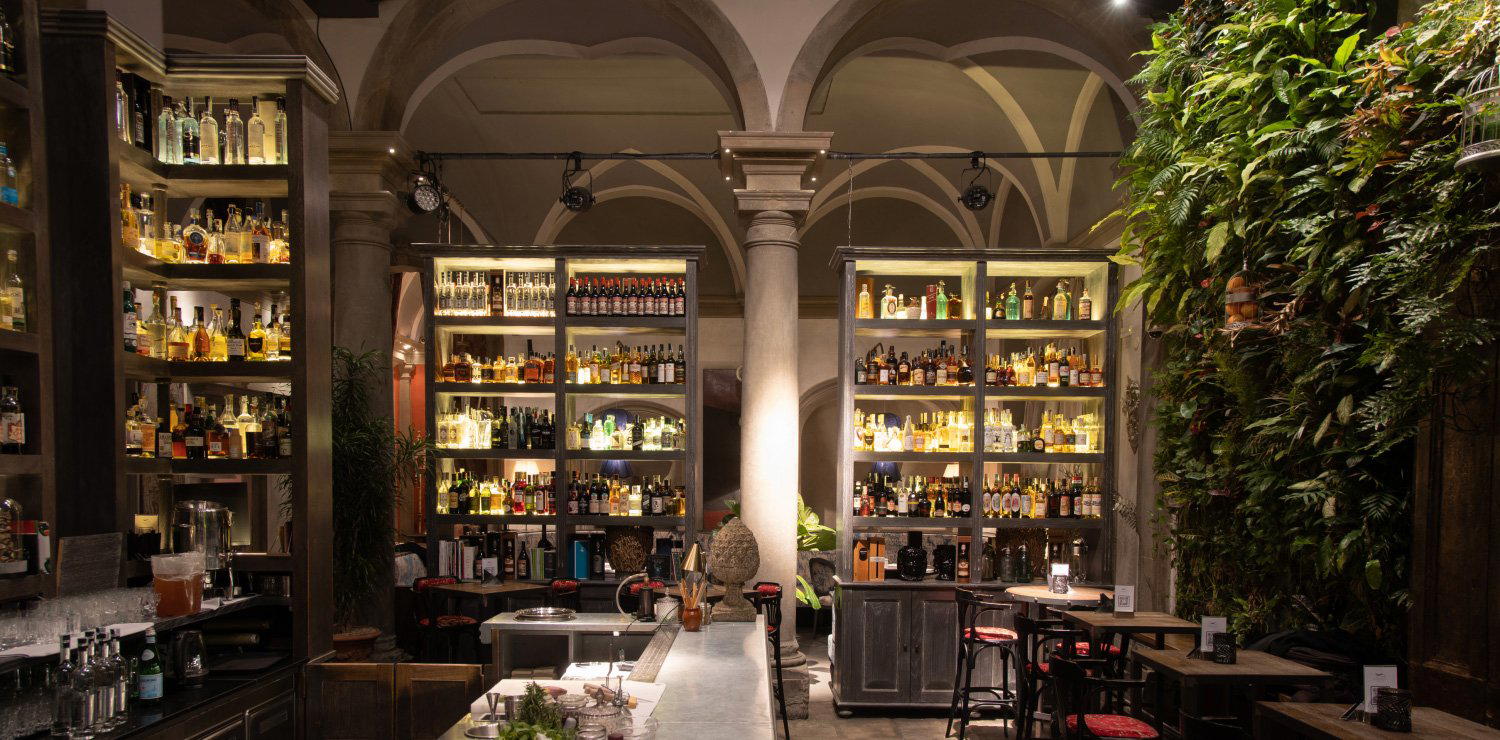
The tower's original stone walls, some exceeding half a metre in thickness, form the structural core of the hotel. The ground floor retains its ribbed vaulting, and the first floor preserves wooden beam ceilings that predate the Medici period. The property was adapted into a hotel format in the early 2000s, with interventions that preserved the masonry shell while inserting modern plumbing, climate control, and electrical infrastructure. The interior finishes lean toward dark wood paneling, wrought-iron fixtures, and terracotta tile, all consistent with Tuscan restoration practice but applied without the ornamental excess common to larger palace conversions. The result reads as historically coherent but not museological, floors creak, walls show patina, and the building retains the irregular proportions and stair turns inherent to a medieval tower.
Guest rooms occupy the upper floors, with several offering direct views over the Arno toward the Uffizi loggia and the distant hills beyond Fiesole. Room sizes vary according to the building's original layout, and window placement follows the medieval apertures rather than a symmetrical grid. Some rooms include original ceiling beams; others feature stone or plaster finishes that date to subsequent renovation phases. The design approach across the property favours restraint: muted tones, minimal pattern, and furniture scaled to fit the historic proportions. Florence hosts a range of boutique properties, Portrait Firenze, Hotel Continentale, and Gallery Hotel Art among them, that occupy comparable positions on the Lungarno, but each takes a different approach to interior identity. Hotel degli Orafi keeps its interventions close to the bone, prioritising the legibility of the historic structure over layered decoration.
Location Inside the Oltrarno and Access to Florence's Historic Core
The hotel's position on the eastern edge of the Oltrarno provides proximity to both the Uffizi and the artisan quarter south of the river. The Corridoio Vasariano, the enclosed passageway built for the Medici family, passes overhead just west of the building, and the Uffizi's riverside loggia stands directly across the Arno. Palazzo Pitti, the Boboli Gardens, and Santo Spirito lie within a ten-minute walk to the south and west. The neighbourhood itself holds fewer tourist services than the blocks around Piazza della Signoria, but that same quality keeps pedestrian density lower and allows for quieter morning and evening passage along the embankment.
Florence's central train station, Santa Maria Novella, sits approximately two kilometres northwest. The most direct route on foot crosses the Arno via the Ponte alle Grazie and follows Via dei Neri and Via della Vigna Nuova, a walk that takes roughly twenty-five minutes. Taxis and ride-share services operate throughout the centro storico, though vehicle restrictions apply within the ZTL (limited traffic zone), and some drivers prefer drop-off points outside the pedestrian core. The nearest airport, Florence Peretola, lies ten kilometres northwest and connects to the city centre via the Volainbus shuttle service or taxi. For travellers arriving from Pisa or Bologna, rail service into Santa Maria Novella remains the most reliable option.
Guests staying at Hotel degli Orafi can walk to most of Florence's major sites without relying on public transport. The Duomo, Accademia, and Bargello Museum all fall within a fifteen-minute radius. The surrounding streets host a mix of traditional botteghe (artisan workshops), wine bars, and trattorie that serve as neighbourhood anchors rather than tourist draws. For dining and drinks, our full Florence restaurants guide and our full Florence bars guide map the city's current landscape across price tiers and formats. The Oltrarno retains much of its working-class artisan identity despite rising property values, and the district's narrower streets and lower building density contrast with the monumental scale of the Duomo quarter.
Hotel degli Orafi operates as a small-format property inside one of Florence's most intact medieval structures. Its riverfront position, guild-tower provenance, and restrained interior approach distinguish it within a competitive set of Lungarno hotels. Travellers prioritising architectural authenticity, central location, and proximity to the Uffizi and Oltrarno workshops will find the property well-suited to a Florence stay focused on the historic core. For additional accommodation options across different scales and price points, see our full Florence hotels guide.
Fast Comparison
Comparable venues by cuisine and price in the same metro.
| Venue | Price | Awards |
|---|---|---|
| Hotel degli OrafiThis venue (the venue you are viewing) | $200–300 | Not listed |
| Hotel Continentale | $300–500 | Michelin Selected |
| Gallery Hotel Art | $300–500 | Michelin Selected · Mr & Mrs Smith Seal of Approval |
| Portrait Firenze, Lungarno Collection | $750–1,000 | Michelin Selected · La Liste Top Hotels |
| Hotel Lungarno | $300–500 | 1 Michelin Key · La Liste Top Hotels |
Continue exploring
More in Florence
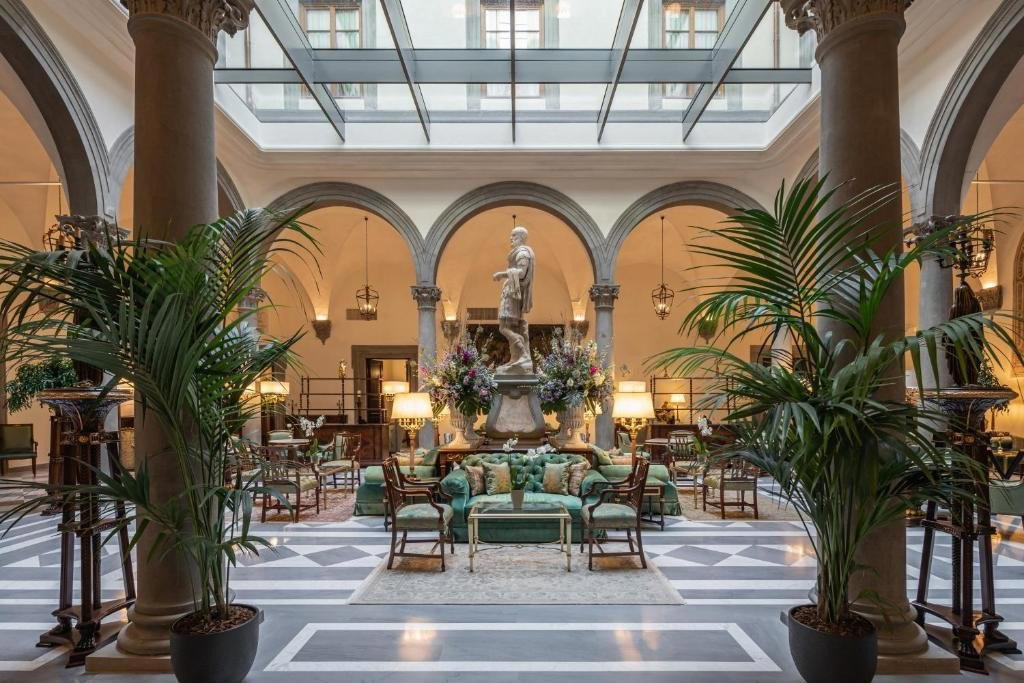
Hotels in Florence
All hotels in Florence →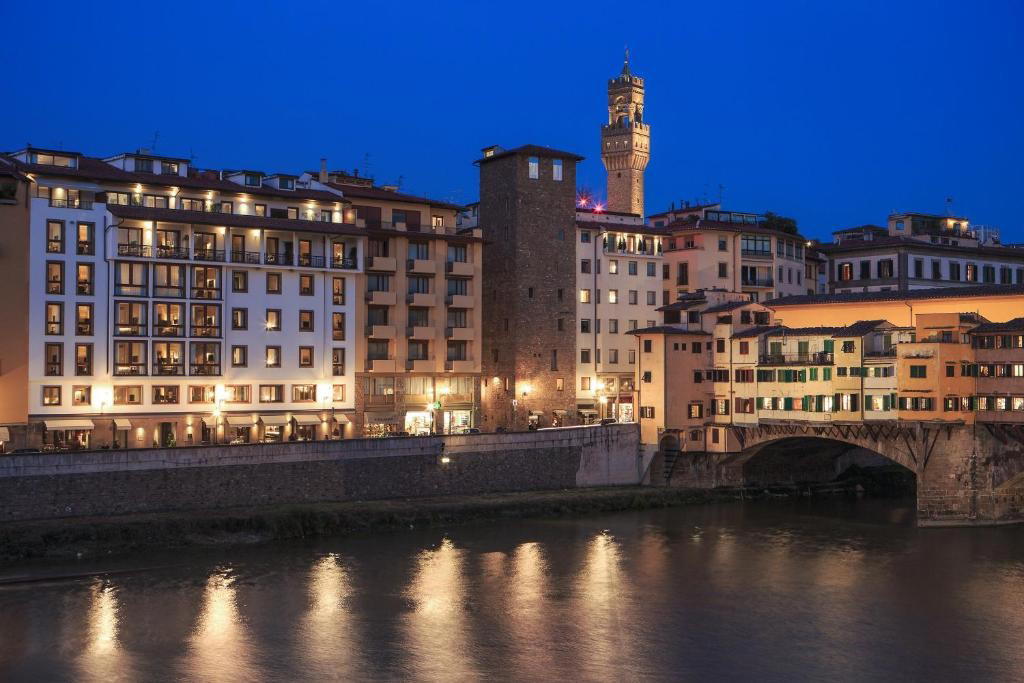
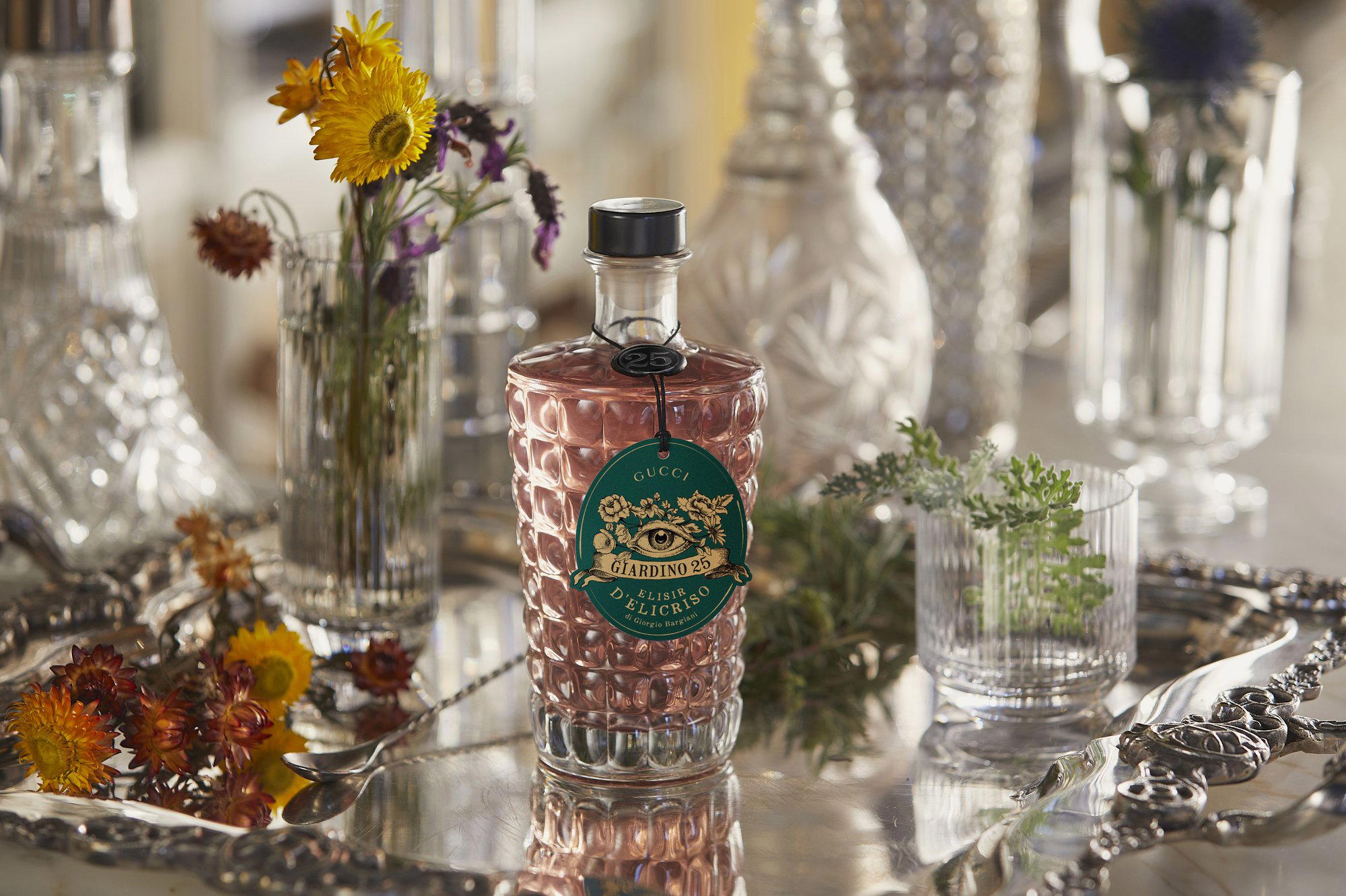
Bars in Florence
All bars in Florence →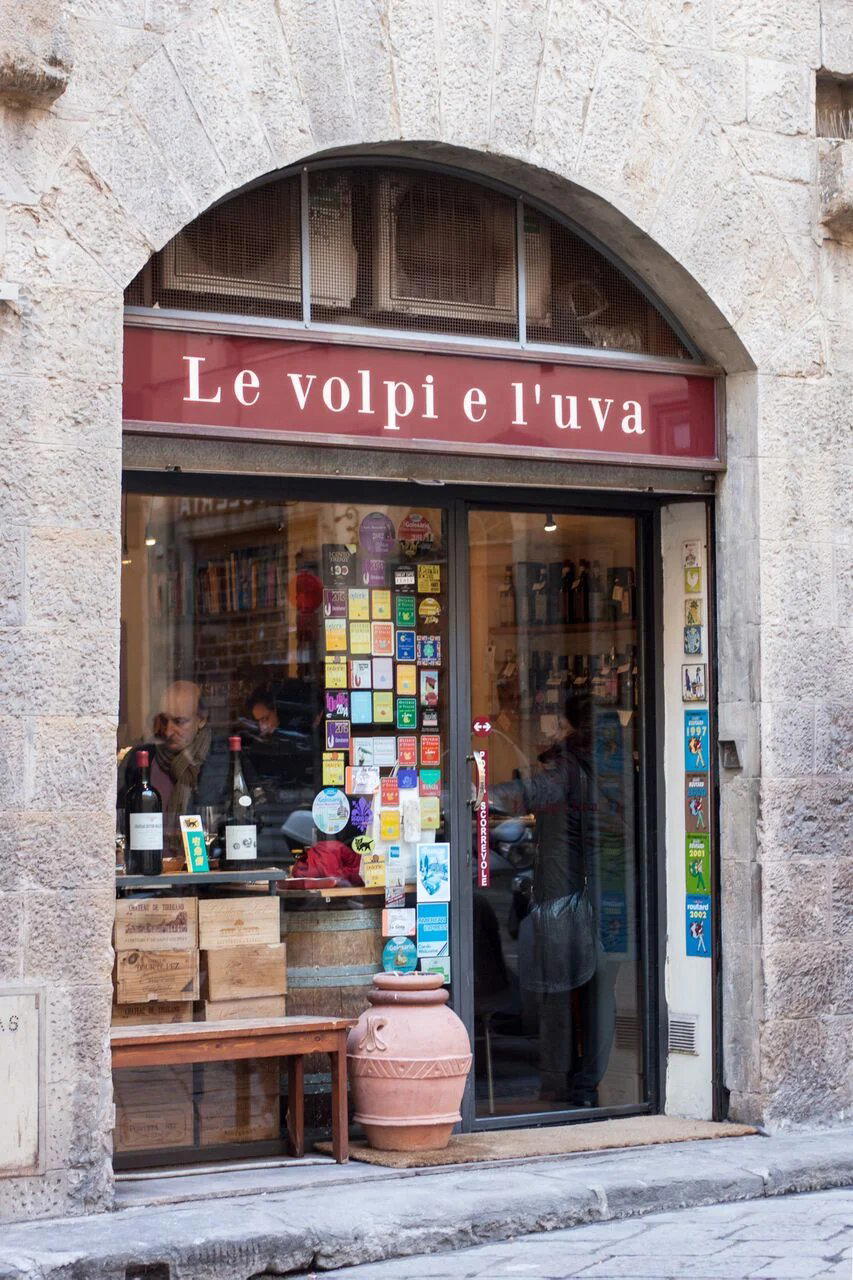
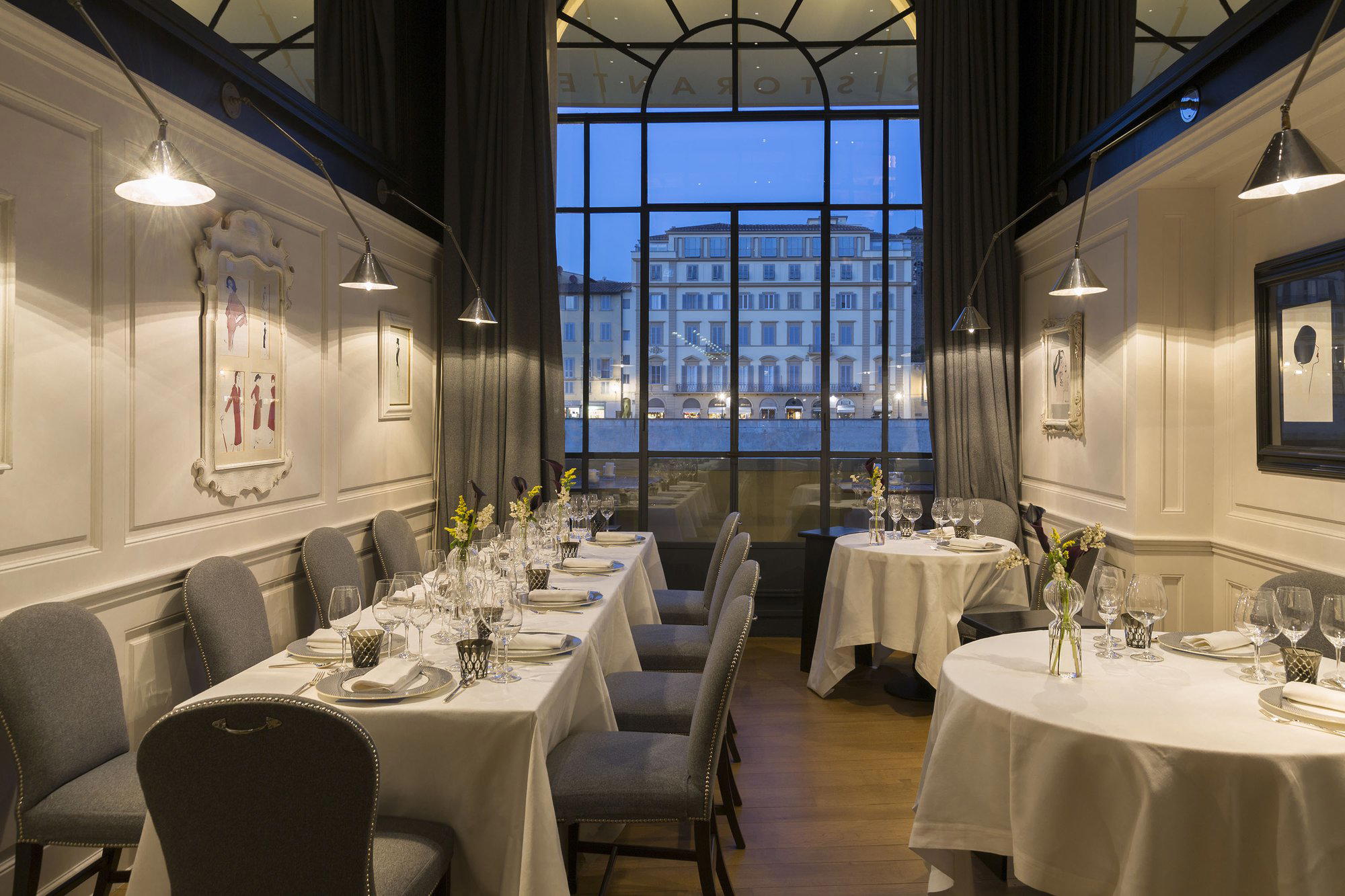
Restaurants in Florence
All restaurants in Florence →

Details
- Elegant
- Classic
- Romantic
- Intimate
- Sophisticated
- Romantic Getaway
- Weekend Escape
- Business Trip
- Anniversary
- Historic Building
- Terrace
- Panoramic View
- Wi Fi
- Bar
- Business Center
- Concierge
- Valet Parking
- Waterfront
- Skyline
- Street Scene
- Elevator
Historic and elegant, with old-world charm, antique décor, frescoes, coffered or wood-beam ceilings, and a refined atmosphere overlooking the Arno and Ponte Vecchio.