

Two 19th-century palace residences on Navarro Reverter, recently restored and threaded with modernist design principles, Hospes Palau de la Mar occupies a category that central Valencia has little of: historic architecture reconfigured for contemporary hospitality without losing the weight of its original fabric. The address puts guests within reach of the Turia gardens, the old city, and the city's serious dining circuit.
Pearl is the En Primeur Club membership app — saves, bookings, and concierge access live there. Same editors, same standards.
- Address
- Navarro Reverter, 14, Valencia 46004, Spain
- Phone
- +34 963 16 28 84
- Website
- marriott.com
- Directions
- Get directions
 Saves & bookings on Pearl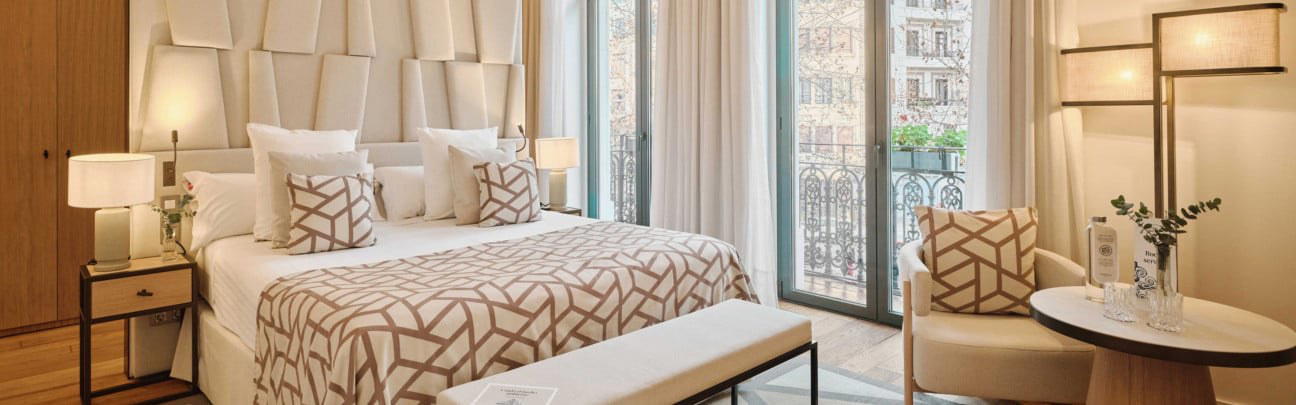
Palace Architecture, Modernist Interior: Where Valencia's Hospitality Character Shows Up
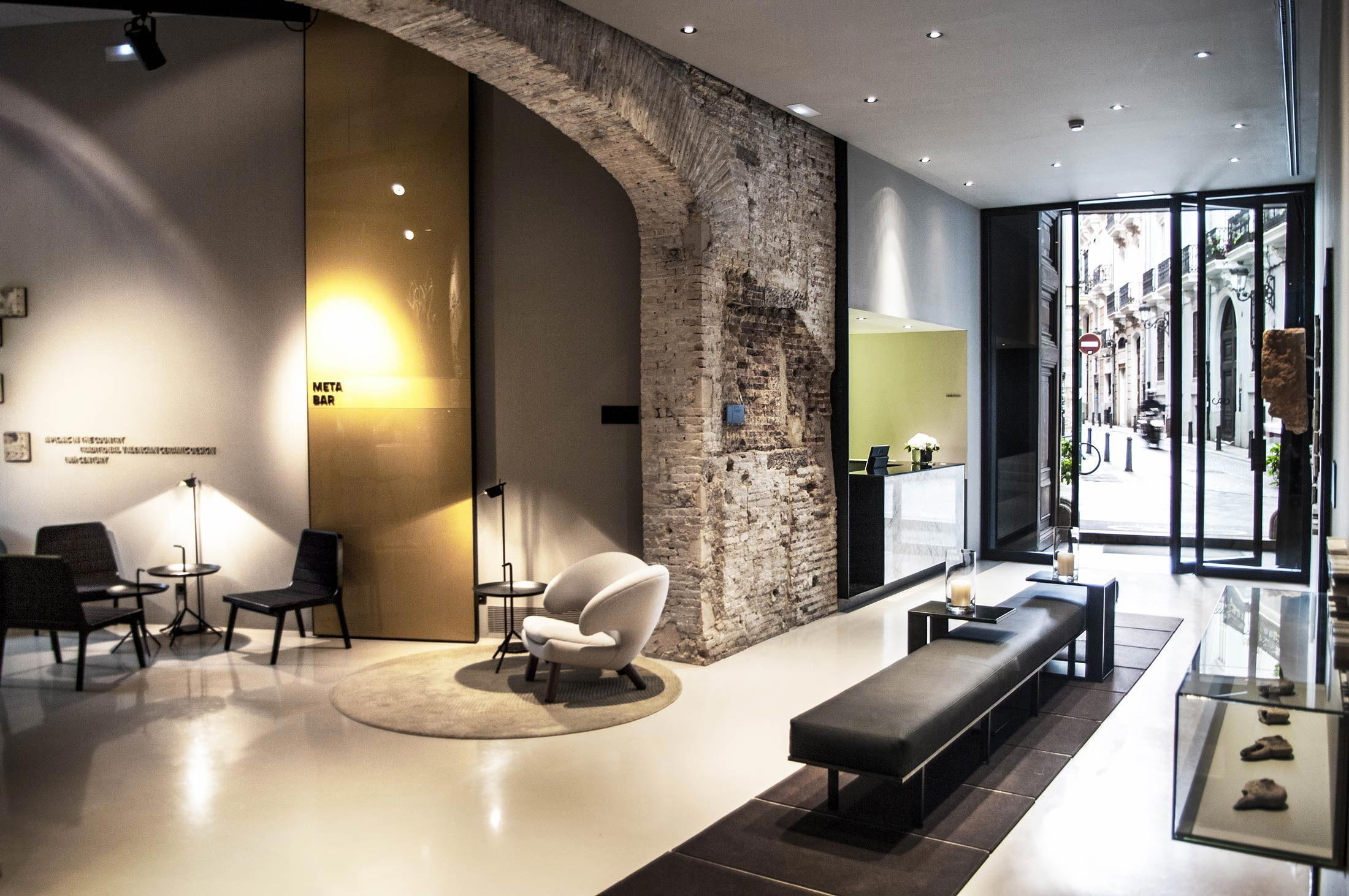
Hospes Palau de la Mar is a 5-star hotel in Valencia, Spain, at Navarro Reverter, 14. Hospes Palau de la Mar occupies two adjoining palace residences on Navarro Reverter, a broad boulevard that runs along the eastern edge of the Turia riverbed gardens, and the building's bones, high ceilings, ornate facades, the kind of proportions that can't be manufactured, do most of the heavy lifting before a guest steps inside. The renovation has kept the focus on the building's original proportions while updating the interiors with a modernist touch. That tension between old shell and contemporary fit-out places the property in a specific niche within Spain's heritage hotel tier, closer in sensibility to Caro Hotel, which performs a similar trick with Roman-era ruins and medieval layers, than to the grander, more literal restorations found in the country's larger luxury brands.
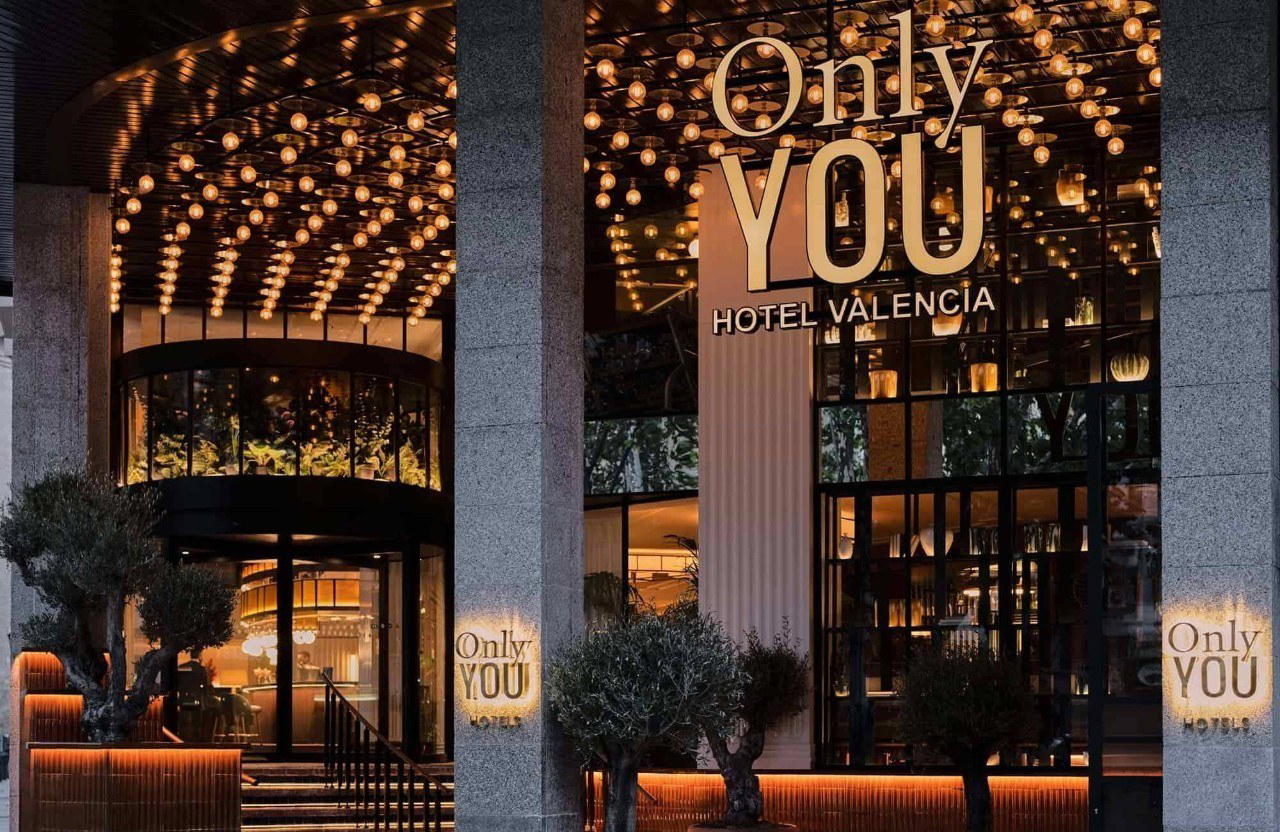
Valencia's central accommodation market has fractured along predictable lines: large international hotels on the main arteries, a cluster of design-led boutiques in the old city, and a smaller group of heritage conversions that use historic buildings as their primary asset. Palau de la Mar falls into that third group, and the Hospes group's track record across Spain suggests an understanding of how to position a property at the intersection of cultural weight and functional comfort. For comparison, Helen Berger Boutique Hotel and Only YOU Hotel Valencia address a different segment of the market, while Hotel Las Arenas anchors itself to the beach at La Malvarrosa. Palau de la Mar's location and scale put it in conversation with a guest who wants proximity to the city's cultural infrastructure, the Turia gardens, the Cathedral, the Mercado Central, without sacrificing interior quality.
The Service Register: Anticipatory Without Theatre
The Hospes group's positioning across its Spanish portfolio has consistently leaned toward what might be called attentive restraint: service that moves quickly and reads the room without the scripted formality that can make large luxury hotels feel like performance. At a property built inside two 19th-century palaces, that register matters considerably. High-ceilinged spaces and grand proportions can easily tip into stiffness if the staff culture doesn't compensate with warmth. The architectural context here invites a certain ceremony, and the question with any heritage conversion of this kind is whether the human element matches the physical setting or works against it.
Spain's better heritage hotel operators have learned that guests who seek out period buildings are typically looking for a sense of place as much as a level of service, which means local knowledge and an ability to navigate Valencia's dining and cultural scene are as important as room delivery times. The Navarro Reverter address is well-suited to this: the city's serious restaurant circuit, the Ruzafa neighbourhood, and the historic core are all within reasonable reach, and a hotel that can direct guests toward the right table at the right moment adds genuine value beyond its rooms. For context on how Spain's broader luxury hotel circuit handles this kind of guest relationship, properties like Mandarin Oriental Ritz, Madrid and Atrio Restaurante Hotel in Cáceres operate at the more formal end of that spectrum, while Palau de la Mar's scale and heritage-boutique positioning suggest a less hierarchical approach.
Placing the Property in Valencia's Wider Scene
Valencia's hotel market has matured considerably over the past decade, partly driven by the city's growing reputation as a serious food destination and partly by increased visibility from design and travel media. The city now draws a guest profile that is more informed about interiors and neighbourhood context than it was even five years ago, and properties that can offer architectural authenticity alongside contemporary comfort are increasingly in demand. Palau de la Mar's timing, arriving at the market fresh off a complete renovation, is well-judged.
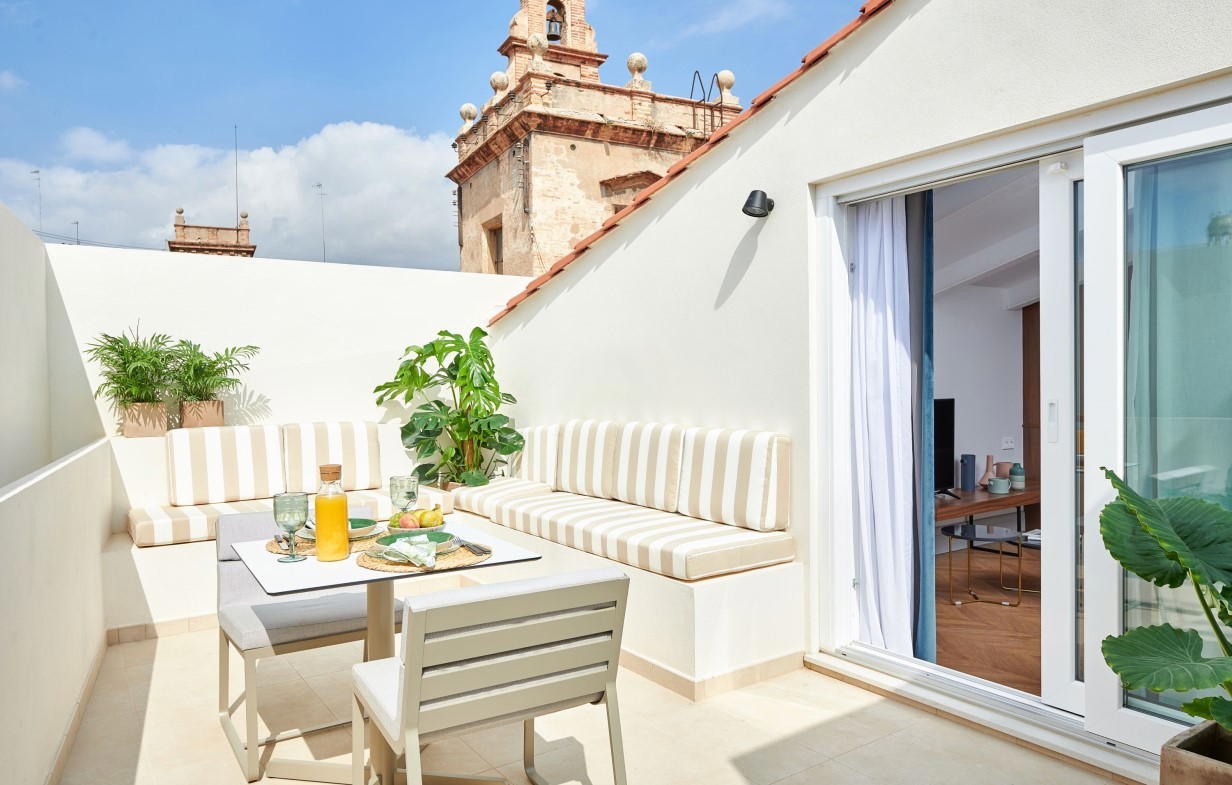
The property's position on Navarro Reverter is worth understanding geographically. The boulevard borders the Turia gardens, the long green ribbon that runs through the city on the course of a river diverted after the 1957 floods. That linear park connects the old city to the west with the Ciudad de las Artes y las Ciencias to the east, and access to it on foot from the hotel puts guests at the centre of one of Valencia's most useful urban axes. This is a different kind of positioning from beach-adjacent hotels like Hotel Las Arenas, and it serves a different travel logic: the guest who wants the city's cultural and culinary infrastructure rather than sun and coast.
For travellers building a broader Spain itinerary, the country's heritage conversion hotels operate across a wide geographic and stylistic range. Abadía Retuerta LeDomaine converts a 12th-century abbey into a wine-anchored rural retreat. Terra Dominicata in Escaladei pairs winery operations with historic Priorat architecture. Cap Rocat in Cala Blava works within a 19th-century military fortress on the Mallorcan coast. Palau de la Mar's urban palace format sits in its own sub-category within that field, with the city itself providing the context that rural conversions must build artificially.
Spain's island properties add further range to any extended trip: Hotel Can Cera in Palma, La Residencia, A Belmond Hotel, Mallorca, and Hotel Can Ferrereta in Santanyí each approach Mallorcan heritage differently, while Akelarre in San Sebastián anchors itself to the Basque coast and that city's restaurant culture. Marbella Club Hotel and Bahia del Duque in Adeje represent the resort end of the spectrum. Mas de Torrent Hotel & Spa in Torrent and Pepe Vieira Restaurant & Hotel in Poio occupy the rural Catalan and Galician circuits respectively. Casa Beatnik Hotel in A Coruña and A Quinta da Auga Hotel & Spa in Santiago de Compostela extend that northwestern axis. Torre del Marqués Hotel Spa & Winery in Sardoncillo covers the wine-estate format in Aragón. Mandarin Oriental Barcelona covers the urban luxury end of the Catalan capital. For international comparisons in the palace-conversion category, Aman Venice represents the upper limit of what historic European buildings can hold, while Aman New York and The Fifth Avenue Hotel in New York City show how the format translates to American urban contexts.
Planning a Stay
The hotel sits at Navarro Reverter, 14, Valencia 46004, within walking distance of the Turia gardens and the historic centre. Valencia is well-connected by high-speed rail from Madrid and Barcelona, making it a natural stop on a broader Spanish circuit. For dining context and neighbourhood orientation, our full València restaurants guide covers the city's serious tables by area and format. Given the renovation's recent completion, advance booking is advisable, particularly during the Fallas festival in March, when central Valencia fills quickly and rates across the city's heritage properties rise sharply.
Cuisine-First Comparison
Comparable venues nearby, for context on price, style, and recognition.
| Venue | Cuisine | Price | Awards | Notes |
|---|---|---|---|---|
| Hospes Palau de la MarThis venue — the venue you are viewing | Minimalist modern palace in restored historic residences | $$$$ | 5-Star | Not listed |
| Hotel Las Arenas | Luxury beachfront resort with Mediterranean architecture | $$$$ | 5-Star | Cabanyal-Canyamelar |
| Room Mate Helen Berger | Intimate and elegant 4-star boutique in the heart of Valencia's historic center | $$$ | 4-Star | La Xerea |
| NH Collection Valencia Colón | Boutique design hotel in historic building with designer interiors | $$$ | 4-Star | El Pla Del Remei |
| One Shot Puerta Ruzafa | Contemporary boutique honoring nature through art and architecture | $$$ | 4-Star | Ruzafa |
| Parador de El Saler Golf | Modern resort seamlessly integrated into natural park landscape | $$$$ | 5-Star | El Saler |
Recognition history
Dated appearances from independent guides and award organizations, with the underlying list record or original source where available.
Design Hotels Member
Design Hotels
Mr & Mrs Smith Smith Seal of Approval
Mr & Mrs Smith
Michelin Selected
Michelin
Continue exploring
More in València
Hotels in València
Browse all →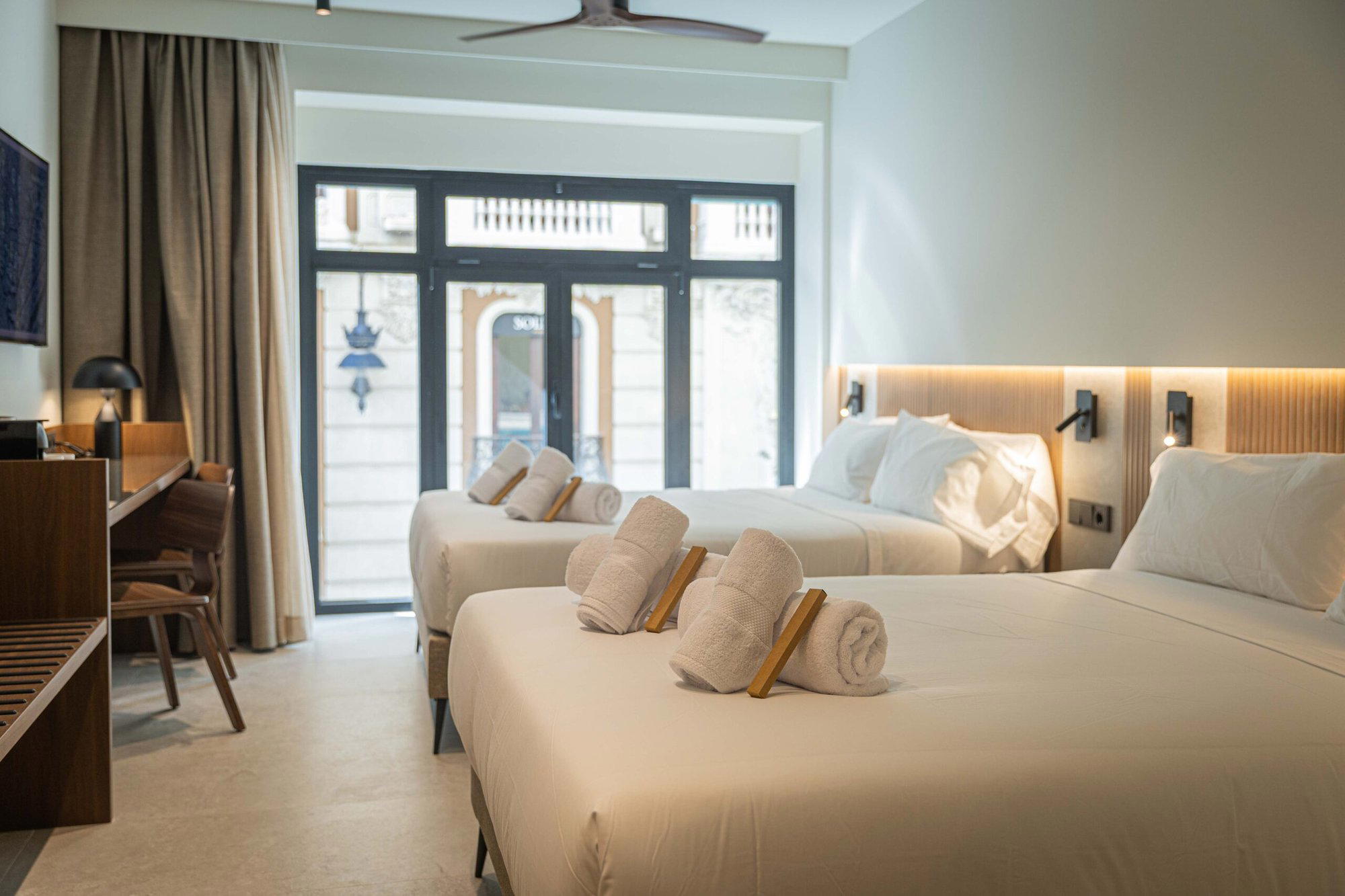
Bars in València
Browse all →
Restaurants in València
Browse all →
Wineries in València
Browse all →
At a Glance
- Elegant
- Sophisticated
- Quiet
- Intimate
- Romantic Getaway
- Anniversary
- Business Trip
- Historic Building
- Terrace
- Garden
- Wi Fi
- Indoor Pool
- Spa
- Fitness Center
- Room Service
- Concierge
- Restaurant
- Garden
- Wi Fi
- Indoor Pool
- Spa
- Fitness Center
- Room Service
- Concierge
- Restaurant
Soothing serenity with white marble lobby, orange blossom scent, natural light through stained glass, and moodily lit subterranean spa.