
Occupying a building with genuine historical weight on Ringstraße, Gewandhaus Dresden offers 97 rooms across formats from standards to junior suites, priced from around $166 per night. The (m)eatery restaurant anchors its dining programme with dry-aged beef, steak tartare, and fish, while the Kuchen Atelier serves freshly baked cakes Wednesday through Sunday. A practical, design-conscious base for Dresden's central district.
Pearl is the En Primeur Club membership app — saves, bookings, and concierge access live there. Same editors, same standards.
- Address
- Ringstraße 1, 01067 Dresden
- Phone
- +49 351 49490
- Website
- marriott.com
- Directions
- Get directions
 Saves & bookings on Pearl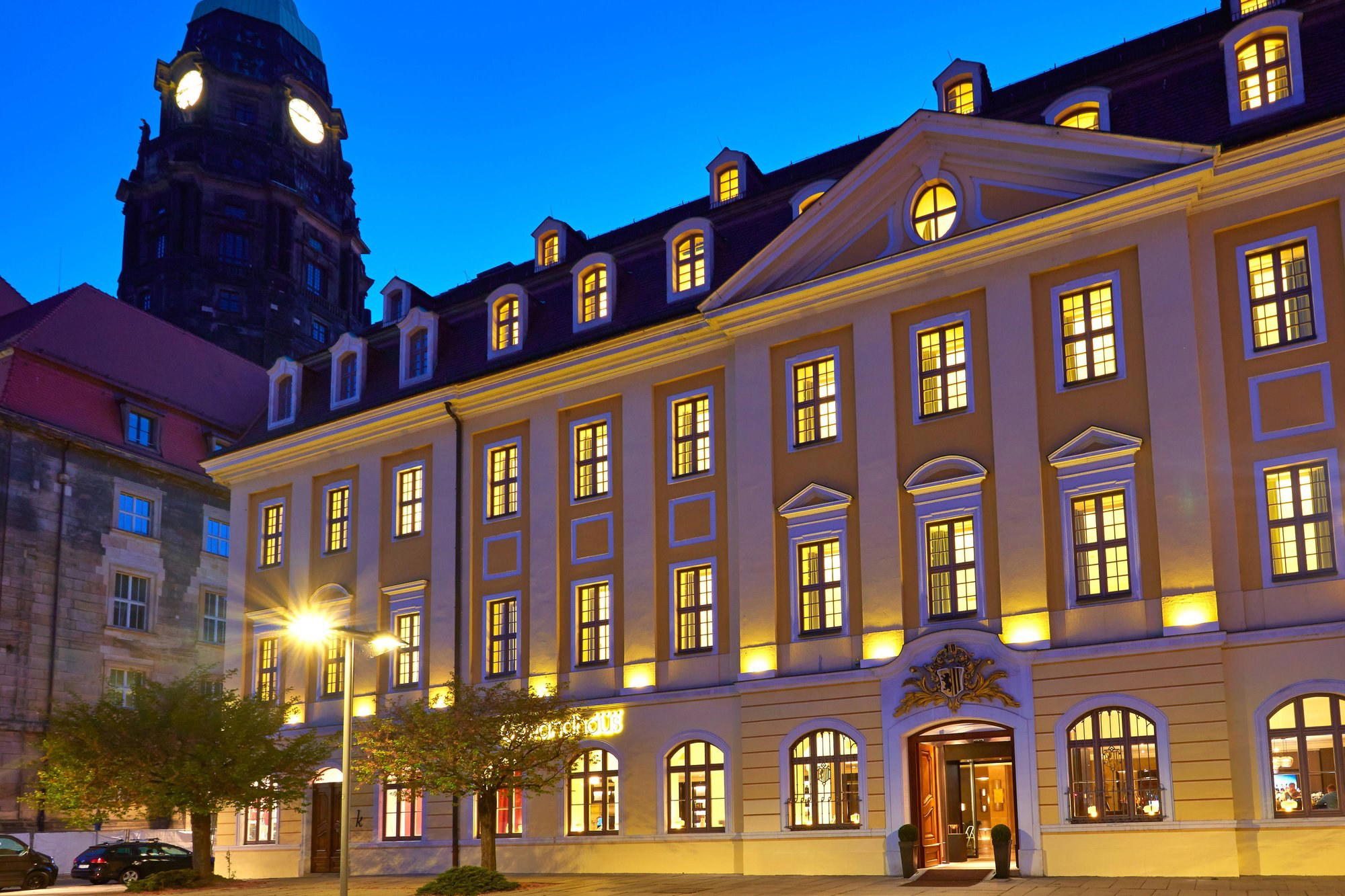
A Ringstraße Address with Architectural Character
Dresden's hotel stock divides along a clear fault line: the grand palatial properties clustered near the Zwinger and Semperoper, and a smaller tier of design-led boutique conversions that trade on building heritage rather than brand scale. Gewandhaus Dresden occupies the second category, positioned on Ringstraße 1 in a structure whose historical fabric has been carried into the interior rather than plastered over. The approach, retaining architectural memory while fitting contemporary hospitality around it, places it in a comparable set closer to Bülow Palais than to the monumental footprint of the Kempinski Hotel Taschenbergpalais.
The 97 rooms range from standard configurations to junior suites, with rates starting at approximately $166 per night. That price point sits in the mid-tier for central Dresden, and the property makes its case through interior quality and dining provision rather than room count or spa infrastructure. For travellers whose priorities run toward a well-executed dining programme and a sense of place over resort amenities, the trade is a reasonable one.
The Dining Programme: (m)eatery and Kuchen Atelier
Across Germany's boutique hotel segment, the in-house restaurant question has become sharper over the past decade. Properties that once treated food and beverage as an obligation now either commit to a distinct culinary identity or risk losing guests to the independent restaurant scene outside their doors. Gewandhaus Dresden has made a clear commitment, and the (m)eatery is its statement.
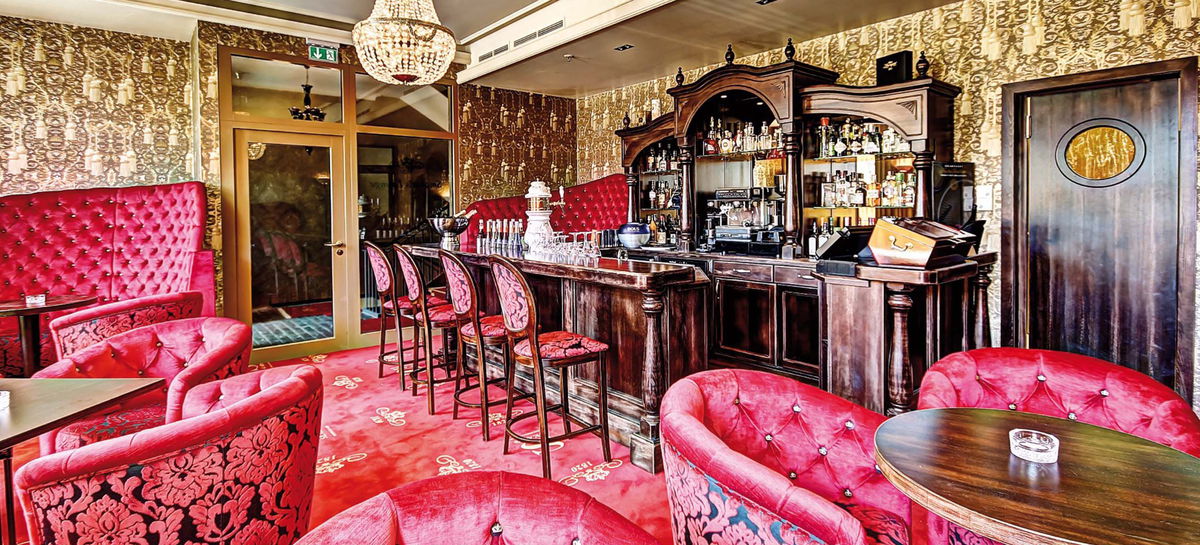
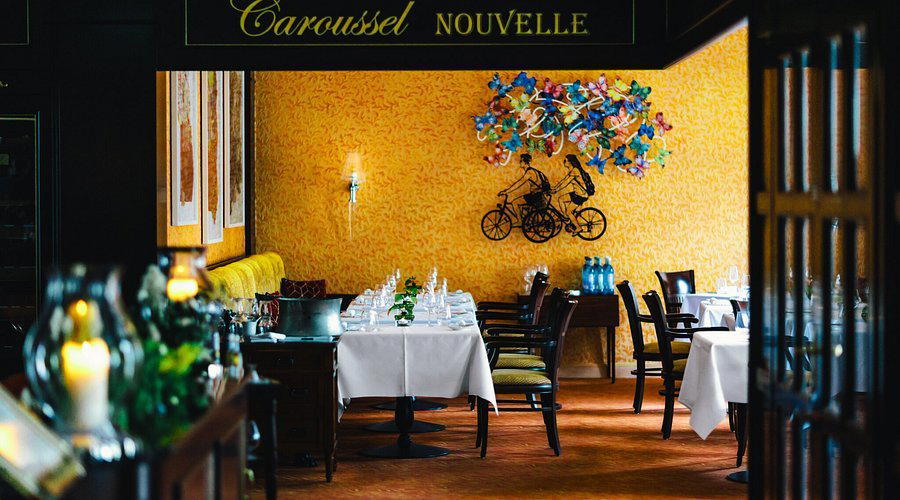
The restaurant's menu centres on dry-aged beef, steak tartare, fish, and burgers, a format that positions it within the European protein-forward bistro tradition rather than the tasting-menu or regional-cuisine lanes that some hotel restaurants in this tier pursue. Dry-aging as a technique demands cellar discipline and consistent sourcing; the fact that it anchors the (m)eatery menu suggests the kitchen is organised around a defined product rather than rotating seasonal variety. This is a deliberate editorial choice by the property, and it gives the restaurant a cleaner identity than many hotel dining rooms of comparable scale.
For context, this kind of focused, protein-led hotel restaurant has become a reliable format across German boutique properties. Hotels like Hotel Ketschauer Hof in Deidesheim and Breidenbacher Hof in Düsseldorf have similarly anchored their dining around a legible culinary identity rather than attempting broad international menus. The (m)eatery fits that pattern, and in a city where the independent restaurant scene is still finding its post-reunification confidence, a hotel with a credible in-house kitchen carries genuine weight.
The second element of the food programme, the Kuchen Atelier, operates Wednesday through Sunday and serves freshly baked cakes. It is a modest but specific offer, a pastry counter with set opening days implies production discipline and a genuine baking programme rather than a breakfast buffet extension. In the afternoons, this kind of offer functions as a reason to return to the hotel mid-day rather than a token gesture toward coffee service.
At 97 rooms, Gewandhaus Dresden sits below the scale of the large international-flag properties in Dresden's centre but above the small boutique operations. That middle position tends to produce properties with more consistent service than micro-hotels but a more personal atmosphere than the 200-plus-room convention hotels. The spread from standard to junior suite gives the property enough range to accommodate different travel budgets and group compositions without requiring guests to overpay for space they won't use.
For a sense of how this compares within Dresden's upper-mid tier, the Hotel Villa Sorgenfrei and Restaurant Atelier Sanssouci represents a different approach entirely, smaller, villa-format, further from the centre, while the Kempinski operates at a different scale and price ceiling. Gewandhaus sits between those poles, making it a practical anchor for travellers who want central access, a defined dining offer, and room quality that rewards time spent in the hotel rather than just using it as a base for city exploration. For broader comparison with how Germany's hotel market segments across price and format, properties like Excelsior Hotel Ernst in Cologne and Hotel de Rome in Berlin illustrate what the upper end of the conversion-heritage category looks like in other German cities.
Dresden as the Context
Dresden's position in the German hotel market remains specific. The city draws a mix of cultural tourism anchored on the Baroque old town, the Frauenkirche, the Semperoper, the Zwinger, and business travel connected to its manufacturing and engineering sectors. That combination produces a hotel market where properties need to serve both weekend leisure guests and midweek corporate stays. The Ringstraße location puts Gewandhaus within reach of both the cultural sites and the commercial districts, which is a material advantage over hotels positioned deeper into the residential fringes.
For travellers comparing Dresden against other German destinations with strong hotel offerings, it is worth noting that the city's boutique tier has developed more slowly than Munich, Hamburg, or Berlin. Options like Fairmont Hotel Vier Jahreszeiten in Hamburg or Mandarin Oriental Munich operate in markets with deeper competition and longer-established luxury infrastructure. Dresden's relative scarcity of design-led properties with serious dining programmes is precisely what makes Gewandhaus's positioning more meaningful locally than it might appear on paper.
Planning Your Stay
Rooms at Gewandhaus Dresden start from around $166 per night, with the range extending through junior suites at a premium above that baseline. The property sits at Ringstraße 1, 01067 Dresden, central enough to reach the major cultural sites on foot. The (m)eatery operates as the main restaurant for lunch and dinner, while the Kuchen Atelier runs its baking programme Wednesday through Sunday, travellers who want to use both should factor those days into their scheduling. Booking through the hotel directly is the standard approach for boutique properties in this tier; third-party platforms will list availability but direct contact typically produces better flexibility on room type.
Travellers considering this category of German boutique hotel alongside alternatives outside Dresden might also look at Althoff Seehotel Überfahrt in Rottach-Egern, Schloss Elmau in Elmau, Das Kranzbach in Kranzbach, Hotel Bareiss in Baiersbronn, Der Öschberghof in Donaueschingen, BUDERSAND Hotel in Hörnum, Gut Steinbach in Reit im Winkl, Landhaus Stricker in Sylt, Luisenhöhe in Horben, Esplanade Saarbrücken, LA MAISON in Saarlouis, Kempinski Hotel Berchtesgaden, and Aman Venice or Aman New York for international reference points in the design-led heritage conversion category. The Fifth Avenue Hotel in New York City offers a useful benchmark for how this boutique-in-a-historic-building format plays at a different price ceiling.
Cost and Credentials
Comparable venues nearby, for context on price, style, and recognition.
| Venue | Price | Awards | Notes |
|---|---|---|---|
| Gewandhaus DresdenThis venue — the venue you are viewing | $$$$ | Michelin 1 Key | Not listed |
| Hotel Villa Sorgenfrei & Restaurant Atelier Sanssouci | $$$$ | Michelin 1 Key | Radebeul, Restored 18th-century historic villa with modern comforts. |
| Bülow Palais | $$$$ | Michelin 2 Key | Neustadt, Historic palace converted into a luxury boutique hotel with modern comforts. |
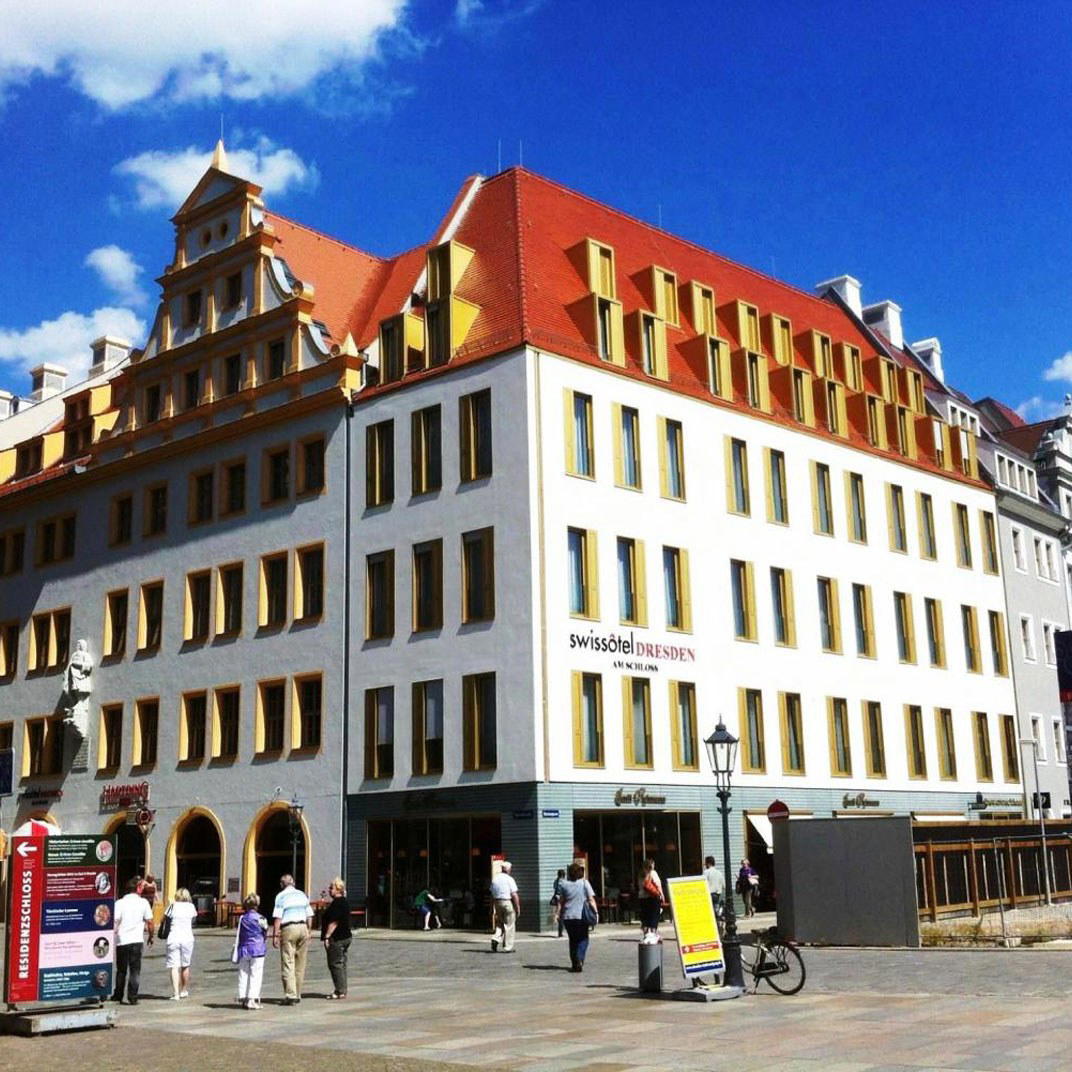
| Hyperion Hotel Dresden Am Schloss | $$$$ | 5-Star | Altstadt (Old Town), Contemporary luxury boutique hotel housed in a historic facade dating to 1768-1770, combining period architecture with modern minimalist interiors. |
| Kempinski Hotel Taschenbergpalais | $$$$ | Michelin 2 Key | Dresden Old Town, Historic royal palace reimagined as a contemporary luxury hotel with custom-made furnishings and curated artworks reflecting Dresden's cultural heritage. |
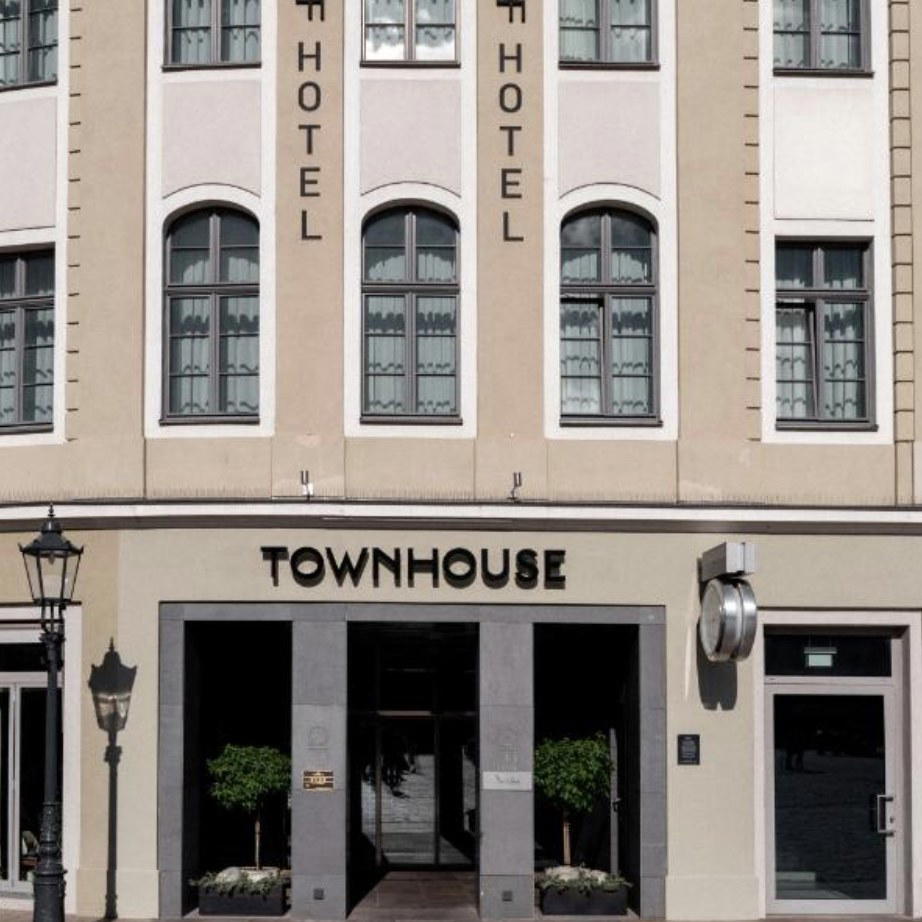
| Townhouse Dresden | $$$ | 4-Star | Altstadt (Old Town), Contemporary luxury boutique hotel blending historic 19th-century architecture with modern Italian design sophistication. |
Recognition history
Dated appearances from independent guides and award organizations, with the underlying list record or original source where available.
Michelin 1 Key
Michelin
Continue exploring
More in Dresden
Hotels in Dresden
Browse all →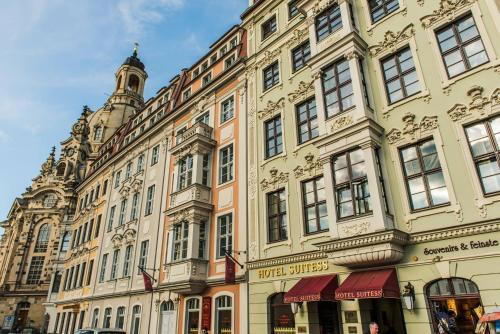
Bars in Dresden
Browse all →
Restaurants in Dresden
Browse all →![[m]eatery restaurant in Dresden](https://cdn.enprimeurclub.com/storage/v1/object/public/images/restaurants/399cba83-7e5d-4a0c-9c34-707a5a37a8d2/hero1.jpg?width=3840&quality=75)

At a Glance
- Elegant
- Classic
- Sophisticated
- Cozy
- Well Known
- Romantic Getaway
- Business Trip
- Weekend Escape
- Historic Building
- Terrace
- Wi Fi
- Room Service
- Concierge
- Restaurant
- Street Scene
- Wi Fi
- Room Service
- Concierge
- Restaurant
Bright atrium with glowing sandstone, soft moss green fabrics, natural light flooding the space, creating a serene cocoon-like atmosphere blending historic elegance and modern design.