



Michelin Selected · Mr & Mrs Smith Seal of Approval · Virtuoso Luxury Hotel Partner
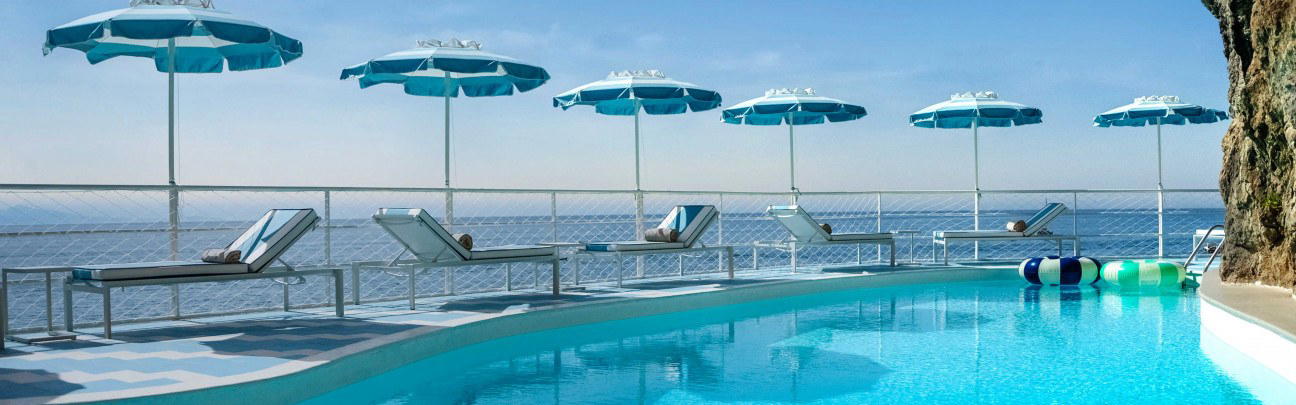
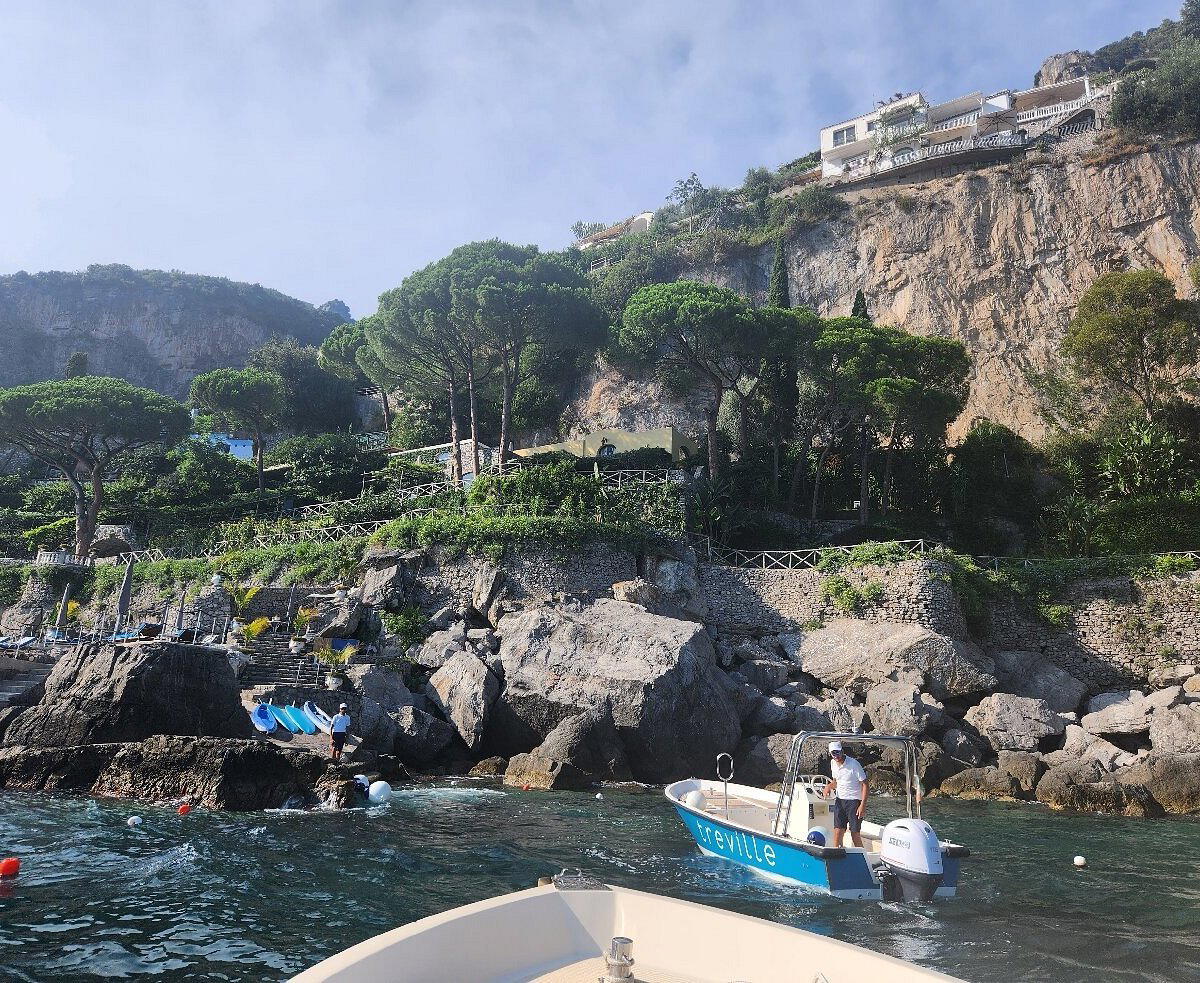
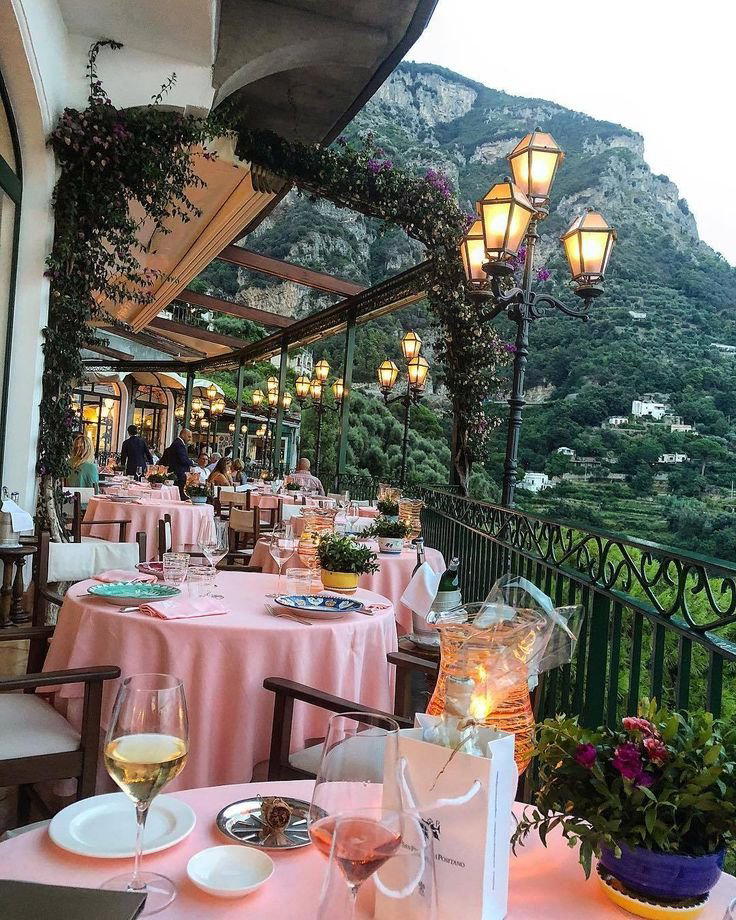
On a clifftop promontory above the Tyrrhenian Sea, Furore Grand Hotel occupies one of the Amalfi Coast's most dramatic positions. Marble-white terraces give way to tiered gardens that descend toward the water, framing views that shift between open sea and the fractured limestone cliffs characteristic of this stretch of coastline. For travellers who want the Amalfi experience without anchoring to the coast's more trafficked centres, Furore is a considered address.

Pearl is the En Primeur Club membership app, where members save venues, book tables and use the concierge.
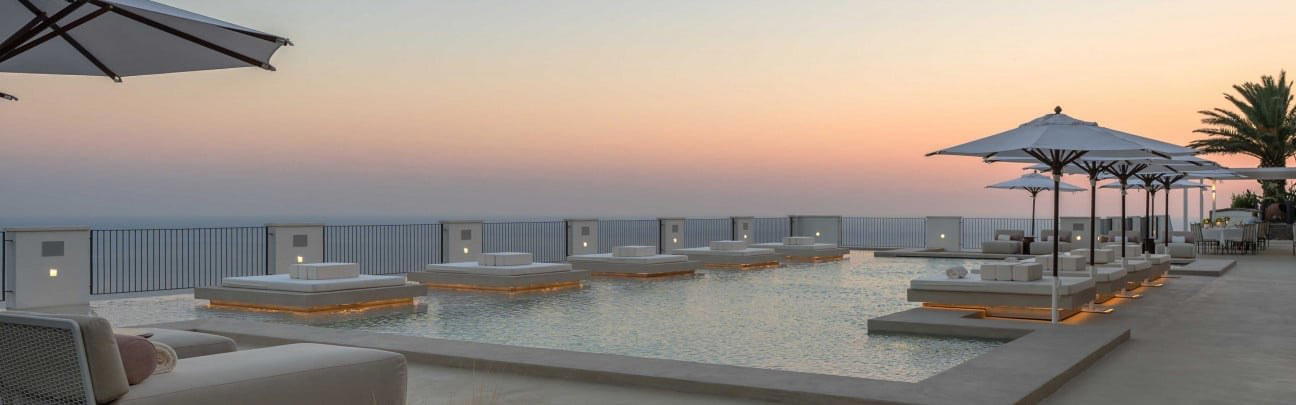
A Promontory Property on Italy's Most Demanding Coastline
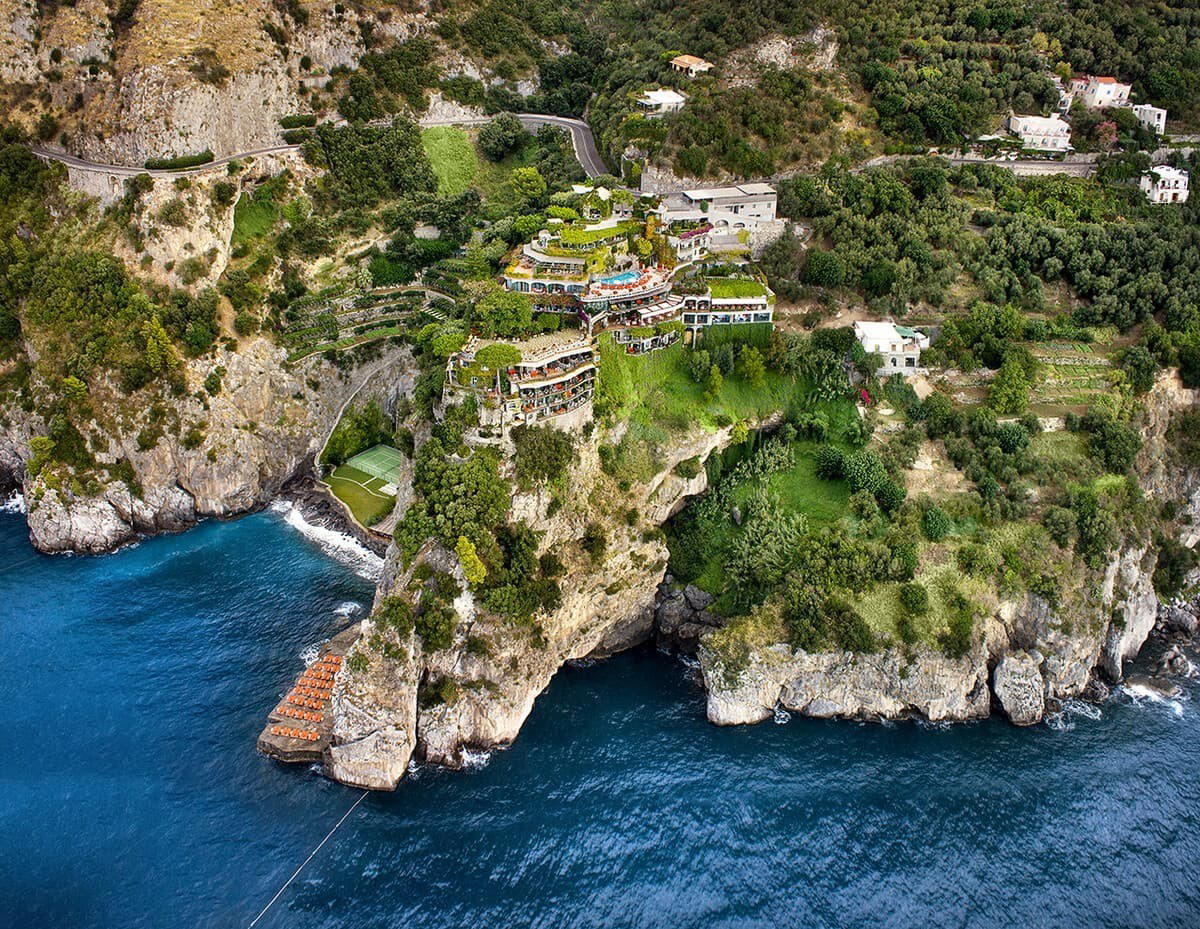
The Amalfi Coast does not make architecture easy. The SS163 that strings together its villages is barely wide enough for two cars to pass, and the land itself either drops precipitously to the sea or rises in terraced switchbacks behind. Building here has always required either compromise or audacity. Furore Grand Hotel, positioned on a clifftop promontory at Via Dell'Amore, 2, takes the second approach: the structure reads white against the Mediterranean sky, its mass broken up by cascading terraces and gardens that follow the natural contour of the rock rather than fighting it. This is the defining spatial logic of the property, and it separates it from the flatter, more uniform resort typology common elsewhere on the Italian Riviera.
The Amalfi Coast's premium accommodation tier has split over the past decade into two broad categories: large full-service hotels concentrated around Amalfi and Positano, and smaller, design-led properties in less-trafficked comuni that trade scale for position and specificity. Furore, the village itself, sits in a fjord-like gorge, one of the few inlets along this coastline where the landscape is genuinely dramatic at a human scale rather than simply cinematic from a distance. The hotel's location on the promontory above places it within view of both the open Tyrrhenian and the gorge below, a spatial duality that few properties on this stretch can claim. For comparison, Borgo Santandrea on the Amalfi Coast and Il San Pietro di Positano both work with similarly vertiginous sites, but their address in higher-traffic villages creates a different ambient context.
The Design Argument: White Stone, Mediterranean Wildness, and Terrace Logic
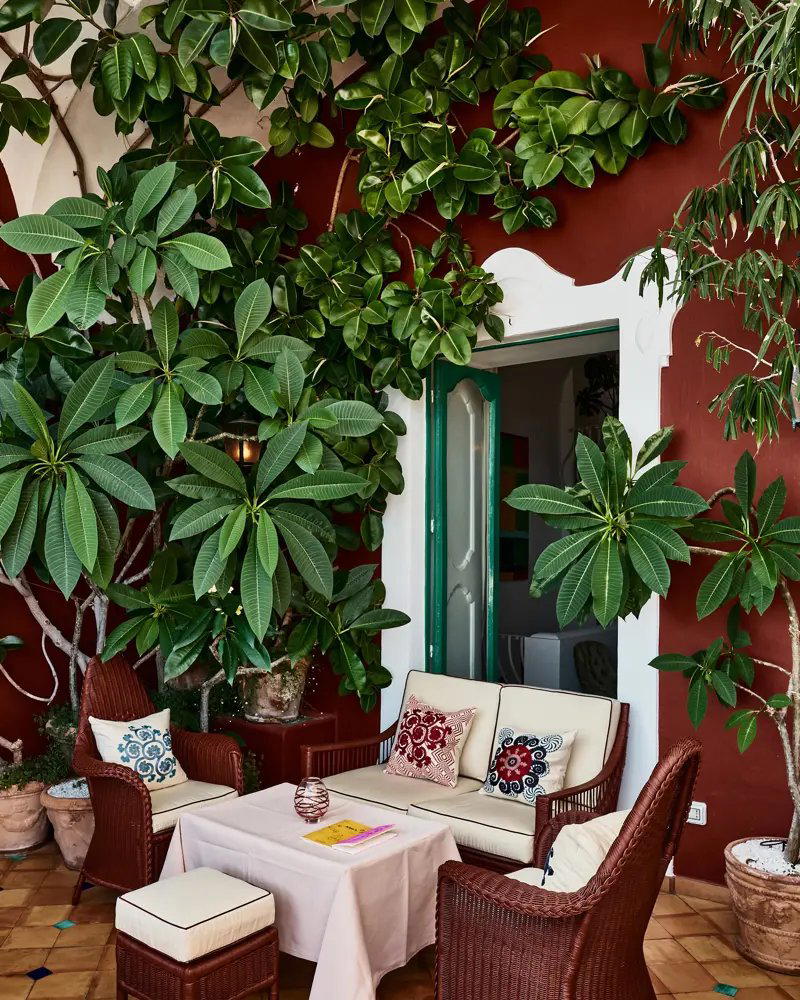
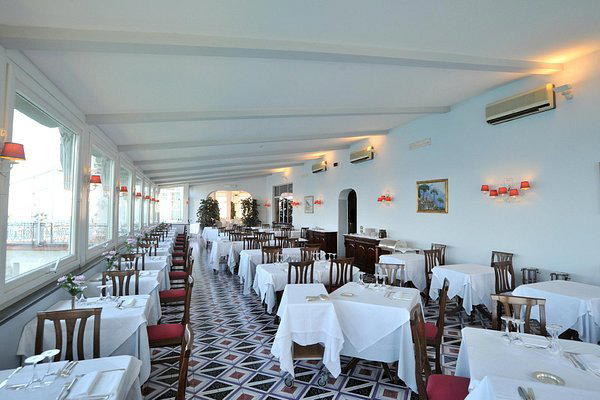
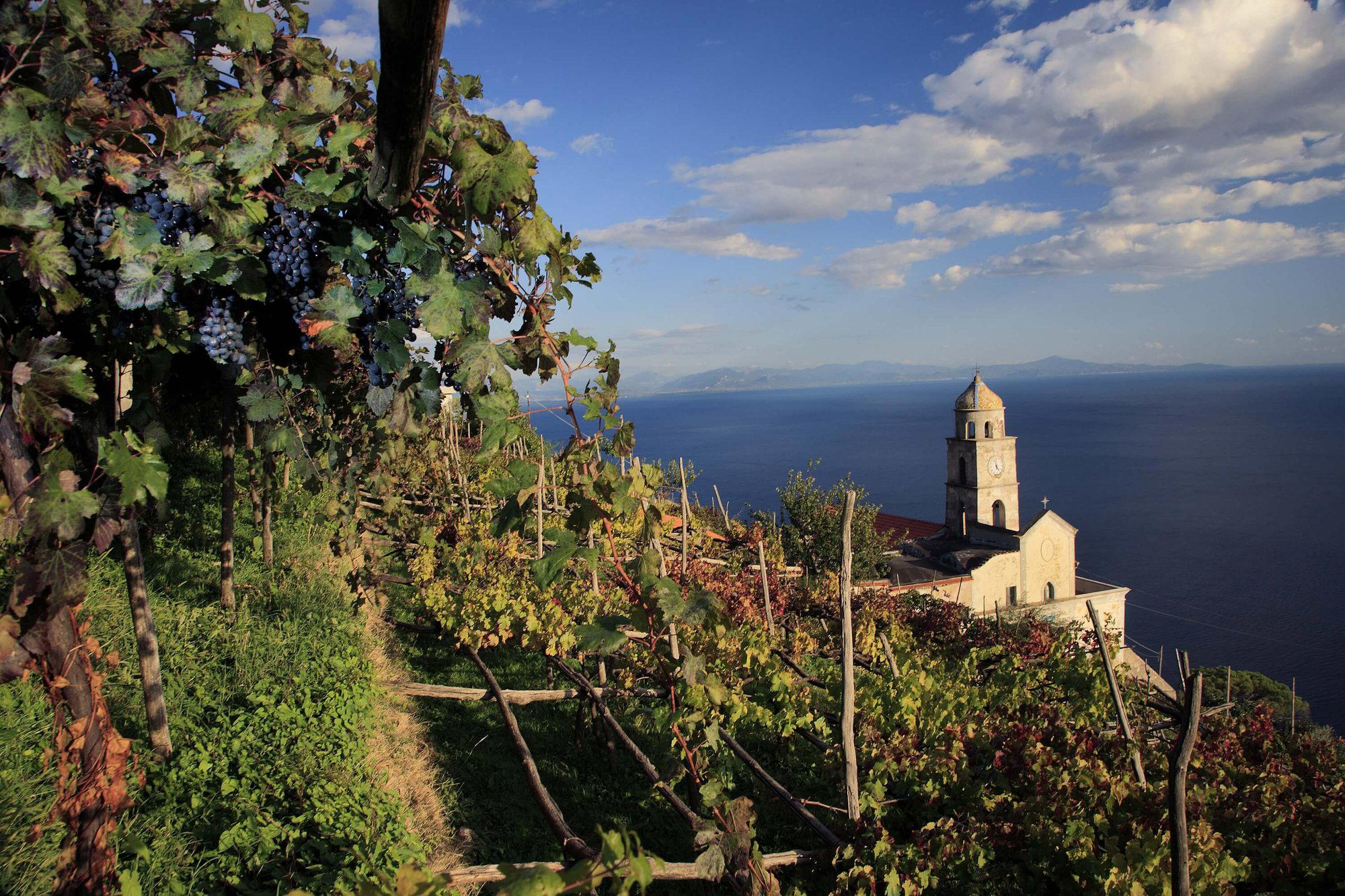
Visual identity here is marble-white, which is not unusual for this coastline, the Amalfi vernacular has always leaned toward whitewash and pale stone, but the way the building sits within its gardens is worth attention. Rather than the hotel asserting itself over the site, the structure and the planted terraces exist in a negotiated relationship. Mediterranean planting, the kind that includes wild herbs, lemon trees, and the low scrub that characterises the Cilento behind, runs close to the building's edges. This is not manicured resort greenery arranged for photography; it is planting that acknowledges the character of the coastline it occupies.
Passalacqua in Moltrasio operates on Lake Como with comparable attention to how built structure and planted landscape negotiate the site. On a larger scale, Forestis in the Dolomites uses the alpine environment as a direct design partner. The comparison holds even across different geographies: the logic of letting the landscape lead is consistent.
The Amalfi lemon is worth a specific note here. Amalfi's sfusato lemon, larger, more fragrant, and more nuanced than the varieties common in northern Italian cooking, is woven into the sensory atmosphere of the coast in a way that is not merely decorative. When the hotel's press materials reference the scent of Amalfi lemons, they are gesturing at something genuine: citrus groves at this altitude, with sea air moving through them, produce an olfactory environment that is particular to this stretch of the Campanian coast and largely absent from resort experiences further north.
Position and Access: Understanding Furore's Geography
Furore is not among the Amalfi Coast's most visited villages, which is architecturally significant. The gorge community sits between Conca dei Marini and Praiano on the western stretch of the coast road, closer to Positano than to Amalfi town. For travellers arriving by ferry from Naples or Sorrento, the nearest landing points are Positano or Amalfi, with road transfer required to reach the hotel. The SS163 is genuinely narrow and genuinely slow, particularly between June and September when traffic on the coast road thickens considerably. Arriving outside summer peak hours, or by private car with a local driver who knows the passing places, makes a material difference. This is not a property you reach easily, and that friction is part of what its position protects.
For travellers building a broader southern Italian itinerary, Bellevue Syrene 1820 in Sorrento offers a more accessible base with ferry connections in multiple directions. JK Place Capri represents the island alternative for travellers who want Tyrrhenian views without the coast road at all. Neither replicates what a Furore promontory property offers in terms of raw clifftop position, but both provide different logistical profiles worth considering against your itinerary.
How Furore Grand Hotel Sits in Italian Luxury Accommodation More Broadly
Italian luxury hospitality has never been a single category. The country's property types range from Venetian palazzo conversions, Aman Venice being the clearest example of that genre taken to its limit, through Tuscan estate properties like Castello di Reschio in Lisciano Niccone and Rosewood Castiglion Del Bosco in Montalcino, to city addresses like Bulgari Hotel Roma and Four Seasons Hotel Firenze. Southern coastal properties represent a distinct sub-category where the physical drama of the site, rather than the cultural density of the city or the historical prestige of the estate, drives the proposition.
Within that coastal sub-category, Furore Grand Hotel is a boutique property rather than a large-format resort, which aligns it with a tier of Amalfi accommodation where position and design specificity matter more than F&B; programming breadth or conference infrastructure. Borgo Egnazia in Savelletri di Fasano operates at much greater scale in Puglia and represents a different model entirely. Further afield in Italy's broader luxury hotel picture, Casa Maria Luigia in Modena shows how a boutique property can anchor itself to gastronomic context; Furore Grand Hotel's equivalent anchor is geographic and atmospheric rather than culinary.
For travellers who cross-reference Italian coastal against lake or mountain alternatives, properties like EALA My Lakeside Dream in Limone sul Garda and Grand Hotel Tremezzo in Tremezzo offer water-adjacent drama with more temperate conditions and considerably simpler access. The Amalfi Coast demands more of a traveller logistically; what it returns in terms of landscape intensity is a different register of experience. See our full Furore restaurants and travel guide for further context on what the village and its surrounds offer beyond the hotel itself.
Planning Your Stay
The coast runs warmest from late May through September, with July and August representing peak occupancy across all Amalfi properties; advance booking for those months is advisable well before the season opens. The shoulder months of May, early June, and October offer significantly reduced road traffic, lower accommodation pressure, and a version of the coastline that is closer to its year-round character. The hotel's clifftop position means wind exposure varies seasonally, which can affect terrace usability in spring and autumn. Specific pricing, room category availability, and direct booking channels are best confirmed through the hotel's own reservations team, as no public rate or booking data is available at time of writing.
Quick Comparison
Comparable venues nearby, for context on price, style, and recognition.
| Venue | Cuisine | Price | Awards | Notes |
|---|---|---|---|---|
| Furore Grand HotelThis venue (the venue you are viewing) | Contemporary luxury perched on Amalfi Coast cliffs | Not listed | Michelin Selected · Mr & Mrs Smith Seal of Approval | Not listed |
| Grand Hotel Cocumella | Historic cliffside monastery-turned-luxury retreat | Not listed | Small Luxury Hotels of the World Member | Sant'Agnello |
| Therasia Resort Sea & Spa | Aeolian resort with modern luxury and natural integration | $300–500 | 2 Michelin Keys · Leading Hotels of World Member | Vulcano |
| Hotel Palazzo Murat | Historic palazzo with modern extensions and lush gardens | Not listed | Michelin Selected | Positano City Centre |
| Hotel Parco dei Principi di Sorrento | Mid-century modern luxury clifftop resort | $300–500 | Not listed | Sant Agnello |
| Covo Dei Saraceni | Mediterranean beachfront villa with classic Positano style | Not listed | Preferred Hotels L.V.X. Collection | Spiaggia Grande |
Recognition history
Dated appearances from independent guides and award organizations, with the underlying list record or original source where available.
Michelin Selected
Michelin
Mr & Mrs Smith Seal of Approval
Mr & Mrs Smith
Virtuoso Luxury Hotel Partner
Virtuoso
Small Luxury Hotels of the World Member
Small Luxury Hotels of the World
Continue exploring
More in Furore
Hotels in Furore
All hotels in Furore →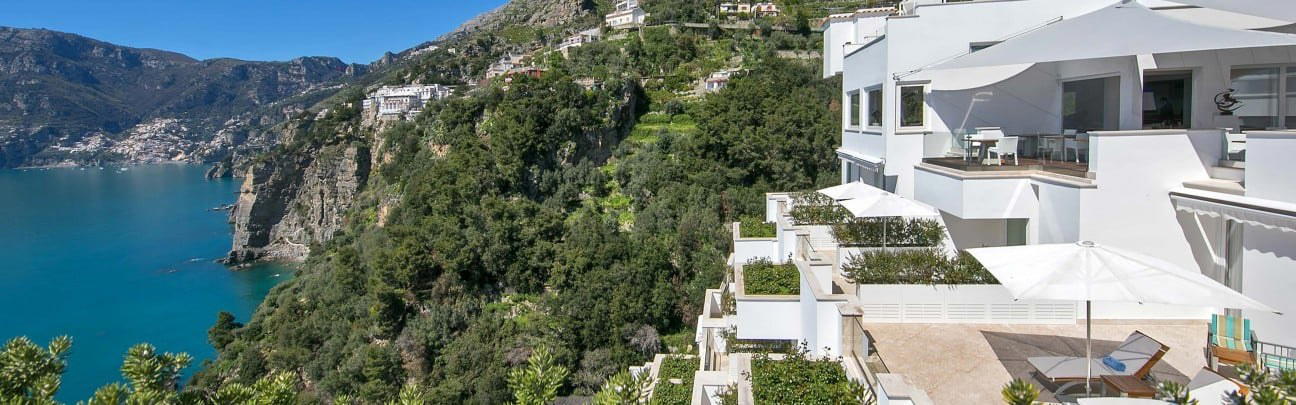
Bars in Furore
Browse all →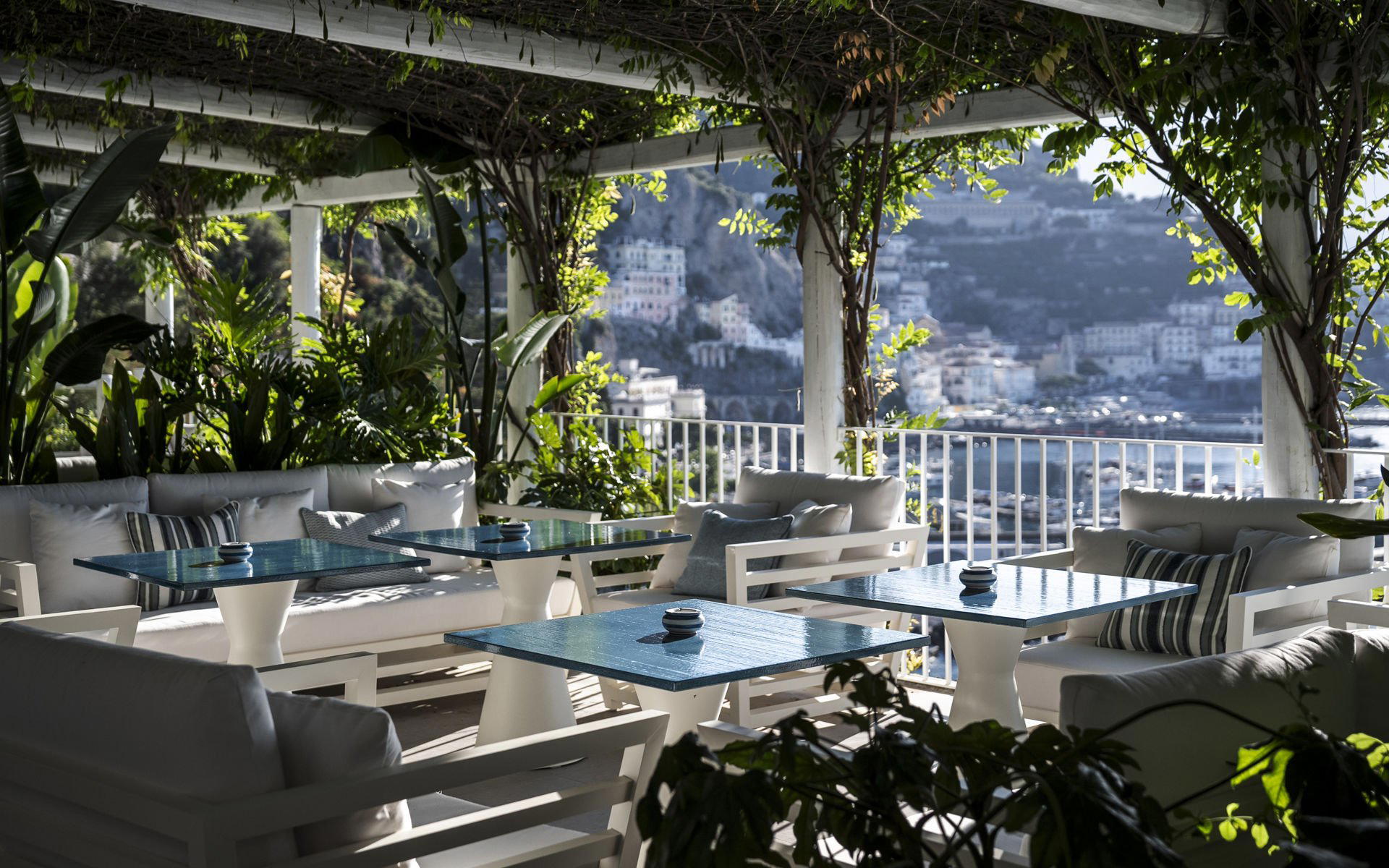

Details
- Romantic
- Elegant
- Scenic
- Sophisticated
- Quiet
- Intimate
- Honeymoon
- Romantic Getaway
- Anniversary
- Wellness Retreat
- Weekend Escape
- Panoramic View
- Infinity Pool
- Wi Fi
- Pool
- Spa
- Fitness Center
- Room Service
- Concierge
- Restaurant
- Sauna
- Hot Tub
- EV Charging
- Mountain
- Wheelchair Accessible
- Step Free Entrance
- Elevator
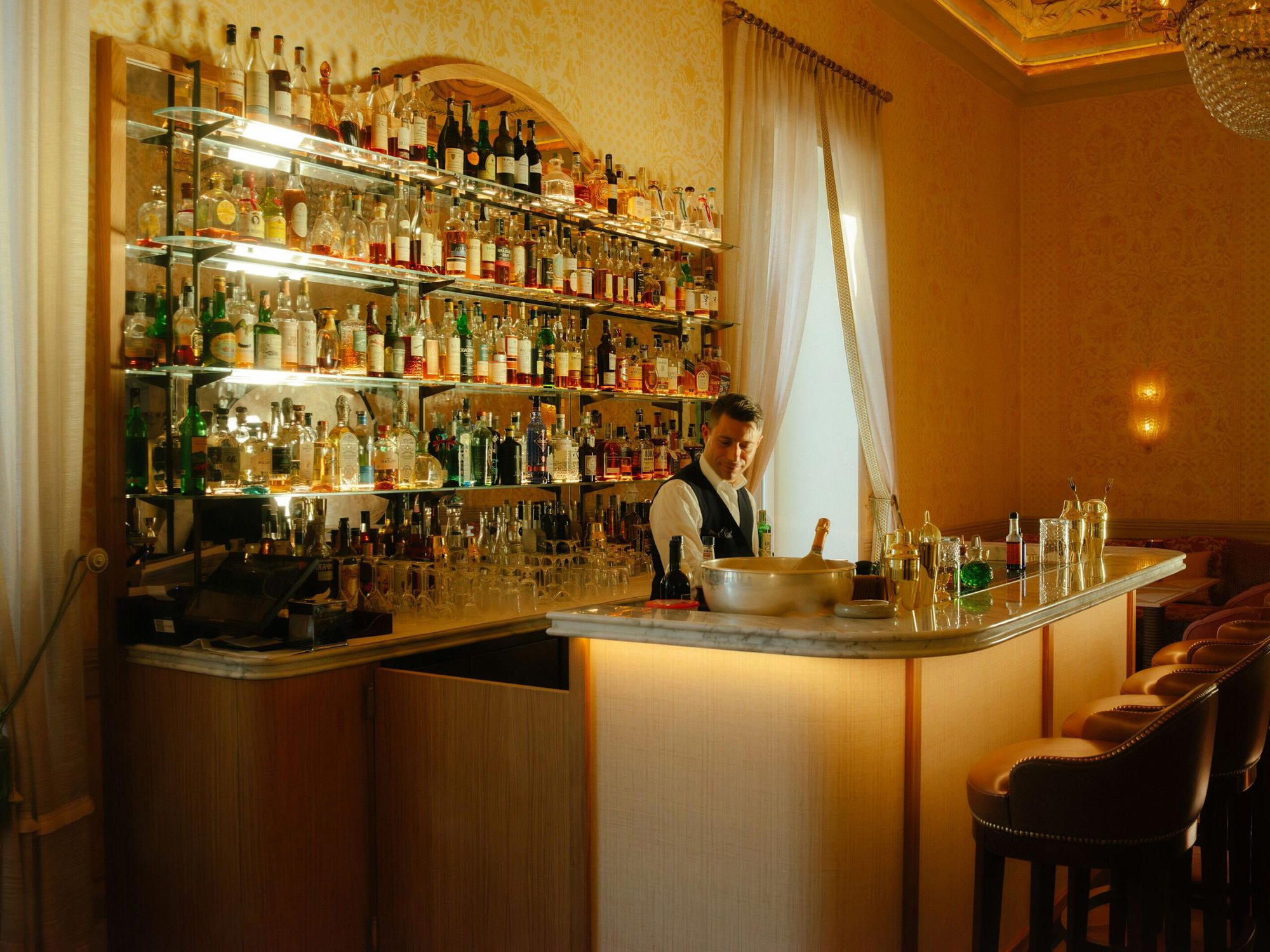
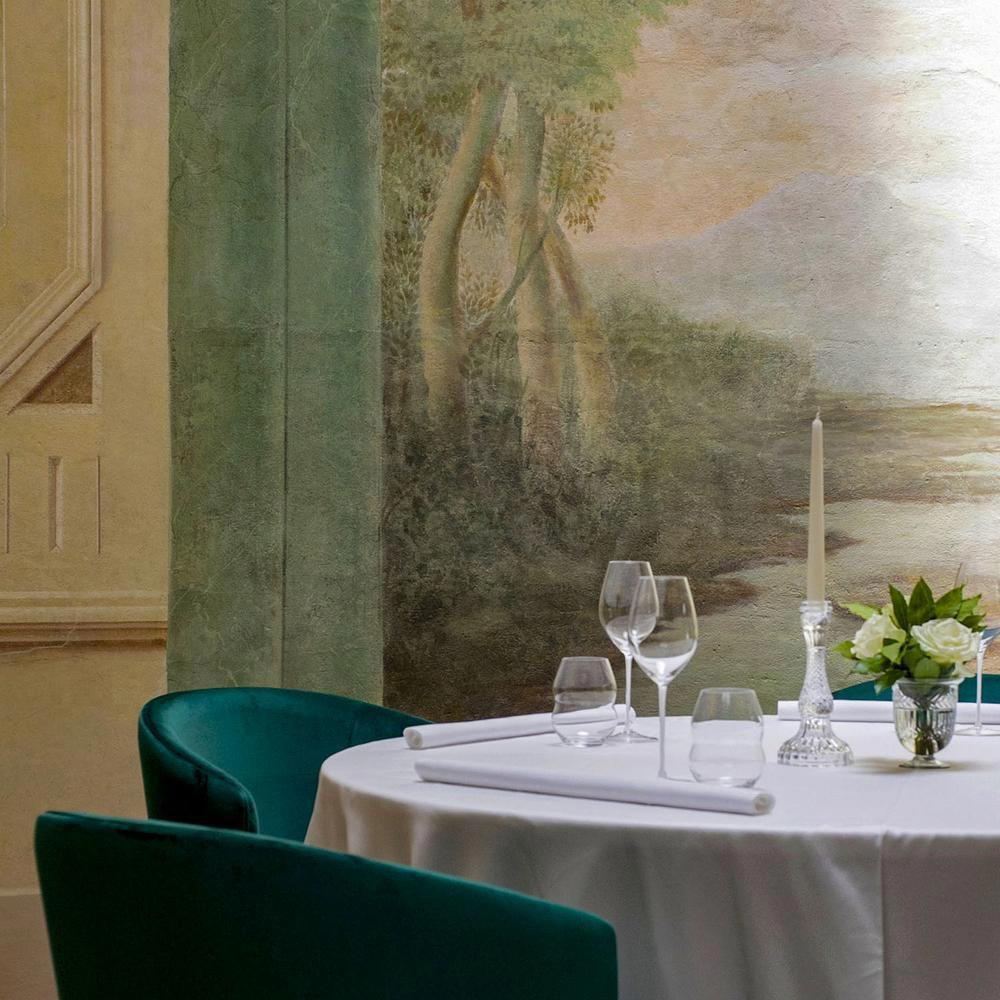
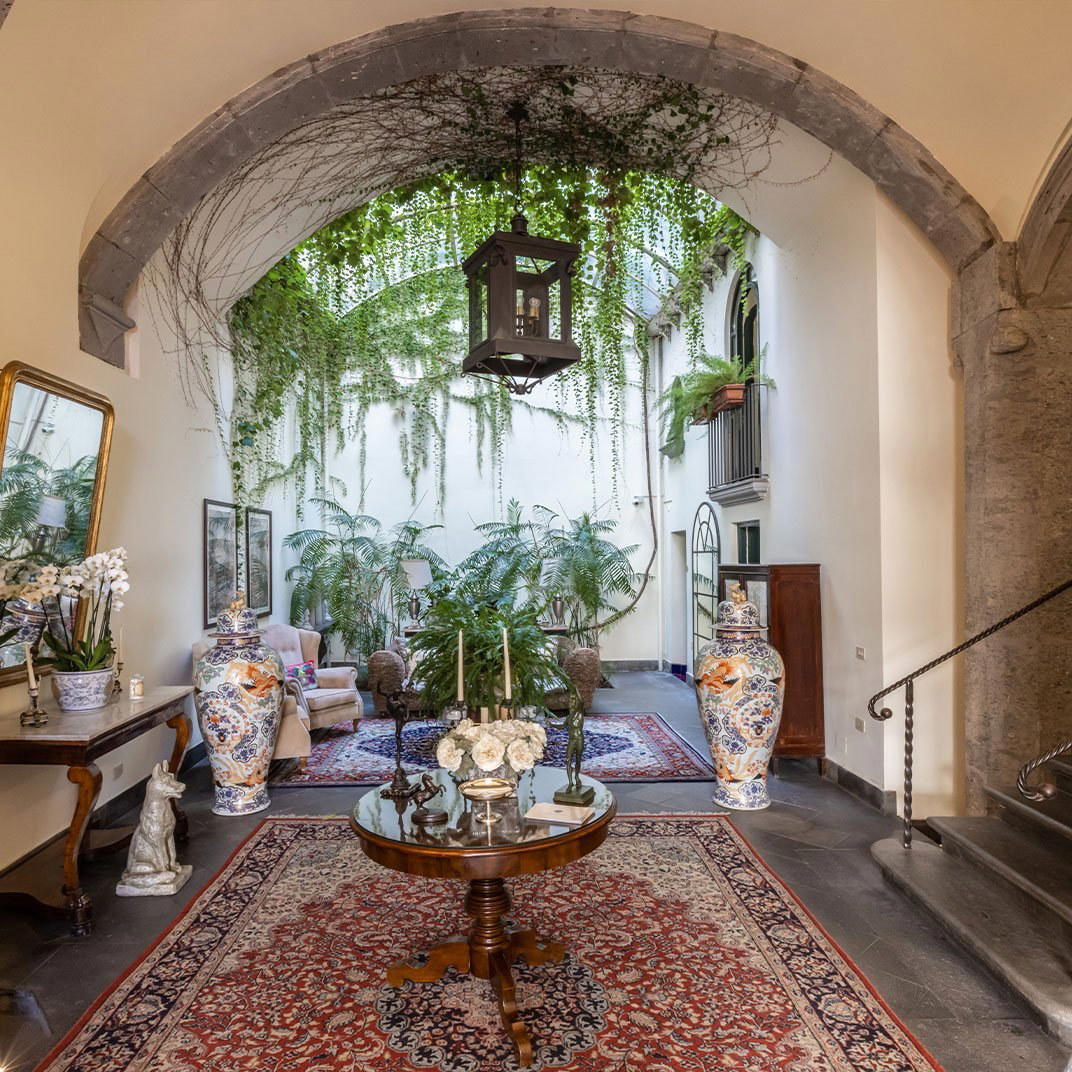
Refined and intimate with natural textures, luxurious whites and greens blending seamlessly with far-reaching coastal landscapes, soundproof rooms ensuring tranquility.