
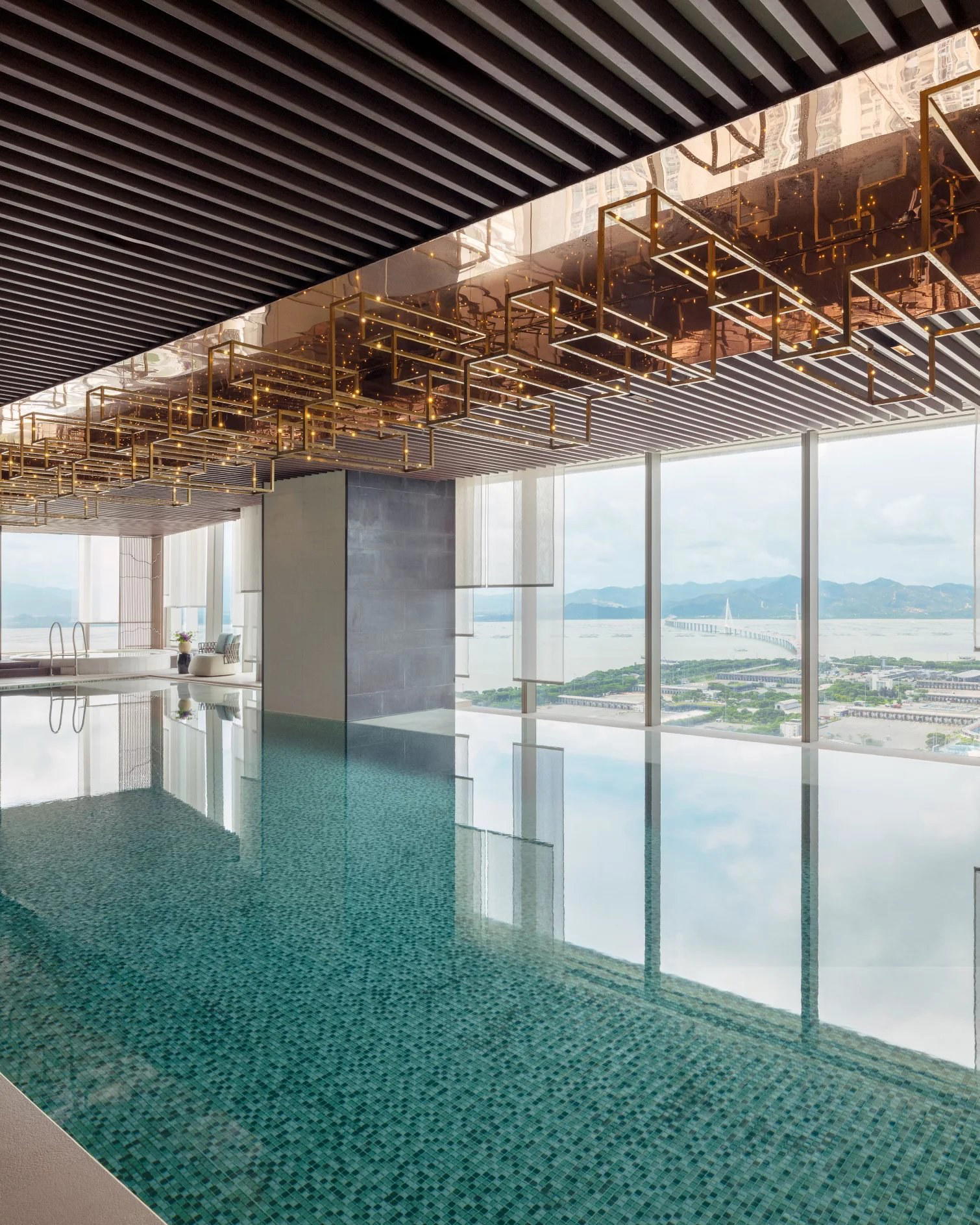
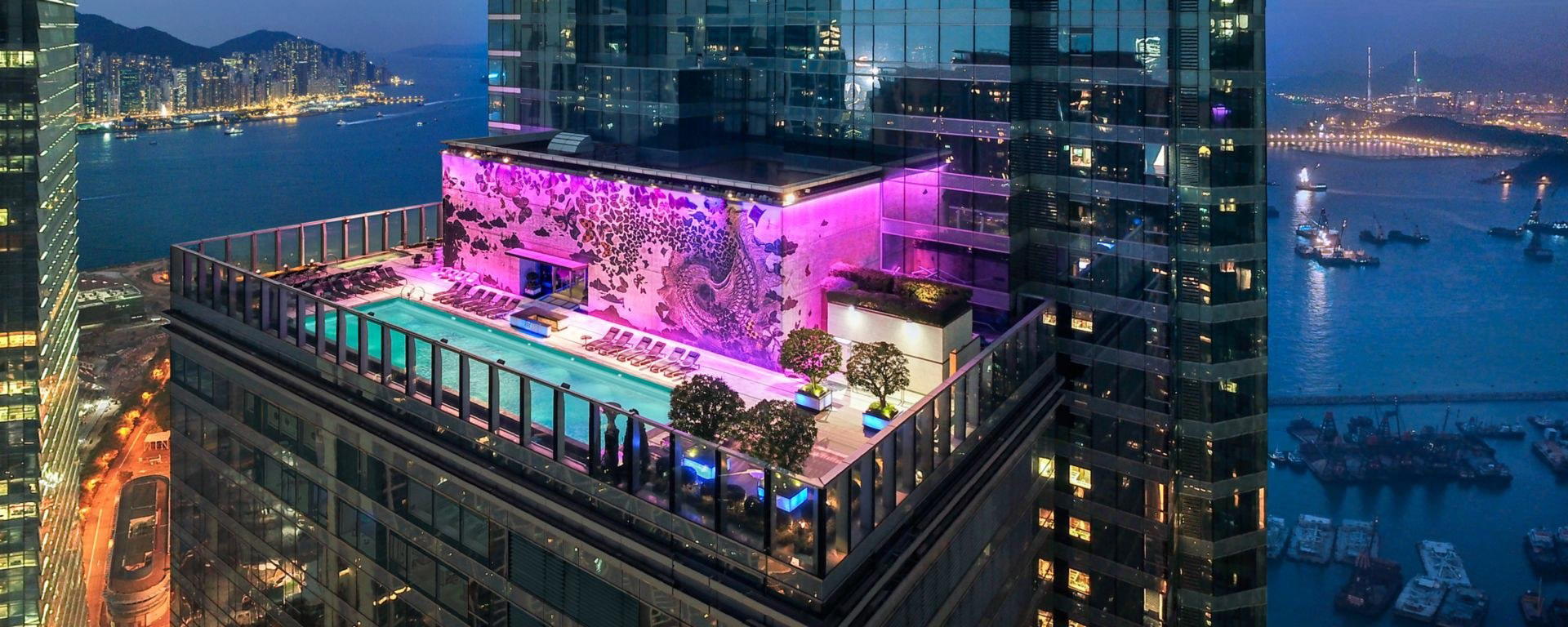
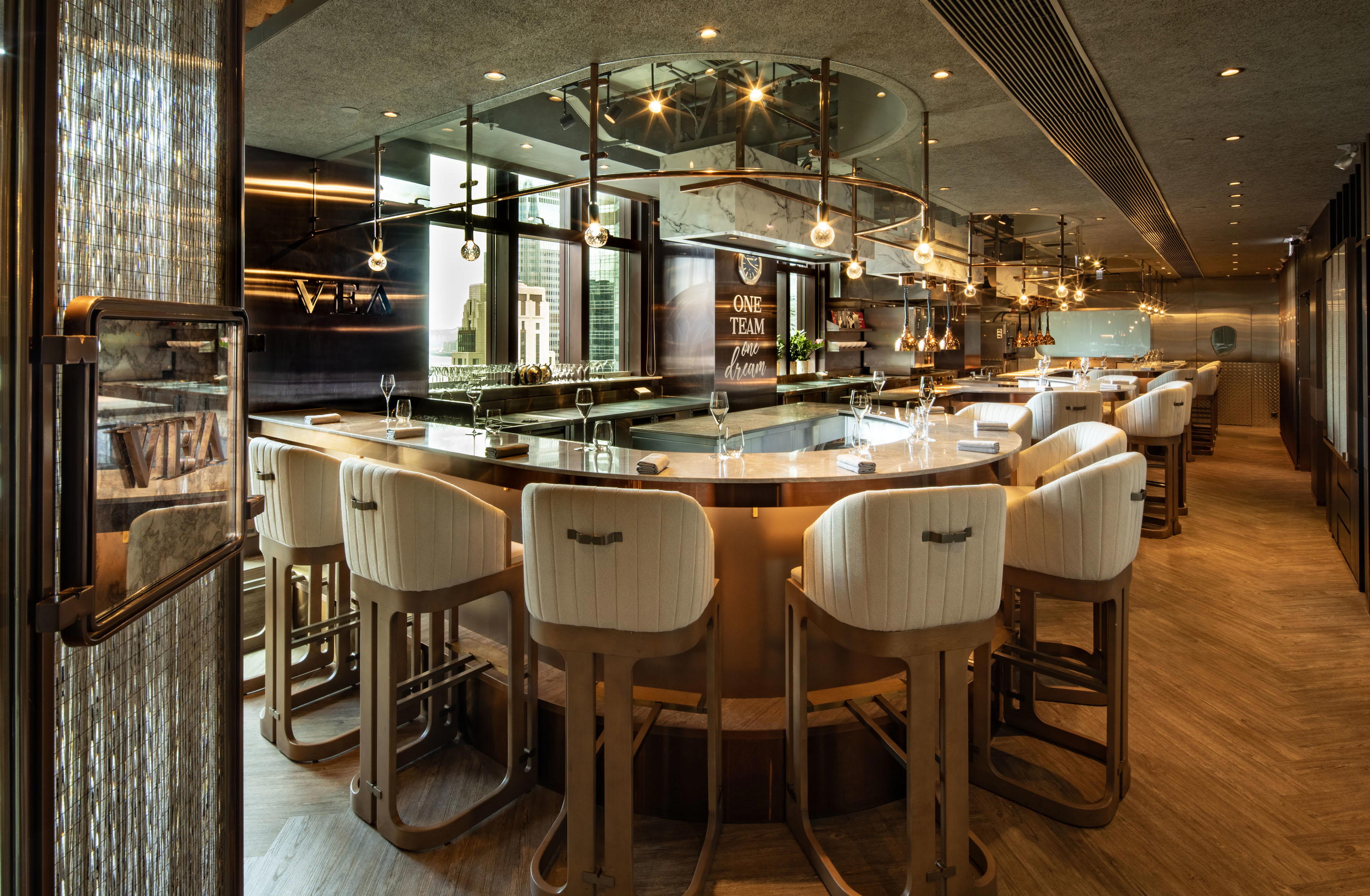
NOA Hotel Shenzhen occupies a converted industrial site on Baogang Road, positioning itself as a design-led address for creative professionals, younger travellers, and families drawn to heritage architecture reframed through contemporary materials. Where the established luxury tier in Shenzhen defaults to gleaming towers and corporate formats, NOA trades in metal, marble, and reclaimed wood within a setting that carries the texture of the city's manufacturing past.
Pearl is the En Primeur Club membership app — saves, bookings, and concierge access live there. Same editors, same standards.
- Address
- 05 Baogang Road, Shenzhen GD 518001
- Website
- marriott.com
- Directions
- Get directions
 Saves & bookings on Pearl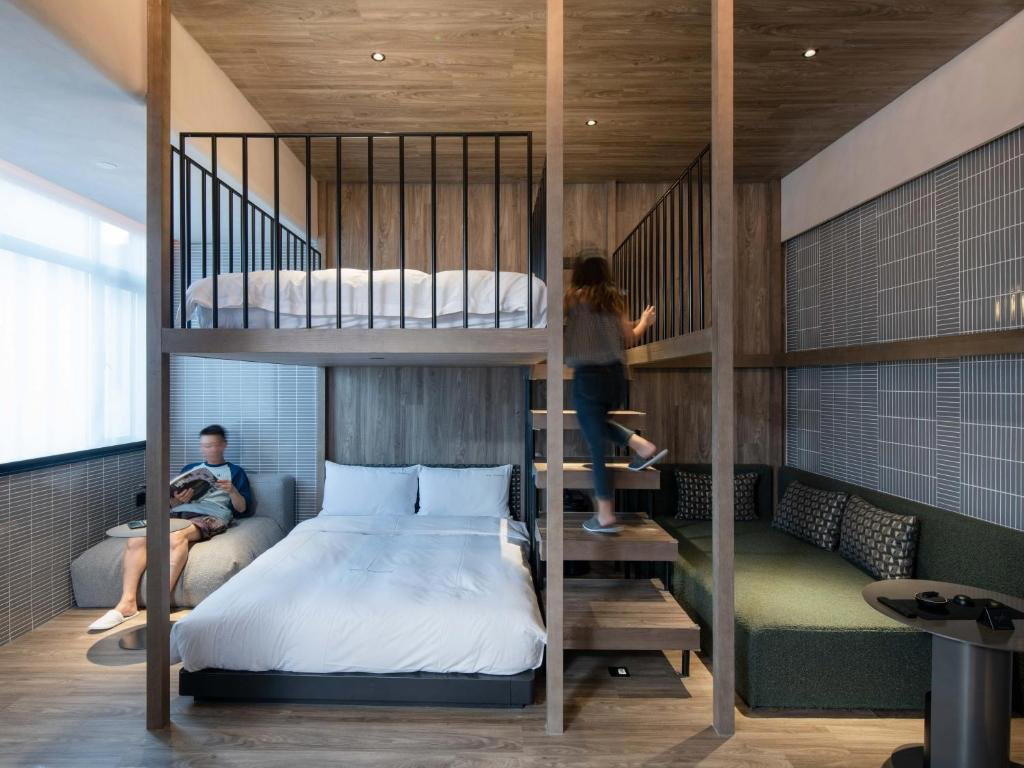
Industrial Heritage, Recast
Shenzhen's hotel market has long been dominated by the international luxury brands that arrived alongside the city's economic rise: the glass-and-marble towers of Futian and Luohu, the convention-adjacent properties along Shennan Boulevard, and the waterfront addresses at Shekou and Qianhai. Properties like the Four Seasons Hotel Shenzhen, the Mandarin Oriental, Shenzhen, and the The Ritz-Carlton, Shenzhen have defined the city's premium tier for over a decade, competing on floor count, F&B; breadth, and corporate amenities. NOA Hotel Shenzhen plays a different game entirely.
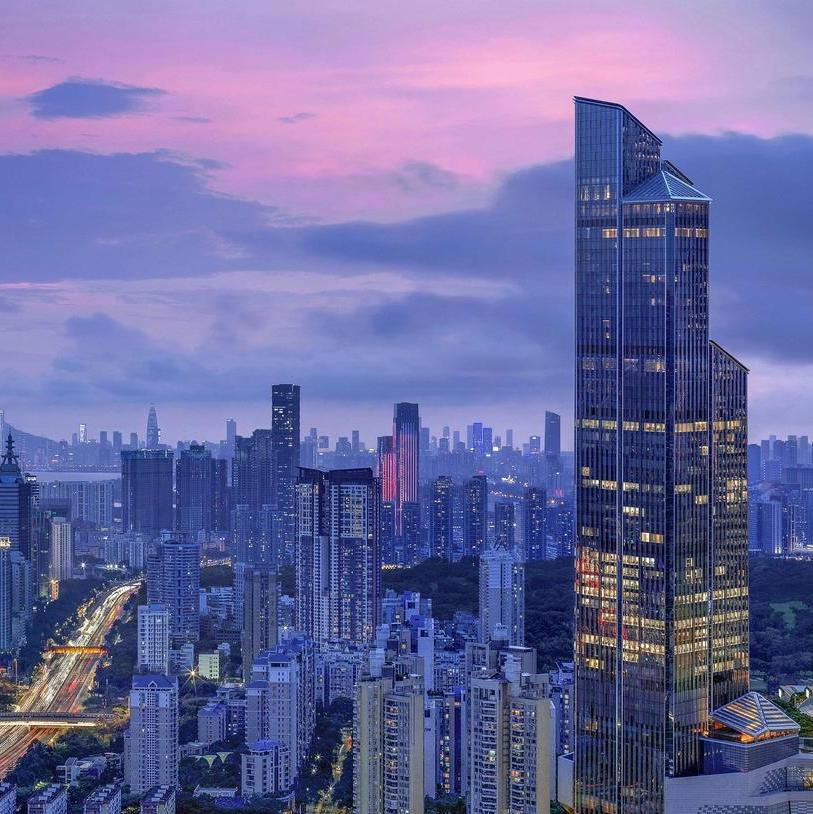
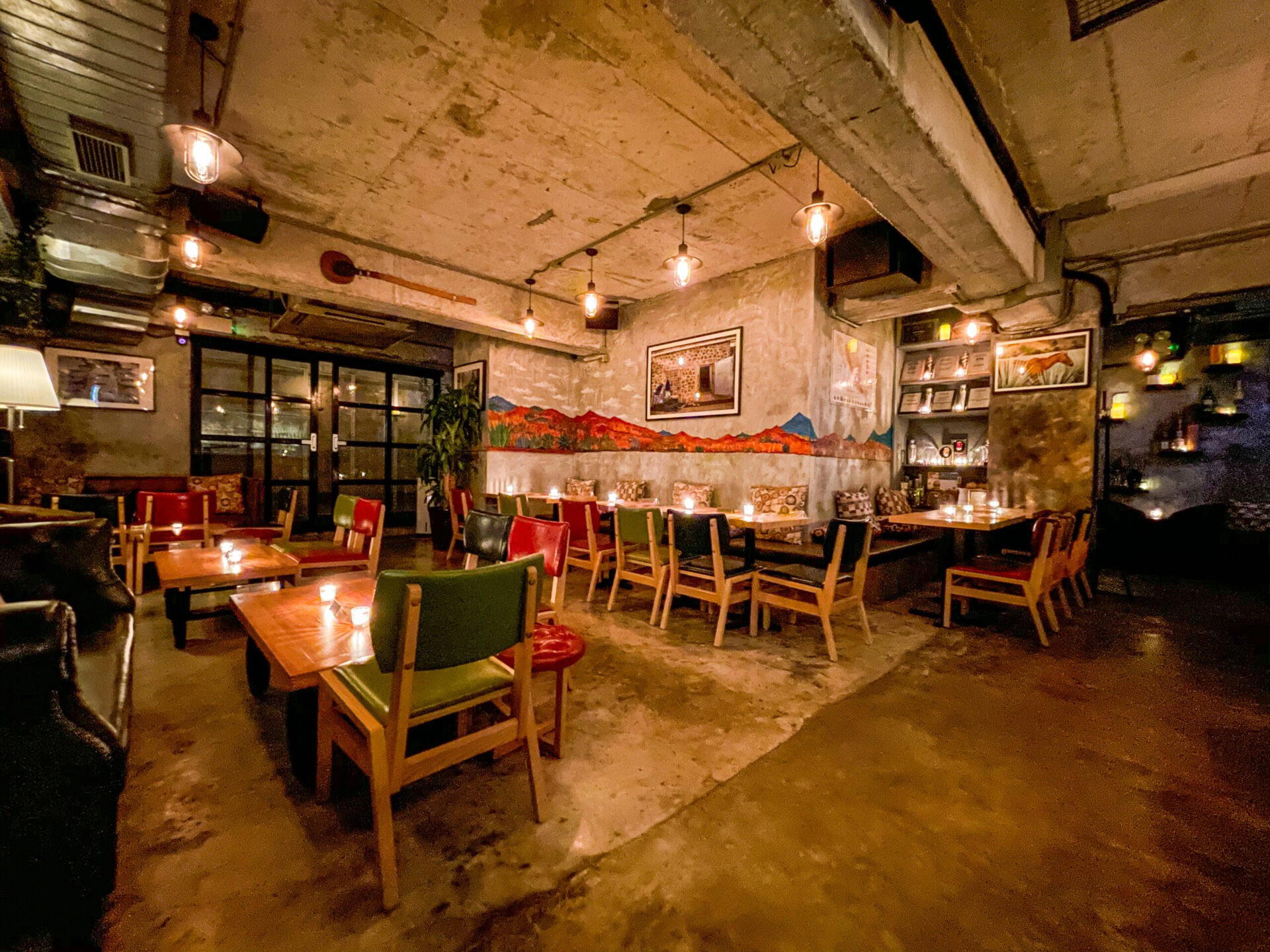
Sited at 05 Baogang Road in the Luohu district, the property draws its identity from Shenzhen's industrial past rather than its financial present. Steel and concrete, the raw materials of the city's manufacturing decades, are not concealed here but treated as compositional elements alongside marble surfaces and warm timber. The result is an interior language that reads as deliberately designed rather than generically luxurious, placing NOA closer in spirit to the adaptive-reuse properties that have redefined hospitality in cities from Berlin to Melbourne than to the corporate high-rise model that characterises most of Shenzhen's four- and five-star inventory.
What the Address Provides
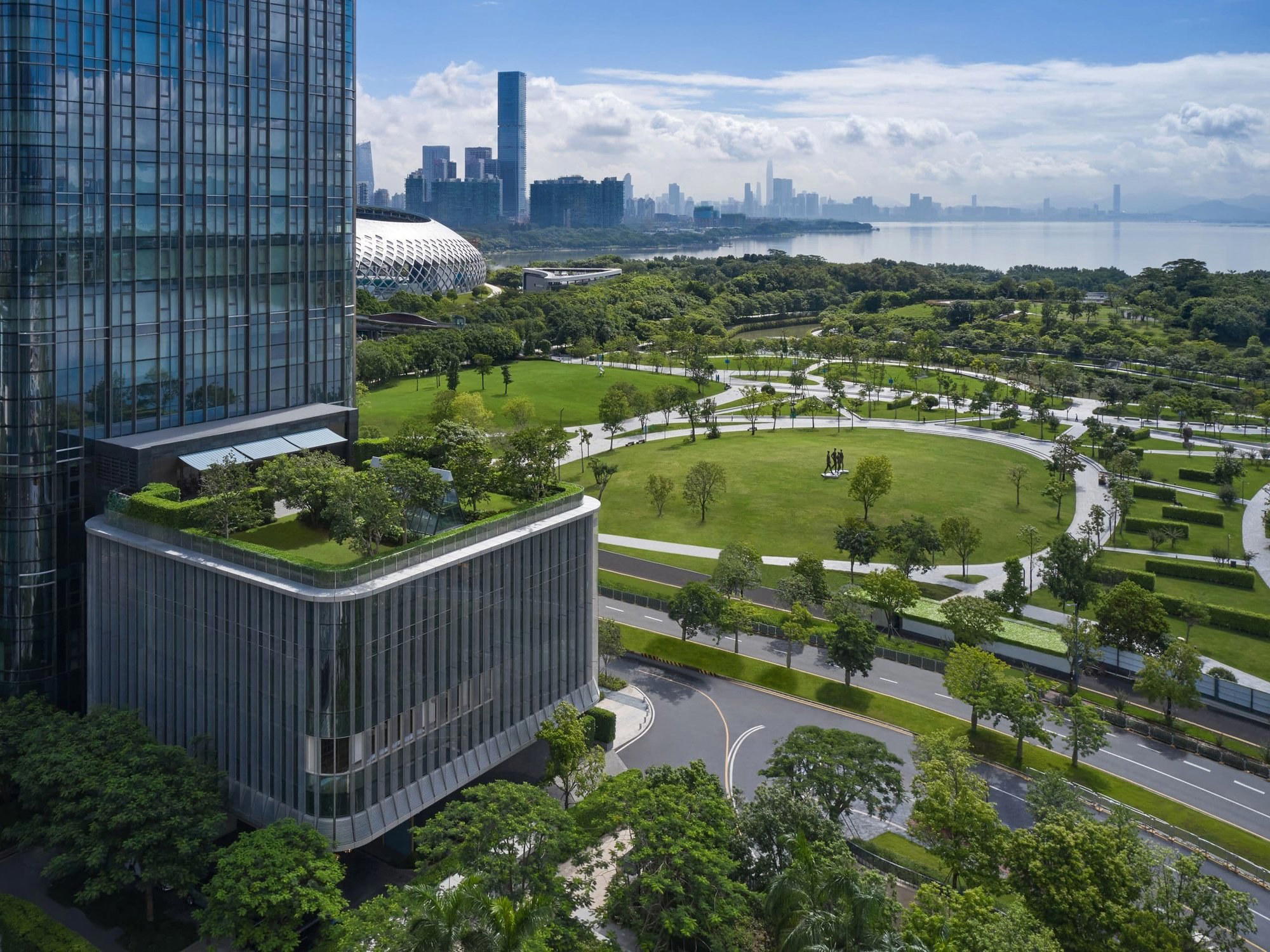
Baogang Road sits within reach of Luohu's commercial core, one of the oldest developed districts in Shenzhen and the area most immediately connected to the city's founding identity as a border trade zone. The proximity to Lo Wu, the historic crossing point between Shenzhen and Hong Kong, means this address carries genuine historical weight in a city where most neighbourhoods were farmland forty years ago. For travellers arriving from Hong Kong by rail, Luohu Station is among the most direct entry points into Shenzhen's urban fabric, which gives the NOA location a logistical advantage that the Futian and Nanshan properties cannot replicate.
The neighbourhood context also shapes the guest profile that this address attracts. Creative professionals, design-sector visitors attending Shenzhen's growing calendar of trade events and exhibitions, and younger international travellers who have less appetite for the corporate-convention format of the city's larger luxury addresses tend to orient toward properties with this kind of heritage framing. Families seeking a less sterile environment than the standard business hotel format also feature in the property's stated audience. That breadth of intended guest types is not unusual for design-led independent properties in Chinese tier-one cities, where the alternatives to international-brand luxury have multiplied significantly since the mid-2010s.
The Design Position
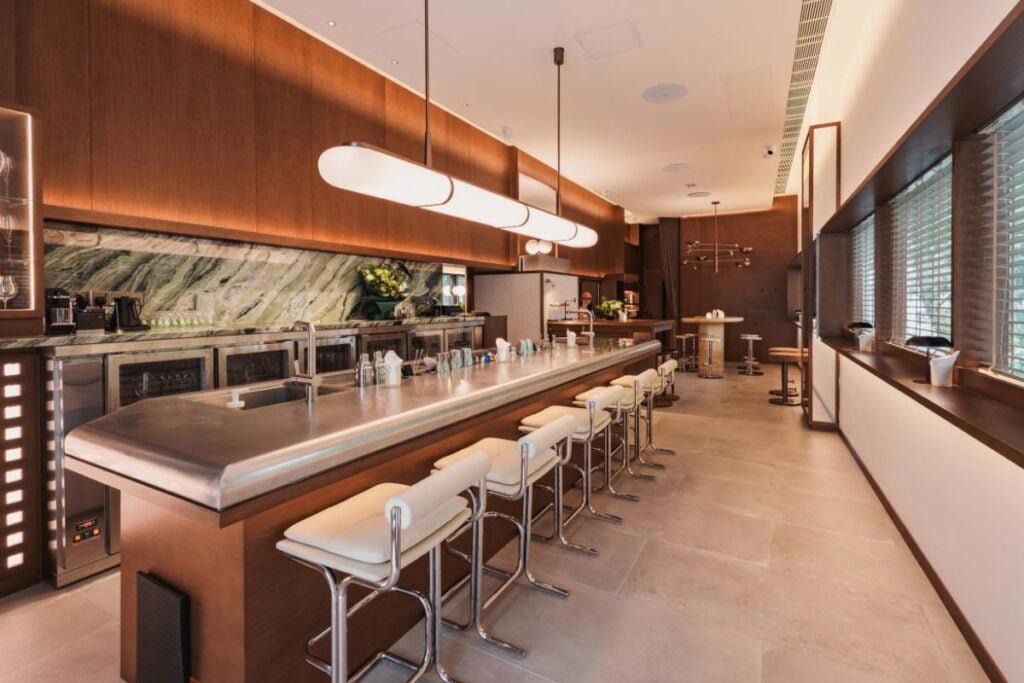
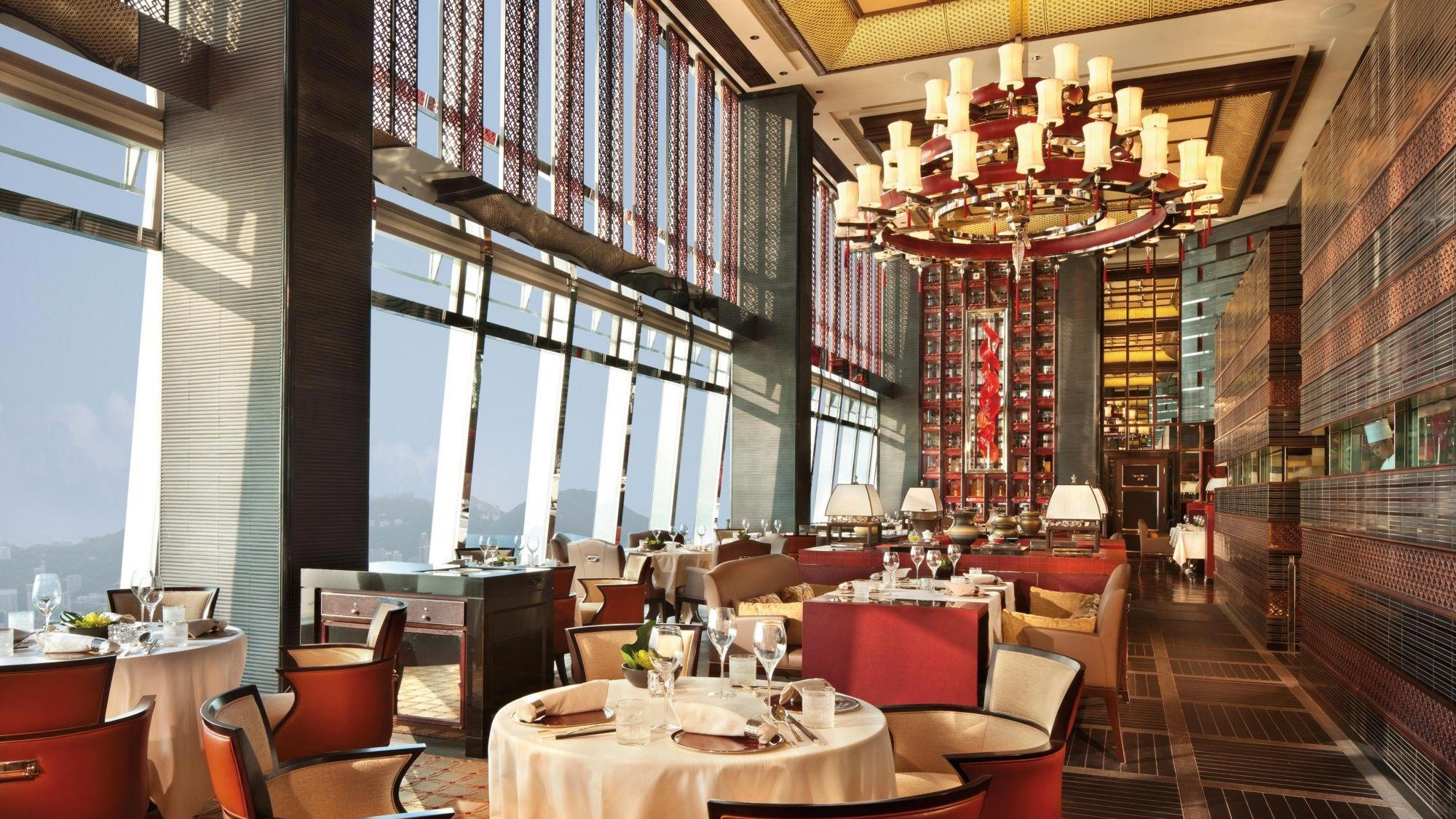
The combination of metal, marble, and wood that defines NOA's aesthetic is not accidental. Each material carries a different register: metal reads as industrial and contemporary, marble signals permanence and considered investment, wood softens and domesticates. Properties that handle all three well tend to avoid the coldness that sometimes afflicts design hotels heavy on poured concrete, while also avoiding the pastiche warmth of boutique properties that lean too hard into reclaimed timber. How successfully NOA balances these elements in practice is a matter for direct assessment, but the material brief is coherent as a design intention.
Art program is integral to the positioning. Describing the hotel as an art-filled hub places it within a segment of Chinese hospitality that has grown considerably since venues like the Jing An Edition in Shanghai demonstrated that art-forward programming could function as a genuine differentiator rather than decorative afterthought. In a city like Shenzhen, which hosts the country's only dedicated design week and has positioned itself nationally as a creative industry centre, an art-integrated hotel concept has a more natural cultural fit than it might in a city without that infrastructure. The comparison is less with Shenzhen's luxury peers and more with properties like Andaz Shenzhen Bay, which also targets creative and younger professional demographics, though from a very different physical setting at the bay waterfront.
Shenzhen's luxury tier is well populated. Beyond the Four Seasons and Ritz-Carlton, the Raffles Shenzhen, The Langham, Shenzhen, The St. Regis Shenzhen, and The St. Regis Shenzhen Bao'an collectively represent a formidable concentration of international-brand five-star inventory. NOA does not compete in that bracket by any conventional metric. Its competitive set is the emerging tier of design-conscious, experience-led properties in Chinese cities that are built around aesthetic coherence and cultural positioning rather than suite count and spa square footage.
That niche is increasingly well-established across China's major cities. Properties like Amanfayun in Hangzhou and Amandayan in Lijiang demonstrate the upper end of what heritage-integrated, design-led hospitality can achieve in Chinese settings when executed at high investment levels. NOA operates with a different scale and budget tier, but the underlying logic of using architectural character and creative programming as primary guest-value propositions belongs to the same broad movement. For those interested in how this pattern plays out in a resort context, Xiamen Yunding Resort and 1 Hotel Haitang Bay, Sanya offer instructive comparisons from other southern Chinese destinations.
Planning Your Stay
The Baogang Road address places NOA within the Luohu district, which is accessible via Shenzhen's well-developed metro network. For travellers connecting onward through Guangdong or considering adjacent destinations, the broader EP Club coverage of Chinese properties spans markets from Mandarin Oriental Qianmen in Beijing to JW Marriott Hotel Shanghai at Tomorrow Square, and further afield to properties like the Vanke Lake Songhua Yunlu Hotel in Jilin and Mohe Youran Mountain Residence in the far north.
For Shenzhen specifically, booking timelines depend more on event calendar than on general demand patterns. The city's design and technology events can compress room availability across multiple districts simultaneously, and design-led properties with smaller room counts tend to feel that pressure earlier than the large luxury towers. Travellers with fixed dates tied to design week or major trade exhibitions should plan well in advance; those with flexible schedules have considerably more room to manoeuvre. Direct booking channels typically offer the most current availability and rate information, though NOA's website and direct contact details were not available at the time of this writing.
For a broader orientation to what Shenzhen's dining and hospitality scene offers across categories and neighbourhoods, see our full Shenzhen restaurants guide.
How NOA Hotel Shenzhen compares with similar nearby venues.
| Venue | Awards |
|---|---|
| NOA Hotel Shenzhen | 2026 Design Hotels Member - NOA Hotel Shenzhen |
Recognition history
Dated appearances from independent guides and award organizations, with the underlying list record or original source where available.
Design Hotels Member
Design Hotels
Continue exploring
More in Shenzhen
Hotels in Shenzhen
Browse all →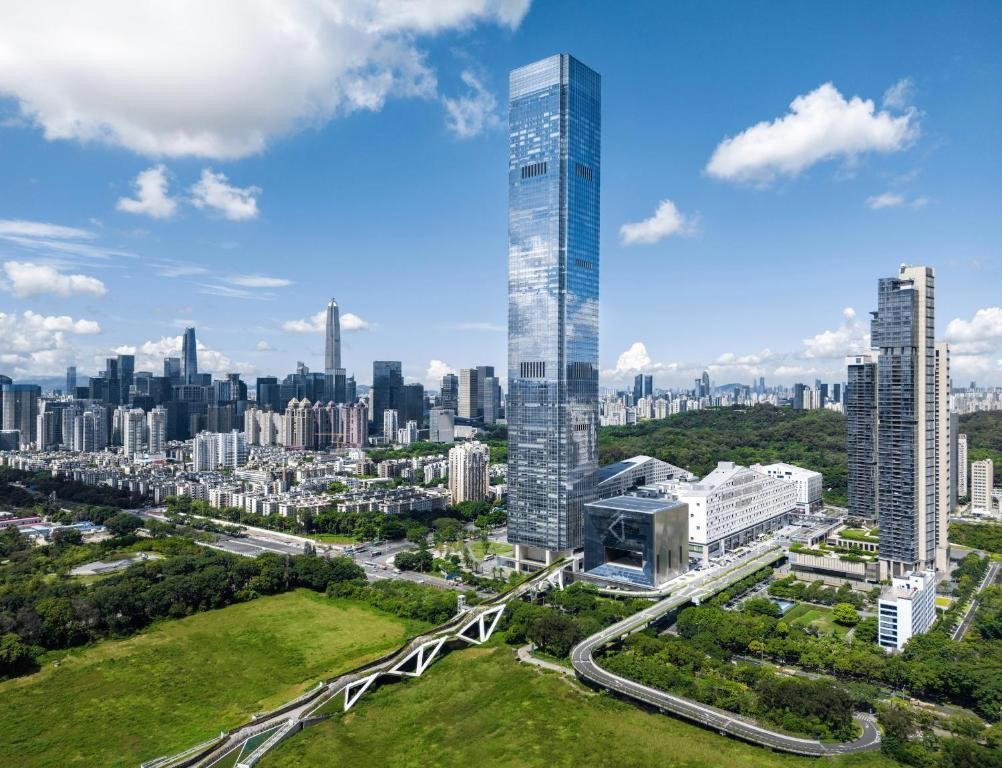
At a Glance
- Modern
- Trendy
- Sophisticated
- Energetic
- Business Trip
- Weekend Escape
- Group Retreat
- Design Destination
- Historic Building
- Wi Fi
- Restaurant
- Bar
- Fitness Center
- Room Service
- Concierge
- Spa
- Street Scene
- Wi Fi
- Restaurant
- Bar
- Fitness Center
- Room Service
- Concierge
- Spa
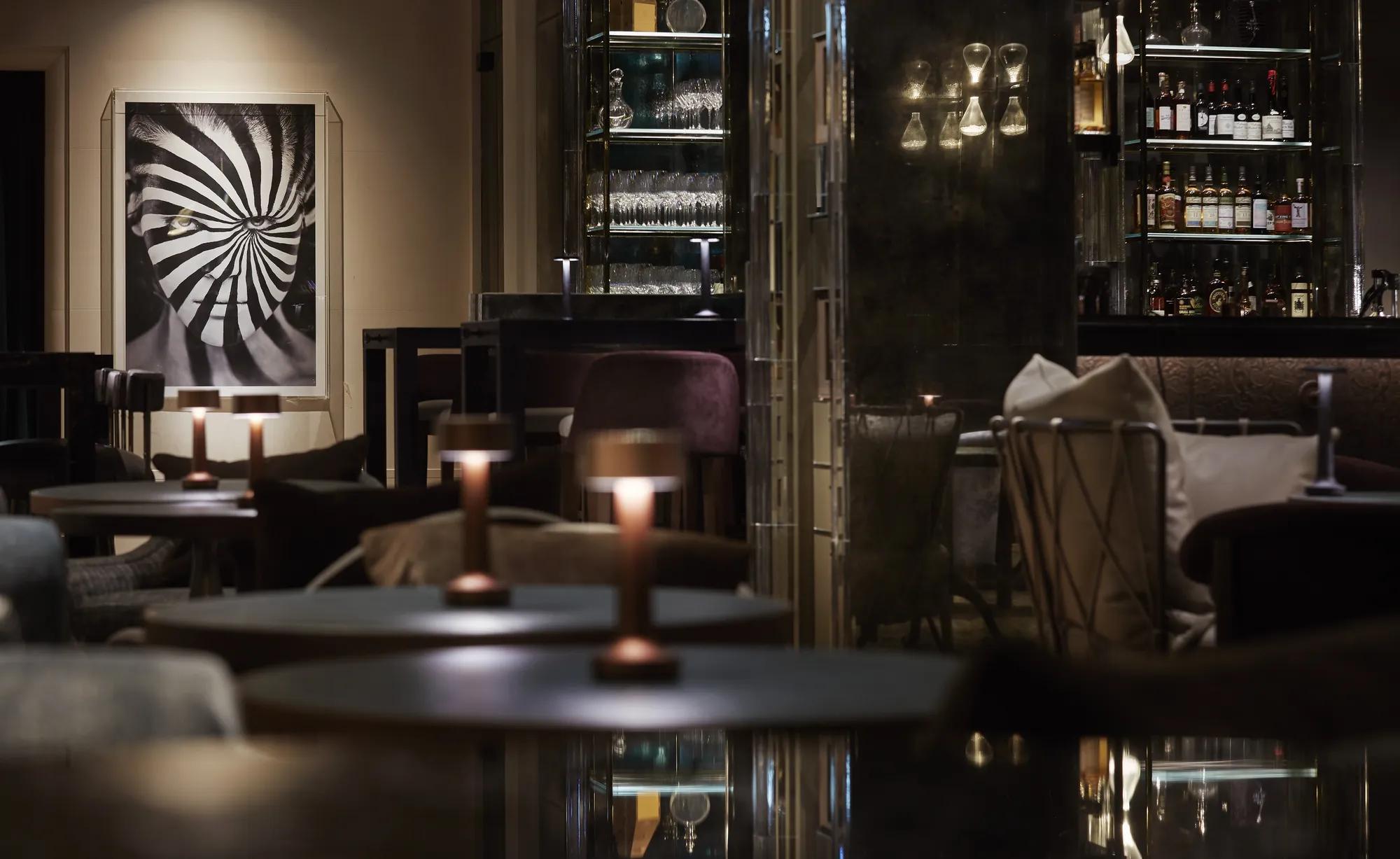
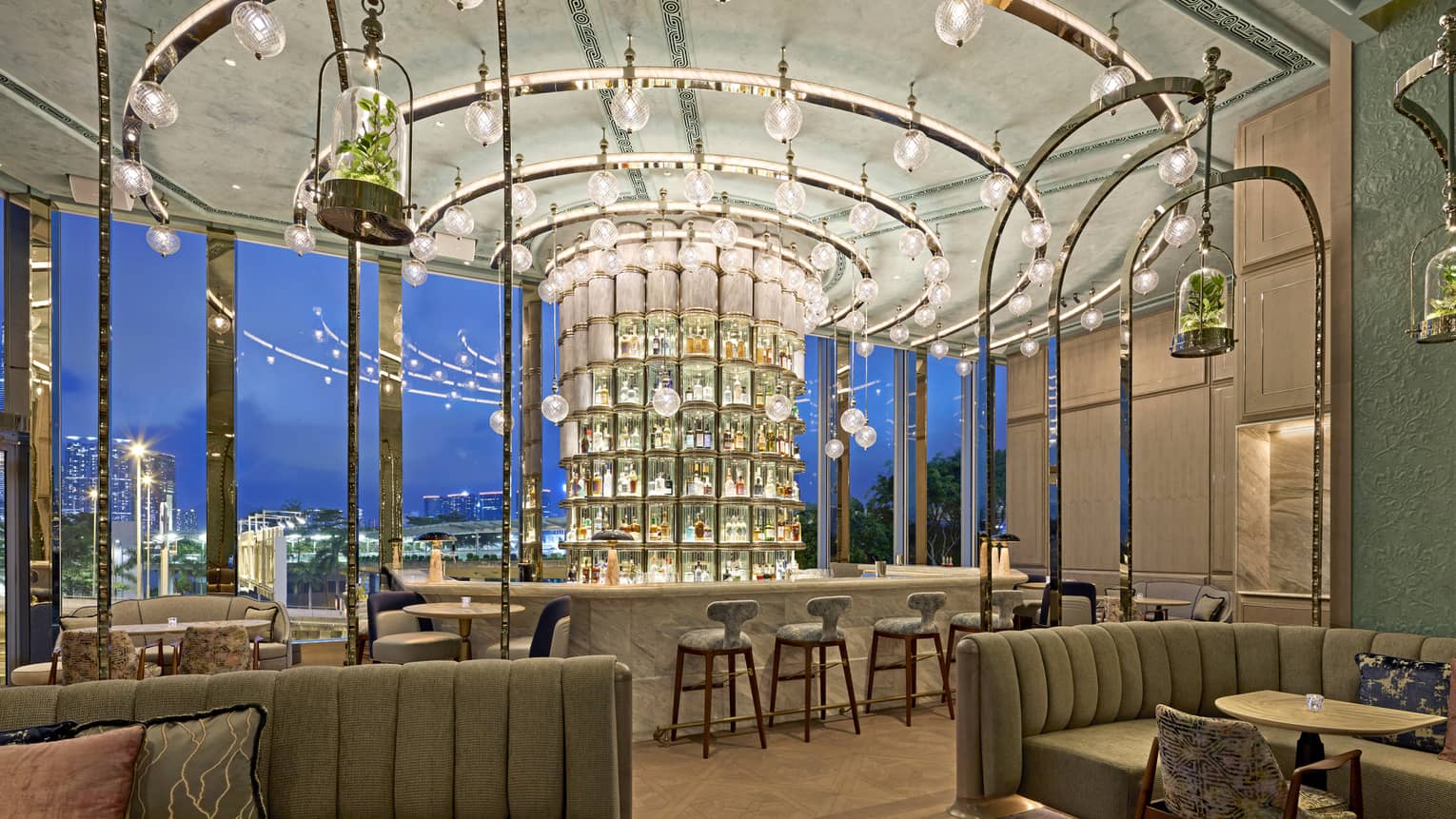
Contemporary industrial and design-led, with raw concrete, steel, stone, warm timber, vintage lighting, and a lively social atmosphere.
Know Before You Go
- Getting there
- 05 Baogang Road, Shenzhen GD 518001