




2 Michelin Keys · World's 50 Best #90 · La Liste Top Hotels
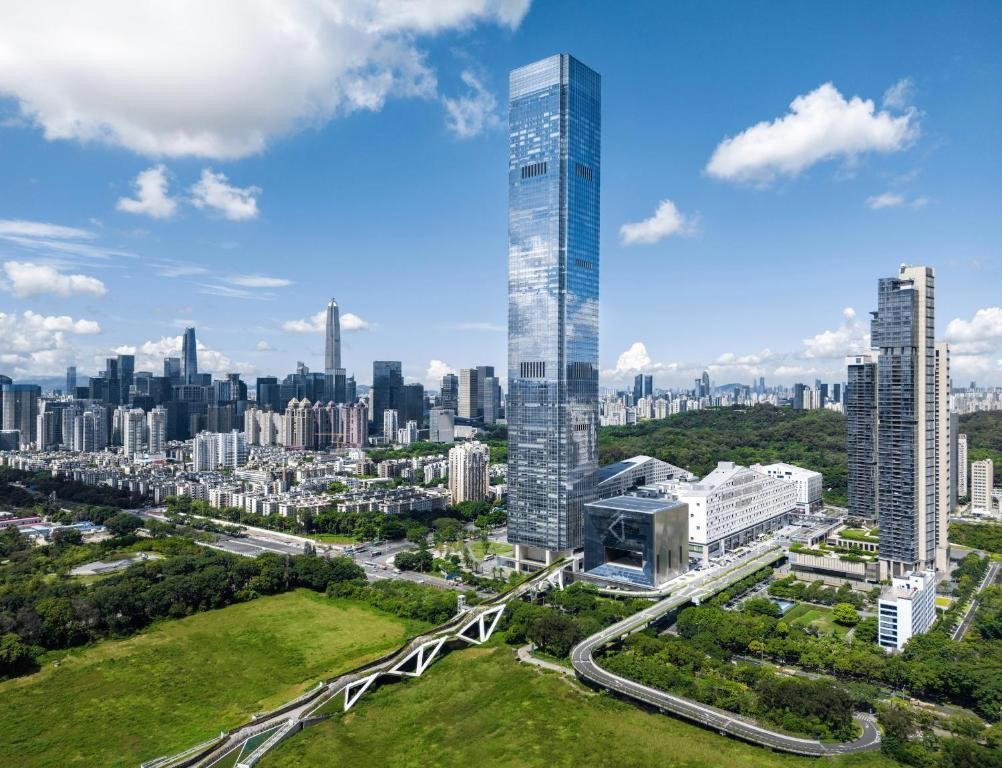
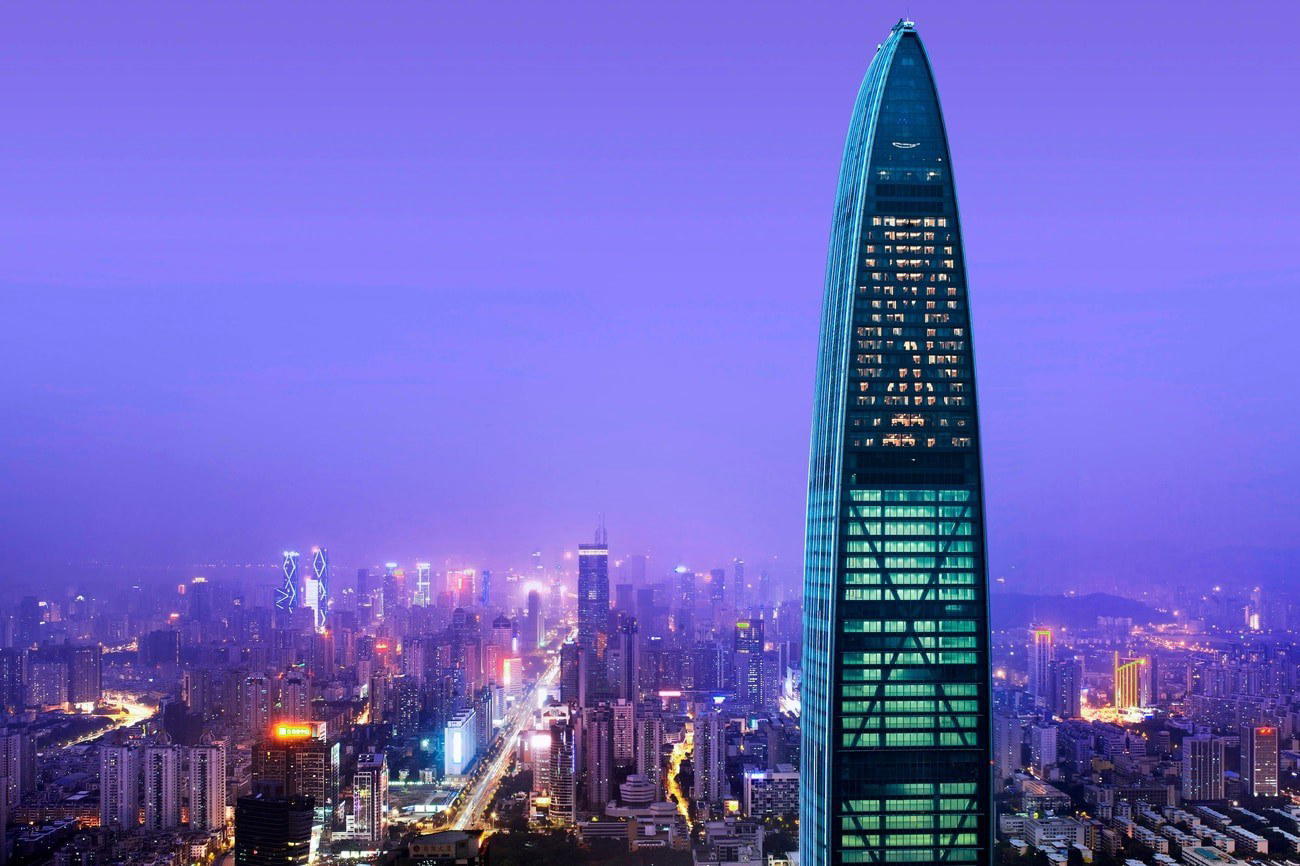
Occupying the upper floors of Shenzhen's 79-storey UpperHills tower in the Futian business district, Mandarin Oriental, Shenzhen opened in January 2022 with 178 rooms, eight dining venues, and a full-floor wellness zone on the 68th floor. Scored 90.5 points in the La Liste Top Hotels 2026 ranking, it represents the group's measured entry into one of China's most competitive luxury hotel markets.

Pearl is the En Primeur Club membership app, where members save venues, book tables and use the concierge.
Above the Futian Skyline
Shenzhen's luxury hotel tier has grown faster than almost any other Chinese city in the past decade, pulled upward by the Futian business district's concentration of finance, technology, and cross-border trade with Hong Kong. The city's upper bracket now includes properties from Four Seasons Hotel Shenzhen, The Ritz-Carlton, Shenzhen, The St. Regis Shenzhen, and The Langham, Shenzhen, each staking a claim to the corporate traveller and high-end leisure visitor simultaneously. Into this competitive set, Mandarin Oriental arrived in January 2022, taking floors near the summit of the 79-storey UpperHills tower on Huanggang Road. The ascent by elevator is itself a calibration: by the time you reach the lobby, the city grid below has receded into abstraction, and the property's design registers as a deliberately still counterpoint to the activity outside.
The architecture reads as contemporary without being cold. Public spaces balance clean geometry with material warmth, positioning the hotel comfortably between the corporate formality that defines some Futian competitors and the looser design-led registers found at properties like Andaz Shenzhen Bay or NOA Hotel Shenzhen. The result suits both the multinational executive arriving for a week of meetings and the leisure traveller who has read the La Liste Leading Hotels 2026 score of 90.5 points and is measuring expectations accordingly.
A Service Architecture Built Around Anticipation
What distinguishes Mandarin Oriental properties across their portfolio is less any single amenity than the operating philosophy behind them: service as a form of environmental design, where staff interventions are timed to arrive before the guest registers a need. That approach requires a specific kind of staffing depth and training consistency that is genuinely difficult to replicate at scale, and it is what separates the group from competitors who match the hardware but not the human calibration.
At the Shenzhen property, that philosophy appears in the Mandarin Club on the 78th floor, the hotel's executive lounge, which distils the service proposition into its most concentrated form. Access brings complimentary ironing and laundry, daily afternoon tea, and evening cocktails, with views that extend across the Pearl River Delta on clear days. For guests whose schedules compress the experience of a city into a hotel stay, the Club functions as a self-contained environment rather than a simple perk tier. It is worth factoring the upgrade cost into the overall budget calculation.
The 178 rooms begin at 603 square feet in the Deluxe View category, a floor area that places the entry level notably above the compressed footprints common to urban Chinese luxury hotels. At the upper end, the 4,306-square-foot Presidential Suite reads as an apartment-scale residence, with sky-high ceilings, multiple bedrooms, and a five-seat kitchen island. In-room amenities include Diptyque toiletries, Dyson Supersonic hair dryers, and Quivera linens, a curation that signals the hotel's peer references as much as its price positioning. Across Mandarin Oriental's China portfolio, from Mandarin Oriental Qianmen in Beijing to properties in other gateway cities, this level of room-specification consistency is a deliberate brand covenant rather than a property-by-property decision.
Eight Venues, One Culinary Strategy
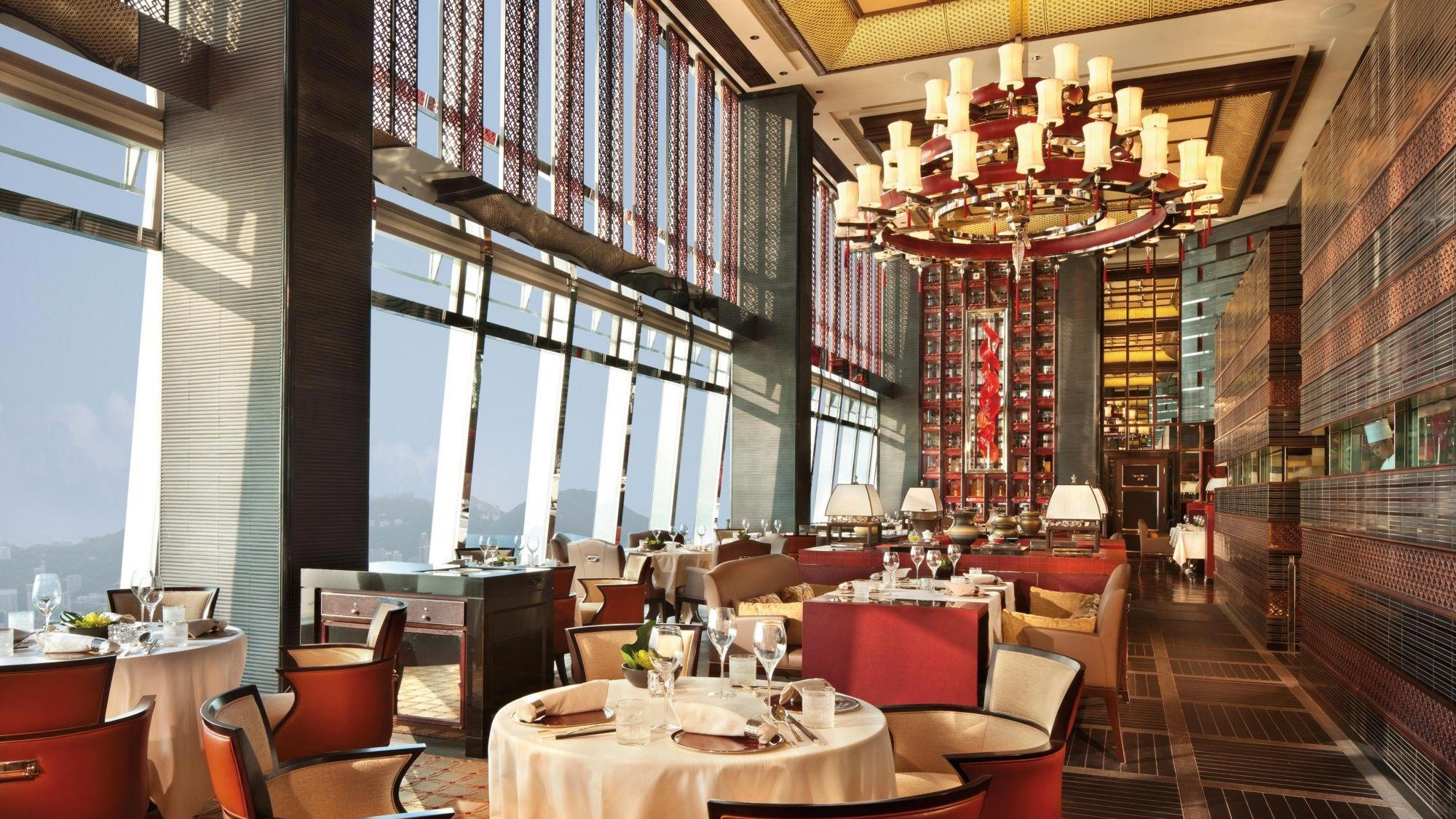
Cities at Shenzhen's level of wealth and international exposure develop hotel dining programs that function as independent destinations rather than captive amenities. The eight restaurants and bars at this property reflect that ambition. The Bay by Chef Fei anchors the culinary program with a Cantonese menu that has drawn considerable local attention, including dishes such as wok-fried lobster with aged rice wine and pan-fried Australian ribeye with crispy garlic and chili pepper sauce. The restaurant's demand profile requires advance booking, and in a city where the leading Cantonese dining options are spread across a sprawling geography, having a heralded kitchen at the top of a Futian tower is a genuine logistical convenience for guests with limited time.
RIN provides a Japanese counterweight, with private teppanyaki rooms, wood-panelled interiors, and a menu that includes Wagyu sirloin in garlic confit and live black abalone with seaweed and yuzu. The private-room format aligns with the way high-end Japanese dining in Chinese cities has evolved: less about the open counter experience common in Tokyo and more about the controlled, client-entertainment register that corporate Shenzhen demands. Opus 388 occupies the surf-and-turf category with city views, while Tapas 77 takes a lighter approach, pairing creative cocktails with Spanish-inflected small plates. MO Bar handles late-evening sittings, The Mandarin Cake Shop operates as a patisserie and terrace space, LIAN Lounge focuses on Chinese-inspired afternoon tea and cocktails, and Bazaar runs the hotel's buffet format for guests who prefer range over precision. See our full Shenzhen restaurants guide for context on how this dining program sits within the city's broader eating scene.
Wellness at Altitude
The spa and fitness zone on the 68th floor occupies a footprint that functions more like a resort wellness facility than the compressed amenity suites typical of urban business hotels. The 20-metre pool sits beneath 98-foot ceilings, which shift the psychological register of swimming laps from functional to genuinely contemplative. Seven treatment rooms in the spa allow for a programming depth that is rare at this scale; the signature Spirit of Shenzhen treatment combines warm quartz sand therapy, singing bowls, and meridian-stimulation techniques. Mandarin Oriental's spa identity has been consistent across the group for decades, and the Shenzhen property's wellness offer extends that positioning into a market where locally developed luxury spa brands have become increasingly competitive. The Sky View Fitness Centre uses Technogym equipment, a brand choice that signals peer-set alignment with the group's flagship urban properties globally.
Planning Your Stay
The hotel sits on Huanggang Road in the Futian district, which places it within practical distance of the Futian CBD subway station and direct access to the Lok Ma Chau border crossing for travellers moving between Shenzhen and Hong Kong. Published room rates start from approximately $427 per night, positioning the property in the upper bracket of the Shenzhen market alongside Raffles Shenzhen and The St. Regis Shenzhen Bao'an. For The Bay by Chef Fei, securing a reservation well ahead of arrival is the practical advice, particularly for weekend evenings. The Mandarin Club upgrade rewards guests who are spending multiple nights and want a reliable base for both work and downtime without leaving the building.
Travellers building a broader China itinerary might consider how Shenzhen fits against other properties in the group's regional footprint, or against different market registers such as Amanfayun in Hangzhou, Amandayan in Lijiang, or 1 Hotel Haitang Bay, Sanya for leisure-led alternatives. For those prioritising urban form and service depth over resort setting, the Shenzhen Mandarin Oriental competes directly. For context on how high-altitude urban luxury hotels operate in comparable Asian markets, Altira Macau offers a useful regional reference point, while globally, properties like Aman New York and Aman Venice define what the alternative luxury register looks like at the same tier.
What It’s Closest To
Comparable venues nearby, for context on price, style, and recognition.
| Venue | Cuisine | Price | Awards | Notes |
|---|---|---|---|---|
| Mandarin Oriental, ShenzhenThis venue (the venue you are viewing) | Contemporary luxury tower hotel | $750–1,000 | 2 Michelin Keys · World's 50 Best #90 | Not listed |
| Raffles Shenzhen | Contemporary luxury tower hotel with personalized butler service | Not listed | 1 Michelin Key | Nanshan |
| Andaz Shenzhen Bay | Luxury boutique hotel conceived as a private clubhouse with modern grandeur. | $100–200 | 1 Michelin Key | Nanshan |
| The Langham, Shenzhen | Refined luxury hotel with elegant British heritage in a premium urban district. | $100–200 | Michelin Selected · Forbes Recommended | Futian |
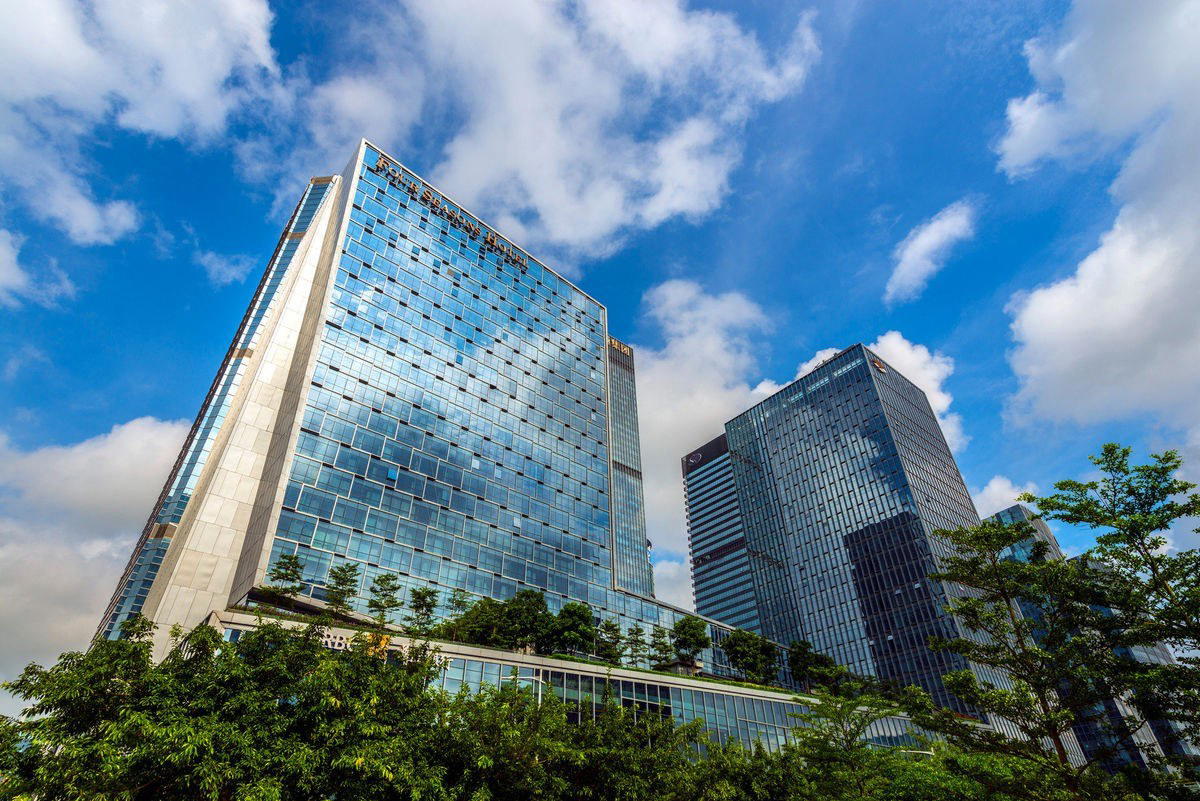
| Four Seasons Hotel Shenzhen | Contemporary luxury urban hotel with suite-style rooms and city views. | Not listed | Michelin Guide New Hotels New Hotel · Michelin Selected | Futian |
| The St. Regis Shenzhen | Ultra-luxury urban landmark hotel positioned as a destination for luminaries and informed travelers seeking bespoke butler service and sky-high experiences. | $300–500 | 1 Michelin Key · Michelin Guide New Hotels New Hotel | Luohu District |
Recognition history
Dated appearances from independent guides and award organizations, with the underlying list record or original source where available.
Michelin 2 Keys
Michelin
World's 50 Best Hotels 51-100 #90
World's 50 Best
La Liste Top Hotels
La Liste
Forbes 5-Star
Forbes
Travel + Leisure 100 Favorite Hotels in the World #34 · No. 34
Travel + Leisure · 2026 Travel + Leisure 100 Favorite Hotels in the World
Full recognition history (7 entries)
Forbes 5-Star
Forbes
Michelin 1 Key
Michelin
Continue exploring
More in Shenzhen
Hotels in Shenzhen
All hotels in Shenzhen →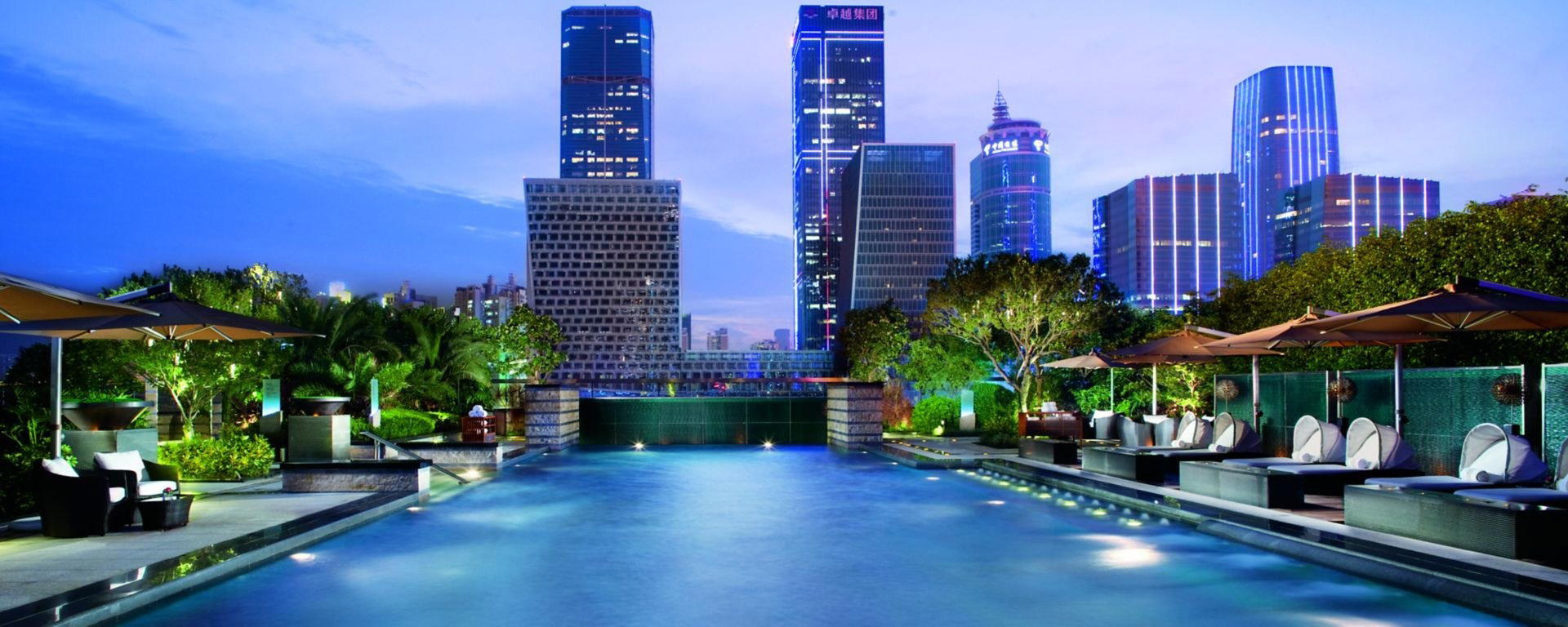
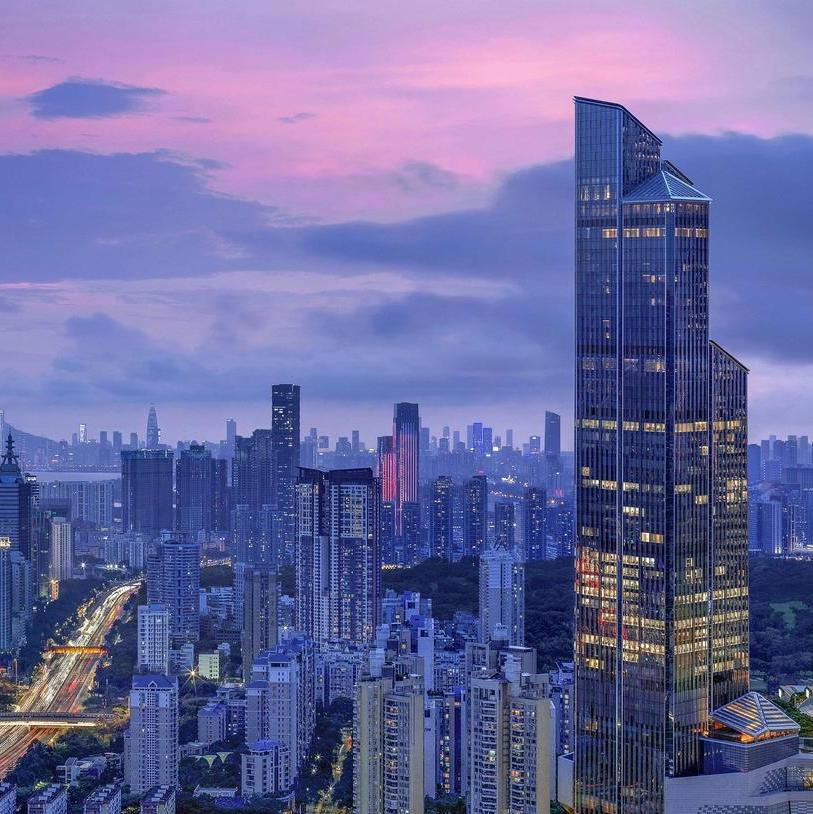
Bars in Shenzhen
All bars in Shenzhen →
Restaurants in Shenzhen
All restaurants in Shenzhen →
Wineries in Shenzhen
Browse all →
Details
- Elegant
- Sophisticated
- Ornate
- Modern
- Business Trip
- Romantic Getaway
- Wellness Retreat
- Infinity Pool
- Butler Service
- Panoramic View
- Wi Fi
- Pool
- Spa
- Fitness Center
- Room Service
- Concierge
- Business Center
- Valet Parking
- Skyline
- Wheelchair Accessible
- Elevator
Luxurious and elegant with soft lighting, impressive interiors, and a sophisticated atmosphere enhanced by city skyline views and personalized service.