
A Michelin Selected riad in the Marrakech medina, Dar Seven sits in the Kaa Ssour quarter near Sidi Benslimane, where the traditional dar format — a courtyard house turned intimate guesthouse — defines the neighbourhood's accommodation character. Small in scale, considered in approach, it holds its own in a city where the riad category spans everything from backpacker conversions to design-led boutique properties.
Pearl is the En Primeur Club membership app — saves, bookings, and concierge access live there. Same editors, same standards.
- Address
- Kaa ssour -Sidi Benslimane, 7, Marrakesh 40000, Morocco
- Phone
- +212 5 24 37 73 10
- Website
- darseven.com
- Directions
- Get directions
 Saves & bookings on Pearl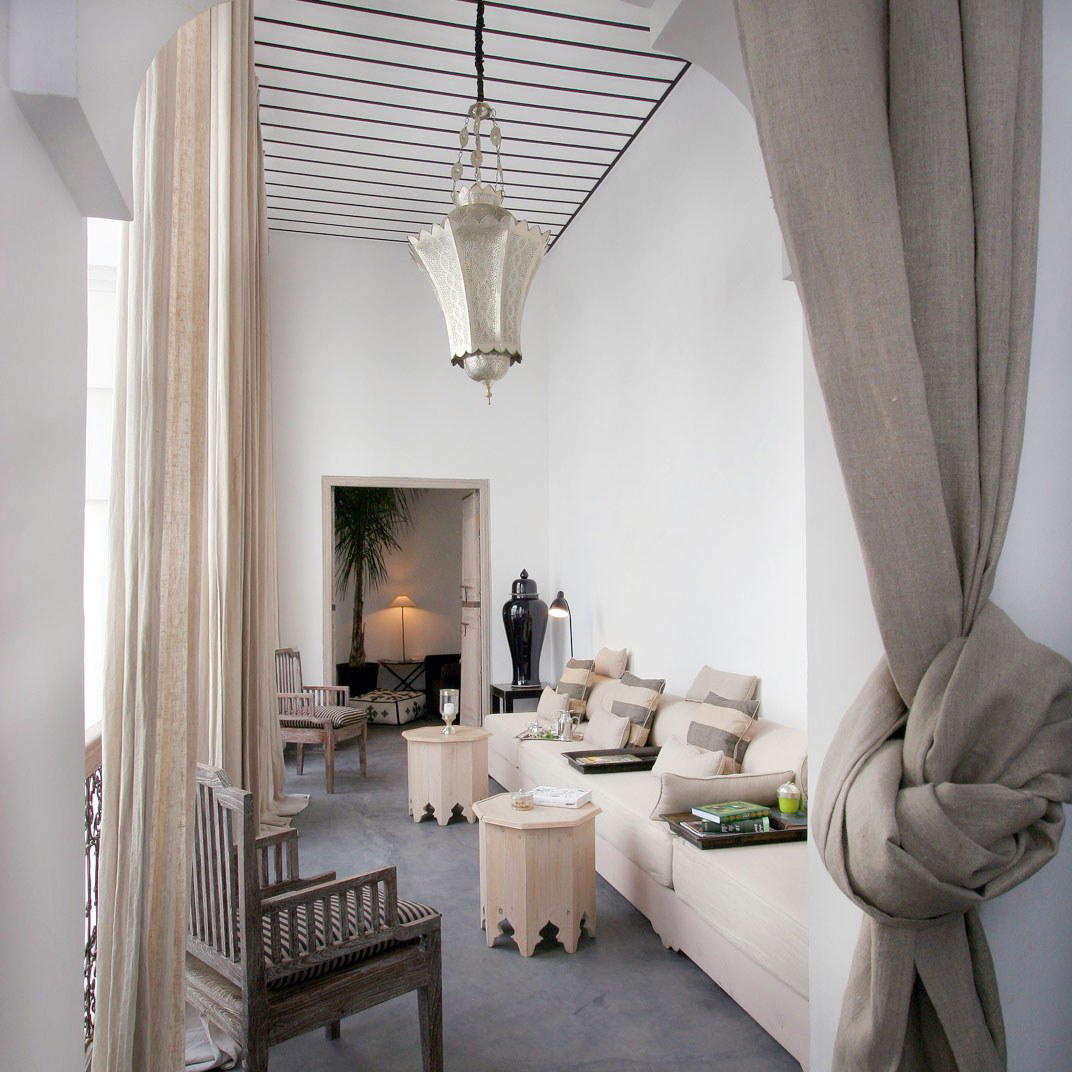
The Riad Format in Marrakech: What the Room Actually Delivers
Marrakech's medina accommodation has split into at least three distinct tiers over the past decade. At the bottom, converted riads with four or five rooms operate on guesthouse economics, trading on atmosphere without investing in finishes. At the leading, properties like La Mamounia in Marrakesh or AnaYela offer palace-level service and internationally benchmarked rooms. The middle tier — Michelin Selected riads with a deliberate design sensibility and limited keys — is where Dar Seven sits, and it is the tier that most rewards a certain kind of traveller: one who wants medina authenticity without sacrificing the overnight experience.
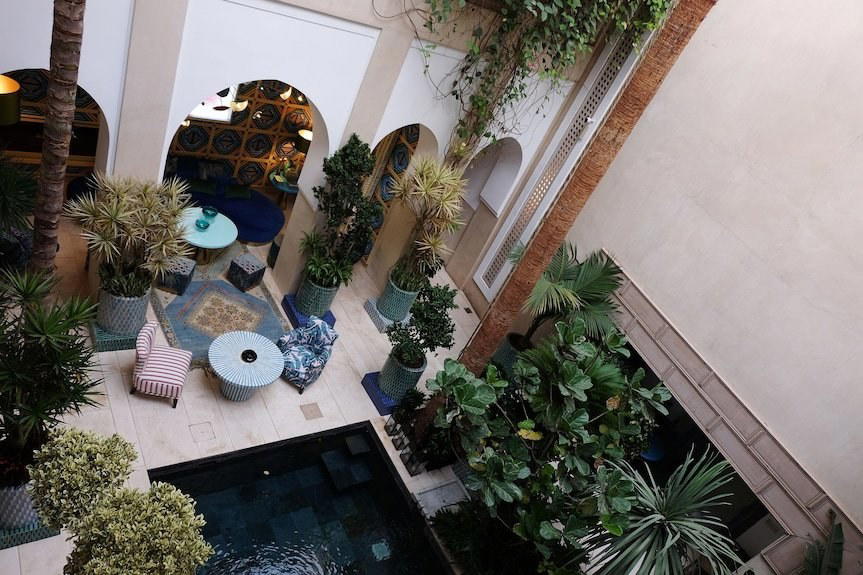
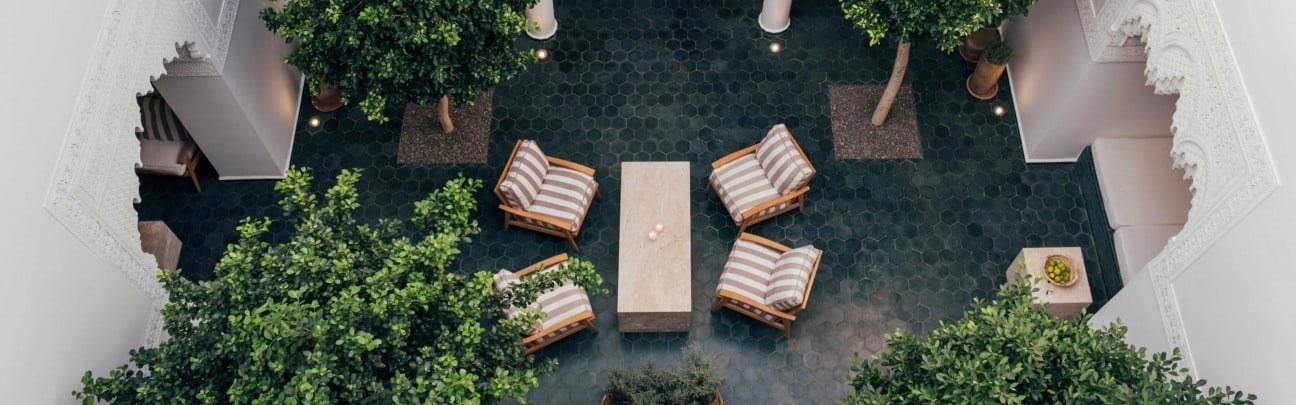
The dar format itself, a private house built around a central courtyard, with rooms arranged on multiple levels above, is the architectural logic that organises everything about a stay here. In the Kaa Ssour quarter near Sidi Benslimane, that structure means thick-walled rooms that stay cool through Marrakech's aggressive summer heat, natural light that arrives indirectly through the courtyard rather than from a street-facing window, and a sense of enclosure that larger hotels cannot replicate. The outside world, with its djemaa crowds and motorcycle alleys, simply does not penetrate these walls in the same way.
The Overnight Experience: Sleeping Inside a Medina House
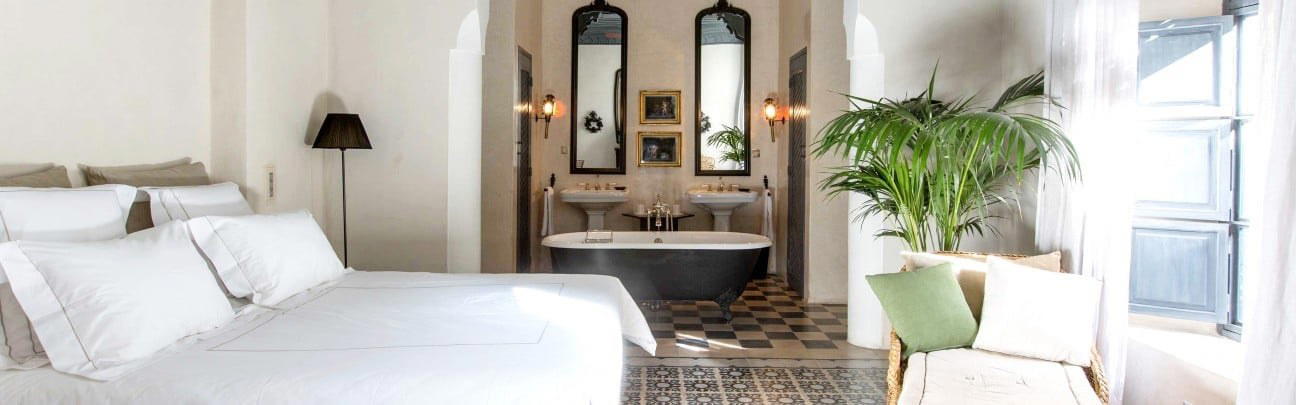
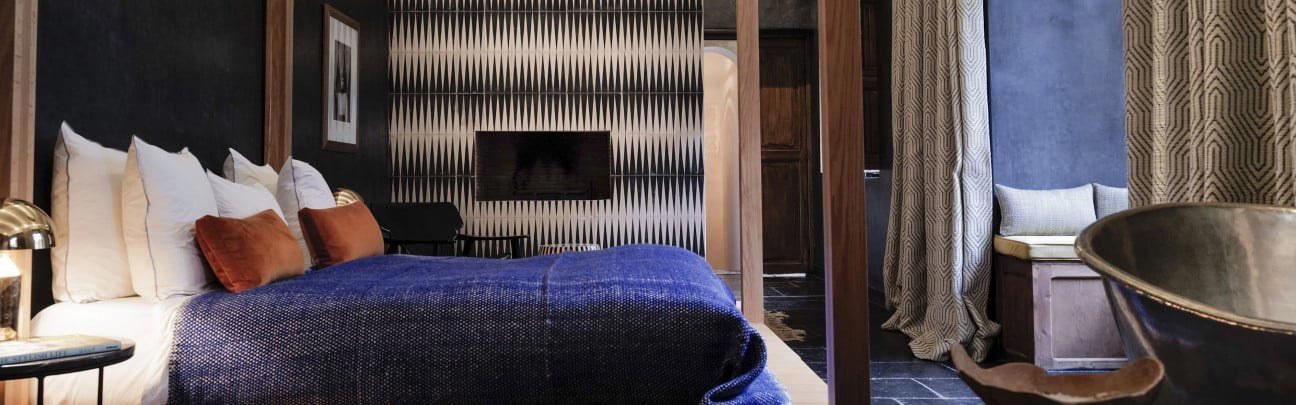
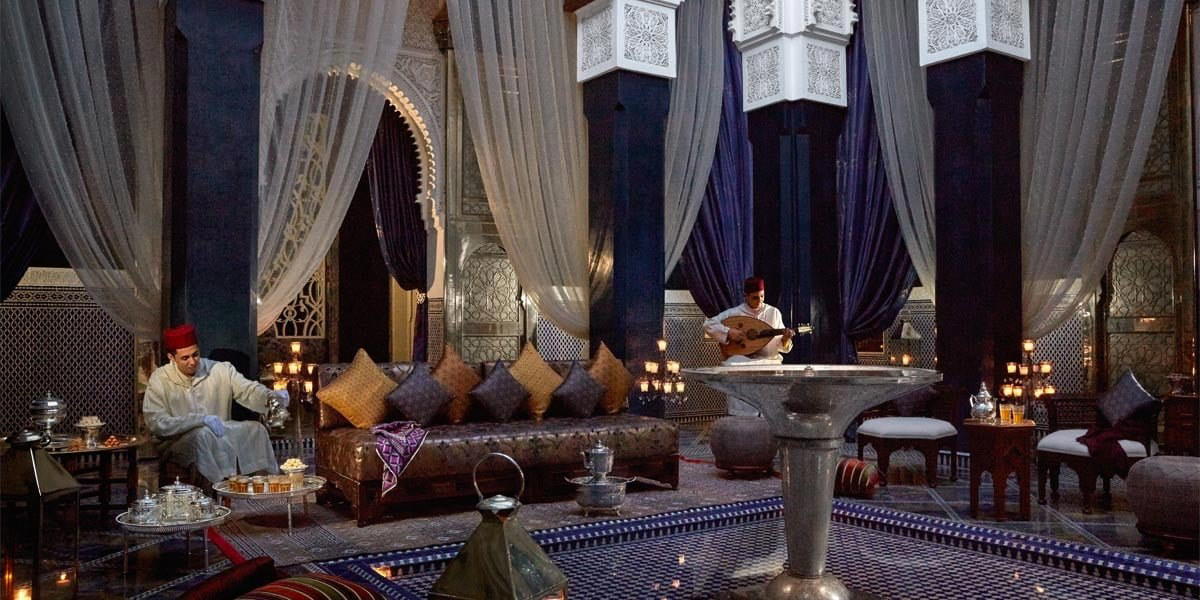
What distinguishes a well-executed riad room from a poorly converted one comes down to two things: the quality of the finishes and the acoustic management. Traditional zellij tilework, carved plaster (tadelakt), and cedar woodwork are the visual vocabulary of Moroccan interiors, the question is whether they are applied with precision or used as surface decoration over cheap construction. Dar Seven's Michelin Selected status in 2025 signals that its overall presentation clears a threshold that a significant proportion of Marrakech's riad stock does not meet.
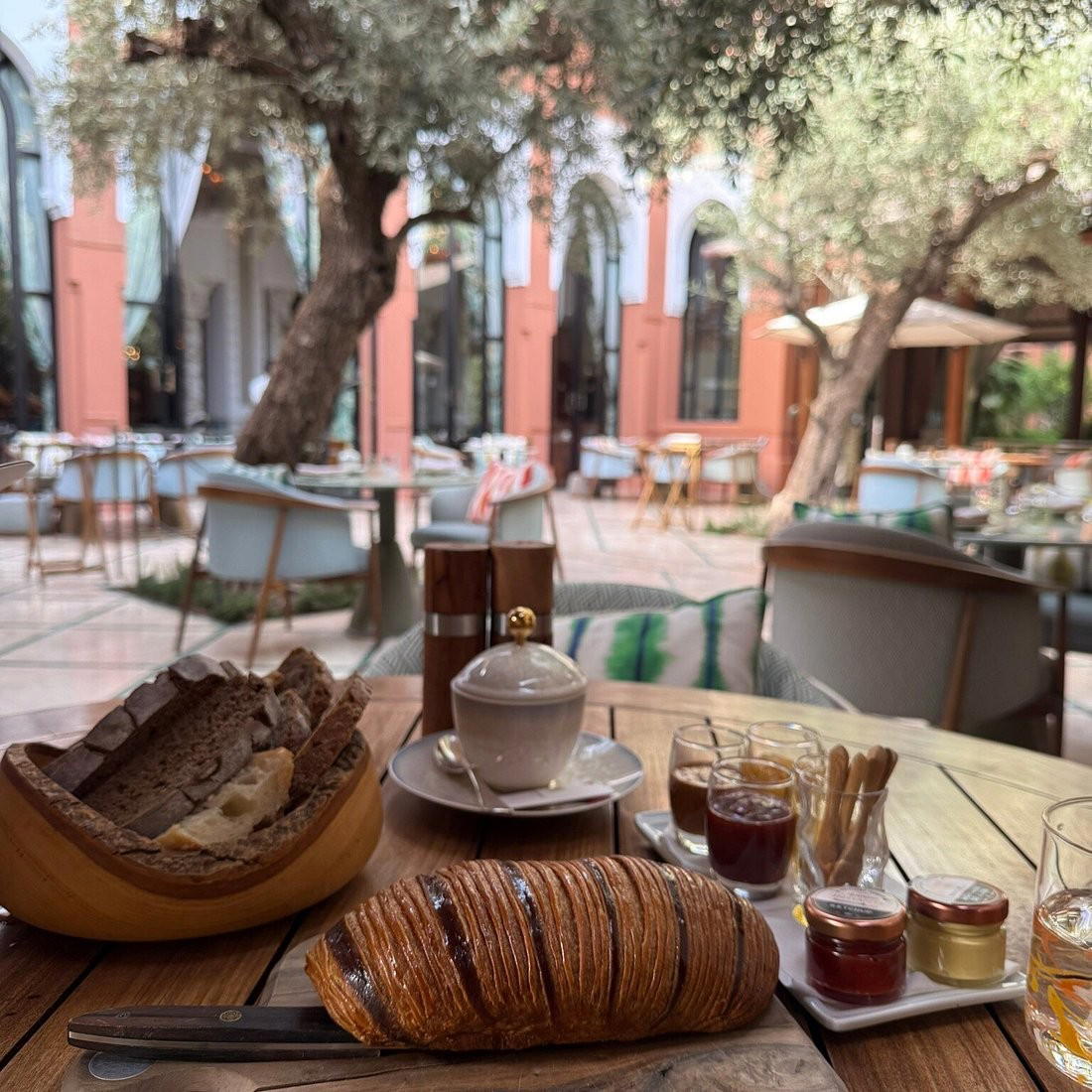
The courtyard, in a property of this scale, functions as a shared living room: the place where breakfast arrives in the morning, where shade accumulates by afternoon, and where the temperature drops perceptibly after dark. For stays in March through May or September through November, the two windows when Marrakech performs leading climatically, the courtyard becomes the most used space in the property. Summer stays shift the calculus: rooms need to hold temperature, and the indirect light of the dar format earns its keep.
Compared to nearby properties in a similar tier, such as Dar Assiya, Dar Darma, or Dar Housnia, the differentiator at this level is rarely a single dramatic room feature. It is the accumulation of small decisions: whether the bathroom has been properly ventilated, whether the bed linens are heavy enough for cool medina nights, whether the hot water pressure is consistent. Michelin's hotel selection process, which extended to Morocco in recent years, applies criteria across exactly these categories, comfort, maintenance, and service consistency, rather than simply rewarding atmosphere.
Marrakech Context: Where Dar Seven Sits in the Medina
The Kaa Ssour quarter places Dar Seven away from the tourist-density corridors immediately surrounding Jemaa el-Fna. That distance is a deliberate trade-off. Guests give up walking convenience to the main square but gain a neighbourhood that operates at its own pace. The medina's residential quarters are denser, louder in unexpected ways (a muezzin at 5am carries differently here than it does near a hotel buffer zone), and more genuinely tied to local daily rhythms.
This positions Dar Seven in a different competitive conversation from properties that emphasise proximity to souks and landmarks. The comparison set here is closer to Dar Kandi, Dar Les Cigognes, or BELDI COUNTRY CLUB, properties where the experience of being somewhere specific in Morocco matters more than hotel-sector amenities. For travellers extending beyond Marrakech, the broader Morocco context includes properties such as Kasbah Tamadot in Asni, Dar Ahlam in Ouarzazate, Dar Azawad in M'hamid, and Palais AMANI in Fès, each calibrated for a different geography and pace.
For the Marrakech medina specifically, the riad tier that Dar Seven occupies represents the clearest expression of what the city does architecturally. The large international-brand properties, even the historically significant ones, operate at a remove from the medina's actual fabric. A small dar, by definition, is inside it.
Planning a Stay: Practical Considerations
Medina properties of this scale require more planning logistics than a standard hotel booking. Navigation to Kaa Ssour near Sidi Benslimane typically requires a driver or a guided walk from a main medina entrance point, the lanes in this quarter do not appear reliably on standard mapping applications, and luggage-hauling on foot should be factored into arrival planning. Most riads at this level coordinate meeting points with guests in advance; confirming those details before arrival is standard practice.
Seasonality matters significantly. Spring (late March to May) and autumn (September to October) offer the most comfortable conditions for medina exploration. The high summer months bring temperatures that test even well-insulated traditional architecture, while December and January nights can be cold enough that room heating quality becomes a relevant factor. Michelin's selection process evaluates properties across seasons, which adds some confidence to year-round stays, but confirming room heating provision for winter travel is prudent.
For travellers using Marrakech as a base for Atlantic coast properties, the drive to Villa de l'O in Essaouira runs roughly 2.5 hours, while Mazagan Beach & Golf Resort in El Jadida is approximately 2 hours by road. Both are feasible day-trip or extension combinations from a Marrakech riad base. See our full Marrakech restaurants guide for dining recommendations across the medina and Gueliz quarters.
For international travellers benchmarking Dar Seven against properties in other city contexts, the riad format occupies a niche closer to the design-led boutique tier in European cities than to resort hospitality, the logic is similar to The Fifth Avenue Hotel in New York City or Badrutt's Palace Hotel in St. Moritz in that the property type itself carries meaning, though the price point and scale sit in an entirely different category. Michelin's hotel selection, now covering Morocco as part of its global hotels programme, applies consistent quality criteria across all these contexts.
How Dar Seven Marrakech compares with similar nearby venues.
| Venue | Awards |
|---|---|
| Dar Seven | MICHELIN Guide, Hotels Selected (2025) |
Recognition history
Dated appearances from independent guides and award organizations, with the underlying list record or original source where available.
Michelin Selected
Michelin
Continue exploring
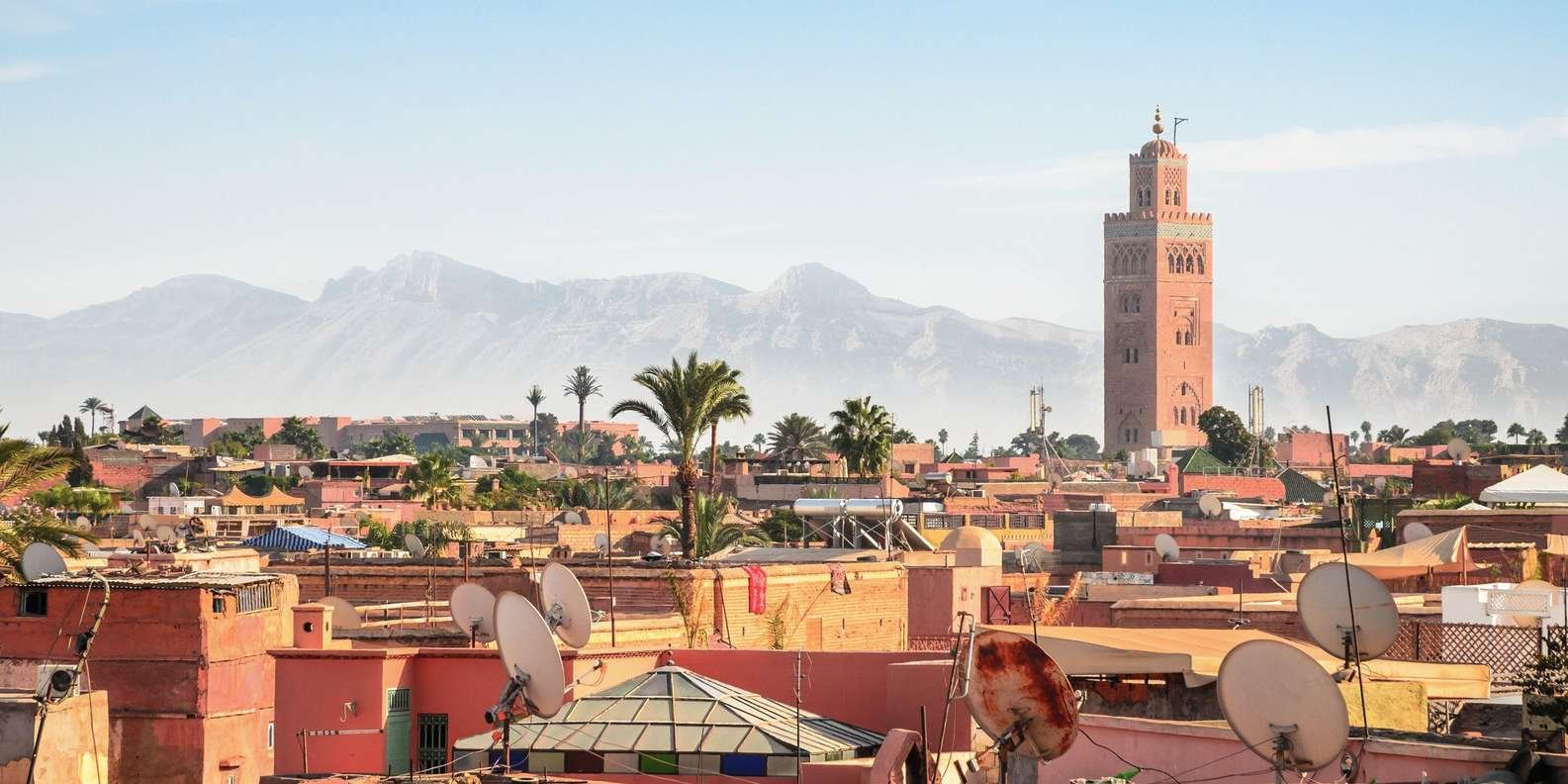
More in Marrakech
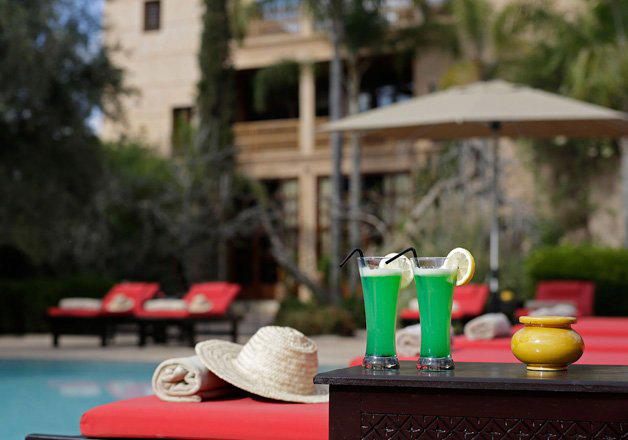
Hotels in Marrakech
Browse all →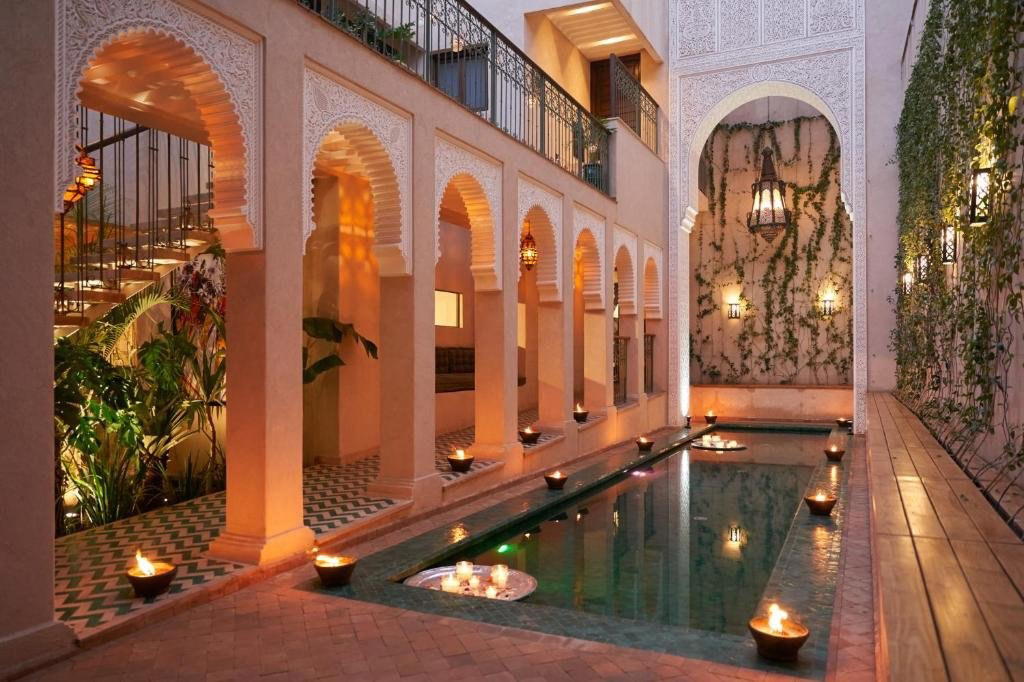
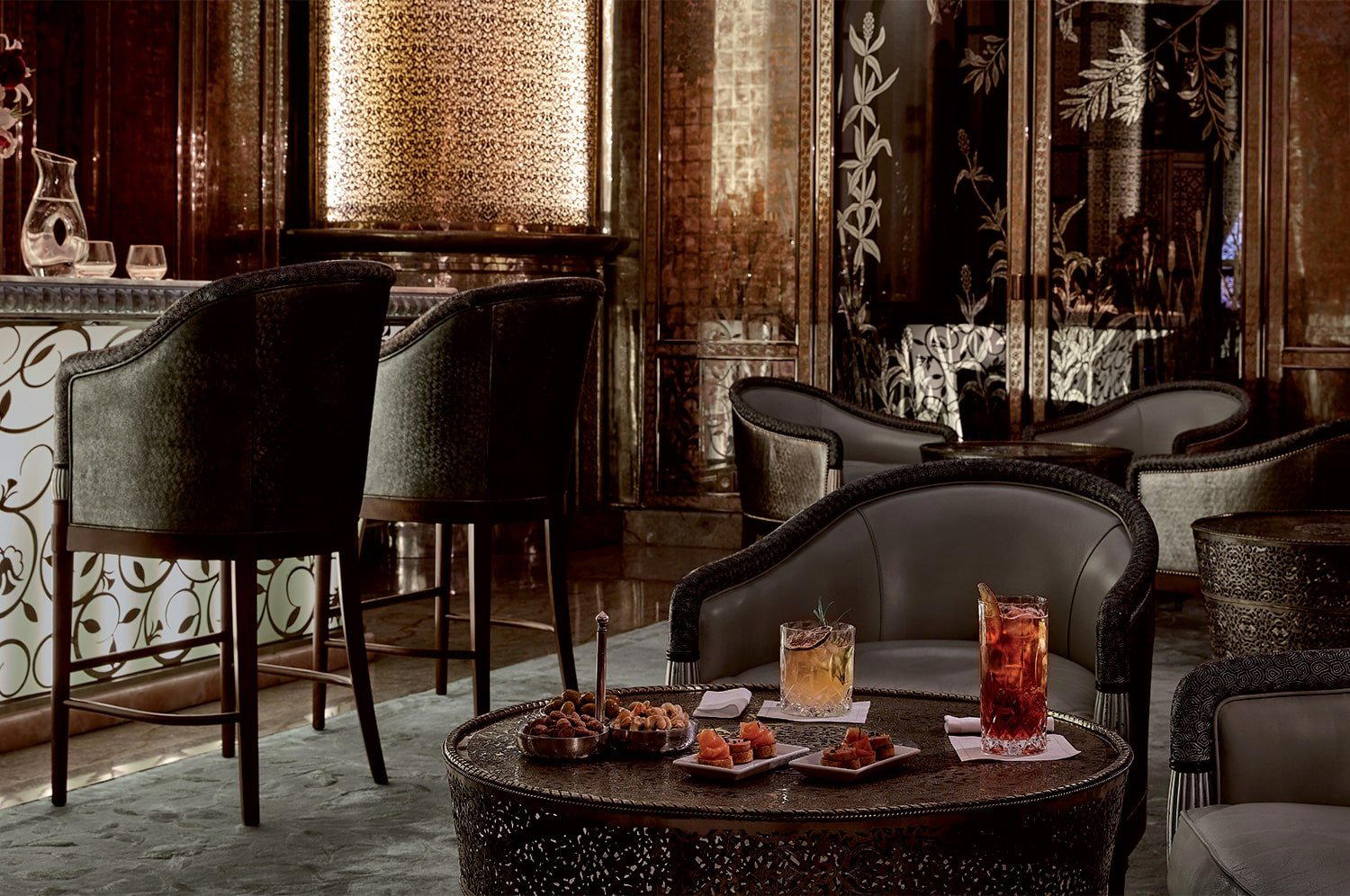
Bars in Marrakech
Browse all →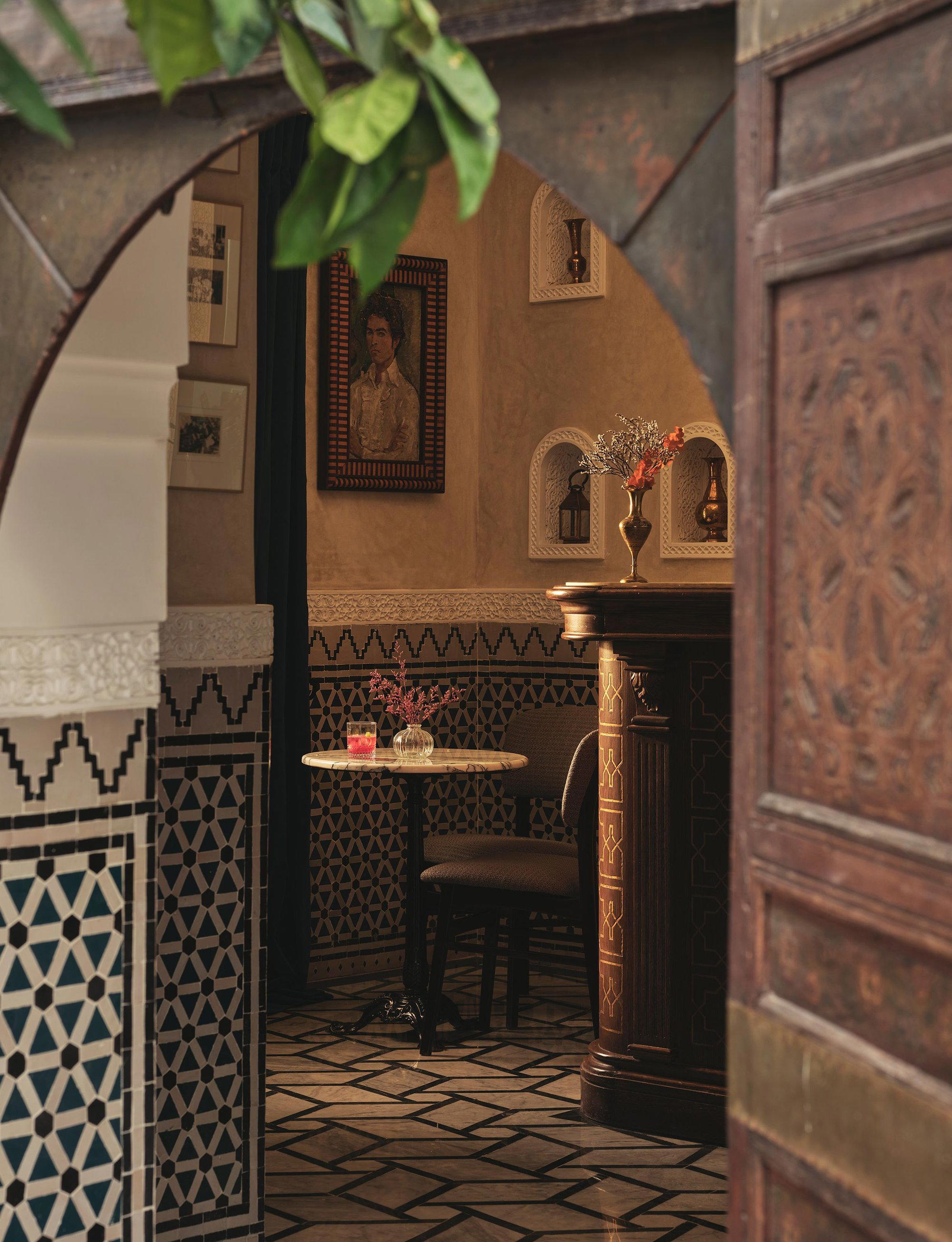
Restaurants in Marrakech
Browse all →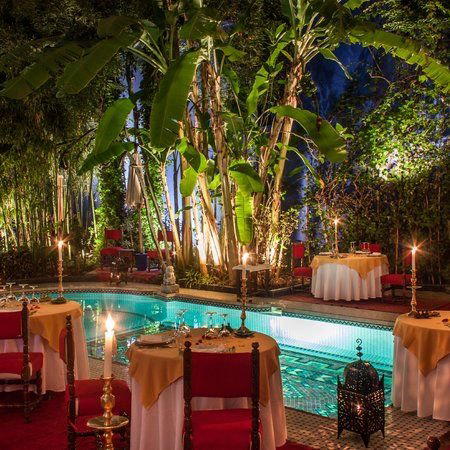

Wineries in Marrakech
Browse all →
At a Glance
- Elegant
- Quiet
- Romantic
- Intimate
- Sophisticated
- Romantic Getaway
- Weekend Escape
- Anniversary
- Garden
- Terrace
- Historic Building
- Design Destination
- Private Dining
- Wi Fi
- Spa
- Massage
- Restaurant
- Room Service
- Concierge
- Laundry Service
- Air Conditioning
- Garden
- Wi Fi
- Spa
- Massage
- Restaurant
- Room Service
- Concierge
- Laundry Service
- Air Conditioning
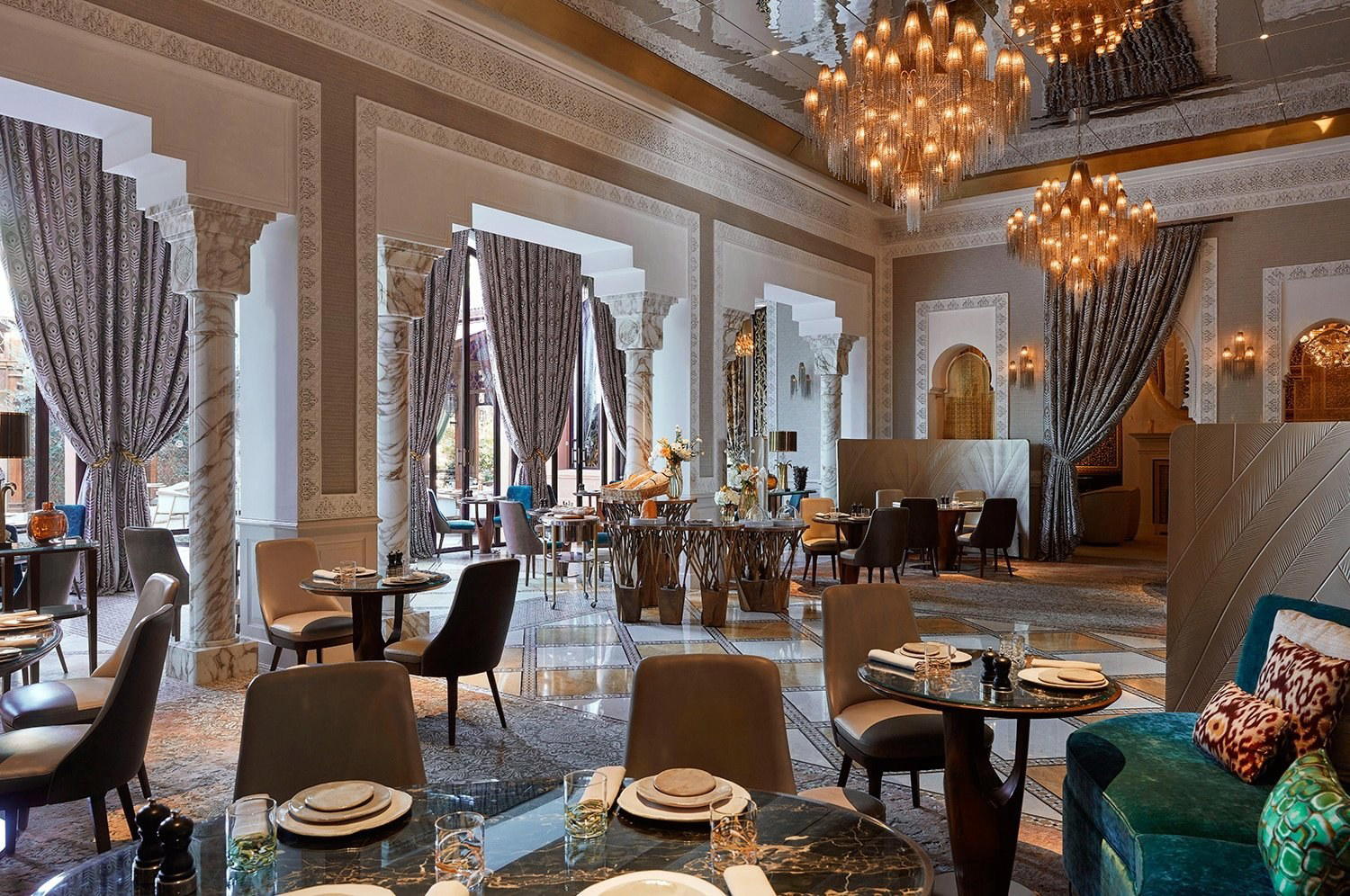
Serene and tranquil with soft natural light from high arched windows and courtyard openings; cream-colored linens and elegant furnishings create a calm, sophisticated atmosphere enhanced by the peaceful sounds of birdsong and the rooftop terrace ideal for sunset drinks.
Know Before You Go
- Getting there
- Kaa ssour -Sidi Benslimane, 7, Marrakesh 40000, Morocco