
A MICHELIN Selected riad on Derb Assabbane in the heart of Marrakech's medina, Riad Brummell Medina sits within the city's quieter, design-conscious accommodation tier. The address places guests seconds from the souks yet inside a typology that values intimacy over scale.
Pearl is the En Primeur Club membership app — saves, bookings, and concierge access live there. Same editors, same standards.
- Address
- 20 Derb Assabbane, Marrakesh 40000, Morocco
- Phone
- +212 5 24 38 58 06
- Website
- riadbrummell.com
- Directions
- Get directions
 Saves & bookings on Pearl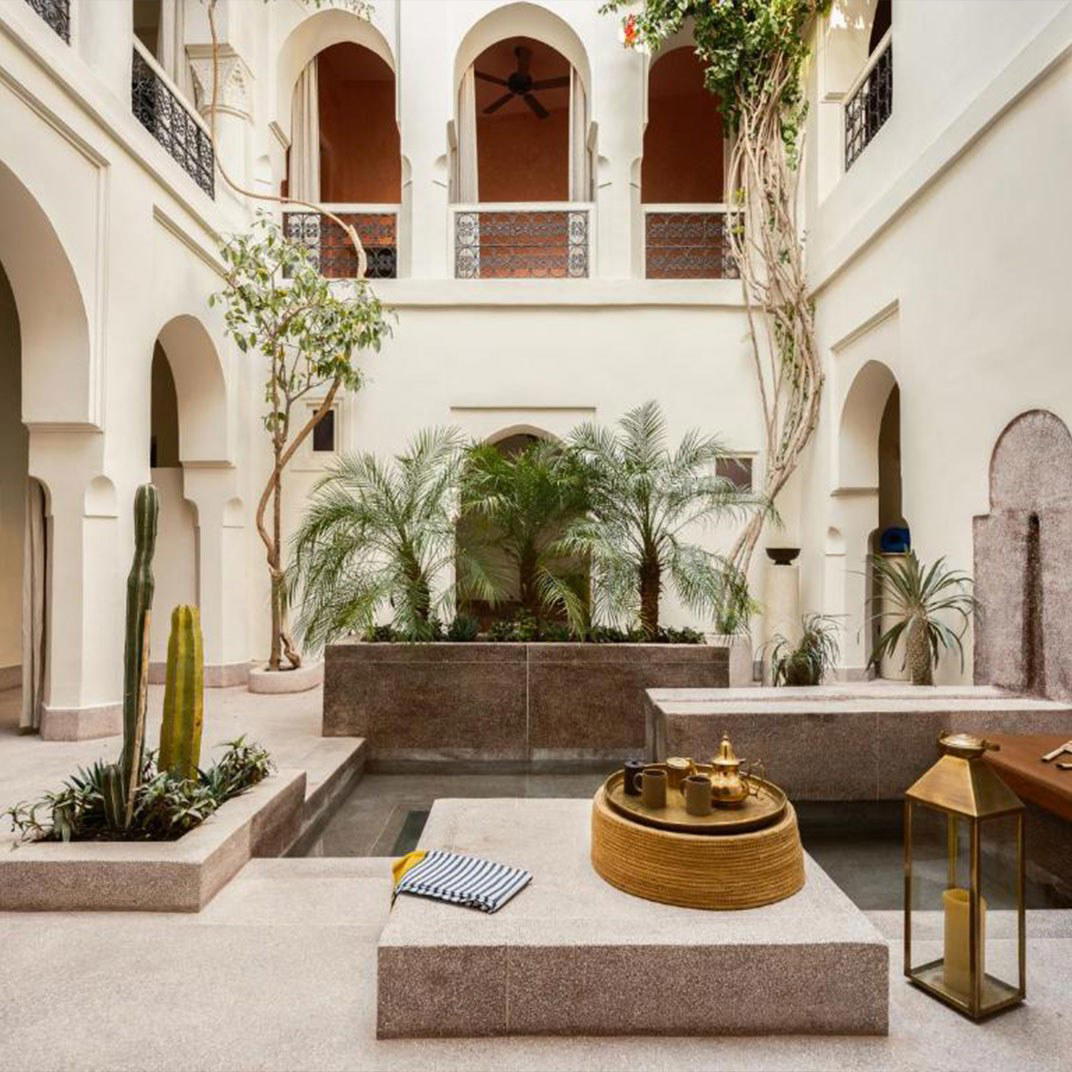
The Medina's Riad Tier, Contextualised
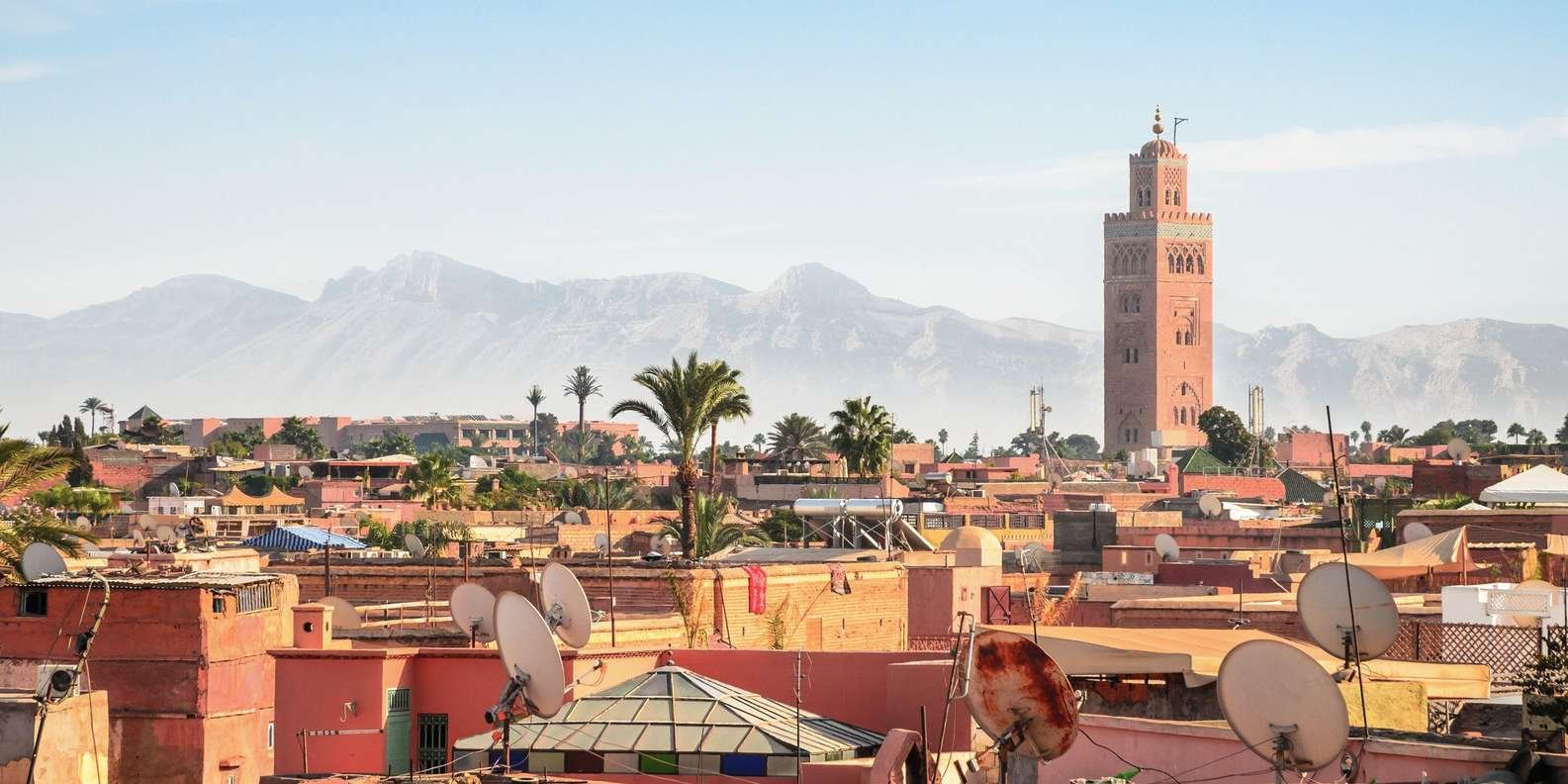
Marrakech's medina accommodation has separated, over the past decade, into two distinct camps. The first is the grand palace hotel — La Mamounia in Marrakesh being the reference point — where scale, history, and international brand recognition drive the offer. The second is the privately owned riad, where intimacy, architectural fidelity to Moroccan craft, and a more editorial sense of curation define the appeal. Riad Brummell Medina, at 20 Derb Assabbane, belongs firmly to the second camp, and its inclusion in the 2025 Michelin Hotels selection places it alongside a curated set of medina properties that Michelin's inspectors considered worth directing travellers toward.
That selection matters as a framing device. The Michelin Hotels programme does not award stars to accommodation; it identifies properties that a well-travelled guest would thank you for recommending. The threshold is editorial confidence, not category dominance. For a riad in the Marrakech medina, it is a signal that the property performs consistently within its format rather than trading on the generic charm that dozens of similar addresses claim.
Derb Assabbane and the Logic of Medina Location
The address on Derb Assabbane places Riad Brummell Medina in one of the medina's residential derbs, the narrow, often unmarked lanes that branch from the main arteries of the souks. This is not a complaint about accessibility; it is the point. Riads were built as inward-looking city houses, their blank exterior walls giving nothing away to the street, their interiors organised around a central courtyard where light, water, and air circulate. The derb address is a feature of the typology, not an obstacle to it.
Arriving on foot from Jemaa el-Fna takes roughly ten to fifteen minutes through the souks, depending on pace and the density of the afternoon market crowds. The walk itself functions as a decompression corridor, the transition from the chaos of the square to the quiet of a private riad courtyard is a well-established part of the medina experience, and properties that sit deeper into the residential fabric tend to deliver it more effectively than those immediately adjacent to the main tourist thoroughfares. For practical orientation, booking the riad in advance of arrival and confirming precise directions, or arranging a meet-and-greet at the nearest navigable landmark, is standard practice for any medina property on a derb.
Guests comparing medina options in this tier would reasonably consider properties such as Dar Darma, Dar Les Cigognes, Dar Housnia, Dar Kandi, and AnaYela alongside Riad Brummell Medina. Each occupies a similar architectural typology while differentiating on room count, design register, and the degree to which food and hammam services are integrated into the stay.
What the Riad Format Means for the Stay
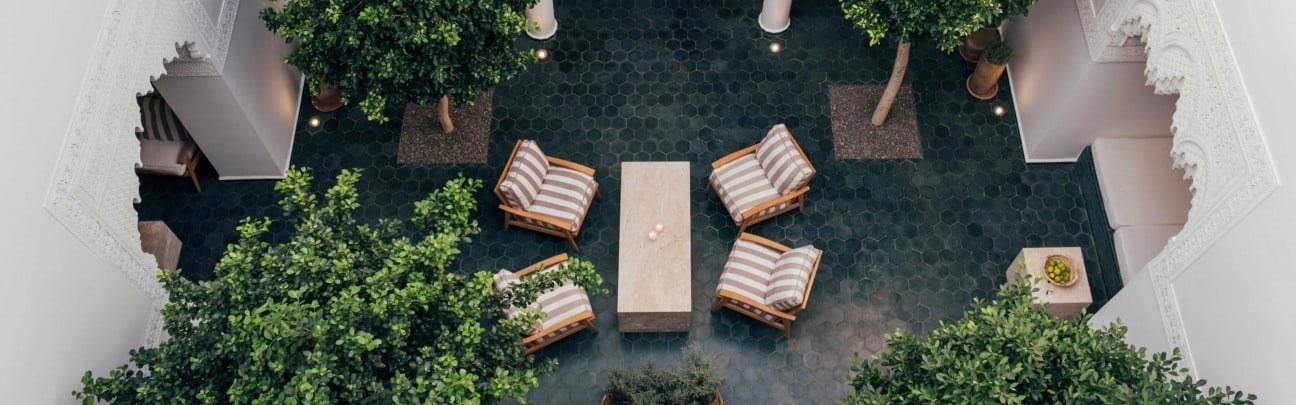
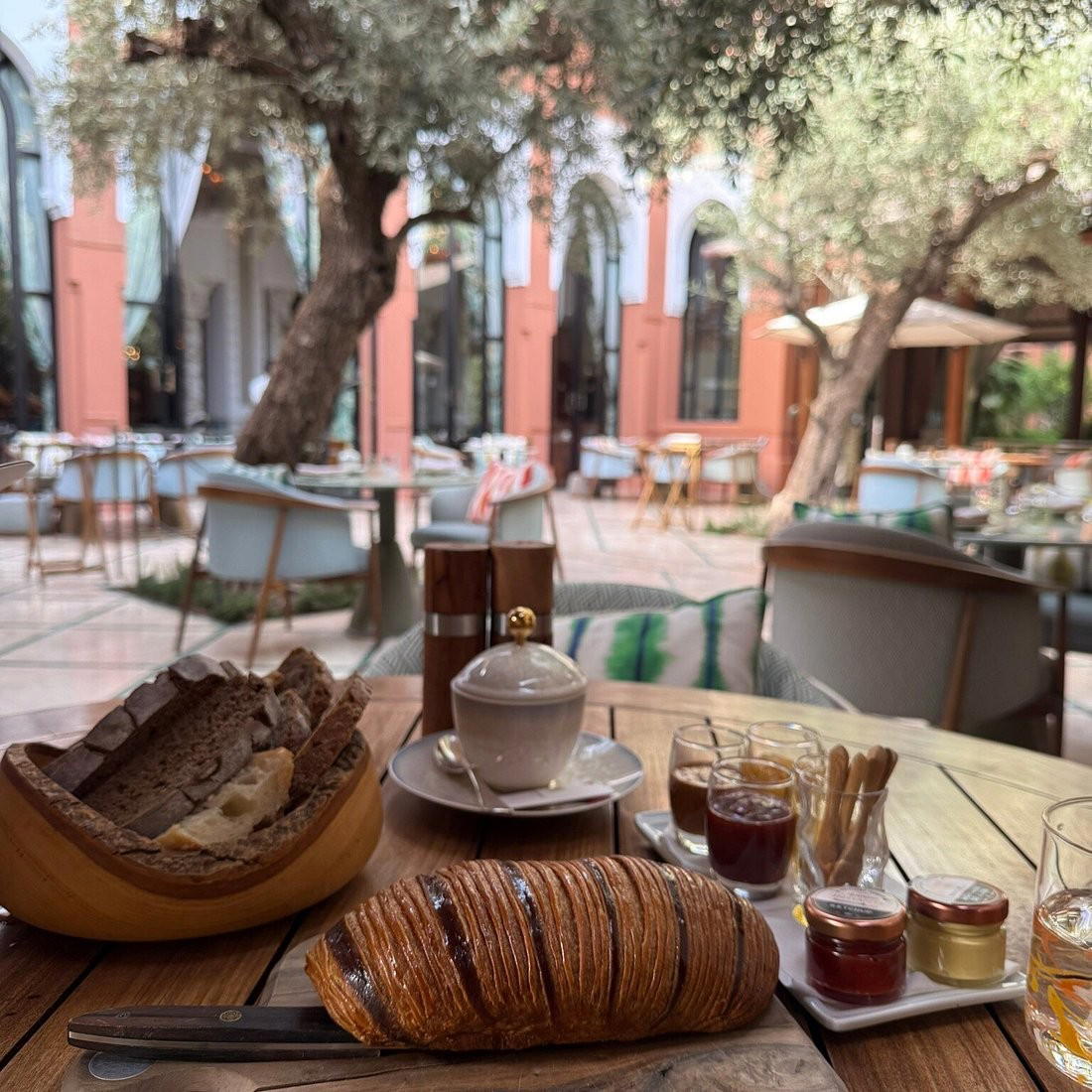
The riad courtyard is the defining spatial logic of a stay in this format. Where a conventional hotel room orients the guest outward, toward a view, toward the street, the riad turns the guest inward. The courtyard, typically planted with citrus or olive trees and centred on a fountain, becomes the social and sensory core of the property. Meals, morning coffee, and afternoon shade all happen in relation to that space. It is an architecture of interiority, shaped by centuries of Moroccan urban design.
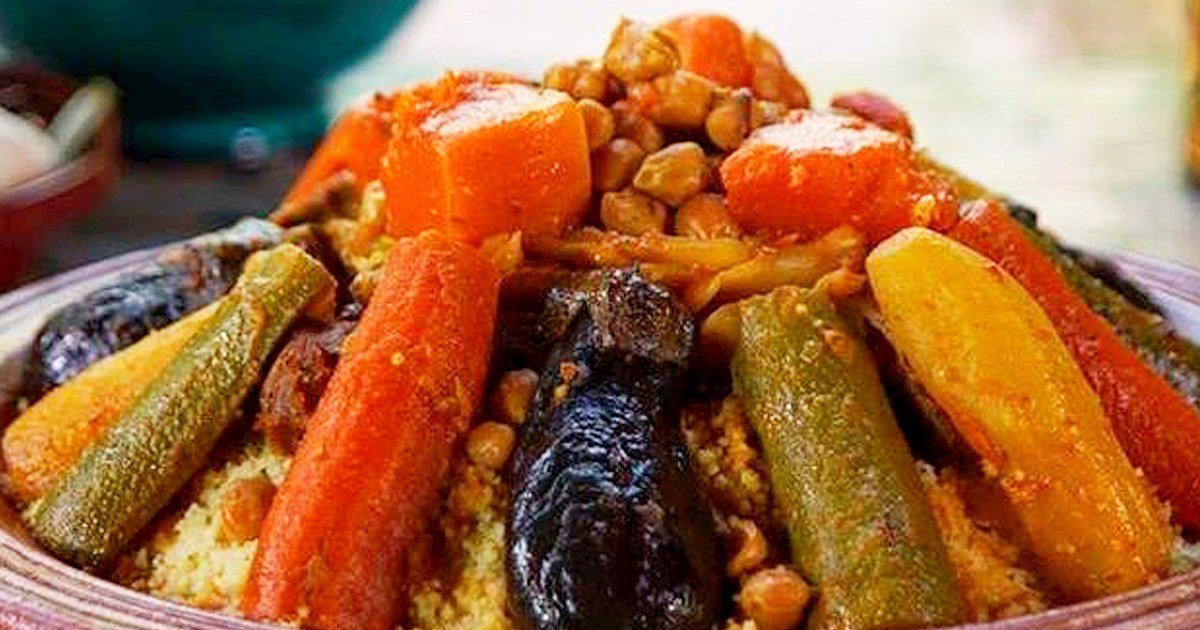
Within that format, the kitchen output at a property like Riad Brummell Medina follows a well-established pattern for the category. Riad breakfasts in Marrakech draw on Morocco's strong grain and bread culture: msemen flatbreads, rghaif, honey from the Atlas foothills, argan oil pressed in cooperatives south of Essaouira, olives from the Meknès and Fez regions. These are not decorative inclusions; they are the produce geography of Morocco, and a riad kitchen that sources them properly is connecting the guest to a food supply chain with real regional specificity. The tagines and couscous that appear at dinner in riad dining rooms similarly map onto Moroccan agricultural output, preserved lemons from the coast, ras el hanout assembled from spice merchants in the souks metres away, lamb from the Middle Atlas.
This is the editorial point of the ingredient-sourcing angle: the Marrakech medina is one of the few urban environments where a short walk from your accommodation passes through the actual supply chain of the food on your table. The spice souk, the olive souk, the argan vendors, these are not tourist reconstructions. They are the working wholesale market from which household and restaurant kitchens in the medina still draw. A riad that connects its kitchen to that geography, rather than outsourcing to a standardised hotel supplier, delivers a qualitatively different stay.
Positioning Within Wider Morocco
Marrakech sits at the centre of Morocco's accommodation geography, but it is worth mapping Riad Brummell Medina against a wider set of options for travellers building longer itineraries. Properties like Kasbah Tamadot in Asni offer an Atlas Mountain counterpoint to the urban medina experience, roughly an hour's drive from the city. Further into the desert corridor, Dar Ahlam in Ouarzazate and Dar Azawad in M'hamid represent the kasbah format taken to its southern extreme. On the Atlantic coast, La Sultana Oualidia and Villa de l'O in Essaouira serve as bookends for a coastal detour that most Marrakech visitors underestimate. In the north, Fairmont Tazi Palace Tangier and Sofitel Tamuda Bay Beach & Spa anchor a different register entirely. For full guidance on eating and drinking in the city, see our full Marrakech restaurants guide.
Guests who want the agricultural landscape to anchor the stay more explicitly might also consider BELDI COUNTRY CLUB on the Marrakech periphery, where kitchen gardens and olive groves form part of the property's spatial identity, or Caravan by Habitas Agafay in the Agafay desert, where the stripped-back format puts the regional terrain at the centre of the experience. Dar Assiya represents another medina option worth comparing at this tier.
Planning the Stay
Marrakech's medina riads operate leading when booked directly or through a specialist platform that can confirm room-level details. Derb properties often have limited key counts, sometimes as few as five or six rooms, and availability at the better-reviewed addresses compresses quickly in peak season (October through April) and around major holidays. Arriving by taxi from Marrakech Menara Airport, guests should give the driver the nearest named landmark to Derb Assabbane rather than the street address, which GPS systems in the medina do not always resolve cleanly. The medina's pedestrian-only interior means luggage transfer on foot for the final stretch is standard across all riad properties in this location.
For broader Morocco itinerary context beyond Marrakech, Riad Mayfez Suites & Spa in Fez, Palais AMANI in Fès, and Château Roslane in the wine-producing Meknès region each extend the riad-and-heritage-property logic of Moroccan accommodation into different geographic chapters. Internationally, travellers who gravitate toward this tier of intimate, design-conscious property might find useful points of comparison in The Fifth Avenue Hotel in New York City, Badrutt's Palace Hotel in St. Moritz, or Hôtel de Paris Monte-Carlo, each representing a property where the architecture of the stay carries as much weight as the service programme.
How Riad Brummell Medina Marrakech compares with similar nearby venues.
| Venue | Awards |
|---|---|
| Riad Brummell Medina | MICHELIN Guide, Hotels Selected (2025) |
Recognition history
Dated appearances from independent guides and award organizations, with the underlying list record or original source where available.
Michelin Selected
Michelin
Continue exploring
More in Marrakech
Hotels in Marrakech
Browse all →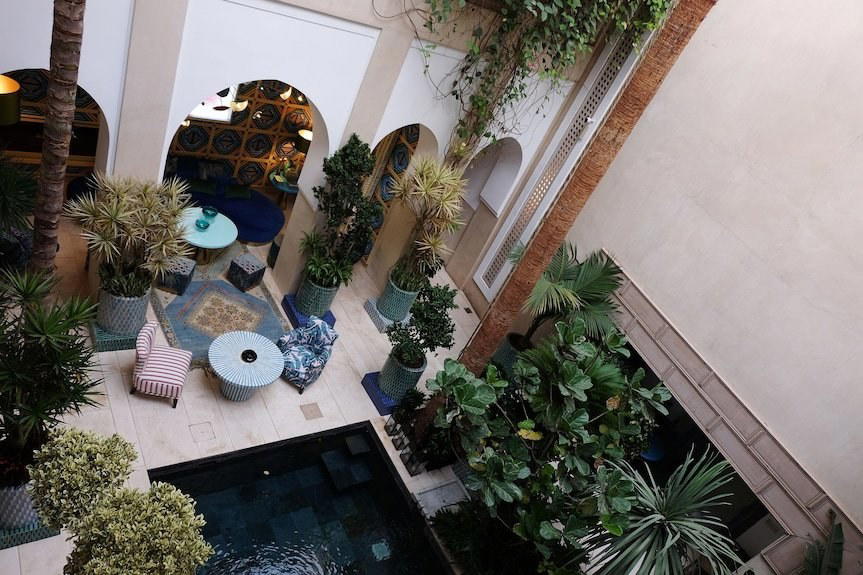
Bars in Marrakech
Browse all →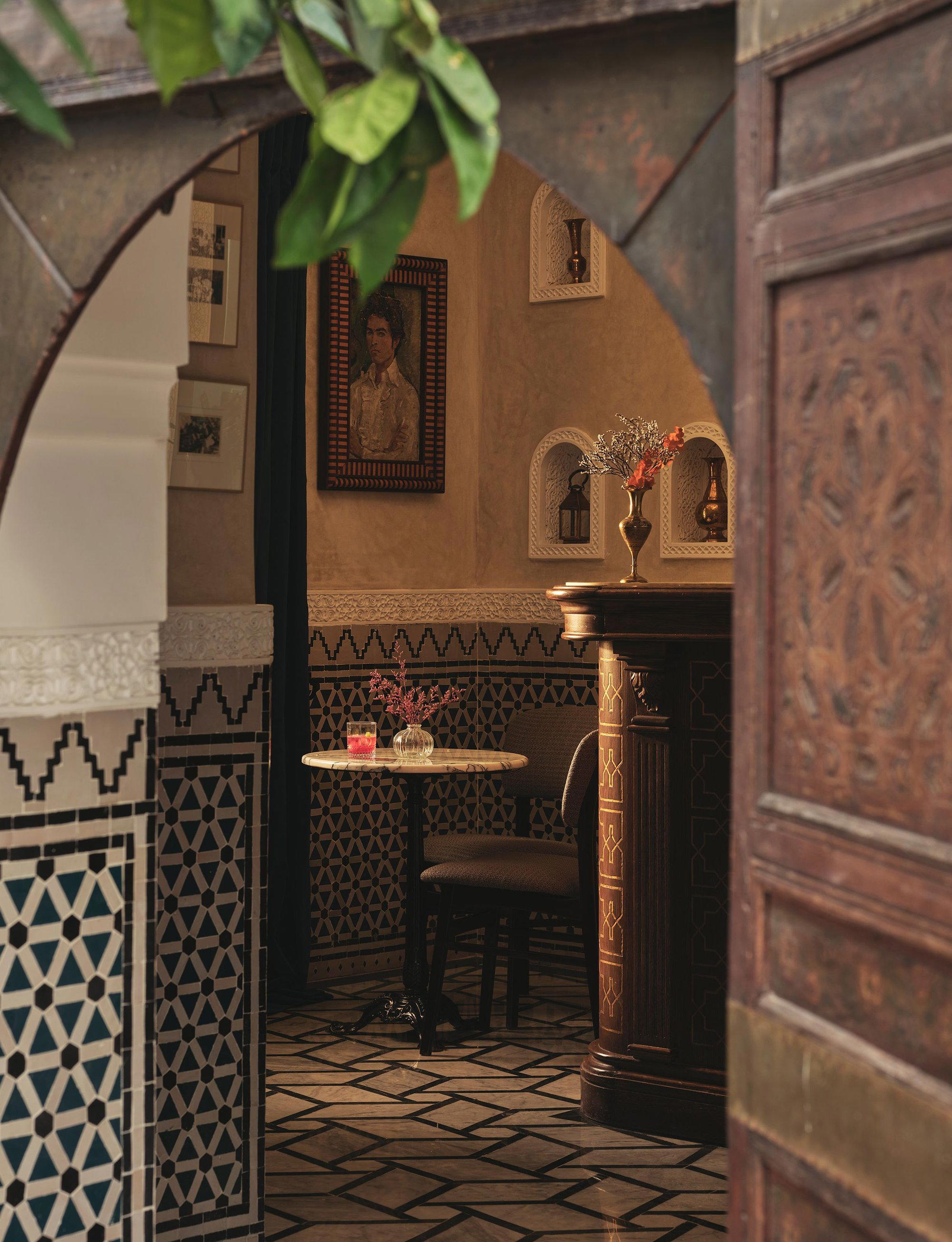
Restaurants in Marrakech
Browse all →
Wineries in Marrakech
Browse all →
At a Glance
- Quiet
- Modern
- Cozy
- Intimate
- Minimalist
- Romantic Getaway
- Weekend Escape
- Terrace
- Historic Building
- Wi Fi
- Pool
- Wi Fi
- Pool
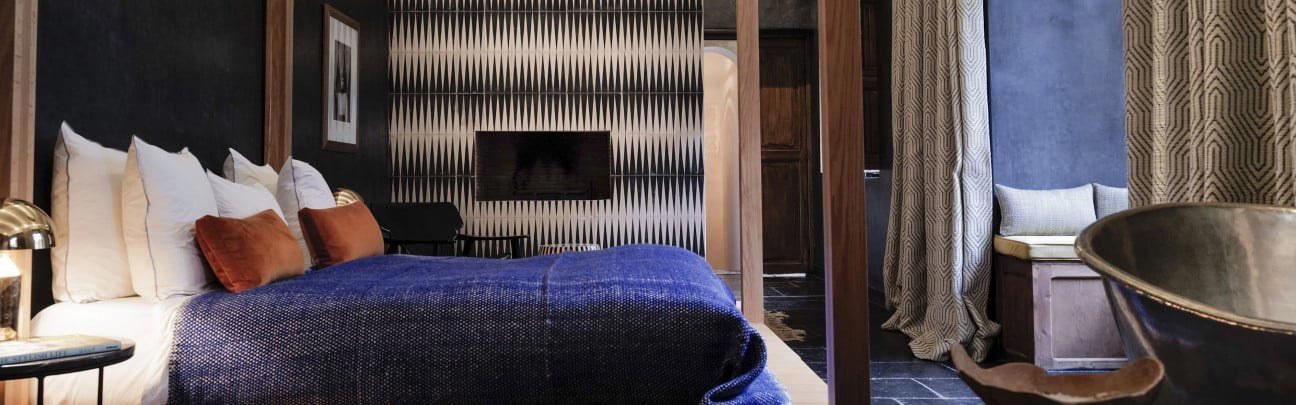
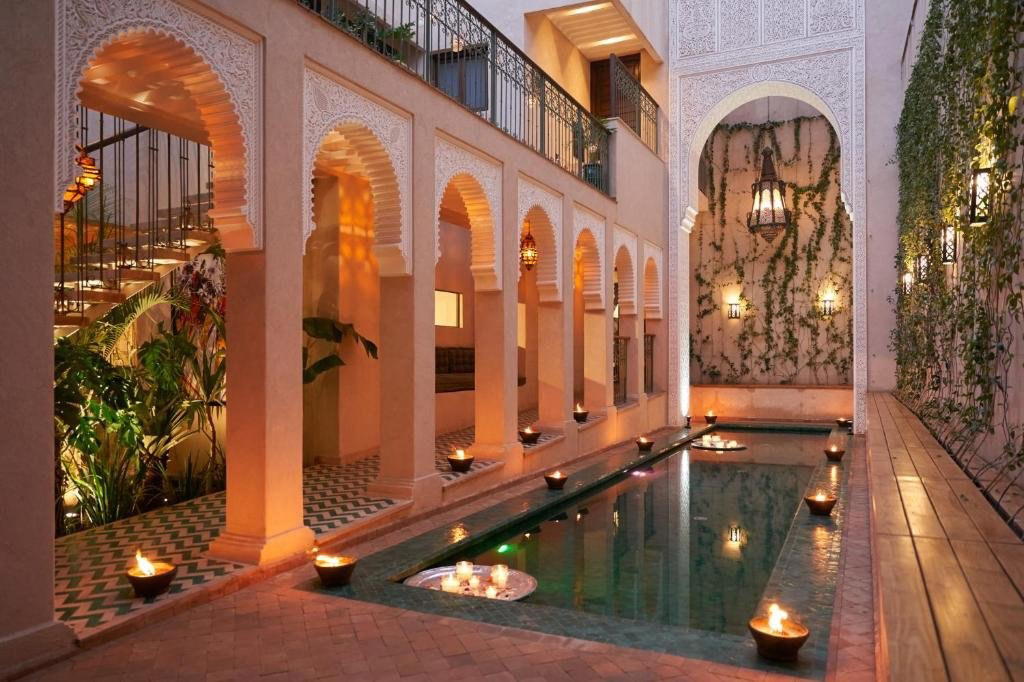
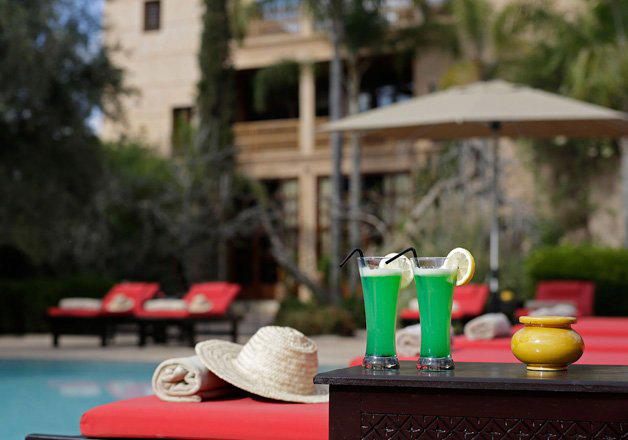
Sun-dappled courtyard with lush plants and fountains, serene rooftop terrace with plunge pool, informal honesty bar, and desert-toned walls creating a hip yet homely atmosphere.
Know Before You Go
- Getting there
- 20 Derb Assabbane, Marrakesh 40000, Morocco