
Michelin Selected
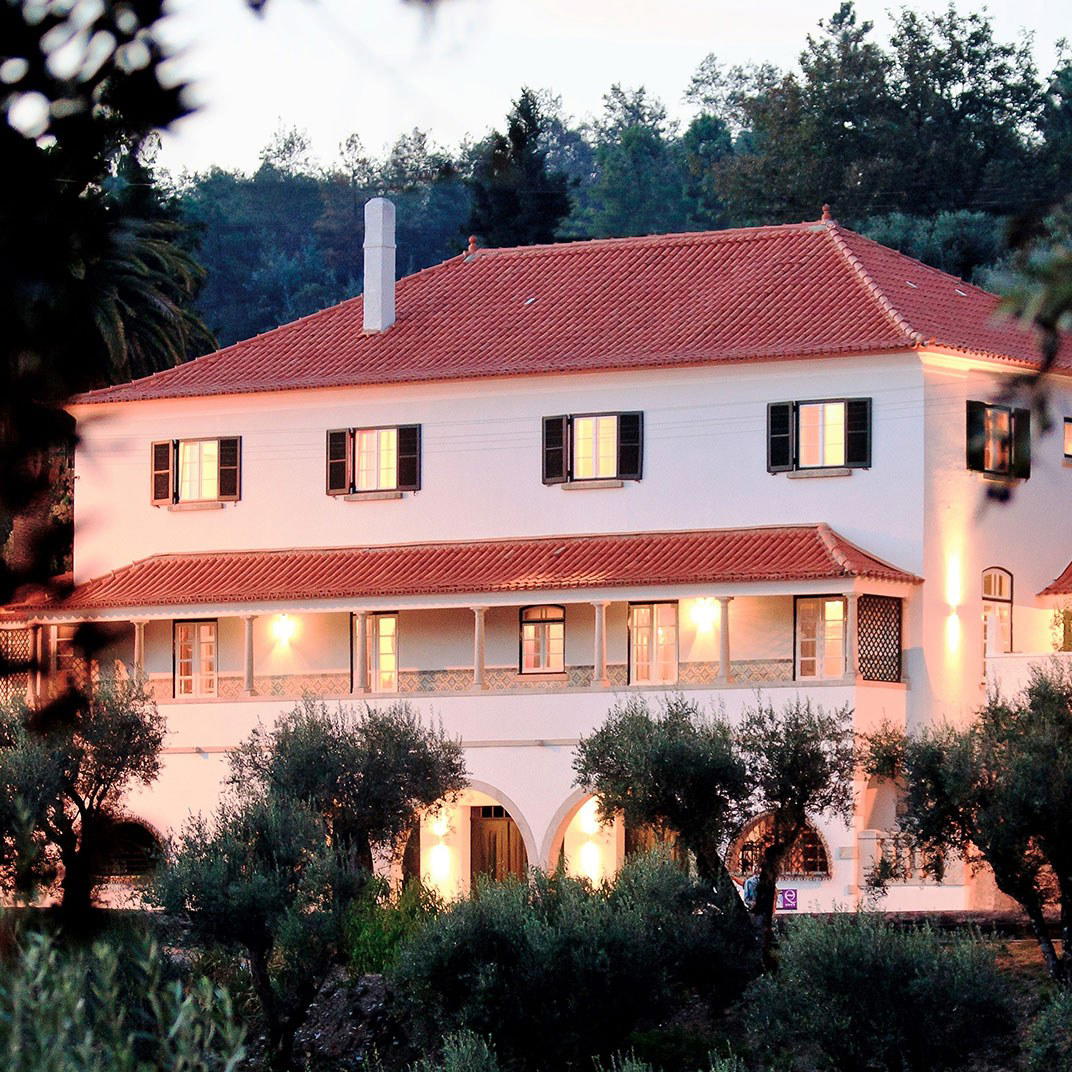
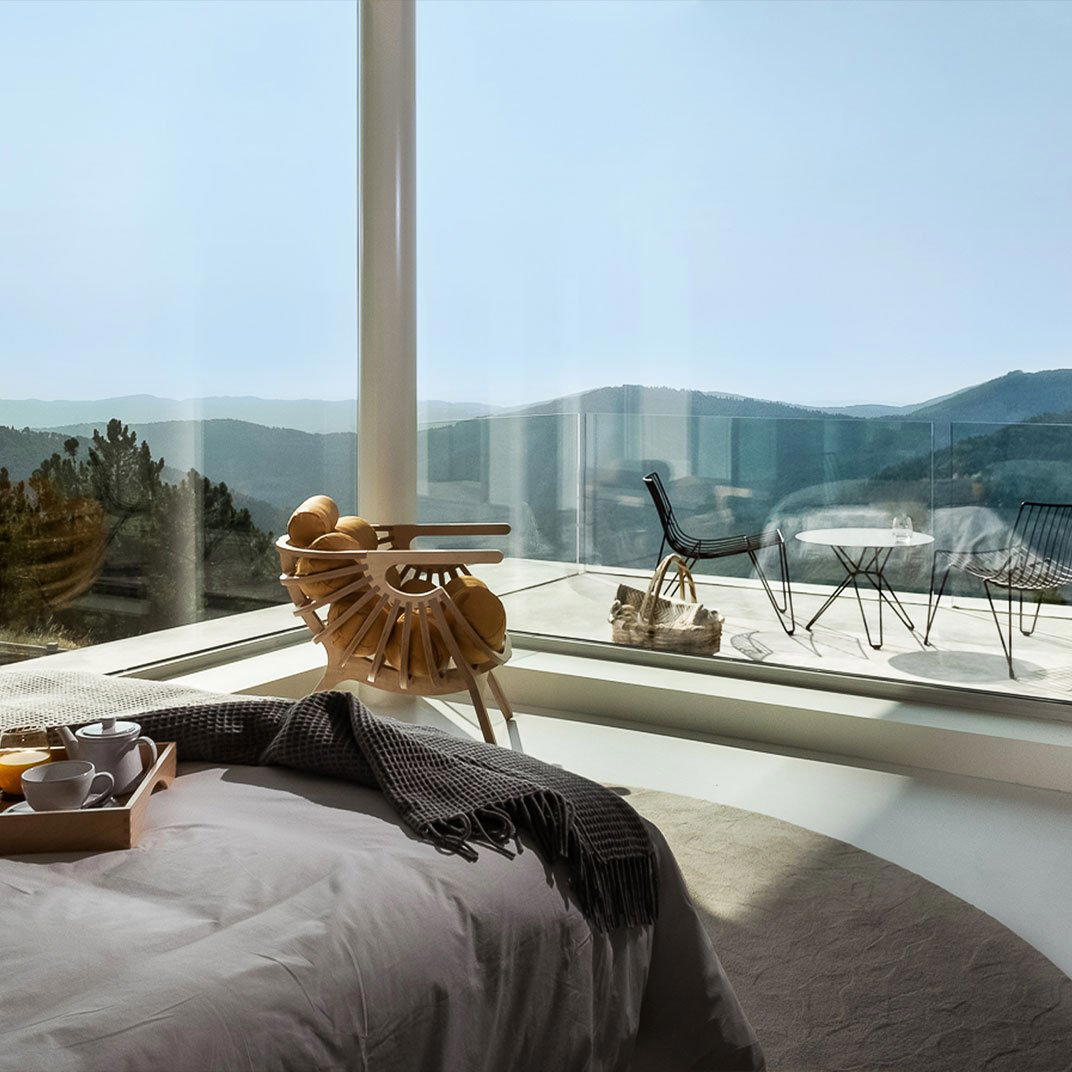
A former convent repurposed into a Michelin-selected boutique hotel in the Fundão district of Beira Baixa, Convento do Seixo occupies one of the Serra da Gardunha foothills' most architecturally compelling structures. The spa facilities and intimate scale place it in a distinct tier among Portugal's heritage-conversion properties, suited to travellers who want distance from the coastal resort circuit.

Pearl is the En Primeur Club membership app, where members save venues, book tables and use the concierge.
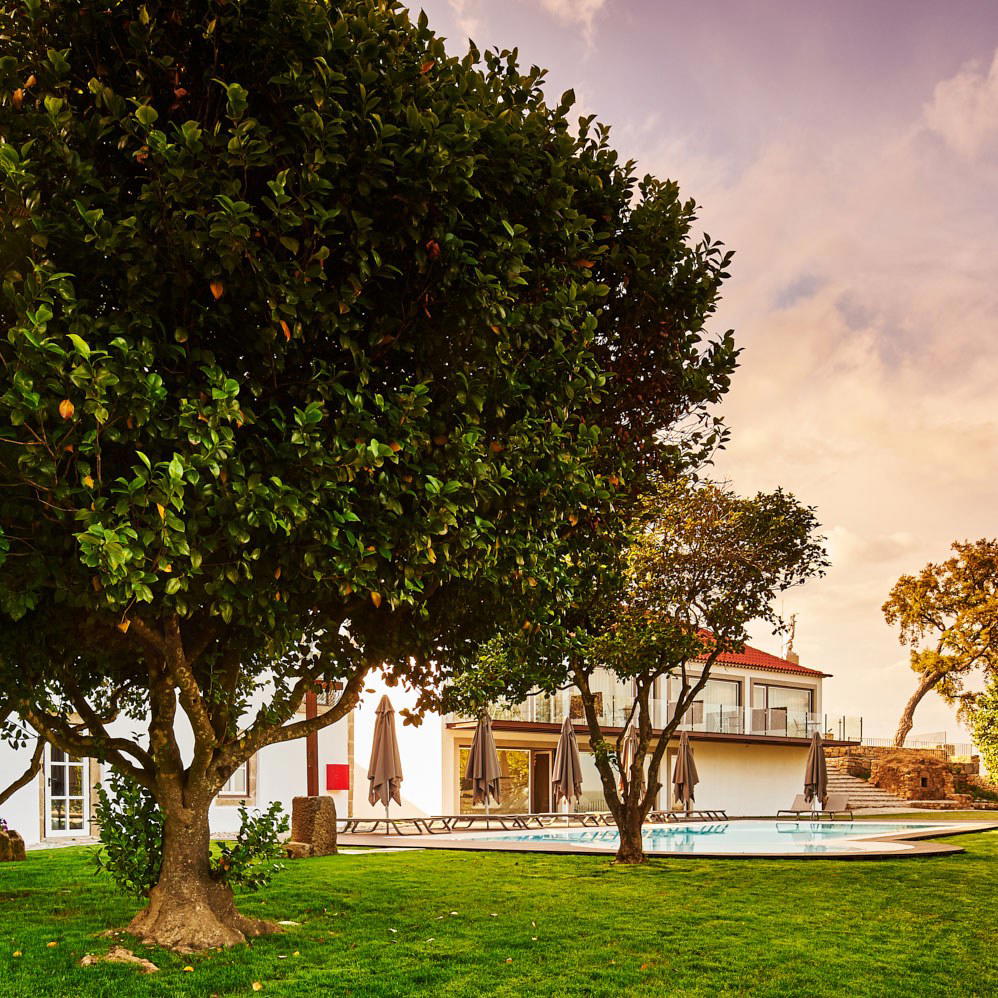
Stone, Silence, and the Architecture of Monastic Conversion
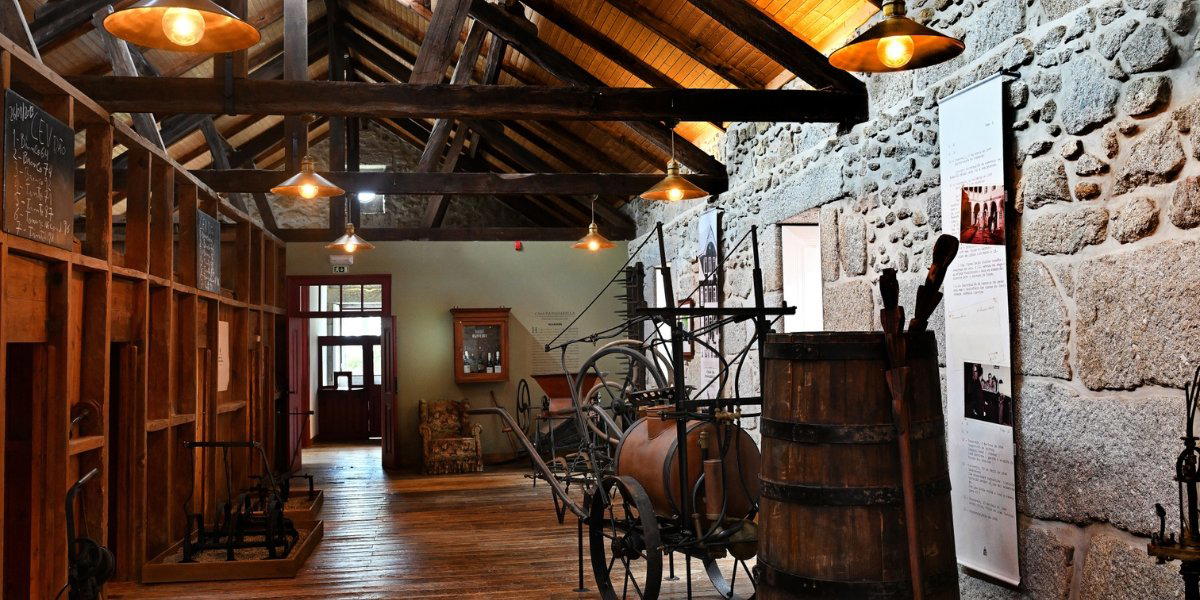
Portugal has accumulated a considerable tradition of repurposing religious architecture into accommodation, from grand pousadas occupying former monasteries in Guimarães and Évora to smaller, privately operated conversions scattered across the interior. The success of these projects almost always rests on the same question: how much of the original structure survives, and how thoughtfully has the intervention been made? At Convento do Seixo in Fundão, the answer leans toward restraint. The building's monastic bones, thick stone walls, proportioned archways, the spatial logic of a structure built for contemplation rather than commerce, remain the primary aesthetic statement. The added spa and hospitality infrastructure work around that framework rather than overwriting it.
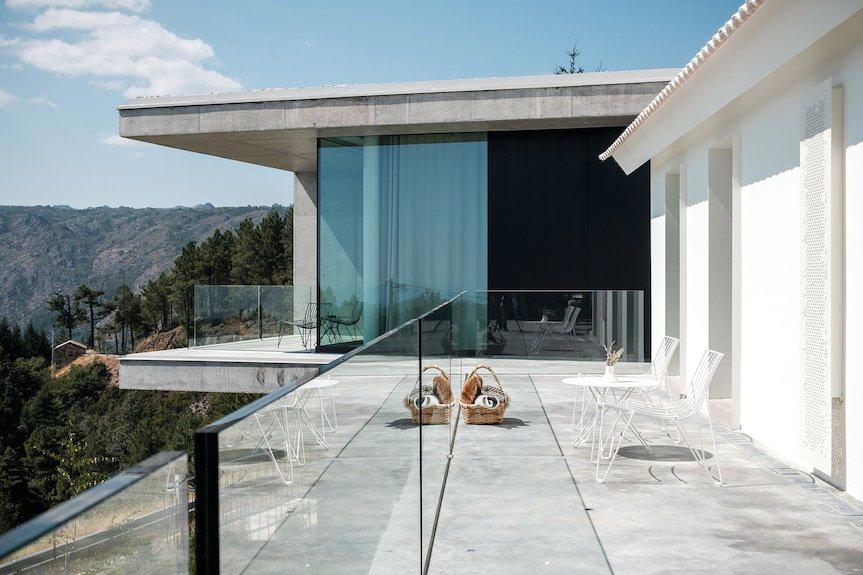
Fundão sits in the Beira Baixa region, at the foot of the Serra da Gardunha, a stretch of central Portugal that receives a fraction of the international visitor traffic flowing through Lisbon, Porto, or the Algarve. That geographical remove is part of the property's character. Arriving here, the shift in register is immediate: the landscape shifts from motorway infrastructure to terraced orchards and granite villages within a matter of kilometres, and the convent's stone facade reads as continuous with that environment rather than imposed upon it.
What Michelin Selection Signals in the Hotel Context
The Michelin Selected designation, part of the Michelin Hotels & Stays programme introduced in recent years, operates differently from the restaurant star system. Selection indicates that Michelin's inspectors found the property worth recommending within its category and geography, but it does not assign a tiered distinction in the way stars or keys function. What it does signal is a baseline of quality control: consistency of standard, an identifiable character, and a physical experience that rises above generic hospitality. For a small boutique hotel in an interior Portuguese town with limited visibility on the international travel circuit, Michelin selection functions primarily as a credentialling tool, confirming to readers who might otherwise overlook Fundão entirely that the property merits the detour.
In the context of Portugal's broader heritage-hotel market, Convento do Seixo occupies a specific niche: smaller in scale and more remote than properties like the The Lince Ecorkhotel in Évora or the Palácio de Tavira, and considerably further from resort infrastructure than the Conrad Algarve. The closest peer reference points are properties like Ventozelo Hotel & Quinta in Ervedosa do Douro or Carmo's Boutique Hotel in Ponte de Lima, heritage conversions in non-coastal settings where the architectural narrative and surrounding landscape do the heavy lifting that beach access or urban energy performs elsewhere.
The Interior Programme and Spatial Logic
Monastic architecture presents specific design challenges when converted to hospitality use. Cells become rooms, but the original proportions were calibrated for an entirely different mode of inhabitation. Corridors were built for procession rather than navigation. Communal spaces, refectories, cloisters, chapter houses, carry acoustical and spatial qualities that resist easy domestication. Properties that handle these challenges well tend to accept the spatial logic of the original structure and programme accordingly: a cloister that becomes a courtyard for still mornings rather than a lobby thoroughfare; a vaulted refectory that functions as a dining room where the architecture, not the table settings, sets the atmosphere.
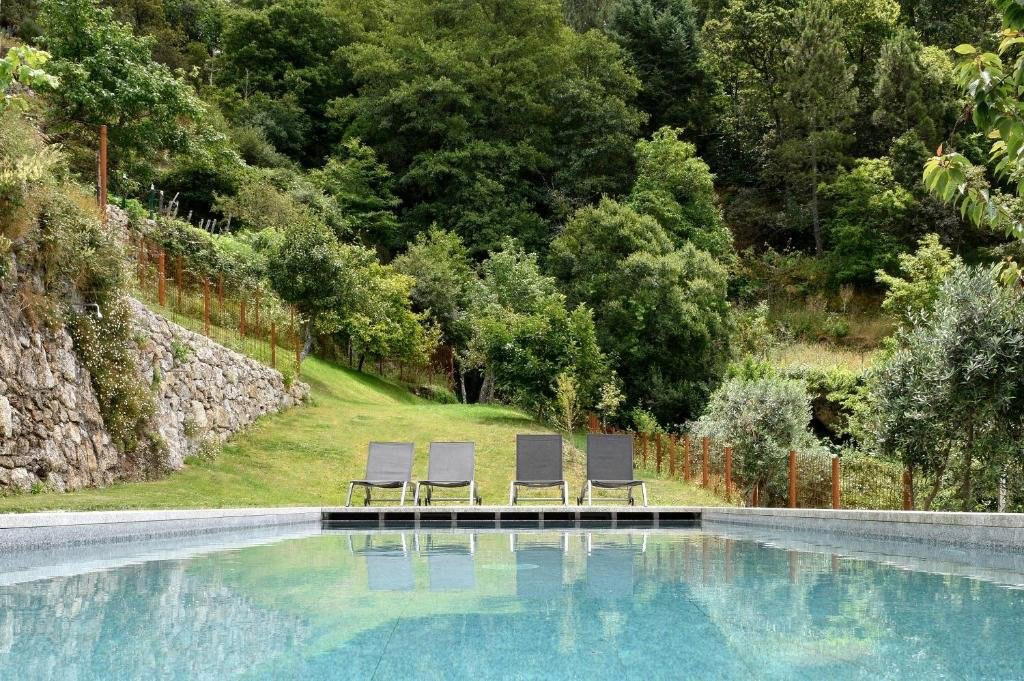
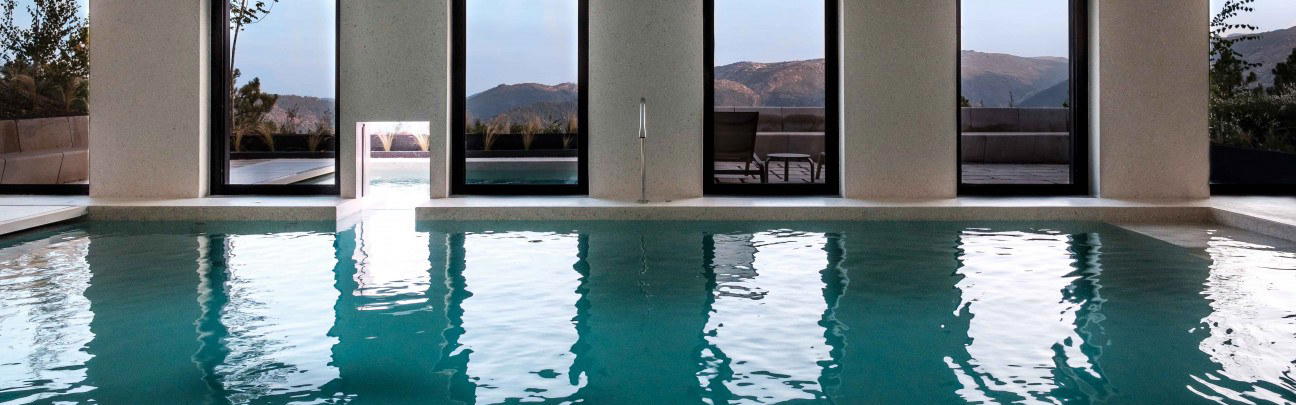
The inclusion of a spa at Convento do Seixo is a logical extension of the monastic-wellness association that the heritage-hotel sector has leaned into across southern Europe. The Serra da Gardunha setting reinforces this: the hills above Fundão are known for their cherry orchards and relatively undisturbed terrain, and a property that positions itself around quiet and physical restoration aligns more coherently with that environment than one built around social programming or nightlife. For comparable spa-led heritage properties in Portugal, the Hotel Casa Palmela in Setúbal and the Vidago Palace in Norte occupy higher price brackets with more extensive wellness infrastructure, offering a useful sense of where Convento do Seixo sits in the range.
Fundão as a Base for the Beira Baixa Interior
One of the more compelling arguments for staying in Fundão rather than routing through Coimbra or Castelo Branco is the access it provides to a corridor of interior Portugal that most itineraries skip. The town sits roughly equidistant between the Serra da Estrela, Portugal's highest mountain range, and the Tejo valley to the south. The agricultural range of the district, cherries in spring, olives through autumn, schist villages along the road to Penamacor and beyond, rewards slow travel by car in a way that more organised tourist infrastructure tends to preclude.
For those building a wider Portuguese itinerary, Fundão makes geographical sense as a mid-point between Porto and Lisbon rather than a detour. Properties in Porto's heritage tier, like Palacete Severo or the MS Collection Aveiro in nearby Aveiro, represent the northern end of a heritage-conversion itinerary that passes through the Beira interior before reaching the capital. The Hotel Britânia Art Deco in Lisbon or The Lince Braga extend the circuit further if schedule allows. For the full range of what Portuguese hospitality looks like across its Atlantic extensions, Octant Furnas in the Azores and the Savoy Palace in Madeira represent the archipelago tier of that same conversation. For those curious about how the coastal resort circuit compares, the Bela Vista Hotel & Spa in Praia da Rocha, Casa Mãe Hotel in Lagos, Villa Sal in Lagoa, and the Dunas Douradas Beach Club in Almancil each take a different approach to Algarve positioning. See our full Fundão guide for more on what the wider district offers.
Planning a Stay
The property is located on Rua do Convento in Fundão, accessible by car from the A23 motorway, which connects the region to Castelo Branco to the south and Covilhã to the north. Covilhã has a train station on the Beira Baixa line with services from Lisbon's Santa Apolónia station, making it the most practical rail access point for those without a car; the transfer from Covilhã to Fundão is roughly 20 minutes by road. Booking directly through the property or via the Michelin Hotels & Stays platform is the most reliable route to current rates and availability. Seasonal considerations favour spring, when the cherry blossom across the Fundão valley is at its densest, and early autumn, when temperatures moderate and the agricultural harvest makes the surrounding countryside particularly active. High summer in the Beira Baixa interior can be genuinely hot, which makes the spa's indoor offering more relevant as a counterpoint.
Comparable Spots, Quickly
Comparable venues nearby, for context on price, style, and recognition.
| Venue | Cuisine | Price | Awards | Notes |
|---|---|---|---|---|
| Convento do Seixo Boutique Hotel & SpaThis venue (the venue you are viewing) | Restored 16th-century convent with contemporary refinement | Not listed | Michelin Selected | Not listed |
| Torel Avantgarde | Avant-garde design hotel celebrating early 20th-century artistic movements with contemporary luxury | $300–500 | 1 Michelin Key | Ribeira |
| The Standard | Contemporary luxury boutique hotel respecting heritage architecture with modern unconventional hospitality. | Not listed | Not listed | Alfama |
| Montebelo Vista Alegre Ílhavo Hotel | Historic porcelain factory restoration with modern wing | $100–200 | Michelin Selected | Vista Alegre |
| Pousada Mosteiro Amares - Gerês | historic monastery converted into luxury pousada | Not listed | Michelin Selected | Santa Maria do Bouro |
| The Ivens Hotel, Autograph Collection | 19th-century well-known warehouse revived as a luxurious explorers' boutique hotel with distinctive historical charm. | $300–500 | Michelin Selected · Virtuoso Luxury Hotel Partner | Chiado |
Recognition history
Dated appearances from independent guides and award organizations, with the underlying list record or original source where available.
Michelin Selected
Michelin

Continue exploring
More in Fundao
Hotels in Fundao
All hotels in Fundao →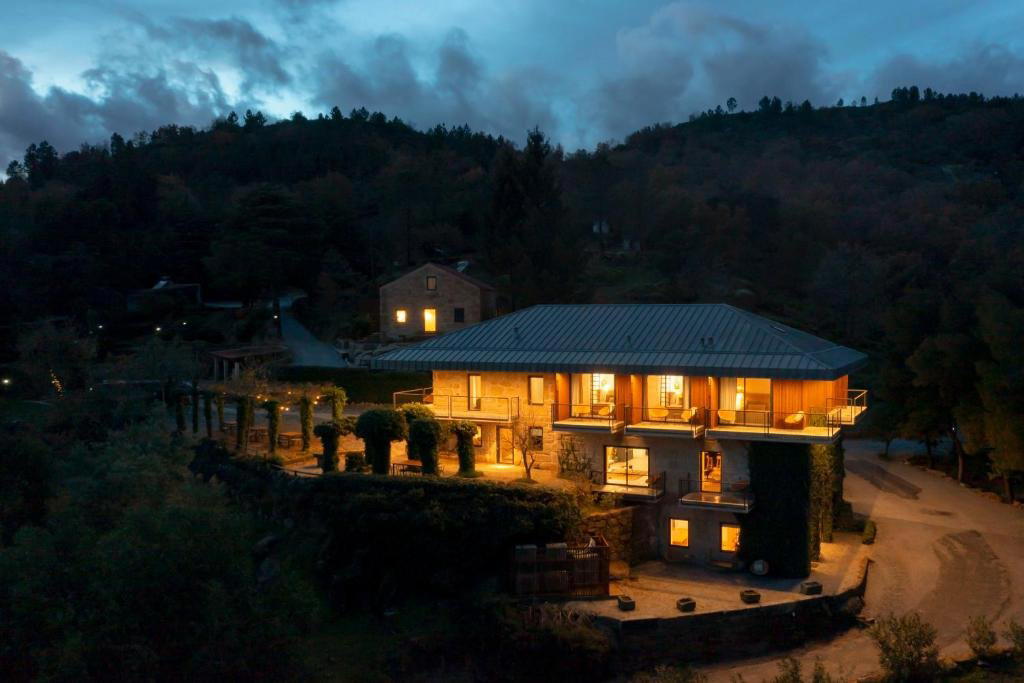
Restaurants in Fundao
Browse all →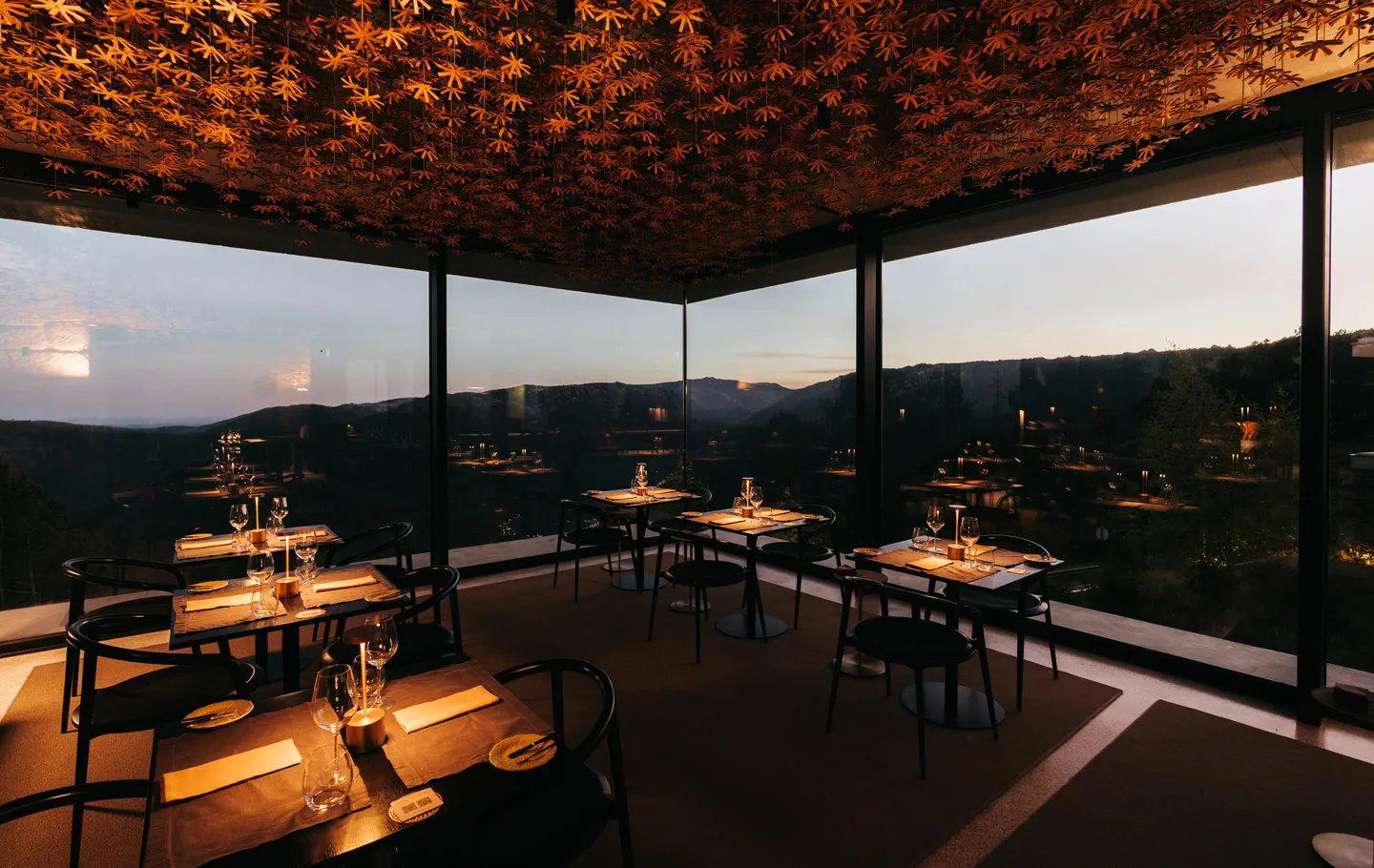

Details
- Romantic
- Quiet
- Elegant
- Scenic
- Intimate
- Sophisticated
- Romantic Getaway
- Wellness Retreat
- Anniversary
- Weekend Escape
- Historic Building
- Panoramic View
- Garden
- Terrace
- Spa
- Pool
- Indoor Pool
- Fitness Center
- Wi Fi
- Room Service
- Concierge
- Restaurant
- Garden
- Sauna
- Garden
- Mountain
- Wheelchair Accessible
- Elevator
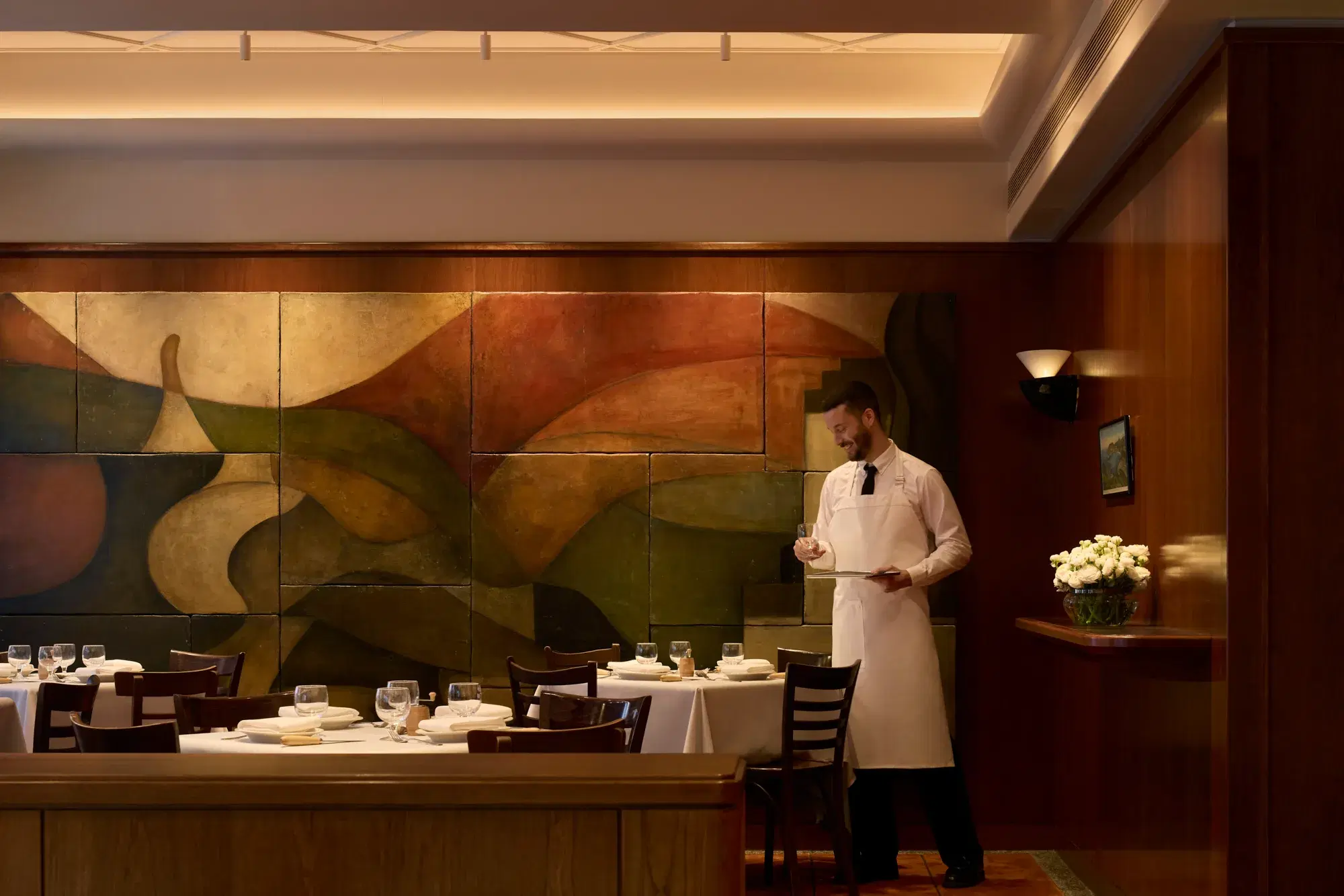
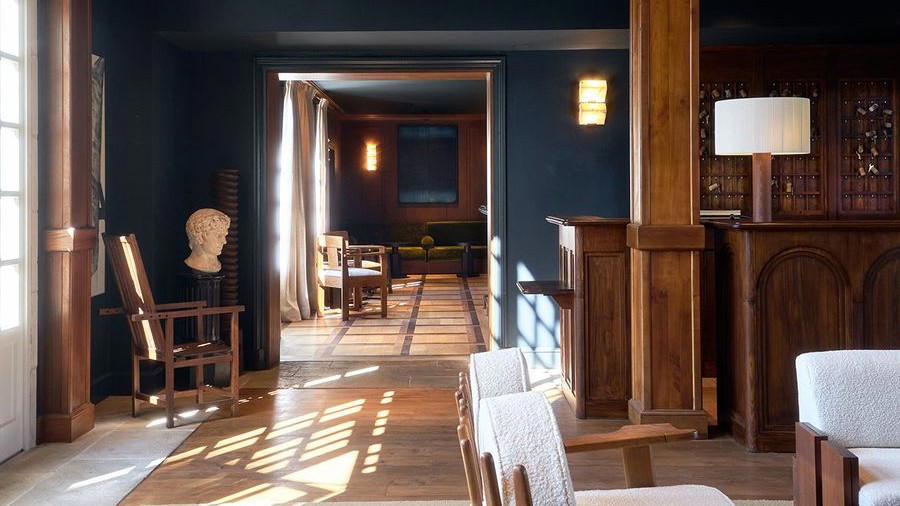
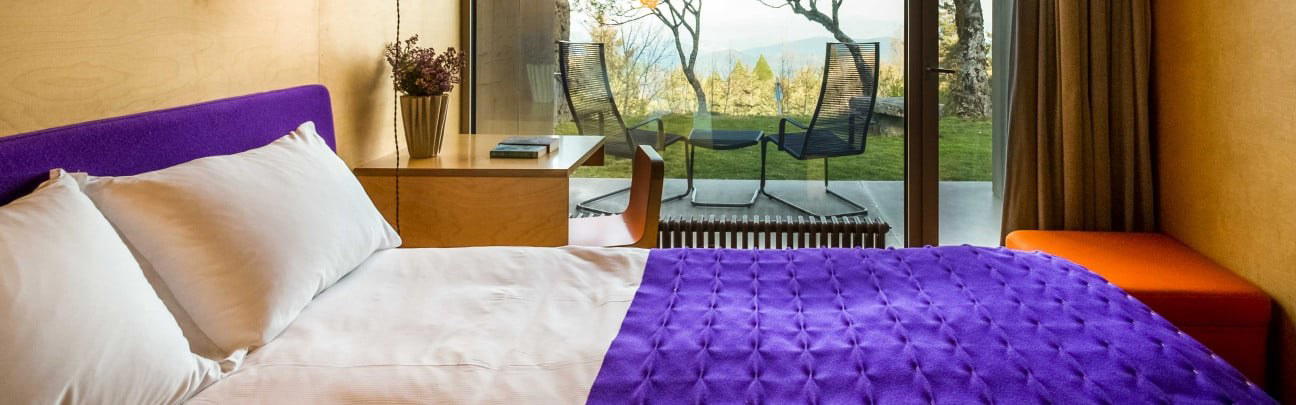
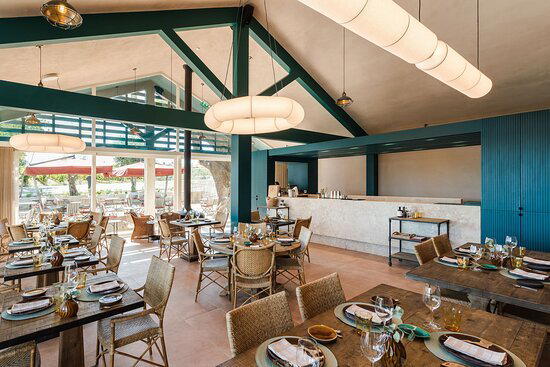
Intimate and relaxed atmosphere with granite walls in green, blue, and copper tones, serene lighting in historic spaces like the former church bar.