

A 19th-century palacete on a quiet Porto street, Palacete Severo carries Michelin Selected status for 2025 — placing it in a small cohort of Porto properties recognised for quality beyond the standard hotel tier. The address sits within the city's Belle Époque residential fabric, where ornate architecture and period interiors define the character of the stay rather than any branded amenity programme.
Pearl is the En Primeur Club membership app — saves, bookings, and concierge access live there. Same editors, same standards.
- Address
- R. de Ricardo Severo 21, 4050-460 Porto, Portugal
- Phone
- +351 22 967 7000
- Website
- palacetesevero.com
- Directions
- Get directions
 Saves & bookings on Pearl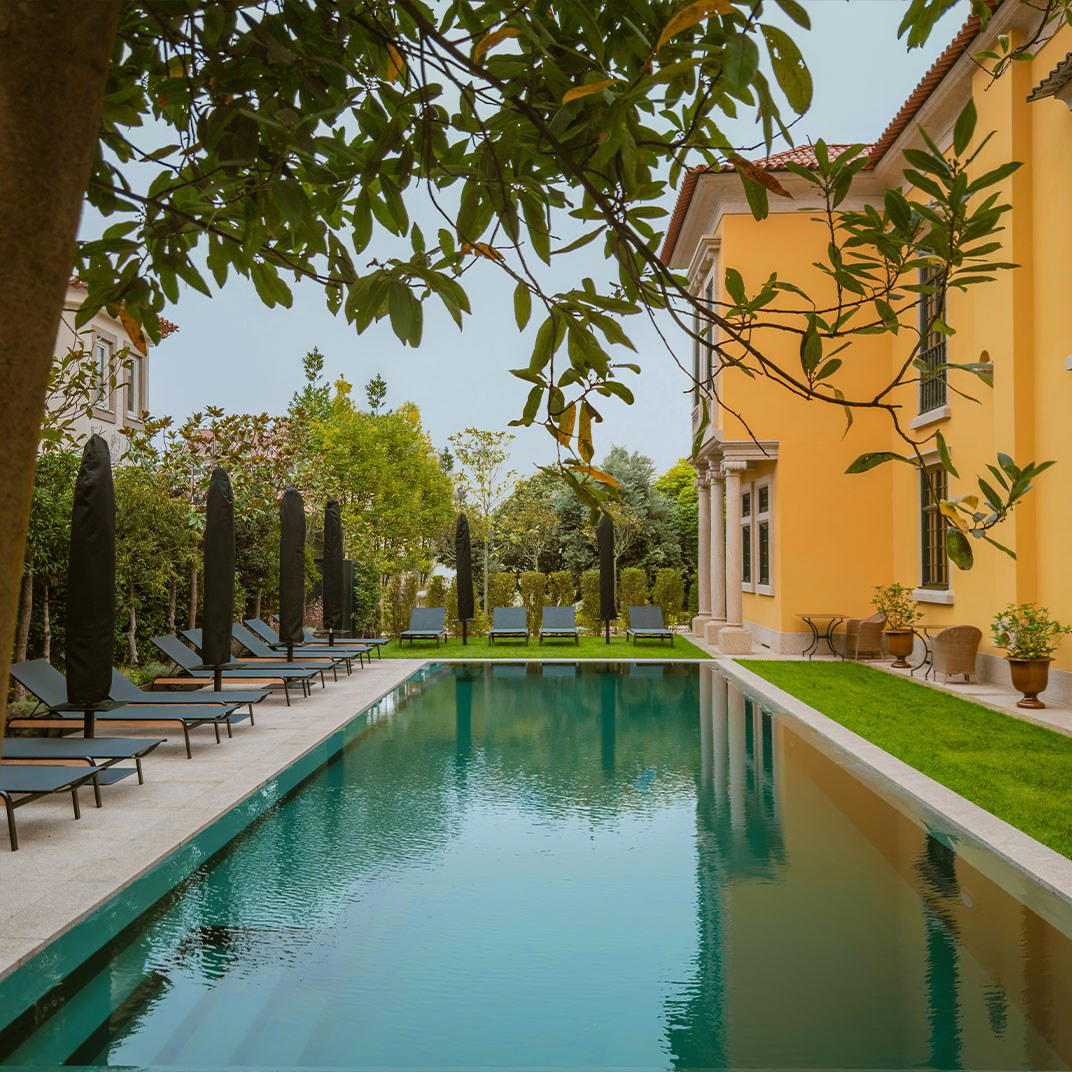
A Palacete in Porto's Belle Époque Belt
Porto's premium accommodation has divided into two legible camps over the past decade. On one side sit the grand conversion hotels — former palaces and merchant houses turned large-format luxury, represented by properties like the InterContinental Porto Palacio das Cardosas and the GA Palace Hotel & SPA, which absorb international volume and operate at branded-hotel scale. On the other sit smaller, building-led properties where the architecture itself is the primary offering: fewer keys, more specific interiors, and a guest experience shaped by the original structure rather than layered over it. Palacete Severo sits firmly in that second camp.
The address, Rua de Ricardo Severo 21, places the property in a part of Porto shaped by late 19th- and early 20th-century bourgeois construction. This stretch of the city was built for Porto's prosperous merchant and professional class during the era when palacetes — small urban palaces, distinct from manor houses in their civic, street-facing ambition, became the architectural statement of choice. These buildings were designed to be seen. Decorative tilework, elaborate stonework, and the formal separation of public and private rooms within the house all expressed status through architectural language rather than sheer scale. Staying in one means occupying that language directly, which is a different proposition from staying in a hotel that has absorbed a historic building into a contemporary operating format.
The Palacete as a Building Type
Understanding what Palacete Severo is requires understanding what a palacete is in the Portuguese urban context. The type emerged in Lisbon and Porto during the second half of the 19th century as a domestic architecture that borrowed from French and Italian palatial models but compressed them for urban plots. The result was typically a two- or three-storey structure with a symmetrical street facade, high-ceilinged principal rooms on the piano nobile, and decorative programmes that ran from painted ceilings and patterned tile floors to carved millwork and formal staircases. The buildings were not merely large, they were composed. Each room had a defined social function, and the sequence from entrance to reception to private quarters followed a logic of controlled revelation.
When these buildings convert to accommodation, the quality of that conversion varies enormously. Some strip out the period fabric to create smooth contemporary interiors behind the historic shell. Others preserve the ornamental detail but fail to resolve the tension between 19th-century room proportions and contemporary hospitality expectations. The properties that earn recognition tend to be those where the conversion has respected the building's internal logic, where sleeping in a room still feels architecturally connected to the structure's original intent. Palacete Severo's inclusion on the Michelin Selected Hotels 2025 list signals that it sits in the credible tier of this conversion category, where the physical experience of the building is a considered part of the offer.
For context on how this type of property compares across Porto, Casa do Conto and Casa da Companhia occupy adjacent territory, Porto boutique conversions where architectural identity drives the guest proposition. The Canto de Luz and Exmo Hotel by Olivia offer alternative entry points into Porto's smaller-scale accommodation tier. Palacete Severo's specific distinction is its building type: the palacete form, with its formal room sequence and decorative density, is architecturally more specific than the generic townhouse conversion.
Placing It in Porto's Broader Hotel Picture
Porto's hotel market has matured significantly since the city's tourism expansion accelerated in the mid-2010s. The Hospes Infante Sagres Porto and the Altis Porto Hotel represent the upper tier of branded full-service properties. Palacete Severo operates outside that competitive set entirely. Its peer group is the handful of independently run historic-building properties where guest volume is low, the physical space is specific, and the logic of the stay is defined by architecture rather than amenity stack. This is a meaningful distinction for travellers choosing between hotel formats: a Michelin Selected palacete is not a smaller, cheaper version of a five-star branded hotel. It is a structurally different type of stay.
Portugal has produced several strong examples of this format at different scales and price points across the country. MS Collection Aveiro - Palacete Valdemouro in Aveiro represents the palacete conversion model applied in a smaller city context. Vidago Palace in Norte and Carmo's Boutique Hotel in Ponte de Lima offer historic-building stays at different scales further north. For those extending a Porto trip south, Hotel Casa Palmela in Setubal and Palácio de Tavira in Tavira follow comparable logic: architecture-led, lower key count, independently positioned. The international equivalents of this positioning, properties where the building is the primary asset, include Badrutt's Palace Hotel in St. Moritz and Hôtel de Paris Monte-Carlo, though at considerably greater scale and price.
Planning a Stay
Palacete Severo is located at Rua de Ricardo Severo 21 in Porto. The property operates within Porto's walkable central residential zone, which means most of the city's key dining, wine bar, and cultural destinations are accessible on foot or by a short taxi ride. For those using Porto as a base to explore the Douro Valley, Ventozelo Hotel & Quinta in Ervedosa do Douro offers a natural extension into wine-country accommodation. Travellers arriving via Francisco Sá Carneiro Airport will find Porto's city centre a 20-to-30-minute transfer by taxi or metro depending on conditions. Booking is leading handled directly through the property's own channels, though specific contact information is not currently listed here. For a broader view of where this property fits among Porto's full hotel and dining offer, see our full Porto restaurants guide.
Recognition history
Dated appearances from independent guides and award organizations, with the underlying list record or original source where available.
Michelin 1 Key
Michelin
Michelin Selected
Michelin
National Geographic Hotel Awards Winner
National Geographic
Continue exploring
More in Porto
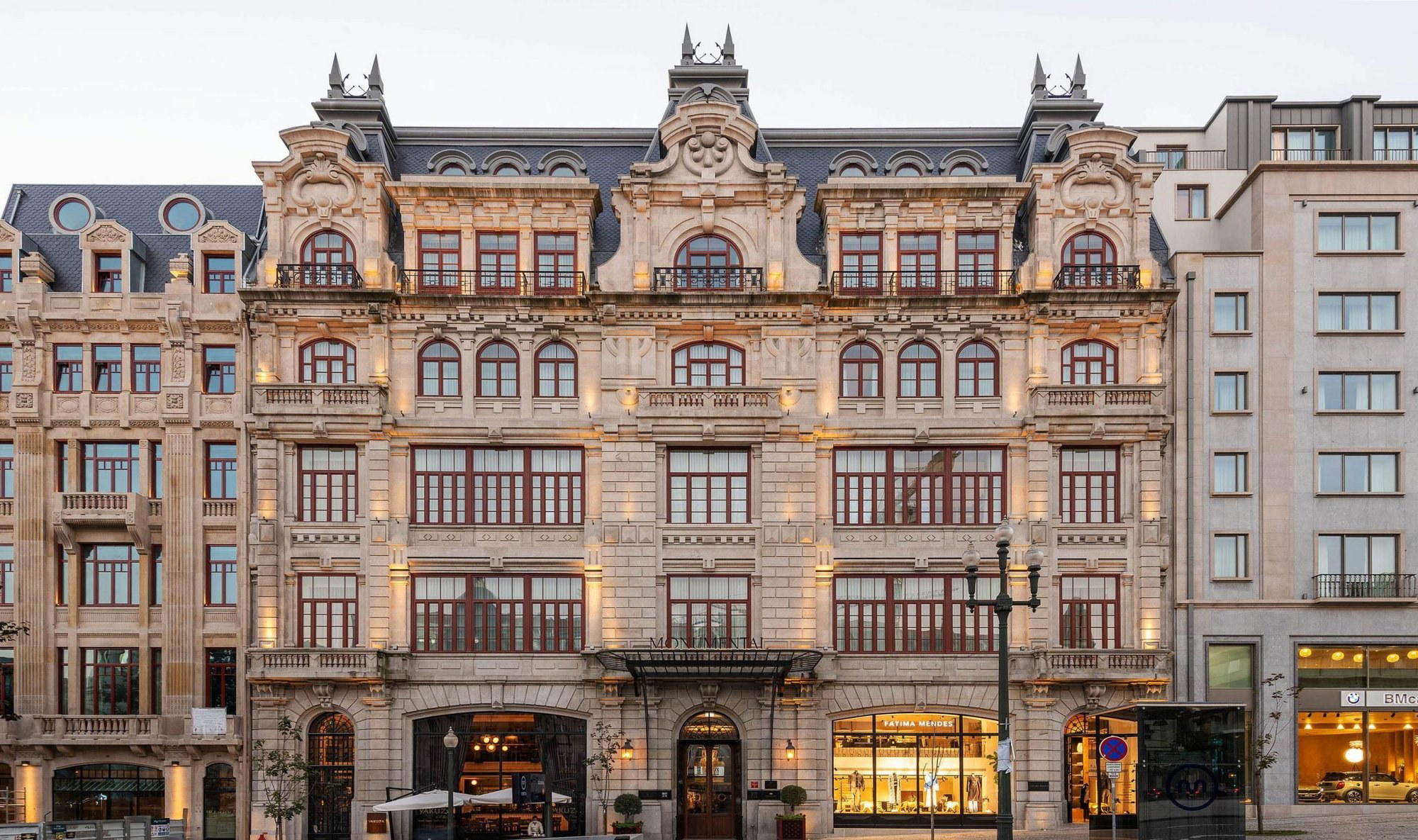
Hotels in Porto
Browse all →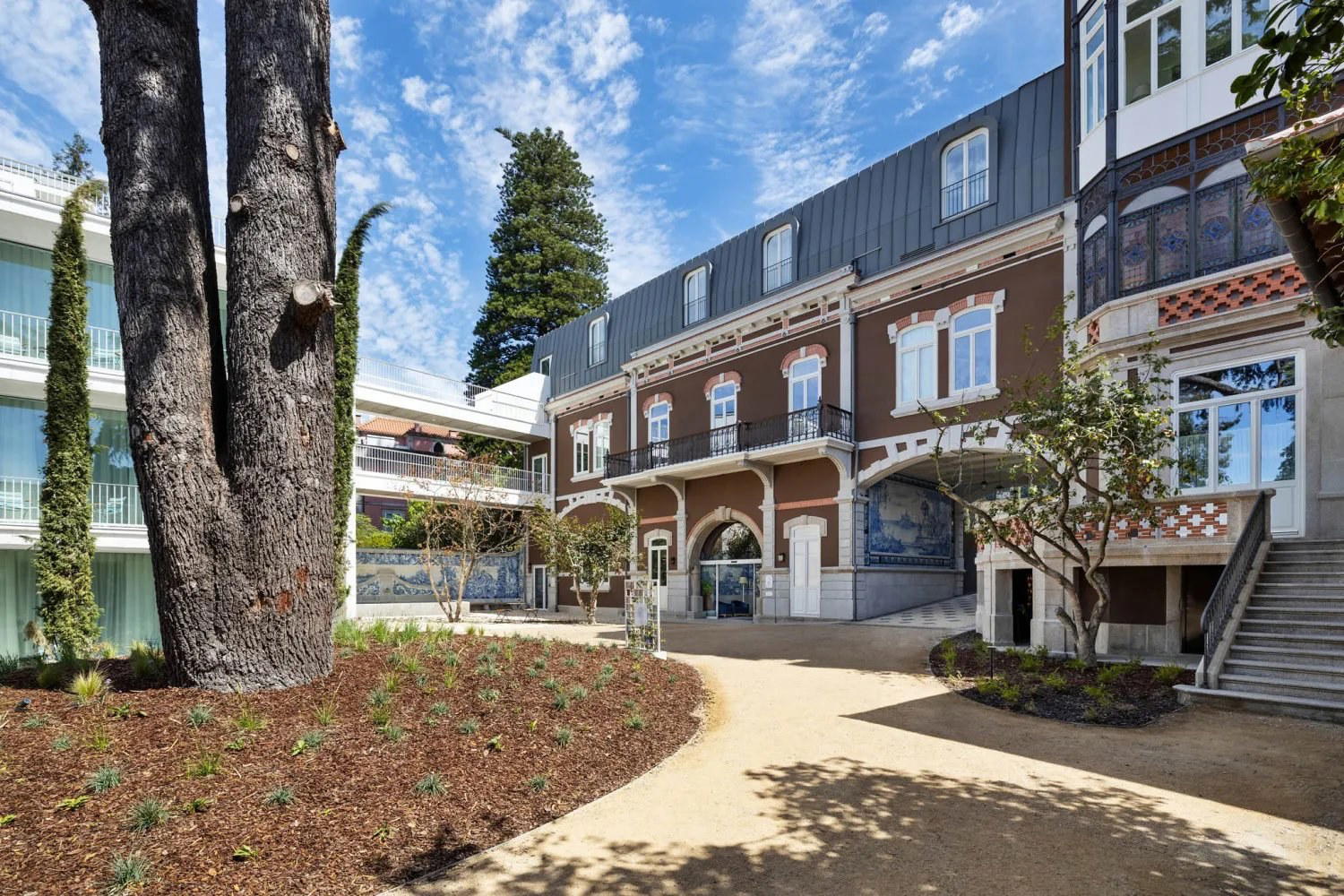
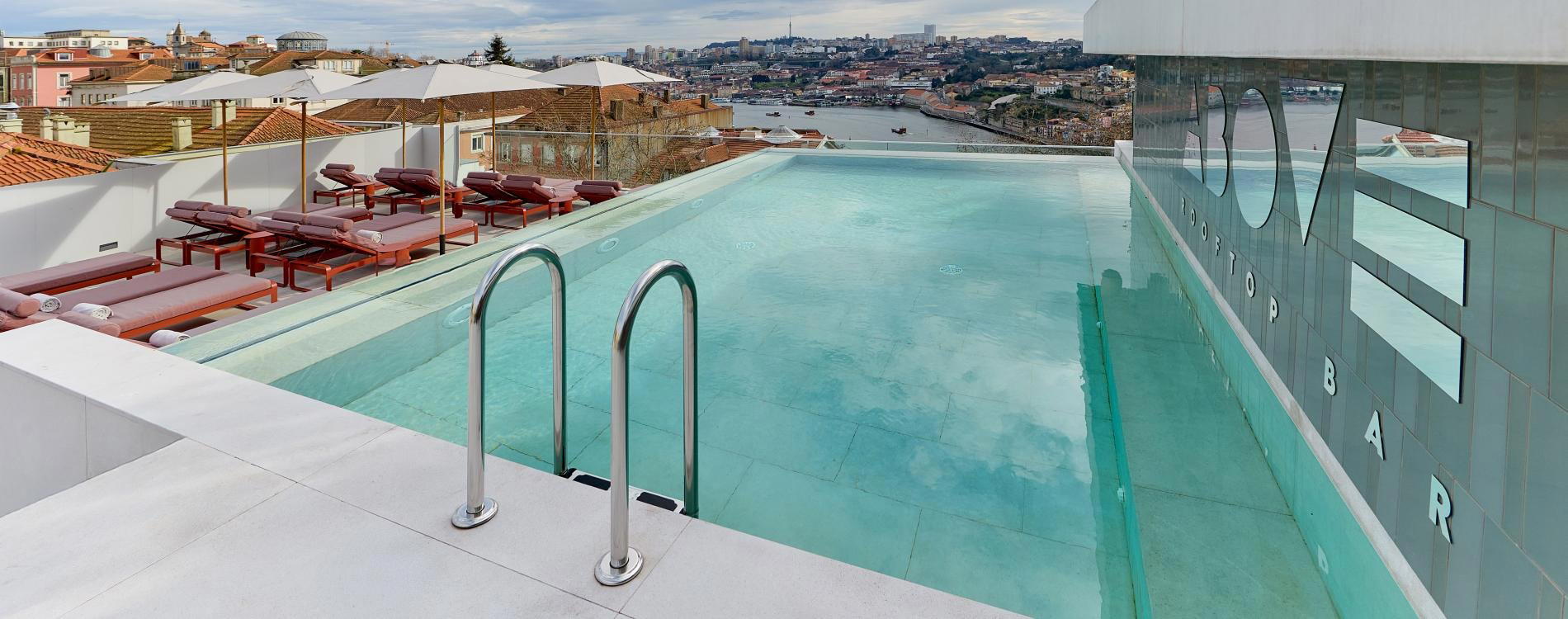
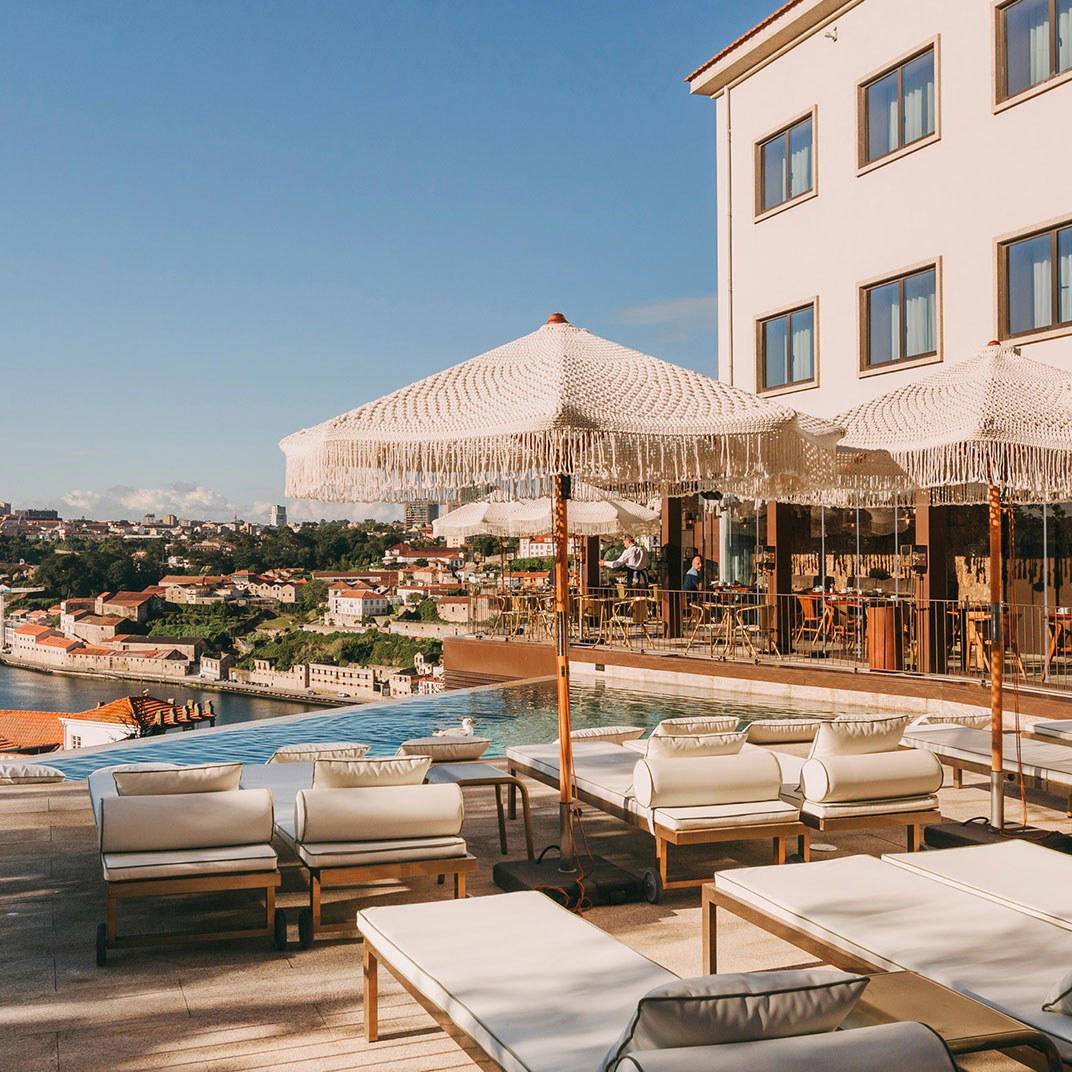
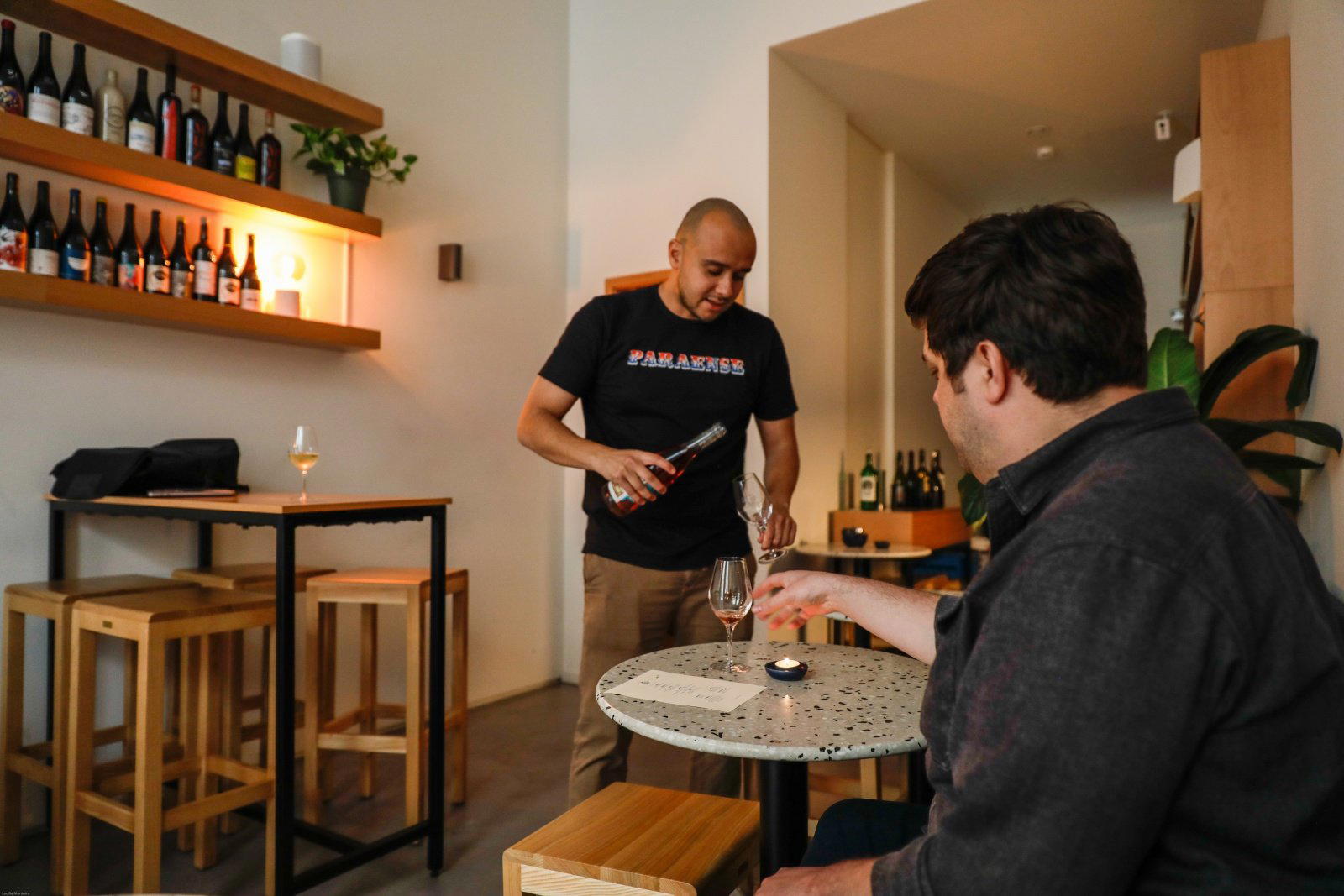
Bars in Porto
Browse all →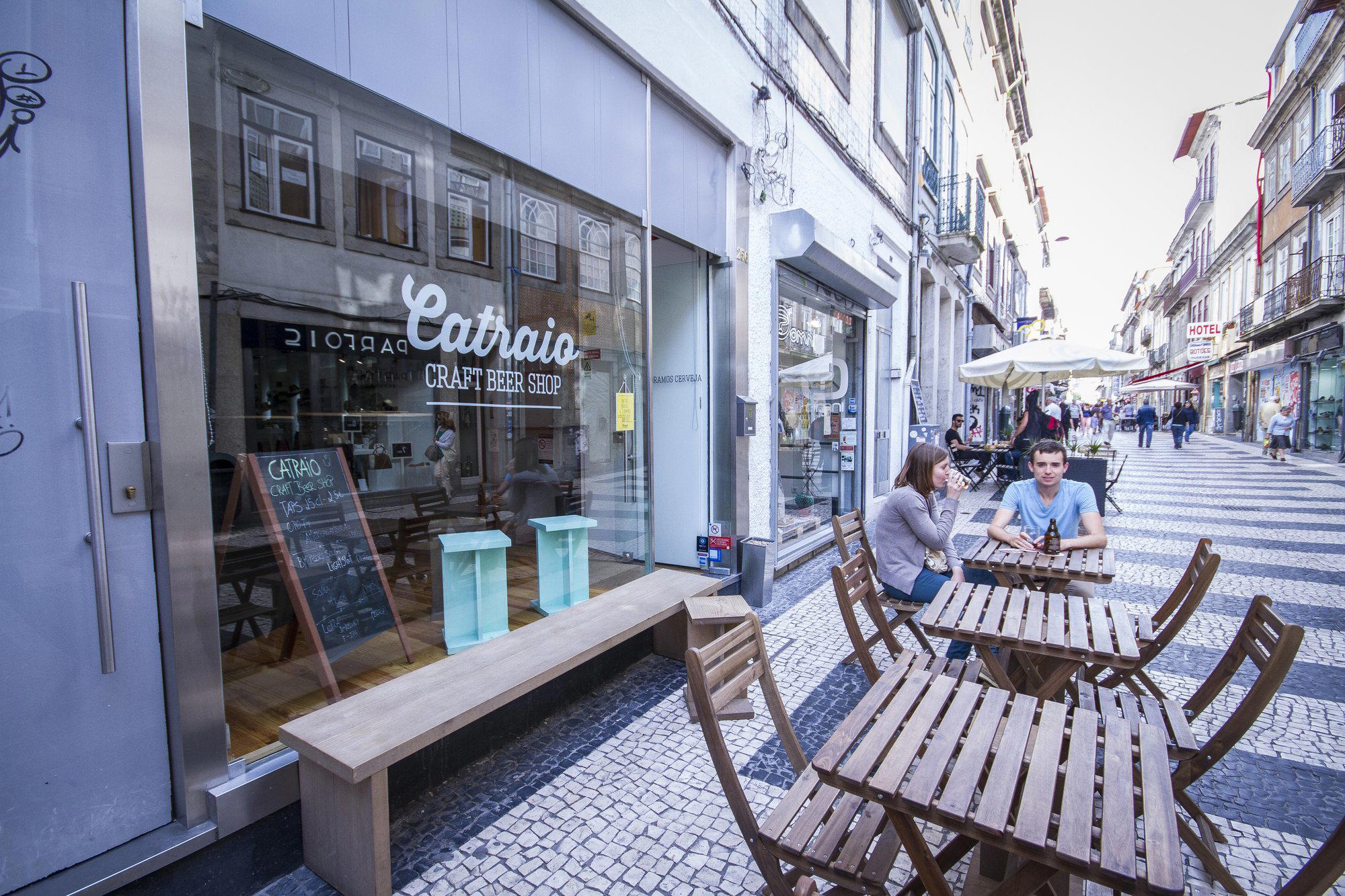
Restaurants in Porto
Browse all →
At a Glance
- Elegant
- Sophisticated
- Intimate
- Classic
- Quiet
- Romantic Getaway
- Honeymoon
- Wellness Retreat
- Anniversary
- Infinity Pool
- Historic Building
- Garden
- Pool
- Spa
- Sauna
- Fitness Center
- Room Service
- Restaurant
- Garden
- Wi Fi
- EV Charging
- Garden
- Pool
- Spa
- Sauna
- Fitness Center
- Room Service
- Restaurant
- Garden
- Wi Fi
- EV Charging
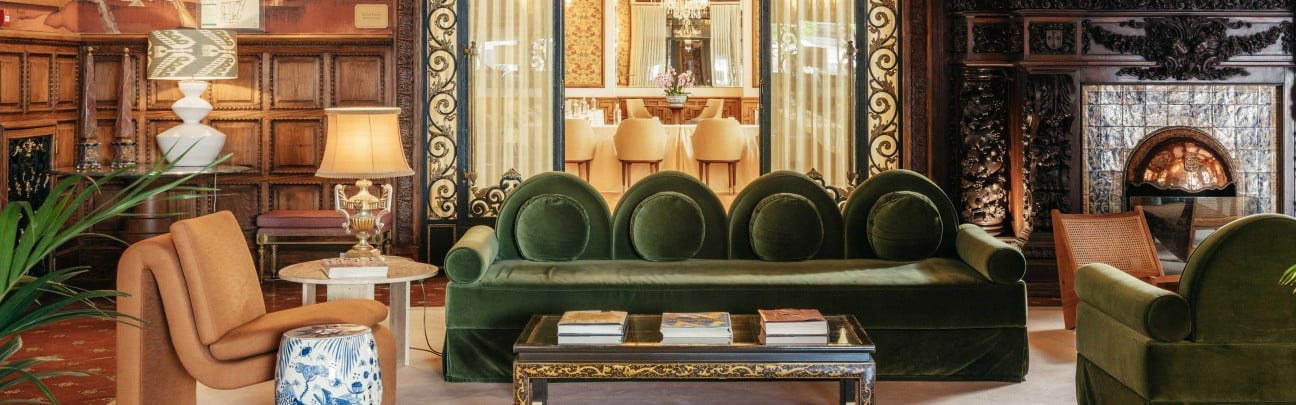
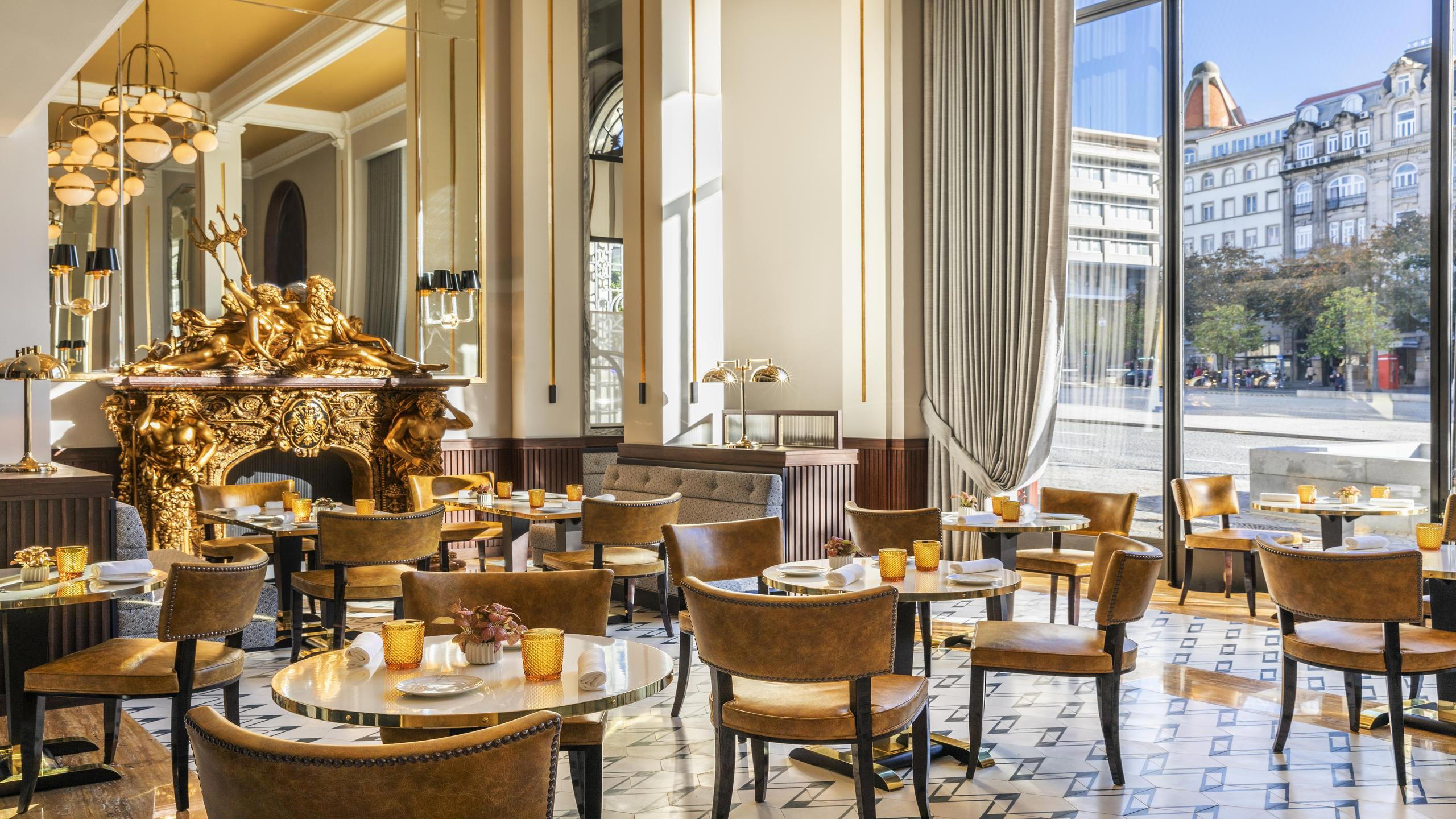
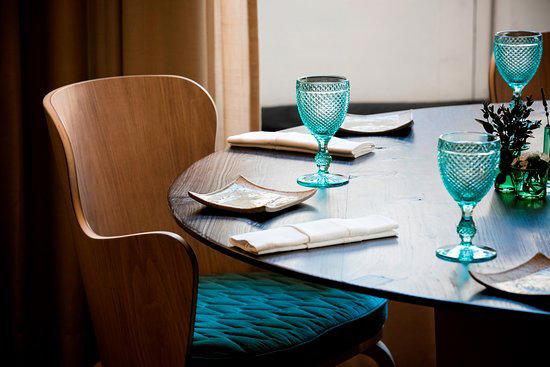
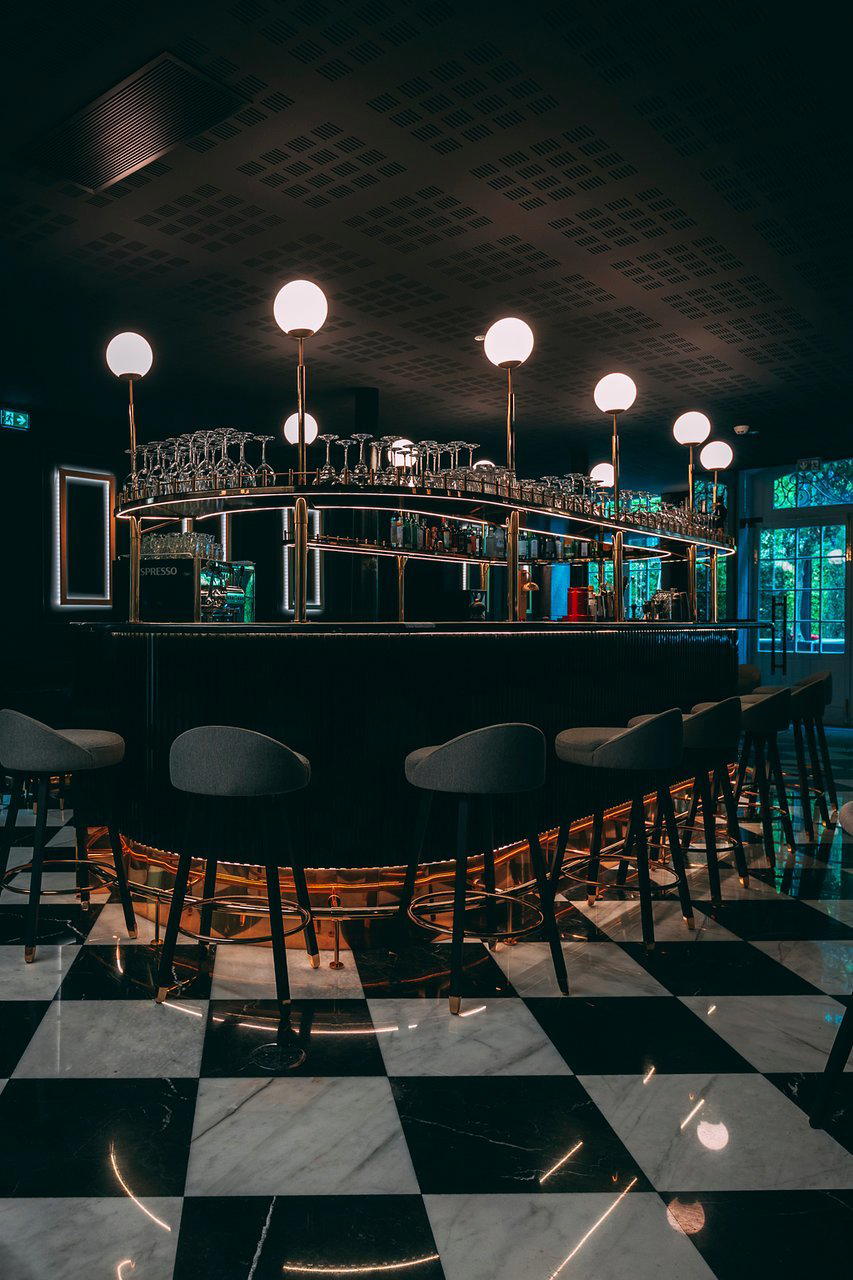
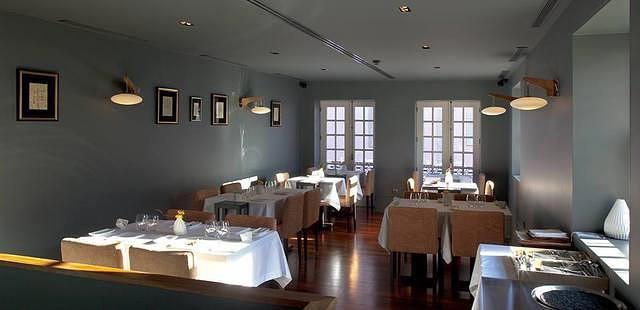
Regal and intimate with ceiling frescoes, stained glass windows, marble staircases, velvet banquettes, moody palette, and natural light flooding through large windows.
Know Before You Go
- Getting there
- R. de Ricardo Severo 21, 4050-460 Porto, Portugal